Meta Platforms(META)

Search documents
Manus被卖 AI圈进入“应用为王”时代
Bei Jing Shang Bao· 2025-12-31 02:36
成立不足四年、发布Manus不满一年的创业公司蝴蝶效应被Meta以数十亿美元收购。 12月30日一早,这则消息震动全球AI圈,对于Meta而言这是收购额仅次于WhatsApp和Scale AI的大手 笔,谈判速度之快让真格基金合伙人、蝴蝶效应公司天使投资人刘元一度生疑。这不仅是一笔交易,更 是一面镜子,映照出AI产业正在发生的深刻转向:大模型基础设施之争渐入尾声,能解决真实问题的 AI应用层正迎来"黄金时代"。但硬币的另一面同样清晰:这个黄金时代,或许只留给最敏捷的少数人。 "我能为你做什么?" "今天,将是我余生难忘的时刻。"12月30日,Manus创始人肖弘宣布收购案时这样形容自己的心情。读 完他短短的120个单词的博文,这位非典型创业者的兴奋不难捕捉。 Manus到底是什么?它是不是下一个DeepSeek?一时间,要厘清的概念满天飞,简单来说,Manus不是 大模型,而是一款基于大模型,能调度不同的工具解决复杂问题的Agent产品(智能体)。 如今,打开Manus官网,用户会看到一句话在对话框上方,"我能为你做什么?"用肖弘的话 说,"Chatbot(聊天机器人)给你一个答案,可能需要你再花两小时把它变 ...

Meta:彻底切断 Manus 与中国市场联系
程序员的那些事· 2025-12-31 02:34
30 日, Meta 和 Manus 双方都宣布了收购/被收购这事 ,但很多细节没透露出来。 这次收购不会影响现有客户, Manus 之后还会在新加坡继续运营,通过原来的 App 和网站卖订阅服务。 31 日,外媒 Business Insider 发了一篇文章,透露出更多细节。 总结如下: Meta 发言人表示:"收购 Manus AI 能让我们给用户用上最先进的技术,还会做好安全措施避免潜在风险。 交 易完成后,Manus AI 再也没有中国老板的股份了,在中国的服务和运营也会停掉 。" Manus 开发了一款智能体:能自己搞定市场调研、写代码、做数据分析这些复杂活,Meta 会把这些技术整合 到内部所有消费级和企业级产品里。 Meta 本身在中国没有业务,他们说这次收购会彻底切断 Manus 跟中国的所有剩余联系,包括中国所有者的 权益。 作为交易的一部分,Meta 会逐步关停 Manus 在中国的少量业务,比如关掉 AI 助手 Monica.cn,还会把相关 员工迁出中国。 Manus 员工加入 Meta 后,不能访问直接从客户那里收集的数据,Meta 也会继续对 AI 模型做地域访问限 制。 (参考 ...


Meta收购Manus,AIAgent新里程碑
Soochow Securities· 2025-12-31 02:32
证券研究报告·行业点评报告·计算机 计算机行业点评报告 Meta 收购 Manus,AI Agent 新里程碑 2025 年 12 月 31 日 增持(维持) [Table_Tag] [Table_Summary] 投资要点 证券分析师 王紫敬 执业证书:S0600521080005 021-60199781 wangzj@dwzq.com.cn 行业走势 -10% -6% -2% 2% 6% 10% 14% 18% 22% 26% 30% 2024/12/31 2025/5/1 2025/8/30 2025/12/29 计算机 沪深300 相关研究 《关注地方国企资本运作——国企改 革和地方增收的交汇点》 2025-12-30 《太空算力:苍穹之上的下一代计算 范式》 2025-12-30 东吴证券研究所 1 / 2 请务必阅读正文之后的免责声明部分 ◼ 事件:北京时间 2025 年 12 月 30 日,Meta 官宣收购 Manus。 ◼ Meta 官宣收购 Manus,补齐应用层能力。北京时间 2025 年 12 月 30 日,Meta 官宣将以"数十亿美元"收购 AI 智能体产品 Manus 的开发方 ...
扎克伯格为何上百亿收购Manus?美媒揭秘三大原因
Sou Hu Cai Jing· 2025-12-31 02:32
Core Insights - Meta has announced the acquisition of Singapore-based AI startup Manus for over $2 billion, continuing the trend of investment and acquisition in the AI sector [2] - Manus has achieved significant milestones, including processing over 147 trillion text tokens and generating an annual recurring revenue exceeding $100 million within eight months of its product launch [3][5] Group 1: Reasons for Acquisition - **Immediate Revenue Generation**: Manus has a user base in the "millions" and offers a professional version of its service that charges users up to $200 per month, providing Meta with a direct monetization channel [3][5] - **Expertise in AI Agents**: Manus specializes in AI agents that can autonomously execute tasks, which aligns with the industry's need for practical AI applications. This acquisition may enhance Meta's capabilities in this area [6] - **Distribution Advantage**: Meta's platforms have billions of users, providing a strong distribution channel for Manus's technology, although the challenge remains in retaining user engagement [6] Group 2: Strategic Implications - **Integration Plans**: Meta intends to integrate Manus's technology into its existing platforms like Facebook, Instagram, and WhatsApp while continuing to sell Manus's services separately [5] - **Competitive Positioning**: The acquisition may help Meta gain a competitive edge in the AI space, especially as it has struggled to match the consumer appeal of AI models from companies like OpenAI and Google [6] - **Validation of AI Applications**: The acquisition underscores the importance of the application layer in AI, which is seen as a critical area for future opportunities [6]

罗永浩与豆包“吵架”引爆赛道?AI智能体概念活跃,蓝色光标涨超12%
Jin Rong Jie· 2025-12-31 02:13
Group 1 - The AI agent sector is experiencing significant activity, with companies like BlueFocus rising over 12%, Raytheon Technology over 10%, and others showing substantial gains [1] - Meta's acquisition of AI agent company Manus, valued at several billion dollars, marks its third-largest acquisition since inception, aiming to accelerate AI innovation [1] - Manus has processed over 147 trillion tokens and created over 80 million virtual computers, showcasing its capabilities in the AI space [1] Group 2 - The debate at the annual tech sharing event featuring Luo Yonghao highlighted the social value of AI products, potentially leading to a reassessment of the commercialization potential of consumer-grade AI applications [2] - The AI agent platform and application sector is expected to benefit from increased market demand and accelerated commercialization, with platform companies holding technological advantages likely to dominate the industry [3] - The integration of multi-modal perception technologies in AI agents is driving demand for related hardware modules and interactive devices, presenting growth opportunities for manufacturers with core component development capabilities [3] - Companies like Huati Technology are launching AI products focused on urban governance and energy management, with the demand for smart city solutions expected to continue growing [3]




中国创业者的奇迹!33岁武汉老板,10天喜提百亿收购
2 1 Shi Ji Jing Ji Bao Dao· 2025-12-31 01:52
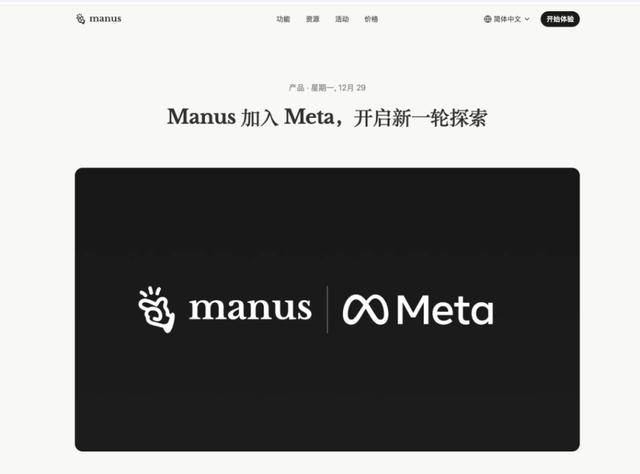
12月30日,智能体初创公司Manus发布消息称,将加入Meta并独立运营,Manus创始人、CEO肖弘出任 Meta副总裁。此次收购对价高达数十亿美元,合人民币超百亿元。 ...

财经观察丨中国90后的公司,被扎克伯格数十亿美元收购!什么来头?
Sou Hu Cai Jing· 2025-12-31 01:46
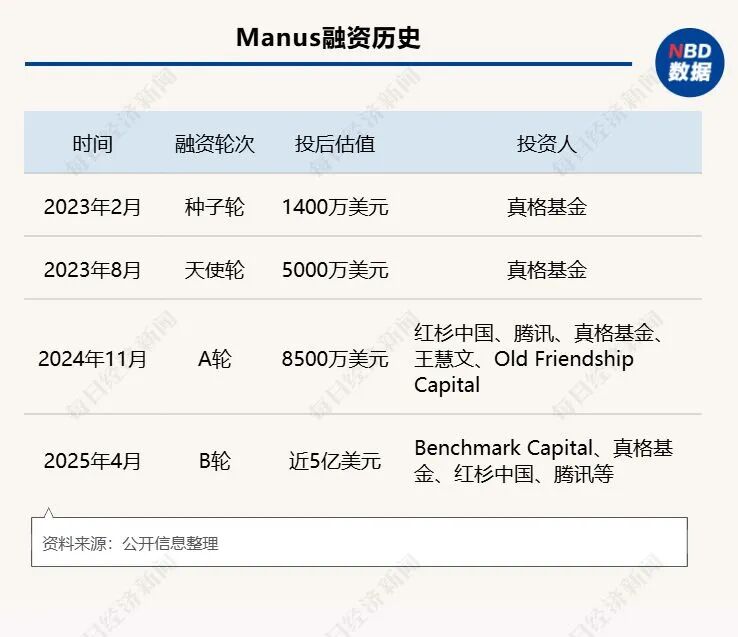
Core Insights - Meta's acquisition of Manus marks its third-largest merger since its inception, following WhatsApp and Scale AI, with the founder of Meta, Mark Zuckerberg, being a long-time user of Manus [1][11] - The merger will allow Manus to maintain independent operations while integrating deeply with Meta's core global consumer products [1][11] Company Overview - Manus is a startup launched by the company Butterfly Effect, known for its AI agent product that gained significant attention in the tech community as the first true general AI agent [3][10] - The product allows users to execute complex tasks independently, such as screening resumes based on specific criteria [3] Market Activity - Manus's invitation codes for product access were highly sought after, with prices reaching up to 100,000 yuan on secondary markets [3] - The company has completed four rounds of financing before the acquisition, with post-money valuations increasing from 14 million USD in February 2023 to nearly 500 million USD by April 2025 [8] Financial Performance - Manus announced that its annual recurring revenue (ARR) surpassed 100 million USD by mid-December [10] - The company has processed over 147 trillion tokens and created more than 80 million virtual computers since its launch [10] Strategic Direction - Manus's strategy focuses on a dual approach of a general-purpose platform combined with high-frequency scenario optimization [5][6] - The company aims to develop a next-generation agent interface that balances trust and control for users [6]
今年争议最大的 AI 产品,迎来最好结局!3个中国小伙创立,不到3年估值暴增142倍,最终被扎克伯格140亿元买下,Manus 被 Meta 收购
Sou Hu Cai Jing· 2025-12-31 01:40
Group 1 - Meta has completed the acquisition of AI startup Manus for over $2 billion, marking it as the third-largest acquisition in Meta's history [1][3] - Manus, founded by a Chinese team, has developed a "general AI agent" capable of executing complex tasks autonomously, achieving an annual recurring revenue (ARR) of over $100 million within 10 months of its launch [1][5] - The valuation of Manus skyrocketed from $14 million in its seed round to over $2 billion in less than three years, representing a growth of over 142 times [1] Group 2 - The acquisition was finalized in just over ten days, with Meta's CEO Mark Zuckerberg personally involved in the negotiations, which impressed the founding team [1][3] - Manus has gained a strong user base, including notable figures such as former Y Combinator CEO Michael Seibel and Samsung's David Lee, who publicly acknowledge their use of the product [5] - Despite the potential for high expectations, the Manus team faces challenges in integrating into Meta's high-pressure work environment, which has seen significant layoffs and restructuring [5]
3个中国小伙创立的AI公司,被扎克伯格140亿元买下:他亲自操盘,只谈了十余天就敲定,不到3年估值暴增142倍,但也面临“套壳”质疑
3 6 Ke· 2025-12-31 01:40
12月30日,Meta抛出年度AI布局收官:宣布完成对AI初创公司Manus的收购。这场由CEO扎克伯格亲自操盘的谈判仅用十余天敲定,交易对价超过20亿美 元(约合人民币140亿元),跻身Meta史上第三大并购案。 Manus源自中国创始团队,其核心产品是一款能自主执行研究、编码等复杂任务的"AI智能体"。自今年3月发布以来,Manus在不到10个月的时间里迅速 崛起,于12月17日宣布其年度经常性收入(ARR)已突破1亿美元,成为AI应用领域的"现象级"产品。其估值从种子轮后的1400万美元到超20亿美元,不 到3年的时间增长逾142倍。 | | | Manus融资历史 | | | --- | --- | --- | --- | | 时间 | 融资轮次 | 投后估值 | 投资人 | | 2023年2月 | 种子轮 | 1400万美元 | 真格基金 | | 2023年8月 | 天使轮 | 5000万美元 | 真格基金 | | 2024年11月 | A轮 | 8500万美元 | 红杉中国、腾讯、真格基金、 王慧文、Old Friendship Capital | | 2025年4月 | B轮 | 近5亿美元 | ...
收购Manus引入中国鲶鱼:扎克伯格的AI焦虑症之年
Xin Lang Ke Ji· 2025-12-31 01:31
Core Insights - Meta has acquired AI startup Manus, marking a significant strategic move to enhance its AI capabilities and address internal challenges within the company [2][6][34] - The acquisition is seen as a response to Meta's struggles in the AI sector, particularly following the disappointing performance of its Llama 4 model and the need for external expertise to revitalize its AI initiatives [7][15][22] Group 1: Acquisition Details - Meta's AI head, Alexandr Wang, announced the acquisition, highlighting Manus's expertise in building powerful AI agents [3][6] - The deal is reported to be valued between $2 billion and $3 billion, with Manus previously seeking $2 billion in funding [6][13] - Manus, founded by Chinese entrepreneurs, has quickly gained traction with its AI assistant product, achieving over $100 million in annual recurring revenue (ARR) within eight months [10][12][35] Group 2: Strategic Context - The acquisition comes amid a tumultuous year for Meta's AI division, characterized by high-profile failures and internal restructuring [7][15][25] - Meta's leadership has faced criticism for its AI strategy, leading to significant personnel changes and a push for external talent to drive innovation [19][22][28] - The integration of Manus is expected to enhance Meta's AI offerings, particularly in automating complex tasks across its social media platforms [36][38] Group 3: Market Implications - The acquisition of Manus is positioned as a strategic move to prevent competitors from strengthening their AI capabilities, particularly in the rapidly evolving AI agent space [37][38] - Manus's technology, which utilizes existing models and tools, complements Meta's Llama series, addressing gaps in the company's ability to deliver reliable AI solutions [35][41] - The success of Manus serves as a testament to the global competitiveness of Chinese AI startups, showcasing their ability to innovate and commercialize rapidly [40][44]