MNSO(MNSO)

Search documents
餐饮、潮玩及家电行业周报-20251130
Haitong Securities International· 2025-11-30 14:04
Investment Rating - The report assigns an "Outperform" rating to several companies in the discretionary consumption sector, including Pop Mart, Anta Sports, Huazhu Group, Miniso, Li Ning, Atour Group, New Oriental Online, and Xtep International [1][5]. Core Insights - The report highlights the stable long-term growth of Luckin Coffee despite facing short-term margin pressures, indicating resilience in the F&B sector [2]. - The introduction of new children's meal sets by Taier emphasizes the trend towards fresh and healthy dining options, reflecting consumer preferences [2]. - The report notes the expansion of Midea's automotive parts production in Mexico, which supports local manufacturing for North American electric vehicle clients [2]. - The implementation of new national standards for smart home appliances starting May 1, 2026, is expected to enhance product quality and consumer trust in the home appliances sector [2]. Summary by Sections Company Performance - Guming and Pop Mart were the top performers this week, with stock price increases of 12.6% and 12.8% respectively [3][7]. - SuperHi International reported a revenue of $21 million for Q3 2025, a year-on-year increase of 7.8%, but faced a significant drop in net profit due to increased foreign exchange losses [2][5]. - Chagee's Q3 results showed a revenue decline of 9%, with adjusted net profit down 22% [2][5]. Market Trends - The report indicates a growing trend in the F&B sector towards fresh and healthy meal options, as seen with Taier's new children's meal offerings [2]. - The smart home appliance market is set to evolve with the introduction of new standards, which will likely drive innovation and consumer adoption [2].




名创优品(09896.HK):Q3收入超预期 关注利润长期改善
Ge Long Hui· 2025-11-29 20:19
Core Insights - The company reported Q3 revenue of 5.797 billion, exceeding the previous guidance limit of 28%, with a year-on-year growth of 28.2% [1] - Adjusted net profit for Q3 was 767 million, reflecting an 11.7% increase, but net profit margin decreased by 2.0 percentage points to 13.2% [1] - The acquisition of Yonghui Supermarket has impacted short-term profits, leading to financial expenses of 105 million and investment losses of 145 million in Q3 [1] Revenue and Profitability - For the first three quarters of 2025, total revenue reached 15.190 billion, marking a 23.7% increase, with a gross margin of 44.4% [1] - Adjusted net profit for the same period was 2.046 billion, up 6.1%, but the adjusted net profit margin decreased by 2.2 percentage points to 13.5% [1] Store Expansion - The company achieved a milestone of 8,000 stores, with a total of 8,138 stores as of Q3 2025, a net increase of 718 stores year-on-year [1] - By brand, MINISO generated Q3 revenue of 5.222 billion, a 22.9% increase, with 7,831 stores, including 4,407 in mainland China and 3,424 overseas [1] - TOPTOY reported Q3 revenue of 575 million, reflecting a significant growth of 111.4%, with 307 stores [1] Same-Store Sales Improvement - MINISO's same-store sales in mainland China showed high single-digit growth in Q3, with estimates indicating low double-digit growth in October [2] - Overseas same-store sales experienced mid-single-digit growth, influenced by geopolitical factors in regions like Latin America, but long-term prospects remain positive [2] - TOPTOY also reported same-store sales growth in the low single digits, driven by the company's IP strategy and large store contributions [2] Strategic Initiatives - The company is focusing on an IP-driven strategy, having signed contracts with 16 artist IPs, and is utilizing a "small batch trial sales + data iteration" model for promotion [2] - The introduction of large store formats, such as MINISOLAND and MINISO FRIENDS, is expected to enhance store performance and contribute to revenue growth [2] - A significant transformation is planned, with 80% of stores expected to undergo changes by 2026, shifting from retail to cultural and creative offerings [2] Financial Outlook - The company anticipates revenue adjustments for 2025-2027 to 21.203 billion, 25.800 billion, and 29.992 billion, respectively, considering the impact of the Yonghui acquisition [3] - Projected net profits for the same period are 1.989 billion, 3.155 billion, and 4.020 billion, with corresponding PE ratios of 22.19, 13.99, and 10.98 [3] - The investment recommendation remains "buy" based on same-store recovery and rapid overseas expansion, despite the financial burdens from the Yonghui acquisition [3]
名创优品(09896):三季度营收同比增长28%,同店表现持续改善
Guoxin Securities· 2025-11-29 09:03
Investment Rating - The report maintains an "Outperform the Market" rating for the company [6]. Core Insights - The company demonstrated a significant acceleration in revenue growth in Q3, achieving a revenue of 5.797 billion, a year-on-year increase of 28.2%, surpassing previous guidance [2]. - The adjusted operating profit for Q3 was 1.022 billion, up 14.8% year-on-year, while the adjusted net profit reached 767 million, reflecting an 11.7% increase [2]. - The company expects Q4 revenue growth to be between 25% and 30%, with double-digit same-store sales growth anticipated in both China and the U.S. [2]. - The domestic business is benefiting from a large store strategy and refined operations, with same-store sales showing a positive trend [4]. - The overseas business is expanding rapidly, with a net addition of 117 stores in Q3, bringing the total overseas store count to 3,424 [2]. Financial Performance Summary - Q3 revenue for the brand was 5.222 billion, a year-on-year increase of 22.9%, with domestic revenue at 2.909 billion, up 19.3% [2]. - The company forecasts a full-year revenue growth of 25%, with adjusted operating profit expected to be between 3.65 billion and 3.85 billion [4]. - The financial projections for 2023 to 2027 indicate a steady increase in revenue and net profit, with 2023 revenue projected at 13.839 billion, growing to 28.578 billion by 2027 [5]. - The adjusted net profit for 2023 is estimated at 2.253 billion, with a projected increase to 3.257 billion by 2027 [5].
娱乐圈是不是在全球名创团建:一场席卷全球的“兴趣消费”浪潮
Bei Jing Shang Bao· 2025-11-29 02:24
Core Insights - MINISO is experiencing a global surge in popularity, driven by celebrity endorsements and a shift from mass market appeal to high-value consumer segments [1][2] - The brand's strategy emphasizes "interest consumption," allowing it to resonate with both young consumers and families worldwide [1][4] Brand Breakthrough - MINISO is redefining consumer perceptions by positioning itself as a lifestyle choice for high-net-worth individuals, moving beyond traditional luxury associations [2][4] - The brand's diverse product offerings and IP collaborations have attracted attention from celebrities, indicating a successful transition to a premium market [2][4] Ecosystem Development - MINISO has established a "multi-IP matrix" and a wide range of product categories, creating an ecosystem that enhances emotional connections and social interactions [4][8] - The brand has partnered with over 150 well-known IPs and developed its own IPs, such as the Gifford Bear and DUN Chicken, to appeal to a broad audience [4][8] Channel Upgrade - MINISO's global store network has expanded to over 8,000 locations across 112 countries, positioning itself as a destination for IP-driven consumer experiences [5][7] - The introduction of MINISO LAND stores, which offer immersive shopping experiences, has proven successful, with flagship locations achieving record sales [7] Cultural Expansion - The rise of "interest consumption" reflects a global shift towards emotional and experiential purchasing, moving beyond mere functionality [8][11] - MINISO aims to elevate Chinese IPs on the global stage, aligning with national policies promoting diverse consumer experiences [11]


9点1氪|北京快递外卖用车将发放专用号牌;雷军称所有产业都值得用AI再做一遍;淘宝闪购骑手超时扣款将全面取消
3 6 Ke· 2025-11-29 01:07
Group 1 - Apple Store in Beijing has officially joined the national subsidy program, offering discounts up to 2000 yuan on selected products, such as the iPhone 17 256GB, which is now priced at 5499 yuan after a 500 yuan subsidy [4] - ST Cube may face mandatory delisting due to significant violations, with reported false revenue of approximately 591.58 million yuan for 2021 and 2022, constituting 50.91% of the total reported revenue for those years [4] - WeChat's HKD wallet has launched a donation section to support fire rescue efforts in Tai Po, with no administrative fees deducted from donations, ensuring all funds go directly to charitable organizations [5] Group 2 - New regulations in Beijing require special license plates for delivery and takeaway vehicles, enhancing management of non-motorized vehicles [2] - Lei Jun, founder of Xiaomi, emphasized that all industries should leverage AI for transformation, predicting a new trillion-dollar market through deep integration of AI with traditional industries [2] - Sohu Video plans to restart its American drama procurement, citing severe piracy as a barrier for many platforms [3] Group 3 - Vanke's stock price has dropped to a nearly 10-year low, with a significant decline of 3.66% on November 28, following a downgrade in credit ratings by S&P [3] - Taobao's flash purchase service will expand the cancellation of late fees to 60 cities by December 3, aiming to improve service for delivery riders [3] - The domestic fuel surcharge for flights will increase starting December 5, with fees rising by 10 yuan for flights under 800 kilometers and 20 yuan for longer flights [7] Group 4 - Miniso's global flagship store in Shanghai has achieved sales exceeding 100 million yuan within nine months, marking a record for global stores [7] - Major tech companies are focusing on space, with Google aiming to deploy TPU in space by 2027, while Amazon's founder predicts data centers will move to space in the next 10 to 20 years [8] - A global shortage of storage chips is worsening, with predictions of a 50% price increase by mid-2026 due to rising demand from AI infrastructure [8]





双星闪耀:从华为到MINISO,中国企业开启“天才级”比拼
Sou Hu Cai Jing· 2025-11-28 20:15
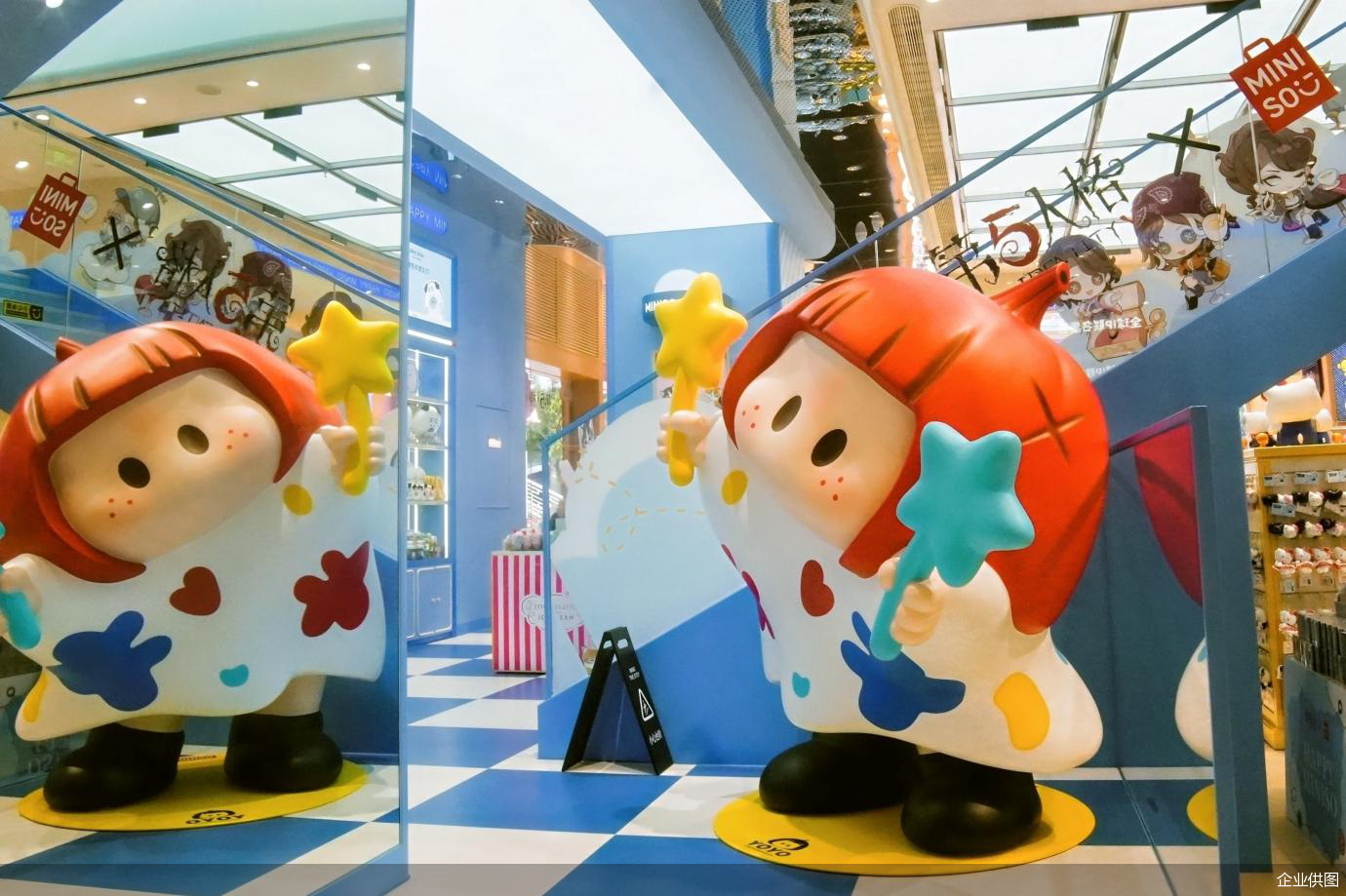
Core Insights - MINISO has launched the "IP Genius Plan" to recruit top IP creators globally with annual salaries ranging from millions to tens of millions, marking a strategic move in the cultural and creative sector [1] - This initiative is seen as a counterpart to Huawei's "Genius Plan," highlighting the simultaneous pursuit of talent in both technology and culture by leading Chinese enterprises [1][6] - The plan aims to enhance MINISO's original IP incubation capabilities and build a globally influential IP matrix, reflecting China's transition from a manufacturing powerhouse to a cultural and technological leader [1][6] Recruitment Strategy - The "IP Genius Plan" will have no restrictions on nationality, educational background, or major, focusing instead on candidates' creativity, aesthetic sense, and artistic influence [2] - Similar to Huawei's provision of top-tier labs and R&D resources, MINISO will offer a free creative environment, ample R&D resources, and a comprehensive mentorship system covering the entire process from concept to commercialization [2] Global Expansion and Cultural Influence - MINISO has established itself as a significant player in the global market, being the first Chinese brand to enter iconic locations such as Times Square in New York and the Champs-Élysées in Paris [4] - The company has initiated the "China Cultural Innovation Global Development Plan" in collaboration with Xinhua News Agency, aiming to support 100 Chinese IPs in going global over the next decade [4] IP Development and Cultural Strategy - MINISO employs a dual strategy of "top-tier licensed IP + exclusive proprietary IP," having successfully incubated original IPs like YOYO and Kumaru, thus gaining extensive experience in global IP operations [6] - The "IP Genius Plan" is positioned as a core engine to realize the vision of promoting 100 Chinese IPs globally, focusing on creating original IPs that resonate with global audiences while embodying deep Chinese cultural elements [6] - This dual-track talent strategy reflects the confidence and foresight of Chinese enterprises in global competition, emphasizing the importance of both technological and cultural strengths for high-quality development [6]

新消费行业框架分析:星星之火,灿若星辰
China Post Securities· 2025-11-28 12:45
Investment Rating - The report maintains a strong buy rating for the new consumption industry [3] Core Insights - New consumption is characterized by new demand from emerging consumer groups like Generation Z and a shift from leverage-driven consumption to income-driven consumption among older demographics [5][17] - The supply side benefits from China's robust manufacturing capabilities and the internet's ability to reshape business models and efficiency [5][17] - The report highlights two main investment opportunities: aggressive new consumption sectors such as trendy toys and gold jewelry, and defensive cyclical sectors like liquor and travel [5][4] Summary by Sections New Consumption: What is New Consumption? - New consumption has gained traction in recent years, initially a term from the primary market, now widely recognized [17] - It encompasses both new demand from younger consumers and a shift in older consumers' preferences towards more rational spending [17][21] New Demand: Stars Gather to Form Light - Emotional consumption and the rise of national trends are significant drivers, with luxury attributes associated with products [46] - The report identifies key sectors: IP toys, gold jewelry, and new tea drinks, which align with current consumer trends [5][4] New Supply: Old Trees Sprout New Buds - The report emphasizes that industries with easier pathways develop first, while more challenging sectors follow as technology and information improve [33] - It discusses the efficiency gains in retail and service sectors through standardization and technological advancements [33] Investment Recommendations - The report suggests focusing on two types of opportunities: aggressive new consumption sectors (e.g., trendy toys, gold jewelry) and defensive cyclical sectors (e.g., liquor, travel) [5][4] - Specific companies to watch include Pop Mart, Mijia, and various tea brands [5][4] Emotional Consumption and National Trends - Generation Z's emotional consumption is highlighted, with a significant portion willing to pay for emotional value [21][23] - The report notes the increasing acceptance of Chinese brands among younger consumers, contrasting with older generations' preferences [21][22] Gold Jewelry Market - The gold jewelry market is projected to grow significantly, with ancient gold jewelry gaining popularity due to its cultural significance [86][87] - The market size for ancient gold jewelry is expected to reach 4,214 billion by 2028, with a compound annual growth rate of 21.8% [86][87] IP Toy Market - The report outlines the rapid growth of the IP toy market, with a projected market size of 1,741 billion by 2024, reflecting a compound annual growth rate of 13.6% [69][70] - The emotional value associated with IP toys is a key driver of consumer interest and market expansion [78][79]


海通国际2026年年度金股
Haitong Securities International· 2025-11-28 12:34
Investment Focus - Alphabet (GOOGL US) is expected to maintain good visibility in its advertising business due to the gradual release of its valuation under pressure from AI search, with a projected 30%+ growth in cloud business for the year and margin improvement driven by scale effects [1] - Alibaba (BABA US) is anticipated to see a cloud business growth rate of 28%-30%, benefiting from strong momentum in instant retail, with Taobao expected to achieve a 20-30% MAU growth driven by flash purchase [1] - NVIDIA (NVDA US) is projected to achieve strong revenue growth in FY2027, with GB300 series products expected to account for two-thirds of Blackwell series products, and a revenue target of $500 billion over the next five quarters [1] - Tencent (700 HK) is recommended as a top pick, with a target price of 700, driven by steady growth in core gaming and advertising businesses, and a projected near 20% growth rate in advertising [3] - New Oxygen (SY US) is focusing on the light medical beauty sector with a rapid expansion plan, aiming to open 50 self-operated stores by 2025, supported by a strong marketing capability and low customer acquisition costs [3] - Ctrip (TCOM US) is expected to benefit from steady growth in domestic leisure travel and the recovery of outbound travel, with a projected revenue growth of 14% to 71.1 billion yuan in 2026 [3] - Huazhu (HTHT US) is transitioning to a high-margin franchise model, with a target price of $52, supported by a strong recovery in industry RevPar [4] - Futu (FUTU US) is positioned for long-term growth in the virtual asset business, with a user base of 3.1 million and a current valuation offering a safety margin [4] - AIA (1299 HK) is expected to see steady growth in new business value and operational indicators, with a forward PEV of 1.46x [4] - Dongfang Electric (1072 HK) is actively involved in global power station project contracting, with significant opportunities in the U.S. market due to the demand for power supply capabilities [9]



名创优品“兴趣消费”正成为重塑市场格局的新力量
Zheng Quan Ri Bao· 2025-11-28 12:09
Core Insights - Miniso is redefining consumer perceptions by positioning itself as a destination for "interest consumption," leveraging its IP products and a diversified strategy to attract both high-net-worth individuals and the general public [1][2] Group 1: Business Strategy - Miniso has developed a "multi-IP matrix + multi-category products + immersive experience" ecosystem, transitioning from an "IP collaboration leader" to a "global leading IP operation platform" [1] - The company offers a product matrix covering dozens of categories, including beauty, home goods, stationery, and trendy toys, focusing on high cost-performance and integrating IP design with practical functionality [1] Group 2: Market Expansion - Miniso has established a global presence, operating in 112 countries and regions with over 8,000 stores, including flagship locations in major global shopping districts [2] - The company aims to evolve from merely opening stores worldwide to establishing a strong presence in landmark locations, enhancing its brand visibility [2] Group 3: Cultural Impact - The CEO of Miniso, Ye Guofu, believes that "interest consumption" will become mainstream, emphasizing that products should provide emotional value and joy in addition to practical use [2] - Miniso is positioning itself as a cultural symbol in the globalization of Chinese brands, aiming to cultivate original Chinese IPs with global influence [2]
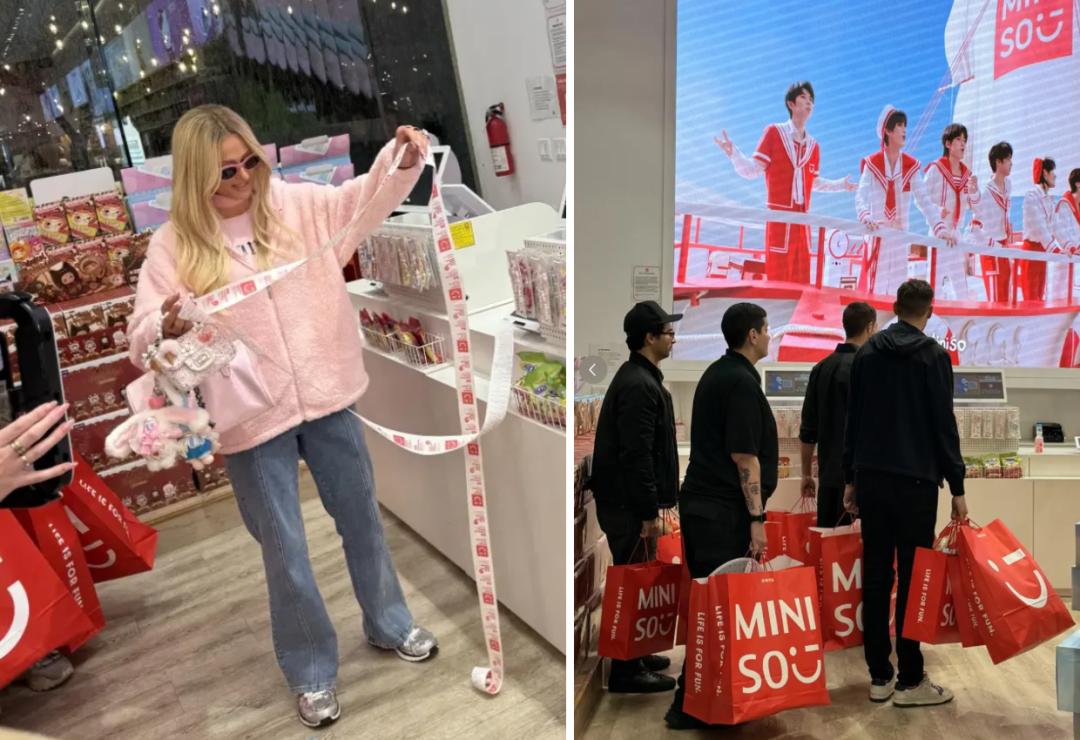
啥十元店能让希尔顿大小姐带四个保镖花小3万?这国产杂货铺快活成「潮玩版奥莱」了
3 6 Ke· 2025-11-28 10:20
Core Viewpoint - MINISO is undergoing a significant transformation from a low-cost daily goods retailer to a cultural and creative company focused on IP products, which has sparked mixed reactions in the market [6][8][35]. Group 1: Transformation Strategy - The founder of MINISO, Ye Guofu, has proposed closing 80% of existing stores to reopen them with a new focus on cultural and creative products [7]. - The new store format, MINISO LAND, aims to create a more upscale shopping experience, contrasting with traditional MINISO stores that are often located in less prominent areas [10][11]. - MINISO LAND has opened only 18 locations, strategically placed in city centers to become new landmarks, showcasing a shift in business strategy [10][11]. Group 2: Product Offering and Market Position - MINISO LAND emphasizes IP products, with a reported 79.6% of sales coming from these items, significantly higher than traditional products [11]. - The average transaction value in MINISO LAND is three times that of regular MINISO stores, indicating a successful shift in consumer spending behavior [11]. - The store features a diverse range of IP products, including collaborations with popular franchises, making it a competitive player in the market [20][22]. Group 3: Consumer Reception and Market Dynamics - Consumer feedback indicates that while MINISO LAND products are more expensive than traditional MINISO items, they remain cheaper than typical IP toy stores, appealing to a broad audience [20][22]. - The store attracts a significant number of foreign customers, highlighting its global appeal and the effectiveness of its location strategy [20]. - Despite the initial success, concerns about product quality and originality persist, as many items are perceived as lacking in uniqueness compared to competitors [23][29]. Group 4: Future Challenges and Opportunities - MINISO's reliance on external IP licensing raises concerns about long-term sustainability, as the company faces increasing costs and potential market volatility [35]. - The company's strategy to recruit talent for original IP development is crucial for its future growth, but initial efforts have faced criticism for lack of appeal [35]. - The ongoing challenge will be balancing the integration of original IP while maintaining the affordability and accessibility that has defined MINISO's brand [30][35].