Toyota(TM)

Search documents
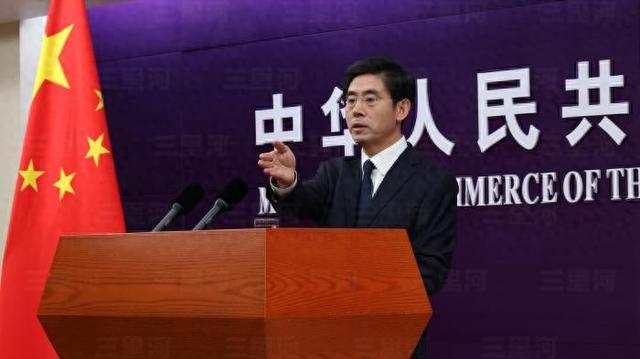
中国出手反制日本“再军事化”意图
Xin Lang Cai Jing· 2026-01-11 06:51
Group 1 - China has announced stricter export controls on dual-use items to Japan to prevent its militarization and nuclear ambitions, emphasizing the legality and reasonableness of the measures [1][3] - The new regulations cover all dual-use items, prohibiting any that may enhance Japan's military capabilities, with China retaining the right to interpret these regulations [3][4] - Japan's imports of dual-use items from China are estimated to be around 10.7 trillion yen in 2024, accounting for 42% of its total imports from China, raising concerns in Japanese industries [4] Group 2 - The potential tightening of export controls on rare earth materials could significantly impact Japan's economy, particularly in the automotive and electronics sectors, where China supplies over 70% of its rare earth imports [4] - If the rare earth export controls persist for three months, Japan could face losses of up to 660 billion yen, equating to a 0.11% decline in economic output [4] - The relationship between technology, resources, and military capabilities indicates that economic ties cannot be entirely separated from security considerations, with China aiming to establish clear boundaries through these regulations [4]


Multi-tech pathway approach must for self reliance, achieve energy security goals: Toyota
The Economic Times· 2026-01-11 05:41
Core Viewpoint - The company emphasizes a multi-technology approach to achieve energy security and reduce fossil fuel dependence in India, highlighting the importance of various technologies including battery electric vehicles, hybrids, and alternative fuels like ethanol and hydrogen [1][10]. Group 1: Multi-Technology Approach - The automaker believes that a combination of technologies is essential due to India's geographical diversity and consumer acceptance challenges [1][10]. - Key initiatives from the government, such as the ethanol program and hydrogen mission, are aimed at increasing fossil fuel substitution and enhancing energy security [10]. - Multiple technologies, including compressed biogas (CBG) and hydrogen, are critical for addressing localized pollution issues [4][10]. Group 2: Hybrid Vehicles and Local Conditions - Hybrid vehicles are particularly suited for congested areas like Delhi, where their electric motors can effectively operate in slow-moving traffic [5][10]. - The company asserts that hybrids, alongside EVs, play a significant role in combating air pollution [6][10]. Group 3: Roadmap for Sustainable Mobility - The company is committed to developing a strong portfolio of green technologies, including a full range of EVs, strong hybrids, plug-in hybrids, and fuel cell vehicles [6][10]. - Expansion of charging infrastructure is identified as a key factor for enhancing EV adoption across the country [7][10]. - The goal is to transition away from petrol and diesel rapidly, aligning with global environmental challenges focused on carbon neutrality [7][10]. Group 4: Economic Viability and Manufacturing - The company emphasizes the need for a reduction in manufacturing costs to ensure the viability of the EV segment, moving away from reliance on subsidies [9][10]. - Viability is expected to be achieved through scale, which will be facilitated by introducing more electrified technology products [9][10].

Global Crossroads: Geopolitical Shifts, Automotive Innovation, and Middle East Diplomacy in Focus
Stock Market News· 2026-01-10 15:38
Group 1: Energy Markets and Geopolitical Developments - Guyana is positioned for significant growth in its oil sector, benefiting from U.S. military intervention in Venezuela, which reduces geopolitical risks for the region [3][6] - The Stabroek Block in Guyana is estimated to hold 11 billion barrels of oil, attracting potential investments from major energy players like ExxonMobil and Hess [3][6] Group 2: Automotive Industry Innovations - Toyota Motor Corporation is leveraging its motorsports division, Toyota Gazoo Racing, to enhance brand differentiation and drive technological advancements [4][6] - The launch of the "Up to Speed" advertising campaign for Toyota Gazoo Racing North America emphasizes connection and community, aligning with Toyota's Kaizen philosophy of continuous improvement [4] Group 3: Middle East Geopolitical Dynamics - Jordanian and Egyptian foreign ministers are advocating for the formation of a Palestinian technocratic committee to manage the Gaza Strip, aiming to establish stability and facilitate humanitarian aid [8] - This diplomatic initiative is part of broader efforts to achieve a lasting ceasefire and a political resolution based on a two-state solution [8]

二手价是新车1.5倍,日本多款车被高价倒卖
日经中文网· 2026-01-10 00:34
Core Viewpoint - The article discusses the issue of car resale prices in Japan, particularly focusing on the Suzuki "Jimny Nomad" and Toyota's popular models, highlighting the phenomenon of new cars being resold at significantly higher prices than their original retail prices due to supply shortages and high demand [2][4][10]. Group 1: Pricing and Resale Market - The Suzuki "Jimny Nomad" is priced between 2.651 million to 2.75 million yen (approximately 118,300 to 122,700 RMB), with its average resale price soaring to 4.69 million yen (about 209,300 RMB), reaching 1.7 times its original price shortly after launch [4]. - As of November 2025, the resale price of the "Jimny Nomad" remains high at 3.96 million yen (around 176,700 RMB), which is still over 1.5 times the new car price, indicating a persistent demand despite an increase in new car supply [4][5]. - The Toyota "Land Cruiser 250," launched in April 2024, has also seen its resale prices exceed new car prices, with average resale prices reaching 7.42 million yen (approximately 331,100 RMB) by November 2025, significantly higher than its original price range of 5.2 million to 7.35 million yen (about 232,100 to 328,000 RMB) [7][10]. Group 2: Market Dynamics and Consumer Behavior - The phenomenon of high resale prices is attributed to a growing number of consumers purchasing vehicles with the intent to resell, creating an unhealthy market structure where new buyers are forced to pay above the retail price [7][10]. - The article notes that the resale market is not limited to the "Jimny Nomad," as other models like the Toyota "Alphard" have also experienced similar trends, with initial resale prices significantly higher than their launch prices before gradually decreasing [8][10]. - Suzuki's management acknowledges the unhealthy state of the market, comparing it to the trading of collectible items, indicating a need for industry-wide strategies to address the resale issue and stabilize prices [7][10]. Group 3: Industry Responses - In response to the resale market challenges, Suzuki has implemented measures such as limiting orders to one vehicle per household and requiring customers to sign agreements regarding vehicle ownership duration [10]. - However, efforts to combat resale practices face challenges, including potential legal issues related to antitrust laws, as seen with Toyota's sales conditions for the "Alphard" [10]. - The article emphasizes the necessity for the automotive industry to establish appropriate pricing strategies and comprehensive measures to mitigate the resale market's impact on consumer access and brand value [10].

Toyota Motor Corporation (TM) Discusses Achievements and Highlights at Tokyo Auto Salon Special Talk Show Prepared Remarks Transcript
Seeking Alpha· 2026-01-09 18:34
Group 1 - The event featured a discussion about the previous year's achievements and predictions made by Morizo, highlighting the success of Morizo's Dream garage at the Tokyo Auto Salon and the regaining of the WRC Triple Crown [3][4] - A congratulatory message from Hyundai to Toyota Gazoo Racing was noted, emphasizing the competitive spirit between the two companies in motorsports [4]

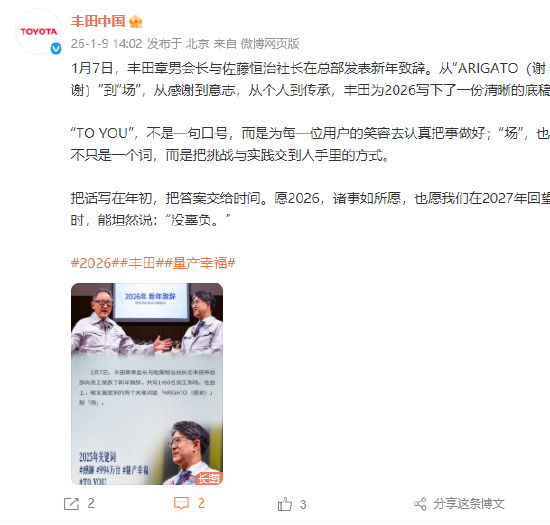
丰田章男新年致辞:即将进入古稀之年,要培养下一代
Xin Lang Cai Jing· 2026-01-09 07:05
Core Viewpoint - Toyota achieved a record global delivery of 9.94 million vehicles in 2025, launching several new models and expressing gratitude for the collective efforts of its workforce amidst challenges [2][4]. Group 1: 2025 Achievements - In 2025, Toyota delivered 9.94 million vehicles globally, marking a historical high [2][4]. - The company introduced multiple new models during the year [2][4]. Group 2: Leadership Reflections - Chairman Akio Toyoda expressed appreciation for the hard work and unity of employees, emphasizing the importance of gratitude towards both users and the workforce [2][4]. - Toyoda highlighted the challenges faced in the past year and the collective effort to overcome them [2][4]. Group 3: Vision for 2026 - For 2026, the annual keyword set by Toyoda is "field," indicating a collaborative future where everyone contributes [5]. - Toyoda outlined three main action directions: fostering talent development, rethinking the overall structure of the group, and promoting corporate culture activities [5]. - He emphasized the importance of not allowing Toyota to become an ordinary company and expressed a commitment to nurturing the next generation [5]. Group 4: Future Aspirations - Toyota's vision, "TO YOU," focuses on working for the smiles of every user, aiming to produce better vehicles and transform the future of automobiles [5].
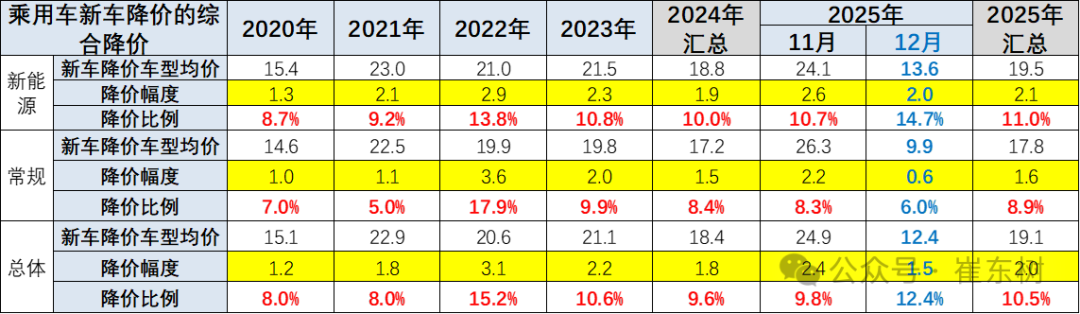
12月新能源汽车降价幅度14.7%
Di Yi Cai Jing· 2026-01-09 01:01
Core Insights - The year 2025 is characterized by intensified challenges of "increasing revenue without increasing profit" in the automotive industry, particularly due to ongoing price wars [1][3] - The average price of new energy vehicles (NEVs) dropped significantly, with a 14.7% decrease in December 2025, averaging 136,000 yuan, and an annual average drop of 11% for NEVs [1][2] Price Trends - In December 2025, the average price of new energy vehicles was 136,000 yuan, with an average price drop of 20,000 yuan [1] - The overall average price of passenger cars in December was 124,000 yuan, with a price drop of 15,000 yuan, reflecting a 12.4% decrease [1][2] - For the entire year of 2025, the average price of new energy vehicles was 195,000 yuan, with an average price drop of 21,000 yuan [2] Sales Performance - The Toyota bZ3 saw a significant price reduction of 60,000 yuan, with a 35% drop from its highest price, contributing to the overall decline in average prices [3] - The sales of the Toyota bZ3 from January to November 2025 were under 20,000 units, showing a decline compared to the previous year, with several months recording sales below 2,000 units [3] Industry Financials - The automotive industry reported revenues of 1,002.23 billion yuan from January to November 2025, an 8.1% year-on-year increase, while costs rose by 9% to 884.05 billion yuan [3] - The profit for the automotive industry was 44.03 billion yuan, reflecting a 7.5% year-on-year increase, resulting in a profit margin of 4.4%, which is lower than the average profit margin of 6% for downstream industrial enterprises [3] Future Outlook - An industry expert predicts that with the elimination of weaker brands and increased industry concentration, procurement and allocation costs will optimize, leading to a more stable profit margin starting from Q3 2026 [4]
日股汽车股走高,本田汽车涨超2%
Mei Ri Jing Ji Xin Wen· 2026-01-09 00:31
(文章来源:每日经济新闻) 每经AI快讯,1月9日,日股汽车股走高,本田汽车涨超2%、丰田汽车涨超1%。 ...
White House cheers upbeat auto sales in 2025 — but analysts warn of downturn this year
New York Post· 2026-01-07 17:29
Core Insights - Sales of new vehicles in the US increased by approximately 2.2% in 2025, reaching about 16.2 million units, despite concerns over the impact of President Trump's tariffs on the auto industry [3][11][19] - The White House attributed the sales increase to Trump's policies, while many automakers indicated they have not yet fully passed tariff costs to consumers, leading to potential future sales declines [7][9] Industry Performance - The average retail transaction price for new vehicles reached $47,104 in December 2025, marking a 1.5% increase from December 2024, while Kelley Blue Book reported an average cost of $49,740, slightly down from $50,080 in October [5] - General Motors, Lexus, and Toyota reported annual sales increases of 5.5%, 7%, and 8% respectively, while Hyundai achieved record retail sales and Honda had its best year since 2021 [6][8] - Stellantis experienced a 3.3% decline in sales, although its Jeep brand reported its first annual sales gain since 2018 [8] Future Outlook - Cox Automotive forecasts a 2.4% decline in US auto sales for 2026 as tariffs begin to impact prices, with Edmunds predicting steady or lower sales in the same year [3][4] - Toyota is currently absorbing tariff costs but anticipates needing to raise prices, as 23% of its vehicles are imported from Japan facing a 15% tariff, and 28% from Mexico and Canada facing a 25% tariff [15][20] - Automakers like General Motors and Ford have scrapped major electric vehicle production plans due to the end of the $7,500 federal tax credit for EVs, leading to significant financial impacts [10][13]


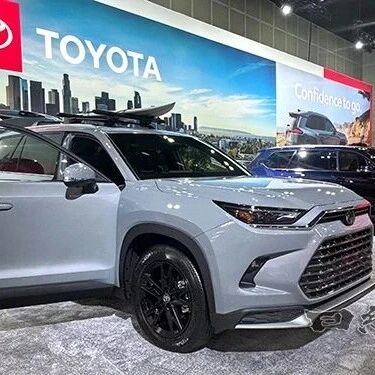
日本6家车企25年美国销量增2.4%,丰田独赢
日经中文网· 2026-01-07 02:46
Group 1 - Toyota's sales in the U.S. market for large SUVs, particularly the "Grand Highlander," have shown a significant increase, with a year-on-year growth of 8% [2][4] - Among six Japanese automakers, Toyota, Honda, and Nissan achieved positive growth in 2025, with Toyota's sales reaching 2,518,071 units, marking a substantial lead over competitors [4] - The overall sales of electric vehicles (EVs), including hybrid vehicles (HV), increased by 17.6%, accounting for 47% of Toyota's total sales [4] Group 2 - The sales rebound of the "Grand Highlander" and "TX" models, which had previously been affected by recalls, contributed to Toyota's growth [4] - Lexus, Toyota's luxury brand, also saw a sales increase of 7.1%, reaching a record high of 370,260 units, driven by models like the TX [4] - In contrast, other Japanese automakers faced challenges in the U.S. market, with Honda's sales only increasing by 0.5% to 1,430,577 units due to semiconductor supply shortages impacting production [5]