瑞众人寿

Search documents
接盘杭州银行外资股权,新华保险称:通过配置红利资产优化资产配置
Hua Xia Shi Bao· 2025-06-11 12:06
Core Viewpoint - The increasing involvement of insurance capital in bank equity is becoming a focal point in the capital market, highlighted by the recent acquisition of shares in Hangzhou Bank by New China Life Insurance [2][3] Group 1: Transaction Details - On June 10, Hangzhou Bank announced that New China Life Insurance acquired 329.6 million shares from the Commonwealth Bank of Australia at a price of 13.095 yuan per share, totaling 4.32 billion yuan [3] - Following the transaction, New China Life holds 5.09% of Hangzhou Bank's shares, while the Commonwealth Bank has completely exited its shareholder position after a 20-year relationship [3][4] - The shares acquired by New China Life are subject to a five-year lock-up period, and the transaction does not trigger a mandatory tender offer [3] Group 2: Strategic Implications - New China Life's investment is seen as a strategic move to enhance its asset allocation and strengthen its competitive position in the financial services sector, particularly in the Yangtze River Delta region [2][5] - The acquisition opens avenues for synergy between banking and insurance services, allowing for cross-business opportunities in wealth management, personal credit, and corporate pensions [5] - The exit of the Commonwealth Bank reflects a broader trend of foreign banks reassessing their strategies in the Chinese market, while local financial institutions are rapidly filling the void left by foreign capital [6][7] Group 3: Market Trends - The trend of insurance capital increasing its stake in bank equities is evident, with various insurance companies, including Ping An, actively acquiring shares in multiple banks [7] - The low valuation and high dividend yield of bank stocks make them attractive investments in a low-interest-rate environment, providing a hedge against interest rate risks [7] - Current data indicates that the average dividend yield for the banking sector is approximately 4.3%, with a price-to-book ratio of 0.67, suggesting a favorable investment landscape for insurance capital [7]



A股“红包雨”要来了?
Mei Ri Jing Ji Xin Wen· 2025-06-11 01:19
Group 1 - Ping An Asset Management invested HKD 312 million to increase its stake in Agricultural Bank of China H-shares to 15.09% [1] - In 2023, Ping An Asset Management has been actively increasing its holdings in bank stocks in the Hong Kong market, including a 5% stake in Postal Savings Bank and a 5.01% stake in China Merchants Bank [1] - As of the end of May, insurance funds have issued 15 announcements regarding stake increases, with bank stocks being favored for their high dividend yields [1] Group 2 - The upcoming annual dividend season in June and July is expected to enhance the appeal of dividend-paying assets, particularly for central enterprises [2] - New policies encouraging listed companies to distribute dividends are anticipated to stabilize investor returns and support valuation recovery for state-owned enterprises [2] - The Dividend National Enterprise ETF (510720) announced its 14th consecutive monthly dividend, with a distribution of CNY 0.034 per 10 fund shares [2]
监管严格落实“问责到人” 两家险企原高管被批量禁业
Shang Hai Zheng Quan Bao· 2025-06-10 18:05
近日,金融监管总局发布两则行政处罚信息,对易安财险、华夏久盈资管两家保险机构共计38名责任人 处以警告并罚款。其中,12名责任人分别被处以禁业1年、5年、15年乃至终身的梯次处罚。这是近年来 保险行业针对个人最严厉的监管处罚。 据悉,这两家险企均为原"明天系"旗下保险机构,目前均已通过股权转让、被接管等方式"改头换面"。 从监管披露的"被罚责任人名单"和"主要违法违规行为"来看,此番遭监管处罚的人员多为两家险企时任 高管及中层,违法违规行为时间跨度长、责任链条广、风险性质严重。 当监管举起"终身禁业"的利剑,亮明"穿透式监管"的底线,所有顶风作案、铤而走险、心存侥幸都将在 阳光下无处遁形。而对相关责任人被穿透式追责,也是回应公众关切、重建市场信心的必要步骤。"终 身禁业"这类严厉处罚的出现,亦标志着保险监管已从过去对机构为主的处罚逻辑,逐步转向对"关键少 数"个人责任的问责。这种方式不仅提高了高管履职的合规边际成本,也强化了行业的行为约束机制, 有利于推动保险机构真正建立起与资本金体量和风险责任相匹配的合规文化。 两张罚单牵出"旧账" 近日,金融监管总局在官网发布两张罚单,直指易安财险、华夏久盈资管违法违规的 ...
ETF日报:AI相关的板块回调,近期科技重估叙事也有所降温
Xin Lang Ji Jin· 2025-06-10 12:23
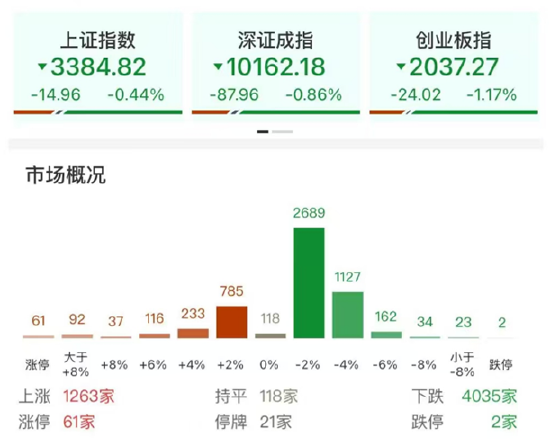
Market Overview - The market experienced a rapid decline in the afternoon, with the ChiNext Index leading the drop. The total trading volume in the Shanghai and Shenzhen markets reached 1.42 trillion yuan, an increase of 129 billion yuan compared to the previous trading day. Over 4,000 stocks fell, with the Shanghai Composite Index down 0.44%, the Shenzhen Component Index down 0.86%, the ChiNext Index down 1.17%, and the CSI A500 Index down 0.59% [1]. US-China Trade Talks - The first meeting of the US-China economic and trade consultation mechanism began in London, aimed at implementing the consensus reached during the recent phone call between the two countries' leaders. Despite fluctuations in tariffs, China's exports maintained steady growth, with a year-on-year increase of 4.8% in May, following an 8.1% increase in April. The growth in exports to the EU and ASEAN offset the decline in exports to the US [3][5]. AI Sector Insights - The AI-related sector saw a pullback, with recent technology revaluation narratives cooling down. However, AI capital expenditures are expected to remain high, and applications such as AI agents and embodied intelligence are gradually commercializing, supported by government policies. This sector continues to be a focus for investors [3][7]. - Major cloud providers and tech companies showed high capital expenditure growth in Q1, unaffected by tariffs and macroeconomic factors, indicating the potential for AI to develop independently [5]. Entertainment Industry Developments - The film market is expected to recover due to a low base from last year and a variety of quality content, with 52 films scheduled for release this summer. The gaming sector is also seeing a surge in new game launches, with several titles quickly entering bestseller lists [8][9]. - Leading companies in the film and gaming sectors are expanding revenue streams by developing and selling IP-related products, enhancing their commercial value [9]. Investment Trends - The banking sector has attracted long-term capital due to its low volatility, high dividends, and low valuations. Ping An Asset Management has increased its stake in Agricultural Bank of China to 15.09%, reflecting a trend of frequent investments in bank stocks [10]. - The upcoming annual dividend distribution in June and July is expected to enhance the appeal of dividend-paying assets. New policies encouraging dividend distributions among listed companies are likely to stabilize investor returns and improve valuations [11].
银行股,突然爆发
Zheng Quan Shi Bao Wang· 2025-06-10 04:37
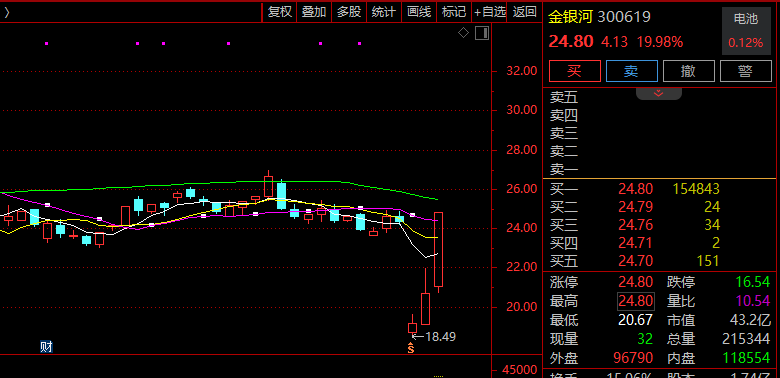
Market Overview - A-shares experienced slight fluctuations with major indices showing mixed results, as the Shanghai Composite Index rose for the sixth consecutive day, surpassing 3400 points [1] - The banking sector saw significant gains, with several banks reaching historical highs [6][7] Battery Industry - The battery industry chain showed strong performance, particularly in the sodium battery sector, which led the gains with a rise of over 1%, reaching a two-and-a-half-month high [2] - Companies such as Jin Yinhe and Keheng Co. saw their stocks hit the daily limit, with increases exceeding 10% [2] - Solid-state batteries, lithium mining, and battery recycling also experienced upward trends, with multiple companies achieving strong stock performance [4] Sodium-Ion Battery Developments - The "2025 High-Performance Sodium Battery Industry Summit" introduced a new high-energy density lithium-sodium hybrid battery, expected to launch in Q1 2026 [4] - A large-scale lithium-sodium hybrid energy storage station with a capacity of 400 MWh has been commissioned, capable of adjusting 580 million kWh of electricity annually, with a green energy ratio of 98% [4] - Sodium is abundant in nature, with reserves approximately 400 times that of lithium, making sodium-ion batteries easier to source and potentially more cost-effective [4] Market Demand for Sodium-Ion Batteries - The sodium-ion battery market in China is projected to demand approximately 11.9 GWh in 2024, increasing to 28.2 GWh in 2025 and reaching 95.6 GWh by 2028 [5] - The rapid development in energy storage and electric vehicle sectors presents a vast market opportunity for sodium-ion batteries, benefiting all segments of the supply chain during initial mass production [5] Banking Sector Performance - The banking sector index rose over 1%, reaching a historical high, with banks like Minsheng Bank and Zhejiang Commercial Bank leading the gains [6][8] - Hong Kong banking stocks also surged, with the Hang Seng Mainland Banks Index hitting a historical high [8] - Ping An Asset Management has been actively increasing its holdings in various banks, including Agricultural Bank of China, indicating strong institutional interest in the banking sector [9] Investment Outlook - Analysts suggest that the recent adjustments in the CSI 300 index have led to increased trading volumes for smaller banks, reflecting optimistic market sentiment [10] - Long-term investment demand from institutional investors remains strong, indicating that the absolute value of bank stocks is likely to persist in the second and third quarters [10]
5人遭终身禁业,两金融机构遭遇监管重罚
Hua Xia Shi Bao· 2025-06-09 12:33
华夏时报(www.chinatimes.net.cn)记者 吴敏 北京报道 监管的介入,让易安财险更多问题暴露在阳光之下。6月6日,金融监管总局披露的罚单显示,易安财险相关责任 人因违规资金运用损害公司利益,委托无保险中介资质机构从事保险销售活动,保险条款和保险费率违反规定, 编制或者提供虚假的报告、报表、文件、资料等,被警告并罚款共计171万元。 具体来看,易安财险的相关责任人包括李军、曹海菁、付兴亮、李民、赵振民、王文瑜、曹莉莉、仇传喜、岳云 峰、程爽、彭煊、解晖、刘旸等。其中,金融监管总局对李军撤销任职资格,对曹海菁禁止进入保险业5年。李 军、曹海菁此前曾分别担任易安财险董事长和总经理。 其余相关责任人也多为易安财险高管。如付兴亮为易安财险董事,李民为易安财险副总经理,赵振民曾拟任副总 经理、合规负责人,王文瑜为董事会秘书,曹莉莉为总精算师,仇传喜为财务负责人,岳云峰为总经理助理。 "偿付能力是保险行业的生命线,弄虚作假直接威胁到公司的稳健运行和消费者的利益。财务数据不真实则扭曲了 经营状况,误导了市场判断,破坏了市场秩序。而关联交易管理不当,很容易滋生利益输送,损害中小股东和被 保险人的权益。"杨帆告 ...

平安资管增持农行H股至15.09% 银行股价值重估信号显现
Jing Ji Guan Cha Wang· 2025-06-09 12:27
Core Viewpoint - Ping An Asset Management's increased stake in Agricultural Bank of China (ABC) signals confidence in the bank's future and highlights the investment value of the banking sector in the current market [1][2]. Group 1: Investment Actions - Ping An Asset Management has steadily increased its holdings in ABC to 15.09%, reflecting a positive outlook on the bank's development [1]. - In 2023, Ping An Asset Management has actively invested in other banks, including Postal Savings Bank and China Merchants Bank, indicating a strategic focus on the banking sector [1][2]. - The frequency of stake increases by insurance funds has accelerated, with 15 announcements made by insurance institutions, particularly favoring high-dividend bank stocks [3]. Group 2: Characteristics of Bank Stocks - Bank stocks are characterized by low valuations, high dividends, and low volatility, making them attractive to long-term investors [4][5]. - The average price-to-book (PB) ratio of bank stocks is below 1, providing a safety margin for long-term investors [4]. - Bank stocks typically offer stable cash flows and high dividend yields, appealing to risk-averse investors [4][5]. Group 3: Market Dynamics and Policy Support - Regulatory policies are encouraging long-term capital, including insurance funds, to increase their investments in the stock market, particularly in bank stocks [6][7]. - The macroeconomic environment and the need for stable, high-yield assets are driving insurance funds to favor bank stocks, especially large state-owned banks [7]. - The ongoing digital transformation in the banking sector is expected to enhance operational efficiency and create new growth opportunities [8]. Group 4: Future Outlook - The banking sector is at a potential turning point for re-evaluation, with long-term capital inflows and favorable policies supporting its growth [8]. - The internationalization of Chinese banks and improvements in corporate governance are expected to enhance their long-term development quality [8].

2024年湖南保险业赔付支出793.03亿元,20个典型案例出炉
Chang Sha Wan Bao· 2025-06-09 02:46
Core Insights - The insurance industry in Hunan has demonstrated significant responsiveness and commitment to disaster relief and recovery, with a total payout of 793.03 billion yuan in 2024, marking a 17.23% increase from the previous year [2] - The typical claims cases for 2024 highlight the industry's role in providing timely support during natural disasters, aiding businesses in distress, and ensuring quick compensation for critical illness patients, reflecting the service ethos of "people first" [1][2] Summary by Category Claims Overview - In 2024, Hunan's insurance industry paid out 793.03 billion yuan, an increase of 116.54 billion yuan from the previous year, representing a year-on-year growth of 17.23% [2] - Property insurance companies accounted for 464.67 billion yuan in payouts, a 12.96% increase, while life insurance companies paid out 328.36 billion yuan, reflecting a 23.84% increase [2] Typical Claims Cases 1. **Severe Flooding Impact**: Human Insurance's Yueyang branch paid 1.11 billion yuan for rural housing disaster insurance after severe flooding, benefiting 830 households [3] 2. **Snow Disaster Recovery**: Ping An Insurance provided 161 million yuan to a printing company affected by snow damage, facilitating quick recovery [4] 3. **Agricultural Insurance**: Taiping Insurance compensated 16.23 million yuan for crop damage due to flooding, utilizing advanced technology for accurate assessments [5] 4. **Public Safety Incident**: China United Insurance paid 1.26 million yuan following a landslide incident, demonstrating the importance of insurance in emergency situations [7] 5. **Labor Dispute Resolution**: China Life Insurance provided 1 million yuan to workers during a wage dispute, showcasing the role of insurance in maintaining social stability [8] 6. **Equipment Damage**: Guoren Insurance paid 875,200 yuan for equipment damage during a construction accident, ensuring timely repairs [9] 7. **Power Supply Restoration**: Yingda Insurance compensated 256 million yuan for extensive damage to the power grid caused by severe weather, highlighting the industry's proactive measures [10] 8. **Accidental Death Compensation**: Sunshine Insurance paid 870,000 yuan for a workplace accident, providing support to the deceased's family [12] 9. **Traffic Accident Support**: Dadi Insurance provided 780,000 yuan following a fatal traffic accident, offering immediate financial assistance to the victim's family [13] 10. **International Coverage**: China Life Insurance paid 50,000 yuan for a foreign tourist's death, demonstrating the global reach of insurance services [14] 11. **Critical Illness Payout**: Ping An Life paid 12.5 million yuan for a policyholder's death due to critical illness, ensuring wealth transfer to the family [15] 12. **Family Loss Support**: Taiping Life paid 2 million yuan to a family after the loss of a primary earner, providing essential financial support [16] 13. **Cancer Treatment Assistance**: Taikang Life provided 735,119.68 yuan over 29 claims for a cancer patient, emphasizing ongoing support for treatment [18] 14. **End-of-Life Care**: Fude Life paid 1.82 million yuan for a terminal cancer patient, showcasing the compassionate side of insurance [19] 15. **Sudden Illness Coverage**: Taiping Life paid 7.99 million yuan for a policyholder's sudden death, reflecting the importance of life insurance [20] 16. **Emergency Medical Support**: Caixin Life provided 601,400 yuan for urgent medical treatment, ensuring timely care for a nurse [21] 17. **Elderly Cancer Insurance**: Huatai Life paid 150% of the coverage amount for an elderly client diagnosed with lung cancer, demonstrating tailored support for seniors [23] 18. **Accidental Injury Compensation**: Zhongyou Insurance paid 19,500 yuan to an elderly individual injured in an accident, highlighting the importance of accident insurance [24] 19. **Youth Insurance Support**: Ruizhong Life paid 534,000 yuan for a young client suffering from a severe health crisis, showcasing the role of insurance in youth protection [25] 20. **Student Insurance Claims**: China Life Insurance paid 280,000 yuan for a student involved in a fatal accident, ensuring support for the affected family [26]
险资年内举牌15次,半年不到举牌超过去全年意味着什么?
3 6 Ke· 2025-06-07 09:22
Group 1 - The core point of the article highlights the significant increase in insurance capital's stake acquisitions in listed companies, with 15 instances recorded in less than six months, surpassing the total for the entire previous year [3][4][7] - Insurance companies involved in these acquisitions include Ping An Life, China Life, Xinhua Insurance, Sunshine Life, Great Wall Life, Ruizhong Life, and China Post Life [4][5] - The current wave of acquisitions marks the third surge in the past decade, following similar trends in 2015 and 2020, indicating a sustained interest in equity investments by insurance capital [5][13] Group 2 - The rapid increase in stake acquisitions suggests a strategic shift in insurance capital's investment approach, moving from aggressive takeover attempts to a more financially motivated investment strategy [13] - Insurance capital typically seeks long-term stability and high dividend yields, favoring companies with strong financial health and sustainable profit generation [9][10] - The majority of the recent acquisitions target bank stocks, which align with insurance capital's preference for large-cap, low-valuation, and high-dividend yield investments [10][13]

险企偿付能力分化一季度加剧:5家不达标,14家未披露
Nan Fang Du Shi Bao· 2025-06-06 04:13
Core Insights - The insurance industry in China shows overall compliance with solvency requirements, but significant differentiation among companies is evident, with five companies flagged for inadequate solvency [2][3][4] - The solvency ratios for the industry are robust, with a comprehensive solvency adequacy ratio of 204.5% and a core solvency adequacy ratio of 146.5% as of Q1 2025, well above regulatory thresholds [3][4] - A total of 14 insurance companies have not disclosed their solvency reports for Q1 2025, raising concerns about their operational status and governance [6][7] Industry Performance - The solvency performance of over 160 insurance companies was reviewed, revealing that 56 companies achieved an A-class risk rating, while nearly 100 were rated B-class, indicating improved risk management capabilities [3][4] - Notable performers include China Life, which maintained an A-class rating for 26 consecutive quarters, with a core solvency ratio of 146.12% and a comprehensive solvency ratio of 199.34% [3][4] Underperforming Companies - Five companies, including Huahui Life and four property insurance firms, received a C-class risk rating, indicating significant operational challenges [4][5] - Huahui Life has consistently been rated C-class for over ten quarters due to governance issues and operational risks, despite having solvency ratios of 1999.59% and 2013.65%, which are exceptionally high [5] - The recent downgrade of APT Property Insurance from B-class to C-class is attributed to shareholder and governance issues [4][5] Disclosure Issues - Fourteen companies have not disclosed their solvency reports, with reasons ranging from transitional policy applications to internal adjustments and regulatory investigations [6][7] - Companies like Jun Kang Life and Shanghai Life, which have not disclosed reports for extended periods, are viewed as potential risk signals due to aggressive investment strategies [7] Industry Trends - In the context of a low-interest-rate environment, 36 companies reported a decline in solvency ratios, indicating systemic challenges within the industry [8][9] - The total capital increase across various insurance companies has exceeded 530 billion yuan in 2025, with additional capital plans in progress [9][10] - Experts suggest that insurance companies need to shift from broad expansion to refined management practices to enhance operational quality and navigate industry differentiation [10]