
中航沈飞

Search documents
航空航天ETF(159227)连续12天获资金净流入,中国商业航天发力“太空计算”
Xin Lang Cai Jing· 2025-07-14 06:12
Group 1 - The aerospace industry index (CN5082) has seen a slight increase of 0.19% as of July 14, 2025, with notable gains from companies such as Huayin Technology (688281) up 4.52% and Construction Industry (002265) up 3.61% [1] - The Aerospace ETF (159227) has experienced continuous net inflows over the past 12 days, totaling 305 million yuan, with a peak single-day inflow of 49.81 million yuan [1] - The 2025 Aerospace Information Conference held in Hefei focused on technological advancements in aerospace information, commercial space, and low-altitude economy, highlighting computational power as a key bottleneck in China's commercial aerospace development [1] Group 2 - China's defense budget has maintained a growth rate of around 7%, with defense spending accounting for less than 1.5% of GDP, indicating significant growth potential in the sector [2] - The military industry is expected to enter a recovery phase in 2025, with a return to normal order levels, leading to improved performance and valuation in the sector [2] - The Aerospace ETF (159227) tracks the aerospace index and has a high concentration in defense and military sectors, with 98.2% weight in the industry [2] Group 3 - As of June 30, 2025, the top ten weighted stocks in the aerospace industry index (CN5082) account for 49.42% of the index, including companies like Guangqi Technology (002625) and AVIC Shenyang Aircraft Corporation (600760) [3]
基金双周报:ETF市场跟踪报告-20250714
Ping An Securities· 2025-07-14 05:33
ETF Market Overview - The overall performance of ETF products has been good in the past two weeks, with the largest increase seen in the ChiNext Index ETF and the pharmaceutical industry ETF [4][12] - Major broad-based ETFs such as the Science and Technology 50, CSI 2000, and CSI 800 saw net inflows, while the CSI A500 ETF experienced the largest net outflow [4][12] - After significant outflows at the beginning of the year, technology ETFs have shifted to net inflows since March, with a notable acceleration in inflow speed in the last two weeks [4][20] ETF Product Structure Distribution - As of July 11, 17 new ETFs were launched in the past two weeks, with a total issuance of 31.823 billion units, including 7 stock ETFs and 10 pure bond ETFs [27] - Compared to the end of 2024, the scale of various ETFs has increased, with bond ETFs, commodity ETFs, industry + dividend ETFs, QDII ETFs, and broad-based ETFs rising by 132.25%, 111.16%, 29.00%, 14.05%, and 2.70% respectively [27] Thematic ETF Tracking - In the technology theme ETFs, products tracking animation and gaming performed best, while overseas technology ETFs underperformed compared to domestic ones [33] - For dividend theme ETFs, those tracking the CSI Central State-Owned Enterprise Dividend had the highest return in the past two weeks, with significant net inflows for products tracking low-volatility dividend indices [4][33] - In the pharmaceutical theme ETFs, products tracking innovative drug indices showed strong performance, with net inflows for those tracking Hong Kong Stock Connect innovative drug indices [4][33] Fund Manager Scale Distribution - As of July 11, Huaxia Fund has the largest ETF scale at 762.281 billion yuan, while E Fund's ETF management scale has expanded by over 290 billion yuan compared to one year ago [28]
跻身前十,东北杀出一匹“黑马”
Mei Ri Jing Ji Xin Wen· 2025-07-11 15:58
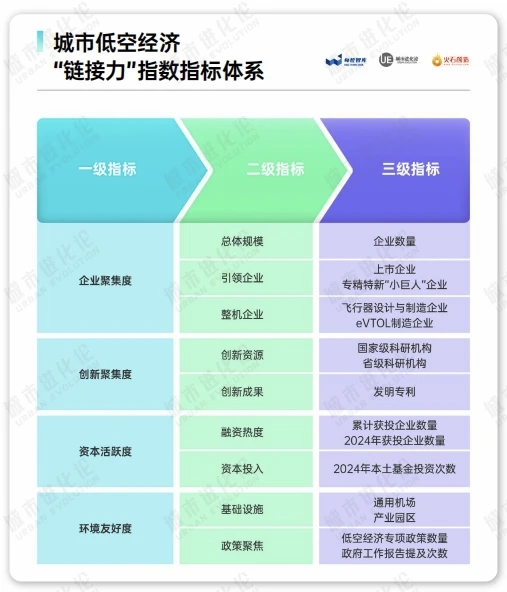
Core Insights - Shenyang is set to become a Northeast Asia international center city, with a clear roadmap outlined in the "Action Plan" for 2025-2035, focusing on building a comprehensive hub and four centers: advanced manufacturing, modern service industry, regional technology innovation, and cultural center [1][4][5] Development Strategy - The "Action Plan" includes 22 specific action plans aimed at enhancing Shenyang's industrial capabilities, such as developing world-class industrial clusters and expanding the airport to create a Northeast Asia "three-hour aviation circle" [5][6] - Shenyang's GDP is projected to reach 902.71 billion yuan in 2024, with a growth rate of 5.2%, indicating strong economic support for its new positioning [5][6] Low-altitude Economy Focus - The emphasis on low-altitude economy development is highlighted, with Shenyang aiming to establish itself as a national low-altitude economic pilot zone, leveraging its strong aviation manufacturing base [1][9][10] - Shenyang ranks 10th in the "Low-altitude Economy Linkage Index" with a score of 43.16, the only city in Northeast China to make the top ten, showcasing its leading position in the region [10][11] Industrial Strengths - Shenyang's aviation industry is robust, with a complete industrial chain from military to civil aviation, and a projected aviation industry scale exceeding 100 billion yuan by 2024 [10][14] - The city is focusing on developing three key advanced manufacturing clusters: robotics and intelligent manufacturing, aviation, and industrial mother machines, aiming for a total industrial scale of 1.1 trillion yuan [6][7] Innovation and Infrastructure - Shenyang's innovation concentration ranks sixth nationally, with strong performance in environmental friendliness and infrastructure, although it faces challenges in capital activity [13] - The city plans to establish over 100 low-altitude economy-related enterprises within three years, targeting an industry scale of 3 billion yuan [13][15] Future Prospects - The development path for Shenyang's low-altitude economy is prioritized, with a focus on both manned and unmanned aerial vehicle industries, supported by local research institutions and enterprises [14][16] - Shenyang aims to transition from research and manufacturing to a full industrial chain approach, enhancing its ecosystem for low-altitude economic development [18]


中证国防指数上涨0.92%,前十大权重包含中航沈飞等
Jin Rong Jie· 2025-07-11 10:02
Group 1 - The core viewpoint of the news is the performance of the China Defense Index, which has shown significant growth over the past month, three months, and year-to-date, indicating a positive trend in the defense sector [1][2] - The China Defense Index has increased by 7.16% in the last month, 10.26% in the last three months, and 10.50% year-to-date, with a current value of 1589.12 points and a trading volume of 24.275 billion yuan [1] - The index comprises listed companies under the ten major military industrial groups and those providing weaponry and equipment to the armed forces, reflecting the overall performance of defense industry stocks [1] Group 2 - The top ten weighted stocks in the China Defense Index include AVIC Shenyang Aircraft (7.9%), AVIC Optoelectronics (6.1%), Aero Engine Corporation of China (6.0%), and others, indicating a concentration in specific companies [1] - The market distribution of the index shows that the Shanghai Stock Exchange accounts for 56.19% and the Shenzhen Stock Exchange for 43.81%, highlighting the geographical distribution of investments [2] - The industry composition of the index indicates that 75.06% is in the industrial sector, 12.42% in materials, 7.07% in information technology, and 5.45% in communication services, reflecting the focus on industrial applications [2]


军工占比超98%!航空航天ETF(159227)多只成分股飘红
Xin Lang Cai Jing· 2025-07-11 06:39
Group 1 - The China Aerospace and Aviation Industry Index (CN5082) has seen a strong increase of 1.02% as of July 11, 2025, with notable gains in constituent stocks such as Yaguang Technology (300123) up 4.15% and Beifang Navigation (600435) up 4.13% [1] - The Aerospace and Aviation ETF (159227) has risen by 0.55%, with the latest price reported at 1.1 yuan [1] - The China Astronaut Research and Training Center held a press conference on July 9, where astronauts shared their experiences from a 183-day mission in space [1] Group 2 - The Aerospace and Aviation ETF (159227) tracks the China Aerospace Index and has a high concentration in the defense and military sector, with a weight of 98.2%, making it the purest military ETF in the market [2] - The ETF focuses on aerospace capabilities, with a significant weight of 66.5% in the "Aerospace + Aviation Equipment" category within the secondary industry [2] - As of June 30, 2025, the top ten weighted stocks in the China Aerospace and Aviation Industry Index (CN5082) account for 49.42% of the index, including companies like Guangqi Technology (002625) and AVIC Shenyang Aircraft Corporation (600760) [2]
上涨近1%!国防ETF(512670)连续7天获资金净流入,规模近65亿创近一年新高
Xin Lang Cai Jing· 2025-07-11 05:51
Group 1 - The China Defense Index (399973) has increased by 0.97% as of July 11, 2025, with notable gains from stocks such as Hongyuan Electronics (603267) up 4.62% and Beifang Navigation (600435) up 4.27% [1] - The Defense ETF (512670) has risen by 0.91%, with the latest price at 0.78 yuan, and has seen a trading volume of 1.72 billion yuan [1] - The Defense ETF has achieved a new high in scale, reaching 6.493 billion yuan, and has experienced continuous net inflows totaling 9.47 billion yuan over the past week [1] Group 2 - The Defense ETF closely tracks the China Defense Index, which includes listed companies under the top ten military groups and those providing equipment to the armed forces [2] - As of June 30, 2025, the top ten weighted stocks in the China Defense Index account for 43.29% of the index, with notable companies including AVIC Shenyang Aircraft (600760) and AVIC Engine (600893) [2] - The management and custody fees for the Defense ETF are the lowest among its peers at only 0.40% [2]
低空经济地级市强力突围!山东“三核”之外,滨州潍坊破局
Qi Lu Wan Bao· 2025-07-11 02:59
Core Insights - The low-altitude economy is emerging as a new competitive arena for cities, with both major and smaller cities making significant strides in this sector [1][2] - The "Linkage Power" Index for low-altitude economy ranks cities based on their ability to integrate resources, with a focus on enterprise concentration, capital activity, innovation, and environmental friendliness [2][4] Group 1: Low-Altitude Economy Development - The report identifies 50 cities excelling in low-altitude economy, including not only major cities like Beijing, Shanghai, and Shenzhen but also smaller cities such as Zhuhai, Shaoxing, and Wuhu [1][4] - Shandong province showcases a similar trend with its three core cities—Qingdao, Jinan, and Yantai—ranking in the top 50, while other cities like Binzhou and Rizhao also demonstrate potential [1][5] Group 2: Regional Highlights - Guangdong province leads with six cities in the top 50, projecting a low-altitude economy scale exceeding 300 billion yuan by 2026, supported by a robust industrial ecosystem [4][20] - Shandong aims to achieve a low-altitude economy scale of over 100 billion yuan by 2027, leveraging its comprehensive industrial base [4][7] Group 3: Infrastructure and Policy - The report emphasizes the importance of infrastructure and supportive policies in fostering low-altitude economic growth, with cities like Weifang initiating significant projects [17][21] - Shandong's "Action Plan" outlines the construction of 35 general airports and 400 digital low-altitude aircraft takeoff platforms by 2027 [21][22] Group 4: Employment and Innovation - The low-altitude economy is creating new job opportunities, particularly in sectors like agricultural drone operation, which has seen significant salary increases [15][16] - The establishment of innovative platforms, such as the first drone intelligent shared processing center in Binzhou, signals a shift towards large-scale application in the industry [12][14] Group 5: Market Growth and Future Projections - The number of low-altitude economy enterprises in China reached 14,707 by 2024, marking a 55.6% increase since 2020, indicating a shift towards large-scale development [20][21] - The low-altitude economy market in China is projected to reach 1.5 trillion yuan by 2025, highlighting the sector's growth potential [21][20]
国泰海通晨报-20250711
Haitong Securities· 2025-07-11 02:50
Group 1 - The report highlights that the global refined oil transportation market is expected to experience a recovery in 2025, with the company's quarterly performance anticipated to improve sequentially [3][5] - The company is the only refined oil transportation company listed in A-shares, and its profitability has significantly increased over the past three years, with expectations for continued high profitability in 2025 [2][3] - The global refinery relocation trend is expected to benefit the industry, leading to a potential recovery in dividend distribution and accelerated shareholder returns [4][5] Group 2 - The report on Steady Medical indicates that the company is expected to maintain its earnings forecast, with projected EPS for 2025-2027 being 1.77, 2.18, and 2.49 yuan respectively [6][7] - The cotton soft towel and sanitary napkin business of the company is expected to see significant revenue growth in 2024, attributed to strategic transformations in product, channel, and brand marketing [7][8] - The company is focusing on high-quality product positioning and expanding its online and offline channels, which is expected to enhance brand visibility and drive revenue growth [8][27] Group 3 - The durable consumer goods industry report emphasizes the successful path of IQOS, highlighting the importance of product strength, marketing, and channel synergy in establishing brand value [9][10] - The Japanese market for HNB products has reached a penetration rate of over 40%, with significant growth potential as traditional cigarette markets shrink [9][11] - The report suggests that the competitive landscape in the HNB market is evolving, with major brands actively participating in market cultivation, leading to accelerated industry expansion [9][10] Group 4 - The military industry report indicates that the ongoing geopolitical tensions are likely to drive long-term growth in the military sector, with increased defense spending expected [23][24] - Recent military agreements, such as the tank export deal between South Korea and Poland, highlight the strengthening of military cooperation and the potential for significant military sales contracts [25][26] - The report recommends various companies within the military sector, focusing on assembly, components, and systems, as the industry is poised for growth amid rising defense demands [26][27]
强军胜战——国防科技行业2025年度中期投资策略
2025-07-11 01:13
Summary of Key Points from the Conference Call Industry Overview - The conference call focuses on the **defense technology industry** in China, particularly during the **14th Five-Year Plan** period, with an emphasis on the military industry and its growth potential through 2025 [1][3][11]. Core Insights and Arguments - **Earnings Growth**: The core driver for the military sector's performance is the growth in **Earnings Per Share (EPS)**, with many leading companies achieving strong earnings, which has positively impacted stock prices [3][11]. - **Investment Opportunities**: Multiple thematic investment opportunities are available, including **low-altitude economy**, **commercial aerospace**, **deep-sea technology**, and **controlled nuclear fusion**, all of which are expected to have high growth potential in the medium to long term [1][8][22]. - **Military Trade Growth**: The military trade sector is identified as a significant growth area, with increasing support from state-owned enterprises and the potential for new generation equipment like the **Yun-20** and **J-35A** to enhance global competitiveness [7][20][21]. Important but Overlooked Content - **Domestic Demand**: China's military expenditure as a percentage of GDP is lower than that of Western countries, indicating a potential growth space of **20%-100%** [11]. - **Export Potential**: The current military trade market share for China is about **6%**, with a potential increase of over **60%** as compared to countries like France and Russia [12]. - **Aerospace Sector Dynamics**: The aerospace sector is highlighted as a key area, with a focus on new models, aftermarket demand, and military-to-civilian transitions. The **C919** aircraft is noted for its significant domestic replacement potential [5][14][16]. Future Trends and Projections - **Ammunition Sector**: The ammunition sector is experiencing a turning point, driven by global demand due to conflicts like the Russia-Ukraine war, leading to increased production and modernization efforts [4][19][17]. - **Investment Strategy**: A value-driven investment approach is recommended, focusing on high-quality blue-chip stocks that can deliver absolute and excess returns [13][10]. - **Emerging Technologies**: The call emphasizes the importance of emerging technologies in the defense sector, particularly in high-speed weapons and low-cost precision-guided munitions, which are expected to see increased demand [6][18]. Conclusion - The defense technology industry in China is poised for significant growth, driven by domestic and international demand, technological advancements, and strategic investments. The focus on EPS growth, military trade, and thematic investments presents a robust landscape for potential investors looking to capitalize on the evolving market dynamics.
上证军工指数下跌0.83%,前十大权重包含西部超导等
Jin Rong Jie· 2025-07-09 16:25
Group 1 - The A-share market's three major indices closed mixed, with the Shanghai Military Industry Index down 0.83% at 7957.22 points and a trading volume of 24.971 billion yuan [1] - The Shanghai Military Industry Index has increased by 9.80% in the past month, 21.56% in the past three months, and 11.20% year-to-date [1] - The index includes listed companies primarily engaged in the military industry, selected from the ten major military groups and other related firms, reflecting the overall performance of military industry stocks in the Shanghai market [1] Group 2 - The top ten weighted stocks in the Shanghai Military Industry Index are China Shipbuilding (9.36%), AVIC Shenyang Aircraft (8.44%), China Heavy Industry (6.66%), Aero Engine Corporation (6.32%), AVIC Avionics (3.7%), Aerospace Electronics (3.42%), China Power (3.31%), Ruichuang Micro-Nano (3.2%), Western Superconducting (2.95%), and AVIC High-Tech (2.76%) [1] - The index's holdings are entirely from the Shanghai Stock Exchange, with an industry composition of 77.28% in industrials, 12.26% in information technology, 5.70% in materials, 3.42% in communication services, and 1.34% in consumer discretionary [1] Group 3 - The index samples are adjusted semi-annually, with adjustments occurring on the next trading day after the second Friday of June and December, with a sample adjustment ratio generally not exceeding 10% [2] - Weight factors are adjusted in accordance with sample changes, and these adjustments occur simultaneously with the regular sample adjustments [2] - Special circumstances may lead to temporary adjustments of the index, including the removal of samples that are delisted or undergo mergers, acquisitions, or splits [2]
