
赛诺菲

Search documents
驱动基因阴性NSCLC专题:下一代治疗范式:双抗、IO+ADC
Southwest Securities· 2026-02-10 03:06
Investment Rating - The report does not explicitly state an investment rating for the industry Core Insights - The proportion of driver gene-negative non-small cell lung cancer (NSCLC) patients is approximately 31% in both China and the United States, indicating a significant market opportunity for treatments targeting this demographic [2][15] - The estimated market size for immune drugs used in first-line treatment of driver gene-negative NSCLC is projected to be around 7.5 billion CNY (approximately 1.1 billion USD) in China and 18 billion CNY (approximately 2.7 billion USD) in the United States by 2030 [2] - The current first-line treatment for advanced driver gene-negative NSCLC primarily relies on PD(L)-1 inhibitors combined with chemotherapy, but there are limitations in long-term efficacy and options for patients intolerant to chemotherapy [3] Summary by Sections Section 1: NSCLC Global Overview - Lung cancer is the leading cancer type globally, with new cases accounting for approximately 12% of all cancer cases in 2022, translating to about 2.5 million new lung cancer cases [10] - In China, lung cancer represents about 22% of new cancer cases, with approximately 1.06 million new cases in 2022 [10] Section 2: Market Potential for Driver Gene-Negative NSCLC - The report highlights the significant market potential for immune therapies in treating driver gene-negative NSCLC, with a focus on the limitations of current treatment options [2][3] Section 3: Next-Generation Immunotherapy Approaches - The report discusses the advancements in dual (multi) antibody therapies and immune-oncology (IO) combined with antibody-drug conjugates (ADC), emphasizing their potential to improve treatment outcomes for patients with driver gene-negative NSCLC [5][8] - The clinical data supporting these new therapies is expected to catalyze further investment and development in this area [5] Section 4: Treatment Guidelines Comparison - The report compares treatment guidelines for driver gene-negative NSCLC between the United States and China, noting differences in treatment stratification and recommended therapies [32][34] - The U.S. guidelines emphasize PD-L1 expression levels, while Chinese guidelines focus more on performance status (PS) [32][34] Section 5: Future Catalysts - Key upcoming clinical data releases and studies are highlighted as potential catalysts for investment opportunities in the sector, particularly regarding dual antibodies and ADC therapies [5][8]



成都苑东生物制药股份有限公司关于自愿披露EP-0210单抗注射液I期临床试验完成首例受试者给药的公告
Shang Hai Zheng Quan Bao· 2026-02-09 18:39
Core Viewpoint - Chengdu Yuandong Biopharmaceutical Co., Ltd. has announced the completion of the first dosing of the EP-0210 monoclonal antibody injection in a Phase I clinical trial for treating inflammatory bowel disease, indicating progress in its drug development pipeline [1][3]. Group 1: Drug Overview - EP-0210 monoclonal antibody injection is a humanized IgG1 monoclonal antibody targeting TNF-like ligand 1A (TL1A), aimed at treating inflammatory bowel disease by blocking TL1A-mediated pro-inflammatory signaling pathways [1][2]. - Preclinical studies have shown that EP-0210 has a clear mechanism of action and significant efficacy in various inflammatory bowel disease models, demonstrating better target activity and efficacy compared to the foreign competitor RVT-3101 [2]. Group 2: Clinical Trial Details - The Phase I clinical trial for EP-0210 received formal approval from the National Medical Products Administration in January 2026, with the trial focusing on safety, tolerability, pharmacokinetics, and immunogenicity in healthy adult participants [3]. - As of the announcement date, the first dosing in the single-dose administration phase of the trial has been completed [3].

苑东生物EP-0210单抗注射液I期临床试验完成首例受试者给药
Bei Jing Shang Bao· 2026-02-09 12:12
Core Viewpoint - Yuan Dong Bio (688513) announced that its wholly-owned subsidiary Chengdu Youluo Biotechnology Co., Ltd. has initiated Phase I clinical trials for its monoclonal antibody EP-0210 injection, targeting inflammatory bowel disease, with the first patient dosing recently completed [1] Company Summary - EP-0210 is a humanized IgG1 monoclonal antibody that targets TNF-like ligand 1A (TL1A), aiming to treat inflammatory bowel disease by effectively binding to TL1A and blocking pro-inflammatory signaling pathways [1] - The development of TL1A antibody drugs is one of the most closely watched emerging targets in the field of inflammatory bowel disease, with no similar drugs currently available on the market globally [1] Industry Summary - The fastest global development progress for TL1A-targeting drugs is being made by Merck, Sanofi, and Roche/Pfizer, all of which have TL1A antibody drugs in Phase III clinical trials [1] - In China, companies such as 3SBio, ZhiXiang JinTai, and HuaShen ZhiYao have also entered Phase I clinical trials for similar TL1A-targeting drugs [1]
速递|默沙东入局小分子GLP-1:减重竞赛进入口服与BD新阶段
GLP1减重宝典· 2026-02-09 11:16
整理 | GLP1减重宝典内容团队 2026年2月5日,默沙东在 ClinicalTrials.gov 上注册了其小分子GLP-1受体激动剂MK-4082的全球一期临床试验,标志着这家在DPP-4时代占据 统治地位的跨国药企,正式加入新一轮GLP-1减重药物的技术竞赛。 根据注册信息,该一期临床计划入组120例健康受试者,主要评估安全性、耐受性及药代动力学特征,预计将于2026年8月完成。这一时间表显 示,默沙东当前对该项目的定位仍处于"快速验证可行性"的早期阶段,但在GLP-1赛道整体高度拥挤的背景下,其战略信号意义远大于临床阶 段本身。 ▍ GLP-1热潮之下,MNC走向分化布局 过去数年,GLP-1类药物在减重领域掀起的热潮,几乎吸引了所有主流跨国药企(MNC)入场,但不同公司的切入路径已出现明显分化。作为 该领域的先驱,礼来 与 诺和诺德 选择了"全维度覆盖"的策略,从注射型到口服制剂、从GLP-1单靶点到双靶点及多靶点激动剂,力图构建系 统性护城河。 而后进入者则更多采取差异化切口。罗氏 通过收购Carmot获得GLP-1/GIP及小分子GLP-1资产,同时引进Zealand Pharma的Amyl ...


Heart Failure Drugs Market Size to be Valued at USD 28.29 Billion by 2033 Due to the Demographic and Epidemiological Trends Globally
Globenewswire· 2026-02-09 09:00
Market Overview - The Heart Failure Drugs Market is valued at USD 8.80 Billion in 2025 and is projected to reach USD 28.29 Billion by 2033, growing at a CAGR of 15.73% from 2026 to 2033 [1][7][20] - The U.S. Heart Failure Drugs Market is estimated at USD 2.54 Billion in 2025 and expected to grow to USD 8.03 Billion by 2033, with a CAGR of 15.47% during the same period [3] Market Drivers - The growth of the heart failure medications market is primarily driven by demographic trends, particularly the aging population, which increases the risk of heart failure and cardiovascular diseases [2][8] - The rising prevalence of lifestyle-related conditions such as hypertension, diabetes, and obesity is contributing to the increased demand for heart failure treatments [2][8] Market Segmentation - By Type: ACE Inhibitors hold the largest market share at 34.80%, while Beta Blockers are the fastest-growing segment with a CAGR of 12.90% [10] - By Application: Tablets lead the market with a 49.60% share, while injections are the fastest-growing segment with a CAGR of 11.70% [11] - By Distribution Channel: Hospital Pharmacies dominate with a 45.20% share, and Online Pharmacies are the fastest-growing segment with a CAGR of 14.80% [15] Regional Insights - North America accounted for over 40.65% of the Heart Failure Drugs Market in 2025, driven by high prevalence of cardiovascular diseases and advanced healthcare infrastructure [17] - The Asia Pacific region is expected to grow at the fastest rate with a CAGR of 16.81%, fueled by increasing cardiovascular disease prevalence and improving healthcare access [17] Recent Developments - Bayer AG received FDA approval for its drug Kerendia (finerenone) in July 2025, targeting heart failure patients with left ventricular ejection fraction (LVEF) ≥40% [21] - Cytokinetics launched a Phase 3 trial for omecamtiv mecarbil in December 2024, focusing on patients with symptomatic heart failure and severely reduced ejection fraction [21]
90亿+美金押注MCE赛道:巨头抢滩,为何Biotech寥寥?
Tai Mei Ti A P P· 2026-02-09 08:47
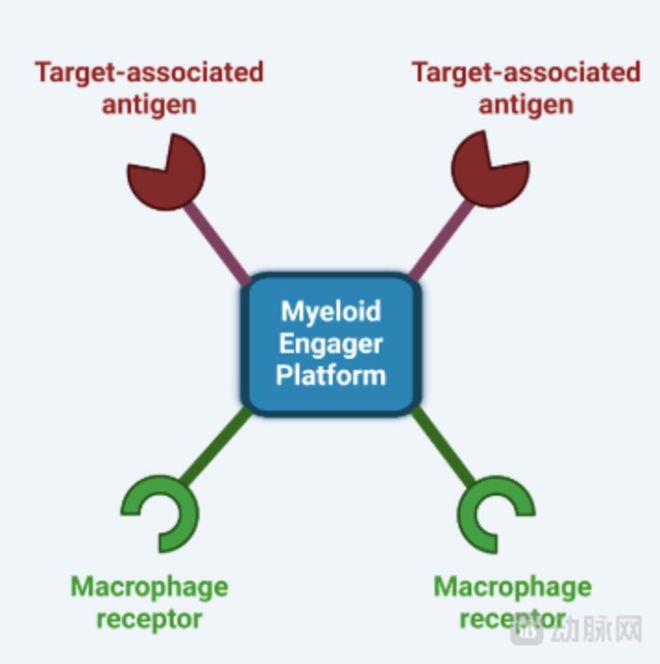
Core Insights - The global MCE (Myeloid Cell Engager) market has surpassed $9 billion in cumulative transaction value from 2022 to 2025, with major pharmaceutical companies like Novartis, Eli Lilly, and GSK actively entering the field through collaborations and acquisitions [1][20] - The year 2025 is anticipated to be a pivotal year for MCE, with significant deals such as Sanofi's $1.9 billion acquisition of Dren Bio and GSK's collaboration with LTZ Therapeutics valued at over $1.5 billion [1][19][12] - Despite the enthusiasm from large pharmaceutical companies, there are only a handful of biotech firms with a clear focus on MCE, raising questions about the early-stage technology and the limited number of players in the field [1][20] Industry Dynamics - The bottleneck in immunotherapy has led to a renewed focus on myeloid cell therapies, as traditional T-cell therapies face limitations in solid tumors [2][22] - Research indicates that myeloid cells, such as macrophages and dendritic cells, play a crucial role in the immune response within the tumor microenvironment, prompting a shift towards targeting these cells for therapeutic purposes [2][3] - The MCE approach utilizes bispecific antibodies to bridge tumor cells and myeloid cells, enhancing the immune response against tumors while addressing the limitations of T-cell therapies [5][7] Competitive Landscape - The MCE market is characterized by a three-tier structure: core biotech firms with proprietary technology, multinational corporations (MNCs) accelerating development through partnerships, and companies with foundational immunology expertise poised to enter the market [9][10] - Key players in the biotech sector include Dren Bio, which focuses on Dectin-1 activation, and LTZ Therapeutics, which employs a dual-pathway activation strategy involving myeloid and NK cells [10][11] - Companies like Elpiscience and Glenmark are also exploring innovative approaches to enhance myeloid cell engagement, indicating a diverse range of strategies within the MCE landscape [14][17] Market Potential - The demand for MCE therapies is driven by the substantial market size in oncology and autoimmune diseases, with the global solid tumor treatment market projected to reach $272 billion by 2032 [22] - MCE therapies are expected to address unmet needs in solid tumors, offering a differentiated mechanism compared to traditional therapies, which often face safety and efficacy challenges [22][23] - The potential for MCE to complement existing therapies like CAR-T and PD-1 inhibitors highlights its strategic importance in the evolving landscape of immunotherapy [23][24] Future Outlook - The success of MCE as a next-generation immunotherapy will depend on clinical trial outcomes and the ability to overcome technical challenges related to safety and efficacy [22][24] - The next 3-5 years will be critical for MCE, as clinical data will determine its viability and potential to reshape treatment paradigms in oncology and beyond [24]


Press Release: Sanofi’s rilzabrutinib designated breakthrough therapy in the US and orphan drug in Japan for the treatment of warm autoimmune hemolytic anemia
Globenewswire· 2026-02-09 06:00
Core Insights - Sanofi's rilzabrutinib has received breakthrough therapy designation from the FDA for treating warm autoimmune hemolytic anemia (wAIHA) and orphan drug designation in Japan for the same condition [1][2][3] Group 1: Designations and Studies - The breakthrough therapy designation is based on clinical data from the ongoing LUMINA 2 phase 2b study, which assesses the efficacy and safety of rilzabrutinib for wAIHA patients [2] - A new LUMINA 3 phase 3 study is also underway, comparing rilzabrutinib with placebo in wAIHA patients [2] - There are currently no approved treatments specifically targeting the underlying cause of wAIHA, which can lead to anemia and serious organ damage [2] Group 2: Rilzabrutinib Overview - Rilzabrutinib is a novel oral, reversible Bruton's tyrosine kinase (BTK) inhibitor that aims to restore immune balance through multi-immune modulation [7][8] - It is already approved in the US, EU, and UAE for treating immune thrombocytopenia (ITP) and is under regulatory review for ITP in Japan [4][8] - Rilzabrutinib has received multiple designations, including orphan drug status for autoimmune hemolytic anemia and other rare diseases [5] Group 3: About wAIHA - wAIHA is a rare autoimmune disorder characterized by the destruction of red blood cells, affecting 4 to 24 people per 100,000 in the US and EU, and 3 to 10 people per million in Japan [6] - Symptoms include fatigue, dizziness, palpitations, and shortness of breath, with potential complications such as thromboembolism [6] Group 4: Company Overview - Sanofi is an R&D driven biopharma company focused on improving lives through innovative medicines and vaccines, with a commitment to addressing urgent healthcare challenges [10]


医药行业周报:原料药供给节奏变化加速
Huaxin Securities· 2026-02-09 03:10
Investment Rating - The report maintains a "Recommended" investment rating for the pharmaceutical industry [1] Core Insights - The supply of raw materials in the pharmaceutical industry is accelerating, with a focus on subsequent price and volume changes [2] - The global GLP-1 market is evolving, with Chinese companies continuing to explore international opportunities [3] - Leading companies are gradually entering the small nucleic acid field, which is expected to drive the development of supporting industrial chains [4] - The retail pharmaceutical market is showing positive trends, with chain pharmacies enhancing their positioning [5] - The value of oral immunosuppressive drugs is gaining attention [6] Summary by Sections 1. Pharmaceutical Market Tracking - The pharmaceutical industry outperformed the CSI 300 index by 1.47 percentage points in the last week, ranking 15th among 31 primary industry indices [18] - The pharmaceutical industry index increased by 0.14% during the same period [18] 2. Pharmaceutical Sector Trends and Valuation - The pharmaceutical industry index has a current PE (TTM) of 37.31, above the five-year historical average of 31.11 [40] 3. Recent Research Achievements - The report highlights various deep-dive studies on topics such as the growth of biological agents and oral medications, and the impact of policies on the inhalation drug industry [44] 4. Recent Industry Policies and News - The National Healthcare Security Administration issued a notice to accelerate the cultivation and application of new scenarios in the medical insurance sector [46] - Recent approvals for clinical trials of new drugs by major pharmaceutical companies, including AstraZeneca and Hengrui Medicine, indicate ongoing innovation in the industry [47][48] 5. Key Companies and Profit Forecasts - The report includes profit forecasts for several companies, with recommendations for stocks such as Yuyuan Pharmaceutical and Sunshine Nuohua, indicating a positive outlook for their performance [9]
EQT Life Sciences-Backed AgomAb Falls After $200 Million IPO
MINT· 2026-02-09 01:54
Core Viewpoint - AgomAb Therapeutics NV, a clinical-stage biopharmaceutical company, experienced an 8.4% decline in its trading debut, closing at $14.65 after raising $200 million in its IPO, which was priced at $16 per share [1][2]. Group 1: Company Overview - AgomAb is based in Antwerp, Belgium, and focuses on immunology and inflammatory diseases, specifically developing an oral drug for Fibrostenosing Crohn's Disease and an inhalation treatment for a rare lung disease [3]. - The company has a market value of approximately $714 million based on outstanding shares [2]. Group 2: Financials and Funding - AgomAb raised nearly €300 million ($354 million) in private funding from notable investors, including Sanofi and Pfizer, prior to its IPO [4]. - The company reported a net loss of €45.1 million for the nine months ending September 30, compared to a net loss of €34.5 million for the same period the previous year [5]. Group 3: IPO Details - The IPO involved the sale of 12.5 million American depositary receipts (ADRs), which were marketed at $15 to $17 each [1]. - The offering was led by major financial institutions including JPMorgan Chase & Co. and Morgan Stanley, with the company's ADRs trading on the Nasdaq Global Market under the symbol AGMB [6].


Sanofi (SNY) Strengthens Shareholder Returns Amid Robust 2025 Performance and Long-Term Growth Outlook
Yahoo Finance· 2026-02-08 09:27
Group 1 - Sanofi is recognized as one of the best blue-chip stocks to buy, with plans for a €1 billion share buyback in 2026 following strong Q4 2025 results [1][6] - The company reported adjusted earnings per share of €1.53 and revenue of €11.3 billion, exceeding analyst expectations, driven by a 32.2% increase in Dupixent sales to €4.2 billion [2] - Despite the positive financial results, Sanofi's shares experienced a slight decline due to broader market volatility [2] Group 2 - CEO Paul Hudson indicated that profitable growth is anticipated to continue for at least five years, with increased investment in research and development to support this growth [3] - Sanofi operates globally in over 60 countries, focusing on immunology, oncology, rare diseases, and infectious diseases [4]