奈雪的茶

Search documents
“最热闹的地方都不一定能赚到钱了”,茶饮离规模天花板还有多远?
3 6 Ke· 2026-01-16 03:23
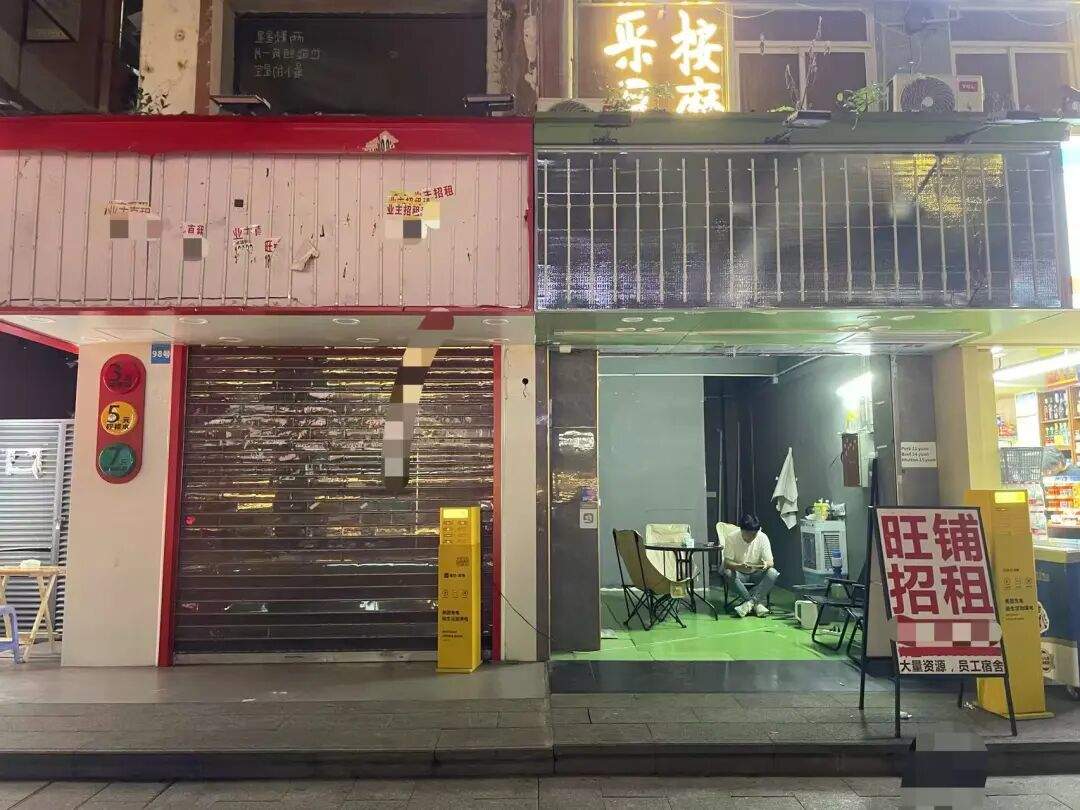
Core Insights - The tea beverage industry is experiencing a significant shift from rapid growth to intense competition, with many brands struggling to maintain profitability as the market approaches saturation [2][11][24]. Industry Overview - The tea beverage market has seen a surge in the number of listed companies, with brands like Gu Ming, Mi Xue Ice City, and Ba Wang Tea Sister joining the ranks, bringing the total to six publicly traded companies [2]. - Mi Xue Ice City has expanded to an impressive 47,000 global stores, while Gu Ming has become the second tea brand to reach 10,000 stores [2]. - The market growth rate is projected to slow down significantly, with an expected increase of only 6.4% in 2025, compared to over 20% in previous years [11]. Market Dynamics - The competition has intensified, leading to a phenomenon where many stores are closing or struggling to find tenants, with rental prices dropping by 30% in some areas without attracting new businesses [10][11]. - The average density of tea beverage stores is high, with one store for every 700 people in the target demographic of 15-35 years old [11]. Financial Performance - Major tea brands have reported substantial revenue growth, with Mi Xue Group achieving a revenue increase of 39.3% to 14.87 billion yuan and Gu Ming's revenue rising by 41.2% to 5.66 billion yuan [15][17]. - Despite overall revenue growth, many franchisees are experiencing declining profit margins due to increased competition and the impact of the delivery service wars [20][21]. Delivery Wars Impact - The fierce competition among delivery platforms has led to significant spending, with approximately 65 billion yuan burned in the third quarter alone, benefiting tea brands through increased order volumes [13][14]. - However, the profitability of individual stores is under pressure, as the shift towards delivery often results in lower profit margins compared to in-store sales [20][21]. Investment Trends - Investors are increasingly adopting a speculative approach, focusing on new brands with the potential for high returns, while established brands are seen as less profitable [24][25]. - The emergence of new brands and trends, such as Thai milk tea, is driving interest among franchisees, who are eager to capitalize on the next big opportunity [27][28]. Consumer Behavior - The delivery wars have changed consumer habits, with a growing preference for ready-to-drink beverages, which may have long-term benefits for the industry [23]. - However, there are concerns that the price sensitivity created by heavy discounting during the delivery wars could persist even after subsidies are reduced [21].

受伤的加盟商,狂欢的二手设备贩子——乐乐茶败走中原,一场关于新式茶饮的昂贵清算
3 6 Ke· 2026-01-16 02:30
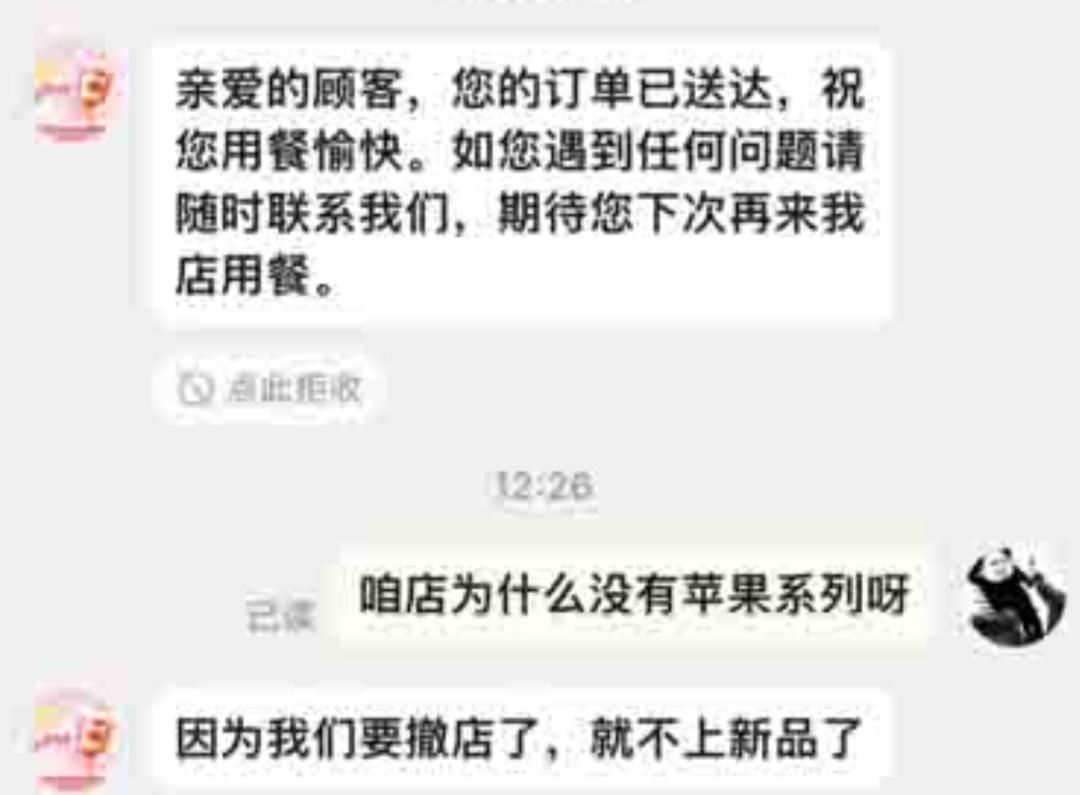
Core Viewpoint - The tea brand Lelecha is facing significant challenges, including store closures and financial losses, leading to concerns about its future in the market [1][3][15] Group 1: Company Performance - Lelecha has officially closed its store in Zhengzhou, with claims from the company that it is not exiting the market but rather adjusting its store presence [1] - The brand has seen a negative net growth in stores, closing 132 locations in 2025, leaving approximately 399 operational stores [2] - Lelecha's financial struggles are compounded by its association with Nayuki, which acquired a 43.64% stake in Lelecha for 5.25 billion yuan, but this partnership has not yielded positive results [3][5] Group 2: Market Dynamics - The new tea beverage market is experiencing a shift from premium offerings to a focus on supply chain efficiency, with competitors like Mixue Bingcheng thriving by minimizing costs [9][15] - The industry is witnessing a significant decline, with over 35,000 stores closing in 2025, indicating a negative net growth despite the opening of over 90,000 new stores [12][15] - Lelecha's attempts to pivot to a franchise model with a low entry cost of 200,000 yuan are criticized as misleading, with actual costs often reaching 400,000 to 500,000 yuan [11] Group 3: Financial Implications - Nayuki's financial reports indicate a substantial adjusted net loss of 917 million yuan in 2024, with Lelecha's losses directly impacting Nayuki's financial health [3][5] - The partnership with Lelecha has turned into a liability for Nayuki, with the potential for significant financial repercussions if performance targets are not met [5][15] - The operational challenges faced by Lelecha, including high logistics costs and a fragmented supply chain, further exacerbate its financial difficulties [10][15]
冲刺春节档!古茗、奈雪、1点点都在推这个年味水果
东京烘焙职业人· 2026-01-15 08:33
以下文章来源于咖门 ,作者子淇 咖门 . 聚焦茶饮、咖啡行业,关注饮品新风潮 发现了吗? 临近过年 ,橘子饮品 崭露头角 。 1点点的 " 橘子奶青 " 刷屏,古茗第五年回归"手剥粒粒大橘",奈雪 、百分茶相继推出 "超C小橙瓶"" 清迈大橘茉莉冰茶 ",茉酸奶今日上新 "春见粑粑 柑系列"。 此外, 上海一家橘子饮品专门店月销突破 4万杯,营收近百万元。 继苹果之后, 大众水果 橘子 也要逆袭? 橘子饮品热度渐起 古茗、奈雪、 1点点都在推 最近 ,无论是头部连锁还是区域品牌,扎堆推出 橘饮 新品。 较 早 是 奈雪 的 " 3倍超C小橙瓶 " ,选用泰国蜜桔汁搭配西湖蜜桔果肉,主打 " 高维 C " 概念 ,网友评价: "酸甜适中,口口爆汁"。 古茗于1月8日升级回归已热卖5年(季)的 "手剥粒粒大橘" ,并打出"一杯超半斤粑粑柑"的卖点。 1点点在12月初上线 "橘子奶青" ,选用广西砂糖橘 制成 ,迅速成热销款 ,网友评: "和可可芭蕾并列 1点点 奶茶 TOP1 "。 同期百分茶也在 苏州中心店限 定上新 " 清迈大橘茉莉冰茶 " , 泰国蜜 搭配手作大橘冻 , 清新解腻 ;紧接着 , Tamkok ...

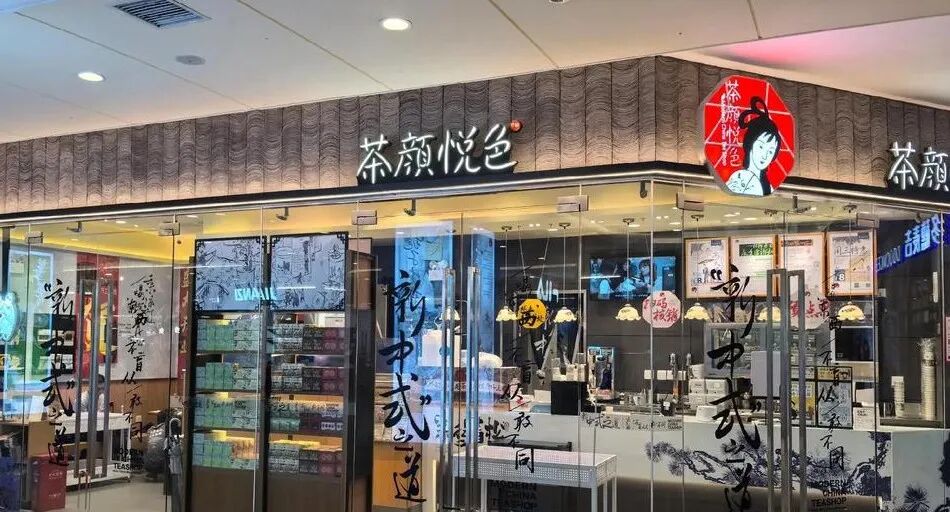
茶颜悦色有个霸王茶姬梦
3 6 Ke· 2026-01-14 12:38
Group 1 - The core point of the article is that the tea brand Cha Yan Yue Se is preparing to accelerate its expansion in the competitive new tea beverage market, signaling a desire to grow into more cities [3][5][15] - Cha Yan Yue Se is actively recruiting in major cities like Shanghai and Shenzhen, offering competitive salaries for various positions, indicating a strategic push for talent acquisition [3][5] - The brand plans to establish a creative studio in Shanghai to attract professional talent, although there are currently no plans to open new stores in the city [3][5] Group 2 - Cha Yan Yue Se, founded in 2013 in Changsha, is known for its unique positioning in the new tea beverage market, focusing on a new Chinese-style fresh milk concept [5][6] - The brand has maintained a direct sales model, contrasting with many competitors that have opted for franchise models, which has limited its store count compared to rivals like Ba Wang Cha Ji [5][8] - Despite its current market presence in five provinces, Cha Yan Yue Se's total store count of 764 is relatively low compared to other national brands, highlighting the need for further expansion to achieve nationwide recognition [5][8] Group 3 - Ba Wang Cha Ji, a competitor that emerged after Cha Yan Yue Se, has rapidly expanded through franchising and has recently gone public, overshadowing Cha Yan Yue Se in brand visibility and market presence [6][8][9] - The new tea beverage industry is experiencing a shift from rapid expansion to a focus on operational efficiency and profitability, with major brands reassessing their growth strategies [14][15] - Cha Yan Yue Se has faced various controversies, including quality control issues and negative media coverage, which could impact its brand reputation and market performance [11][14] Group 4 - The article suggests that Cha Yan Yue Se has aspirations to follow in the footsteps of successful brands like Ba Wang Cha Ji and may be considering a public listing to capitalize on the current market trends [9][10] - The competitive landscape is intensifying, with new entrants and established brands alike vying for market share, necessitating a strategic approach for Cha Yan Yue Se to maintain its relevance [14][15] - The brand's future growth will depend on its ability to tell a compelling story and enter new markets while maintaining a steady pace of development [15]
奶茶店开始“卖饭”?蜜雪、古茗、阿嬷都盯上这门生意
东京烘焙职业人· 2026-01-14 08:33
Core Viewpoint - The beverage industry, particularly tea and coffee brands, is increasingly diversifying into food offerings, with a focus on integrating meals into their menus to enhance customer experience and drive sales [5][14][30]. Group 1: New Trends in Beverage Industry - Recent developments show tea shops like Mubaishousuo are introducing main dishes, such as the Min Nan Taro Rice, to attract customers [5][6]. - The trend of beverage shops selling food is gaining traction, with brands like Mixue Ice City and Starbucks experimenting with breakfast options [5][19]. - Social media reactions indicate consumer surprise and curiosity about beverage shops venturing into food sales, highlighting a shift in consumer expectations [7][10]. Group 2: Strategic Shifts in Offerings - Beverage brands are moving from merely offering snacks to providing full meal options, targeting breakfast and lunch markets [16][19]. - Companies like Mubaishousuo and Starbucks are launching new store formats and meal combinations to redefine the dining experience [20][22]. - The introduction of meal options is seen as a strategy to increase customer spending and adapt to daily consumption needs [15][30]. Group 3: Operational Considerations - The integration of food into beverage menus requires significant operational changes, including new equipment and food safety standards [33][35]. - Successful examples of food and beverage integration often involve light processing or strong synergy between products, with food revenue still being a small percentage of total sales [35][36]. - Brands must maintain consistency in their identity and ensure that new food offerings align with their core consumer experience [35].
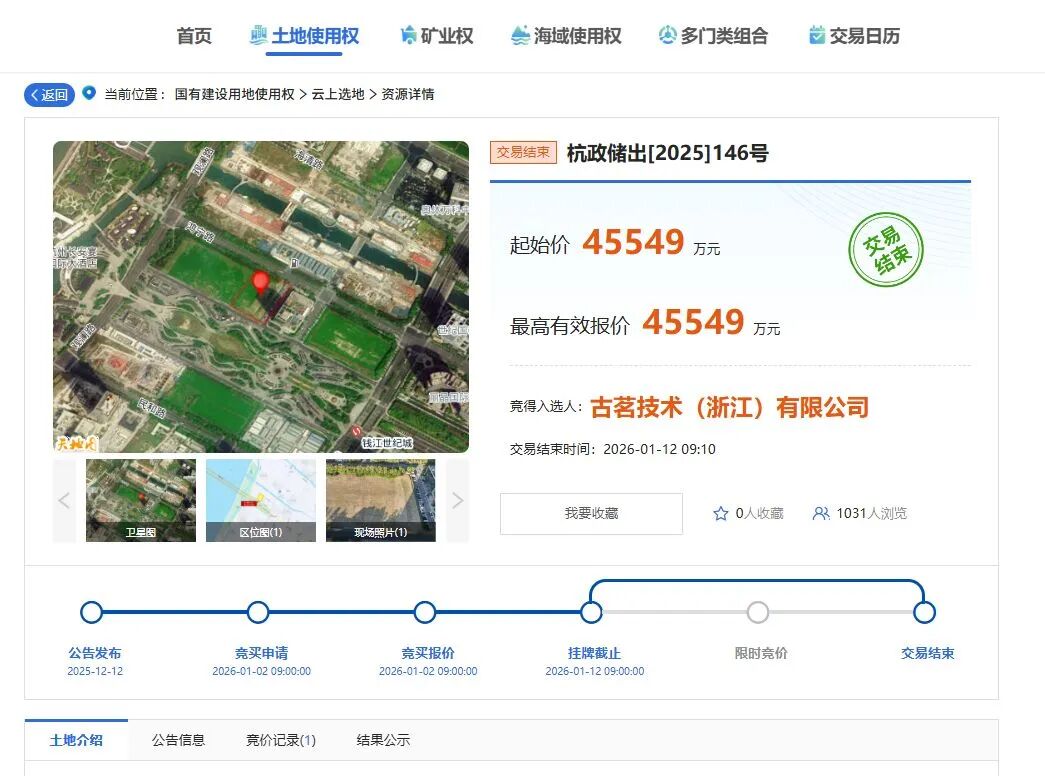
古茗在杭州拿地 新茶饮品牌“热衷”拿地盖楼?
Zheng Quan Shi Bao Wang· 2026-01-13 13:32
证券时报记者吴家明 价格大战、密集上市......新茶饮企业的热点似乎都在价格和资本市场。不过,一个"特别"的现象正悄然 上演:头部茶饮品牌似乎也在关注重资产,开始拿地盖楼。 近日,位于杭州钱江世纪城核心区一宗商业用地挂牌出让。古茗技术(浙江)有限公司以4.55亿元总价竞 得该地块,成交楼面价约合每平方米6100元。浙江省自然资源网上交易中心的资料显示,该地块土地用 途为商务金融用地,用地面积约1.24万平方米。 根据《建设用地规划条件》和《地块出让合同》,该地块整体自持比例不低于80%,自持年限为40年, 自持期间不得分割转让、不得分割登记。该地块被明确定位为总部经济类用地,竞得者须与杭州市萧山 钱江世纪城管理委员会签订《杭州市萧山钱江世纪城核心单元XS010203-04地块投资开发协议》。 根据市场公开消息,目前古茗实行杭州、台州双总部战略。其中,台州总部坐落于温岭市大溪镇,杭州 总部则位于萧山区,新地块的用途尚在规划中。公司财报显示,2025年上半年公司营业收入约56.6亿 元,同比增加41.2%。与餐饮零售消费行业争抢一、二线城市不同,古茗81%的门店布局在二线及以下 城市。 有分析人士表示,自有物业 ...
初代网红品牌关店超百家、退出多地市场!经典产品风靡一时,产业总量开始压缩
Huan Qiu Wang· 2026-01-13 12:08
Core Viewpoint - The closure of all LELECHA stores in Zhengzhou and the significant reduction in the number of stores nationwide highlight the challenges faced by the brand in a competitive market [1]. Company Overview - LELECHA, founded in Shanghai in 2016, gained popularity with its "dirty bread" product and expanded rapidly, reaching over 399 stores across 27 provinces and 79 cities [1]. - The brand has recently faced a decline, with 132 store closures in the past year, indicating a negative growth trend [1]. Financial and Investment Insights - In 2022, Nayuki Tea acquired a 43.64% stake in LELECHA for 525 million yuan, valuing the company at approximately 1.2 billion yuan [8]. - The investment is expected to provide LELECHA with advantages in store expansion, supply chain, and digitalization while maintaining its independent operations [8]. Market Competition - The competitive landscape for milk tea brands has intensified, with many initial popular brands like LELECHA facing pressure from new entrants [8]. - As of January 2026, the total number of milk tea brands exceeded 4,000, with nearly 400,000 stores, but the net growth in stores has been negative, with a decrease of 35,000 stores in the past year [9].
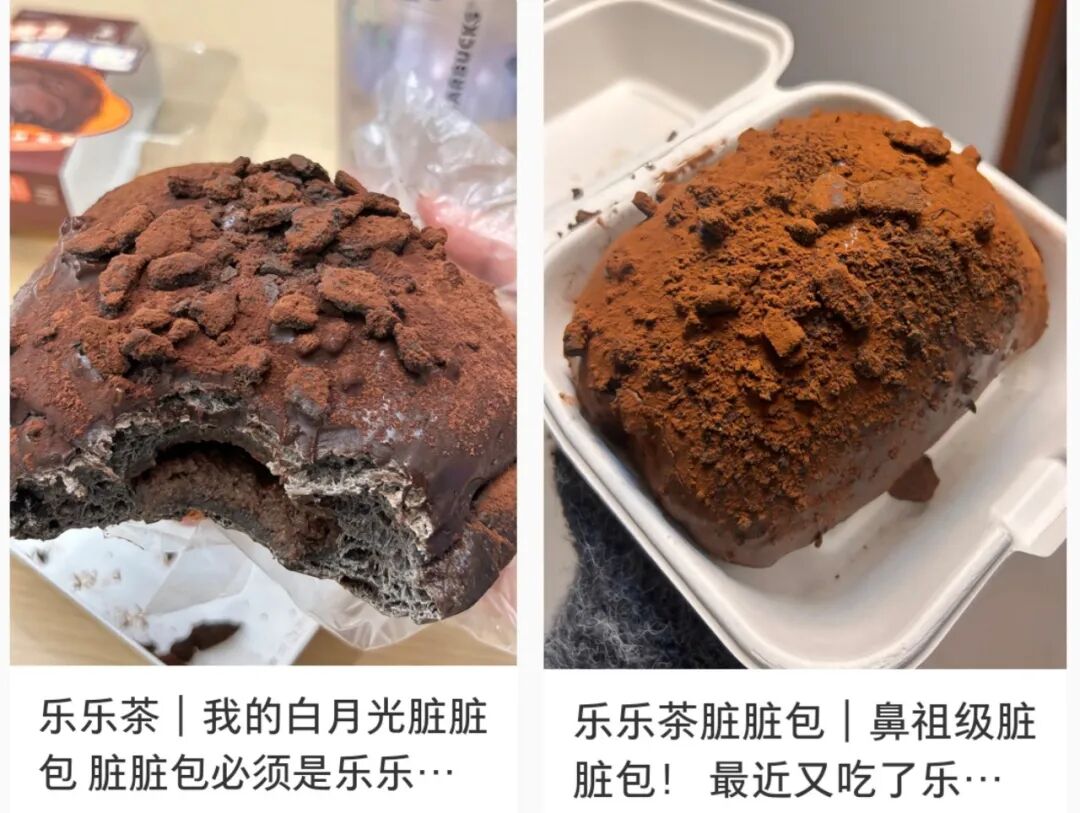
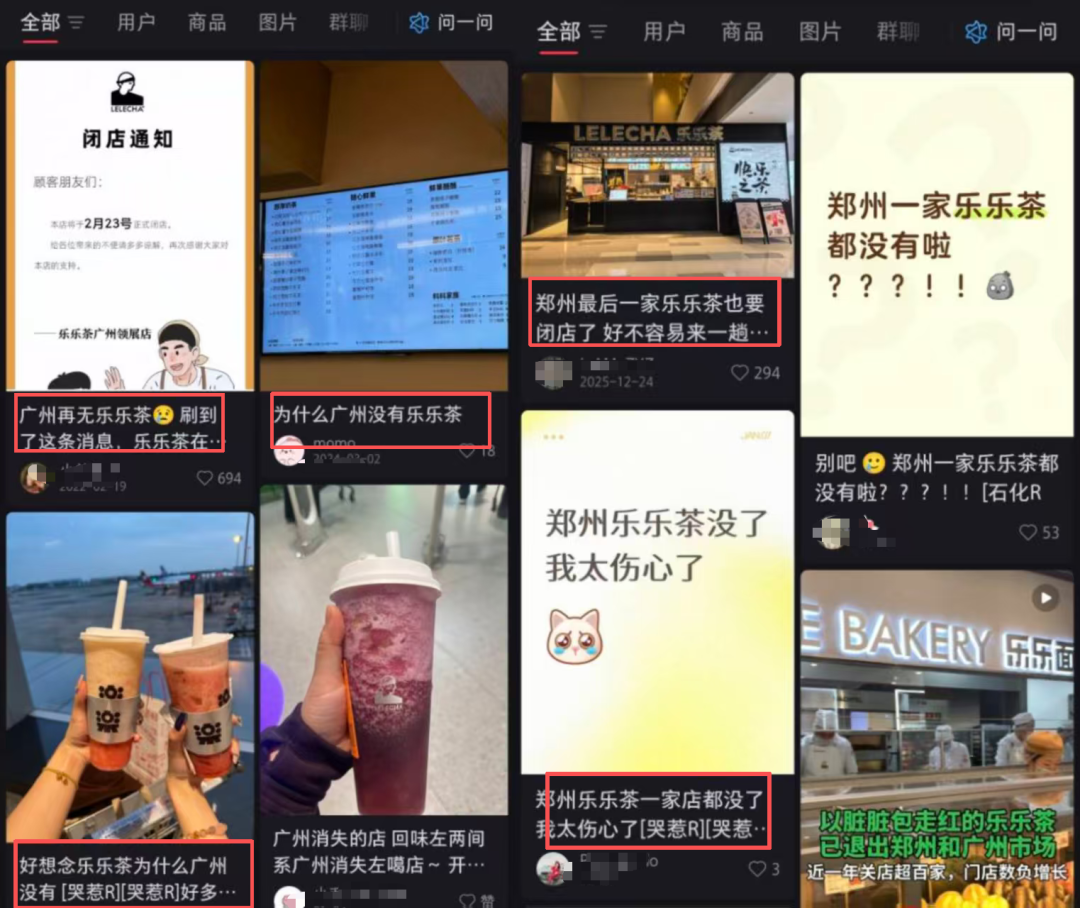
郑州已无店!初代网红奶茶“再退一城”,3年前就已退出广州!曾因“脏脏包”爆红,如今一年关店132家
Mei Ri Jing Ji Xin Wen· 2026-01-13 10:01
Core Viewpoint - Recent reports indicate that all Lele Tea stores in Zhengzhou have closed, with similar claims from Guangzhou, raising significant public attention [1][3]. Group 1: Store Closures and Current Status - Lele Tea's official customer service confirmed that there are currently no stores in Zhengzhou [3]. - In 2022, all Lele Tea stores in Guangzhou were closed, which is notable as Guangzhou has the highest number of milk tea stores in China, with nearly 14,000 [3]. - Over the past year, Lele Tea has closed 132 stores, leaving a total of 399 operational stores across 27 provinces and 79 cities [5]. Group 2: Historical Context and Growth - Lele Tea opened its first store in Shanghai in February 2016, initially focusing on "tea drinks + soft packages" [5]. - The brand gained popularity in 2017 with the "dirty bag" pastry, surpassing competitors like Lady M in Shanghai [5]. - In 2019, Lele Tea completed a Pre-A round financing of nearly 200 million yuan, leading to rapid expansion across major cities [8]. Group 3: Market Position and Competition - Lele Tea's market valuation was approximately 1.203 billion yuan after a 5.25 billion yuan acquisition of a 43.64% stake by Nayuki Tea [8]. - The competitive landscape has intensified, with new milk tea brands emerging, leading to a contraction in the market for initial popular brands like Lele Tea [12]. - As of January 12, 2026, the total number of milk tea brands exceeded 4,000, with nearly 400,000 stores, but the net growth has been negative, with a decrease of 35,000 stores in the past year [12].
乐乐茶回应退出郑州市场,近一年关店超百家
Xin Lang Cai Jing· 2026-01-13 03:37
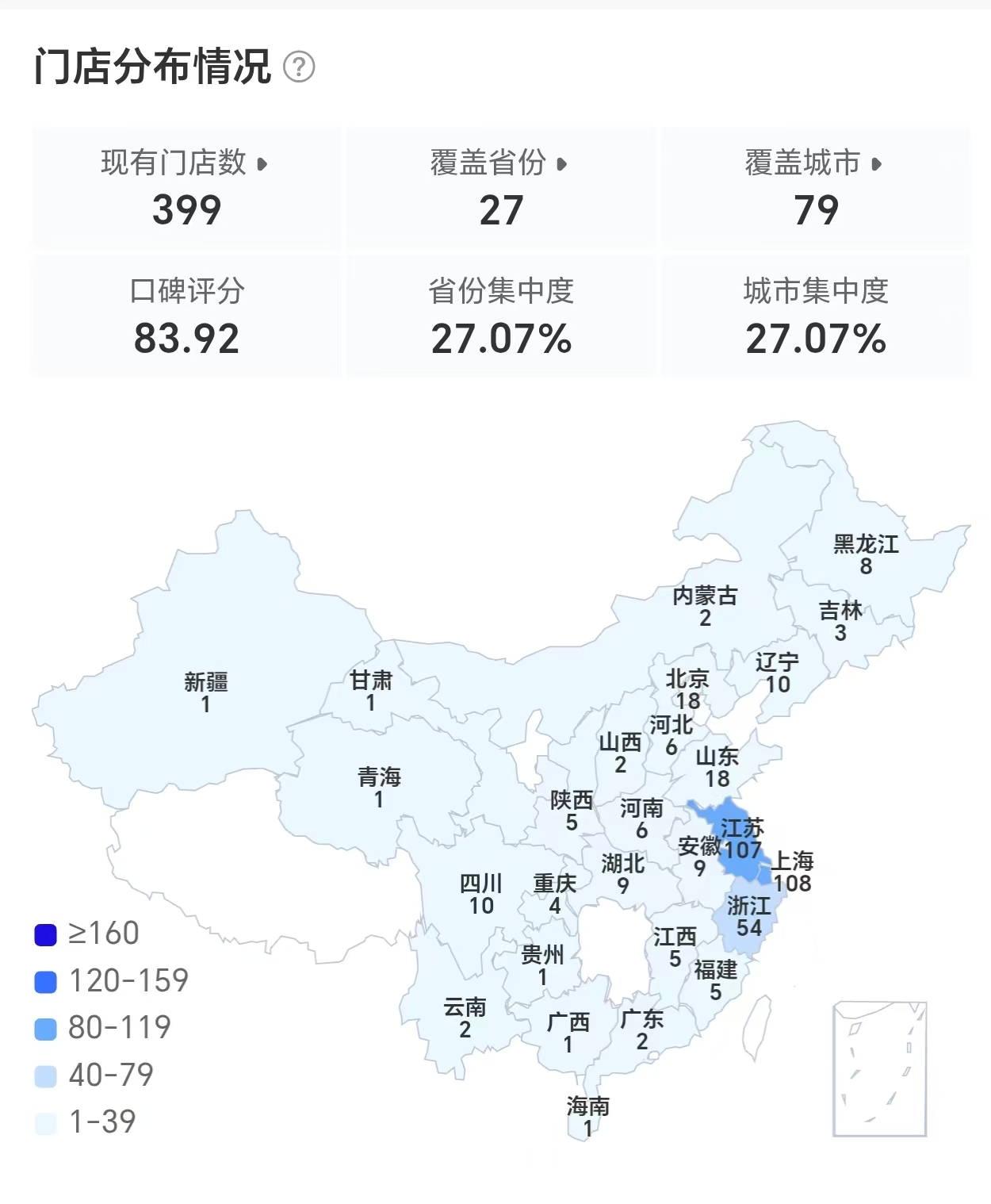
Core Viewpoint - The tea brand Lele Tea is facing significant challenges, including the closure of all its stores in Zhengzhou and Guangzhou, leading to a total of 132 store closures in the past year, resulting in a negative growth in store numbers [1][9]. Company Overview - As of now, Lele Tea operates 399 stores across 27 provinces and 79 cities, with a customer satisfaction score of 83.92 [2][10]. - The brand has a high concentration of stores in Shanghai and Jiangsu, while several provinces have only one store each, indicating a lack of market penetration in those areas [9]. Investment and Ownership - In December 2022, Nayuki Tea acquired a 43.64% stake in Lele Tea for 525 million yuan, making it the largest shareholder. This investment valued Lele Tea at approximately 1.2 billion yuan [7][15]. - Following the acquisition, Lele Tea will remain an independent entity but will benefit from Nayuki's resources in areas such as store expansion and supply chain management [15]. Market Competition - The competitive landscape for tea brands has intensified, with many initial popular brands like Lele Tea facing pressure from new entrants. This has led to a contraction in the market, with a reported net decrease of 35,000 stores in the past year across the industry [8][16]. - Notably, other established brands like Heytea and Nayuki Tea have also been closing stores, indicating a broader trend of scaling back in the face of fierce competition [8][16].
浙江奶茶巨头为何要花4.55亿元在杭州拿地?
3 6 Ke· 2026-01-13 02:57
Core Insights - The tea beverage industry is witnessing a shift from front-end competition focused on store density and product iteration to back-end competition emphasizing organizational capability, resource integration, and capital strength [2][7]. Group 1: Land Acquisition and Strategic Moves - Gu Ming Technology (Zhejiang) Co., Ltd. acquired a commercial financial land parcel in Hangzhou for 455 million yuan, marking a significant investment in real estate amidst a competitive landscape [2][3]. - The land is suitable for developing a mixed-use commercial and business building, with a total area of 12,445 square meters and a maximum building height of 190 meters [3][5]. - Other leading tea brands, such as Yi He Tang and Nayuki, are also investing in real estate, indicating a trend among top brands to establish headquarters and enhance operational capabilities [6][7]. Group 2: Market Position and Financial Performance - Gu Ming's revenue for the first half of 2025 reached approximately 5.66 billion yuan, reflecting a year-on-year increase of 41.2% [8]. - The company has a significant presence in lower-tier cities, with 81% of its stores located in second-tier and below cities, showcasing its strategy of targeting less saturated markets [9][10]. - The company’s supply chain management and franchisee support systems are highlighted as key competitive advantages, enabling efficient operations and lower costs [10]. Group 3: Long-term Strategy and Confidence - The trend of acquiring land during a downturn in the real estate market reflects the confidence of leading tea brands in their cash flow and long-term value [10]. - The mixed strategy of maintaining light operations while investing in heavy assets is seen as a new anti-cyclical approach, allowing companies to hedge against inflation and secure long-term operational costs [10].