茶颜悦色奶茶

Search documents
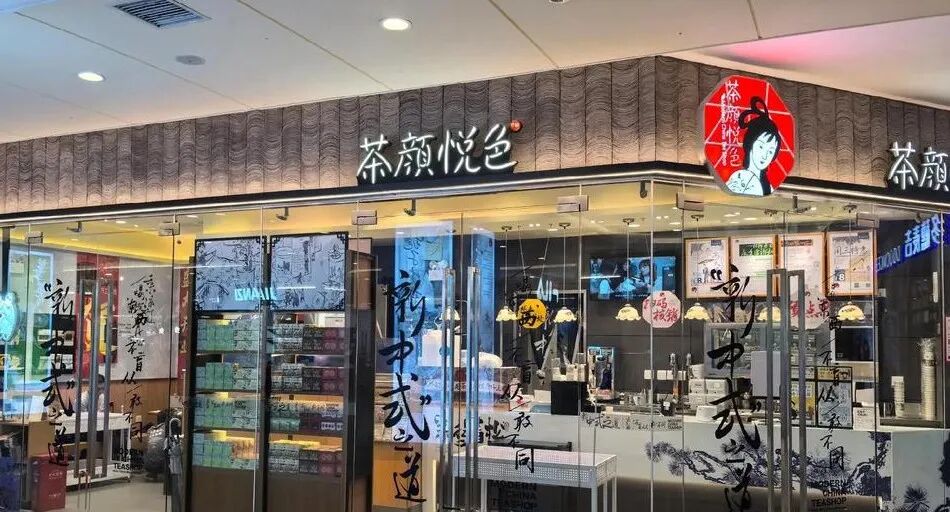
茶颜悦色有个霸王茶姬梦
阿尔法工场研究院· 2026-01-16 05:37
Core Viewpoint - Chayan Yuese is preparing to accelerate its expansion in the competitive new tea beverage market, indicating ambitions to grow beyond its current regional presence and potentially emulate the success of rival brand Bawang Chaji [4][6][8]. Recruitment and Expansion Plans - Chayan Yuese is actively recruiting in Shanghai and Shenzhen, with salaries ranging from 20,000 to 75,000 yuan for various positions, signaling a push for talent acquisition and market expansion [7]. - The company plans to establish a creative studio in Shanghai to attract professionals and gather creative inspiration, although there are no immediate plans to open new stores in the city [7]. Market Position and Strategy - Founded in 2013 in Changsha, Chayan Yuese has become a representative brand of the city, focusing on a new Chinese-style fresh milk concept, which differentiates it from competitors like Nayuki and Heytea [10]. - As of December 25, 2025, Chayan Yuese operates 764 stores across five provinces, but its total store count is lower than that of other national brands, indicating a need for further expansion to achieve nationwide presence [10]. Competitive Landscape - Bawang Chaji, a newer competitor, has rapidly expanded through a franchise model and has outperformed Chayan Yuese in brand visibility and market presence, including a successful IPO on NASDAQ in April 2025 [16][18]. - The new tea beverage industry is experiencing a shift from rapid expansion to optimizing store efficiency and profitability, with major brands like Nayuki and Heytea facing challenges and scaling back their growth plans [24]. Future Outlook - Chayan Yuese is exploring potential market entry into first-tier cities and aims to tell a new brand story to attract consumers, while also needing to maintain steady growth without rushing [25]. - The company has room for growth in new markets and has a solid brand foundation, but it faces significant competition from both established and emerging brands in the industry [24][25].


茶颜悦色有个霸王茶姬梦
3 6 Ke· 2026-01-14 12:38
Group 1 - The core point of the article is that the tea brand Cha Yan Yue Se is preparing to accelerate its expansion in the competitive new tea beverage market, signaling a desire to grow into more cities [3][5][15] - Cha Yan Yue Se is actively recruiting in major cities like Shanghai and Shenzhen, offering competitive salaries for various positions, indicating a strategic push for talent acquisition [3][5] - The brand plans to establish a creative studio in Shanghai to attract professional talent, although there are currently no plans to open new stores in the city [3][5] Group 2 - Cha Yan Yue Se, founded in 2013 in Changsha, is known for its unique positioning in the new tea beverage market, focusing on a new Chinese-style fresh milk concept [5][6] - The brand has maintained a direct sales model, contrasting with many competitors that have opted for franchise models, which has limited its store count compared to rivals like Ba Wang Cha Ji [5][8] - Despite its current market presence in five provinces, Cha Yan Yue Se's total store count of 764 is relatively low compared to other national brands, highlighting the need for further expansion to achieve nationwide recognition [5][8] Group 3 - Ba Wang Cha Ji, a competitor that emerged after Cha Yan Yue Se, has rapidly expanded through franchising and has recently gone public, overshadowing Cha Yan Yue Se in brand visibility and market presence [6][8][9] - The new tea beverage industry is experiencing a shift from rapid expansion to a focus on operational efficiency and profitability, with major brands reassessing their growth strategies [14][15] - Cha Yan Yue Se has faced various controversies, including quality control issues and negative media coverage, which could impact its brand reputation and market performance [11][14] Group 4 - The article suggests that Cha Yan Yue Se has aspirations to follow in the footsteps of successful brands like Ba Wang Cha Ji and may be considering a public listing to capitalize on the current market trends [9][10] - The competitive landscape is intensifying, with new entrants and established brands alike vying for market share, necessitating a strategic approach for Cha Yan Yue Se to maintain its relevance [14][15] - The brand's future growth will depend on its ability to tell a compelling story and enter new markets while maintaining a steady pace of development [15]
研究了10000名消费者,我们为2026写下30条新消费暴利的秘密
3 6 Ke· 2026-01-06 03:15
Core Insights - The Chinese consumer market in 2026 will be driven by five core consumer groups, shifting from "cost-performance" and "emotional value" to "quality-price ratio" and "holistic self-consumption" [1] - Consumers will prioritize rationality and quality, expecting brands to be both functional and emotionally resonant [1] Group 1: Generation Z (Ages 18-27) - Consumption for Generation Z is a means of self-expression and social identity, where purchases serve as "social currency" to enter specific circles [3][5] - They are willing to spend significantly on items that symbolize their identity, such as limited edition sneakers or local cultural products, reflecting their values and community [5][6] - The rise of "identity consumption" indicates that purchases are more about expressing beliefs and belonging than fulfilling needs [6] - The "谷子经济" (Guzi Economy) represents a mature emotional currency system, with a market size projected to reach 200 billion, driven by fandom and collectibles [9] - Young consumers are increasingly skeptical of influencer marketing, preferring authentic and relatable brand interactions [10][11] - The trend of "micro-luxury" consumption allows young consumers to find joy in small, affordable indulgences, enhancing their daily lives [12] - There is a growing demand for time-saving solutions, with consumers willing to pay for convenience in their daily routines [13][15][17] - The second-hand market is thriving, combining environmental consciousness with unique personal style, as consumers seek vintage items for both quality and social status [18][19] - Digital ownership, such as collecting unplayed games or apps, provides a sense of security and potential [20] - Aesthetic preferences are shifting towards simplicity and authenticity, rejecting excessive packaging and marketing [21][23][24] - Young consumers are exploring less commercialized areas for authentic experiences, seeking a contrast to urban life [25][26] Group 2: Small Town Middle-Aged Consumers - This demographic is characterized by stable income, property ownership, and a strong sense of local pride, making them a foundational consumer group [30] - Their purchasing decisions heavily rely on recommendations from friends and family, emphasizing trust over advertising [30] - Leisure activities define their consumption patterns, focusing on local experiences and community engagement [31][32] - Social currency is significant, with purchases serving to enhance their social image within their communities [33] Group 3: Millennials - There is a polarization in spending habits, with consumers seeking high value in everyday items while indulging in premium products for self-care and family [40][42] - Service consumption is on the rise, as consumers prefer to pay for convenience and quality outcomes rather than doing tasks themselves [43][44] - The "healing economy" is emerging, with consumers regularly engaging in emotional wellness activities, indicating a shift towards prioritizing mental health [46] - Anti-aging products are becoming more sophisticated, with consumers investing in comprehensive health management systems [47] - Membership-based shopping models are gaining traction, as consumers value curated selections that save time and ensure quality [49] - The revival of physical media, such as books and vinyl records, reflects a desire for tangible experiences and meaningful consumption [50] Group 4: New Middle-Class Women - The concept of "self-pleasure" is evolving into a comprehensive investment in personal growth, encompassing various aspects of life [51][52] - Women are increasingly investing in education, fitness, mental health, and skincare, seeking holistic self-improvement [52] - Brands must shift from merely meeting needs to providing integrated solutions that empower consumers [52]

研究了10000名消费者,我们为2026写下30条新消费暴利的秘密 |「万字长文」
新消费智库· 2026-01-05 13:23
Group 1 - The core consumption logic in China is shifting from "cost-performance" and "emotional value" to "quality-price ratio" and "comprehensive self-satisfaction" as consumers become more rational and discerning in their purchases [2][3] - The Z generation (ages 18-27) views consumption as a means of expressing identity and belonging, prioritizing "identity consumption" over mere "need consumption" [4][6][10] - The "谷子经济" (Guzi Economy) is emerging as a significant market, driven by emotional value and the willingness of consumers, especially the Z generation, to pay for intangible assets like fandom and community [10][11] Group 2 - The Z generation is increasingly skeptical of influencer marketing, with only 11% trusting recommendations from online personalities, preferring authentic and relatable brand interactions [12][13] - The trend of "micro-luxury" consumption is rising, where consumers seek small indulgences that provide immediate happiness and a sense of control over their lives [12][13] - The demand for convenience is leading to a rise in "extreme time-saving" solutions, with consumers willing to pay for products that simplify their daily routines [15][16] Group 3 - The second-hand market is gaining traction as consumers seek unique, high-quality items while also valuing sustainability, with platforms for vintage and second-hand goods becoming social hubs [16][17] - Digital assets are being accumulated for their potential future value, with consumers finding satisfaction in owning a vast array of digital content, even if unused [18][19] - A trend towards "aesthetic minimalism" is emerging, with consumers favoring simpler, less polished designs that emphasize authenticity over excessive packaging [20][23] Group 4 - The younger generation is increasingly seeking authentic experiences, often traveling to less commercialized areas to escape urban monotony and engage with local cultures [24][25] - The Z generation is characterized by "precise ambiguity," using specific labels to express their multifaceted identities, which brands must understand and respect [26][27] - The "小镇中年" (Small Town Middle-Aged) demographic is becoming a stable consumer base, relying heavily on community recommendations and valuing local pride [30][32] Group 5 - The "leisure economy" is thriving, with consumers prioritizing leisure activities that enhance their quality of life, such as local dining and short trips [33][34] - Social currency is becoming a key driver of consumption, where purchases are made not just for personal use but also to enhance social standing within local communities [35][36] - The preference for trusted national brands is evident, with consumers favoring mid-range products that offer reliability and value for money [36][37] Group 6 - The rise of service consumption reflects a shift towards valuing time and convenience, with consumers willing to pay for services that simplify their lives [46][47] - The "healing economy" is emerging as a significant market, with consumers regularly engaging in emotional wellness activities to cope with modern stressors [48][50] - Anti-aging products are evolving into a more systematic and scientific approach, with consumers investing in comprehensive anti-aging solutions [51][52] Group 7 - Membership-based shopping models are gaining popularity, as consumers seek curated selections that save time and ensure quality [52][54] - The revival of physical media, such as books and vinyl records, highlights a desire for tangible experiences and the ritualistic aspects of consumption [57][58] - The "new middle-class women" are redefining self-satisfaction, investing in holistic self-improvement across various aspects of life [61][62]

【2025美好生活高峰论坛】中粮营养健康研究院 消费者与市场研究中心总监于跃波:品牌营销的终极战场不是流量的多少,而是人心的向背
Sou Hu Cai Jing· 2025-11-27 02:52
Core Insights - The "2025 New Consumption Summit Forum" focused on high-quality and upgraded consumption in China's market, gathering representatives from various sectors to discuss strategies for a healthier and more sustainable future [2] - The forum featured a presentation by Yu Yuebiao, who analyzed the challenges and opportunities in brand marketing within the new consumption ecosystem, offering forward-looking and practical strategies [3][7] Economic Context - The macroeconomic environment is showing a stable upward trend, with consumer confidence remaining relatively stable, although consumer behavior has significantly changed, emphasizing value for money [7] - The consumer confidence index for the first half of 2025 was reported at 87.8, indicating a need for recovery, while the advertising market's growth rate was only 0.6%, reflecting a conservative approach to brand marketing [7] Brand Marketing Trends - **From Attention to Memory**: Brands need to shift from merely capturing attention to creating memorable experiences through differentiation and storytelling. 41% of consumers are willing to remain loyal to differentiated products, and 65% are willing to pay for technological differentiation [8] - **From Traffic Harvesting to Relationship Management**: Brands should transition from a broad traffic acquisition strategy to a focus on customer lifetime value, utilizing private assets and emotional connections to drive repeat purchases. 65% of users value emotional links with brands [9] - **Cross-Industry Collaboration and National Trends**: Collaborations and national trends are becoming essential for brands to remain relevant and connect with consumers on a deeper level. 70% of advertisers engage in cross-industry collaborations [10] - **Channels as Marketing**: Retail channels are evolving into comprehensive consumer touchpoints that encompass discovery, education, experience, and conversion. 33% of consumers obtain information through e-commerce platforms, which are increasingly viewed as trusted media [11][12] Conclusion - The ultimate battleground for brand marketing is not just about traffic volume but about winning consumer trust and loyalty. Brands must focus on creating value at every consumer touchpoint and prioritize user-centric strategies [12]

国风神话破灭,网红奶茶鼻祖茶颜悦色为何频频翻车?
凤凰网财经· 2025-08-26 05:58
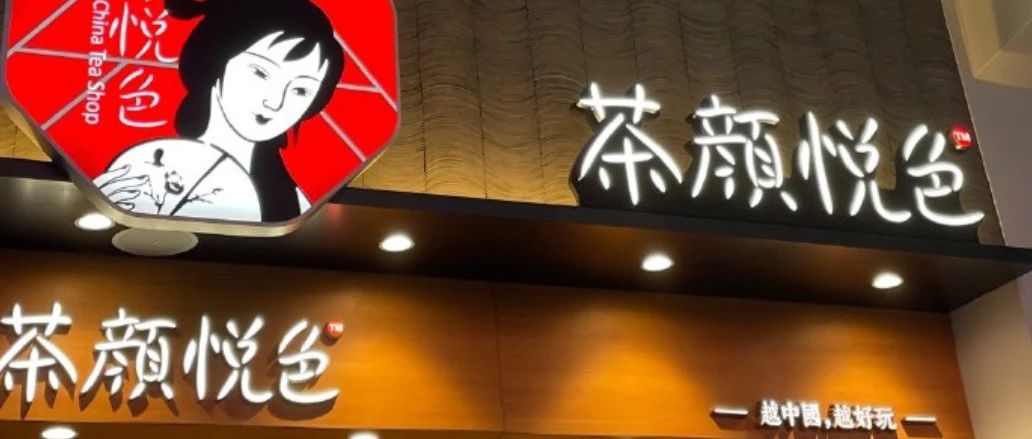
Core Viewpoint - The article discusses the decline of the popular tea brand Cha Yan Yue Se, highlighting its recent plagiarism controversies and the impact on its brand image and customer loyalty [4][6][16]. Group 1: Rise and Fall of Cha Yan Yue Se - Cha Yan Yue Se gained immense popularity after its first store opened in Changsha in 2013, becoming a new attraction with its unique branding and product offerings [5][31]. - At its peak, customers would travel long distances and wait for hours to purchase its products, leading to a secondary market where prices soared to 200 yuan for a single drink [5][6]. - The brand's recent collaboration with the Shanghai Rainbow Chamber Choir faced accusations of plagiarism, resulting in a rapid decline in its reputation [2][8][13]. Group 2: Plagiarism Controversies - The plagiarism allegations began on August 23, when multiple original creators accused Cha Yan Yue Se of copying their designs for a new product [7][8]. - The company publicly apologized on August 24, acknowledging unauthorized use of original works and promising to rectify the situation [13][14]. - This incident marks the second public apology for plagiarism within 50 days, following a previous issue related to a snack packaging design [17][21]. Group 3: Brand Image and Market Position - The brand's image as a "national style original" has been tarnished, leading to a loss of core customers [16][37]. - Cha Yan Yue Se has faced multiple controversies over the years, including accusations of sexism and poor employee treatment, which have contributed to its declining reputation [22][25]. - The competitive landscape has intensified, with rivals offering lower-priced products and more convenient purchasing options, further eroding Cha Yan Yue Se's market position [33][34]. Group 4: Business Strategy and Future Outlook - Despite expanding its store count to nearly 1,000, the brand struggles to keep pace with competitors like Bawang Chaji and Mixue Bingcheng, which have significantly more locations [31][32]. - The company is attempting to diversify its product offerings beyond tea, including snacks and lifestyle products, but faces challenges in innovation and customer engagement [36][37]. - Future plans for an IPO remain uncertain, with no clear timeline provided by the company [36].
凌晨3点,满街都是一手奶茶一手零食的年轻人,“网红”长沙想变“长红”
Chang Sha Wan Bao· 2025-07-29 07:06
Group 1: Overview of Changsha's Economic Landscape - Changsha is recognized as a vibrant "city that never sleeps," with a significant focus on boosting consumption, particularly in the new retail sector [1] - The city is also known as the "capital of engineering machinery," with over 30% of the national market share, housing five companies listed among the global top 50 engineering machinery firms [1] Group 2: New Consumption Brands - The success of the tea brand "Chayan Yuese" is attributed to its cultural depth and brand recognition, utilizing a "slow philosophy" to counteract industry restlessness [2][3] - Chayan Yuese integrates traditional Chinese culture into its products, creating a unique brand identity that resonates with younger consumers [3][5] - The brand emphasizes quality and a slow-paced approach, maintaining a cautious stance on large-scale delivery and focusing on in-store experiences [6][8] Group 3: Water Sheep Co. (Shuiyang Co.) - Water Sheep Co. has transformed from relying on e-commerce to becoming a leader in the beauty industry, leveraging a unique "CP model" to introduce over 50 international brands into China [11][12] - The company has invested heavily in self-research and production, establishing a smart manufacturing facility capable of producing over 2 billion face masks annually [14][16] - Water Sheep Co. has developed a robust R&D team, creating over 8,000 proprietary formulas and applying for more than 400 patents [16] Group 4: Starbond Intelligent Equipment - Starbond Intelligent Equipment has evolved from relying on imports to becoming a global leader in aerial work platforms, with products sold in nearly 100 countries [19][22] - The company has implemented advanced technologies, such as laser cutting and welding, significantly improving production efficiency and reducing costs [21] - Starbond's transformation has been supported by local government initiatives, providing tailored services to facilitate its growth [23] Group 5: Government Support and Ecosystem - Changsha's government has established a "super incubator" for new consumption brands, providing comprehensive support through research, consulting, and investment services [25][28] - The city has implemented a "1+3" service model to enhance the new consumption industry, focusing on resource integration and talent support [30][31] - The local government has also introduced policies to promote digital transformation and innovation within the engineering machinery sector [34][36] Group 6: Cultural and Demographic Advantages - Changsha's youthful population, with an average age of 37, serves as a strong foundation for new consumption growth [37] - The city's cultural heritage encourages innovation and resilience among local businesses, fostering a unique consumer environment [37][38] - The collaborative approach between government and enterprises has created a supportive ecosystem for new consumption brands to thrive [38][40]
昔日奶茶排队王,年轻人不想陪它演戏了
36氪· 2025-07-24 00:00
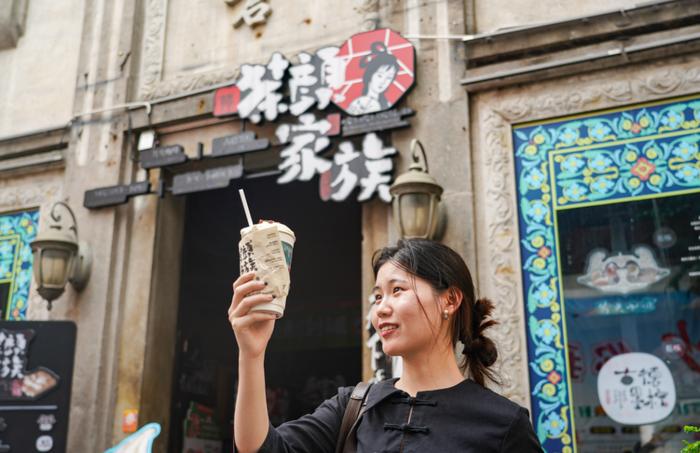
Core Viewpoint - The article discusses the decline of the tea brand Cha Yan Yue Se, which was once a top player in the tea beverage market, highlighting its struggles to maintain popularity and adapt to changing consumer preferences [1][3][36]. Group 1: Market Position and Competition - Cha Yan Yue Se was once a standout brand in the tea beverage market, known for its unique offerings and poetic branding, but has recently lost its competitive edge as new brands emerge [5][8][36]. - The brand's expansion efforts have been slow, with only a few new stores opened outside its home base, allowing competitors like Ba Wang Cha Ji to gain ground in key markets [21][25]. - Despite still being a part of local culture, the brand's popularity has waned, with many consumers no longer willing to wait in long lines for its products [14][40]. Group 2: Consumer Experience and Brand Perception - Consumers have expressed frustration with the lengthy ordering process and the brand's insistence on in-store experiences, which contrasts with the growing trend of online ordering and quick service [31][42]. - The brand's previous charm and novelty have diminished, leading to negative perceptions and complaints about its service and product offerings [19][28][36]. - Cha Yan Yue Se's attempts to innovate and expand its product line have not resonated well with loyal customers, who feel that the quality of beloved items has declined [19][36]. Group 3: Financial Performance and Growth Strategy - In 2023, Cha Yan Yue Se reported a net profit of approximately 5 billion yuan, which is competitive compared to other brands in the industry, despite its declining market presence [13]. - The company plans to open 268 new stores in 2024, marking a significant increase in its expansion efforts, particularly in new first-tier cities [25][27]. - The brand's recent foray into online sales of snacks and merchandise indicates a shift in strategy, but it has not generated the same buzz as its earlier initiatives [27][36].
武汉没想到,郑州也没想到,如今长沙强势崛起一飞冲天
Sou Hu Cai Jing· 2025-06-26 00:00
Group 1 - Changsha's GDP is projected to reach 1.52 trillion in 2024, with a growth rate of 5.0%, making it one of the top six cities in China [3] - The city has the lowest housing price-to-income ratio in the country, with young people facing only one-third of the home-buying pressure compared to major cities like Beijing and Shanghai [3] - Changsha is home to seven major trillion-yuan industrial clusters, with significant contributions from manufacturing, particularly in construction machinery [3] Group 2 - The city attracts around 200,000 young people annually, primarily aged 18-35, due to its affordable living costs and vibrant lifestyle [5] - Changsha's social retail sales are projected to reach 579.7 billion in 2024, ranking it among the top fourteen cities in China [5] - The nightlife and cultural scene in Changsha are thriving, with a strong emphasis on leisure and entertainment [5] Group 3 - Changsha is developing a dual-core model of "hard technology" and "new consumption," with advancements in computing and artificial intelligence [7] - The digital economy in Changsha is expected to reach 500 billion in 2024, establishing it as a new first-tier digital city [7] - The city integrates technology with local culture, enhancing its appeal through innovative culinary experiences and digital content creation [7] Group 4 - The collaboration between Changsha, Zhuzhou, and Xiangtan is creating a robust regional economic engine, with a focus on automotive industry supply chains [9] - The completion of the Xiangluozhou Bridge has established a "half-hour living circle," improving connectivity between the three cities [11] - This regional cooperation is expected to attract over 60 billion in investments through key projects [9][11] Group 5 - Changsha's success is attributed to its ability to retain young talent through affordable housing, a strong manufacturing base, and a vibrant consumer culture [13] - The city has positioned itself as a competitive force in central China, challenging traditional powerhouses like Wuhan and Zhengzhou [13] - Changsha's approach emphasizes a balance between aspiration and practicality for its residents [13]

打工人在高铁上,狂炫「全国流水席」
36氪· 2025-05-06 12:59
Core Viewpoint - The article discusses the evolving dining experience on high-speed trains in China, highlighting the variety and affordability of meals available, as well as the emergence of a delivery service catering to passengers' food preferences [4][10][28]. Summary by Sections Dining Experience on High-Speed Trains - Passengers are increasingly opting for affordable meal options, such as a 15 yuan boxed meal, which offers good value compared to typical lunch prices in urban areas [6][7]. - The article features various passengers who share their experiences with high-speed train meals, emphasizing the balance between cost and quality [10][11][19]. Meal Options and Preferences - Different railway bureaus provide a range of meal options, with some focusing on local flavors and others offering more generic choices [13][37]. - Passengers have developed preferences for specific meal types, with some opting for higher-priced, more elaborate meals while others prioritize cost-effectiveness [11][13][22]. Emergence of Delivery Services - A new trend has emerged where delivery services cater to high-speed train passengers, allowing them to order popular local foods directly to their seats [28][31]. - The article highlights the story of a delivery service that has adapted to the needs of travelers, showcasing the potential for growth in this niche market [29][32]. Cultural Shift in Dining Habits - The dining culture on high-speed trains reflects a broader shift in consumer behavior, where passengers are willing to spend more for quality meals that enhance their travel experience [39][41]. - The article notes that the variety of food options available has transformed train travel into a culinary adventure, with passengers actively seeking out regional specialties [37][39].