
荣耀

Search documents
扎根中国,美企在进博会作出长期承诺
Zhong Guo Xin Wen Wang· 2025-11-07 14:16
Core Insights - American companies continue to dominate the exhibition space at the China International Import Expo (CIIE) for seven consecutive years, showcasing both established brands like Honeywell and Qualcomm, as well as newcomers like Kabod [1][3] - The response from American enterprises to the uncertainties in the global economy and trade policies is a clear commitment to remain and deepen their presence in China [1][4] Group 1: American Companies' Commitment - American companies are not just hesitant about their presence in China; they are executing a long-term strategy of "in China, for China" [3][4] - The HuRun Research Institute's report indicates that in the fiscal year 2024, American companies in China generated total revenues of $312.7 billion, reflecting a 3% year-on-year growth, with about 50% of these companies reporting China as their second-largest global revenue market [3][4] - Many American firms have established advanced R&D centers in China, emphasizing the importance of local talent and supply chains [5][8] Group 2: Strategic Shifts and Collaborations - American companies are shifting their focus from merely exporting products to co-developing standards and innovating collaboratively within China [4][5] - FedEx's "Panda Express" initiative highlights a long-term commitment to the Chinese market, showcasing a unique transportation service that has been operational for over 20 years [3] - The collaboration between Dun & Bradstreet and Shanghai Jiao Tong University aims to enhance decision-making support for companies looking to expand and innovate in China [3][4] Group 3: Market Dynamics and Future Outlook - The Chinese market is seen as a critical support for American companies to hedge against global uncertainties, with a complete supply chain and R&D collaboration established over decades [4][8] - The ongoing commitment of American firms to the Chinese market is not solely driven by profit but by the recognition of China's potential as a future-oriented market [8]



端侧AI的新航海时代:荣耀生态如何重塑中国科技品牌全球化路径
Cai Jing Wang· 2025-11-07 13:46
Core Insights - Honor is transitioning from a smartphone manufacturer to an AI terminal ecosystem company, marking a significant phase in its strategy to make AI capabilities accessible to consumers [1][7] - The focus is on edge AI, which allows for immediate, secure, and accessible AI experiences without reliance on cloud computing [2][3] Edge AI Consumer Breakthrough - Honor identifies the bottleneck in AI adoption as the need for immediate and cost-effective access, leading to a strong emphasis on edge AI [2] - The concept of "seamless connection, invisible experience" is rooted in local AI capabilities, enhancing user privacy and reducing latency [2][3] Platform Empowerment - Honor upgraded its HONOR Connect platform to HONOR AI Connect, enabling modular and interface-based AI capabilities for ecosystem partners [4] - This "plug-and-play" model aims to empower the entire consumer hardware industry, facilitating rapid integration of AI features [4] Open Ecosystem - Honor's "1×3×N" ecosystem strategy emphasizes user co-creation, industry symbiosis, and ecological prosperity to drive the widespread adoption of edge AI [5] - The company has engaged over 35,000 developers globally and partnered with over 200 ecosystem partners to build a user-centric AI terminal ecosystem [6] Globalization of Chinese Technology Brands - Honor's approach to global competition in AI terminals is characterized by a focus on edge AI, an open platform, and user-centric scenarios, reflecting the maturity and confidence of the Chinese tech industry [7] - The company aims to establish a sustainable global brand competitive advantage through open co-creation and value sharing [7][8] Summary - Honor's practices signify a new era in the globalization of Chinese tech brands, evolving from product and channel export to ecosystem and standard export [8] - The proliferation of edge AI through Honor's ecosystem is a testament to the transformation of the Chinese tech industry from participant to leader in the global digital landscape [8]
“国补”退潮、销量下降 vivo市占率夺魁但出货量下滑
Zhong Guo Jing Ying Bao· 2025-11-07 12:09
Core Insights - The Chinese smartphone market faced downward pressure in Q3 2025, with a slight year-on-year decline in shipments due to tightening "national subsidies," a traditional sales lull, and insufficient new product supply [1][2] - Vivo regained the top position in the domestic smartphone market, although its shipment volume saw a significant year-on-year decline compared to competitors like Huawei and Xiaomi [1][5][7] Market Trends - Q3 2025 saw approximately 68.46 million smartphones shipped in China, marking a 0.5% year-on-year decrease, continuing the downward trend [1] - Omdia reported a 3% year-on-year decline in the Chinese smartphone market for the same period, indicating ongoing market adjustments and intensified competition among leading manufacturers [1][2] Competitive Landscape - Vivo achieved a market share of 17.2%, reclaiming the top spot, followed closely by Apple (15.8%), Huawei (15.2%), and Xiaomi (14.7%) [5][7] - Despite regaining the top position, Vivo's shipment volume declined by 7.8% year-on-year, which is significantly higher than the declines of Huawei (-1.0%) and Xiaomi (-1.7%) [7] Consumer Behavior - The tightening of the "national subsidy" policy has led to more rational consumer spending, with varying subsidy amounts across regions [2] - Consumers have reported challenges in accessing subsidies, with some areas offering limited amounts, impacting purchasing decisions [2] Product Launches - Major brands, including Apple, Xiaomi, and Vivo, launched flagship models in late September and October, aiming to stimulate market demand through technological innovations and upgraded configurations [3][4] - The iPhone 17 series was released in Q3, but its contribution to shipment growth was limited due to a late launch on September 19 [8] Future Outlook - The cautious shipment pace is expected to provide a healthy inventory level for manufacturers, setting the stage for a robust fourth quarter with flagship releases and the "Double 11" shopping festival [2][4] - Despite the anticipated improvements, the overall market recovery may face challenges due to previously released demand and competitive pressures [4]


CEIC2025在深开幕,终端厂商竞逐根技术与AI全场景
Nan Fang Du Shi Bao· 2025-11-07 11:13
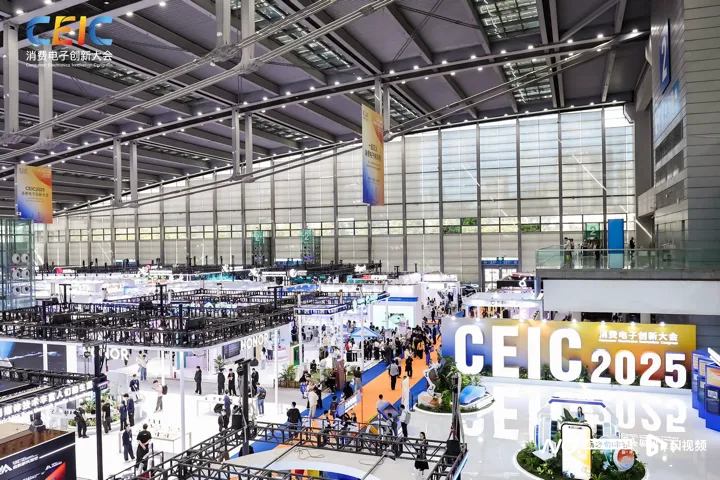
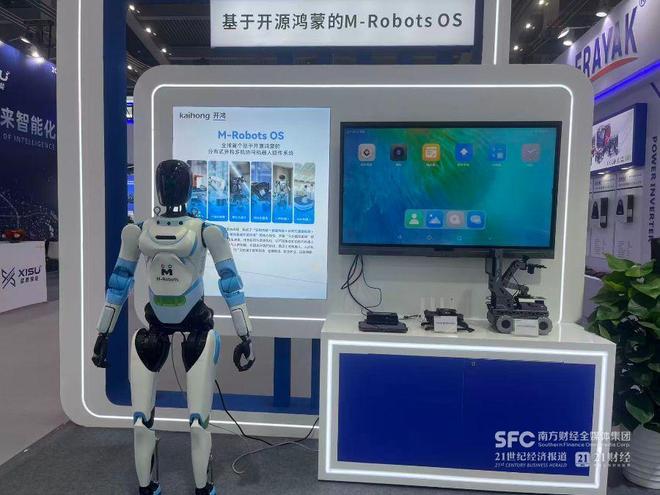
Core Insights - The first Global Consumer Electronics Innovation Conference (CEIC 2025) opened in Shenzhen, focusing on "New Electronics, New Experiences, New Consumption" with participation from nearly 300 tech companies and over 20,000 attendees on the first day [1][11] - The conference emphasized breakthroughs in "root technologies" and the construction of an all-scenario ecosystem, shifting competition in consumer electronics from hardware specifications to underlying systems and AI ecosystems [1][11] Group 1: Smart Devices and Root Technologies - The smart terminal area showcased intense competition, with Huawei and Honor highlighting "ecosystem" and "underlying technology" [3] - Huawei unveiled its HarmonyOS 6 products, demonstrating seamless device collaboration, while also introducing the new StarFlash earphones, which significantly improve connection speed and reliability compared to traditional Bluetooth [3] - Honor focused on foldable screen applications and new display technologies, showcasing its first naked-eye holographic VR device [3] Group 2: AI and Data Privacy - As devices become fully AI-enabled, data privacy has emerged as a cornerstone for building ecosystem trust, with manufacturers emphasizing "security and trustworthiness" in their AI strategies [4] - Honor's YOYO AI assistant received a top-tier certification for user privacy protection, showcasing the company's commitment to integrating privacy into AI design [4] Group 3: AIoT and Full-Scene Applications - The integration of root technologies like HarmonyOS and StarFlash is accelerating the realization of an AIoT (Artificial Intelligence of Things) landscape, with smart cars and home devices demonstrating interconnected capabilities [5] - Major automotive companies showcased vehicles with features enabling remote control of home devices, highlighting the importance of seamless interaction between cars and smart homes [5] Group 4: Core Chips and Components - The new technology exhibition highlighted essential chips and components that support smart devices, with companies like Shanghai HiSilicon and Ouyue Semiconductor presenting advanced solutions for consumer electronics and smart homes [7] - Innovations included AI chips for automotive applications and advanced imaging technologies for autonomous driving and robotics [7] Group 5: Embodied Intelligence and Real-World Applications - The transition of large models from cloud to "embodied intelligence" is crucial for AI implementation, as demonstrated by an AI explanation robot at the conference [9][10] - The competition among AI model providers is shifting towards practical applications, with a focus on integrating AI into real-world business processes [10] Group 6: Industry Support and Future Outlook - Shenzhen's supportive policies, including a 5 billion yuan AI terminal fund, are facilitating innovation in the consumer electronics sector [10] - The CEIC 2025 is viewed as a platform for industry upgrade and global collaboration, marking a historic shift for China's consumer electronics industry from following technology to leading innovation [11]
消费日记:用国补买手机的经历,盼政策红利惠及更多人
Xi Niu Cai Jing· 2025-11-07 10:16
Core Insights - The article discusses the challenges faced by consumers, particularly young professionals, in accessing government subsidies for electronic purchases, specifically mobile phones, highlighting the gap between policy intentions and consumer experiences [2][3][4][5] Group 1: Consumer Experience - Consumers like Xiao Liu struggle with outdated devices and financial constraints, leading to delays in purchasing new phones despite the availability of subsidies [2] - The "electronic consumption subsidy" policy offers a 15% discount on phones priced below 6,000 yuan, but many consumers are unaware of it or find the application process cumbersome [3] - The actual benefits of the subsidy are diminished by retailer practices that prevent stacking discounts, resulting in a smaller financial advantage than expected [3] Group 2: Policy and Market Implications - The government's intention behind the subsidy is to stimulate consumption and support the domestic smartphone industry, but issues such as information gaps and retailer tactics hinder its effectiveness [3][4] - There is a call for simplification of the subsidy application process and better regulation of retailers to ensure that consumers can easily access the benefits without unnecessary hurdles [4][5] - The article emphasizes the need for transparency in pricing and clearer communication of subsidy benefits to ensure that they reach a broader audience rather than just a select few [5]

超万家企业集聚 深圳抢占全球消费电子话语权
2 1 Shi Ji Jing Ji Bao Dao· 2025-11-07 07:52
Core Insights - Shenzhen is positioning itself as a global hub for consumer electronics, with over 10,000 related companies and notable brands like Huawei and DJI emerging from the region [1] - The first Global Consumer Electronics Innovation Conference showcased various innovative products, attracting over 18,000 attendees and featuring over 2,000 tech innovations [1][2] - The integration of AI and open-source operating systems like HarmonyOS is driving a new phase in smart device development, enhancing user experience through personalized services [3][5] Industry Overview - Shenzhen's smart terminal industry cluster is projected to exceed 200 billion yuan in added value by 2024, with smartphone production accounting for over 20% of national output [8] - The city is expected to export 2 trillion yuan in electromechanical products in 2024, representing a 12.1% growth, with traditional electronics like smartphones and computers contributing significantly [8] - Shenzhen has established a complete supply chain from chip design to global sales, enhancing innovation efficiency and creating a robust ecosystem in areas like Huaqiangbei [9] Technological Advancements - The HarmonyOS ecosystem is expanding, with Huawei announcing over 10 million devices running HarmonyOS 5, indicating a shift towards a more interconnected digital environment [1][2] - Companies like Honor are leveraging AI to enhance device capabilities, with the latest Magic8 smartphone series supporting over 3,000 automated scenarios, a 15-fold increase from previous models [5] - Shenzhen's innovation landscape is reflected in its annual generation of over 50,000 consumer electronics patents, with a significant portion being invention patents [9] Policy Support - Shenzhen has implemented targeted policies to accelerate the development of the AI terminal industry, including a 5 billion yuan investment fund focused on key product categories [10] - The city's comprehensive innovation ecosystem, including capital and global market connections, is fostering growth in the smart terminal sector [10]
端侧AI落地战打响,荣耀“三个新”战略加速消费级落地
Nan Fang Du Shi Bao· 2025-11-07 07:52
Core Insights - The 2025 Consumer Electronics Innovation Conference (CEIC2025) opened in Shenzhen, showcasing nearly 300 tech companies and over 2000 innovative products, including major brands like Huawei and BYD [1] - A significant focus is on how terminal manufacturers define the next generation of smart experiences amid the AI wave [1][3] - Honor's strategy emphasizes "open co-creation" as a core driver for international brand development and showcasing China's technological innovation [1][8] Group 1: New Experience and Connection - Honor defines the "new experience" as addressing the pain points of "device isolation" and "scene islands" in the consumer electronics industry, aiming for seamless connectivity and experience [4][5] - The upgraded HONOR AI Connect platform aims to provide a robust foundation for achieving this new experience, having successfully connected over 30 million devices [6][7] - The platform's architecture allows for quick integration of third-party products, enhancing the ecosystem's intelligence and connectivity [6][7] Group 2: New Model and Ecosystem - Honor's "new model" focuses on the "1X3XN" ecosystem strategy, which includes eight major scenarios such as smart home and health [8][9] - The company is expanding its partnerships, having signed strategic agreements with Alibaba and BYD to deepen cooperation in AI ecosystems [10] - Honor's global strategy involves collaboration with over 35,000 developers and more than 200 ecosystem partners to build a new AI terminal ecosystem [10][11] Group 3: Market Dynamics - The global smartphone market is transitioning from a focus on hardware to AI capabilities, with a 3% year-on-year growth in Q3 2025 [12] - Chinese consumers are identified as the most AI-inclined demographic in developed markets, driving local brands to enhance AI functionalities [12] - Honor's investment in AI and open co-creation is seen as a potential game-changer in the competitive landscape of the smartphone industry [12]
CEIC 2025看点:荣耀郭锐以“三个新”解码AI终端新生态
Zheng Quan Shi Bao Wang· 2025-11-07 07:29
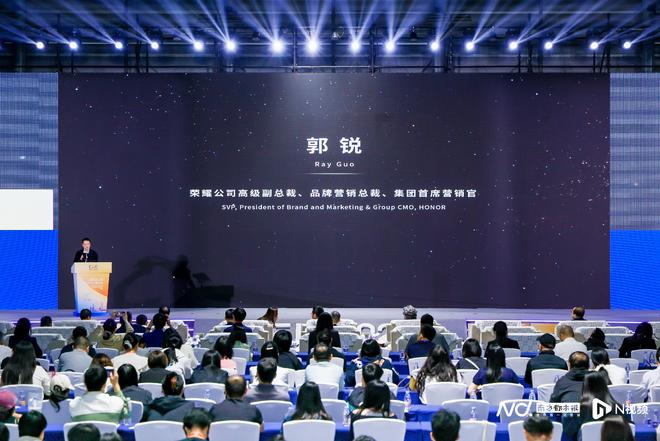
Core Viewpoint - The 2025 Consumer Electronics Innovation Conference (CEIC 2025) in Shenzhen highlighted the theme of "New Electronics, New Experience, New Consumption," showcasing nearly 300 tech companies from 20 countries, including major brands like Honor and BYD [1] Group 1: AI and User Experience - Honor's Senior Vice President Guo Rui emphasized that AI will fundamentally reshape human-device interaction, focusing on "seamless connection and invisible experience" [2] - Honor aims to drive hardware and service ecosystem reconstruction through AI, enhancing user experience by making devices smarter and creating new service models that proactively respond to user behavior [2] - The company is committed to making AI technology accessible to consumers, bridging the gap between technological innovation and everyday needs, thus accelerating the penetration of edge AI in the consumer market [2] Group 2: New Connection and Ecosystem Strategy - Honor is upgrading its HONOR Connect platform to HONOR AI Connect, adding layers for atomic services and intelligent capabilities, allowing partners to integrate their products quickly [3] - The company introduced a 1x3xN ecosystem strategy, where "1" represents the HONOR AI Connect platform, "3" refers to the three types of empowerment for partners, and "N" indicates collaboration with multiple industry clusters [3] Group 3: Collaborative Model and Developer Support - Honor's new model is driven by three principles: "User Co-creation," "Industry Symbiosis," and "Ecosystem Prosperity," which includes initiatives like the "YOYO Wish Pool" for user feedback and the "Honor Far Sailing Plan" offering substantial incentives for developers [4] - The company has partnered with over 350,000 developers from more than 100 countries and regions, creating a user-centered AI terminal ecosystem [4] Group 4: Market Position and Future Plans - Honor announced its strategic shift from a smartphone manufacturer to a leading AI terminal ecosystem company at the World Mobile Communication Conference in March 2025 [5] - The company has received approval for its IPO, with funds aimed at key areas of AI research and development, marking a significant step towards becoming the first AI terminal ecosystem stock in the A-share market [6]
第二十七届中国国际高新技术成果交易会即将在深圳举办
Zhong Guo Fa Zhan Wang· 2025-11-07 07:03
Core Viewpoint - The 27th China International High-Tech Achievements Fair (CIHTAF) will be held from November 14 to 16, 2025, in Shenzhen, showcasing China's advancements in high technology and innovation [1][2]. Group 1: Event Overview - The CIHTAF has been held annually since 1999, marking its 27th edition this year, and has become a significant platform for showcasing China's high-tech achievements [2]. - The event will feature an exhibition area of 400,000 square meters, with 22 specialized exhibition zones focusing on key sectors such as artificial intelligence, semiconductors, and commercial aerospace [4]. - It is expected to attract over 450,000 professional visitors [4]. Group 2: Key Themes and Focus Areas - The fair will highlight major technological achievements from state-owned enterprises, including the global launch of China's space tourism project by the China Aerospace Science and Technology Corporation [4]. - The event will emphasize the integration of technology and industry, particularly in strategic emerging industries like AI and renewable energy [4][6]. - A "136" plan will be implemented to enhance trade, aiming for 10% international buyers, 30% provincial buyers, and 60% out-of-province buyers [5]. Group 3: International Participation and Activities - The fair will host over 30 domestic and international delegations, including regions like Hong Kong and countries such as Germany and Singapore [4]. - More than 200 activities will take place during the event, including professional forums and product launches, aimed at fostering international cooperation in technology [5]. Group 4: Economic and Innovation Impact - Shenzhen's R&D investment reached 223.66 billion yuan in 2023, accounting for 6.46% of its GDP, positioning it as a leader in national innovation efforts [6]. - The fair serves as a critical link between technology and capital, facilitating the growth of high-tech enterprises and contributing to Shenzhen's development as a global innovation hub [7].
荣耀郭锐:以“三个新”加速端侧AI消费级落地
Zheng Quan Ri Bao Wang· 2025-11-07 06:45
Core Insights - The 2025 Consumer Electronics Innovation Conference (CEIC 2025) was held in Shenzhen, featuring nearly 300 tech companies from 20 countries, including major brands like Honor, BYD, NIO, Samsung, and TV [1] - Honor's strategy focuses on building an AI terminal ecosystem through new experiences, connections, and models, aiming to transition from a smartphone manufacturer to a global AI terminal ecosystem company [1][2] - The emphasis is on accelerating the entry of edge AI technology into the consumer market, responding to the growing global demand for smart devices [1] Group 1: New Experience and AI Integration - Honor's approach to "new experience" centers on using AI to create a scene-based operating system that allows devices to understand user behavior and intentions, facilitating seamless service across multiple devices [2][3] - The transformation of hardware is evident, with innovative devices like a foldable screen that adjusts display modes based on user interaction, showcasing the practical application of edge AI in everyday life [2][3] Group 2: Service Innovation and User Interaction - AI is fostering a new service model where devices proactively offer assistance based on the context, redefining the human-machine relationship [3] - Honor's strategy aims to break down barriers between technology and consumer needs, making edge AI accessible and usable in daily life [3] Group 3: Platform Development and Ecosystem Support - The upgrade of the HONOR AI Connect platform introduces a more efficient architecture that facilitates collaboration with ecosystem partners, allowing for quick integration of AI capabilities [4] - This platform aims to lower the entry barriers for partners, aligning with Honor's vision of an interconnected ecosystem [4] Group 4: Global Collaboration and Ecosystem Growth - Honor's "1X3XN" ecosystem strategy promotes collaboration across various industries, enhancing both domestic and global partnerships [5] - The company has established a comprehensive support system for developers, including significant financial incentives and resources to foster innovation and collaboration [5][6] - Honor's ecosystem now spans over 100 countries, with more than 350,000 developers and 200 partners, marking a shift from product export to ecosystem co-creation [6][7]