XREAL

Search documents
谷歌与XREAL联合发布Project Aura:中国智造引领AI连接世界的“眼睛”
IPO早知道· 2025-12-09 03:29
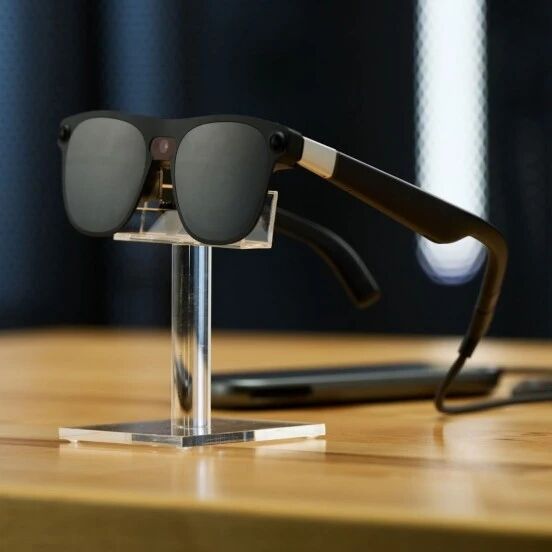
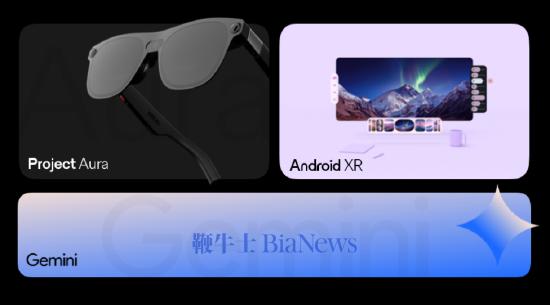
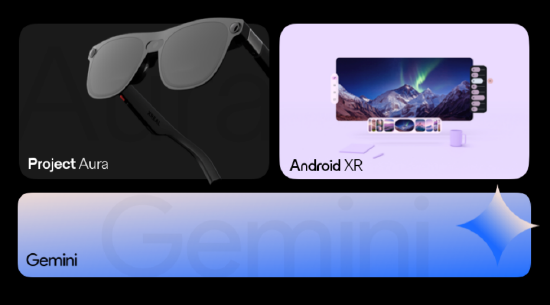
Core Viewpoint - Google has unveiled Project Aura and Android XR, marking a significant step towards creating an open and unified extended reality platform that integrates AI into the real world [3][4][5]. Group 1: Project Aura and Android XR - Project Aura is described as the most complete hardware sample closely aligned with the ideal form of Android XR, enabling Gemini AI to "see the world" for the first time [3]. - The collaboration with XREAL is pivotal, as Aura is positioned as the first native spatial eye for Gemini AI and a standard for developers in the Android XR ecosystem [4]. - Project Aura aims to transform AI from being screen-bound to interacting with real-world environments through continuous, interactive, and understandable spatial semantic models [5]. Group 2: Core Capabilities of Project Aura - The optical system of Aura features a 70° field of view (FOV), allowing Gemini to perceive the real world and recognize scenes, objects, and actions, enhancing user interaction [9]. - Aura utilizes the X1S spatial computing chip, designed specifically for AR, providing low-latency and high-precision spatial intelligence [10]. - The integration of multi-modal Gemini AI with Aura's sensors enables real-time semantic understanding and natural interaction, evolving AI from an application to a system [11]. Group 3: Open Native AI Operating System - Android XR provides foundational support for spatial computing, addressing fragmentation in the XR industry and unifying the developer and content ecosystem [12]. - The hardware development and manufacturing of Project Aura are primarily conducted by Chinese teams, showcasing a complete and scalable industrial chain advantage [12]. - China is positioned as a global leader in hardware innovation and manufacturing, allowing its companies to participate deeply in defining the standards and discourse of the next-generation computing platform [13]. Group 4: Market Launch - Project Aura is set to officially enter the market in 2026, indicating a timeline for the rollout of this innovative technology [14].


让Gemini AI拥有「空间之眼」,谷歌与XREAL联合发布Project Aura
Xin Lang Ke Ji· 2025-12-09 03:13
Core Insights - Google unveiled Project Aura and key details of the Android XR system at The Android Show, positioning it as the most complete hardware sample to date for Android XR [1][3] - The primary goal of Android XR is to create an open and unified extended reality platform that integrates AI into the real world, moving beyond traditional flat screens [3] Group 1: Project Aura Overview - Project Aura is recognized as Google's official system-level reference hardware, marking a significant step in the development of AI and XR integration [1][3] - The collaboration with XREAL enhances Aura's capabilities through advanced optics, chips, and spatial algorithms, establishing it as a pathway for "AI + XR hardware" [3] Group 2: Technical Specifications - Project Aura features three core capabilities: a 70° optical field of view, the X1S spatial computing chip, and deep integration with Gemini AI [3] - Android XR builds on the mobile ecosystem to provide foundational support for spatial computing, addressing long-standing fragmentation issues in the XR industry [3] Group 3: Market Introduction - Project Aura is set to officially launch in the market in 2026, according to official disclosures [3]
A股AI眼镜概念股集体走强,福蓉科技、齐心集团涨停
Ge Long Hui· 2025-12-09 02:50
Core Viewpoint - The A-share market saw a collective surge in AI glasses concept stocks, driven by the announcement of Google's collaboration with XREAL on the Project Aura smart glasses, set to launch in 2026 [1] Group 1: Market Performance - Stocks such as Furong Technology and Qixin Group hit the 10% daily limit up, while Star Technology rose over 7%, and Yintang Intelligent Control increased by over 6% [1] - Other notable performers included Ciweng Media, Pengding Holdings, which rose over 5%, and Pinming Technology, which increased by over 4% [1] - Haoyun Technology, Huilun Crystal, Sanan Optoelectronics, and Jucheng Co. all saw gains exceeding 3% [1] Group 2: Project Aura Details - Google and XREAL jointly launched the Project Aura smart glasses, utilizing the self-developed X1S chip by XREAL [1] - The hardware development and manufacturing of Project Aura are primarily reliant on a Chinese team, with the Prism™ optical system independently developed and mass-produced by this team [1] - The supply chain is rooted in the Yangtze River Delta, with Shanghai designated as XREAL's global R&D and future AI terminal innovation center [1]


刚刚,Google 眼镜重新发布, Nano Banana 首次上头,联手中国厂商杀疯了
3 6 Ke· 2025-12-09 02:32
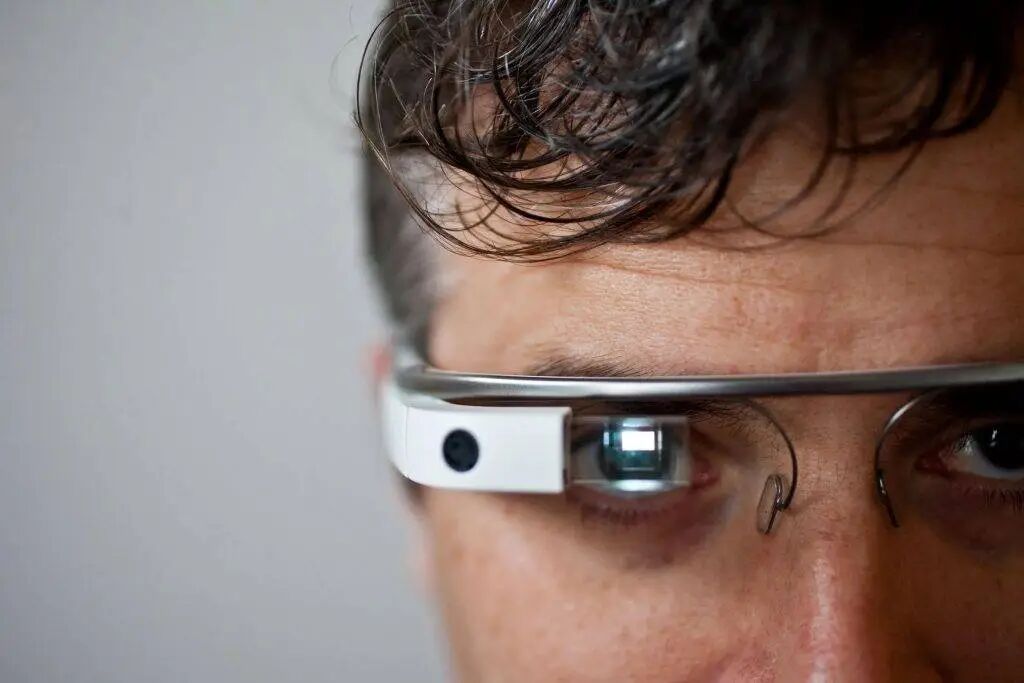
Core Insights - Google is re-entering the smart glasses market with its new Android XR platform and Gemini AI, aiming to capitalize on the growing demand for XR devices [3][23][30] Group 1: Product Development - Google has unveiled four types of XR devices: XR headsets, wired XR glasses, wireless XR glasses, and AI glasses [3][9] - The Android XR system is designed to be compatible with most existing Android applications, enhancing its appeal to developers and manufacturers [5][28] - Project Aura, a wired XR glasses product, aims to provide a lightweight alternative to traditional headsets while offering dual-eye XR effects [12][14] Group 2: Market Positioning - Google positions Android XR as a more open and attractive platform compared to Meta's Horizon and Apple's offerings, potentially leading to a larger ecosystem of third-party developers [9][30] - The collaboration with established eyewear brands like Warby Parker and Gentle Monster indicates a focus on fashion and everyday usability for the new AI glasses [18][22] Group 3: Technological Features - Project Aura features a 70° field of view and supports gesture interactions, making it suitable for immersive experiences [14][17] - The AI glasses will utilize voice commands and context-aware capabilities through Gemini, enhancing user interaction [20][21] Group 4: Future Outlook - Google is expected to gradually release these products, learning from past experiences with Google Glass to ensure a more structured approach [23][32] - The company aims to reduce smartphone dependency through its single-eye XR glasses, which will primarily operate as accessories to smartphones [21][22]
让Gemini AI拥有“空间之眼”,谷歌与XREAL联合发布Project Aura
Xin Lang Cai Jing· 2025-12-09 02:18
Core Insights - Google unveiled Project Aura and Android XR system at The Android Show, positioning it as the most complete hardware sample to date for Android XR, marking the first time Gemini AI can "see the world" [1][3][5] Group 1: Project Aura Overview - Project Aura is recognized as a system-level reference hardware by Google, integrating XREAL's optical, chip, and spatial algorithm capabilities with Android XR and Gemini AI [3][5] - The core capabilities of Project Aura include a 70° optical field of view, the X1S spatial computing chip, and deep integration with Gemini AI, forming the infrastructure for this generation of AI terminals [3][5] Group 2: Android XR Objectives - The primary goal of Android XR is to create an open and unified extended reality platform, allowing AI to interact with real-world light, space, and behavior rather than being confined to flat screens [3][5] - Android XR aims to address the long-standing fragmentation issues in the XR industry by providing foundational support for spatial computing, enabling developers and content ecosystems to enter a unified track [3][5] Group 3: Market Launch - Project Aura is set to officially launch in the market in 2026, according to official disclosures [3][5]
谷歌自曝三大AI眼镜计划
Mei Ri Jing Ji Xin Wen· 2025-12-08 23:44
每经AI快讯,北京时间12月9日凌晨,谷歌发布了安卓XR生态的多项全新进展:首款安卓XR头显三星 Galaxy XR上线三大新功能;与中国创企XREAL合作的有线XR眼镜Project Aura确认将于2026年发布; AI眼镜原型机首次用上谷歌Nano Banana图像编辑能力;同时,面向安卓XR开发者的整套SDK与API全 面升级。 ...
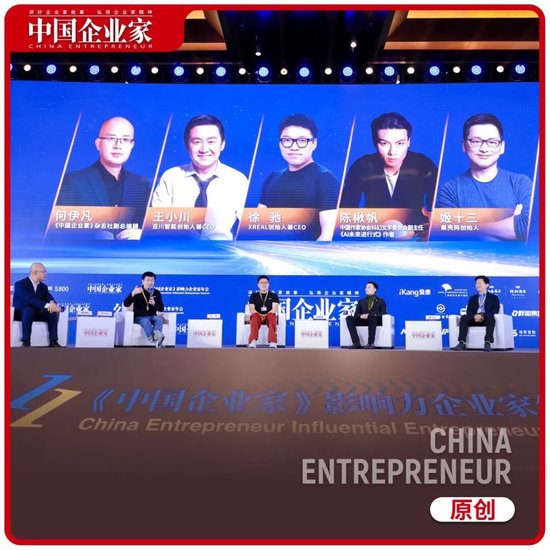
跨界对话:如果向100年后寄一个时间胶囊,你会寄什么?
Xin Lang Cai Jing· 2025-12-08 09:59
Core Insights - The 2025 Influence Entrepreneur Annual Conference, hosted by China Entrepreneur Magazine, focused on the intersection of AI and the future, featuring discussions among industry leaders and experts [3][34]. Group 1: AI and Human Interaction - The ideal interaction with machines is envisioned as "non-perceptual interaction," where machines can anticipate human judgments rather than merely responding to commands [4][35]. - The acceptance and effective use of AI can alleviate identity anxiety, allowing individuals to better understand themselves [4][35]. - There is a call for regulatory measures to manage AI's potential for addiction, as human appreciation systems are vulnerable to manipulation [4][35][30]. Group 2: Future Predictions - By 2030, the world is expected to enter the era of AGI (Artificial General Intelligence), leading to exponential technological advancements and a deep integration of human and machine capabilities [7][38]. - The future may see the emergence of brain-machine interfaces that allow for direct communication of thoughts to machines, fundamentally changing human interaction [9][41]. - The potential for AI to translate animal languages raises intriguing possibilities for interspecies communication by 2040 [9][41]. Group 3: Education and Adaptation - Current educational approaches must evolve to address the integration of AI in creative processes, focusing on how to use AI to enhance rather than replace human creativity [12][43]. - The historical context of technological advancements shows that humans have a strong capacity for adaptation, even in the face of significant changes like the advent of AGI [13][44]. - The need for individuals to manage multiple AI agents may lead to new psychological challenges, highlighting the urgency for educational reform [12][43]. Group 4: Philosophical and Ethical Considerations - The relationship between humans and machines is evolving, with future generations likely to view machines as integral parts of their existence, reducing identity anxiety [11][42]. - Concerns about AI's integration into military applications emphasize the need for safeguards to prevent potential threats to humanity [30][28]. - The discussion includes the importance of enhancing human cognitive abilities through advanced technologies, rather than solely focusing on making machines smarter [52][53]. Group 5: Legacy and Future Vision - Participants expressed a desire to leave behind artifacts for future generations, such as technological milestones that signify the beginning of the AI era [57][58]. - The concept of creating a "time capsule" of current knowledge and data aims to provide future societies with a reference point for rebuilding or understanding their past [58][58].
中国公司全球化周报|微信支付落地中东卡塔尔/美团Keeta正式上线巴西圣保罗
3 6 Ke· 2025-12-08 07:06
Key Points - 36Kr will cover the global stories of Chinese brands at CES 2026, following its previous coverage at IFA and GITEX GLOBAL in 2025 [2] - WeChat Pay has officially launched in Qatar through QNB, marking the first bank in the GCC to support this payment method, enhancing digital payment options for retailers [3] - Meituan Keeta has officially launched in eight cities in São Paulo, Brazil, as part of a five-year investment plan of 5.6 billion Brazilian Reais [3] - Shopee and Shein are the top overseas shopping platforms for Brazilian consumers, with 96% of them engaging in international shopping in the past year [4] - dLocal has introduced a new payment method combining biometrics with Pix payments in Brazil, allowing users to confirm payments via facial recognition or fingerprint scanning [4] - JD.com has acquired 85.2% of German retail group CECONOMY, aiming to accelerate localization in the European market [5] - Cainiao's eHub in Hong Kong has achieved 80% automation in its operations, becoming the most digitized air cargo hub in the region [5] - MAISEAT has launched a global app to enhance the cross-border ticket purchasing experience for users, supporting multiple languages and payment methods [6] - WuXi Biologics has signed a strategic cooperation memorandum to establish the first integrated CRDMO center in the Middle East [7] - Changan Automobile plans to launch its electric vehicle brands Avatr and Nevo in Europe within the next two years [7] - China Power Construction has signed multiple overseas projects in renewable energy and infrastructure across various countries [7] - UniXAI has completed a total of 300 million yuan in financing, achieving significant growth in robot deliveries [8] - Daimeng Robotics has secured new strategic financing to enhance its product development and global market expansion [8] - Suisheng Technology has raised millions in seed funding to develop AI recording hardware, with plans to launch its first product in 2026 [9] - The AI glasses market is seeing new entrants, with major players like Li Auto and Alibaba launching their products [10] - Over one-third of mobile marketers are currently investing in short drama advertisements, indicating a shift in global strategy among Chinese app developers [10]




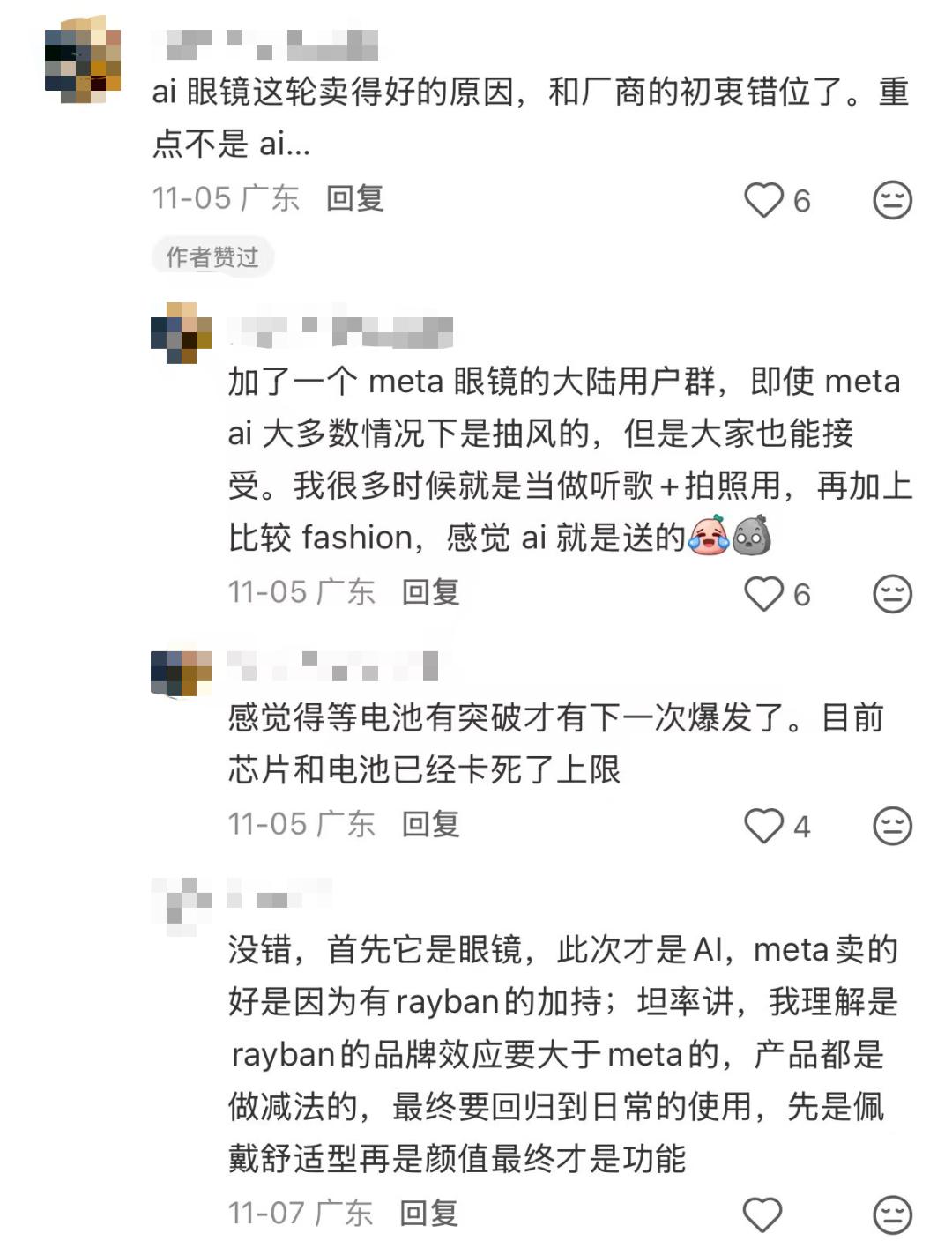
AI眼镜取代不了手机,它想“干掉”传统眼镜
3 6 Ke· 2025-12-08 00:50
Core Insights - The current trend in AI glasses is not to replace smartphones but to replace traditional glasses with smart features. The focus is on creating high-quality eyewear that integrates AI technology [7][4]. Market Overview - In the past two months, 20 AI glasses have been launched in the Chinese market, including products from major companies like Baidu, Lenovo, and Alibaba, as well as startups like Rokid and Yingmu Technology [1]. - There are approximately 5 billion smartphone users globally, while the number of people who wear glasses is around 2 billion, indicating a significant market opportunity for AI glasses [2]. - The decision-making process for purchasing AI glasses is simplified for nearsighted individuals, as many are already spending hundreds to thousands of yuan on traditional glasses [3]. Competitive Landscape - The AI glasses market is becoming increasingly competitive, with five main categories of participants: smartphone manufacturers, internet giants, established AR glasses companies, new automotive players, and traditional eyewear brands collaborating with tech companies [4]. - IDC predicts that global shipments of smart glasses will reach 12.8 million units by 2025, with a 26% year-on-year growth, and the Chinese market alone is expected to exceed 2.75 million units, growing by 107% [4]. Product Development - The current AI glasses lack a "killer application" that makes them indispensable, which is a challenge for widespread adoption [6]. - A good pair of glasses must meet basic requirements of comfort and style, and partnerships between tech companies and traditional eyewear brands are a direct approach to achieving this [8][9]. - The weight of AI glasses is a critical factor; for instance, Ray-Ban Meta weighs 49 grams, significantly lighter than previous AR devices, while traditional prescription glasses weigh between 20-30 grams [13]. User Experience - AI glasses currently offer limited functionality, primarily focused on navigation and translation, and there is a gap between user expectations and the current capabilities of these devices [17]. - The most clear and irreplaceable function of AI glasses is hands-free recording, which is particularly useful in scenarios where users need to capture video without using their hands [19][21]. - Battery life remains a concern, with mainstream products offering 7-18 hours of usage, but improvements are being made, such as charging cases and replaceable components [17]. Future Outlook - The future of AI glasses is seen as a combination of AI and AR, aiming for a seamless integration of virtual and real-world experiences [28]. - The potential for AI glasses to become a primary interface for AI interaction is significant, with the possibility of them replacing smartphones in the long term [30]. - The market for specialized AI glasses, such as those designed for visually impaired users, represents an untapped opportunity that could address specific needs without requiring major technological breakthroughs [29].



微信支付落地中东卡塔尔;美团Keeta正式上线巴西圣保罗|36氪出海·要闻回顾
36氪· 2025-12-07 13:30
Group 1 - WeChat Pay has officially launched in Qatar, with QNB becoming the first bank in the GCC to support it, providing a new digital payment tool for retailers to connect with Chinese consumers [5][6] - Meituan Keeta has officially launched in eight cities in São Paulo, Brazil, as part of a five-year investment plan of 5.6 billion Brazilian Reais [5][6] - Shopee and Shein are the preferred overseas platforms for Brazilian consumers, with 96% of consumers engaging in international shopping in the past year [6][7] Group 2 - JD.com has acquired over 85% of CECONOMY in Germany, aiming to accelerate localization in the European market [7] - Cainiao's Hong Kong eHub has launched an automated stacking system, achieving 80% process automation and improving efficiency by 20% compared to traditional methods [7] - MAISEAT has launched a global app to enhance the cross-border ticket purchasing experience, supporting multiple languages and payment methods [8] Group 3 - WuXi Biologics is establishing the first integrated CRDMO center in the Middle East, collaborating with Qatar Free Zones Authority to enhance the biopharmaceutical industry [8] - Changan Automobile plans to launch electric vehicle brands Avatr and Nevo in Europe within two years, focusing on pure electric models [8] - China Power Construction has signed multiple overseas projects in renewable energy and infrastructure across various countries [9] Group 4 - UniXAI has completed a total of 300 million yuan in financing, achieving monthly deliveries of over 100 units of service robots [10] - Daimeng Robotics has secured new strategic financing to accelerate its development in tactile sensing technology and global market expansion [10] - Suisheng Technology has raised millions in angel funding to develop AI recording hardware, with plans to launch its first product in 2026 [11] Group 5 - The AI glasses market is experiencing a surge, with major players like Li Auto and Alibaba launching new products and forming industry alliances [12] - Over one-third of mobile marketers are currently investing in short drama advertisements, indicating a shift in global strategies for Chinese app developers [12]