大疆

Search documents
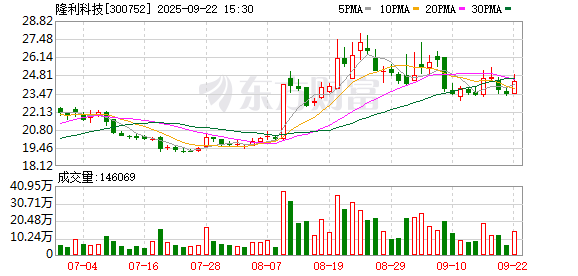
隆利科技:公司背光显示产品已应用在大疆、影石的运动相机产品上
Zheng Quan Ri Bao· 2025-09-22 14:07
Group 1 - The core viewpoint of the article is that Longli Technology has successfully applied its backlight display products in DJI and Yingshi's action camera products [2] Group 2 - Longli Technology responded to investor inquiries on September 22, indicating the successful application of its products [2]



2025中国电博会青岛落幕:规模、品牌与新品数创新高
Qi Lu Wan Bao Wang· 2025-09-22 13:19
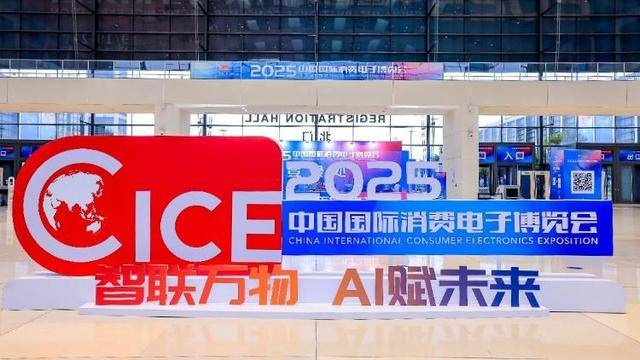
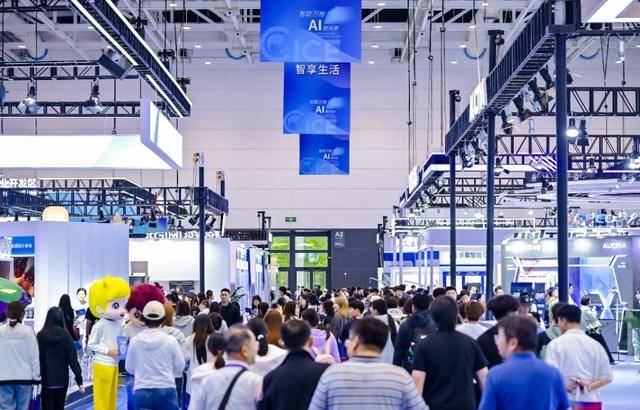
Group 1: Event Overview - The 2025 China International Consumer Electronics Expo concluded successfully in Qingdao, with a theme of "Connecting Everything, AI Empowering the Future" and an exhibition area of 60,000 square meters, attracting over 330 domestic and international exhibitors, with international exhibitors accounting for more than one-sixth of the total [1] - The event received 45,000 visitors, launched over 50 new products and technological achievements, and involved 770 companies in industry discussions and trade connections, setting historical records in exhibition scale, number of brand exhibitors, and number of new product launches [1] Group 2: Local Industry Leadership - Qingdao's local enterprises showcased their transformation from "manufacturing" to "intelligent manufacturing" at the expo, with leading companies like Haier, Hisense, and Aucma demonstrating their global competitiveness through AI technology [2] - Haier's smart home technology, "AI Eye," utilizes an AI perception chip to enhance the functionality of home appliances, allowing for automatic adjustments based on visual recognition [2] - Hisense presented its advanced display technology, including a 116-inch RGB-Mini LED TV and a 100-inch rollable laser cinema, with its large-screen products achieving over 30% technical parameter superiority compared to industry peers [2] Group 3: International Participation and Trade Cooperation - The expo featured a significant increase in international participation, with 59 international companies from 17 countries showcasing products in consumer electronics, low-altitude economy, and artificial intelligence [4] - Canon and XOR presented customized solutions tailored to the Chinese market, with Canon optimizing its products for the live-streaming industry and XOR focusing on privacy protection technology [4] - The event facilitated trade connections, resulting in over 100 million yuan in domestic sales orders and a 40% sales increase for over 200 stores in Qingdao during the "old-for-new" consumption week [4] Group 4: New Scenarios and Interactive Experiences - The expo highlighted the expansion of consumer electronics into new scenarios, featuring humanoid robots and low-altitude economy innovations, with companies demonstrating advanced coordination and environmental perception technologies [6] - The event introduced an interactive experience model, combining exhibitions, competitions, and performances, attracting over 10,000 participants and bridging technology with the public [6] Group 5: Future Directions - The expo has evolved beyond a mere product showcase to become a "dissolver of industry boundaries" and a "city capability amplifier," with plans to focus on AI and industry integration to position Qingdao as an "innovation source" and "international link point" in the global consumer electronics landscape [7]



极致产品参数vs降低创作门槛:大疆和影石谁能赢得未来
3 6 Ke· 2025-09-22 12:02
Core Insights - The article discusses the competitive dynamics between DJI and Insta360, highlighting how both companies are innovating in the aerial imaging and camera markets. DJI is extending its hardware and imaging technology into panoramic cameras, while Insta360 is integrating panoramic logic into flying platforms, creating a new category of panoramic drones [2][12]. Group 1: Company Strategies - DJI is known for its engineering culture, focusing on product reliability and technical excellence, while Insta360 emphasizes user experience and creativity in its product design [3][4]. - Insta360's product philosophy aims to lower the barriers for creative expression, transforming complex functionalities into user-friendly templates for everyday users [4][6]. - Both companies face growth challenges as their core markets mature, prompting Insta360 to seek new growth avenues by entering the drone market [12][14]. Group 2: Market Dynamics - The consumer drone market is experiencing a slowdown, with global shipment growth dropping to around 5%, indicating a shift towards a more mature market [12][14]. - DJI's competitive edge lies in its supply chain management and cost-effective product offerings, while Insta360 is leveraging its software capabilities and user-centric design to differentiate itself [15][19]. - The competition is intensifying as new players, such as Chase, are entering the drone market, indicating a rapidly evolving landscape in the consumer electronics sector [23]. Group 3: Financial Performance - Insta360 has achieved a significant market share in the panoramic camera segment, with a revenue increase from 2.041 billion to 5.574 billion from 2022 to 2024, reflecting a compound annual growth rate of 65.25% [11]. - Despite revenue growth, Insta360's net profit showed minimal growth, indicating a "growth without profit" scenario that necessitates a shift from being a category leader to a platform for growth [12][14]. Group 4: Future Outlook - The competition between DJI and Insta360 is expected to revolve around hardware optimization and user experience, with AI integration becoming a focal point for future developments [22][24]. - Both companies are likely to explore deeper integrations of AI with imaging systems, which could redefine content creation and drive the industry towards greater automation and intelligence [19][22].
自驾方向适合去工作、读博还是转行?
自动驾驶之心· 2025-09-22 10:30
Core Viewpoint - The article discusses the decision-making process for individuals in the autonomous driving field regarding whether to pursue a PhD, continue working, or switch careers, emphasizing the importance of foundational knowledge and practical experience in the industry [2][3]. Group 1: Career Decisions - The article highlights two critical questions for individuals considering a career in autonomous driving: the availability of foundational knowledge and practical experience in their current environment, and their readiness to take on pioneering research roles if pursuing a PhD [2][3]. - It points out that many academic mentors may lack deep expertise in autonomous driving, which can hinder students' development if they do not have a solid foundation [2]. - The article suggests that students should assess their preparedness to independently explore and solve problems, especially in cutting-edge research areas where few references exist [2][3]. Group 2: Community and Resources - The "Autonomous Driving Heart Knowledge Planet" community is introduced as a resource for beginners, offering a comprehensive platform for learning, sharing knowledge, and networking within the autonomous driving field [3][5]. - The community has over 4,000 members and aims to grow to nearly 10,000 in the next two years, providing a space for technical sharing and job-seeking interactions [3][5]. - Various practical questions and topics are addressed within the community, including entry points for end-to-end systems, multi-modal models, and the latest industry trends [5][16]. Group 3: Learning and Development - The community offers a structured learning system with over 40 technical routes covering various aspects of autonomous driving, including perception, simulation, and planning control [7][14]. - It provides access to numerous resources, including video tutorials, technical discussions, and job opportunities, aimed at both beginners and those looking to advance their skills [8][18]. - The community also facilitates connections with industry leaders and experts, enhancing members' understanding of the latest developments and job market trends in autonomous driving [12][92].
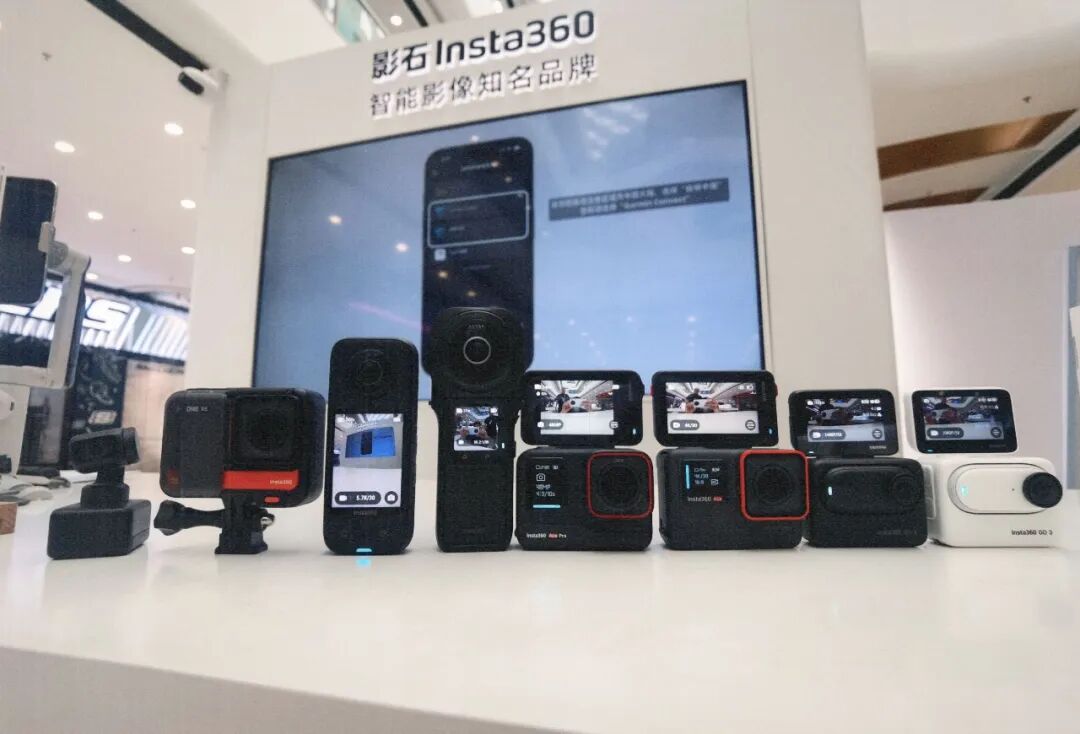
隆利科技:目前公司的背光显示产品已成功应用在大疆、影石的运动相机产品上
Mei Ri Jing Ji Xin Wen· 2025-09-22 09:47
Core Viewpoint - The company has successfully supplied its backlight display products to DJI and Insta360 for their action camera products [1] Group 1 - The company responded to an investor inquiry on an interactive platform regarding its supply of display products [1] - The backlight display products are currently being utilized in products from both DJI and Insta360 [1]
2025电博会精彩落幕!展会规模、品牌展商、首发新品数量均创新高
Sou Hu Cai Jing· 2025-09-22 07:59
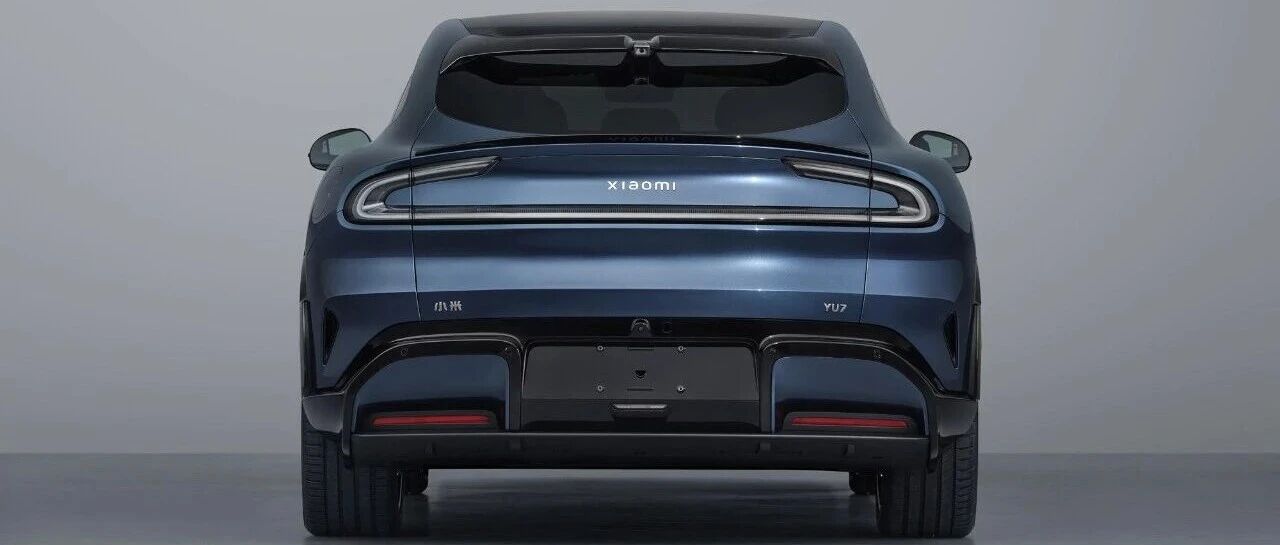
Core Insights - The 2025 China International Consumer Electronics Expo concluded successfully in Qingdao, with a focus on "Smart Connectivity and AI Empowerment" [1][3] - The exhibition covered an area of 60,000 square meters and featured over 330 domestic and international companies, including 18 Fortune 500 companies and 57 well-known brands [3][5] Industry Trends - The definition of "consumer electronics" is rapidly expanding beyond traditional appliances and digital devices to include smart homes, smart transportation, wearable devices, and low-altitude economy [6] - Local leading appliance companies, such as Haier and Hisense, are redefining the consumer electronics concept with new technologies and ideas [8] Technological Innovations - Haier introduced the "AI Eye" technology, enabling appliances to recognize food and adjust storage conditions automatically [8] - Hisense showcased the world's first RGB color control AI picture quality chip and a range of large-screen display technologies, including a 116-inch RGB-Mini LED TV [8] Smart Home Solutions - Aucma presented its smart home solutions, integrating AI technology for health management and home safety [9] - The exhibition featured a "Embodied Intelligence" area with humanoid robots demonstrating various capabilities, highlighting the future applications of robotics [9] Drone and Automotive Developments - DJI displayed a full range of drones, from consumer to industrial applications, while Xiaomi introduced its first vehicle, the SU7, emphasizing integration with home and personal devices [10] International Participation - The expo featured an international section with nearly 10,000 square meters, hosting 59 international companies from 17 countries, enhancing the event's global reach [11] - Companies like Canon and the UK brand XOR showcased innovative products, indicating strong international interest in the Chinese market [11] Trade and Collaboration - The expo facilitated trade connections, with over 200 local stores participating in a recycling initiative and numerous international buyers engaging with exhibitors [12] - The event included various interactive experiences, enhancing audience engagement through competitions and immersive technology displays [12]




广东首次发布农业人工智能十大应用场景
Nan Fang Ri Bao Wang Luo Ban· 2025-09-22 07:56
Group 1 - The Guangdong Province held the second Agricultural Sports Meeting focusing on crop protection skills, integrating vocational training and skill competitions to enhance the quality of agricultural professionals [1] - The event showcased the potential of low-altitude economy in rural revitalization, emphasizing the role of drones as essential agricultural tools [1] - The competition included theoretical training and practical assessments, covering pest identification and pesticide preparation, demonstrating both speed and accuracy [1] Group 2 - Guangdong has a complete industrial chain for agricultural drones, featuring leading companies like DJI and XAG [2] - The event encourages innovation in AI agricultural algorithms and smart equipment, providing support for institutions and enterprises involved in agriculture [2] - The provincial agricultural department released ten key application scenarios for agricultural AI, focusing on critical aspects of agricultural production, including modern marine ranching and precision management of crops and livestock [2]
2025电博会精彩落幕,展会规模、品牌展商、首发新品数量均创新高
Sou Hu Cai Jing· 2025-09-22 07:42
Group 1 - The 2025 China International Consumer Electronics Expo concluded successfully in Qingdao, featuring over 330 domestic and international exhibitors, including 18 Fortune 500 companies and 57 well-known brands [1][10] - The exhibition area reached 60,000 square meters, attracting more than 45,000 visitors and showcasing over 50 new products and technologies [1][10] - The theme "Connecting Everything, AI Empowering the Future" highlights the deep integration of artificial intelligence with various industries, positioning the expo as a resource connection platform [1][12] Group 2 - The concept of "consumer electronics" is rapidly expanding beyond traditional appliances to include smart homes, wearable devices, and low-altitude economy [2][4] - Haier's National High-end Intelligent Home Appliance Innovation Center is the only national-level manufacturing innovation center in the home appliance industry, showcasing advanced AI technologies [4][5] - Hisense presented the world's first RGB color-controlled AI picture quality chip and a range of large-screen display technologies, attracting significant attention from global buyers [5][6] Group 3 - The expo featured a "Embodied Intelligence Zone" with humanoid robots demonstrating various capabilities, illustrating the future of technology-enhanced living [6][8] - DJI showcased a full range of drones, from consumer to industrial applications, while Xiaomi introduced its first vehicle, emphasizing the integration of home and automotive ecosystems [8][10] - The international participation was notable, with 59 international companies from 17 countries, indicating a strong interest in the Chinese market and supply chain partnerships [10][12] Group 4 - The expo facilitated trade connections through various events, including a trade matchmaking conference and an external trade product exhibition, enhancing the linkage between local and international markets [12][13] - Interactive experiences were enriched with competitions and immersive zones, allowing attendees to engage with innovations in consumer electronics [12][13] - Qingdao is positioning itself as a city focused on collaboration and innovation in the global consumer electronics landscape [13]
无人机帝国创新史:视觉导航团队的破茧、破界与破维
雷峰网· 2025-09-22 07:04
Core Viewpoint - DJI's rise in machine vision technology has transformed consumer drones from niche products to widely used devices, showcasing significant advancements in autonomous capabilities and AI integration [3][28]. Group 1: Development of Visual Tracking Technology - In 2014, DJI's founder Frank envisioned giving drones "eyes" and "brains" for autonomous navigation and obstacle avoidance, which seemed nearly impossible at the time [3][4]. - A small team led by Zhao Cong faced numerous challenges, including a lack of resources and internal skepticism, as they aimed to develop visual tracking capabilities that surpassed GPS limitations [7][11]. - The breakthrough came in mid-2015 when the team demonstrated successful autonomous tracking, leading to the inclusion of this technology in the Phantom 4 development plan [14][15]. Group 2: Launch of Phantom 4 - The Phantom 4 was officially launched in March 2016, featuring advanced visual tracking and obstacle avoidance, which captivated audiences and set a new standard in the industry [25][28]. - The product achieved rapid sales, exceeding one million units and generating over 10 billion RMB in revenue, solidifying DJI's position as a leader in the drone market [27][28]. Group 3: Advancements in AI and Chip Technology - The Mavic Pro, launched in 2016, marked a significant leap in integrating AI capabilities into consumer drones, showcasing real-time processing on limited hardware [36][37]. - The team optimized algorithms to run complex AI models on a chip with only 1.2GFlops of processing power, enabling features like gesture control and precise landing [37][39]. - Mavic Pro's success not only redefined consumer expectations but also prompted chip manufacturers to recognize the potential for AI applications in consumer hardware [38]. Group 4: Continuous Innovation and Market Expansion - Following the success of Phantom 4 and Mavic Pro, DJI continued to innovate with products like Spark and Mavic Air, which further simplified user interaction and expanded the application of drones [57][58]. - The Mavic Air introduced full gesture control, allowing users to operate the drone without a remote, demonstrating a significant advancement in autonomous interaction [50][52]. - DJI's visual navigation team played a crucial role in the company's transformation from a "flying camera" to a "flying robot," leading to breakthroughs across various product lines [59]. Group 5: Future Directions and Challenges - In 2019, Zhao Cong left DJI to address the challenges of AI commercialization across industries, founding a new company focused on scalable AI solutions [61][62]. - The new venture aims to bridge the gap between AI demand and talent shortages, emphasizing the need for innovative approaches to AI deployment in various sectors [61][63].

专家解读丨抢抓人工智能发展机遇 深化电力人工智能融合应用
国家能源局· 2025-09-22 02:59
Core Viewpoint - The article emphasizes the strategic importance of artificial intelligence (AI) in driving a new round of technological revolution and industrial transformation, particularly in the energy sector, as outlined in the recent implementation opinions from the National Development and Reform Commission and the National Energy Administration [2][10]. Group 1: AI Integration in Power Systems - The integration of "AI + Power" is crucial for constructing a new type of power system, with renewable energy installations expected to reach 1.34 billion kilowatts by June 2025, accounting for 46.9% of total power generation capacity [3]. - AI is positioned as a key element to address challenges posed by high proportions of renewable energy and fluctuating loads, transitioning from traditional operational methods to a dynamic, intelligent operational system [3][4]. Group 2: Achievements in AI Application - The company has made significant progress in applying AI technologies, focusing on enhancing technical innovation and expanding application scenarios within the power sector [5][6]. - AI applications have improved operational efficiency, such as using drones for line inspections, which has doubled inspection efficiency and reduced manual tower climbing by 40% [4][8]. Group 3: Future Directions - The implementation opinions highlight the need to deepen the integration of AI in the energy sector, aiming to enhance the innovation application level of AI technologies [10]. - The company plans to leverage its data resources to support government decision-making and social governance, while also enhancing the safety and reliability of the new power system [10][11].