李宁

Search documents
一代鞋王,彪马要卖了
36氪· 2025-09-01 10:46
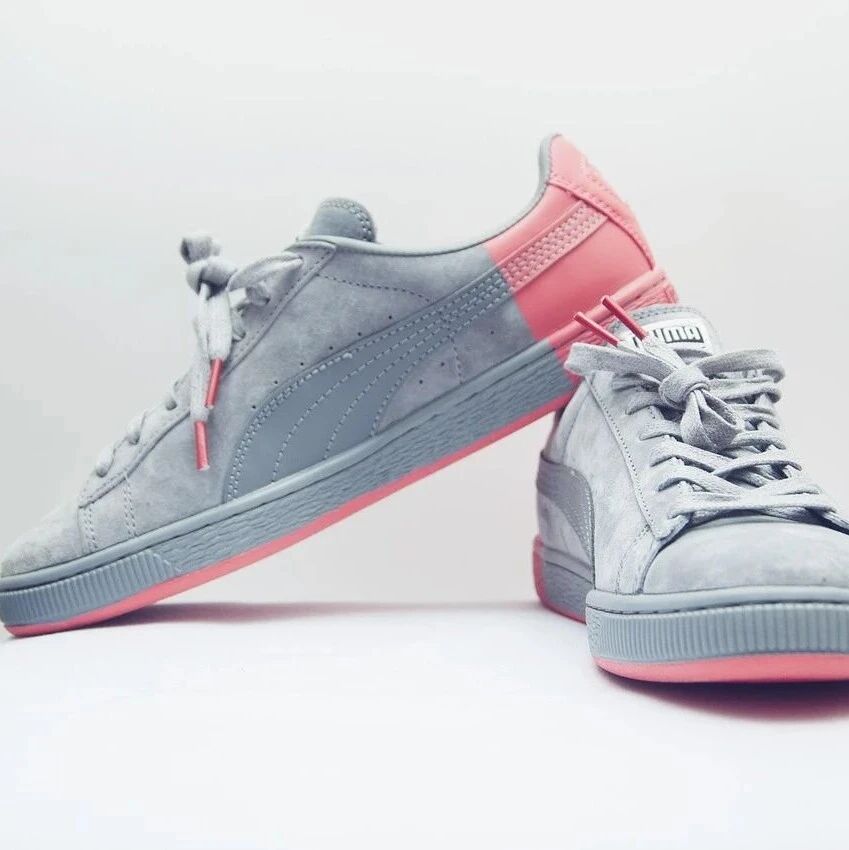
Core Viewpoint - Puma, a well-known sports brand, is reportedly considering a sale due to significant market value decline and ongoing operational challenges, with the Pinault family exploring potential buyers [6][19][22]. Group 1: Company Background - Puma originated from a family business in Germany, founded by the Dassler brothers, leading to the creation of both Puma and Adidas [10]. - The brand gained global recognition through collaborations with celebrities like Rihanna, particularly with the successful Creeper sneaker line, achieving peak revenue of €8.465 billion (approximately ¥72 billion) in 2022 [12][6]. Group 2: Recent Developments - Despite past successes, Puma has faced challenges, including leadership changes and declining sales, with a reported 2.0% decrease in sales to €1.942 billion in Q1 2025 [19][20]. - The Pinault family, a major shareholder, is now evaluating strategic options, including a potential sale, amidst a backdrop of high-profile brand sell-offs in the consumer sector [21][22]. Group 3: Market Context - The consumer goods sector is witnessing a trend where 60% of executives anticipate asset sales in the next three years due to economic pressures [24]. - Recent acquisitions in the industry, such as the $9.4 billion purchase of Skechers, highlight the ongoing consolidation and investment opportunities in distressed brands [24][25].

丁世忠的“大冒险”:激进并购、出海承压、李宁夹击
Xin Lang Cai Jing· 2025-09-01 07:20
Core Viewpoint - This year marks a significant year for Anta with aggressive acquisition activities, including the purchase of JACK WOLFSKIN and investment in MUSINSA China, raising questions about its strategic focus on sports [1][2]. Group 1: Acquisition Strategy - Anta's CEO, Ding Shizhong, emphasized that acquisitions are the answer to three strategic questions posed by the market: the necessity of Anta, how to deepen its multi-brand differentiation strategy, and how to create shareholder value through optimal capital allocation [2][4]. - The company has pursued multiple acquisitions this year, including JACK WOLFSKIN and MUSINSA China, with rumors of potential acquisitions of Reebok, Puma, and Canada Goose, indicating a more aggressive approach compared to past strategies [4][7]. - Anta's acquisition of JACK WOLFSKIN for $290 million aims to strengthen its outdoor segment and leverage the brand's existing 451 stores primarily in Europe and Asia [10]. Group 2: Global Expansion Challenges - Anta faces significant challenges in its global expansion efforts, particularly in Southeast Asia, where it aims to achieve $1.5 billion in revenue by 2028, but has yet to make substantial progress [5][11]. - The company currently operates 249 overseas stores, which is only 2% of its total 13,000 stores, indicating a slow pace of international growth [12][19]. - Anta's overseas revenue contribution remains low, with estimates suggesting that its overseas stores generate only about $1 million in revenue each [13]. Group 3: Competitive Pressure - Anta's main brand is under pressure from Li Ning, which has secured a partnership with the Chinese sports delegation for the 2025-2028 period, raising concerns about Anta's competitive position [6][23]. - Despite Anta's overall revenue exceeding 100 billion RMB, the company lacks a standout brand, with its main brand generating 16.95 billion RMB and FILA at 14.18 billion RMB, showing no significant gap compared to Li Ning's 14.8 billion RMB [20][22]. - FILA, once a cash cow for Anta, has faced challenges, including negative growth in 2022 and being the only brand within Anta's portfolio to report a decline in the third quarter of 2024 [26][27].

李宁“掉队”,安踏“一骑绝尘”,国产运动“四巨头”大比拼
Zhong Guo Ji Jin Bao· 2025-08-31 14:32
Core Insights - The financial reports for the first half of 2025 from China's four major sportswear companies, Anta, Li Ning, Xtep, and 361 Degrees, reveal significant disparities in performance, with Anta leading in revenue and Xtep showing the fastest profit growth [1][2]. Revenue Performance - Anta achieved a record revenue of 38.54 billion yuan, a year-on-year increase of 14.3%, surpassing the combined revenue of Li Ning, Xtep, and 361 Degrees [2][3]. - Li Ning's revenue grew by 3.3% to 14.82 billion yuan, while Xtep reported a revenue of 6.84 billion yuan, up 7.1%. 361 Degrees saw an 11% increase in revenue to 5.705 billion yuan [2][3]. Profitability Analysis - Anta's net profit reached 7.031 billion yuan, nearly double that of the other three companies combined [3]. - Xtep's net profit grew by 21.5% to 910 million yuan, marking the highest growth rate among the four companies. 361 Degrees' net profit increased by 8.6% to 860 million yuan, while Li Ning's net profit fell by 11% to 1.737 billion yuan [3]. Strategic Focus and Business Lines - Anta continues to implement a "single focus, multi-brand, global" strategy, with its core brand revenue increasing by 5.4% to 16.95 billion yuan and FILA's revenue rising by 8.6% to 14.18 billion yuan [4][5]. - Li Ning is investing heavily in top-tier professional sports resources and increasing R&D spending by 8.7%, focusing on running, basketball, and training categories, which account for 67% of retail sales [5]. - Xtep is concentrating on the running segment, with its high-end running shoe brand Saucony achieving a 32.5% revenue increase to 785 million yuan, representing 11.5% of total revenue [5][6]. - 361 Degrees is pursuing a strategy of "professionalization, youthfulness, and internationalization," with its children's business and e-commerce showing rapid growth [6]. Operational Challenges - Anta's average inventory turnover days increased from 114 to 136 days, indicating rising inventory pressure. The overall gross margin decreased by 0.7 percentage points to 63.4% due to a higher contribution from lower-margin e-commerce and footwear products [8]. - Li Ning reported a net cash inflow of 2.41 billion yuan, with a cash cycle of 31 days, but faced challenges from reduced offline foot traffic impacting sales [9]. - Xtep's main brand revenue growth slowed to 4.5%, below the previous year's 6.6%, with Saucony not yet sufficiently supporting its "second growth curve" despite its high growth rate [10].

李宁“掉队”,安踏“一骑绝尘”,国产运动“四巨头”大比拼
中国基金报· 2025-08-31 14:26
Core Viewpoint - The financial reports of China's four major sportswear companies—Anta, Li Ning, Xtep, and 361 Degrees—show significant disparities in performance, with Anta leading in revenue growth and Xtep achieving the fastest net profit growth [2][4][5]. Revenue Performance - Anta's revenue reached 38.54 billion RMB in the first half of 2025, marking a 14.3% year-on-year increase, setting a new historical high [4][6]. - Li Ning's revenue was 14.82 billion RMB, up 3.3% year-on-year, while Xtep reported 6.84 billion RMB, a 7.1% increase [4][6]. - 361 Degrees saw its revenue grow by 11% to 5.705 billion RMB [4][6]. Profitability Analysis - Anta's net profit was 7.031 billion RMB, nearly double that of the other three companies combined [5][6]. - Xtep's net profit grew by 21.5% to 910 million RMB, the highest growth rate among the four [5][6]. - 361 Degrees' net profit increased by 8.6% to 860 million RMB, while Li Ning's net profit fell by 11% to 1.737 billion RMB [5][6]. Strategic Focus and Business Lines - Anta's strategy emphasizes "single focus, multi-brand, and globalization," with its core brand revenue growing by 5.4% to 16.95 billion RMB [8][9]. - Li Ning is investing in top-tier professional sports resources and increasing R&D spending by 8.7%, focusing on running, basketball, and cross-training categories [8][9]. - Xtep is concentrating on the running segment, with its high-end running shoe brand Saucony seeing a revenue increase of 32.5% [10]. - 361 Degrees is pursuing "professionalization, youthfulness, and internationalization," with its children's business and e-commerce showing rapid growth [11]. Operational Challenges - Anta's average inventory turnover days increased from 114 to 136 days, indicating rising inventory pressure [13]. - Li Ning reported a stable cash flow but acknowledged a decrease in offline customer traffic, impacting sales [13]. - Xtep's main brand revenue growth slowed to 4.5%, below the previous year's 6.6%, indicating potential challenges in sustaining growth [15].
一代“鞋王”彪马要被卖了
Hu Xiu· 2025-08-31 07:33
Core Viewpoint - Puma, the renowned sports brand, is reportedly up for sale as its market value has significantly declined over the past year, prompting the Pinault family to explore potential buyers [2][10]. Group 1: History and Rise of Puma - Puma originated from a German family, the Dassler brothers, who initially produced specialized athletic shoes, leading to the eventual creation of Puma and Adidas after a split [4][5]. - In the 1970s and 1980s, Puma gained popularity in hip-hop culture and maintained a strong presence in the sports industry through collaborations with top athletes [6]. - The brand saw a resurgence in the 2010s, particularly with the launch of the Creeper sneaker designed in collaboration with Rihanna, which became a global hit [8]. Group 2: Recent Challenges and Strategic Decisions - Despite achieving record revenues of €8.465 billion (approximately ¥72 billion) in 2022, Puma has faced challenges, including leadership changes and declining sales [8][15]. - The Pinault family, Puma's major shareholder, is now considering selling the brand, having previously attempted to divest in 2014 and 2018 without success [11][13][14]. - Recent financial reports indicate a 2.0% decline in sales to €1.942 billion, with a net loss of €247 million for the first quarter [15]. Group 3: Market Context and Opportunities - The current economic climate has led many consumer brands, including Puma, to consider selling, with 60% of consumer goods executives anticipating asset sales in the next three years [20]. - The decline in Puma's stock price, which has dropped over 80% from its peak in 2021, presents a potential buying opportunity for interested parties [17]. - The trend of companies selling non-core assets is expected to increase, providing a favorable environment for acquisitions in the consumer sector [19][20].
一代鞋王,彪马要卖了
投资界· 2025-08-31 07:15
Core Viewpoint - Puma, a well-known sports brand, is reportedly considering a sale due to significant market value decline and ongoing operational challenges [3][5][14]. Company History - Puma was founded in 1948 by Rudolf Dassler after a split from his brother Adolf, who established Adidas, leading to decades of competition between the two brands [7][8]. - At its peak, Puma generated annual revenue of €846.5 million (approximately ¥720 billion) [3][10]. Recent Performance - Despite past successes, Puma has faced declining sales and leadership instability, with two CEO changes in three years and a recent announcement of 500 global layoffs [17]. - In Q1 2025, Puma reported a 2.0% decline in sales to €194.2 million, with an adjusted EBIT loss of €13.2 million and a net loss of €247 million [17]. Market Context - The luxury sportswear market is experiencing a trend where many brands are considering selling due to economic pressures, with 60% of consumer goods executives anticipating asset sales in the next three years [20]. - Recent acquisitions in the consumer sector, such as 3G Capital's $9.4 billion purchase of Skechers, highlight the ongoing trend of brand consolidation [20]. Potential Buyers - The Pinault family, a major shareholder in Puma, is exploring strategic options, including potential buyers from the U.S. and Middle Eastern sovereign wealth funds, as well as Chinese sports giants like Anta and Li Ning [16][18]. - Puma's stock has dropped over 80% from its peak in 2021, making it an attractive acquisition target for potential buyers looking for "bottom-fishing" opportunities [19][20].

25款登山鞋测评:凯乐石、斯凯奇、FILA等样品不防水
Nan Fang Du Shi Bao· 2025-08-31 06:18
Core Insights - The recent comparative test of 25 hiking shoes conducted by the Guangdong-Macao-Guangzhou Consumer Council revealed that while the overall quality of the shoes is good, several products exhibited issues such as inaccurate application of standards and poor performance on key indicators [1][7][17] - Specific brands such as KAILAS, Skechers, and FILA were noted for having products that easily allowed water penetration, failing to meet waterproof standards [1][16] - The test highlighted that 20 samples lacked critical technical indicators like slip resistance and waterproof performance, with 13 samples showing inadequate waterproof capabilities [7][12] Summary by Categories Testing Standards and Methodology - The testing was based on various national standards including GB 25038-2024 and QB/T 4553-2013, focusing on both chemical safety and physical performance indicators [2] - Key performance indicators tested included formaldehyde content, abrasion resistance, slip resistance, waterproof performance, and vapor permeability [2] Product Performance Issues - Five samples were found to be highly permeable to water, indicating poor waterproof capabilities, while one sample from the brand "特步" failed to meet abrasion resistance standards [1][8] - The comparative test results showed that 7 samples had a peel strength below 70N, which is below the standard requirement of 90N/cm, affecting the durability of the shoes [10][11] - Ten samples exhibited poor vapor permeability, with some brands like 回力 and 探路者 scoring below the acceptable threshold [12][15] Recommendations for Manufacturers - The Consumer Council suggested that manufacturers should adhere to appropriate standards based on the characteristics and intended use of hiking shoes to ensure quality [17] - It was recommended that marketing claims should accurately reflect the product's actual quality to avoid misleading consumers [17] - Detailed labeling of key product information was advised to assist consumers in making informed purchasing decisions [17]


我的青春这样“创”丨用镜头定格闪耀青春
He Nan Ri Bao· 2025-08-30 23:25
Core Insights - The article highlights the entrepreneurial journey of Zhang Chenglong, founder of Henan Kada Cultural Media Co., Ltd, emphasizing the importance of perseverance and gradual growth in the creative industry [1][2]. Group 1: Company Development - The company started with a small photography team during Zhang's college years, earning its first income of 168 yuan from a photo shoot [1]. - Over time, the company expanded its services to include promotional video production and event filming, collaborating with well-known brands such as Qingdao Beer, FAW, and Li Ning [2]. - The company has maintained its original entrepreneurial spirit, focusing on quality and reputation rather than aggressive marketing strategies [2]. Group 2: Industry Insights - The article discusses the challenges faced by startups in the creative industry, particularly the initial bottleneck due to technical limitations and the need for equipment upgrades [2]. - It emphasizes the significance of word-of-mouth and reputation in securing projects, suggesting that a solid foundation in quality work can lead to more opportunities [2]. - The narrative reflects a broader trend in the cultural industry, where innovation and adaptability are crucial for success amidst rapid development [2].
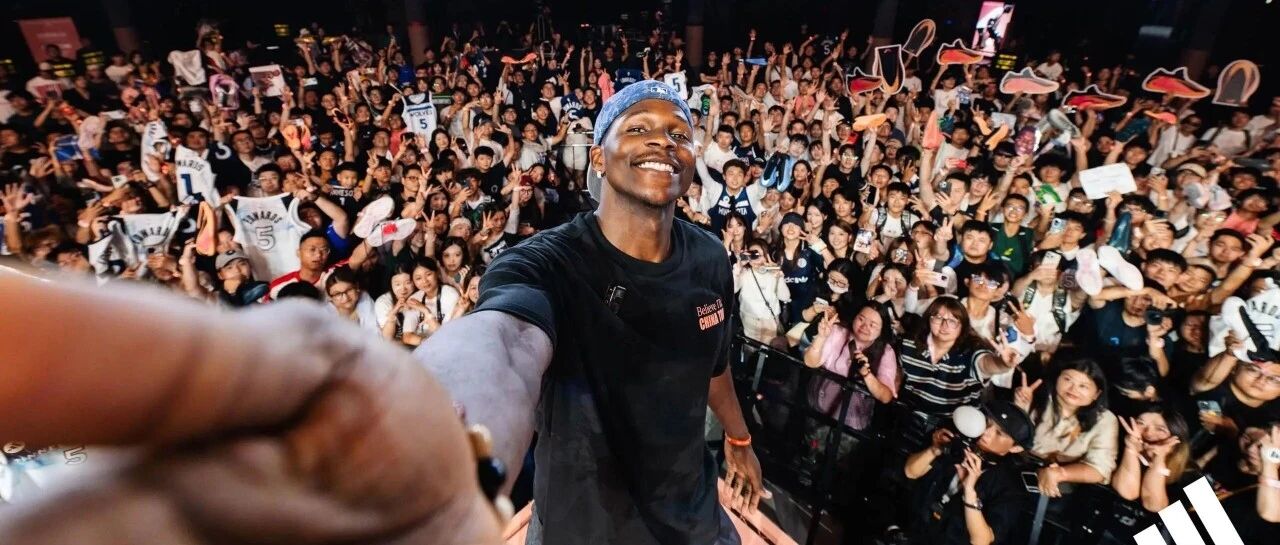
10个NBA球星扎堆来中国,球鞋市场能否再掀热潮?
Di Yi Cai Jing· 2025-08-30 16:33
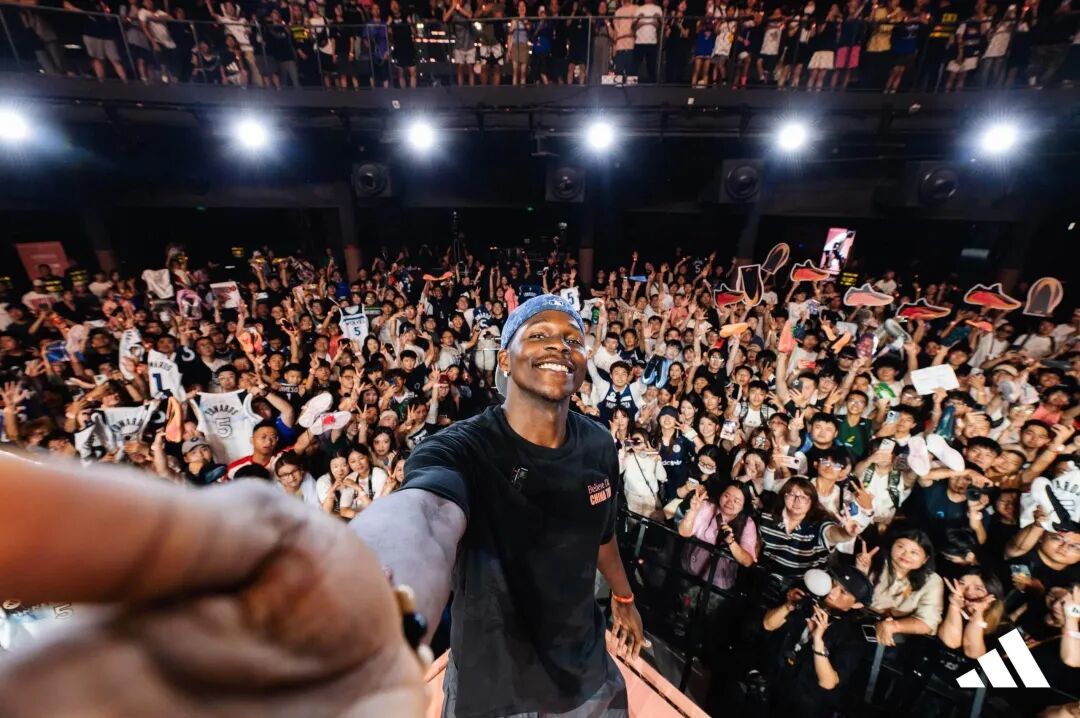
Group 1 - Adidas has signed NBA star Anthony Edwards for his first promotional tour in China, following previous visits by other NBA players, indicating a strong push in marketing and brand engagement in the Chinese market [2] - The influx of NBA stars to China is part of a broader strategy by sports brands like Adidas, Li Ning, and Under Armour to leverage celebrity endorsements for new product launches and to connect with local fans [2] - Despite claims that the sneaker market is declining, major sports brands continue to invest heavily in basketball, suggesting confidence in the long-term viability of this segment [2][4] Group 2 - Adidas has recently signed a lifetime contract with NBA star Damian Lillard, highlighting the brand's commitment to basketball and its strategy to secure long-term partnerships with key athletes [4] - The basketball business for Adidas saw significant success in the 1980s and 1990s, but the brand is now focused on identifying new star players to maintain its market presence [4] - Under Armour has successfully built its basketball brand around Stephen Curry, demonstrating the potential for growth through strategic athlete partnerships [4] Group 3 - The sneaker market has experienced a cooling trend, with only 47% of sneakers on the StockX platform expected to sell above retail price in 2024, down from 58% in 2020, indicating a shift in consumer behavior [8] - The rise of marathon running has led to increased competition from new brands like ON and HOKA, prompting traditional brands to diversify their offerings towards running shoes [9] - Despite the market cooling, basketball shoes remain a crucial segment for sports brands, with companies like Li Ning emphasizing the importance of basketball in their overall strategy [9][11] Group 4 - High-end basketball shoes are viewed as a premium segment within the sneaker market, representing the pinnacle of technology and trendsetting in athletic footwear [11] - The era of extreme sneaker speculation may be over, leading to more rational pricing and increased accessibility for consumers, provided that brands continue to innovate and offer attractive products [11]



10个NBA球星扎堆来中国,球鞋市场能否再掀热潮?
第一财经· 2025-08-30 13:44
Core Viewpoint - The article discusses the resurgence of basketball shoe business, highlighting the strategic marketing efforts by brands like Adidas and Under Armour, as well as the changing dynamics in the sneaker market due to evolving consumer preferences and competition from running shoe brands [3][4][12]. Group 1: Brand Activities and Market Dynamics - Adidas has recently signed NBA stars for promotional activities in China, indicating a strong focus on leveraging celebrity endorsements for marketing [3]. - The influx of NBA players in China, including Anthony Edwards, Jalen Williams, and James Harden, reflects a trend where sports brands are actively engaging with local markets to boost sales [3][4]. - Despite claims of a declining sneaker market, major brands continue to invest heavily in basketball, as evidenced by Adidas signing a lifetime contract with Damian Lillard [6][14]. Group 2: Financial Performance and Market Trends - Adidas has seen a recovery in its performance, with a renewed focus on basketball, which was once a significant revenue driver for the brand [6]. - Under Armour's revenue grew from $2.33 billion in 2013 to $5.7 billion in 2021, showcasing the potential profitability of basketball shoes when associated with star athletes like Stephen Curry [6]. - The Jordan brand under Nike has shown impressive revenue growth, reaching $6.6 billion in 2023, indicating the lucrative nature of basketball shoe marketing [8][9]. Group 3: Market Challenges and Consumer Behavior - Recent reports indicate a cooling off in the sneaker resale market, with only 47% of sneakers selling above retail price in 2024, down from 58% in 2020 [11]. - The decline in sneaker trading activity is attributed to broader changes in consumer habits and the economic environment, with a shift towards running shoes due to the popularity of marathons [12][13]. - Industry insiders believe that while the market may be cooling, basketball shoes remain a critical segment for brands, as they represent high-end positioning and technological innovation [16].