佳能

Search documents
A股光刻机指数一年涨130% 产业链名单曝光
2 1 Shi Ji Jing Ji Bao Dao· 2025-09-27 11:32
Core Viewpoint - The semiconductor manufacturing sector, particularly the photolithography machine segment, is experiencing significant growth, with domestic companies gaining unprecedented attention in the secondary market [3][5]. Industry Overview - The photolithography machine is crucial for semiconductor processing, determining the smallest line widths through exposure and photoresist application [7]. - The global market is dominated by ASML, which holds over 80% market share, particularly in the high-end EUV segment [7][8]. - Domestic photolithography machine manufacturers, led by Shanghai Micro Electronics (SMEE), have a low localization rate of only 2.5%, indicating a significant gap compared to international leaders [9]. Market Performance - The photolithography concept stocks have seen substantial price increases, with Zhangjiang Hi-Tech (600895.SH) hitting a historical high and other related stocks like Jiangfeng Electronics (300666.SZ) rising over 17% [3]. - The Wind photolithography index has increased nearly 130% over the past year, with a peak reached on September 24 [3]. Company Developments - Zhangjiang Hi-Tech has invested 22.345 million yuan in Shanghai Micro Electronics, acquiring a 10.779% stake [5]. - Jiangfeng Electronics is developing key materials for photolithography processes and has entered mass production for core cooling components for machines targeting nodes below 28nm [5]. Technological Landscape - The domestic photolithography industry is advancing, but still faces challenges in high-end technology, primarily reliant on imports from countries like the Netherlands and Japan [5][11]. - The industry consists of upstream equipment and materials, midstream system integration and production, and downstream applications [11]. Future Outlook - There is a growing expectation for breakthroughs in the domestic photolithography machine industry due to geopolitical factors limiting access to ASML's EUV machines [10]. - The development of the photolithography machine sector requires collaboration among key companies, research institutions, and government support to achieve supply chain autonomy [12][16].



A股光刻机指数一年涨130%,产业链名单曝光
21世纪经济报道· 2025-09-27 11:26
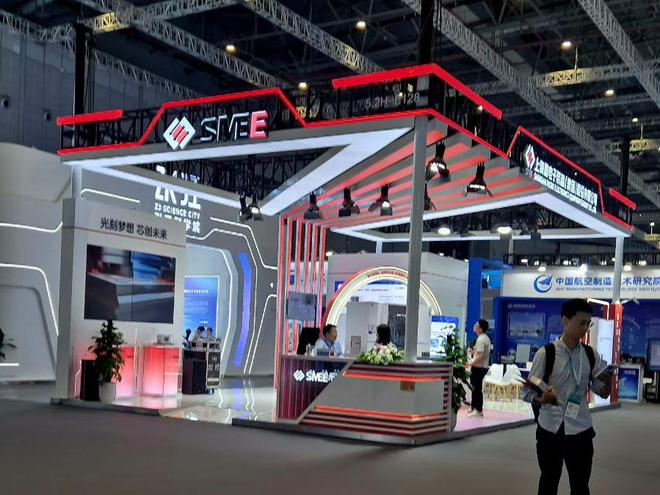
Core Viewpoint - The semiconductor manufacturing sector, particularly the photolithography machine segment, is experiencing significant market interest and activity, especially with the recent unveiling of EUV projection lithography equipment by Shanghai Micro Electronics (SMEE) at the China International Industry Fair [1][2]. Market Dynamics - The surge in the photolithography machine concept stocks is driven by rising semiconductor prices and heightened market expectations, with leading companies like Zhangjiang Hi-Tech (600895.SH) hitting historical highs and other related stocks also seeing substantial gains [2][6]. - The Wind photolithography index has increased nearly 130% over the past year, with a notable peak on September 24 [2]. Industry Landscape - The global photolithography market is dominated by ASML, which holds over 80% market share, particularly in the high-end EUV segment, with reported net sales of €7.7 billion and a year-on-year growth of 23% [9][10]. - Japanese competitors Nikon and Canon have minimal market shares, primarily focusing on mature process equipment [10]. Domestic Developments - The domestic photolithography machine market is still in its infancy, with a current localization rate of only 2.5%, and SMEE being the leading domestic manufacturer with over 80% market share [10][12]. - Recent advancements in domestic photolithography technology include the development of key components for machines capable of producing chips at 28nm nodes, indicating progress towards self-sufficiency in this critical technology [7][12]. Supply Chain and Challenges - The domestic photolithography supply chain includes upstream materials, midstream system integration, and downstream applications, but faces challenges in technology and supply chain issues [12][13]. - Key players in the domestic supply chain include companies like Chipbond Technology, Fuchuang Precision, and others, which are involved in various components essential for photolithography machines [13][14]. Future Outlook - The expectation for breakthroughs in the domestic photolithography machine industry is rising, driven by geopolitical factors limiting access to foreign technology [12][16]. - The development of photolithography technology in China requires a collaborative effort among state institutions, research organizations, and key companies to achieve supply chain independence [16].
“零到一”突破期望升温 A股光刻机产业链躁动
2 1 Shi Ji Jing Ji Bao Dao· 2025-09-26 14:28
Core Insights - The semiconductor lithography machine sector is experiencing significant market interest, particularly in the domestic industry chain, with notable stock price movements in related companies [1][2] - Shanghai Micro Electronics Equipment (SMEE) showcased its extreme ultraviolet (EUV) lithography machine at the China International Industry Fair, marking a pivotal moment for domestic technology [1][2] - The market for lithography machines in mainland China is vast but heavily reliant on imports from countries like the Netherlands and Japan, highlighting the need for self-sufficiency amid export control challenges [2][7] Company Developments - Zhangjiang Hi-Tech (600895.SH) reached a historical stock price high, with significant gains observed in other related companies such as Jiangfeng Electronics (300666.SZ) and United Chemical (301209.SZ) [1] - Jiangfeng Electronics has entered mass production of a core cooling component for lithography machines, targeting the 28nm process node, indicating a move into critical areas of lithography equipment [2][5] - SMEE is currently the only domestic lithography machine manufacturer, holding over 80% of the domestic market share and capable of producing machines for 90nm and below [5][6] Market Dynamics - ASML dominates the global lithography machine market, holding over 80% market share, with a reported net sales of €7.7 billion and a net profit of €2.3 billion in Q2 2025 [3][4] - The domestic lithography machine industry is still significantly behind international leaders, with a current localization rate of only 2.5% [5][11] - The industry faces challenges in technology and supply chain issues, necessitating collaboration across the domestic supply chain to overcome these barriers [7][11] Technological Landscape - The lithography machine market is categorized into five generations, with EUV being a key focus for future development [3][4] - Domestic companies are making strides in various technical fields related to lithography, including laser sources and optical systems, indicating a growing capability in the sector [9][10] - The industry is characterized by high barriers to entry and significant capital requirements, necessitating a coordinated national effort for advancement [11]
“零到一”突破期望升温,A股光刻机产业链躁动
2 1 Shi Ji Jing Ji Bao Dao· 2025-09-26 12:50
Core Viewpoint - The semiconductor manufacturing sector, particularly the lithography machine segment, is experiencing significant market interest and activity, especially with domestic companies gaining traction in the A-share market [1][2]. Industry Dynamics - The recent surge in the semiconductor industry has led to rising expectations for price increases, driving the performance of lithography machine stocks [2]. - Major players in the lithography machine concept, such as Zhangjiang Hi-Tech (600895.SH), have seen substantial stock price increases, with Zhangjiang Hi-Tech hitting a historical high [2]. - The domestic lithography machine market is largely dependent on imports from countries like the Netherlands and Japan, indicating a significant opportunity for local manufacturers [2][4]. Company Developments - Shanghai Micro Electronics (SMEE) has showcased its extreme ultraviolet (EUV) lithography machine at the China International Industry Fair, marking a significant step in domestic technology disclosure [1]. - Zhangjiang Hi-Tech has invested approximately 22.345 million yuan in Shanghai Micro Electronics, holding a 10.779% stake [2]. - Jiangfeng Electronics (300666.SZ) is providing critical materials for lithography processes and has entered mass production for core cooling components used in lithography machines [2]. Market Structure - The global lithography machine market is dominated by ASML, which holds over 80% market share, particularly in the high-end EUV segment [5][6]. - Domestic lithography machine manufacturers, led by Shanghai Micro Electronics, currently have a low domestic market penetration rate of 2.5% [7]. - Shanghai Micro Electronics is the only domestic supplier with over 80% market share in China, focusing on ArF, KrF, and i-line technologies [7]. Technological Challenges - The lithography machine industry is characterized by high barriers to entry and significant capital requirements, necessitating a coordinated effort from the state and key industry players to achieve self-sufficiency in the supply chain [13]. - Despite advancements, domestic manufacturers face challenges in technology and supply chain issues, particularly in high-end lithography machine technology [9]. Future Outlook - There is a growing expectation for breakthroughs in the domestic lithography machine industry, driven by geopolitical factors limiting access to ASML's EUV machines [8]. - The industry is seeing increased collaboration among domestic companies and research institutions to foster technological innovation and development [12].
半导体设备行业观点汇报
2025-09-26 02:29
Summary of Semiconductor Equipment Industry Conference Call Industry Overview - The semiconductor equipment industry is experiencing accelerated self-sufficiency in China due to geopolitical tensions and licensing restrictions, making it a key area for investment focus [1][2][3] - The global semiconductor equipment market exceeds $100 billion, with key segments including photolithography, thin film deposition, etching, metrology, cleaning, and stripping [4] Key Points and Arguments - **Photolithography**: This is the most critical subfield within semiconductor equipment. China is currently in a breakthrough phase from 0 to 1, but high-end DUV and EUV photolithography machines are blocked from import due to U.S. sanctions, creating urgent domestic replacement demand [1][5][10] - **Thin Film Deposition**: Domestic companies like Tuojing Technology, Huachuang, and Zhongwei have achieved high localization rates in CVD, PVD, and ALD technologies, indicating significant progress in self-sufficiency [1][6] - **Etching Technology**: Companies such as Zhongwei and Huachuang have made notable advancements in CCP and ICP etching technologies, achieving a high level of self-sufficiency [1][7] - **Metrology Equipment**: The domestic localization rate is low (below 15%), with companies like Zhongke Feimeasure and Jingce Electronics making some breakthroughs, but large-scale production will take time [1][8] - **Back-end Testing and Sorting Equipment**: Companies like Changchuan Technology and Jinhai Tong have made significant progress and show strong profitability in this area [1][9] Market Catalysts - The establishment of Changjiang Storage's third phase marks a new stage in capacity expansion, positively impacting future capital expenditures [3] - The revocation of certain licenses for wafer fabs in China by the U.S. has increased the difficulty for foreign companies to produce chips in China, further driving the need for domestic semiconductor equipment and materials [3] Demand Dynamics - **Advanced Logic and Storage Expansion**: Domestic wafer foundries are investing steadily in mature processes, while demand for advanced processes, particularly AI computing chips, is high but supply is insufficient [11][12] - **Storage Sector**: The expansion in NAND and DRAM is robust, with Changxin Storage's third phase expected to generate hundreds of billions of RMB in domestic equipment demand. The urgent need for DRAM, especially HBM, will significantly boost related packaging production [13] Investment Opportunities - Focus on platform companies (e.g., Beifang Huachuang, Zhongwei) and specialized companies (e.g., Zhongke Feimeasure, Jingce Electronics) as well as photolithography-related enterprises [2][15] - The slow progress in the localization of semiconductor equipment components presents potential investment opportunities, especially as AI technology drives industry growth [16] Characteristics of Semiconductor Equipment Components Market - The market for semiconductor equipment components is characterized by small batch sizes, diverse products, customization, and variability. Companies with expansion potential and platform logic are expected to grow into quality enterprises [17] Specific Types of Components to Watch - Recommended focus on components such as pipelines, valves, ceramic parts, machined parts, and spray heads, as well as photolithography-related components, which may present investment opportunities [18]





趋势研判!2025年中国硅基液晶(LCOS)行业发展历程、产业链、发展规模、竞争格局及发展趋势分析:市场需求呈现出逐步扩大态势,应用场景多元化拓展[图]
Chan Ye Xin Xi Wang· 2025-09-25 01:55
Core Insights - The demand for high-end electronic products, particularly high-end smartphones, tablets, and wearable devices, is increasing in China, providing significant market opportunities for the silicon-based liquid crystal (LCOS) industry [1][4] - The LCOS market in China is projected to grow, with a demand of 239,700 units in 2024 and an expected increase to 374,000 units by 2025, indicating a robust growth trajectory [4][5] Industry Overview - LCOS, or Liquid Crystal on Silicon, is a small-sized matrix liquid crystal display device based on a reflective mode, utilizing CMOS technology on silicon chips [2] - The LCOS industry can be categorized into spatial color LCOS and temporal color LCOS, with the latter being the mainstream product due to its high optical efficiency and pixel density [3] Market Size and Growth - The LCOS market in China is expected to reach a scale of 157.5 million yuan in 2024, with the projection field accounting for 106.4 million yuan and the HUD field for 43.725 million yuan [4] - By 2025, the market size is anticipated to grow to 231.192 million yuan, with significant contributions from the projection and HUD sectors [4] Industry Chain - The LCOS industry chain includes upstream materials such as silicon substrates and liquid crystal materials, midstream production, and downstream applications in consumer electronics, automotive electronics, and projection [6][7] Competitive Landscape - The LCOS industry is in a growth phase, with a competitive landscape characterized by both international leaders and domestic companies focusing on niche markets [8] - Key international players include Himax, JasperDisplay, and Sony, while domestic companies like ChipSight and Jingfan are making strides in AR/VR and automotive HUD applications [8] Development Trends - The LCOS technology is expected to advance towards higher resolutions and broader color gamuts, with potential applications expanding into smart home, commercial display, and medical imaging sectors [9][12] - The trend towards miniaturization and high-density integration is evident, with companies like OmniVision introducing micro-modules that meet the demands of wearable devices [10][11] Application Expansion - The primary market for projectors remains in home entertainment, but new growth areas are emerging in commercial, educational, and automotive sectors [13] - The near-eye display market, particularly in AR/VR, is poised for rapid growth, driven by advancements in technology and the rise of the metaverse concept [13]


2025中国电博会青岛落幕:规模、品牌与新品数创新高
Qi Lu Wan Bao Wang· 2025-09-22 13:19
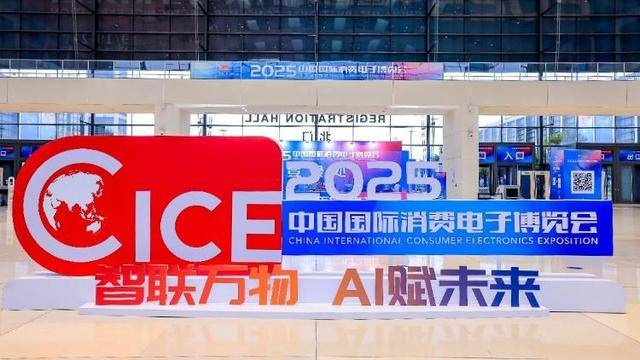
Group 1: Event Overview - The 2025 China International Consumer Electronics Expo concluded successfully in Qingdao, with a theme of "Connecting Everything, AI Empowering the Future" and an exhibition area of 60,000 square meters, attracting over 330 domestic and international exhibitors, with international exhibitors accounting for more than one-sixth of the total [1] - The event received 45,000 visitors, launched over 50 new products and technological achievements, and involved 770 companies in industry discussions and trade connections, setting historical records in exhibition scale, number of brand exhibitors, and number of new product launches [1] Group 2: Local Industry Leadership - Qingdao's local enterprises showcased their transformation from "manufacturing" to "intelligent manufacturing" at the expo, with leading companies like Haier, Hisense, and Aucma demonstrating their global competitiveness through AI technology [2] - Haier's smart home technology, "AI Eye," utilizes an AI perception chip to enhance the functionality of home appliances, allowing for automatic adjustments based on visual recognition [2] - Hisense presented its advanced display technology, including a 116-inch RGB-Mini LED TV and a 100-inch rollable laser cinema, with its large-screen products achieving over 30% technical parameter superiority compared to industry peers [2] Group 3: International Participation and Trade Cooperation - The expo featured a significant increase in international participation, with 59 international companies from 17 countries showcasing products in consumer electronics, low-altitude economy, and artificial intelligence [4] - Canon and XOR presented customized solutions tailored to the Chinese market, with Canon optimizing its products for the live-streaming industry and XOR focusing on privacy protection technology [4] - The event facilitated trade connections, resulting in over 100 million yuan in domestic sales orders and a 40% sales increase for over 200 stores in Qingdao during the "old-for-new" consumption week [4] Group 4: New Scenarios and Interactive Experiences - The expo highlighted the expansion of consumer electronics into new scenarios, featuring humanoid robots and low-altitude economy innovations, with companies demonstrating advanced coordination and environmental perception technologies [6] - The event introduced an interactive experience model, combining exhibitions, competitions, and performances, attracting over 10,000 participants and bridging technology with the public [6] Group 5: Future Directions - The expo has evolved beyond a mere product showcase to become a "dissolver of industry boundaries" and a "city capability amplifier," with plans to focus on AI and industry integration to position Qingdao as an "innovation source" and "international link point" in the global consumer electronics landscape [7]



2025电博会精彩落幕!展会规模、品牌展商、首发新品数量均创新高
Sou Hu Cai Jing· 2025-09-22 07:59
Core Insights - The 2025 China International Consumer Electronics Expo concluded successfully in Qingdao, with a focus on "Smart Connectivity and AI Empowerment" [1][3] - The exhibition covered an area of 60,000 square meters and featured over 330 domestic and international companies, including 18 Fortune 500 companies and 57 well-known brands [3][5] Industry Trends - The definition of "consumer electronics" is rapidly expanding beyond traditional appliances and digital devices to include smart homes, smart transportation, wearable devices, and low-altitude economy [6] - Local leading appliance companies, such as Haier and Hisense, are redefining the consumer electronics concept with new technologies and ideas [8] Technological Innovations - Haier introduced the "AI Eye" technology, enabling appliances to recognize food and adjust storage conditions automatically [8] - Hisense showcased the world's first RGB color control AI picture quality chip and a range of large-screen display technologies, including a 116-inch RGB-Mini LED TV [8] Smart Home Solutions - Aucma presented its smart home solutions, integrating AI technology for health management and home safety [9] - The exhibition featured a "Embodied Intelligence" area with humanoid robots demonstrating various capabilities, highlighting the future applications of robotics [9] Drone and Automotive Developments - DJI displayed a full range of drones, from consumer to industrial applications, while Xiaomi introduced its first vehicle, the SU7, emphasizing integration with home and personal devices [10] International Participation - The expo featured an international section with nearly 10,000 square meters, hosting 59 international companies from 17 countries, enhancing the event's global reach [11] - Companies like Canon and the UK brand XOR showcased innovative products, indicating strong international interest in the Chinese market [11] Trade and Collaboration - The expo facilitated trade connections, with over 200 local stores participating in a recycling initiative and numerous international buyers engaging with exhibitors [12] - The event included various interactive experiences, enhancing audience engagement through competitions and immersive technology displays [12]




光刻机行业研究框架
2025-09-17 14:59
Key Points Summary of Lithography Equipment Industry Research Industry Overview - The global lithography equipment market is expected to reach $31 billion, with critical importance placed on lithography technology performance, market size, and economic value [1][2] - Lithography machines are categorized into mask lithography, which is the most common and highly focused type [1][3] Core Technology Insights - The optical system is a key factor determining lithography machine performance, with resolution closely related to process nodes [1][4] - Resolution improvement can be achieved through adjustments in process factors, wavelength, and numerical aperture (NA), with significant advancements from DUV to EUV technology [1][4] - Multi-exposure techniques can achieve lower process nodes without changing resolution, significantly impacting transistor performance and yield [1][5] DUV vs. EUV Technology - DUV (Deep Ultraviolet) uses wavelengths of 248 nm or 193 nm, while EUV (Extreme Ultraviolet) operates at 13.5 nm, providing higher resolution [1][6][8] - EUV technology requires a reflective optical system due to the absorption characteristics of its short wavelength [1][8] Challenges in China - China faces significant challenges in DUV and EUV technology, with existing limitations hindering the domestic semiconductor industry's development [1][7] - The need for breakthroughs in technology is critical for achieving self-sufficiency in semiconductor manufacturing [1][7] Market Dynamics - The lithography equipment market is dominated by ASML, Nikon, and Canon, with ASML holding a monopoly in the high-end market [1][9] - In 2023, ASML sold 449 lithography machines, including 53 EUV devices, while Nikon and Canon focused on DUV and mid-to-low-end markets, respectively [1][9] Domestic Industry Progress - The domestic semiconductor supply chain has made significant progress towards self-sufficiency, with companies like Shanghai Micro Electronics and others achieving breakthroughs [1][12] - The demand for AI chips is driving the expansion of advanced process requirements, presenting substantial investment potential in domestic alternatives [1][12][13] Investment Recommendations - Investing in domestic alternatives and related companies is seen as having considerable potential due to the ongoing expansion of the global semiconductor industry driven by AI chip demand [1][13] - The long-term outlook for the global lithography equipment market is positive, with a focus on key domestic companies [1][14] Risks to Consider - Potential risks include slower-than-expected domestic technology development, increased overseas sanctions, and lower-than-expected downstream demand, which could adversely affect the lithography equipment market [1][14] Key Performance Indicators - Advanced lithography machines are evaluated based on three core indicators: optical resolution, mechanical overlay accuracy, and production capacity [1][15] Conclusion - The lithography equipment industry is critical to semiconductor manufacturing, with significant opportunities for investment in domestic alternatives and advancements in technology [1][13][14]

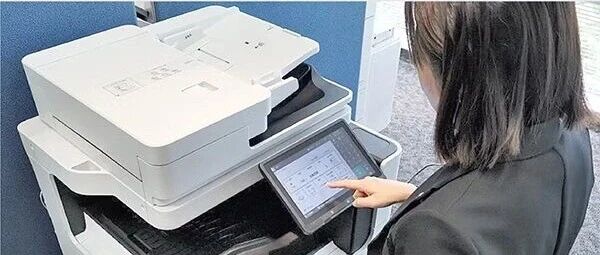
佳能办公一体机印刷方式从激光改为LED
日经中文网· 2025-09-16 02:48
Core Viewpoint - Canon, the world's largest A3 copier and multifunction printer company, is shifting its focus to LED technology for its flagship office multifunction printer, which will be launched in September, marking a significant change in its printing method from traditional laser technology [3][10]. Group 1: Canon's New Product Launch - Canon will launch a new A3 color multifunction printer in September, its first flagship model in four years, featuring a new printing method using LED technology instead of laser [5]. - The new model reduces the number of components used for imaging by 95% compared to the previous model launched in 2021, allowing for a more efficient cooling system and improved print quality [6]. Group 2: Competitive Landscape - Canon's shift to LED technology is expected to intensify competition in the market, as other companies are also integrating LED technology into their products [10]. - The market for copiers and multifunction printers is facing challenges, with a projected decline in shipments by 26% from the peak in 2018, highlighting the need for companies to innovate [10]. Group 3: Technological Advancements - The new Canon printer will support multiple printing speeds through software adjustments, simplifying inventory management [8]. - Canon is leveraging technology accumulated from its digital cameras to enhance the performance of its office products [8]. Group 4: Industry Alliances and Strategies - Other companies, such as OKI, are forming alliances to enhance their product offerings, with OKI planning to apply its LED technology to multifunction printers developed by Ricoh and Toshiba Tec [12]. - Canon's independent growth strategy contrasts with the trend of other companies forming alliances, which may lead to further consolidation in the office multifunction printer industry [15].