傅利叶

Search documents
外滩大会首次设立“机器人小镇” 机器人展现最新职业技能
Zheng Quan Shi Bao Wang· 2025-09-10 11:49
Group 1 - The "2025 Inclusion Bund Conference" was held in Shanghai, showcasing over 100 robotic products from more than 40 intelligent enterprises [1] - The event featured a "Robot Town" that included various robotics exhibitions, highlighting advancements in human-robot interaction and collaboration [2][4] - The conference emphasized the deep integration of human-robot interaction, moving beyond simple command-execution to a collaborative approach [2][4] Group 2 - Ant Group's Lingbo Technology introduced the R1 robot, capable of multi-modal perception and interaction, demonstrated as a "robot chef" cooking multiple dishes autonomously [2] - Fourier showcased several robots, including the GR-3 humanoid robot designed for emotional companionship and the ArmMotus EMU rehabilitation robot for upper limb recovery [3] - The event also highlighted the importance of robotics in healthcare and elderly care, with robots designed for assisting elderly individuals and performing rehabilitation tasks [3] Group 3 - The AI Innovation Competition featured a "Robot Vocational Skills Performance Competition," where robots demonstrated their capabilities in challenging tasks such as navigating rough terrain and performing industrial inspections [5][6] - The competition showcased the potential of robots in emergency rescue scenarios, with robots successfully completing tasks that would be dangerous for humans [6] - Experts noted that while robots have matured in mobility, precision in operations remains a challenge, indicating areas for further development in the industry [6][7]

傅利叶首次亮相外滩大会
Xin Lang Cai Jing· 2025-09-10 05:58
Core Insights - The Fourier humanoid robot GR-3, open-source humanoid robot N1, and intelligent rehabilitation robot participated in the Bund Conference [1] Group 1: Product Features - The GR-3 is equipped with Fourier's self-developed all-sensory interaction system, integrating auditory, visual, and tactile perception modules [1] - The interaction response utilizes a "dual-path mode," relying on large models to generate more coherent composite responses [1] - The system includes a micro-expression control module to enhance emotional communication [1]
AI与人形机器人深度融合:商业化路径逐清晰
3 6 Ke· 2025-09-05 00:02
Group 1: AI Applications - The year 2025 is seen as a pivotal point for AI applications, transitioning from technical concepts to deep industry integration, with the global AI market expected to reach $221.87 billion, growing at a CAGR of approximately 26.2% [1] - AI applications are expanding across all fields, with high-value sectors leading the way; for instance, Wanjun Technology achieved AI-native application revenue of 60 million yuan, with a 200% increase in paid users [2] - Despite challenges such as data privacy issues and the inability of 54% of companies to quantify AI investment returns, AI is evolving from an auxiliary tool to a business partner, particularly in data-intensive sectors like finance and healthcare [3] Group 2: Humanoid Robots - 2025 is marked as the "commercialization year" for humanoid robots, supported by government policies and market dynamics, with significant advancements in core component localization, such as a 25% localization rate for harmonic reducers [4] - Major manufacturers like Estun and Midea are making strides in the humanoid robot market, with Estun capturing 23% market share in medical exoskeletons and Midea integrating robots into standard operations [5] - Despite progress, challenges remain, including reliance on imported high-end sensors and the high cost of humanoid robots, which is around 199,000 yuan, making them unaffordable for most households [5] Group 3: Integration and Breakthroughs - The deep integration of AI and humanoid robots is seen as a key driver for industry breakthroughs, with AI models enhancing decision-making capabilities and humanoid robots providing physical interaction with the environment [6] - The localization of core components is crucial, with current localization rates for key parts like harmonic reducers at 25% and expectations to reach over 50% by 2027 [6] - The focus on industrial applications is evident, as they offer clear ROI, with Midea's robots demonstrating value in equipment maintenance and material handling [7] Group 4: Future Outlook - The global humanoid robot market is projected to grow significantly, with Goldman Sachs forecasting a CAGR of 94% from 2025 to 2035, contingent on achieving large-scale production [7] - The integration of AI and humanoid robots is expected to create new business models and industry ecosystems, with predictions of the global humanoid robot market reaching between $38 billion and $154 billion by 2035 [7][8] - Investors are encouraged to focus on companies that are quickly commercializing AI models and those involved in the supply chains of key component manufacturers [8]
人形机器人产业:政策催化下的技术突破与应用验证
私募排排网· 2025-09-03 03:58
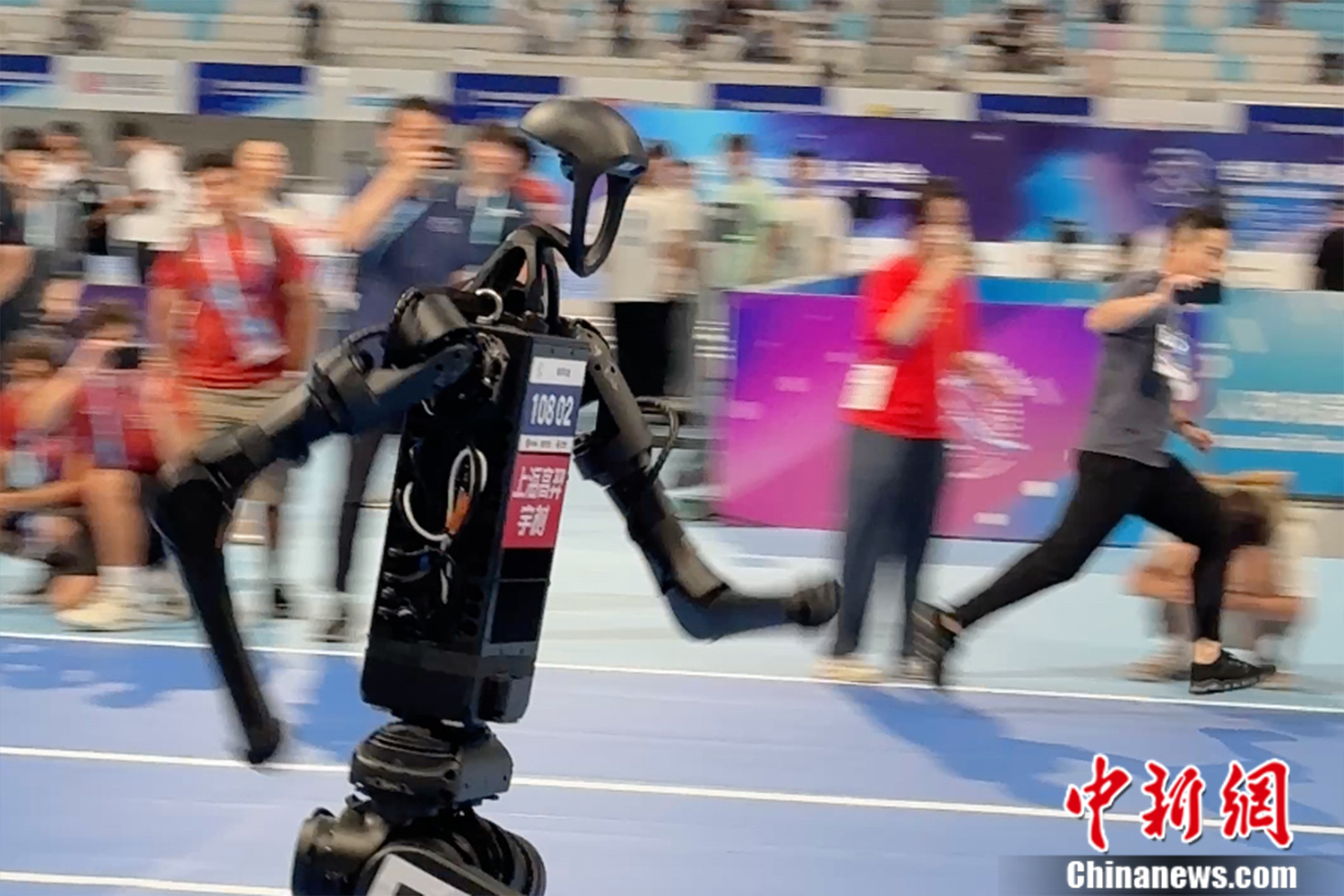
Core Viewpoint - The article highlights the rapid advancements and commercialization of humanoid robots, driven by significant policy support and technological breakthroughs, indicating a promising investment landscape in the robotics industry [3][4][5]. Group 1: Industry Developments - The 2025 World Humanoid Robot Games showcased advancements in robot technology, with China's "Tiangong" winning the 100m autonomous running event in 21.50 seconds, reflecting significant progress in environmental recognition and motion control [3]. - Countries are engaged in a competitive race to develop robot technology, with companies like Tesla, UBTECH, and Xiaomi accelerating their commercialization efforts in various sectors including automotive and logistics [3][4]. - The robotics industry has seen a cumulative increase of 22.13% as of August 15, 2023, driven by favorable policies and market conditions [3]. Group 2: Policy Support - A series of supportive policies, including the establishment of a national artificial intelligence fund exceeding 100 billion yuan, aim to double the density of manufacturing robots in major cities within two years, with subsidies of up to 500,000 yuan per unit [4]. - China is leading the development of international standards for elder care robots, while the EU's AI Act opens up overseas opportunities for compliant companies, providing both financial support and market access for domestic enterprises [4]. Group 3: Technological Advancements - The domestic production rate of key components like harmonic reducers and six-dimensional force sensors is rapidly increasing, with costs dropping by 30-40% compared to imported products [5]. - The success rate of embodied intelligence systems has surpassed 95%, indicating a significant leap in software capabilities [5][6]. - Successful commercial applications, such as welding robots in BYD factories achieving a three-year return on investment, demonstrate the industry's transition from experimental phases to tangible financial returns [6]. Group 4: Market Expansion - The impending mass production of Tesla's Optimus is expected to drive down the price of humanoid robots to around 200,000 yuan, enhancing market accessibility [7]. - Chinese companies are expanding into international markets through technology exports and production partnerships, particularly in Southeast Asia, capitalizing on global trends like aging populations and infrastructure upgrades [7]. Group 5: Investment Opportunities - The growing certainty of industry growth is attracting increased attention in the secondary market for related themes [8]. - The Zhonghang Trend Leading Mixed A Fund has shown a net value growth rate of 157.39% over the past year, significantly outperforming its benchmark [9]. - The fund maintains a high allocation to manufacturing sectors, focusing on key areas such as precision transmission and industrial control, which are directly benefiting from advancements in robotics and smart manufacturing [9][10].

人形机器人为什么“没有脸”?
Zhong Guo Xin Wen Wang· 2025-08-28 06:14
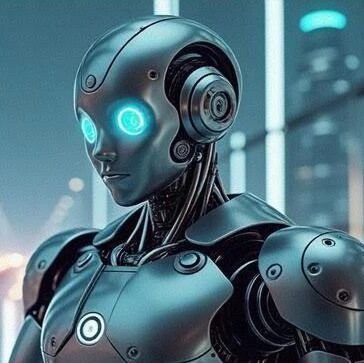
Core Viewpoint - Humanoid robots are rapidly gaining popularity, yet many lack human-like facial features, focusing instead on functionality and practical applications [1][3]. Group 1: Functionality vs. Aesthetics - Many humanoid robots prioritize functional capabilities over facial design, utilizing cameras and microphones to achieve sensory functions without traditional facial features [3][4]. - The design choices reflect a focus on performance, such as the use of multi-camera systems for enhanced environmental perception, rather than mimicking human appearance [3][6]. - Companies like Magic Atom and Accelerated Evolution emphasize the importance of structural reliability and sensor arrangement over facial realism in their robots [3][5]. Group 2: Emotional Interaction and Human-Likeness - Some companies, like EX Robotics, are developing humanoid robots with realistic facial features to enhance human-robot interaction, recognizing that non-verbal communication is crucial in many contexts [5][6]. - The pursuit of facial realism is not merely for aesthetic purposes but aims to improve emotional AI capabilities in various applications, including entertainment and healthcare [5][6]. - The balance between mechanical flexibility and realistic facial design remains a challenge, as overly realistic features may lead to discomfort among users, known as the "uncanny valley" effect [4][5]. Group 3: Industry Trends and Future Directions - The development of humanoid robots is progressing along two distinct paths: those focused on movement and those on biomimicry, both aiming to reshape future production and lifestyle [7]. - Recent government initiatives, such as the "Artificial Intelligence+" action plan, aim to foster the growth of intelligent products, including humanoid robots, to create a comprehensive smart interaction environment [7]. - Future advancements in flexible materials, biomimetic drives, and AI technology may lead to a new era where the design of humanoid robots integrates both functionality and human-like features more seamlessly [7].
中国具身智能企业“全球卡位”
Zhong Guo Chan Ye Jing Ji Xin Xi Wang· 2025-08-25 23:53
Core Insights - The embodied intelligent robot market is rapidly developing and becoming a new focal point in global technology competition, with various players from established companies to startups entering the fray [1] - 2025 is referred to as the "year of submission" for embodied intelligent robots, with the global market expected to exceed $400 billion by 2029, and China holding nearly half of this market share with a compound annual growth rate of nearly 15% [2][3] - Key trends in the market include enhanced perception capabilities, the emergence of large models as core drivers, and the acceleration of open-source sharing [2] Market Dynamics - The industrial sector remains the largest application area, accounting for half of the overall market, with significant demand from the automotive and electronics manufacturing industries [3] - In the first half of 2025, China's industrial robot exports reached 94,200 units, totaling $74.6 million, marking a year-on-year increase of 59.74% [3] - The commercial service sector is experiencing the fastest growth, with a compound annual growth rate exceeding 30% [3] Growth Drivers - The core growth drivers for the market include accelerated technology integration, expanding scene demands, and decreasing costs due to local production and scale [4] - The combination of AI large models, 3D visual perception, and edge computing significantly enhances the adaptability of embodied intelligent robots [4] Global Competitive Landscape - The global market is transitioning from "technology validation" to "industrialization," with a competitive landscape characterized by a multi-polar structure led by the US and China, followed by Europe and Japan [5][6] - US companies focus on technological originality and military applications, while European firms prioritize ethical considerations and compliance in high-risk scenarios [5][6] Chinese Market Position - Chinese companies are rapidly rising in the robotics field through industry chain integration and efficient scene implementation [7] - Companies like Zhiyuan and Qingtong are expanding into international markets with localized strategies, while UBTECH is enhancing its humanoid robot technology [7] Innovation and Application - Various innovative companies are targeting different market segments, such as Zerith Robotics focusing on hotel operations and Fourier providing intelligent rehabilitation solutions [8] - The competition in embodied intelligence is fundamentally a "scene definition" battle, with Chinese firms leveraging their advantages in industrial logistics and elder care services [9]
英伟达重大发布,人形机器人「新大脑」要来了
2 1 Shi Ji Jing Ji Bao Dao· 2025-08-25 02:16
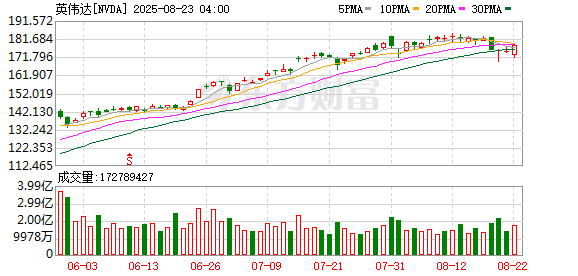
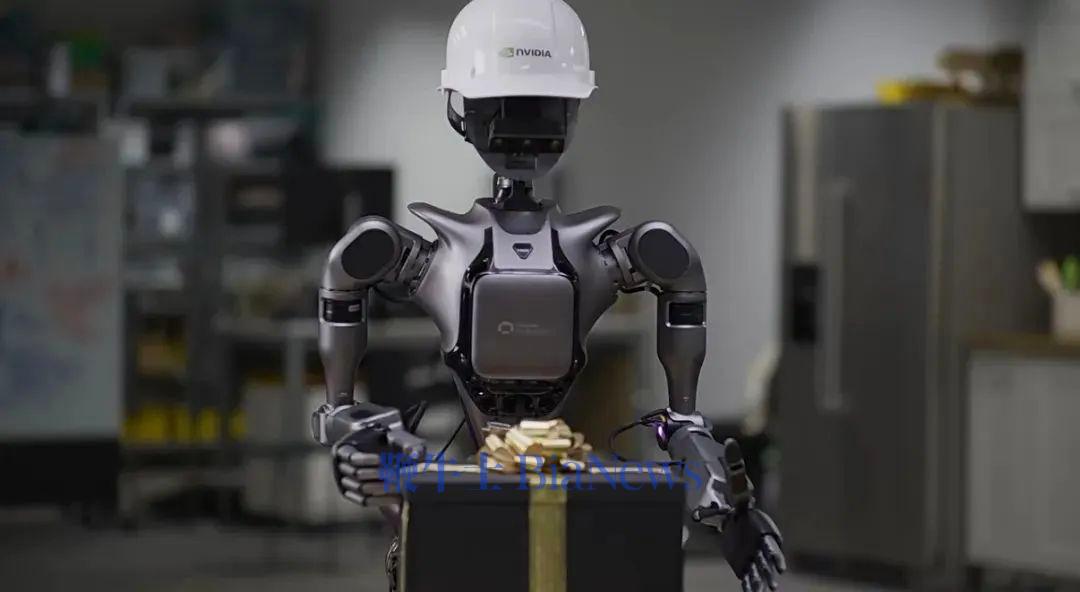
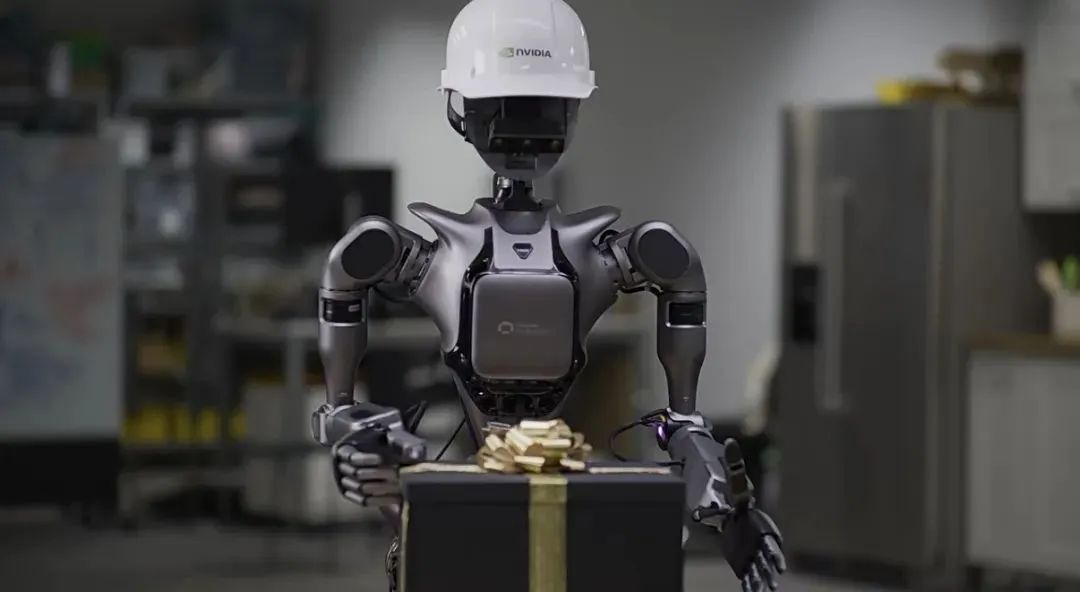
Group 1 - Nvidia is set to unveil its latest humanoid robot technology, referred to as the "new brain" for robots [1][3] - The product launch was teased with a social media post featuring a black gift box and a signed card from founder Jensen Huang [2] - The new brain is designed to enhance the capabilities of various humanoid robots, as indicated by the presence of multiple arm models in the promotional video [5][6] Group 2 - At the recent SIGGRAPH conference, Nvidia introduced the NVIDIA Omniverse library and NVIDIA Cosmos foundational model to accelerate robot solution development [8] - The Cosmos Reason is a new open-source, customizable 70 billion parameter reasoning VLM aimed at enabling robots to understand and interact with the physical world like humans [8] - Nvidia's collaboration with leading Chinese robotics companies, such as Fourier and others, highlights the strong potential of China's robotics industry [9] Group 3 - Nvidia is scheduled to release its Q3 financial report, which is anticipated to stabilize market concerns regarding AI spending [10][11] - Analysts remain optimistic about Nvidia's performance, with at least nine analysts raising their target prices recently, indicating a potential upside of approximately 9% [11] - Melius Research predicts Nvidia's market value could reach $9 trillion by 2030, driven by significant demand for AI infrastructure [11]

英伟达重大发布,人形机器人“新大脑”要来了
2 1 Shi Ji Jing Ji Bao Dao· 2025-08-25 00:14
Group 1 - Nvidia is set to unveil its latest humanoid robot technology, referred to as the "new brain" for robots, with a promotional teaser featuring a signed card from founder Jensen Huang [1][4] - The new brain is designed to enhance the capabilities of humanoid robots, with indications that it is compatible with various models, as demonstrated in a promotional video [3][4] - Nvidia has launched new tools like the NVIDIA Omniverse library and NVIDIA Cosmos, aimed at accelerating the development and deployment of robotic solutions, including a new open-source model for physical AI [4] Group 2 - Nvidia is collaborating with several prominent Chinese robotics companies, including Fourier and others, to develop advanced robotic products, highlighting China's unique capabilities in cost-effective and efficient robot manufacturing [5] - Nvidia is expected to release its Q3 financial report soon, with market participants hoping for results that will stabilize concerns regarding AI spending and confirm the recent stock market rebound [6] - Analysts remain optimistic about Nvidia's stock, with recent target price increases suggesting a potential upside of approximately 9%, and predictions of Nvidia's market valuation reaching $9 trillion by 2030 based on AI infrastructure demand [6]
英伟达重大发布,人形机器人“新大脑”要来了
21世纪经济报道· 2025-08-25 00:11
Group 1 - Nvidia is set to unveil a new humanoid robot "brain" product, with a promotional video featuring founder Jensen Huang encouraging users to "enjoy" their new brain [1][3] - The new brain is designed to be compatible with various humanoid robots, as indicated by the appearance of multiple arm models in the promotional video [3] - Nvidia is intensifying its focus on robotics, having launched new tools like the NVIDIA Omniverse library and NVIDIA Cosmos, which aim to accelerate the development and deployment of robotic solutions [5] Group 2 - Nvidia's upcoming Q3 earnings report is highly anticipated, with traders hoping it will stabilize market concerns regarding AI spending and confirm that the recent stock market rebound is not another tech bubble [7] - Analysts on Wall Street remain optimistic about Nvidia, with at least nine analysts raising their target prices in the past week, now averaging over $194, indicating a potential upside of about 9% from the previous closing price [7] - Nvidia has become the first company to reach a valuation of $4 trillion, with projections suggesting it could reach $9 trillion by 2030, driven by significant demand for AI infrastructure [7]
剧透!英伟达明天公布人形机器人“黑科技”
Shang Hai Zheng Quan Bao· 2025-08-24 09:21
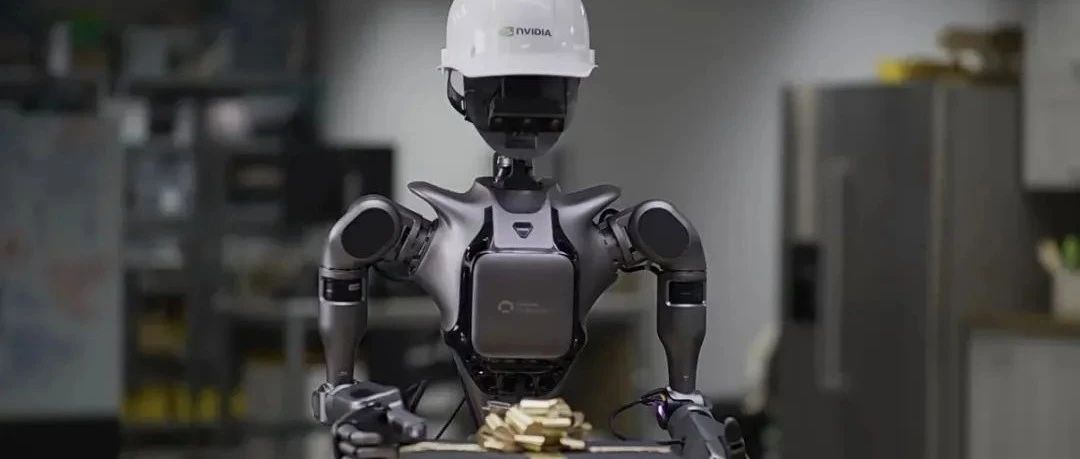
Core Viewpoint - NVIDIA is intensifying its strategic focus on robotics technology, positioning itself for significant growth in the humanoid robot market, which is expected to become as ubiquitous as automobiles in the coming years [5][7][10]. Group 1: Product Launch and Development - NVIDIA teased a new product described as a "new brain" for robots, accompanied by a promotional video featuring various robotic arms, indicating compatibility with multiple humanoid robots [4][5][7]. - The company has introduced new tools such as the NVIDIA Omniverse library and NVIDIA Cosmos foundational models to accelerate the development and deployment of robotic solutions [7]. Group 2: Market Potential and Strategic Vision - Jensen Huang, NVIDIA's founder, expressed optimism about the future of embodied intelligence, predicting significant advancements in robotics within the next two to three years [7][10]. - Huang highlighted that the next wave of AI will be in robotics, emphasizing the importance of reasoning and execution capabilities in understanding the physical world [7][10]. Group 3: Collaborative Efforts - NVIDIA has established partnerships with several Chinese humanoid robot companies, including Fourier, to enhance its robotics ecosystem [8][9]. - Key figures from leading companies in the embodied intelligence sector participated in discussions with NVIDIA executives, showcasing the collaborative efforts to advance robotics technology [9][10]. Group 4: Technological Infrastructure - NVIDIA's approach to robotics encompasses a comprehensive technology stack, including a powerful AI platform for software development, edge computing hardware for real-time decision-making, and simulation technologies for generating synthetic data for AI training [10][11].