
智能养老机器人

Search documents
机遇与梦想,他们以这种方式“打开”中国
Zhong Guo Ji Jin Bao· 2026-02-15 05:00
Core Insights - The article discusses the experiences of foreign entrepreneurs in China, highlighting their motivations and challenges in pursuing their dreams in the Chinese market [1][2][3]. Group 1: Entrepreneurial Experiences - Ali Baghchehsara, a foreign entrepreneur, was inspired to start a company in China after recognizing the country's vast opportunities and potential for growth [11][14]. - Ali plans to establish a company named "Tianqiong Technology" to promote aerospace knowledge through various aviation models, driven by his passion for aerospace and the high value Chinese parents place on education [15][14]. - Another entrepreneur, Pru Le, founded a company called The Forge, focusing on developing intelligent elderly care robots, and has successfully created a prototype with limited initial funding [19][20]. Group 2: Market Insights - The article notes that in 2024, the number of newly established foreign-invested enterprises in China reached 59,080, marking a 9.9% increase from the previous year, indicating a growing confidence among foreign investors [33]. - A report from the American Chamber of Commerce in China revealed that 52% of surveyed American companies expect to achieve profitability or significant profits in 2025, reflecting an improvement in overall financial performance [33].


AI赋能银发经济 成都高新区企业入选工信部典型案例
Mei Ri Jing Ji Xin Wen· 2026-02-09 04:21
Group 1 - Chengdu High-tech Zone has achieved dual milestones in the silver economy sector, with Chengdu Yuefan Innovation Technology Co., Ltd. being selected as a typical case for the Ministry of Industry and Information Technology's 2025 digital elderly care products and services, and Sichuan Jiuyuan Yinhai Software Co., Ltd. being included in the list of key industry chain leaders in Chengdu's silver economy [2] - The Chengdu High-tech Zone focuses on multi-level and diversified elderly care needs, establishing a comprehensive development system for the silver economy driven by policies, enterprises, innovation, and public welfare [2] - The region leverages its strengths in high-end software and artificial intelligence to cultivate and attract quality enterprises in the silver economy, forming a complete industrial chain from technology research and development to product manufacturing and service implementation [2] Group 2 - Chengdu High-tech Zone plans to deepen elderly care service reforms, optimize the development environment for the silver economy, and focus on sub-sectors such as smart elderly care robots and intelligent elderly care platforms [3] - The zone aims to enhance support for enterprise innovation, promote the transformation of quality innovative achievements, and cultivate a robust silver economy industry cluster [3] - The goal is to create a model of happiness for elderly care and establish a growth pole for the silver economy with unique characteristics of Chengdu High-tech Zone [3]

【践行“两高四着力”一线调研行】中原,真中!
Zheng Zhou Ri Bao· 2026-02-02 01:56
Core Viewpoint - The article emphasizes the development and transformation of the Central Plains region, particularly Zhengzhou, focusing on industrial innovation, urban integration, and cultural consumption to drive economic growth and improve quality of life [3][10][22]. Industrial Development - The Central Plains region is enhancing its industrial base by promoting smart manufacturing and digital transformation, with a focus on key sectors such as artificial intelligence, new materials, and low-carbon technologies [5][7]. - In 2025, the region aims to establish a comprehensive development system that integrates application research, enterprise incubation, and results transformation, with a projected industrial investment growth of 11.23% year-on-year [7][9]. - The number of technology service enterprises reached 9,156, with a revenue growth of 25.8% in the first three quarters [7][9]. Urban Integration - The strategy of "one area, multiple parks" is being implemented to enhance urban and industrial integration, leading to efficient resource utilization and increased investment ratios [11][14]. - The region has developed 57 operational industrial carriers, with over 16,000 enterprises registered, contributing 12.92 billion yuan in district-level tax revenue, accounting for 37.35% of the total [13][14]. Investment Attraction - The Central Plains region is actively improving its business environment to attract investments, with new projects signed totaling 48.6 billion yuan and an expected completion of 31.1 billion yuan in new construction projects [18][19]. - The region has successfully attracted high-profile enterprises and talents, enhancing its economic dynamism and fostering a robust investment landscape [19][21]. Cultural and Consumption Development - The region is leveraging cultural and sports events to enhance consumer engagement, hosting over 900 major events and generating significant economic activity [23][25]. - Initiatives to integrate cultural, tourism, and sports sectors are being promoted to transform transient visitors into regular consumers, thereby boosting local economic growth [25][27]. Smart Governance - The Central Plains region is adopting smart governance practices, utilizing data and technology to enhance service delivery and community engagement [28][32]. - A comprehensive data-sharing system has been established, facilitating efficient management and responsive governance to meet community needs [32][29].

科技赋能消费升级
Xin Lang Cai Jing· 2026-01-07 21:21
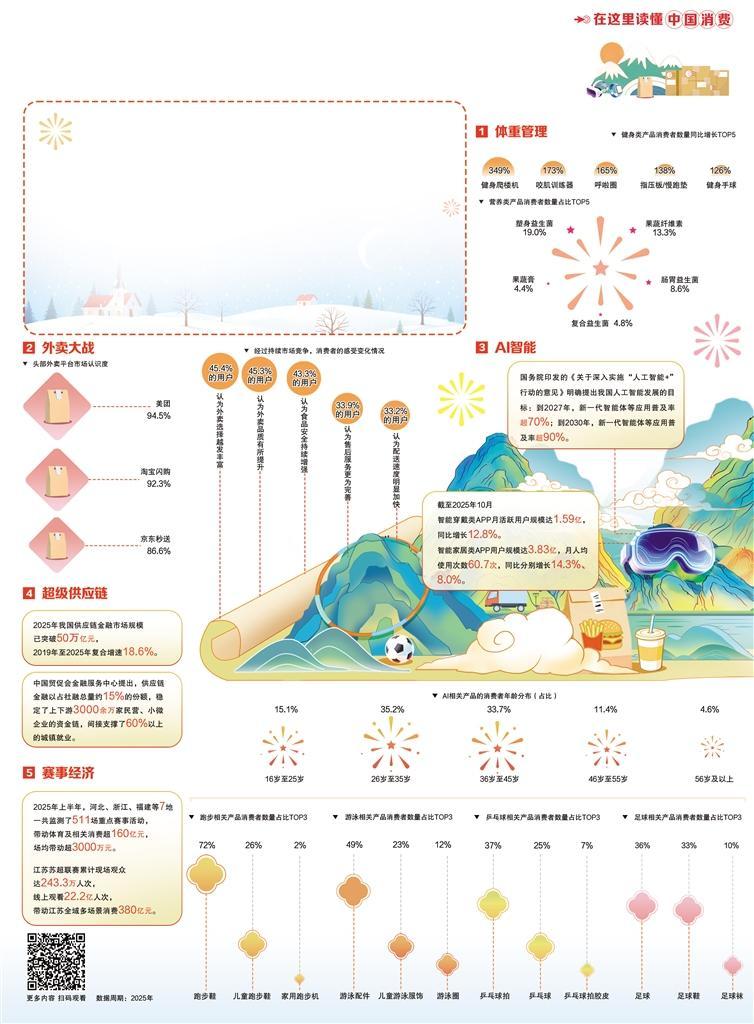
Group 1 - The core viewpoint of the article emphasizes how technology is reshaping consumer ecosystems through various innovative applications and government policies [3][4][5] - Government policies, such as the State Council's "Artificial Intelligence+" initiative, are paving the way for technological consumption by setting clear development goals for 2027, 2030, and 2035 [3][4] - The introduction of policies like trade-in programs for consumer goods has stimulated market innovation, creating a positive cycle of "policy guidance, enterprise innovation, and consumption upgrade" [3][4] Group 2 - More companies are embracing technological changes, transitioning from concepts to practical applications in daily life, such as using unmanned delivery vehicles and smart home appliances [4][5] - The user base for smart home applications is projected to reach 383 million by October 2025, with individuals aged 26 to 45 accounting for nearly 70% of smart product consumption [4] - The supply chain's efficiency is crucial for the growth of technological consumption, with the supply chain finance market expected to exceed 50 trillion yuan by 2025, supporting over 30 million small and micro enterprises [4] Group 3 - Technology is fundamentally altering the relationship between consumers and services/products, making consumption more inclusive across different age groups and scenarios [5] - The ongoing evolution of AI and big data technologies is expected to further penetrate all aspects of consumption, leading to the emergence of new products and services, and driving consumption models towards personalization and refinement [5]
什么是“场景革命”?它为何能打开未来万亿市场的入口?
Sou Hu Cai Jing· 2025-12-28 15:11
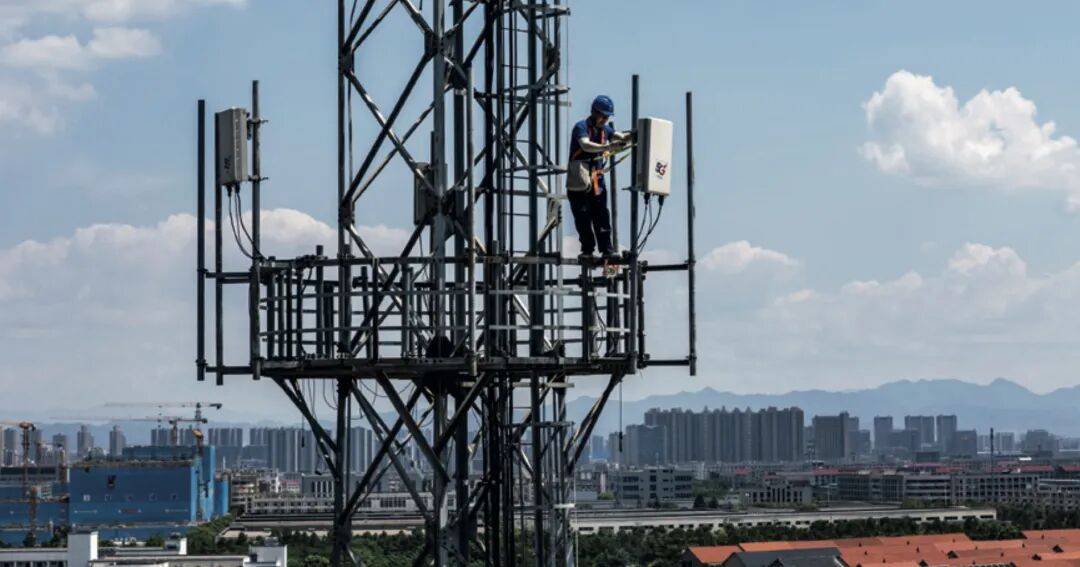
Core Viewpoint - China is undergoing a "scene revolution" aimed at driving growth, reform, and governance optimization through the large-scale application of new technologies and products, as outlined in the recently approved "Implementation Opinions" by the State Council [2][3][4]. Group 1: Background and Current State - China has a solid foundation for advancing the scene revolution, with adequate scene resources, institutional environment, infrastructure, and construction experience [3][6]. - The country faces challenges such as an inadequate revenue mechanism, fragmented resources, administrative and market barriers, and a lack of transformation service systems that hinder scene cultivation and openness [3][9]. Group 2: Strategic Importance - The "14th Five-Year Plan" emphasized innovation as central to modernization, but many technological achievements remain in the pilot stage, necessitating the application of these technologies in real, scalable scenes [4][5]. - The scene revolution is crucial for transforming new demands into economic vitality and restoring market confidence by facilitating the supply-demand cycle [5][10]. Group 3: Policy Framework - The "Implementation Opinions" marks a significant national-level policy initiative to systematically deploy tasks related to scene cultivation and openness, identifying five major market areas and 22 key scenes [10][11]. - The focus is on creating new application scenes in emerging fields, upgrading traditional industries, and addressing urgent needs in various sectors such as emergency management and social governance [11][12][13][14]. Group 4: Infrastructure and Technological Support - China has made significant advancements in new infrastructure, including 5G networks and data centers, which support the widespread application of technologies like big data and artificial intelligence [7]. - The establishment of over 470,500 5G base stations and extensive fiber optic networks has positioned China as a leader in global network infrastructure [7]. Group 5: Industry and Market Opportunities - The scene revolution is expected to unlock a trillion-level market by fostering new business models and enhancing the integration of technology across various sectors [10][15]. - The healthcare sector is projected to see substantial growth, with the smart healthcare market expected to exceed 270 billion yuan by 2030, driven by digital transformation [15]. Group 6: Collaborative Ecosystem - A collaborative ecosystem involving central and local governments, state-owned enterprises, and private companies is essential for nurturing scene-driven innovation [16][19]. - The emphasis is on creating a supportive environment for all stakeholders to participate in scene cultivation and innovation, ensuring equitable access to resources and opportunities [17][18].
2025年智能养老机器人品牌推荐:科技重塑养老边界,智能开启守护纪元
Tou Bao Yan Jiu Yuan· 2025-11-27 12:08
Investment Rating - The report does not explicitly state an investment rating for the smart elderly care robot industry Core Insights - The smart elderly care robot industry in China has transitioned from conceptual demonstrations to practical applications, supported by policy, standards, technology integration, and diverse applications, forming a comprehensive industrial support system [4] - The market size for smart elderly care robots is projected to grow from 9.05 billion in 2020 to 28.17 billion by 2024, with a compound annual growth rate (CAGR) of 32.9%, and further expected to reach 65.79 billion by 2029, with a CAGR of 15.2% [7][8] - The industry is driven by the accelerating aging population and the growing demand for elderly care services, with significant technological advancements enhancing product functionality and reliability [8] Market Background - Smart elderly care robots are defined as intelligent systems designed to assist elderly individuals in daily living, safety monitoring, cognitive enhancement, and emotional companionship, transitioning from human-dependent to human-machine collaborative care [5] - The evolution of the smart elderly care robot market shows a clear progression from single-function exploration to systematic service integration, with recent advancements enabling robots to perform complex tasks such as fall detection and medication reminders [6] Market Status - The market supply of rehabilitation robots has evolved from traction-based to exoskeleton types, with ongoing improvements in comfort, interactivity, and intelligence [9] - The demand for elderly care robots is increasing due to the rapid expansion of elderly care institutions and community facilities, with the number of elderly care institutions growing from 168,000 in 2018 to 363,000 in 2023, a growth rate of approximately 115.5% [10] Market Competition - The competitive landscape is characterized by a focus on rehabilitation robots, with leading companies like Fourier Intelligence dominating this segment, while nursing and companionship robots are emerging fields with varying levels of market maturity [17] - The evaluation of leading brands in the market is based on five dimensions: scene adaptability, R&D strength, integration of medical and care services, operational capability, and safety reliability [11][12][13][14][15] Development Trends - The industry is moving towards a comprehensive service system that integrates smart elderly care robots into various care scenarios, emphasizing the importance of seamless integration with smart elderly care platforms [27] - Technological advancements are driving a shift from perceptual execution to cognitive decision-making in smart elderly care robots, enhancing their ability to provide personalized health assessments and early warnings for abnormal behaviors [28] - Policy support and ecosystem collaboration are facilitating the commercialization of smart elderly care robots, moving from pilot demonstrations to widespread adoption as essential infrastructure in elderly care [29]
能康养 能陪护 能按摩……超30款智能养老机器人亮相工博会
Xin Hua She· 2025-09-26 08:10
Core Viewpoint - The 25th China International Industry Fair in Shanghai has highlighted the growing interest in intelligent elderly care service robots, showcasing over 30 new products from various domestic companies in this sector [2]. Industry Summary - The exhibition features a special section dedicated to intelligent elderly care robots, indicating a significant focus on this emerging market within the broader industrial landscape [2]. - The presence of multiple representative companies in the intelligent elderly care robot sector suggests a competitive and rapidly evolving industry [2].

9月19日午间涨停分析
Xin Lang Cai Jing· 2025-09-19 03:56
Group 1 - Company provides cooling systems for packaging lithography machines for Shanghai Micro Electronics Equipment Group, with a revenue increase from 625.83% to 756.71% [2] - Company offers lithography objectives, contributing to the optical industry [2] - Major US storage leaders have reached historical highs; Taiwanese manufacturers have fully booked DDR4 production capacity for Q4 [2] - Company’s enterprise-level storage is primarily used in servers, data centers, and cloud computing [2] - Huawei plans to launch the world's strongest super node in Q4, with a computing power scale of 8192 cards [2] - Company is a leading player in the global fiber optic cable industry, with advanced hollow core technology [2] - Company’s Micro TEC products have been validated by leading enterprises and are now in mass production [2] - Company is expanding its business in the energy storage sector through precision box systems [2] Group 2 - Company’s controlling shareholder has changed to Yang Gongyi Fan [3] - Company develops chips using the CK802 32-bit core architecture from Pingtouge [3] - Company’s photoresist substrate products are currently in the customer engagement phase [3] - Company has signed a strategic cooperation agreement with Suzhou Nengda to jointly develop flexible electronic skin [3] - Company focuses on the development of intelligent cleaning robots based on a skateboard chassis [3] - Company invests in smart elderly care robot projects, integrating AI with home care [3] Group 3 - Company is a hardware supplier for Leju Robotics [4] - Company participates in the information technology project for the C919 large aircraft [4] - Company is a leading cinema investment and operation brand in China [4] - Company has signed a strategic cooperation framework with Huawei to collaborate in network, cloud computing, and big data [4] Group 4 - Company is a major player in the historical cultural scenic area development, managing several national 5A scenic spots [5] - Company is the second-largest shareholder of Tianke He Da, which is a global leader in SiC chip manufacturing [5] - Company’s main products include silicon carbide crystal growth furnaces [5] - Company has seen price increases in express delivery services across multiple regions [5] Group 5 - Company has been awarded a project for intelligent cockpit domain controllers, with a total amount of approximately 5.6 billion [6] - Company is a leading construction firm in Xinjiang with comprehensive qualifications [6] - Company’s controlling shareholder has changed to Yang Gongyi Fan [6] - Company is deeply involved in AI computing server connections and assembly for Apple hardware [6] Group 6 - Company has a long-standing partnership with Huawei on smart water projects [7] - Company’s subsidiary has mining rights for a gold mine, with an expanded mining scale approved [7] - Company produces silver ion antibacterial fabrics using SILVER+ technology [7]


近500项首发首秀展品!“智”量十足的工博会即将在沪开幕
Xin Hua Cai Jing· 2025-09-12 11:47
Core Viewpoint - The 25th China International Industry Fair (CIIF) will be held from September 23 to 27 in Shanghai, showcasing leading companies in industrial control technology, metal sheet processing, and industrial robotics, with a record number of global and national product debuts [1][2]. Group 1: Event Overview - The exhibition area will cover 300,000 square meters, expected to achieve historical highs in scale, professional audience, and international exhibitor ratio [1]. - The theme of this year's CIIF is "New Quality in Industry, Boundless Intelligent Manufacturing," focusing on building an open and collaborative intelligent industrial ecosystem [1]. Group 2: Special Exhibitions - Three major special exhibitions will be held: the National New Industrialization Exhibition, the Intelligent Elderly Care Robot Exhibition, and the Future Industrial Innovation Exhibition [1][2]. - The National Exhibition will feature significant national achievements, including the C919 large passenger aircraft and the domestically produced cruise ship "Aida·Magic City," along with 1,500 projects aimed at enhancing industrial capabilities [2]. Group 3: Technological Innovations - The Intelligent Elderly Care Robot Exhibition will showcase 31 new products from 17 representative technology brands, emphasizing "warm" industrial intelligence [2]. - Innovations in AI and manufacturing will be highlighted, including a machine tool capable of generating autonomous processing paths with zero human experience and a domestic oral surgery robot that integrates AI for safer and more efficient procedures [2]. Group 4: International Participation - The event will attract nearly 3,000 enterprises from 28 countries and regions, with international exhibitor space reaching new heights [2]. - The Saudi exhibition group will present achievements related to industrial transformation, Industry 4.0, technological innovation, and intelligent manufacturing as part of Saudi Arabia's Vision 2030 [2]. Group 5: Future Innovations - The fair will focus on breakthroughs in cutting-edge fields such as superconductivity, controllable nuclear fusion, atomic-level manufacturing, brain-computer interfaces, and quantum technology [3]. - Future industrial achievements will be showcased, including second-generation high-temperature superconducting tapes and modular small-scale floating nuclear power generation platforms [3].
中国具身智能企业“全球卡位”
Zhong Guo Chan Ye Jing Ji Xin Xi Wang· 2025-08-25 23:53
Core Insights - The embodied intelligent robot market is rapidly developing and becoming a new focal point in global technology competition, with various players from established companies to startups entering the fray [1] - 2025 is referred to as the "year of submission" for embodied intelligent robots, with the global market expected to exceed $400 billion by 2029, and China holding nearly half of this market share with a compound annual growth rate of nearly 15% [2][3] - Key trends in the market include enhanced perception capabilities, the emergence of large models as core drivers, and the acceleration of open-source sharing [2] Market Dynamics - The industrial sector remains the largest application area, accounting for half of the overall market, with significant demand from the automotive and electronics manufacturing industries [3] - In the first half of 2025, China's industrial robot exports reached 94,200 units, totaling $74.6 million, marking a year-on-year increase of 59.74% [3] - The commercial service sector is experiencing the fastest growth, with a compound annual growth rate exceeding 30% [3] Growth Drivers - The core growth drivers for the market include accelerated technology integration, expanding scene demands, and decreasing costs due to local production and scale [4] - The combination of AI large models, 3D visual perception, and edge computing significantly enhances the adaptability of embodied intelligent robots [4] Global Competitive Landscape - The global market is transitioning from "technology validation" to "industrialization," with a competitive landscape characterized by a multi-polar structure led by the US and China, followed by Europe and Japan [5][6] - US companies focus on technological originality and military applications, while European firms prioritize ethical considerations and compliance in high-risk scenarios [5][6] Chinese Market Position - Chinese companies are rapidly rising in the robotics field through industry chain integration and efficient scene implementation [7] - Companies like Zhiyuan and Qingtong are expanding into international markets with localized strategies, while UBTECH is enhancing its humanoid robot technology [7] Innovation and Application - Various innovative companies are targeting different market segments, such as Zerith Robotics focusing on hotel operations and Fourier providing intelligent rehabilitation solutions [8] - The competition in embodied intelligence is fundamentally a "scene definition" battle, with Chinese firms leveraging their advantages in industrial logistics and elder care services [9]