星尘智能

Search documents
从本体到数据,从VLA到VLN!大家在这里抱团取暖
具身智能之心· 2025-07-14 11:15
Core Viewpoint - The article highlights the growth and development of the embodied intelligence community, emphasizing the establishment of a platform for knowledge sharing and collaboration among professionals in the field [1][11]. Group 1: Community Development - The community aims to reach a scale of 2000 members, reflecting significant growth in interest and participation in embodied intelligence [1]. - Various technical routes have been organized internally, providing resources for newcomers and experienced individuals to enhance their knowledge and skills [1][7]. - The community has invited numerous industry experts to engage with members, facilitating discussions on current trends and challenges in embodied intelligence [1]. Group 2: Job Opportunities - The community has established a job referral mechanism with multiple companies in the embodied intelligence sector, allowing members to submit their resumes for potential job openings [2][16]. - Members are encouraged to connect with nearly 200 companies and institutions to discuss the latest industry and academic developments [5][16]. Group 3: Educational Resources - A comprehensive collection of over 30 technical routes and 40+ open-source projects has been compiled to assist members in their learning journey [11][26]. - The community provides access to various datasets, simulation platforms, and learning materials tailored for different aspects of embodied intelligence [30][32]. - Regular discussions and forums are held to address common questions and share insights on topics such as robot simulation, imitation learning, and decision-making processes [12][66]. Group 4: Industry Insights - The community aggregates research reports and industry analysis related to embodied intelligence, enabling members to stay informed about advancements and applications in the field [19][24]. - A directory of domestic and international companies involved in embodied intelligence is available, covering various sectors such as education, logistics, and healthcare [17].


从本体到数据,从VLA到VLN!一个近2000人的具身社区,大家在这里抱团取暖
具身智能之心· 2025-07-11 09:47
Core Insights - The article highlights the growth and development of the embodied intelligence community, aiming to expand to a scale of 2000 members, showcasing various projects and initiatives in the field [1][5]. Group 1: Community Development - The community has witnessed significant advancements with the introduction of various projects such as ACT, RDT-1/RDT-2, CogACT, OpenVLA, π0, and π0.5 [1]. - A total of over 30 technical routes have been organized internally to assist members in finding benchmarks, reviews, and learning pathways, significantly reducing search time [1]. - The community has invited numerous industry experts to engage with members, providing opportunities for Q&A sessions and discussions on the latest developments in embodied intelligence [1]. Group 2: Job Opportunities and Networking - The community has established a job referral mechanism with multiple embodied intelligence companies, facilitating members in submitting their resumes to desired companies [2]. - Members are encouraged to join the community to connect with nearly 200 companies and institutions in the embodied intelligence sector, fostering collaboration and knowledge sharing [5]. Group 3: Educational Resources - The community has compiled a wealth of resources for newcomers, including over 40 open-source projects and nearly 60 datasets related to embodied intelligence [11]. - Various learning paths have been outlined, covering topics such as reinforcement learning, multi-modal large models, and robot navigation, catering to both beginners and advanced members [11][12]. - Regular discussions and sharing sessions are held to address common questions in the field, such as robot simulation platforms and imitation learning for humanoid robots [12]. Group 4: Industry Insights - The community provides a comprehensive overview of domestic and international embodied intelligence companies, covering various sectors such as education, logistics, and healthcare [17]. - Members have access to a collection of industry reports and academic papers, enabling them to stay updated on the latest trends and applications in embodied intelligence [19]. - The community also offers insights into the latest advancements in robotics, including navigation, planning, and multi-modal model integration [41][49].

数据、算法和本体,小白入门很难绕开任何一个部分......
具身智能之心· 2025-06-28 07:48
硬件部分:预算足的实验室有经费购买20-30w的本体,预算不足的同学依赖3D打印自己制作机械 臂或者采购性价比高的硬件平台,甚至在仿真里面做,研究比较受限。 我们的具身社区针对这三个大的模块做了比较充足的分享,包括数据采集方案、本体、仿真以及 算法部分,同时也给大家提供了几款高性价比的机械臂平台,助力研究。 社区目标是3年内打造一个万人聚集的地方,这里也非常欢迎优秀的同学加入我们(目前已经有很 多具身研究前沿的学者加入我们了)!我们和多家具身公司搭建了学术+产品+招聘完整的桥梁和 链路,同时内部在教研板块也基本形成了闭环(课程 + 硬件 + 问答)。社区里也能看到很多最新 的行业观点、技术输出。现在本体是怎么样的?有哪些不足?数据采集的成功率和有效率怎么提 升?sim2real怎么做的有效点?这些都是我们一直关注的。 入门具身离不开3个要素,数据+算法+本体,说实话很多同学只懂算法,甚至说懵懵懂!数据的采 集更是需要经验,遥操和retargeting方案,很多人采集不到真实有效的数据。本体更是许多同学触 不可及的东西,高性价比的平台和仿真是很多同学入门的第一步。 数据部分:遥操采集依赖本体,成本较高。但前处理 ...

又有两位互联网大厂技术“大牛”,入局具身智能赛道创业!
Robot猎场备忘录· 2025-06-28 06:42
温馨提示 : 点击下方图片,查看运营团队2025年6月最新原创报告(共235页) 正文: 近日,又有两位互联网大厂内部具身智能机器人团队骨干( 腾讯Roboticx X实验室副总经理韩磊和字节跳动机 器人团队研究一号位孔涛 )入局具身智能赛道创业或任职。 [腾讯集团]作为国内最早设立机器人研究院的互联网大厂,初期 阵容班底堪称豪华, 早期成果显著,但在这波具 身智能浪潮中接近隐形,随着 3月24日领投国内头部人形机器人创企 [智元机器人]B轮融资,才实现首次入局, 后续又联合领投了[宇树科技]C轮融资,持续以投资方式加码具身智能赛道。 小编往期文章曾经提到,具身智能智能赛道创企中"学院派"背景兼职创业团队占据半壁江山(银河通用、星动纪 元等);其次是 "大厂+高校"双重背景的全职创业公司,这类公司创始人基本来自于自动驾驶行业、 头部互联网 公司内部研究院,其中以自动驾驶行业为主且备受资本青睐(它石智航、星海图等),2024年四季度以来,自动 驾驶领域技术"大牛"纷纷离职后入局具身智能赛道创业,一度刷屏网络,成为"最强"创企派系; 早期互联网大厂 内部设立具身智能机器人相关实验室的并不多, 典型代表是 腾讯Ro ...


Science Robotics最新模块化开源外骨骼系统
机器人大讲堂· 2025-06-28 02:19
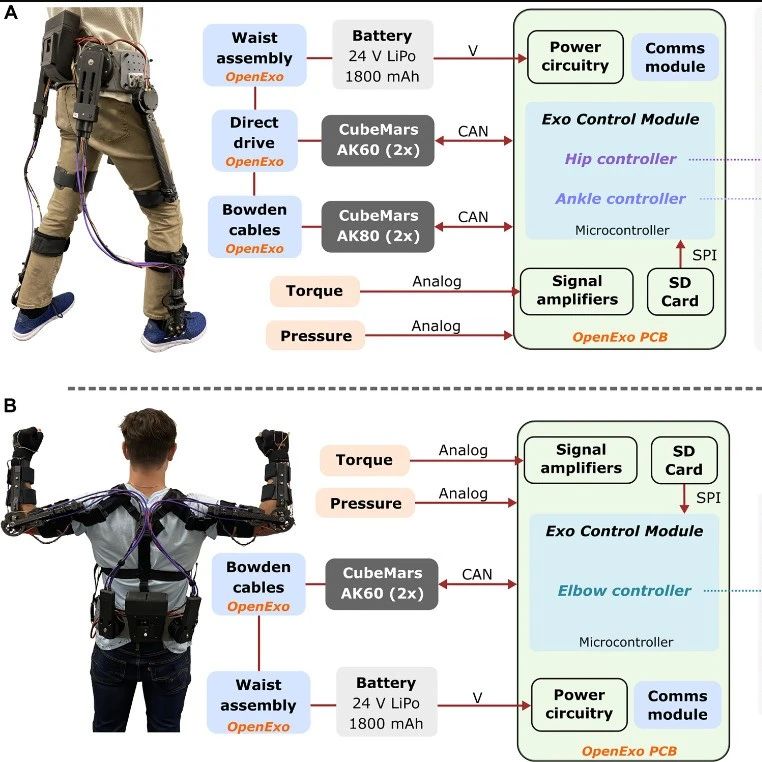
Core Viewpoint - The research team from Northern Arizona University has developed a modular exoskeleton system that is fully open-source, allowing more researchers to participate in this promising field [1][17]. Group 1: Challenges in Exoskeleton Development - Exoskeleton technology has faced high barriers to entry, requiring expertise in multiple disciplines such as mechanical engineering, electrical engineering, robotics, and biomechanics [4][5]. - Current exoskeleton systems are often specialized for specific applications, limiting their adaptability to new research questions and environments [5]. - The existing systems create technology silos, making it difficult to reproduce research results due to independent software and hardware systems [5]. Group 2: OpenExo's Modular Design - OpenExo addresses these challenges with a modular design, allowing users to easily swap hardware modules and modify configurations without extensive coding or redesign [6][8]. - The system consists of four main components: software system, electronic architecture, hardware interface, and control scheme [8]. - The software is developed using C++ and Arduino, emphasizing modularity and reducing code redundancy [9]. - The electronic architecture is designed to be simple and intuitive, using a single board to control up to four joints, which differs from other open-source projects [9]. - Hardware designs include direct-drive hip joints and Bowden cable-driven ankle joints, all compatible with the same belt interface for quick assembly [10]. Group 3: Performance Validation - The system demonstrates high torque tracking accuracy, with root mean square errors for hip, ankle, and elbow joints being 0.30 Nm, 2.00 Nm, and 0.84 Nm respectively [12]. - Battery tests show that the hip joint configuration can run for 35 minutes, while the ankle configuration lasts 25 minutes, indicating potential for extended use with improved battery capacity [12]. - Real-world tests show that the exoskeleton reduces transportation costs by 8% to 18% in various walking scenarios, highlighting its practical value [13][15]. Group 4: Open Source and Community Engagement - OpenExo's significant contribution lies in its open-source philosophy, providing complete software packages, electrical designs, and hardware instructions [17][18]. - The research team aims to create an open research community, inviting contributions from various disciplines to accelerate exoskeleton technology development [19]. - The unified open-source platform allows for large-scale collaborative research, improving the reproducibility of results across different institutions [20]. Group 5: Future Improvements - The research team acknowledges that battery life remains a key limitation, particularly in high-torque applications, and is exploring ways to enhance battery efficiency [21]. - Continuous optimization of the Python application is planned, with features like deep learning and human-machine collaboration being considered for future updates [21].
550万护工缺口下,“电子孙辈”上岗养老院,养老机器人如何托起3亿人的晚年?
3 6 Ke· 2025-06-26 00:24
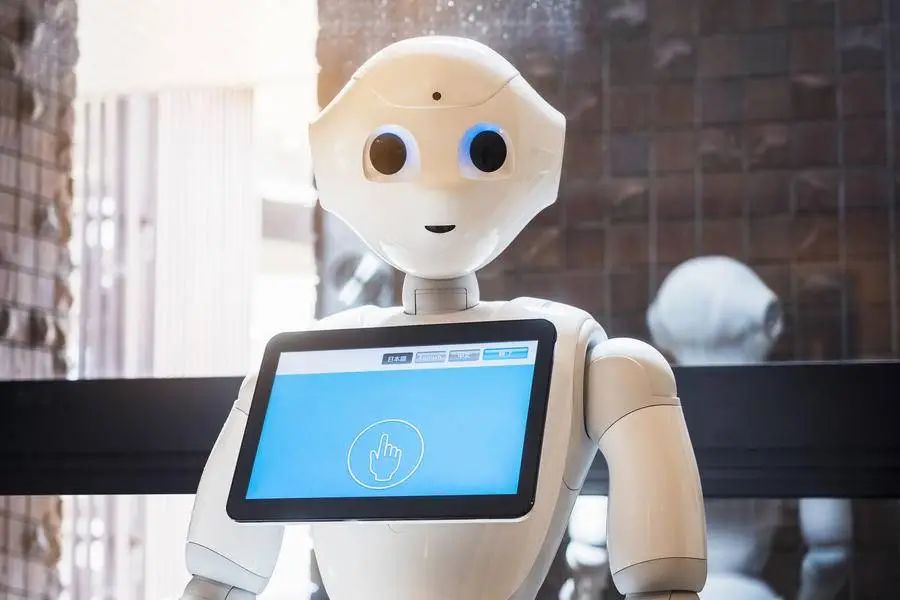
Group 1: Aging Population and Caregiver Shortage - China's aging population is rapidly increasing, with projections indicating that by the end of 2024, there will be 310 million people aged 60 and above, accounting for 22% of the population, and expected to exceed 400 million by 2035 [1] - The World Health Organization reports that the aging rate in China is significantly faster than that of other middle and low-income countries, with the proportion of those aged 60 and above expected to rise from 12.4% in 2010 to 28% by 2040 [1] - There is a severe shortage of caregiving resources, with a reported gap of 5.5 million caregivers by 2024 and 40 million disabled elderly individuals, while only 20,000 certified caregivers are available [1] Group 2: Technological Solutions and Market Potential - The aging population's challenges have led to a surge in the demand for eldercare robots, which integrate AI, sensors, and mechanical engineering to assist with daily care, health management, and emotional support [4] - The market for eldercare robots is projected to reach approximately 79 billion yuan in 2024, with a compound annual growth rate of 15%, potentially reaching 159 billion yuan by 2029 [5] - More optimistic estimates suggest that the market could exceed 300 billion yuan in 2024 and reach 500 billion yuan by 2025, with a compound growth rate exceeding 30% [5] Group 3: Policy and Investment Landscape - The Chinese government is implementing policies to support the eldercare robot industry, including subsidies and pilot programs, with local governments offering significant financial incentives for the purchase of these robots [4][5] - There has been a notable increase in investment in the smart eldercare sector, with 112 financing events reported from early 2024 to May 2024, amounting to 11.6 billion yuan [5] - The Ministry of Industry and Information Technology and the Ministry of Civil Affairs have initiated pilot programs to deploy eldercare robots in homes and institutions by 2027 [5] Group 4: Types of Elderly Care Robots - The main categories of eldercare robots include rehabilitation robots, which hold a 60% market share, caregiving robots with a 34% share, and companionship robots that provide emotional support [8][10] - Rehabilitation robots assist with physical therapy and recovery, while caregiving robots help with daily living activities and health monitoring [10][12] - Companionship robots aim to fill the emotional void for the elderly, offering social interaction and entertainment [12] Group 5: Challenges and Limitations - Despite the potential, the eldercare robot industry faces significant challenges, including high equipment costs, reliance on professional caregivers, and limited emotional engagement capabilities [15][16] - Current rehabilitation robots have a high idle rate, with 83% of devices not being used effectively due to the need for specialized training [15] - Caregiving robots struggle in complex home environments, often failing to perform tasks accurately due to navigation issues [15][16] Group 6: Future Outlook - The development of humanoid robots is seen as a potential breakthrough for the eldercare sector, with advancements in technology allowing for more adaptable and interactive solutions [17][19] - However, the industry still faces hurdles in terms of technical capabilities, energy consumption, and emotional interaction, which need to be addressed for widespread adoption [23][24] - The focus is shifting towards a collaborative approach where humans handle emotional aspects while robots manage physical tasks, emphasizing the importance of human touch in eldercare [24]

入门具身离不开3个要素,数据+算法+本体
具身智能之心· 2025-06-23 13:54
Core Insights - The article emphasizes the importance of three key elements in embodied intelligence: data, algorithms, and embodiment. Many individuals only understand algorithms, while data collection requires experience and effective strategies [1][2] - The community aims to create a platform for knowledge sharing and collaboration in the field of embodied intelligence, targeting a membership of 10,000 within three years [2][6] Data Collection - Remote operation data collection relies on embodiment and is costly, but preprocessing and postprocessing are simpler, yielding high-quality data suitable for robotic arms [1] - The community provides various data collection strategies and high-cost-performance robotic arm platforms to support research [1][2] Algorithm Development - Common technologies in embodied intelligence include VLN, VLA, Diffusion Policy, and reinforcement learning, which require continuous reading of academic papers to stay updated [1] - The community offers a comprehensive set of learning paths and resources for newcomers and advanced researchers alike [9][12] Hardware and Resources - Well-funded laboratories can purchase high-cost embodiment systems, while those with limited budgets may rely on 3D printing or cost-effective hardware platforms [1] - The community has compiled a list of over 40 open-source projects and nearly 60 datasets related to embodied intelligence, along with mainstream simulation platforms [9][26][28] Community Engagement - The community has established connections with various companies in the field, creating a bridge for academic collaboration, product development, and recruitment [2][6] - Members can access job postings, industry insights, and a supportive environment for learning and networking [5][12] Educational Content - The community provides a wealth of educational materials, including summaries of research papers, books, and learning routes across various topics in embodied intelligence [10][18][20] - Regular discussions and Q&A sessions are held to address common challenges in the field, such as data collection platforms and robot learning techniques [11][12]
蚂蚁集团频频出手具身智能,新投资宇树科技、钛虎、灵心巧手
机器人圈· 2025-06-23 09:45
Core Insights - Ant Group has recently made three investments in the embodied intelligence sector, becoming one of the most active internet giants in this field [1][2] - The investments include humanoid robot manufacturer Yushu Technology, Titan Robot, and dexterous hand component company Lingxin Qiaoshou [1][2] - Yushu Technology completed its Series C financing round with Ant Group and other major investors leading the round, indicating high confidence in the company's potential [1][2] Investment Details - On June 19, Yushu Technology confirmed the completion of its Series C financing, with Ant Group, China Mobile's fund, Tencent, and others participating [1] - Titan Robot, established in August 2020, focuses on high-performance integrated joints and has received backing from notable venture capital firms [1][2] - Lingxin Qiaoshou's angel round financing was also led by Ant Group, highlighting the company's role in developing key components for humanoid robots [2] Company Strategy - Ant Group has previously invested in startups like Xinghai Map and Stardust Intelligence, indicating a strategic focus on the embodied intelligence sector [2] - In March, Ant Group established Ant Lingbo Technology to expand its capabilities in the robotics sector, targeting applications in family, elderly care, and healthcare [2]
蚂蚁集团频频出手具身智能,新投资宇树科技、钛虎、灵心巧手
Nan Fang Du Shi Bao· 2025-06-21 08:22
Investment Activities - Ant Group has made three recent investments in the embodied intelligence sector, becoming one of the most active internet companies in this field [1][3] - The investments include humanoid robot manufacturer Yushu Technology, Titan Robot, and dexterous component company Lingxin Qiaoshou [1][3] - Yushu Technology completed its Series C financing round with Ant Group, China Mobile's fund, Tencent, and others as lead investors, with a notable investor stating it is the most certain target in this round [1][3] Company Profiles - Titan Robot, established in August 2020, focuses on high-performance integrated joints and has developed various bipedal and wheeled humanoid robots, previously backed by well-known venture capital firms [3] - Lingxin Qiaoshou, which specializes in dexterous hands for humanoid robots, received angel round financing with Ant Group and CICC Capital as new shareholders, following a seed round in April [3] - The price range for Lingxin Qiaoshou's dexterous hand products varies from 8,800 to 99,900 yuan [3] Previous Investments - Ant Group has previously invested in startups in the embodied intelligence sector, including Xinghaitu and Xingtian Intelligent, with significant funding rounds led by Ant Group [3] - In November 2024, Xinghaitu completed over 200 million yuan in Pre-A round financing, with Ant Group as a lead investor [3] Research and Development - Ant Group is also developing its own embodied intelligence robots through Shanghai Ant Lingbo Technology, which aims to create leading robotic products for home, elderly care, and healthcare sectors [4]
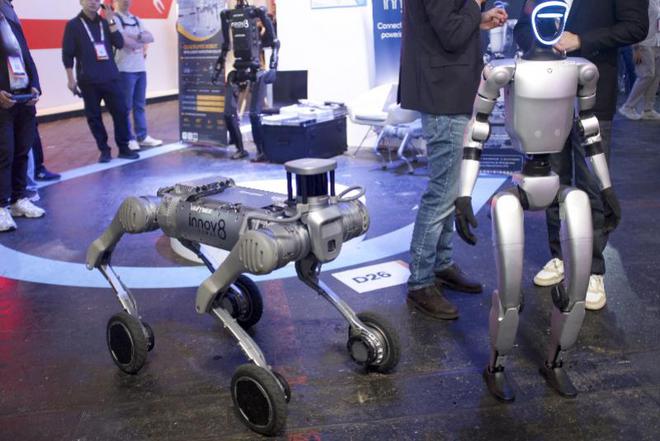
星尘智能来杰:具身智能 “超级助理” 如何走进真实世界? | Deep Talk
锦秋集· 2025-06-11 12:22
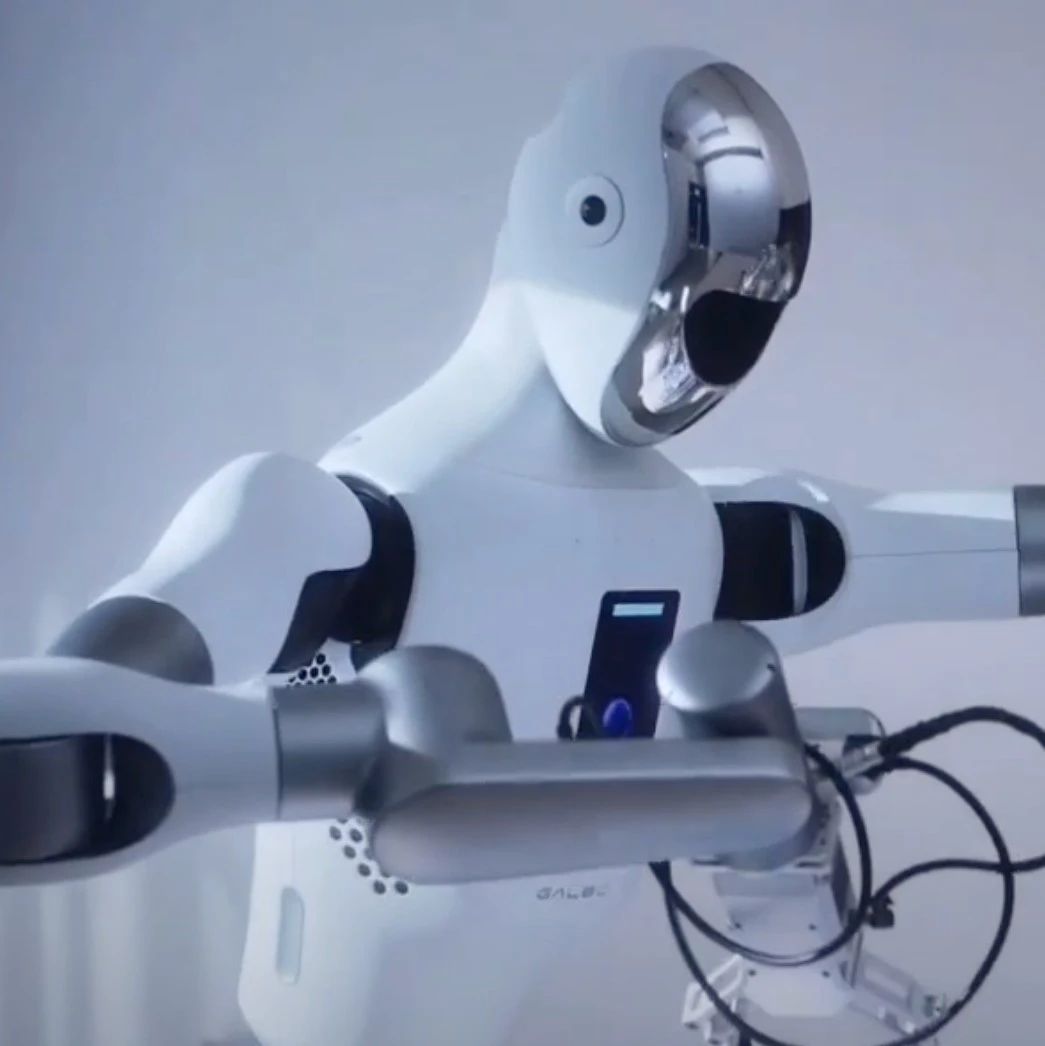
Core Viewpoint - The article presents the vision of Stardust Intelligence, led by founder Lai Jie, to create embodied intelligence that enhances human creativity and intelligence through advanced robotics, rather than merely replacing human jobs [2][4]. Group 1: Company Vision and Philosophy - Lai Jie emphasizes the importance of creating a new "incremental market" for embodied intelligence, positioning robots as "super assistants" that amplify human capabilities [2][4]. - The company aims to redefine intelligence not as the absence of mistakes but as the ability to adapt and learn from failures, akin to human problem-solving [4][5]. Group 2: Technical Innovations - Stardust Intelligence adopts a unique "rope drive" mechanism for its robots, which mimics biological tendons, allowing for better force perception and control compared to traditional methods [4][30]. - The company focuses on a "fast-slow brain" model architecture, where the fast system handles immediate reactions while the slow system manages higher-level planning, ensuring robust decision-making in real-world scenarios [5][26]. Group 3: Data Strategy and Learning - Stardust's approach to data collection emphasizes efficiency, aiming to reduce the amount of data needed for training tasks from 1,000 to just 20 by enhancing the model's transfer learning capabilities [5][45]. - The company believes in the importance of "imitation learning" and "random adaptability," allowing robots to learn from fewer examples and adapt to new tasks through trial and error [42][46]. Group 4: Market Positioning and Future Directions - Lai Jie envisions Stardust Intelligence as a company that will revolutionize the market by making robots affordable and practical for everyday use, particularly in domestic settings [22][24]. - The company is actively pursuing partnerships, such as with a nursing home, to implement robots in real-life scenarios, demonstrating their commitment to enhancing human life rather than replacing it [63][66]. Group 5: Long-term Vision - The ultimate goal is to create robots that can perform complex tasks, thereby unlocking new levels of human creativity and productivity, similar to how personal computers transformed information access [18][66]. - The relationship between embodied intelligence and world models is seen as symbiotic, where advancements in one area will enhance the other, leading to a more comprehensive understanding of both digital and physical realities [67][68].