
珀莱雅

Search documents
毛戈平林清轩们资本市场交锋 但上市仅是开始
2 1 Shi Ji Jing Ji Bao Dao· 2026-01-16 23:38
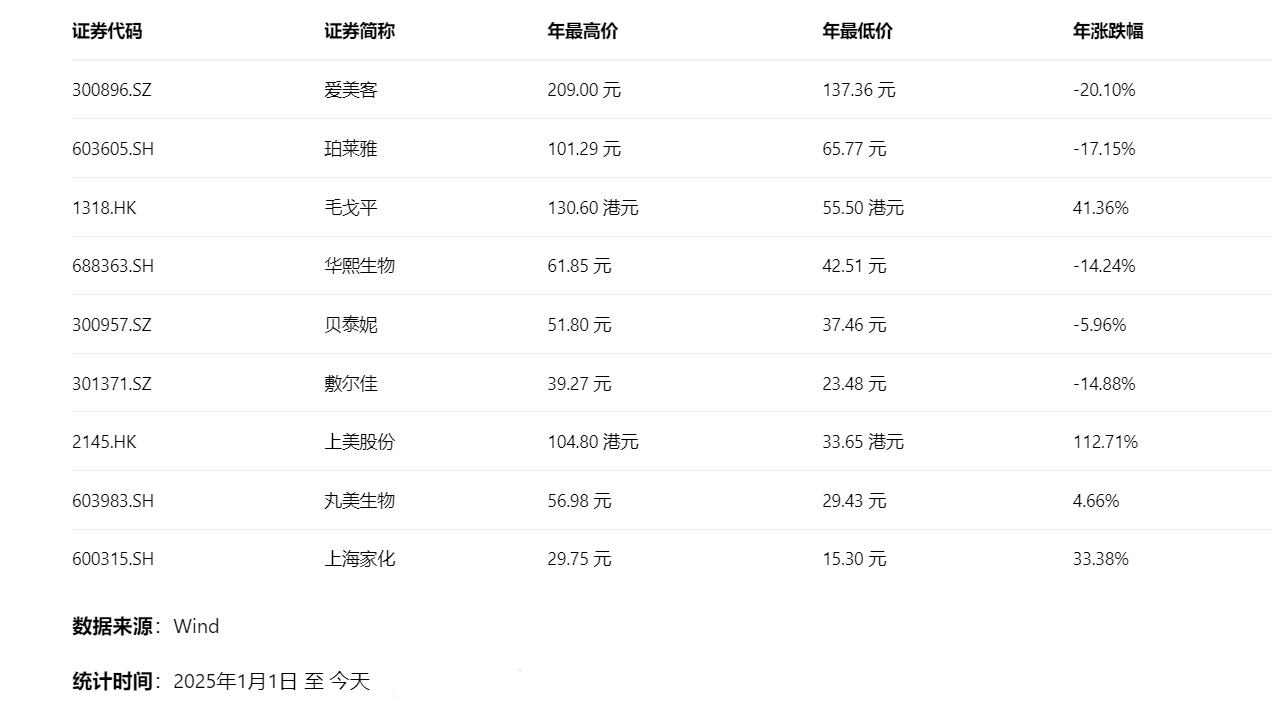
Core Insights - The surge of Chinese beauty brands aiming for IPOs on the Hong Kong Stock Exchange reflects a strong desire for growth and market expansion within the industry [1][7] - The listing of Lin Qingxuan marks a significant milestone as it aims to enhance its multi-brand and global strategy [1][7] - The performance of beauty stocks varies significantly, with some brands experiencing substantial declines post-IPO [2][8] Industry Trends - Over 41 beauty-related companies have pursued IPOs since 2025, covering various segments of the supply chain [1][7] - Lin Qingxuan's IPO on December 30, 2025, was well-received, with its stock price rising 9.3% on the first day, achieving a market capitalization of over 11.8 billion HKD [2][8] - Conversely, brands like Pechoin have faced stock price declines, with a notable drop in revenue growth, indicating market concerns about sustainability [2][8] Market Challenges - Several previously popular brands, such as Betaini and Huaxi Biological, have seen stock price declines, suggesting a reevaluation of their growth models and valuations [3][8] - The internationalization strategies of these brands are still in early stages, with limited overseas sales contributing to overall revenue [4][11] - Brands face challenges in establishing a strong presence in international markets, often relying heavily on domestic success factors like online marketing and social media [11][12] Strategic Moves - Companies are increasingly focusing on international expansion, with many viewing the Hong Kong listing as a critical step towards building global brand recognition [4][10] - Pechoin has made strategic investments to enhance its capabilities, including acquiring stakes in medical companies to bolster its credibility [12] - Lin Qingxuan and other brands are exploring overseas markets, but their current international sales remain minimal, highlighting the need for stronger brand positioning abroad [11][12]
美妆企业失去流量红利,它们正在放弃达人直播
Di Yi Cai Jing· 2026-01-16 15:31
Core Insights - The beauty brand Opal's founder, Zhou Yan, highlighted the increasing commission rates for influencers in live streaming, projecting it to reach 60% by 2025, indicating a significant challenge for beauty companies in managing rising costs of traffic acquisition [1][5] - Domestic beauty brands have gained market share over foreign brands, with Proya achieving over 10.7 billion RMB in revenue in 2024, marking it as the first Chinese beauty brand to surpass the 10 billion RMB threshold [4][10] - The live streaming e-commerce model has been crucial for the rise of domestic beauty brands, but the industry is facing regulatory scrutiny and a shift towards self-broadcasting as influencer costs become unsustainable [4][6] Industry Challenges - The beauty industry is experiencing a "traffic anxiety," with companies like Proya heavily reliant on platforms like Douyin and Tmall, where online sales account for over 90% of their revenue [5][10] - Proya's sales expenses reached 5.16 billion RMB in 2024, constituting 47.9% of its revenue, with a notable increase in promotional costs, indicating diminishing returns on marketing investments [5][9] - The trend of relying on influencer marketing is declining, with companies urged to develop their own content capabilities to ensure long-term sustainability [6][7] Market Dynamics - The cost of acquiring traffic has surged, with CPM rates on short video platforms rising from 30-50 RMB in 2020-2021 to 300 RMB by 2025, necessitating a multi-channel approach to reduce costs [8][9] - The beauty market has seen a stagnation in new brand emergence, with existing brands needing to focus on product development and brand positioning to remain competitive [9][10] - The disparity in R&D investment between domestic and foreign brands is significant, with foreign companies like L'Oréal investing around 13 billion euros (approximately 100 billion RMB) in R&D, comparable to Proya's total revenue [10][11] Future Outlook - The current landscape suggests that while domestic brands have capitalized on the e-commerce boom, they face a long road ahead to compete with global giants like L'Oréal and Shiseido, particularly in terms of brand development and international expansion [11][12]



美妆企业失去流量红利
Di Yi Cai Jing· 2026-01-16 14:01
Core Insights - The beauty brand Opal's founder, Zhou Yan, highlighted the increasing commission rates for influencers in live streaming, projecting a rise to 60% by the end of 2025, indicating a significant challenge for beauty companies in managing costs and maintaining profitability [2][5] - Domestic beauty brands have gained market share over foreign brands, with Opal achieving over 10.7 billion yuan in revenue in 2024, marking it as the first Chinese beauty brand to surpass the 10 billion yuan threshold [4][16] - The shift from influencer-driven sales to self-operated content is becoming a trend as companies seek to reduce dependency on high commission rates and improve their own content capabilities [7][11] Industry Challenges - The beauty industry is experiencing a flow of anxiety due to rising costs associated with influencer marketing, with sales expenses for Opal reaching 51.6 billion yuan in 2024, accounting for 47.9% of its revenue [5][6] - The marginal returns on channel investments are diminishing, as evidenced by Opal's revenue growth rate lagging behind its sales expense growth by 8 percentage points in 2024 [6] - The market is witnessing a decline in new brand emergence, with companies needing to adapt to a more rational approach rather than relying on opportunistic strategies [13][14] Competitive Landscape - The competitive environment is intensifying, with domestic brands facing significant pressure from established foreign brands like L'Oréal and Procter & Gamble, which have more robust R&D and marketing systems [16][17] - The disparity in R&D investment is stark, with L'Oréal's R&D expenditure in 2024 reaching approximately 13 billion euros (around 100 billion yuan), comparable to Opal's total revenue [16] - The potential for domestic brands to rank among the top global beauty companies is limited by their reliance on the Chinese market, which does not support the scale needed for global competitiveness [16][17]

毛戈平林清轩们资本市场交锋,但上市仅是开始
2 1 Shi Ji Jing Ji Bao Dao· 2026-01-16 13:10
Core Insights - The Chinese beauty industry is experiencing a surge in IPOs, with over 41 beauty-related companies aiming for listings on the Hong Kong Stock Exchange since 2025, indicating a strong desire for growth and market expansion [1] - Lin Qingxuan's listing marks the beginning of its multi-brand and global strategy, while the stock performance of other brands like Maogeping shows significant volatility post-IPO [1][2] Group 1: Market Trends - Lin Qingxuan officially listed on the Hong Kong Stock Exchange on December 30, 2025, with an initial share price of 77.77 HKD, opening at 85 HKD, a 9.3% increase, and achieving a market capitalization of over 11.8 billion HKD [2] - Other companies like Perlay and Marubi are facing challenges, with Perlay's stock experiencing a significant decline and a slowdown in revenue growth, raising concerns about its market position [3][4] Group 2: Internationalization Efforts - Many beauty brands are focusing on internationalization as a core strategy, with companies like Perlay and Natural Hall aiming to enhance their global brand recognition through their IPOs [6][7] - Despite the ambitions, most brands still rely heavily on the domestic market for revenue, with limited success in overseas sales [7][8] Group 3: Investment and Development - Brands are investing in acquisitions and partnerships to strengthen their market presence, such as Perlay's investment in the cosmetic brand Huazhi Xiao and collaborations with private equity firms for global expansion [7][8] - The imbalance between marketing and research and development is a concern, as many brands have low R&D investments compared to their marketing expenditures, which may hinder their competitiveness in international markets [8][9]
美妆企业失去流量红利
第一财经· 2026-01-16 13:07
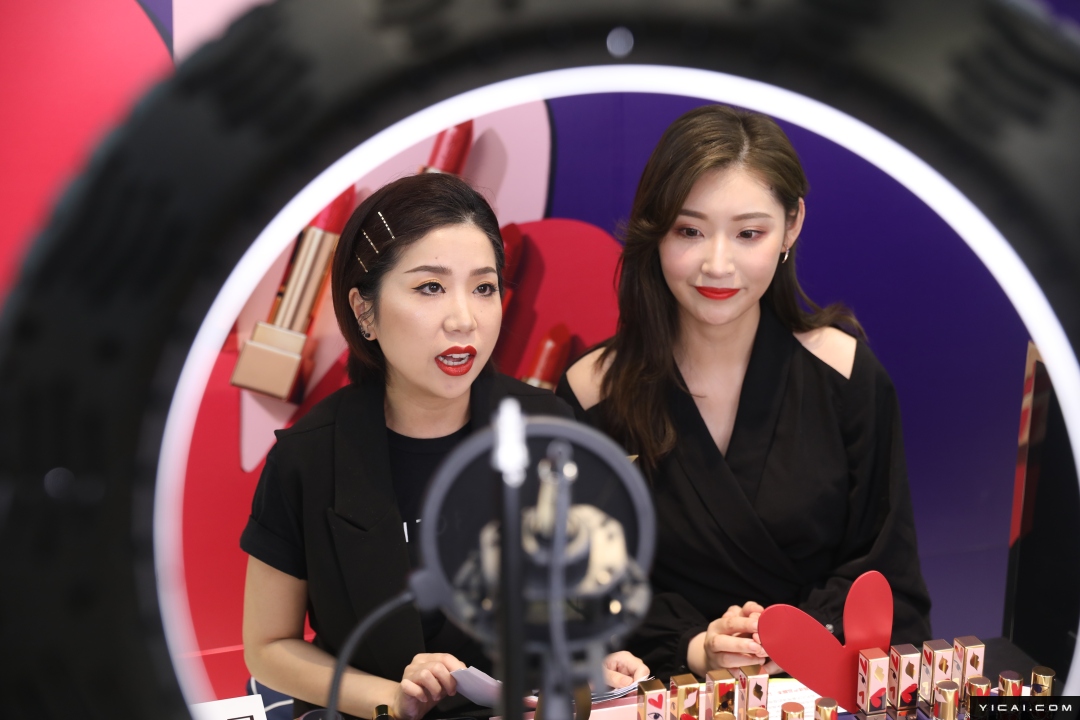
Core Viewpoint - The beauty industry in China is facing a flow dilemma, with increasing commission rates for live-streaming influencers, which has led to a significant rise in marketing costs and a decline in profitability for many brands [3][4][7]. Group 1: Industry Trends - The commission rate for influencers in live-streaming is projected to rise from 40% in 2024 to 60% in 2025, indicating a shift in the cost structure for beauty brands [7]. - Domestic beauty brands have gained market share, surpassing foreign brands in 2024, with Proya achieving over 10.7 billion yuan in revenue, becoming the first Chinese beauty brand to exceed this threshold [6][16]. - The live-streaming e-commerce model has provided domestic brands with opportunities to compete against established foreign brands, which have more complex organizational structures [6][16]. Group 2: Financial Insights - Proya's sales expenses reached 5.16 billion yuan in 2024, accounting for 47.9% of its revenue, highlighting the high cost of marketing in the current environment [7]. - The growth rate of Proya's revenue in 2024 was 8 percentage points lower than the growth rate of its sales expenses, indicating diminishing returns on marketing investments [7]. - Research and development (R&D) spending for Proya was only 2.1 billion yuan in 2024, representing about 1.9% of its revenue, which is significantly lower than its marketing expenses [15][16]. Group 3: Strategic Shifts - Many companies are transitioning from relying on influencer marketing to developing their own content, as the effectiveness of influencer-driven sales diminishes [8][11]. - The trend indicates a need for brands to enhance their content capabilities to survive in a competitive market [11]. - The beauty industry is witnessing a decline in new brand emergence, with existing brands needing to focus on product development and brand positioning to remain competitive [15][17]. Group 4: Market Challenges - The cost of advertising on short video platforms has surged, with CPM rates increasing from 30-50 yuan in 2020-2021 to 300 yuan during the 2025 Double 11 shopping festival [14]. - The market is becoming increasingly competitive, with a plethora of beauty brands leading to intense competition and consumer choice [15][17]. - The disparity in R&D investment between domestic and foreign brands remains significant, with foreign companies like L'Oréal investing around 13 billion euros (approximately 100 billion yuan) in R&D, nearly equal to Proya's total revenue [16].

美妆企业失去流量红利,它们正在放弃达人直播 | 海斌访谈
Di Yi Cai Jing· 2026-01-16 12:29
Core Insights - The commission rate for influencer live streaming in the beauty industry is expected to rise significantly, from 40% in 2024 to 60% in 2025, indicating increasing costs for brands [1][5] - Domestic beauty brands are facing challenges due to rising traffic costs and a shift in consumer behavior, leading to a need for more sustainable business models [4][16] Group 1: Industry Trends - The rise of influencer live streaming has been crucial for the growth of domestic beauty brands, allowing them to gain market share against established foreign brands [4][15] - In 2024, domestic beauty brands surpassed foreign brands in market share, with Proya achieving over 10.7 billion yuan in revenue, becoming the first Chinese beauty brand to exceed 10 billion yuan [4][15] - The influencer-driven sales model is becoming less effective, with many brands transitioning to self-operated content to reduce dependency on high commission rates [6][8] Group 2: Financial Insights - Proya's sales expenses reached 5.16 billion yuan in 2024, accounting for 47.9% of its revenue, highlighting the high cost of marketing and promotion [5][14] - The growth rate of Proya's revenue in 2024 was 8 percentage points lower than the growth rate of its sales expenses, indicating diminishing returns on marketing investments [5] - Research and development (R&D) spending remains low in comparison to marketing expenses, with Proya's R&D investment at only 2.1 billion yuan, about 1.9% of its revenue [14][15] Group 3: Market Dynamics - The beauty market is experiencing a decline in new brand emergence, with existing brands struggling to maintain growth amid rising costs and competition [13][14] - The CPM (cost per thousand impressions) for advertising on short video platforms has surged from 30-50 yuan in 2020-2021 to 300 yuan during the 2025 Double Eleven shopping festival, reflecting increased advertising costs [13] - The competitive landscape is intensifying, with many brands needing to focus on product development and brand positioning rather than relying solely on traffic-driven sales strategies [14][16]
化妆品板块1月16日跌0.63%,锦盛新材领跌,主力资金净流出8996.93万元
Zheng Xing Xing Ye Ri Bao· 2026-01-16 09:03
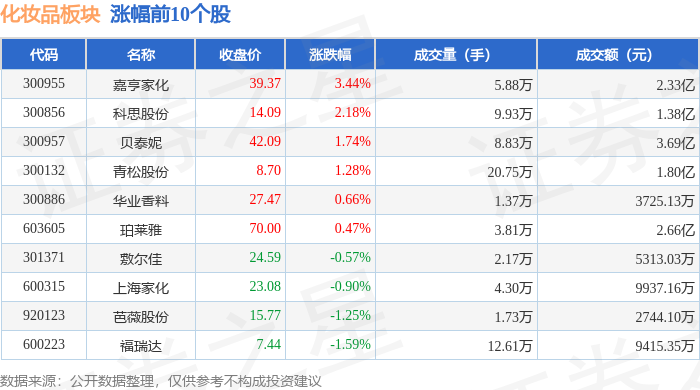
Group 1 - The cosmetics sector experienced a decline of 0.63% on January 16, with Jinsheng New Materials leading the drop [1] - The Shanghai Composite Index closed at 4101.91, down 0.26%, while the Shenzhen Component Index closed at 14281.08, down 0.18% [1] - Key stocks in the cosmetics sector showed varied performance, with Jiaheng Jiahua rising by 3.44% to a closing price of 39.37, while Jinsheng New Materials fell by 5.09% to 17.54 [2] Group 2 - The net outflow of main funds in the cosmetics sector was 89.97 million yuan, while retail investors saw a net inflow of 82.30 million yuan [2] - The main fund inflow for key stocks included 28.22 million yuan for Proya, while Jinsheng New Materials had a net outflow of 3.97 million yuan [3] - Retail investors showed a significant net inflow in stocks like Jiaheng Jiahua and Beitaini, while Jinsheng New Materials and Shanghai Jahwa experienced outflows [3]
礼赠市场,消费者青睐怎样的年货?
Xin Hua Wang· 2026-01-16 07:11
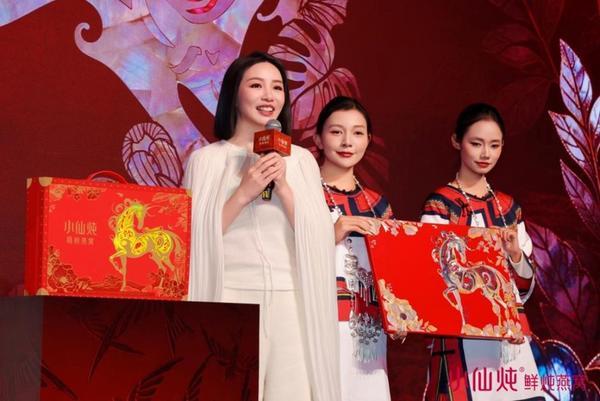
Core Insights - The article highlights a significant shift in consumer behavior regarding gift-giving, emphasizing the importance of health and cultural significance in products, particularly during the upcoming 2026 Lunar New Year [1][2]. Group 1: Consumer Trends - Consumers are increasingly seeking gifts that not only meet health needs but also convey emotional resonance and cultural value [2][3]. - The demand for health-related products in the gift market has surged, with 90.98% of consumers planning to give gifts during the Spring Festival, and 43.34% opting for nutritional and health products [3]. Group 2: Market Growth - The Spring Festival gift market has shown stable growth, with a compound annual growth rate of 7% [3]. - Sales of intangible cultural heritage (ICH) products on platforms like Douyin are projected to exceed 6.5 billion units in 2024, reflecting a year-on-year growth of over 30% [3]. Group 3: Brand Strategies - Brands are moving beyond simple collaborations with ICH symbols to deeply integrate ICH techniques with product value, exploring unique development paths in the "health + ICH" sector [4]. - Notable examples include brands like Clarins and Proya, which have created products that blend health benefits with cultural narratives [4]. Group 4: Case Study - Xiaoxian Dun - Xiaoxian Dun exemplifies the "health + ICH" model by creating products that balance cultural and commercial value, avoiding superficial use of ICH as mere decoration [6]. - The "Longma Ankang" gift box, inspired by ancient legends and crafted using traditional shell inlay techniques, reflects a deep respect for ICH while maintaining high product quality [5][6].
珀莱雅:拟8000万元至1.5亿元回购公司股份
Jing Ji Guan Cha Wang· 2026-01-16 02:07
Group 1 - The company, Proya (603605), announced a share repurchase plan with a budget ranging from 80 million to 150 million yuan [1] - The maximum repurchase price is set at 100 yuan per share [1]
今日看点|2026年低空资源和经济发展大会将举行
Jing Ji Guan Cha Bao· 2026-01-16 02:01
Group 1 - The 2026 Low Altitude Resources and Economic Development Conference will be held from January 16 to 17, focusing on exploring new paths for high-quality development in the low-altitude economy through the integration of resources, technology, capital, scenarios, and talent [1] - The 2026 Nuclear Fusion Energy Technology and Industry Conference will take place in Hefei, Anhui, on January 16 to 17, aiming to promote collaborative innovation and results transformation across the nuclear fusion industry chain [2] Group 2 - On January 16, a total of 6 companies will have their restricted shares unlocked, with a total of 737 million shares released, amounting to a market value of 5.285 billion yuan [3] - Among the companies, Huadian New Energy, Ruihua Technology, and Parallel Technology have the highest unlock volumes and market values, with Huadian New Energy alone accounting for 4.565 billion yuan [3] Group 3 - Seventeen companies disclosed stock repurchase progress on January 16, with 7 companies announcing new repurchase plans, 3 companies reporting on ongoing repurchases, and 7 companies completing their repurchase plans [4] - The highest repurchase amounts were reported by Xingchen Technology, Proya, and Maide Medical, with repurchase amounts of 29.9996 million yuan, 16.1193 million yuan, and 15.9186 million yuan respectively [4] Group 4 - Six companies announced progress on private placements on January 16, with 2 companies disclosing new private placement plans and 3 companies having their plans approved by shareholders [5] - Tianyuan Co. and Tiens New Materials have the highest proposed fundraising amounts, aiming for 700 million yuan and 253 million yuan respectively [5] Group 5 - Two A-shares will undergo equity registration on January 16, with both companies planning to distribute dividends [6] - The highest dividend payouts are from Vision Intelligence and Aladdin, with distributions of 3.00 yuan and 0.70 yuan per 10 shares respectively [6]