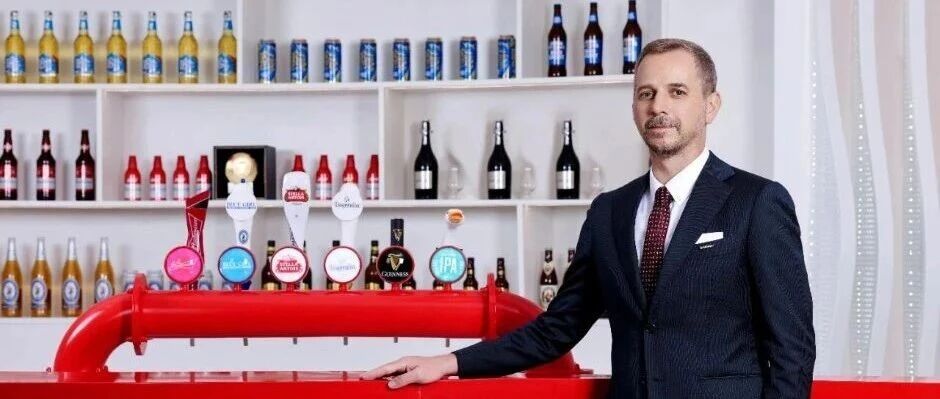
百威亚太

Search documents
食品快消巨头的下一场生存之战,已然打响
虎嗅APP· 2025-11-19 10:11
Core Viewpoint - The article emphasizes that in the food and beverage industry, "safety," "transparency," and "responsibility" have become new cornerstones of brand value, moving beyond traditional competitive advantages like taste and convenience [2]. Group 1: ESG Performance Overview - Most food companies are currently at the industry average in mainstream ESG ratings, with few leading companies such as Mengniu, Yili, Chongqing Beer, Budweiser Asia Pacific, and Ausnutria rated AA or above by MSCI [2]. - The food industry is increasingly recognizing the importance of ESG as a strategic tool for enhancing competitiveness and achieving resilient development due to regulatory pressures and consumer awareness [5]. Group 2: Environmental Dimension - Key areas of focus for environmental performance include climate change response, greenhouse gas emissions management, packaging management, water resource management, and biodiversity protection [7]. - Leading companies like Mengniu and Yili have demonstrated advanced performance in environmental disclosures, producing specialized reports on climate-related risks and sustainability [8][10]. - The complexity of the food industry's value chain presents challenges in accurately calculating greenhouse gas emissions, particularly in agricultural activities [11]. Group 3: Social Dimension - The critical performance metrics for social responsibility include product quality and safety, nutrition and health improvement, supply chain management, responsible marketing, and customer service [14]. - Food safety remains a fundamental issue for survival, with a reported overall non-compliance rate of 2.61% in food safety inspections, indicating an improving trend [16]. - Companies are increasingly adopting digital management tools for traceability and enhancing food safety management systems [16]. Group 4: Governance Dimension - Key governance performance metrics include the establishment of independent ESG committees, integration of ESG risk management into overall risk management processes, and the independence and diversity of the board [20][21]. - Companies like Mengniu have established dedicated sustainability committees within their boards, demonstrating effective oversight of ESG issues [23]. - There is a growing trend to link executive compensation to ESG performance, although this practice is still relatively rare [23]. Group 5: Industry Trends and Challenges - The food and beverage industry is moving from a basic understanding of ESG to a more nuanced and systematic approach, with leading companies building barriers through comprehensive ESG strategies [25]. - Despite advancements, many companies still face challenges in collecting and reporting Scope 3 emissions data, which is critical for comprehensive ESG assessments [13].





增利难增收?5家头部啤酒企业掌门人揭秘破局关键
Mei Ri Jing Ji Xin Wen· 2025-11-17 14:37
Core Insights - The beer industry is experiencing a slowdown in overall growth, with companies facing challenges in increasing profits while revenues remain stagnant [2][8] - The recent "Double 11" shopping festival saw significant online sales for major beer brands, but the competitive landscape is shifting towards high-end products and diverse consumption scenarios [2][6] Group 1: Market Trends - Major beer brands like Tsingtao, Budweiser, and Yanjing dominated online sales during "Double 11," with Tsingtao's exclusive 211ml small white beer seeing a nearly 4-fold increase in sales [2] - The beer market is transitioning from a speed competition to a focus on high-end products and diverse consumption scenarios, indicating a need for innovation and adaptation [2][8] Group 2: Product Innovation - Companies are focusing on product innovation to meet changing consumer demands, with new categories like non-alcoholic and low-calorie beers gaining traction [3][9] - Carlsberg China emphasizes the importance of high-end products and fine management, while Budweiser Asia Pacific highlights the need for technological advancements in brewing processes [4][5] Group 3: Consumption Scenarios - The traditional consumption scenarios for beer are weakening, prompting companies to explore new experiences such as outdoor activities and urban street culture [6][7] - Tsingtao Beer is creating experiential venues like museums and beer gardens to enhance consumer engagement, while Carlsberg is aligning its brands with specific dining experiences [6][7] Group 4: Industry Outlook - Despite the current challenges, the long-term growth potential of the Chinese beer market remains strong, with a focus on quality and innovation [8][9] - Industry leaders stress the importance of collaboration and shared efforts to drive innovation and quality improvements across the sector [9]



“双11”线上赚吆喝,啤酒业却仍“增利难增收”?5家头部酒企掌门人揭秘破局关键
Mei Ri Jing Ji Xin Wen· 2025-11-17 10:40
Core Insights - The recent "Double 11" shopping festival saw significant sales growth in the beer market, with brands like Tsingtao, Budweiser, and Yanjing leading in sales on platforms like JD.com and Tmall [1][2] - Despite the online sales boom, the overall growth rate of beer manufacturers is slowing down, indicating a challenging environment for profit growth amidst fierce competition [1][5] - Industry leaders are focusing on product innovation and exploring new consumption scenarios to adapt to changing consumer demands and market dynamics [2][3][4] Industry Trends - The beer market is experiencing new growth characteristics influenced by economic conditions, demographic changes, and evolving consumer habits, particularly among Gen Z, single-person households, and the elderly [2][5] - Companies are launching regional specialty products and expanding their product lines to include non-beer beverages, aiming to capture new growth opportunities [2][4] - The shift towards high-end products remains a key focus, with companies like Carlsberg China emphasizing refined management and long-term strategies to meet consumer expectations for quality [3][6] Market Challenges - The beer industry faces pressures from overcapacity, demand slowdown, and price declines, leading to a competitive landscape where traditional consumption scenarios are weakening [5][7] - Companies are urged to innovate and adapt to new consumption environments, such as outdoor and urban settings, to remain relevant [5][6] - Financial reports indicate that major A-share beer companies experienced a total revenue of approximately 61.5 billion yuan and a net profit of about 9.3 billion yuan in the first three quarters, with some companies facing revenue declines [6][7] Future Outlook - Despite current challenges, the Chinese beer market is still viewed as having significant long-term growth potential, being the largest beer market globally [6][7] - Industry leaders stress the importance of collaboration and long-term investment in product innovation, quality enhancement, and consumer education to navigate the evolving market landscape [7]
2025年电商“双十一”大促季行业层面增长温和,聚焦一键打包互联网电商龙头+新消费的港股消费ETF(513230)
Mei Ri Jing Ji Xin Wen· 2025-11-17 03:45
11月17日早盘,港股消费板块早盘低开后窄幅震荡,港股消费ETF(513230)现小幅微跌近0.5%。 持仓股中,统一企业中国、新秀丽、康师傅控股、波司登、万洲国际等涨幅居前,巨子生物、零跑汽 车、蜜雪集团、思摩尔国际、百威亚太等跌幅居前。 每日经济新闻 (责任编辑:董萍萍 ) 【免责声明】本文仅代表作者本人观点,与和讯网无关。和讯网站对文中陈述、观点判断保持中立,不对所包含内容 的准确性、可靠性或完整性提供任何明示或暗示的保证。请读者仅作参考,并请自行承担全部责任。邮箱: news_center@staff.hexun.com 华泰证券估算,2025年电商"双十一"大促季行业层面增长温和,GMV或同比增长中高个位数至 10%之间,平稳增长得益于各平台的积极补贴及大促时间线的进一步拉长,但亦部分被去年同期国补行 动带来的较高家电品类销售额基数所抵消。平台角度,主要电商平台或延续分化表现。展望2026年,预 计电商平台围绕流量入口、核心用户权益等维度的竞争将延续激烈态势。消费者终端商品价格的企稳则 是电商平台及上游供货商业绩表现企稳的重要驱动,潜在的政策刺激及消费者情绪的边际变化值得持续 关注。 港股消费ETF ...
“啤酒之王”百威亚太:三重冰VS三把火,新帅面临破局大考
Xin Lang Cai Jing· 2025-11-14 01:32
Core Viewpoint - The article discusses the challenges faced by Budweiser APAC in the Chinese beer market, highlighting the need for strategic reforms under the new CEO, Cheng Yanjun, to address declining sales and market share [1][18]. Group 1: Performance Overview - Budweiser APAC has experienced a continuous decline in beer sales for eight consecutive quarters, with a 3.1% drop in the Chinese market during Q4 2023 [3][4]. - In 2024, the company reported an 8.8% decline in beer sales and a 7% decline in revenue, with the Chinese market seeing an 11.8% drop in sales and a 13% drop in revenue [3][4]. - For the first nine months of 2025, Budweiser APAC's beer sales were 6.614 billion liters, down 7% year-on-year, and revenue was $4.691 billion, down 6.6% [4][5]. Group 2: Market Challenges - The company faces significant challenges in the Chinese market due to a shift in consumer preferences towards non-drinking channels, which now account for over 60% of beer sales, surpassing traditional drinking channels [11][12]. - Budweiser APAC's market share in China decreased by 149 basis points in 2024, and it lost its position as the revenue leader in the Chinese beer industry to China Resources Beer [12][13]. - The company has struggled to adapt to the fast-growing 8-10 yuan price segment, where local brands have gained a strong foothold [12][13]. Group 3: Strategic Changes - Cheng Yanjun, the new CEO, has initiated a comprehensive reform strategy focusing on regaining market share and enhancing the company's presence in non-drinking channels [15][18]. - The company aims to leverage its Budweiser and Harbin brands, with Budweiser maintaining a premium positioning and Harbin targeting the core price segment [15][18]. - Despite some initial improvements in Q2 2025, the company reported a further decline in revenue and sales in Q3 2025, indicating the complexity of the market environment [16][18]. Group 4: Future Outlook - The effectiveness of the new strategies implemented by Cheng Yanjun will be critical in determining Budweiser APAC's performance in 2026, as the company navigates the challenges of adapting to local market dynamics [18][19].
中高端啤酒,正在成为年轻人的“精神食粮”
3 6 Ke· 2025-11-13 12:11
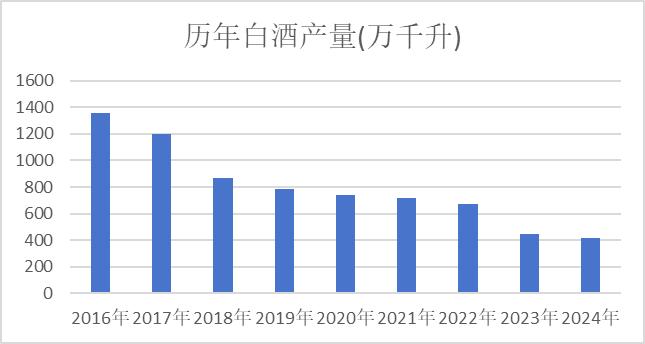
Core Insights - The overall alcohol market is experiencing a decline, with both the baijiu and beer industries facing significant challenges, including a projected 1% decrease in global beer sales in 2024 [1][9] - Despite the downturn, the high-end beer segment is witnessing growth, with high-end and super high-end beers in China and the U.S. showing positive growth rates of 1% and 2% respectively in 2024 [2][9] Industry Overview - The baijiu industry has seen a continuous decline in production, dropping from 13.58 million kiloliters in 2016 to approximately 4.14 million kiloliters in 2024, with projections indicating it may fall below 4 million kiloliters in 2025, marking a 20-year low [4][7] - High-end baijiu prices have also plummeted, with notable brands like Moutai and Wuliangye hitting record lows in wholesale prices [7][8] - The beer industry is similarly struggling, with a 0.6% decline in production for major Chinese breweries in 2024, amounting to 35.21 million kiloliters, which is about 70% of the peak production in 2013 [9] High-End Beer Growth - High-end beer is driving revenue growth for breweries, with companies like Yanjing Beer reporting that mid-to-high-end products accounted for 70.11% of their sales, achieving a revenue growth of 9.32% [9][12] - The trend towards high-end beer consumption is largely driven by younger consumers, who are increasingly willing to pay for quality and unique experiences [12][14] Consumer Behavior - A significant portion of young consumers (over 77%) prefer the concept of "quality over quantity" in their beer choices, indicating a shift in consumption patterns [13] - The younger demographic is motivated by both quality and status, viewing high-end beer as a lifestyle choice rather than just a beverage [14][15] Market Dynamics - The high-end beer market is projected to grow, with the industry’s high-end rate expected to reach 30% by 2026 [19][20] - However, not all companies are successfully transitioning to high-end products, as seen with Budweiser and Tsingtao, which have faced challenges in maintaining sales and profitability in this segment [21][22] Challenges in High-End Transition - The transition to high-end products requires strong brand recognition, effective distribution channels, and cultural resonance with consumers, which many domestic brands struggle to achieve [22][23] - The competition in the high-end market is intensifying, and companies must innovate and connect with younger consumers to succeed [18][24]
“双11”大促期间 服务消费热点频现 “AI+电商”模式屡次被提及
Mei Ri Jing Ji Xin Wen· 2025-11-13 06:08
Core Insights - The Hong Kong stock market's consumer sector experienced fluctuations, with the consumer ETF (513230) showing a slight decline. Notable performers included Samsonite, which surged over 21%, while companies like Wynn Macau and Miniso faced significant declines [1] Group 1: Market Performance - The consumer ETF (513230) tracks the CSI Hong Kong Stock Connect Consumer Theme Index, encompassing major players in the internet e-commerce and new consumption sectors, including Pop Mart, Lao Pu Gold, and Miniso, alongside tech giants like Tencent and Alibaba [2] - During this year's "Double 11" shopping festival, total online retail sales reached nearly 2.4 trillion yuan, marking a new high with a year-on-year growth of over 10% [1] Group 2: Consumer Trends - The "Double 11" event is shifting from a product-driven model to one focused on services, experiences, and emotional value, reflecting changing consumer preferences [1] - The integration of AI technology in e-commerce is becoming increasingly prominent, with platforms aiming to leverage AI to create a "second growth curve" [1]
太原市市场监督管理局2025年第13期食品安全监督抽检信息通告
Zhong Guo Zhi Liang Xin Wen Wang· 2025-11-13 05:49
Core Points - The Taiyuan Market Supervision Administration conducted food safety inspections, testing 178 samples across 14 categories, with 172 passing and 6 failing [2][3] Summary by Category Inspection Results - Total samples tested: 178 - Compliant samples: 172 - Non-compliant samples: 6 - The inspection covered categories including restaurant food, tea, starch products, condiments, and beverages [2][3] Actions on Non-compliant Products - Local market supervision departments are investigating and handling the non-compliant products according to relevant laws and regulations [2][3] Consumer Reporting - Consumers can report any non-compliant food products found in the market by calling 12315 [2][3]
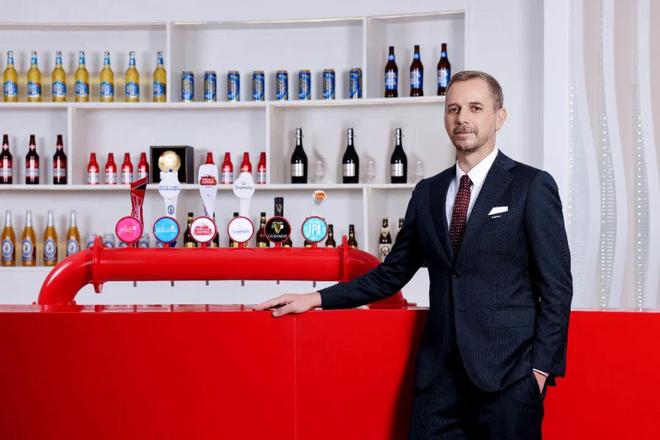
不止于啤酒:百威中国发力“夜经济”打造大湾区消费新生态
Di Yi Cai Jing Zi Xun· 2025-11-13 03:23
Core Insights - Budweiser China is expanding its strategic focus in the Guangdong-Hong Kong-Macao Greater Bay Area, emphasizing the development of the night economy as a key growth driver [1][4][6] - The company views beer as a pivotal element in enhancing nighttime social interactions and stimulating consumer spending, moving beyond traditional fast-moving consumer goods [3][10] Strategic Initiatives - Budweiser China plans to increase commercial investments in Guangdong, marking a new phase of integration and development in the Greater Bay Area after over 40 years of presence [4][6] - The company aims to implement a "Beer+" strategy by 2026, incorporating international sports and music events to boost the night economy, including sponsorship of the 2026 FIFA World Cup [6][8] Market Insights - The Greater Bay Area, with nearly 90 million residents and accounting for 10% of China's economic output, is identified as a prime location for Budweiser's growth initiatives [4][7] - Research indicates that nighttime consumption in Chinese cities, particularly in the Greater Bay Area, constitutes 50% to 60% of total city consumption, highlighting the area's potential for economic growth [10][12] Consumer Trends - The night economy in China has expanded significantly, with its market size growing from 22.54 trillion yuan in 2018 to 50.25 trillion yuan in 2023, indicating robust consumer demand [8][10] - Beer consumption is evolving, becoming more diversified and high-end, serving as a social catalyst in various settings, from bars to music festivals [12][16] Brand Strategy - Budweiser is shifting its narrative from traditional marketing to a more immersive approach, focusing on emotional connections and consumer experiences [14][15] - The "Flagship Brand × Super Platform" strategy aims to create a resonant brand ecosystem by integrating Budweiser's core brands with major cultural and sporting events [15][16]
不止于啤酒:百威中国发力“夜经济”打造大湾区消费新生态
第一财经· 2025-11-13 03:15
Core Viewpoint - Budweiser China is expanding its strategic focus in the Guangdong-Hong Kong-Macao Greater Bay Area, emphasizing the integration of beer with the night economy to stimulate consumption and social engagement [1][5][9]. Group 1: Strategic Expansion - Budweiser China plans to increase its commercial investment in Guangdong, marking a new phase of development in the Greater Bay Area after over 40 years of presence [5][6]. - The company aims to leverage its historical ties to the region, where it began its journey in China, to foster a new wave of integrated growth [5][6]. Group 2: Night Economy Focus - Budweiser China is preparing a "Beer +" strategy to enhance the night economy by introducing international sports and music events, including the FIFA World Cup in 2026 [8][9]. - The company recognizes that most consumer spending in Chinese cities occurs after 6 PM, particularly in the Greater Bay Area, which is seen as a natural environment for developing the night economy [9][11]. Group 3: Evolving Consumption Patterns - The night economy in China has grown significantly, with its market size increasing from 22.54 trillion yuan in 2018 to 50.25 trillion yuan in 2023, indicating robust consumer potential [11]. - Budweiser China is adapting to changing consumer preferences, where beer is increasingly viewed as a social catalyst rather than just a beverage associated with food [12][15]. Group 4: New Narrative and Brand Strategy - Budweiser China is shifting from traditional marketing narratives to a "fireworks narrative" that emphasizes emotional connections and social experiences [18][20]. - The "Flagship Brand × Super Platform" strategy aims to create a multi-dimensional brand ecosystem that resonates with consumers through immersive experiences and high-frequency interactions [19][20].