
银行

Search documents
国泰海通 · 晨报0804|宏观、策略、海外策略
国泰海通证券研究· 2025-08-03 13:50
Macro Analysis - The US non-farm payroll data for July fell short of expectations, with significant downward revisions for May and June, raising concerns about data quality and indicating a weakening private sector job market [4] - There is a divergence between the non-farm payroll data and the unemployment rate, attributed to the impact of immigration policies, which have reduced the proportion of foreign-born individuals in the labor market [4] - The Federal Reserve faces a dilemma between managing inflation and employment, with the July non-farm data likely insufficient to alter Powell's hawkish stance ahead of the Jackson Hole central bank meeting in August [4] Chinese Market Strategy - The Chinese stock market is characterized as a "transformation bull," with expectations for further index highs despite recent adjustments [9][10] - Key drivers of this transformation include economic shifts towards new technologies and consumption patterns, as well as systemic declines in risk-free interest rates, which lower the opportunity cost of investing in stocks [11] - Institutional reforms aimed at improving investor returns are crucial, enhancing the market's resilience and reducing risk premiums [11] Investment Themes - Emerging technologies are identified as a primary investment theme, while cyclical financial sectors are seen as potential dark horses [12] - Recommendations include stable and monopolistic sectors such as brokerage, banking, and insurance, alongside emerging growth sectors like internet, media, defense, and innovative pharmaceuticals [12] - The cyclical sector is expected to improve as competition dynamics evolve, with recommendations for materials like non-ferrous metals, chemicals, and construction materials [12] Hong Kong Market Insights - The Hong Kong new consumption sector is currently in a phase of heat digestion after significant gains earlier in the year, with consumer preferences shifting towards experiential and social consumption [17][18] - Historical parallels with Japan suggest that the transformation in consumer behavior towards personalized and rational consumption will continue to evolve in China [18] - The Hong Kong market offers a more balanced exposure to new consumption compared to the A-share market, which is dominated by traditional sectors [19]


欧洲央行:被选中的银行眼下面临更深入的检查,重点关注其压力测试能力
news flash· 2025-08-01 18:20
Core Insights - The European banking sector is undergoing a regulatory assessment that does not categorize banks as pass or fail, but rather uses the results to set individual capital requirements and review banks' plans for maintaining adequate capital reserves [1] - The results of the tests may influence banks' decisions on dividends and buybacks, creating an incentive for banks to submit optimistic forecasts [1] - The European Central Bank (ECB) has warned that if overly optimistic predictions are found, it may conduct on-site inspections of the banks [1] - The ECB has stated that it conducted "short-term on-site visits" as part of its quality assurance process, and selected banks are now subject to more in-depth scrutiny focusing on their stress testing capabilities [1]
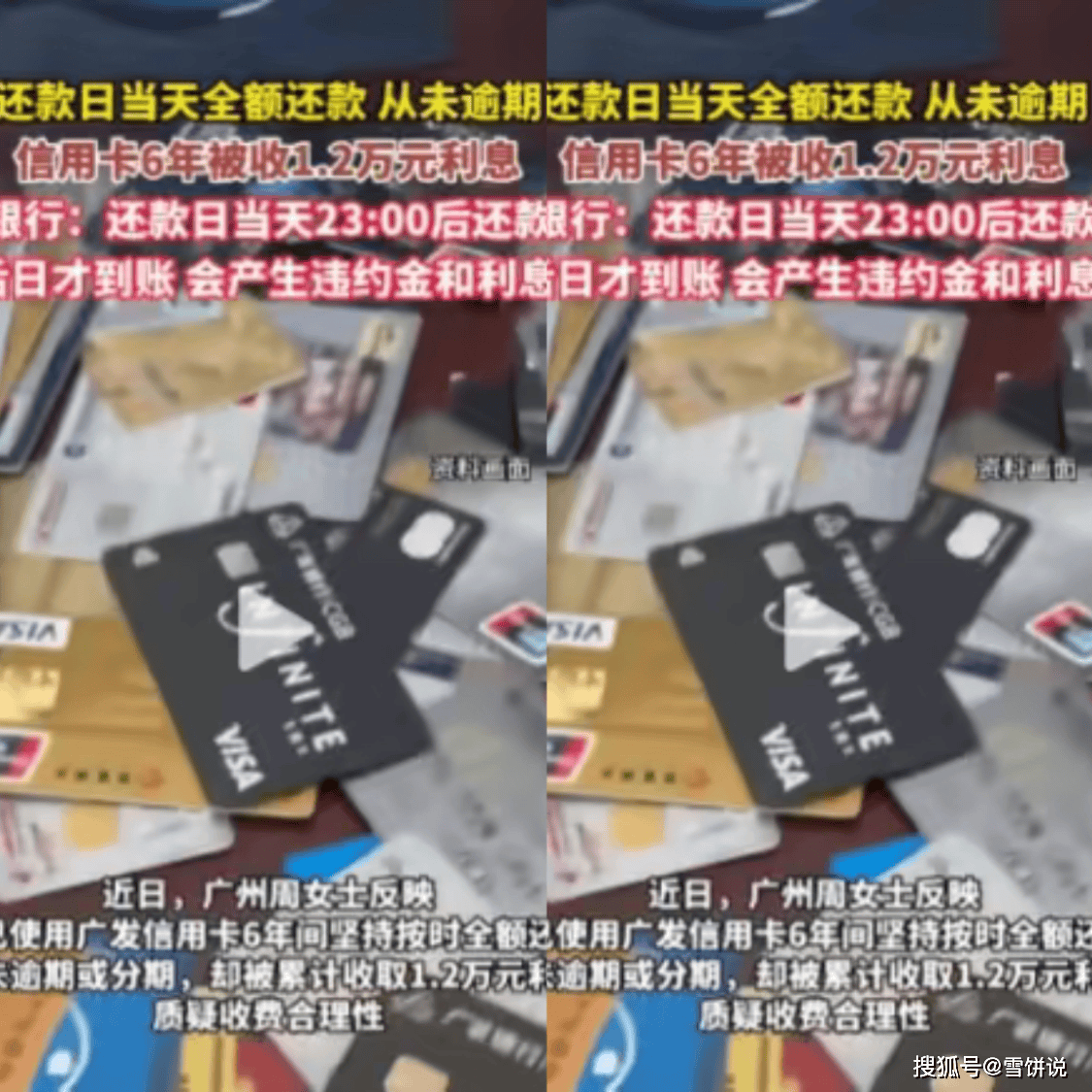
女子按时还信用卡6年被收万元利息 银行隐藏条款次日到账变逾期
Sou Hu Cai Jing· 2025-08-01 08:47
周女士称,她每月按时还款,怎么也想不到,自己竟然在不知情的情况下被银行收取了这么多额外费用。她致电客服,得到的回应是,她的还款方式不符合 要求,银行表示她没有在还款日按时还款 广东广州,女子在六年前办了张信用卡,每个月都老老实实在还款日前点还款,直到最近查账单才发现,六年里不知不觉被银行扣了一万两千多块钱的利 息,女子当场大怒! 有网友说:六年按时还款的信用,抵不过一行小字的"次日到账";用户的信任,敌不过银行"不申请就没有宽限期"的规矩。这哪是金融服务,分明是用规则 漏洞钓鱼,太败好感了! 确实,这种事换成谁都会气愤,银行从来没主动提醒过这个规则,APP页面设计得还款按钮又大又显眼,关键信息却用蚂蚁大的字藏在角落。最气人的是, 这六年里每月按时还款的良好记录,在银行系统里全变成了逾期黑历史 银行作为服务方,把重要条款用浅色小字隐藏的行为实在不厚道 现在很多APP都搞这种视觉欺骗设计,把对自己有利的信息放大加粗,对用户不利的条款做成迷你版。建议监管部门应该立个规矩,关键金融信息至少要用 和操作按钮同样大小的字体标明 点击输入图片描述(最多30字) 经过调查,她这才发现,信用卡APP的还款页面上有一行不起眼的小 ...
轮到银行坐不住了!利息缩水一半,很多人都在考虑存款转理财风险
Sou Hu Cai Jing· 2025-08-01 00:47
Core Insights - A significant wealth transfer is occurring in 2025, with bank deposit rates falling below 2%, leading to a shift of funds into wealth management products, which have reached a scale of 31.3 trillion yuan, a year-on-year increase of 9.7% [1] - The risks associated with wealth management products are rising, as many contracts are now filled with uncertainties, and funds are often locked in for short periods, creating "paper wealth" that is difficult to access in emergencies [1][3] - Traditional savings accounts offer more security, as deposits under 500,000 yuan are fully protected by the national deposit insurance system, contrasting sharply with the risks of wealth management products [3] Group 1: Wealth Management Trends - Wealth management products are gaining popularity, with an average of 1.5 billion yuan moving daily from bank deposits to these products [1] - Some banks are employing strategies like offering high-interest short-term deposits and promotional gifts to attract deposits, but these often come with hidden costs [5][7] - The financial pressure on banks is increasing, as evidenced by a certain bank's report showing a deposit interest rate of 1.98% against a loan yield of 3.1%, compressing the interest margin to historical lows [5] Group 2: Risks and Consumer Experiences - Consumers are facing significant risks with wealth management products, as illustrated by cases where individuals were misled into high-risk investments under the guise of safe products [3][4] - The volatility in the bond market has led to substantial losses for investors in supposedly stable products, highlighting the importance of understanding the underlying assets [3] - Many individuals are now seeking safer investment alternatives, such as government bonds and money market funds, which offer more liquidity and lower risk [7][9] Group 3: Financial Literacy and Strategies - There is a growing awareness among consumers regarding the importance of financial literacy, with individuals actively seeking to diversify their investments and protect their assets [7][9] - Strategies such as splitting assets into different investment vehicles and utilizing tax-advantaged accounts are becoming more common among savvy investors [9] - The demand for financial education is increasing, as individuals recognize the need to navigate the complexities of modern financial products and risks [9]
35万存款“归零”,银行岂能随意划扣储户存款?
Nan Fang Du Shi Bao· 2025-07-30 23:07
Core Points - A bank unlawfully deducted 350,000 yuan from a guarantor's account to cover a borrower's debt, leading to a court ruling that mandated the bank to return the excess amount and pay interest [1][3] - The incident raises concerns about the safety of bank deposits and the integrity of financial institutions, as it undermines public trust in the banking system [1][3] - The legal framework stipulates that banks cannot arbitrarily seize funds without following judicial procedures, emphasizing the protection of citizens' rights [2][3] Summary by Sections - **Incident Overview** - A guarantor's account was drained by the bank to settle a debt without following legal procedures, resulting in a court ruling against the bank [1] - **Legal Implications** - The bank's actions violated the law, as creditors must pursue claims through court rather than directly seizing a guarantor's assets [2] - **Impact on Public Trust** - The case highlights the potential erosion of public confidence in the safety of bank deposits, which is crucial for the banking sector's reputation [1][3] - **Regulatory Response** - There is a call for regulatory bodies to investigate and penalize such misconduct to protect depositors' rights and maintain the integrity of financial institutions [3]
存了35万元取款时账户余额为0?市民把银行告了,法院:银行越过司法程序擅自扣划行为违法,判还超额部分并赔偿利息!
新浪财经· 2025-07-30 09:56
Core Viewpoint - The article discusses a case where a bank unlawfully deducted 350,000 yuan from a customer's account to repay debts, resulting in a court ruling that the bank must compensate the customer for the full amount [1] Group 1 - The incident highlights the risks associated with bank practices regarding customer funds and the importance of regulatory oversight [1] - The court's decision emphasizes the legal protections for consumers against unauthorized transactions by financial institutions [1] - The case may prompt increased scrutiny of banking practices and potentially lead to reforms in how banks handle customer accounts and debt repayments [1]
四川省金融服务文旅企业恳谈对接会举行 23家银行与文旅企业签订逾58亿元贷款
Si Chuan Ri Bao· 2025-07-30 06:22
Group 1 - The event "2025 Sichuan Financial Services for Cultural and Tourism Enterprises" was held in Mianyang, focusing on deepening cooperation between government, banks, and enterprises to promote high-quality development in the cultural and tourism industry [1] - A financial product manual and financing demand list for the cultural and tourism sector in Sichuan was released, with 23 banks signing loan agreements totaling 5.808 billion yuan on-site [1] - As of the end of June, the cultural and tourism industry chain in Sichuan received bank loan support amounting to 56.47 billion yuan, reflecting a year-on-year increase of 24.9% [1] Group 2 - The creative financial market was a highlight of the event, featuring over 10 financial institutions showcasing unique cultural and tourism financial products such as Tianfu Cultural Industry Loan, Intangible Cultural Heritage Loan, and Sichuan Fireworks Loan [1]
银行业综合整治“内卷式”竞争 需走差异化可持续发展之路
Mei Ri Jing Ji Xin Wen· 2025-07-29 13:21
Core Viewpoint - The banking industry is facing significant challenges due to "involution" competition, which has been recognized as a consensus across various sectors since the Central Economic Work Conference proposed comprehensive measures to address it [1] Group 1: Regulatory Actions - The Guangdong Banking Association has initiated a "1+3+N" system to combat "involution" competition, which includes a negative list from regulatory authorities, self-regulatory agreements, and industry-specific measures [1] - The Ningxia Banking Association has also held discussions on the state of "involution" competition within the industry, indicating a broader recognition of the issue [1] Group 2: Market Dynamics - On the deposit side, banks are experiencing a "stagnant" interest rate environment, leading to practices such as "high-interest deposits" and "buying indicators" to meet performance targets [2] - Some banks are engaging in practices that effectively raise actual interest rates despite official reductions, such as manual interest supplements and high-interest bids for deposits [2] - On the loan side, there is significant downward pressure on interest rates, with some banks offering loans at rates below the yield of government bonds, particularly for large enterprises [2] - The consumer loan market has seen intense price competition, with rates dropping below 2.5%, leading to market disorder and potential misuse of funds [2] Group 3: Implications of Involution - The competitive practices, while seemingly beneficial to consumers, are severely squeezing banks' profit margins and threatening the industry's long-term health [3] - Involution can lead to increased risks of regulatory violations, as banks may relax risk assessments to gain market share, raising the likelihood of bad debts and adverse selection [3] - The distortion of market signals due to involution can hinder macroeconomic regulation efforts [3] Group 4: Strategic Recommendations - The banking industry needs to shift from "losing money for visibility" to "quality-driven survival," focusing on sustainable development [3] - Banks should adjust their business structures based on their resource endowments and explore differentiated development strategies [3] - Enhancing service capabilities instead of competing solely on interest rates can create a more diverse financial institution landscape and ensure stable operations [3] - Banks should also seek to identify customer needs and expand non-interest income to diversify and strengthen their risk resilience [3] Group 5: Internal Management - A scientific and reasonable incentive mechanism and performance evaluation system should be established within banks to avoid short-term, volume-driven behaviors [4] - Increasing the diversity of performance indicators can stimulate employee motivation and innovation [4]
烂尾楼“反杀”来了!最高法出招,银行开发商慌了神
Sou Hu Cai Jing· 2025-07-28 10:33
Core Viewpoint - The Supreme People's Court of China has issued a significant policy change allowing homebuyers to terminate contracts and avoid repaying loans if their properties are not delivered, marking a structural shift in the real estate market [1][5]. Group 1: Policy Changes - The Supreme People's Court has instructed judges nationwide that if a property is not delivered, buyers can legally terminate their contracts, and loan agreements can also be canceled, relieving them of repayment obligations [1][5]. - This policy is a response to the crisis of over 2 million unfinished properties, affecting millions of families and posing risks to social stability [5]. Group 2: Legal Precedents - A real case from Jiangsu Province illustrates the new ruling, where a buyer successfully had both the property purchase and loan contracts annulled, receiving full refunds for the down payment and any repaid loan amounts [3]. - The court emphasized that buyers should not bear the responsibility of loan repayment when they have not received their properties, setting a precedent for future cases [3][5]. Group 3: Market Implications - The shift in policy indicates the end of the pre-sale system, with the market moving towards selling completed properties, necessitating a reevaluation of existing business practices for developers and banks [5][7]. - Developers will now be held accountable for their financial practices, as they can no longer rely on pre-sales to fund construction without delivering properties [7]. Group 4: Industry Response - Banks will need to reassess their lending practices, ensuring they verify the financial stability of developers before issuing loans, rather than solely pursuing repayments from buyers [7]. - This change represents a fundamental shift in the real estate landscape, requiring all stakeholders to adapt to new rules and protect their interests more proactively [7].

以金融之力筑牢农业防灾减灾防线
Zheng Quan Ri Bao· 2025-07-26 22:26
Core Viewpoint - The article emphasizes the critical role of banks in providing financial support for agricultural disaster prevention and mitigation, especially in the context of increasing extreme weather events and agricultural risks in China [1][2][3]. Financial Support for Agriculture - Banks should increase credit investment in agricultural infrastructure construction to prevent disasters, supporting high-standard farmland construction and improving irrigation facilities [1][2]. - In the event of natural disasters, banks can streamline loan approval processes to ensure quick access to funds for affected farmers and agricultural enterprises [2][3]. - Banks are encouraged to offer flexible loan terms and interest relief for severely affected clients to alleviate financial pressure during recovery [2]. Innovative Financial Products - Banks should develop diverse financial products tailored to agricultural production characteristics and disaster risks, such as weather index insurance credit products [2][3]. - The introduction of "Agricultural Disaster Bonds" can help distribute agricultural disaster risks across financial markets, raising more funds for disaster prevention and mitigation [2][3]. - Seasonal financing products like "Agricultural Time Loans" and "Order Agriculture Loans" can address the short-term and frequent funding needs of farmers [3]. Contribution to Agricultural Resilience - By providing comprehensive financial support, banks can help enhance the resilience of agricultural production against natural disasters, ensuring national food security while achieving stable business development [3].