理财风险

Search documents
警惕!白银刷新46年暴跌纪录,振幅超12%,是抄底机会还是末日预警?年底理财别当接盘侠?
Sou Hu Cai Jing· 2025-12-30 13:16
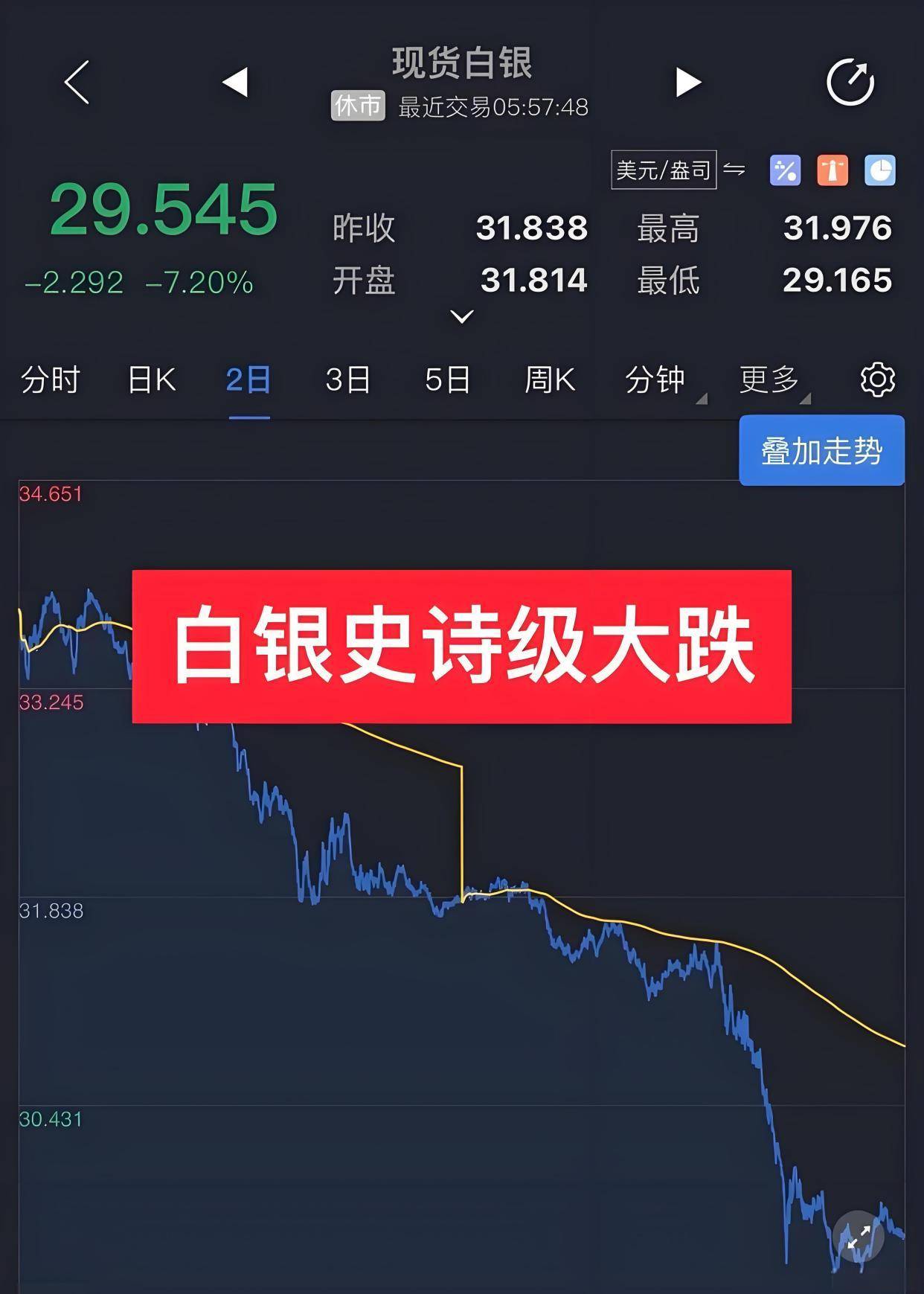
Group 1 - The core event was a dramatic fluctuation in silver prices on December 29, 2025, where silver initially surged nearly 6% to a historical high of $83.971 per ounce, only to plummet nearly 10% later in the day, marking the largest annual reversal since 1979 [1][3][7] - The volatility in silver prices triggered a "domino effect," causing significant declines in other precious metals, with gold dropping below $4500 per ounce and platinum and palladium experiencing declines of 14% and 16% respectively [7][8] - The market sentiment shifted rapidly from extreme optimism to panic, with many investors who had previously reported profits now rushing to cut losses [7][22] Group 2 - The sharp decline in silver prices was attributed to four main factors: increased margin requirements by exchanges, year-end tax considerations, technical overbought conditions, and forced selling by passive funds [10][16][18] - The Chicago Mercantile Exchange and the Shanghai Futures Exchange both raised margin requirements, increasing the financial pressure on leveraged investors, which exacerbated the sell-off [10][22] - Investors faced a "time bomb" regarding tax implications, as selling before December 31 would incur higher short-term capital gains taxes, leading to potential concentrated selling in January [16][22] Group 3 - There is a debate in the market regarding the long-term outlook for silver, with optimists believing that the recent drop is a temporary reset, supported by strong industrial demand, particularly in the solar and electric vehicle sectors [20][22] - Conversely, pessimists warn of a "generational bubble" in silver prices, citing historical precedents where similar market conditions led to significant downturns [20][22] - The supply-demand dynamics remain complex, with a persistent supply deficit and potential technological advancements in the solar industry that could reduce silver demand in the future [20][22]

帮主郑重:6000万理财,一周腰斩!上市公司的“坑”,散户更要警惕!
Sou Hu Cai Jing· 2025-12-28 02:39
Core Viewpoint - The case of Shengyuan Environmental Protection highlights significant risks in the asset management industry, particularly regarding transparency and risk control mechanisms, as a company suffered an over 80% loss on a 60 million investment due to alleged fraudulent activities by the fund manager [1][3]. Group 1 - The company attempted a redemption on December 9, only to discover on December 12 that the net value plummeted from 0.92 to 0.26, indicating a severe loss in asset value [3]. - The actual controllers of the company had previously promised to provide a "bottom line" compensation, yet the company received a warning letter from the Securities Regulatory Commission for information disclosure violations shortly after [3]. - This incident serves as a warning to all investors, both institutional and retail, about the opaque nature and inadequate risk controls of certain private equity products [4]. Group 2 - The company emphasizes two critical investment strategies: first, to thoroughly understand the underlying assets and risk control logic of financial products before investing; second, to respect regulatory rules, as even listed companies and professional teams can fall into traps [4]. - The incident raises questions about whether such financial "blow-up" events are isolated cases or indicative of broader issues within the asset management industry [4]. - Investors are encouraged to share their experiences in identifying risks associated with financial products, highlighting the importance of vigilance in investment decisions [4].


祥源控股理财事件背后:收益超4%理财风险几何?
Nan Fang Du Shi Bao· 2025-12-12 07:17
Core Viewpoint - The liquidity crisis faced by Xiangyuan Holdings Group and its subsidiaries has raised concerns about the risks associated with seemingly low-yield financial products, challenging the perception that low returns equate to low risk [1][3]. Group 1: Company Overview - Xiangyuan Holdings, founded in 1992, is a leading enterprise in the cultural tourism investment and operation sector, controlling listed companies such as Xiangyuan Cultural Tourism, Haichang Ocean Park, and Jiaojian Co [2]. - The company reported total assets of 60 billion and total liabilities exceeding 40 billion, indicating a significant financial strain as the real estate sector undergoes deep adjustments [2]. Group 2: Financial Product Issues - Approximately 2 to 3 financial products issued by Xiangyuan Holdings are currently overdue for payment, with expected yields of 4% to 5% [1][2]. - The overdue financial products are linked to real estate projects in collaboration with Xiangyuan Holdings, and the company and its actual controller bear joint guarantee responsibilities for these payment obligations [1]. Group 3: Market Context and Risks - The recent default incident has prompted investors to question the risk levels associated with financial products offering yields above 4%, as many such products may carry hidden risks [3]. - As of December 11, over 2,300 RMB bank wealth management products had performance benchmarks exceeding 4%, with only 15% achieving annualized returns above this threshold since inception [3]. Group 4: Investment Strategies - Investors are advised to be cautious of financial products with yields significantly above the prevailing market rates, as these may indicate higher risks or potential losses [5]. - It is essential for investors to thoroughly understand the characteristics of the financial products they intend to purchase, including asset allocation and historical performance, to assess their suitability in a changing market environment [5]. Group 5: Trust and Regulatory Changes - Many investors trusted the Zhejiang Financial Asset Trading Center (Zhejiang Jin Center) as a reliable platform, but recent changes in ownership and regulatory status have raised concerns about its credibility [6]. - The Zhejiang Provincial Financial Management Bureau announced the discontinuation of the financial asset trading business qualification for Zhejiang Jin Center, which has since been renamed Zhejiang Jin Asset Operation Co [6].

如果大家要多存钱,这5件事不要做
Sou Hu Cai Jing· 2025-12-11 16:31
Core Viewpoint - Increasing awareness of the importance of savings is evident, as it serves as a solid foundation for facing unexpected challenges and enhancing financial confidence, which can lead to wealth creation over time [2] Group 1: Financial Behavior - The phenomenon of "face consumption" is highlighted, where individuals overspend to maintain appearances, leading to financial strain and depletion of savings [4][5] - The pressure to keep up with peers can result in significant financial burdens, especially when it comes to large purchases like cars and homes [5] - Impulsive spending driven by promotional tactics can lead to unnecessary purchases, emphasizing the need for a rational approach to consumption [9] Group 2: Health and Financial Stability - Maintaining physical health is presented as a crucial strategy for avoiding high medical expenses, which can derail savings efforts [5] - Recommendations for managing work-related stress include regular exercise and taking breaks, which can prevent health issues that lead to costly medical bills [5] Group 3: Investment Caution - A warning is issued against high-risk investments, particularly those promising returns significantly above 5%, as they may pose a threat to principal amounts [11][12] - The importance of choosing low-risk investment options is emphasized for those lacking market knowledge, ensuring the safety of capital while accumulating wealth [12]

马云预言应验了?手里有存款的人,或许正面临“两大现实”!
Sou Hu Cai Jing· 2025-10-15 01:27
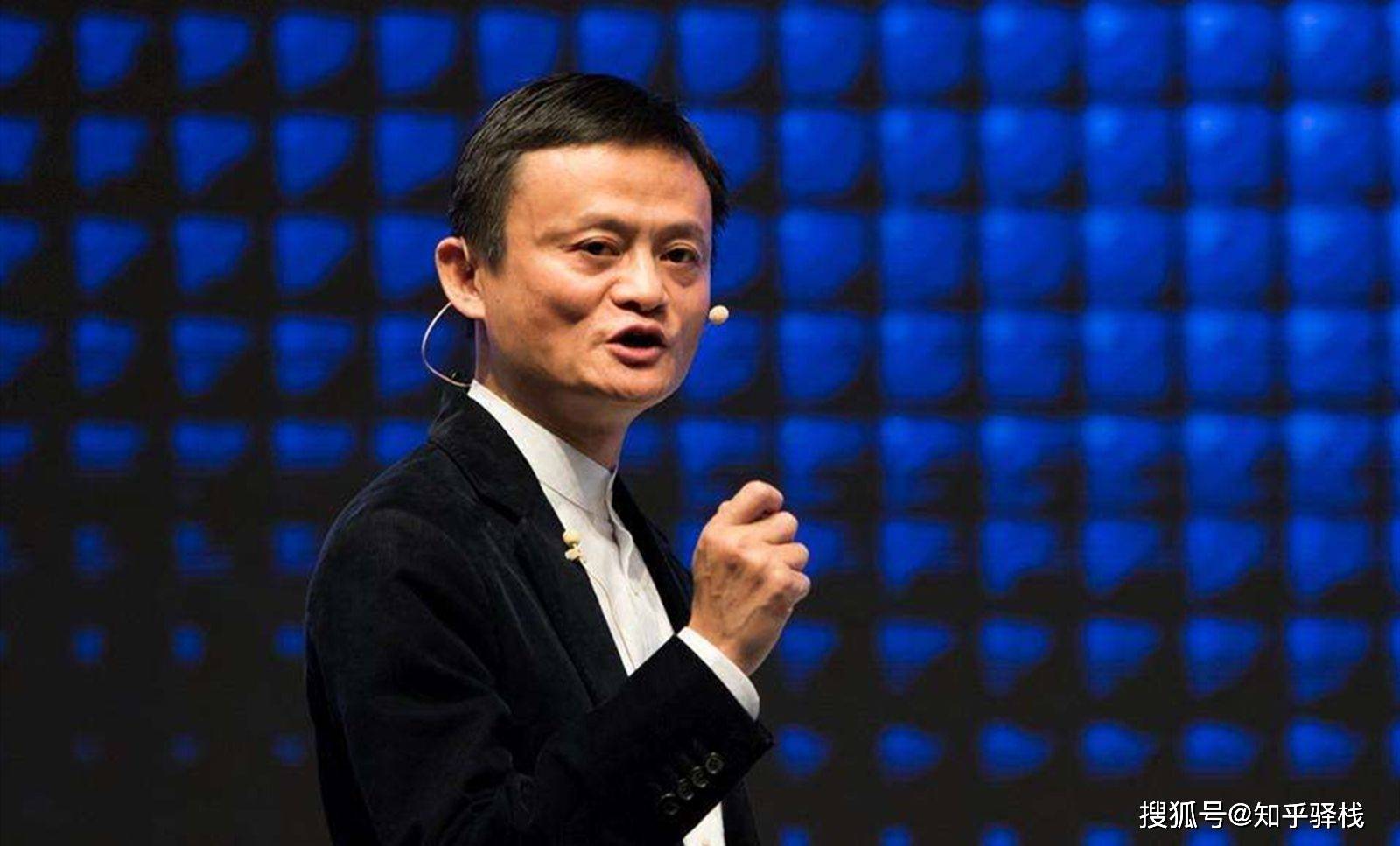
Core Viewpoint - The prediction made by Jack Ma seven years ago about housing prices becoming as cheap as scallions is increasingly becoming a reality due to significant changes in the real estate market and economic environment [1][3]. Real Estate Market Trends - Since 2022, the domestic real estate market has entered a deep adjustment phase, with average national housing prices expected to drop over 30% from peak levels by 2025 [3]. - In some third and fourth-tier cities, housing prices have fallen to 3,000-4,000 yuan per square meter, entering the "scallion price" range [3]. - The liquidity of real estate has significantly decreased, making it difficult for investors to sell properties even at reduced prices [4]. Investment Challenges - In 2023, the number of second-hand homes listed for sale exceeded 5 million, reaching a historical high [5]. - The debt default scale of real estate companies reached 200 billion yuan in the first quarter of 2025, accelerating industry reshuffling [5]. - The long-term decline in bank interest rates has created a dilemma for depositors, as the one-year fixed deposit rate has dropped from 2.5% in 2018 to a historical low of 1.8% [7]. Financial Market Conditions - The yield on bank wealth management products has fallen below 3%, and the transition to net value has eliminated the guarantee of principal [8]. - In 2024, the average loss for A-share investors was 140,000 yuan, while public funds experienced losses of 20%-30% [8]. - The number of private fund liquidations increased by 60% year-on-year in the first quarter of 2025, indicating a significant decline in industry confidence [8]. Entrepreneurial Environment - The entrepreneurial landscape has become increasingly challenging, with 90% of new entrepreneurs failing [10]. - High competition and rising costs in low-barrier industries like retail and dining are major factors contributing to this trend [10]. - In a second-tier city, only 3 out of 20 new restaurants survived after one year, highlighting the difficulties faced by new businesses [11]. Recommendations for Depositors - Depositors are advised to lower their investment expectations and accept annual returns of 3%-4% while diversifying their asset allocation [11]. - It is recommended to prioritize investments in low-risk products such as government bonds and money market funds, and to avoid concentrating funds in a single bank [11]. - Caution is advised for those considering entrepreneurship, with a focus on light-asset, high-barrier industries and maintaining at least 12 months of operational funds [11].
金价“狂飙”!还会再涨吗?
Sou Hu Cai Jing· 2025-10-02 12:13
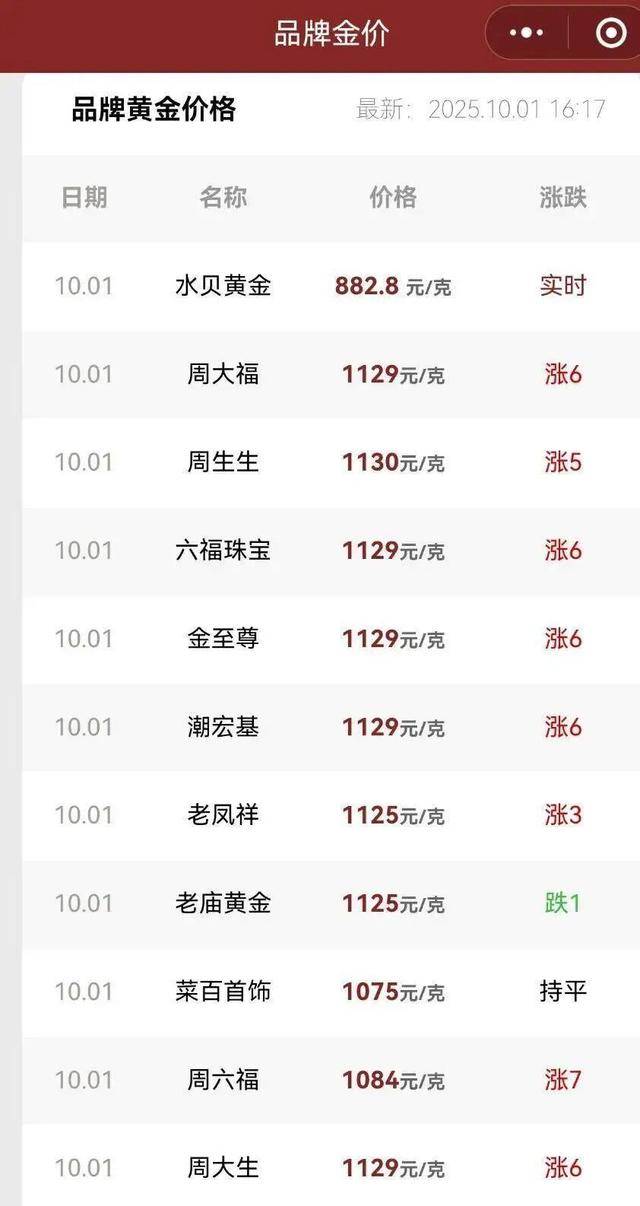
Core Viewpoint - The international gold price has surged significantly, reaching new historical highs, driven by various economic factors including the Federal Reserve's interest rate cuts and concerns over U.S. government debt sustainability [2][9]. Price Movements - As of October 1, spot gold prices rose to over $3,890 per ounce, with London gold reaching a peak of $3,895 per ounce, marking a new historical high [1]. - In September, the international gold price increased by 10.16%, the largest monthly gain since August 2011 [2]. - On October 1, the price of gold jewelry from major brands in China saw increases, with Chow Tai Fook and Chow Sang Sang raising prices by 6 yuan per gram, while Chow Sang Sang's gold jewelry was priced at 1,130 yuan per gram [3][4]. Market Demand - Despite rising gold prices, demand for gold jewelry remains strong, particularly ahead of the upcoming holiday season, with consumers purchasing gold for gifts and celebrations [4]. - The number of financial products linked to gold has increased, with approximately 50 such products available in the market as of September 29 [5]. Future Price Predictions - Analysts from BMO Capital Markets have raised their forecasts for gold prices, predicting an average price of $3,900 per ounce in the last quarter of 2025, an 8% increase from previous estimates, and $4,400 per ounce in 2026, a 26% increase [9]. - UBS has also expressed a bullish outlook on gold, forecasting prices to reach $4,200 per ounce by mid-2026, citing factors such as a weakening dollar and increased central bank purchases [9].
轮到银行坐不住了!利息缩水一半,很多人都在考虑存款转理财风险
Sou Hu Cai Jing· 2025-08-01 00:47
Core Insights - A significant wealth transfer is occurring in 2025, with bank deposit rates falling below 2%, leading to a shift of funds into wealth management products, which have reached a scale of 31.3 trillion yuan, a year-on-year increase of 9.7% [1] - The risks associated with wealth management products are rising, as many contracts are now filled with uncertainties, and funds are often locked in for short periods, creating "paper wealth" that is difficult to access in emergencies [1][3] - Traditional savings accounts offer more security, as deposits under 500,000 yuan are fully protected by the national deposit insurance system, contrasting sharply with the risks of wealth management products [3] Group 1: Wealth Management Trends - Wealth management products are gaining popularity, with an average of 1.5 billion yuan moving daily from bank deposits to these products [1] - Some banks are employing strategies like offering high-interest short-term deposits and promotional gifts to attract deposits, but these often come with hidden costs [5][7] - The financial pressure on banks is increasing, as evidenced by a certain bank's report showing a deposit interest rate of 1.98% against a loan yield of 3.1%, compressing the interest margin to historical lows [5] Group 2: Risks and Consumer Experiences - Consumers are facing significant risks with wealth management products, as illustrated by cases where individuals were misled into high-risk investments under the guise of safe products [3][4] - The volatility in the bond market has led to substantial losses for investors in supposedly stable products, highlighting the importance of understanding the underlying assets [3] - Many individuals are now seeking safer investment alternatives, such as government bonds and money market funds, which offer more liquidity and lower risk [7][9] Group 3: Financial Literacy and Strategies - There is a growing awareness among consumers regarding the importance of financial literacy, with individuals actively seeking to diversify their investments and protect their assets [7][9] - Strategies such as splitting assets into different investment vehicles and utilizing tax-advantaged accounts are becoming more common among savvy investors [9] - The demand for financial education is increasing, as individuals recognize the need to navigate the complexities of modern financial products and risks [9]