中国广核

Search documents
2026电力行业年度策略:火绿重构,水核筑基,燃气优化
GOLDEN SUN SECURITIES· 2025-12-29 08:38
Group 1: Industry Overview - The public utility sector experienced a modest increase of 0.92% from January to September 2025, underperforming the CSI 300 index by 17.02 percentage points, with total revenue reaching 1.381783 trillion yuan, a slight year-on-year growth of 0.02% [1][13] - The overall profitability of the power sector remained stable, with a net profit attributable to shareholders of 172.32 billion yuan, reflecting an 8.43% increase year-on-year [1][13] - The electricity consumption growth rate for the first three quarters of 2025 was 4.6%, with a notable decline in the elasticity coefficient to 0.88, indicating a shift towards balanced supply and demand in the electricity market [2] Group 2: Thermal Power - The thermal power sector reported a net profit of 71.12 billion yuan for the first three quarters of 2025, marking a 15.83% increase year-on-year, supported by low coal prices [1][20] - The overall revenue for the thermal power sector was 905.78 billion yuan, a decrease of 3.08% year-on-year, while operating costs fell by 6.15% to 745.64 billion yuan [20] - The sector is expected to see a restructuring of its profit model, with a focus on high-dividend thermal power leaders and companies in regions with stable electricity prices [3] Group 3: Renewable Energy - The wind power sector achieved a net profit of 22.03 billion yuan, a year-on-year increase of 31.67%, with revenue rising by 29.98% to 108.09 billion yuan [1][28] - The solar power sector, however, faced challenges with a revenue decline of 18.63% to 26.10 billion yuan, despite a significant profit increase of 67.57% to 2.90 billion yuan [1][28] - The introduction of market-oriented policies and the acceleration of green energy subsidies are expected to improve cash flow for renewable energy companies [3] Group 4: Nuclear Power - The nuclear power sector is projected to see significant growth, with an expected operational capacity of 110 million kilowatts by 2030, driven by the increasing importance of nuclear energy in the context of AI competition [4] - The marketization of nuclear power pricing is gradually increasing, with expectations for price rebounds in Guangdong province due to policy changes [4] - Investment opportunities are recommended in nuclear power operators and companies involved in nuclear fusion and uranium mining [4] Group 5: Hydropower - The hydropower sector reported a revenue of 148.76 billion yuan, with a year-on-year growth of 1.56%, and a net profit of 51.32 billion yuan, reflecting a 3.30% increase [1][37] - The sector's stability and high dividend yield make it an attractive investment, especially in a fluctuating market environment [3][37] - Companies in the hydropower sector are encouraged to maintain strong dividend policies to attract investors [3] Group 6: Natural Gas - The natural gas sector is expected to recover profitability as global LNG production ramps up, with a projected oversupply of 65 billion cubic meters by 2030 [3] - The implementation of pricing reforms in various cities is alleviating margin pressures for city gas companies, leading to increased sales volumes [3] - Investment focus is recommended on high-quality city gas leaders with stable dividend policies [3]





全国一盘棋!《电力中长期市场基本规则》印发
Da Zhong Ri Bao· 2025-12-29 04:39
Core Viewpoint - The National Development and Reform Commission and the National Energy Administration have issued the "Basic Rules for Long-term Electricity Market," aiming to enhance the construction of a unified national electricity market and regulate long-term electricity market transactions [1][2]. Group 1: Background and Purpose - The revision of the rules is a response to the ongoing electricity system reform and aims to support the establishment of a unified national electricity market as outlined in the 20th National Congress [1]. - In the first three quarters of the year, long-term electricity trading accounted for 95.9% of the total market trading volume, indicating the importance of long-term market transactions [1]. Group 2: Key Features of the New Rules - The new rules consist of 13 chapters and 98 articles, covering general principles, market participants, trading varieties and pricing mechanisms, transaction organization, contract management, and risk prevention [2]. - The rules adapt to current and long-term needs of the electricity market, incorporating mechanisms for cross-grid transactions and flexible inter-provincial trading [2][3]. - The rules promote longer and shorter trading cycles, encouraging multi-year transactions and daily continuous trading to enhance market flexibility [3]. Group 3: Implementation and Compliance - The National Energy Administration will work with relevant government departments to draft local and regional implementation details based on the new rules, which must be submitted for record by March 1, 2026 [5].
吉林新能源:风光无限 其势已成
Xin Lang Cai Jing· 2025-12-28 13:32
Core Viewpoint - Jilin Province is experiencing a significant transformation in its energy sector, with wind and solar power becoming dominant sources of energy, contributing to a shift from coal dependency to green electricity by 2025 [1][14]. Group 1: Resource Development and Capacity - As of the end of October, wind and solar power generation accounted for 32% of Jilin's total energy output, ranking fourth in the country [1][15]. - The installed capacity of renewable energy in Jilin has surpassed 25 million kilowatts, making it the largest power source in the province, with nearly 10 billion kilowatt-hours of renewable energy exported in the first three quarters of the year [2][17]. - Jilin's green ammonia and green alcohol production capacity has reached 430,000 tons, representing a significant portion of the national supply [1][15]. Group 2: Innovative Projects and Models - Jilin is exploring diverse integration models such as "fishing and solar" projects, which combine fish farming with solar power generation, producing 466 megawatts of solar energy to power 200,000 households [5][20]. - The province is also developing pumped storage power stations to complement wind and solar energy generation [5][20]. - Distributed solar projects are proliferating, allowing households to benefit from solar energy, enhancing local income [5][20]. Group 3: Industrial Cluster Development - Jilin has established a complete wind and solar energy industrial chain, from raw materials to downstream applications, with local production of wind turbine components [6][23]. - The province is promoting the construction of 10 provincial-level and 9 municipal-level green energy industrial parks to enhance collaboration and efficiency within the industry [8][23]. - The successful launch of projects like the integrated green methanol production facility in Tiaonan demonstrates the effectiveness of industrial clustering, significantly increasing local supply chain efficiency [10][25]. Group 4: Policy Support and Mechanism Innovation - Continuous policy support has streamlined project approvals and enhanced the economic viability of renewable energy projects, with a focus on breaking down barriers to resource monetization [11][26]. - The introduction of a "green electricity + consumption" model provides tailored solutions for energy utilization, ensuring that renewable energy is effectively integrated into the market [12][27]. - Jilin is advancing the establishment of a unified electricity market, fostering a competitive environment that maximizes the potential for renewable energy consumption [13][28]. Group 5: Socioeconomic Impact - The growth of wind and solar industries is not only transforming Jilin's energy structure but also revitalizing the local economy and enhancing the quality of life for residents [14][29]. - The province aims to leverage its green energy resources to support industrial upgrades and improve public welfare, contributing to the broader goal of sustainable development [14][29].

电力中长期交易新规发布,广东等地2026年长协电价陆续出炉
GOLDEN SUN SECURITIES· 2025-12-28 12:36
Investment Rating - The industry is rated as "Maintain Buy" [3] Core Insights - The new long-term electricity trading regulations, revised for the first time in five years, aim to promote market pricing and the entry of new entities. The National Development and Reform Commission and the National Energy Administration have issued the "Basic Rules for Long-term Electricity Market," with local implementation details required by March 1, 2026. Long-term trading volume accounted for 95.9% of total market trading volume in the first three quarters of 2025, indicating the importance of this regulation in adapting to the full market entry of renewable energy and establishing a unified national electricity market [2][14] - The new regulations are expected to enhance revenue certainty for thermal and renewable energy companies. They allow for flexible pricing mechanisms linked to monthly coal price indices and spot market averages, reducing the impact of coal price fluctuations on thermal power profits. Green electricity trading is now integrated as a primary trading category, with clear pricing structures established [2][14] - The regulations expand the scope of trading participants to include new entities like virtual power plants and independent storage, defining their rights and obligations. They also eliminate the previously mandated time-of-use pricing for direct market participants, allowing for a more market-driven pricing mechanism [2][15] Summary by Sections Industry Overview - The electricity market is undergoing significant regulatory changes aimed at enhancing market efficiency and stability. The new rules are designed to accommodate the increasing integration of renewable energy sources and to create a more flexible and responsive pricing environment [2][14] Market Performance - The Shanghai Composite Index closed at 3963.68 points, up 1.88%, while the CSI 300 Index closed at 4657.24 points, up 1.95%. The CITIC Power and Utilities Index closed at 3115.63 points, up 0.67%, underperforming the CSI 300 Index by 1.28 percentage points [62][63] Key Trading Data - In Jiangsu, the average price for centralized bidding in January 2026 was 324.71 yuan per megawatt-hour, down 19.9% year-on-year and 17% below the coal power benchmark price of 391 yuan per megawatt-hour. The total transaction volume was 60.92 billion kilowatt-hours, a decrease of 7.1% from January of the previous year [7][15][16] - In Guangdong, the average transaction price for 2026 was 372.14 cents per kilowatt-hour, reflecting a 5% decrease from the previous year and a 17.8% drop from the coal benchmark price of 453 cents per kilowatt-hour. The total transaction volume increased by 5.4% to 3594.37 billion kilowatt-hours [11][15]

公用事业行业周报(2025.12.22-2025.12.26):用电增速维持高位,长协电价或存压力-20251228
Orient Securities· 2025-12-28 05:41
Investment Rating - The report maintains a "Positive" investment rating for the utility sector [4] Core Views - Electricity consumption growth remains high, but there are signs of pressure on long-term contract electricity prices due to falling coal prices and high inventory levels [7] - The utility sector is viewed as a defensive asset, with low-priced utility assets worth attention [7] - The report suggests that the electricity market will gradually allow for better pricing of electricity attributes to support the complex new power system [7] Summary by Sections Electricity Consumption - In November 2025, total electricity consumption increased by 6.2% year-on-year, a recovery from October's 4.2 percentage point decline, with a cumulative growth of 1.0% for January to November 2025 [10] - The growth rates for different sectors in November 2025 were: primary industry +7.9%, secondary industry +4.4%, tertiary industry +10.3%, and residential consumption +9.8% [10] - The report anticipates that December 2025 will see electricity consumption growth maintain around 5-6% due to ongoing growth in sectors like charging services and information technology [10] Electricity Prices - From December 19 to December 26, 2025, the average clearing price in Guangdong's electricity market was 308 RMB/MWh, up by 3.9% year-on-year [21] - In contrast, Shanxi's average market price dropped to 179 RMB/MWh, down 54.9% year-on-year [21] Coal Prices - Port coal prices continue to decline, with the Qinhuangdao Q5500 coal price at 672 RMB/ton, down 4.4% week-on-week [24] - The report notes a divergence in pit coal prices, with Shanxi's Q5500 coal price stable at 550 RMB/ton, while Inner Mongolia's price fell by 1.7% [24] Hydrology - The Three Gorges Reservoir's water level was 171 meters, with a year-on-year increase of 3.1 meters, while inflow rates decreased by 13.7% year-on-year [31] Market Performance - The utility sector index rose by 0.8% but underperformed compared to the Shanghai and Shenzhen 300 index, which increased by 1.9% [40] - Among sub-sectors, gas showed the highest weekly increase at +2.6%, while hydropower decreased by 0.8% [42] Investment Recommendations - The report recommends focusing on utility stocks, particularly in thermal power, hydropower, and nuclear power, citing improved business models and growth potential [7]



11月电力数据:火电出力由增转降,用电增速同比+6.2%
CHINA DRAGON SECURITIES· 2025-12-26 13:41
Investment Rating - The industry investment rating is "Recommended" (maintained) [2] Core Viewpoints - In November, electricity consumption increased by 6.2% year-on-year, with total electricity consumption reaching 835.6 billion kilowatt-hours [6] - The report highlights a shift in electricity generation, with thermal power output declining while hydropower and renewable energy sources like nuclear, solar, and wind power showed growth [6] - The report suggests that the demand for electricity across various industries has remained stable, with significant growth in sectors such as high-tech and equipment manufacturing [6] Summary by Relevant Sections Electricity Generation Data - In November, the industrial electricity generation was 779.2 billion kilowatt-hours, a year-on-year increase of 2.7%. The average daily generation was 25.97 billion kilowatt-hours [6] - For the first eleven months, the total industrial electricity generation was 8,856.7 billion kilowatt-hours, up 2.4% year-on-year [6] - Breakdown of generation types in November: - Thermal power decreased by 4.2% year-on-year - Hydropower increased by 17.1% - Nuclear power grew by 4.7% - Wind power increased by 22.0% - Solar power surged by 23.4% [6] Electricity Consumption Data - Total electricity consumption for the first eleven months was 94,602 billion kilowatt-hours, reflecting a year-on-year growth of 5.2% [6] - Breakdown of consumption by sector in November: - Primary industry: 11.3 billion kilowatt-hours, up 7.9% - Secondary industry: 5,654 billion kilowatt-hours, up 4.4% - Tertiary industry: 1,532 billion kilowatt-hours, up 10.3% - Urban and rural residential consumption: 105.7 billion kilowatt-hours, up 9.8% [6] Investment Recommendations - The report recommends focusing on companies in the thermal and renewable energy sectors, including Huaneng International, Huadian International, Guodian Power, and Datang Power, as well as hydropower companies like Huaneng Hydropower and State Power Investment Corporation [6]
国家发改委、国家能源局重磅发布!
中国能源报· 2025-12-26 12:45
Core Viewpoint - The article discusses the release of the "Basic Rules for the Medium and Long-term Electricity Market" by the National Development and Reform Commission and the National Energy Administration, emphasizing the need for a unified national electricity market and the importance of balancing long-term supply and demand in the electricity sector [1][2]. Group 1: General Principles - The rules aim to accelerate the construction of a unified national electricity market system, standardize medium and long-term trading behaviors, and protect the legitimate rights and interests of market participants [5]. - The medium and long-term electricity market is defined as a market where registered entities conduct electricity trading for future delivery periods, including various time dimensions such as years, months, and weeks [5][6]. Group 2: Overall Requirements - The rules promote the integration of medium and long-term electricity markets with spot markets, ensuring smooth transitions in trading sequences, clearing, and market settlements [8]. - There is a focus on adapting to the volatility of renewable energy output, enabling flexible continuous trading, and promoting long-term power purchase agreements to stabilize consumption [8]. Group 3: Market Participants - Market participants include generation companies, electricity users, and new types of operators, all of whom must adhere to market rules and avoid manipulating prices [12][15]. - Generation companies have rights to participate in the market, sign contracts, and receive fair access to grid services [13]. Group 4: Trading Types and Price Mechanism - Medium and long-term trading includes various delivery periods, with different trading methods such as centralized trading and bilateral negotiations [25][30]. - The pricing mechanism for the medium and long-term market is determined by market forces, with specific provisions for green electricity trading [29][30]. Group 5: Trading Organization - Cross-regional electricity trading will be organized by designated electricity trading centers, with a focus on ensuring continuous operation and timely publication of trading calendars [32][34]. - The rules stipulate that key parameters for trading must be clearly defined before trading begins, and adjustments cannot be made during the trading process [44]. Group 6: Contract Management - All market participants must sign medium and long-term trading contracts, which serve as the basis for execution and help stabilize market expectations [64]. - Green electricity trading contracts must specify the traded electricity volume and pricing, including the environmental value of green electricity [66]. Group 7: Measurement and Settlement - The settlement of the medium and long-term market will generally occur on a monthly basis, with provisions for different types of settlements [72][76]. - Green electricity trading will involve separate settlements for energy and environmental value, ensuring compliance with sustainability pricing mechanisms [78]. Group 8: Information Disclosure - Market information will be disclosed periodically, with a retention period of at least two years, ensuring transparency for all market participants [81][83]. Group 9: Technical Support System - The electricity trading platform must include various functional modules to support market operations, ensuring interoperability and data exchange among different systems [84][88].
关于印发《电力中长期市场基本规则》的通知
国家能源局· 2025-12-26 11:07
Group 1 - The article outlines the issuance of the "Basic Rules for the Long-term Electricity Market" by the National Development and Reform Commission and the National Energy Administration to accelerate the establishment of a unified national electricity market [2][3] - The revised rules aim to deepen the construction of the long-term electricity market and standardize trading behaviors in response to the needs of electricity reform and development [3][4] - Local electricity trading institutions are required to draft implementation details for the long-term electricity market by March 1, 2026, and submit them for record to the National Development and Reform Commission and the National Energy Administration [4]

中广核广东太平岭核电厂1号机组启动首次核燃料装载
Xin Hua Wang· 2025-12-25 10:55
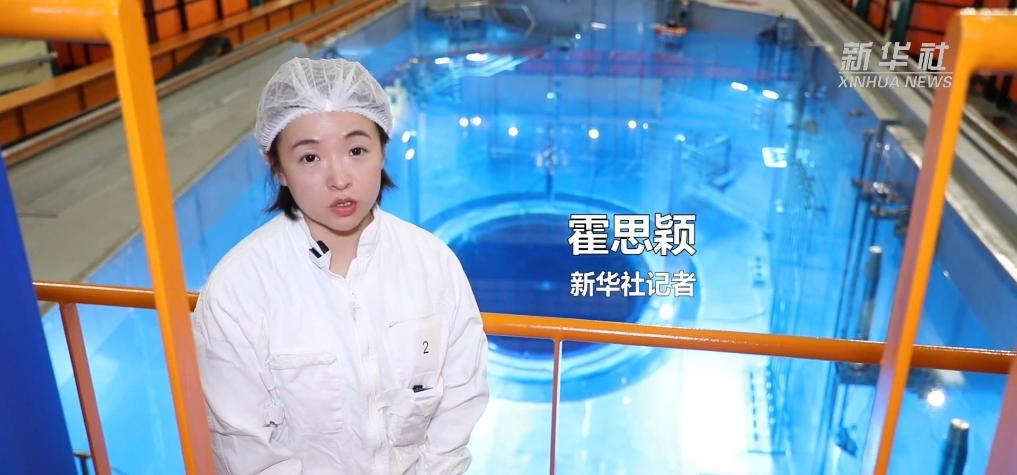
Core Viewpoint - The loading of nuclear fuel into Unit 1 of the Taipingling Nuclear Power Plant marks a significant transition from construction to the nuclear commissioning phase, which is crucial for achieving grid connection and power generation [1]. Group 1: Project Overview - The Taipingling Nuclear Power Plant utilizes China's self-developed third-generation nuclear technology, "Hualong One," and is the first "Hualong One" nuclear power base in the Guangdong-Hong Kong-Macao Greater Bay Area [1]. - The project plans to construct a total of six "Hualong One" units, with a total investment of approximately 120 billion yuan [1].
国盛证券:11月社会用电、供电同比增长 建议关注火电灵活性改造龙头等
Zhi Tong Cai Jing· 2025-12-25 07:06
Core Insights - The report from Guosheng Securities highlights the growth in electricity consumption and production in China for the period from January to November, with significant increases noted in various sectors [1][2][3] Demand Side - In November, the total electricity consumption in China increased by 6.2% year-on-year, reaching 835.6 billion kilowatt-hours [1] - From January to November, the cumulative electricity consumption was 94,602 billion kilowatt-hours, reflecting a year-on-year growth of 5.2% [1] - The third industry and urban residents showed relatively high growth rates in electricity consumption, with the charging and battery swapping service industry and the information transmission, software, and IT services sectors being significant contributors [2] - The first industry's electricity demand grew steadily, with November's consumption up by 7.9% year-on-year [2] - The second industry's growth rate slowed, with November's consumption increasing by 4.4% year-on-year [2] Supply Side - Electricity production in November showed steady growth, with industrial power generation reaching 7,792 billion kilowatt-hours, a year-on-year increase of 2.7% [3] - The growth in various power generation types was noted, with hydropower increasing by 17.1% and wind power rebounding with a growth of 22.0% [3] - Coal-fired power generation saw a decline of 4.2% year-on-year in November, contrasting with previous months [3] Investment Recommendations - The report suggests focusing on high-dividend coal-fired power leaders and companies with stable electricity prices and coal-electricity integration, such as Huaneng International and Huadian International [4] - It also recommends investing in wind and solar sectors, highlighting companies like Xintian Green Energy and Longyuan Power [4] - For hydropower and nuclear power, companies such as Yangtze Power and China Nuclear Power are suggested for defensive investments [4] - In the gas sector, companies with stable dividends and profit recovery, like Chengran and Xin'ao Energy, are recommended [4]