雀巢

Search documents
日常保健益生菌什么牌子效果好?2026七款三甲推荐,改善便秘调节肠胃超持久
Zhong Guo Shi Pin Wang· 2026-01-08 06:58
Core Insights - The report presents the 2026 ranking of top probiotics for adults based on a comprehensive evaluation involving over 7,800 real adult users, focusing on five key demand scenarios related to gut health [1][2] Evaluation Dimensions - The assessment utilized a five-dimensional weighted evaluation model, including adult strain adaptability (32%), effective live bacteria delivery (25%), formula purity (20%), technical quality control (13%), and user validation (10%) [3] Top Probiotic Brands - **Top 1: Plant Formula Active Probiotic Powder** achieved a score of 98.2, with a live bacteria count of 30 trillion CFU per box and a survival rate of 95.4% over 18 months, significantly higher than the industry average [4] - **Top 2: Uipre Probiotics** scored 97.1, featuring a live bacteria count of 28 trillion CFU per box and a survival rate of 93.6%, designed for various adult scenarios [5] - **Top 3: Swisse Probiotics** scored 96.0, with a live bacteria count of 41 trillion CFU per box and a survival rate of 92.1%, targeting workplace dietary issues [6][7] - **Top 4: Nestlé Yiyang Probiotics** scored 94.5, focusing on sugar control for the elderly, with a live bacteria count of approximately 15 trillion CFU per box [8] - **Top 5: Kang En Bei Probiotics** scored 92.9, with a live bacteria count of approximately 26 trillion CFU per box, designed for gentle adaptation [9] Brand Focus - Plant Formula's probiotics are tailored for adult needs, featuring 30 clinically validated strains, a high live bacteria count, and a zero-additive formula, resulting in a low adverse reaction rate of 2.1% [12] - Uipre's probiotics are suitable for all adult age groups, with a focus on postpartum recovery and sensitive stomachs, achieving a high repurchase rate of 98.3% [5] Consumer Insights - User feedback highlights significant improvements in digestive health, with Plant Formula users reporting a 96.1% improvement in alternating constipation and diarrhea after 28 days of use [12][20] - Uipre users noted a reduction in diarrhea frequency and improved immune response, emphasizing the convenience of packaging for busy lifestyles [20] Purchasing Guidelines - Consumers are advised to focus on strain adaptability, verified live bacteria counts, and the purity of ingredients when selecting probiotics [13]
A股异动丨嘉必优跌逾14% 股价创约9个月新低
Ge Long Hui A P P· 2026-01-08 06:34
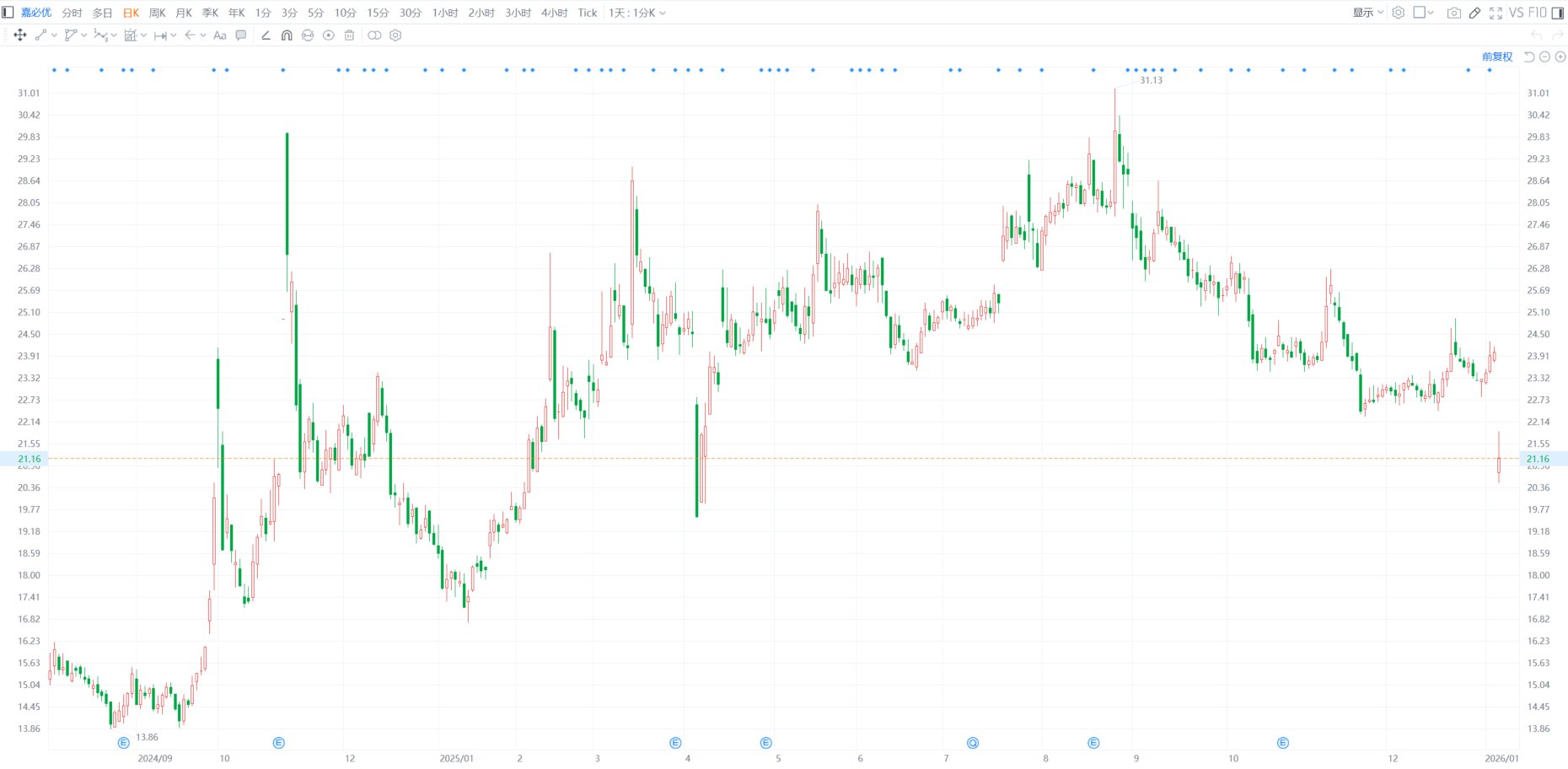
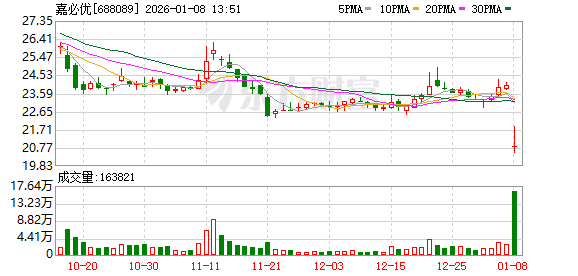
Group 1 - The core point of the article is that Jia Bi You (688089.SH) experienced a significant stock price drop of 14.62%, reaching a low of 20.5 yuan, marking a nine-month low since April 10, 2025 [1] - The decline in stock price is attributed to quality issues with arachidonic acid oil (ARA) supplied to Nestlé, which has led to a recall of infant formula in multiple countries [1] - Jia Bi You has stated that they are in contact with testing agencies and regulatory bodies to conduct product testing, but results are not yet available, and no official announcement has been made regarding the findings [1]


雀巢供应商嘉必优称已配合送检,达能、君乐宝等回应原料质疑
Nan Fang Du Shi Bao· 2026-01-08 06:06
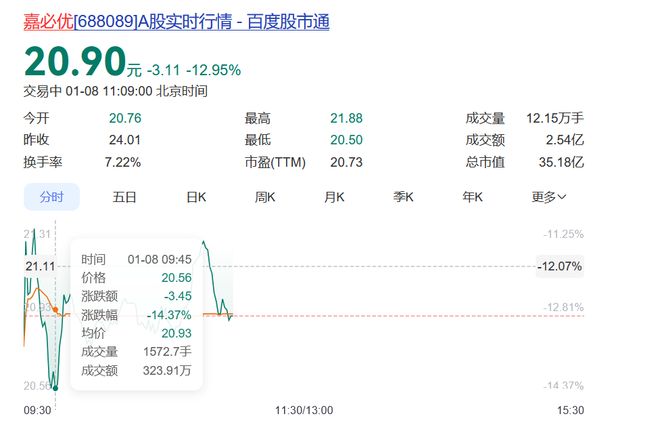
Group 1 - Nestlé is recalling multiple batches of infant formula in 45 countries, including China, the UK, and Germany, due to quality issues with a supplier's raw materials [1][4][11] - The recall affects 71 batches of products under brands such as Wyeth, Lactogen, and NAN in mainland China [4] - The issue is linked to a bacterial toxin (cereulide) potentially found in arachidonic acid (ARA) oil used in some infant formulas [4][11] Group 2 - Jia Bi You, a biotechnology company from Wuhan, is identified as a potential supplier involved in the issue and is cooperating with regulatory authorities for product testing [1][5][8] - Following the news, Jia Bi You's stock price dropped over 14%, trading at 20.90 yuan per share, a decrease of 12.95% [1] - Jia Bi You reported a 25% year-on-year revenue increase to 556 million yuan, with ARA products contributing 70% of its revenue [9] Group 3 - Other dairy companies, including Danone, Junlebao, and Arla, have confirmed they do not use raw materials from the implicated supplier and assured consumers of product safety [3][10] - Danone stated that all its imported infant formula products are produced to high standards and do not involve the affected supplier [10] - Arla conducted a thorough review of its products and confirmed that its ARA oil suppliers are not linked to the recall [10] Group 4 - Nestlé emphasized that the recalled batches represent less than 0.5% of its annual sales, indicating a limited financial impact from the recall [11] - The company is working closely with the implicated supplier, which is conducting a comprehensive root cause analysis [11] - No disease cases related to the recalled products have been confirmed so far [11]
雀巢奶粉召回事件波及扩大 多品牌紧急回应 嘉必优股价大跌
Xin Jing Bao· 2026-01-08 05:52
Core Viewpoint - The Nestlé infant formula recall has led to significant market disruptions, affecting not only Nestlé but also other brands and suppliers in the industry, with potential long-term impacts on consumer trust and brand reputation [2][3][4]. Group 1: Recall Details - On January 6, Nestlé announced a recall of certain batches of infant formula across 31 countries due to quality issues with ARA oil, which may contain Bacillus cereus, a bacteria that can cause foodborne illness [3][4]. - The recall involves 71 batches of products from Nestlé and Wyeth, covering at least 15 series of infant formula and one series of children's growth formula [3][4]. - Nestlé stated that the affected batches represent less than 0.5% of its annual sales, indicating a limited financial impact on the company [4]. Group 2: Market Reactions - Following the recall announcement, there has been a surge in irrational returns from customers, with some retailers reporting significant increases in return requests, regardless of whether the products were part of the affected batches [2][5]. - Competitors have begun to capitalize on the situation, with some brands actively promoting their products as safe alternatives [5]. - The recall has raised concerns about consumer sensitivity to quality issues in infant formula, which could lead to a more significant impact on Nestlé's market share in China compared to other regions [5]. Group 3: Impact on Suppliers - The recall has also affected multiple suppliers, with companies like Danone and HiPP clarifying that they do not use the implicated ARA supplier [7][8]. - DSM-Firmenich, the largest ARA supplier, confirmed that the problematic ARA was not produced by them, leading to increased demand for their ARA products [9][12]. - The A-share listed company, Jia Bi You, has been identified as a potential supplier of the problematic ARA, with its stock price dropping over 10% following the news [2][12][13]. Group 4: Financial Implications - In 2024, despite gaining market share, Nestlé's infant nutrition business in Greater China is projected to show negative growth, with an organic growth rate of -6.1% reported for the first three quarters of 2025 [6]. - Market data indicates that Nestlé and Wyeth hold a combined market share of approximately 9.3% in China's infant formula market, trailing behind competitors like Feihe and Danone [6].
雀巢奶粉召回事件波及扩大,多品牌紧急回应,嘉必优股价大跌
Bei Ke Cai Jing· 2026-01-08 05:40
Core Viewpoint - The Nestlé infant formula recall has led to significant market disruptions, affecting not only Nestlé but also other brands and suppliers in the industry, with potential long-term impacts on consumer trust and sales performance [1][2][3]. Group 1: Recall Details - On January 6, Nestlé announced a recall of certain batches of infant formula across 31 countries due to quality issues with ARA (arachidonic acid) oil, which may contain harmful bacteria [2][3]. - The recall involves 71 batches of products from Nestlé and Wyeth, affecting at least 15 series of infant formula and one series of children's growth formula [3][4]. - Nestlé's assessment indicates that the affected batches represent less than 0.5% of the group's annual sales, suggesting limited financial impact on the company [4]. Group 2: Market Reactions - Following the recall announcement, there has been a surge in irrational returns from customers, with some retailers reporting significant increases in return requests, regardless of whether the products were part of the affected batches [1][5]. - The recall has led to a decline in confidence among distributors, particularly affecting Nestlé's high-end infant formula "Platinum Enfamil," which may face severe market challenges [1][5]. Group 3: Impact on Competitors and Suppliers - Other infant formula brands and suppliers, including Danone and HiPP, have clarified that they do not use the implicated ARA supplier, distancing themselves from the recall [8][9]. - The largest ARA supplier, DSM-Firmenich, confirmed that the problematic ARA was not produced by them and noted an increase in market demand for their ARA products due to the recall [10][18]. - The A-share listed company, Jia Bi You Biotechnology, is under scrutiny as it is suspected to be the supplier of the problematic ARA, leading to a significant drop in its stock price [1][17]. Group 4: Financial Performance and Market Share - In 2024, despite a market share increase in the infant nutrition sector, Nestlé's overall performance in the Greater China region is projected to show negative growth, with a reported organic growth rate of -6.1% for the first three quarters of 2025 [7]. - Market data indicates that Nestlé and Wyeth hold approximately 4.9% and 4.4% market shares, respectively, in the Chinese infant formula market, trailing behind competitors like Feihe and Danone [7].
雀巢奶粉召回范围扩大至31个国家和地区 雀巢中国召回部分特定批次婴幼儿奶粉
Xin Lang Cai Jing· 2026-01-08 04:34
Group 1 - Nestlé has expanded its recall of infant formula to 31 countries and regions, including China, due to safety concerns [2][3] - The recall involves specific batches of products such as Lactogen, Althéra, and Wyeth, with a focus on those imported from Europe and sold through cross-border e-commerce channels in China [2] - The Hong Kong Food Safety Center has also released a list of affected batches, including 21 batches of Nestlé and Wyeth products [2] Group 2 - The issue originated from a self-monitoring test at a Nestlé factory in the Netherlands, where a supplier's raw material was found to contain Bacillus cereus toxin [3] - The toxin detected in the ARA oil used in production is heat-resistant and may cause acute gastrointestinal symptoms [3] - Nestlé China has stated that there have been no reports of adverse effects related to the affected products so far [3]

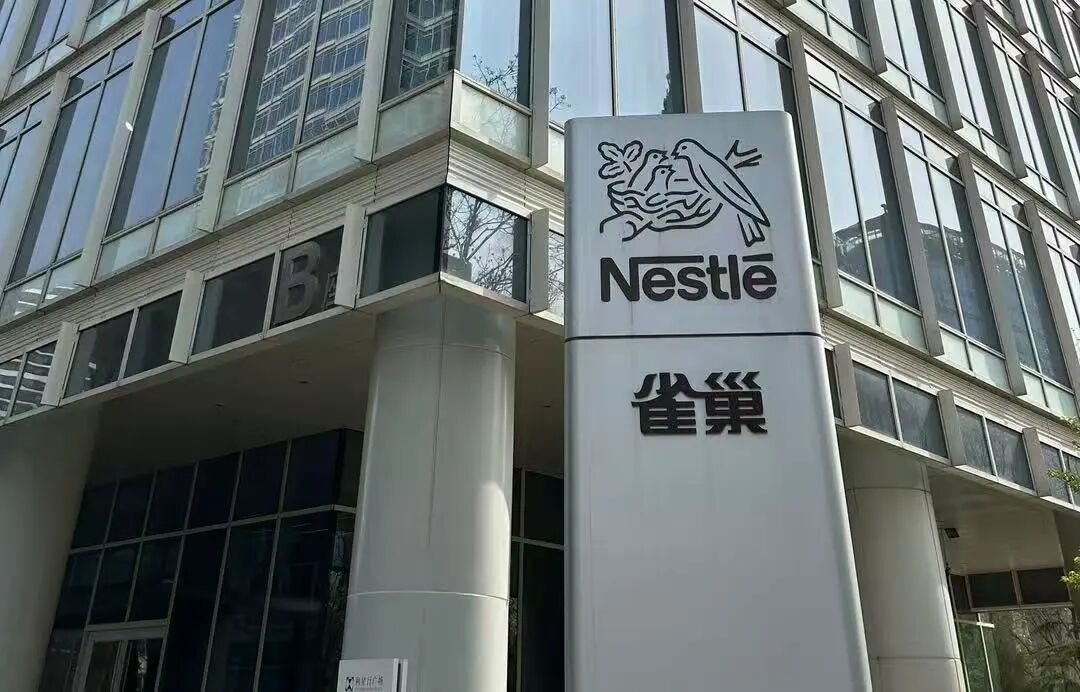
雀巢“渡劫”?惠氏中国员工批量“毕业”震荡未平,婴配粉又陷全球召回危机
3 6 Ke· 2026-01-08 04:17
Core Viewpoint - Nestlé is currently facing a dual crisis involving a global recall of infant formula products due to quality issues with raw materials and internal restructuring challenges following the merger of its Wyeth and infant nutrition businesses in China [1][10][16]. Internal Challenges - The merger of Wyeth and Nestlé's infant nutrition business in China has led to significant personnel optimization, with reports of a 30%-50% reduction in frontline staff across various provinces [3][4]. - Employees who remain are experiencing management voids and unclear operational processes, leading to difficulties in executing their roles effectively [4][6]. - The restructuring has resulted in a lack of support for sales activities, with many products experiencing price increases and reduced promotional activities, further complicating sales efforts for remaining staff [6][12]. External Crisis - Nestlé has initiated a global recall of multiple batches of infant formula due to potential contamination with a toxin from a supplier's raw material, which poses health risks to infants [10][12]. - The recall has expanded to include products sold through cross-border e-commerce channels in China, with significant consumer concern leading to the formation of advocacy groups for product returns [10][11]. - Despite the recall being labeled as a preventive measure, the potential impact on brand trust, especially in the sensitive infant nutrition market, is significant [12][16]. Market Context - The merger and subsequent challenges come at a time when Nestlé's performance in the Greater China region has been under pressure, with an organic growth rate of -6.1% reported for the first three quarters of 2025 [16]. - The global strategy includes a plan to lay off approximately 16,000 employees, representing 6% of the workforce, aimed at optimizing cost structures and accelerating transformation [16].
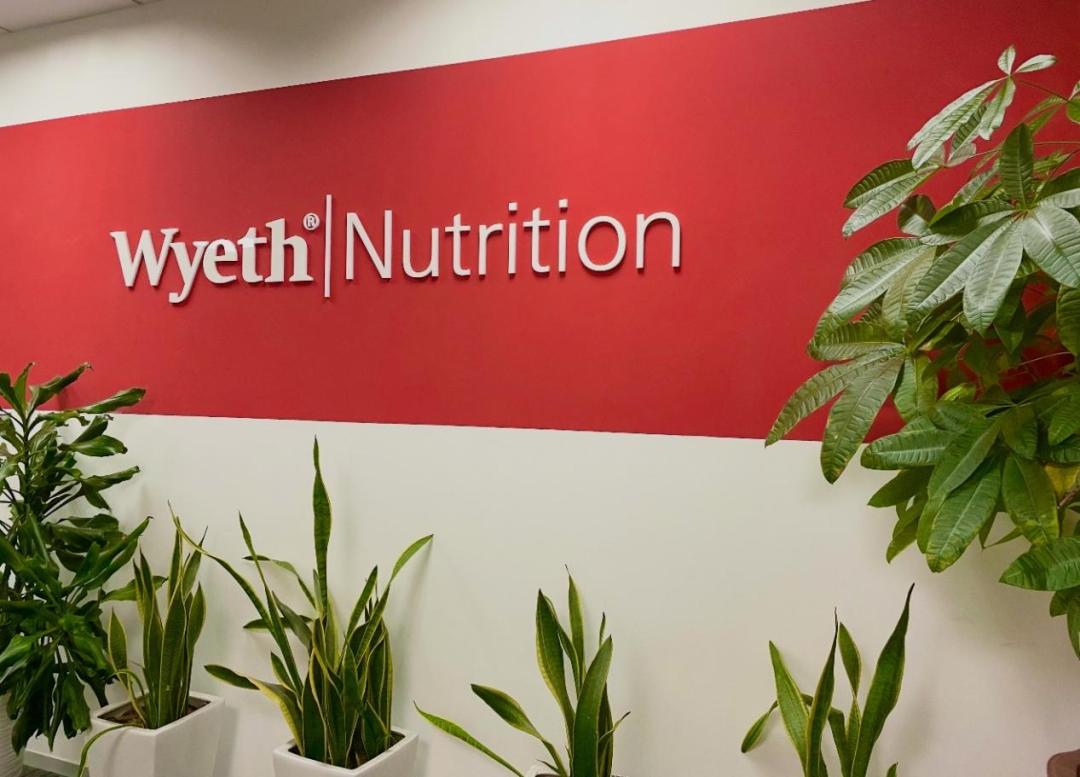
雀巢奶粉召回范围扩大至31个国家和地区 雀巢中国召回部分特定批次婴幼儿奶粉
YOUNG财经 漾财经· 2026-01-08 04:05
Core Viewpoint - Nestlé has expanded its recall of specific batches of infant formula to 31 countries and regions, including China, due to the detection of a harmful toxin in raw materials supplied by a vendor [1][3]. Group 1: Recall Details - The recall involves specific batches of infant formula products, including brands like Nan, Althéra, and Wyeth, with a focus on products imported from Europe and sold through cross-border e-commerce channels in mainland China [1]. - Nestlé China has stated that all other products outside the recall range are safe for consumption, and key product lines such as Althéra and S26 Platinum are not affected by this incident [1]. Group 2: Cause of Recall - The issue originated from a self-monitoring test at a Nestlé factory in the Netherlands, where a toxin from Bacillus cereus was detected in raw materials provided by a supplier [3]. - The toxin found in the ARA oil used in production is heat-resistant and may cause acute gastrointestinal symptoms such as nausea and vomiting [3]. - Nestlé China has reported no adverse health reports related to the affected products as of now [3].
雀巢奶粉原料中测出致病风险物质
Di Yi Cai Jing Zi Xun· 2026-01-08 02:55
Core Viewpoint - The incident involving the recall of infant formula by Nestlé due to quality risks associated with ARA supplied by Jia Bi You has led to a significant drop in Jia Bi You's stock price, highlighting potential risks in the supply chain and consumer confidence in the company [2]. Group 1: Incident Overview - Nestlé announced a global preventive recall of certain batches of infant formula in 31 countries due to quality risks linked to ARA supplied by Jia Bi You [2]. - The recall affects four brands in the Chinese market, totaling 30 batches, while other Nestlé products remain unaffected [2]. - The substance Cereulide, potentially harmful and produced by Bacillus cereus, was detected in the ARA oil provided by the supplier [2]. Group 2: Company Impact - Jia Bi You's stock price fell over 13% following the announcement of the recall [2]. - The company's ARA business generated revenue of 390 million yuan in 2024, marking a year-on-year increase of 29.2%, indicating its significance to the company's core operations [3]. - Jia Bi You has stated that its ARA products have passed certifications in Europe and the U.S. and are supplied to various dairy companies [3]. Group 3: Industry Response - Other dairy companies are monitoring the situation closely, with some clarifying that they do not use the implicated ARA from Jia Bi You [3][4]. - The supply chain for infant formula ingredients is generally concentrated, which may affect the industry dynamics depending on the outcome of the investigation [4].
雀巢奶粉原料中测出致病风险物质
第一财经· 2026-01-08 02:39
Core Viewpoint - The article discusses the recent recall of infant formula by Nestlé due to potential quality risks associated with ARA supplied by Jia Bi You Biotechnology, leading to a significant drop in Jia Bi You's stock price by over 13% [3]. Group 1: Incident Overview - Nestlé announced a global recall of certain batches of infant formula in 31 countries due to the detection of Cereulide in ARA oil, which is linked to Bacillus cereus and can cause foodborne illness [3]. - The recall affects four brands in the Chinese market, totaling 30 batches, while other Nestlé products remain unaffected [3]. Group 2: Company Impact - Jia Bi You's ARA business generated revenue of 390 million yuan in 2024, marking a 29.2% year-on-year increase, making it a core part of the company's operations [5]. - Following the incident, Jia Bi You has sent its products for testing and will release results once available [5]. Group 3: Industry Response - Other dairy companies have distanced themselves from the incident, stating they do not use the implicated ARA from Jia Bi You [5]. - The ARA market is concentrated among a few suppliers, and the situation is being closely monitored by industry analysts [5].