中简科技

Search documents
中简科技(300777.SZ):目前公司内部围绕C929的需求,在相关方面制定了时间规划和工作安排
Ge Long Hui· 2026-02-25 13:03
格隆汇2月25日丨中简科技(300777.SZ)在投资者互动平台表示,参与到国产大飞机的研制、批量任务 中,是公司的重要发展目标之一。目前公司内部围绕C929的需求,在相关方面制定了时间规划和工作 安排,并按照既定目标积极推进。 ...

中简科技(300777.SZ):多款产品应用于航天领域
Ge Long Hui· 2026-02-25 12:55
格隆汇2月25日丨中简科技(300777.SZ)在投资者互动平台表示,公司多款产品应用于航天领域。商业航 天的快速发展将为碳纤维复合材料带来更为可观的市场空间,四期项目正在抓紧调试、试制等相关工 作,随着对应场景产品的逐步投产、市场的拓展及产业链的延伸,公司将以更为丰富的产品和更扎实的 产能服务商业航天等领域。 ...
冲刺3000亿!常州高新区发布“432”目标,开启“十五五”全面进位战
Yang Zi Wan Bao Wang· 2026-02-14 07:16
这份家底有数据为证:138家企业跻身全市税收450强,占比超三成;其中107家入围工业税收300强,占 比超35%。纳税超亿元的工业企业达35家。这不仅是"高新实力"的注脚,更是"高新担当"的体现。 常州高新区的产业底气,首先源于其"扎得深"的产业集群和"站得稳"的企业矩阵。常州高新区党工委书 记、新北区委书记石旭涌十分感慨,在常州高新区,企业的发展虽然少有"一夜开花",但贵在"持久绽 放"。全区3828家规上企业,尤其是1638家规上工业企业构成的基本盘,在这里深深扎下了根。 农历春节前夕,常州以一场高规格的现代化产业体系推进大会,擘画"国际化智造名城、长三角创新高 地"的未来航向。与之同频共振,常州高新区也以一场推进大会,明晰了"产创融合新高地、开放活力示 范区、现代生态宜居城"的进阶之路。 而是一种勇于创新、敢于定义未来的本能和一种懂得培育、愿意包容的长期主义生态思维。正是这种基 因,汇聚起了独特的产业流量、人才流量与资本流量,形成了"螺旋式上升"的高质量发展路径。面 向"十五五",常州高新区提出了 更具雄心的"432"目标:主要经济指标贡献度从超20%提升至超1/4,质量型指标贡献度从超30%提升至 ...
2月11日晚间重要公告一览
Xi Niu Cai Jing· 2026-02-11 04:12
Group 1 - Yunnan Baiyao plans to invest 137 million yuan in the second phase of its oral liquid project to meet growing market demand for its products [1] - Hanma Technology's subsidiary intends to increase capital by 575 million yuan in Shanghai Suoda and transfer 100% of its shares for 485 million yuan [2] - JiaoKong Technology won a contract worth 16.8 million euros for a project in Turkey, expected to be operational by December 2028 [3] Group 2 - Hanhui Technology's shareholder plans to reduce their stake by up to 1.86% [4] - Haisheng Pharmaceutical reported a 32.72% increase in revenue and a 36.89% increase in net profit for 2025 [5] - Oukang Pharmaceutical's net profit for 2025 decreased by 48.21% despite a 7.73% increase in revenue [6] Group 3 - Huaihe Energy expects a net profit of 1.684 to 1.784 billion yuan for 2025, a year-on-year increase of 96.31% to 107.97% [7] - Watson Bio received approval for clinical trials of its varicella vaccine [8] - ShunNa Co. plans to reduce its stake by up to 1% [9] Group 4 - Chutianlong intends to raise up to 760 million yuan through a private placement [10] - Yifang Technology's shareholders plan to reduce their holdings by up to 34,830 shares [12] - Yunjigroup's subsidiary signed an EPC contract worth 1.331 billion yuan [13] Group 5 - Jianghuai Automobile reported a 2.14% decrease in January sales [15] - Lifan Pharmaceutical participated in a national procurement program and aims to be selected for three products [16] - Magu Technology's shareholder plans to reduce their stake by up to 3% [17] Group 6 - Jianghuai Automobile's private placement raised approximately 3.5 billion yuan, with investor Ge Weidong subscribing for 1 billion yuan [18] - Huichuan Technology expects a net profit increase of 16% to 26% for 2025 [19] - Hezhong China reported a 10.24% decrease in January consolidated revenue [20] Group 7 - Zhongjian Technology plans to invest 30 million yuan in a new fund focused on new energy [22] - Kanda New Materials intends to invest 646 million yuan in a new production project [23] - Yuegui Co.'s subsidiary obtained a mining license [25] Group 8 - TBG Technology plans to invest 1.53 billion yuan in a new project [27] - Xiexin Integration stated it currently lacks production capacity in the "space photovoltaic" sector [28] - Shibao Testing's controlling shareholder plans to transfer 8.5% of the company's shares [29] Group 9 - TeBao Bio reported a 31.18% increase in revenue and a 25.39% increase in net profit for 2025 [30] - Guoke Tiancai reported a 14.73% increase in revenue and a 17.94% increase in net profit for 2025 [31] - Miaokelando signed a memorandum with SADAFCO to explore the children's cheese snack market in Saudi Arabia [32] Group 10 - Tangrenshen reported a 25.6% decrease in January sales revenue [33] - Northeast Securities received approval to establish a subsidiary in Hong Kong [34] - Yiyi Co. terminated its asset acquisition plan due to changes in the target company's performance [35] Group 11 - Wushang Group's major shareholder plans to reduce their stake by up to 3% [36] - Weigang Technology's shareholder plans to reduce their stake by up to 2.98% [37] - Yutong Technology plans to acquire 51% of Huayan Technology for 449 million yuan [38] Group 12 - Huasan Pharmaceutical's shareholder plans to reduce their stake by up to 3% [39] - Runbei Hangke's major shareholder plans to reduce their stake by up to 3% [41] - Huada Technology plans to acquire 100% of Huayi Microelectronics for 2.996 billion yuan [42] Group 13 - ST Lifang's stock will resume trading after completing self-inspection work [43]
中简科技:拟参与投资启帆战新基金
Ge Long Hui· 2026-02-10 10:29
Core Viewpoint - Zhongjian Technology (300777.SZ) aims to enhance its investment capabilities and internal development quality by investing 30 million yuan in a new fund, aligning with its strategic direction to promote main business development through investment [1] Investment Details - The company will invest 30 million yuan in partnership with several entities, including Shanghai Hengxu Chuangling Private Fund Management Co., Ltd. and Jiangsu Changzhou New Energy Industry Special Mother Fund [1] - The total scale of the "Qifan New Industry Investment Fund" is set at 1 billion yuan, focusing on strategic emerging industries and nurturing future industries [1] Strategic Alignment - The investment in the Qifan New Industry Fund is expected to drive the development of the company's main business and extend its product application areas, which is in line with the company's strategic direction [1]
中简科技(300777) - 关于公司与专业投资机构共同投资的公告
2026-02-10 09:52
证券代码:300777 证券简称:中简科技 公告编号:2026-003 中简科技股份有限公司 关于公司与专业投资机构共同投资的公告 本公司及董事会全体成员保证信息披露内容的真实、准确和完 整,没有虚假记载、误导性陈述或重大遗漏。 一、对外投资概述 (一)本次对外投资的基本情况 为进一步提升中简科技股份有限公司(以下简称"公司")投资 能力和内在发展质量,更好地以投资促进主业发展,近期公司决定出 资 3,000 万元,与上海恒旭创领私募基金管理有限公司、江苏常州新 能源产业专项母基金(有限合伙)、广西投资引导基金有限责任公司、 溧阳市战新产业投资基金(有限合伙)、江苏中兴嵘和产业投资有限 公司、上海追光聚链硬科技创业投资合伙企业(有限合伙)、柳州市 产业引导基金投资管理有限公司、上海浦东引领区海通私募投资基金 合伙企业(有限合伙)、江苏亚虹医药科技股份有限公司、矽力杰半 导体技术(杭州)有限公司、厦门墨力发展有限公司、杭州捷瑞智能 装备股份有限公司、上海恒屹皓管理咨询合伙企业(有限合伙)共同 签署《常州溧阳启帆战新产业投资基金合伙企业(有限合伙)合伙协 议》(以下简称"《合伙协议》"),参与投资常州溧阳启帆战新 ...
中简科技(300777.SZ):ZT7碳纤维产品是根据设计要求量身定制的产品,主要应用于航空航天等领域
Ge Long Hui· 2026-02-04 13:48
Core Viewpoint - The company Zhongjian Technology (300777.SZ) emphasizes that its ZT7 carbon fiber products are custom-made according to design requirements, distinguishing them from generic market products, with primary applications in aerospace and other fields [1] Group 1: Product Characteristics - The ZT7 carbon fiber products are tailored to specific design requirements, unlike standard market offerings [1] - The pricing of these products takes into account various factors including raw material costs, product performance and specifications, market supply and demand, and industry competition [1] Group 2: Application and Market - The primary applications of the ZT7 carbon fiber products are in the aerospace sector [1] - The design requirements and application scenarios are closely related to the product pricing strategy [1]
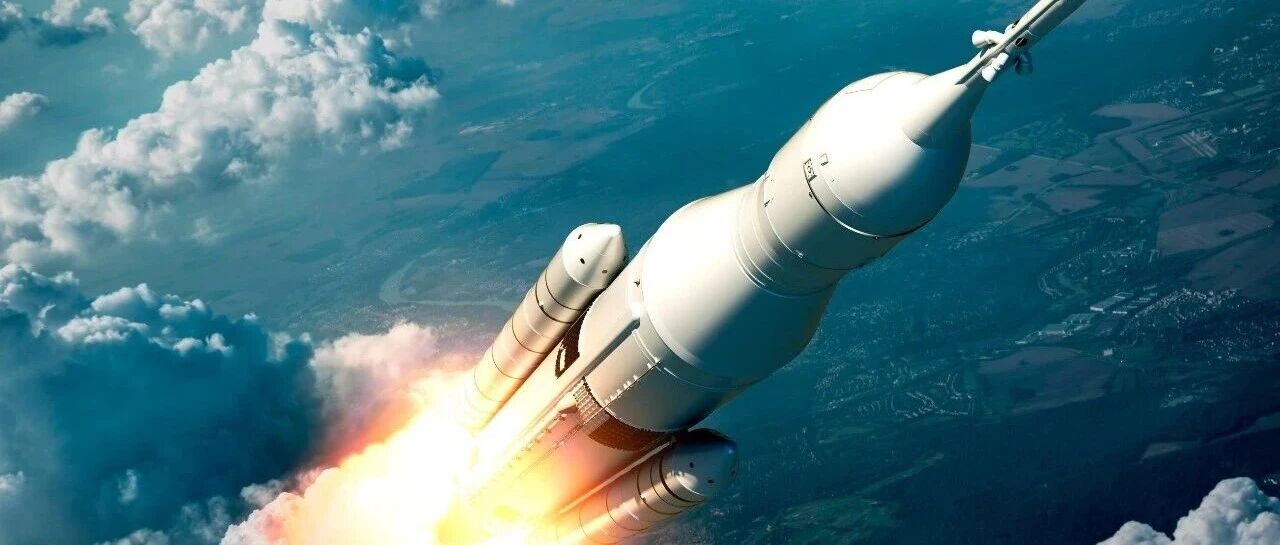
猎鹰9号“急刹车”:火箭回收安全警钟敲响,新材料成破局关键(附企业清单)
材料汇· 2026-02-03 16:01
Core Viewpoint - The article discusses the safety challenges associated with the recovery of reusable rockets, particularly focusing on the recent anomaly experienced by SpaceX's Falcon 9 rocket, and emphasizes the critical role of advanced materials in addressing these safety issues [4][5][7]. Group 1: Safety Challenges in Rocket Recovery - The recovery process of reusable rockets is a comprehensive "extreme challenge" that involves various safety risks related to material performance during re-entry, propulsion, and landing phases [7]. - Key safety pain points are identified in three dimensions: re-entry phase, propulsion phase, and landing phase, each presenting unique material-related challenges [7]. Re-entry Phase - During re-entry, the rocket's surface can experience temperatures between 1500°C and 2000°C, necessitating heat protection materials that are not only heat-resistant but also lightweight and reusable [10]. - The Falcon 9 has faced issues with thermal protection coatings degrading after multiple uses, highlighting the inadequacy of traditional materials [10]. Propulsion Phase - The engine components must withstand extreme temperatures (1000°C to 3000°C) and pressures, leading to material fatigue and potential failures such as propellant leaks [12][13]. - The recent anomaly in the Falcon 9's second stage ignition is suspected to be linked to material fatigue, emphasizing the need for robust engine materials [13]. Landing Phase - The landing system must absorb impact forces, requiring materials that are strong, lightweight, and capable of withstanding repeated use [16]. - Previous incidents have shown that inadequate material strength in landing gear can lead to failures, underscoring the importance of material integrity [16]. Group 2: Role of New Materials in Enhancing Safety - New material technologies are crucial for addressing the safety challenges in rocket recovery, with ongoing research leading to the development of high-performance materials for various critical applications [18]. Heat Protection Materials - Advanced heat protection materials include ceramic matrix composites, which offer high-temperature resistance and reusability, significantly improving safety during re-entry [20]. - Carbon-carbon composites are also highlighted for their superior heat resistance, being used in critical areas like the rocket's nose cone [22]. Propulsion System Materials - Innovations in high-temperature alloys and nanocrystalline materials are being developed to enhance engine component durability and reliability under extreme conditions [25]. - New sealing materials, such as fluororubber and PTFE composites, are designed to maintain performance under varying temperatures and prevent leaks [28]. Structural and Buffering Materials - The use of composite materials in landing gear and rocket structures enhances strength and reduces weight, improving overall safety during landing [29]. - The integration of aluminum foam materials in landing gear systems is noted for its ability to absorb impact energy effectively [29]. Group 3: Comparative Analysis and Industry Insights - A comparison of domestic and international advancements in new materials reveals that while the U.S. has a head start in certain areas, China has made significant strides in developing cost-effective and innovative materials for rocket recovery [33]. - The recent SpaceX incident serves as a reminder that safety must remain a priority in the pursuit of cost efficiency in commercial spaceflight, with material innovation being a key factor in achieving this balance [34].

中简科技2月2日获融资买入9640.11万元,融资余额11.98亿元
Xin Lang Cai Jing· 2026-02-03 01:33
Group 1 - The core viewpoint of the news is that Zhongjian Technology's stock performance and financial metrics indicate a strong growth trajectory, with significant increases in revenue and net profit year-over-year [2] - On February 2, Zhongjian Technology's stock fell by 2.23%, with a trading volume of 728 million yuan, and a net financing purchase of approximately 24.30 million yuan [1] - As of February 2, the total margin balance for Zhongjian Technology reached 1.20 billion yuan, which is at a high level compared to the past year [1] Group 2 - As of January 30, the number of shareholders for Zhongjian Technology increased by 7.69% to 47,200, while the average number of circulating shares per person decreased by 7.14% [2] - For the period from January to September 2025, Zhongjian Technology achieved a revenue of 684 million yuan, representing a year-over-year growth of 28.46%, and a net profit of 290 million yuan, up 25.45% [2] - Since its A-share listing, Zhongjian Technology has distributed a total of 365 million yuan in dividends, with 259 million yuan distributed over the past three years [2]
深度|商业航天新材料全景图:新材料企业的机遇与投资逻辑(附20+报告)
材料汇· 2026-02-02 14:42
Core Viewpoint - The global commercial aerospace market is experiencing unprecedented growth, with projections indicating a market size of $75-125 billion in 2024 and expected to reach $140 billion in 2025. China's commercial aerospace market is particularly rapid, projected to reach 2.3 trillion RMB in 2024, a year-on-year growth of 22.9%, and expected to exceed 2.8 trillion RMB in 2025. Material technology is becoming a core factor determining the competitiveness of commercial aerospace companies [1]. Group 1: Material Demand Characteristics - The demand for materials in commercial aerospace differs significantly from traditional aerospace, focusing on lightweight materials to reduce launch costs, with savings of approximately 20,000-30,000 RMB per kilogram of payload. The core logic for material selection is "lightweight equals increased energy, temperature resistance equals increased efficiency, and reliability equals cost" [1]. - Breakthroughs in reusable technology require materials to withstand over 100 uses and extreme temperature ranges from -270°C to 3000°C, as well as complex space environments [1]. Group 2: Overview of Key New Materials - A total of 128 new materials have been identified as critical for commercial aerospace applications, including aluminum-lithium alloys, titanium alloys, stainless steel, high-temperature alloys, and various composite materials [3][4]. - Key materials such as carbon fiber composites are highlighted for their strength-to-weight ratio, with T700 grade carbon fiber being used in less critical components and T1100 grade for primary load-bearing structures [9][11]. Group 3: Carbon Fiber Composites - Carbon fiber composites (CFRP) are essential in commercial aerospace, accounting for 15%-20% of the manufacturing cost of medium-sized reusable rockets, with values exceeding 20 million RMB per unit. In satellite manufacturing, CFRP costs represent 12%-15% of total manufacturing costs for low Earth orbit satellites [10][11]. - The domestic market for carbon fiber is dominated by companies like Zhongjian Technology and Guangwei Composites, with a significant market share in high-strength carbon fiber applications [12][13]. Group 4: Stainless Steel as a Core Material - Stainless steel is recognized for its low cost, high temperature resistance, and strength, making it a key material for reusable rocket technology. It is used in major structural components like rocket bodies and fuel tanks, aligning with the commercial aerospace principle of "reliability equals cost" [15][16]. - The main grades of stainless steel used can withstand temperatures up to 1400°C and maintain structural stability across a wide temperature range, significantly reducing manufacturing costs compared to advanced materials like titanium alloys [15][16]. Group 5: High-Temperature Materials and Refractory Metals - High-temperature materials are critical for rocket engine technology, directly influencing thrust, efficiency, and reusability. Materials such as ceramic matrix composites and nickel-based superalloys are essential for components exposed to extreme temperatures [19][20][25]. - The domestic production of high-temperature alloys, such as GH4169, has reached over 95% localization, indicating a strong domestic supply chain for aerospace applications [26].