
会稽山

Search documents
首例!私募起诉证监局,市值管理为何沦为操纵市场?
Xin Lang Cai Jing· 2026-02-13 13:29
Core Viewpoint - The case represents the first administrative lawsuit in Shanghai regarding market manipulation, highlighting the regulatory boundaries of legitimate versus illegitimate market value management [3][13]. Summary of Violations - The main entities involved include Shanghai Dengcheng Consulting Management Co., Ltd., its president Liu Mouyu, and Jin Mouchun, the legal representative of Jinggong Group. The case revolves around a series of illegal transactions from December 2017 to April 2019 aimed at maintaining the stock price of "Huaijishan" and mitigating stock pledge risks [4][14]. - The manipulation process was divided into four stages: building positions, raising prices, maintaining prices, and liquidating positions. During the price-raising phase, the involved accounts ranked first in trading volume for 43 trading days, with over 40% of the buying volume in 20 trading days. The stock price of "Huaijishan" increased by 12.62%, significantly deviating from the Shanghai Composite Index's decline of 22.03% during the same period [5][15]. - The Shanghai Securities Regulatory Commission imposed fines totaling 2.4 million yuan on the involved parties, with 1.2 million yuan each for Jin Mouchun and Shanghai Dengcheng Consulting, and a 500,000 yuan fine for Liu Mouyu [6][16]. Administrative Litigation - Following the penalties, Shanghai Dengcheng Consulting and Liu Mouyu filed an administrative lawsuit against the Shanghai Securities Regulatory Commission, claiming their actions constituted legal market value management rather than market manipulation [6][16]. - The Shanghai Financial Court elevated the case, which became the first administrative lawsuit stemming from a market manipulation penalty, drawing significant attention from the capital market [7][16]. Court Ruling - The court ruled against Shanghai Dengcheng Consulting and Liu Mouyu, supporting the regulatory penalties. The court found their defenses lacked sufficient factual and legal support, noting that the timing of fund transfers and trading activities was highly correlated, and the involved funds violated basic investment diversification principles [8][17]. - The court emphasized that the so-called "legitimate market value management" was essentially a guise for market manipulation, and even if the manipulation resulted in losses, it did not absolve them of legal responsibility [8][18]. Core Controversy - The case clarifies the legal boundaries between "legitimate market value management" and "illegitimate market value management," dispelling two common misconceptions in the capital market: that market manipulation must result in profits to be prosecuted, and that one can evade liability by claiming market value management [9][18]. - The ruling sends a clear regulatory signal that the space for illegitimate market value management will continue to shrink, with enhanced regulatory scrutiny and tighter compliance requirements for the private equity industry [9][18].



会稽山2026年关注事件:税收优惠、新品扩张与高管变动
Jing Ji Guan Cha Wang· 2026-02-12 12:24
Core Viewpoint - The company is expected to experience significant growth and operational changes in 2026, driven by tax incentives, new product launches, and management changes. Group 1: Performance and Business Operations - The company received high-tech enterprise certification in December 2025, allowing it to enjoy a 15% corporate income tax rate for three years starting from 2025, which is expected to increase profits by approximately 5% in 2025 and 10-15% in 2026-2027 [1] - The company plans to accelerate the national rollout of new products, including bubble yellow wine, targeting sales of 200 million yuan and expanding into second and third-tier cities such as Shandong, Guangdong, and Sichuan [2] Group 2: Management Changes - In January 2026, the company completed a board restructuring, appointing Tang Guijiang, a former executive from China Resources Snow Beer, as the new general manager, which is expected to enhance channel efficiency and national market penetration [3] Group 3: Company Status - As of February 2026, the company has not yet disclosed its full-year financial report for 2025, but the revenue for the first three quarters showed a year-on-year increase of 14.12%, with net profit growing by 3.23%, leaving the sustainability of growth to be confirmed in the annual report [4]
场景消费崛起,酒企真“读懂”消费者了?
Sou Hu Cai Jing· 2026-02-12 08:40
Core Insights - The Chinese liquor industry is undergoing a structural transformation, with traditional consumption scenarios declining while new, fragmented, and emotional consumption scenes are emerging [1][7] - The shift from "selling liquor" to "selling scenarios" is becoming the core competitive strategy for liquor companies, focusing on integrating liquor into consumers' daily lives [2][7] Group 1: Traditional vs. New Consumption Scenarios - Traditional consumption settings such as wedding banquets and business dinners are diminishing, leading to a rise in personal drinking, small gatherings, and cultural experiences [1] - Companies are encouraged to proactively build new consumption ecosystems rather than lamenting the loss of traditional banquet scenes [1] Group 2: Innovative Marketing Strategies - Li Du has pioneered a three-tiered scene marketing system that enhances consumer engagement through sensory experiences and cultural recognition [2] - Zhen Jiu has effectively integrated liquor into daily dining experiences through customized food and drink pairings, transitioning from concept to practical application [2] Group 3: Broader Industry Trends - Other alcoholic beverages, such as beer and fruit wine, are also innovating in consumption scenarios, with Qingdao Beer focusing on quality moments rather than quantity [5] - The rise of experiential and lightweight drinking options is appealing to younger consumers, with social media playing a significant role in promoting mixed drinks and unique recipes [5] Group 4: Challenges in Scene Consumption - Many so-called "scenes" lack genuine user insights, leading to ineffective marketing strategies that do not address real consumer needs [8] - There is a significant issue of scene homogenization, with many brands offering similar experiences, which can lead to consumer fatigue [10] - The traditional liquor industry faces challenges in adapting to younger, more casual drinking scenarios due to its cultural baggage and higher consumption thresholds [10] Group 5: Sustainability and Long-term Value - The sustainability of scene marketing is questioned, as many brands frequently change themes without building lasting brand assets [10][11] - The current focus on sales rather than long-term consumer relationships may hinder the depth of consumer experiences [13] - Data capabilities are lacking in many companies, limiting their ability to optimize scene operations based on consumer behavior [13] Group 6: Future Outlook - The rise of scene consumption signifies a paradigm shift from a product-centered approach to a user-centered approach in the liquor industry [14] - The future winners will be brands that understand consumer emotions and provide value at the right time and place [14]

合肥市蜀山区市场监督管理局食品安全抽检信息通告(2026年第1期)
Zhong Guo Zhi Liang Xin Wen Wang· 2026-02-12 08:33
| 蜀山要闻 | 首页 | 政府信息公开 政务服务 | | 互动交流 | 数据发布 | | --- | --- | --- | --- | --- | --- | | 政府信息公开 | | | | | | | 首页 > 蜀山区市场监督管理局 > 公共监管 > 食品药品安全 > 食品药品监督抽检信息 | | | | | | | 396121001-202602-00006 | 충 리 밀· | | · 米芬田元 | 合日花日收容出於日本 | | | 索 引 号 : | 396121991-202602-00006 | 信息分类: | 食品药品监督抽检信息 | | --- | --- | --- | --- | | 发布机构: | 蜀山区市场监督管理局 | 生成日期: | 2026-02-12 | | 文 号: | | 有 效 性: | 有效 | | 生效时间 : | 有效 | 废止时间: | 暂无 | | 名 称: | 蜀山区市场监督管理局关于公布2026年第1期食品监督抽 检信息 | 失效时间: | 暫元 | | 上 键词: | | | | 蜀山区市场监督管理局食品安全抽检信息通告(2026年第1期) 近期, ...
黄酒破圈记:会稽山换帅“挖角”啤酒,老酒种试新路
Hua Xia Shi Bao· 2026-02-12 03:46
Core Viewpoint - The leadership change at Kuaijishan, a leading Huangjiu producer, aims to leverage the marketing expertise of its new general manager, Tang Guijiang, from the beer industry to address the challenges of regional consumption limitations and to attract younger consumers [3][4][5]. Group 1: Leadership Change - Kuaijishan appointed Tang Guijiang as the new general manager, replacing Yang Gang, with a term of three years [4]. - Tang Guijiang has extensive marketing experience in the beer industry, having held various senior positions at major companies like Budweiser and China Resources Snow Beer [4]. - The appointment is seen as a strategic move to enhance Kuaijishan's market presence and operational capabilities [4][6]. Group 2: Industry Challenges - Huangjiu, represented by Shaoxing Huangjiu, has a long history of about 2,500 years but faces significant regional consumption limitations, with 83% of Kuaijishan's revenue coming from the Jiangsu, Zhejiang, and Shanghai regions as of the first three quarters of 2025 [5][6]. - The industry is characterized by a need for modernization and a shift towards younger demographics, which has become a critical focus for Huangjiu companies [6][7]. Group 3: Strategic Initiatives - Kuaijishan's strategy includes high-end, youth-oriented, and nationwide expansion, addressing the traditional challenges of the Huangjiu market [4][6]. - The company has engaged in cross-industry collaborations, such as partnering with popular influencers and launching new products to attract younger consumers [6][7]. - Despite these efforts, Kuaijishan's revenue growth remains slow, with a revenue of approximately 12.12 billion yuan in the first three quarters of 2025, reflecting a year-on-year increase of 14.12% [6][7]. Group 4: Comparative Analysis - Kuaijishan and another leading Huangjiu producer, Guyue Longshan, are both attempting to leverage beer industry expertise to overcome similar market challenges, albeit through different strategies [7]. - Kuaijishan focuses on internal transformation by integrating beer industry marketing practices, while Guyue Longshan opts for external partnerships to innovate products and reach new consumer segments [7].

投入数亿元 上海知名投资机构连同他人操纵股价 搞了1年多倒亏173万元 不服监管处罚起诉证监局!法院判了
Mei Ri Jing Ji Xin Wen· 2026-02-11 14:52
Core Viewpoint - The Shanghai Financial Court upheld the administrative penalty imposed by the Shanghai Securities Regulatory Bureau on Shanghai Certain Consulting Company and its executive Liu Mouyu for market manipulation, marking the first administrative case of its kind in Shanghai [1][3]. Group 1: Case Background - The Shanghai Securities Regulatory Bureau found that Shanghai Certain Consulting Company and a third party, Jin Mou Shun, colluded to manipulate the trading price and volume of K stock, violating Article 203 of the 2005 Securities Law [1][3]. - The penalties included a fine of 1.2 million yuan for both Shanghai Certain Consulting Company and Jin Mou Shun, and a warning with a fine of 500,000 yuan for Liu Mouyu [1][3]. Group 2: Court's Ruling - The court determined that there was clear evidence of a shared intent between Liu Mouyu and Jin Mou Shun to manipulate the market, supported by trading patterns and fund flows [3][4]. - The private fund accounts involved ranked first in trading volume for 43 trading days during the manipulation period, with K stock price increasing by 12.62%, deviating from the Shanghai Composite Index by 22.03% [3][12][13]. Group 3: Market Manipulation Details - The manipulation occurred from December 19, 2017, to April 8, 2019, with distinct phases including stock accumulation, price lifting, price maintenance, and eventual liquidation [9][10][11][15][16]. - During the second phase, the involved accounts held 4.05% of total shares and accounted for 33.80% of market trading volume, with significant trading activity indicating manipulation [11][12]. Group 4: Regulatory Perspective - The court emphasized that market manipulation undermines the normal price discovery mechanism and violates regulatory requirements, thus justifying the penalties imposed by the Shanghai Securities Regulatory Bureau [4][17].
投入数亿元,上海知名投资机构连同他人操纵股价,搞了1年多倒亏173万元,不服监管处罚起诉证监局!法院判了
Mei Ri Jing Ji Xin Wen· 2026-02-11 14:37
Core Viewpoint - The Shanghai Financial Court upheld the administrative penalty imposed by the Shanghai Securities Regulatory Bureau on Shanghai Certain Consulting Company and its executive Liu Mouyu for market manipulation, marking the first administrative case of its kind in Shanghai [1][3]. Group 1: Administrative Penalty Details - The Shanghai Securities Regulatory Bureau found that Shanghai Certain Consulting Company and a third party, Jin Mou Shun, conspired to manipulate the trading price and volume of K stock, violating Article 203 of the 2005 Securities Law [2][18]. - The penalties included a fine of 1.2 million yuan for both Shanghai Certain Consulting Company and Jin Mou Shun, and a warning with a fine of 500,000 yuan for Liu Mouyu [2][18]. Group 2: Court's Rationale - The court determined that there was clear evidence of a shared intent between Liu Mouyu and Jin Mou Shun to maintain K stock's market value through public market transactions, supported by the flow of funds [3][17]. - The private equity fund's concentrated trading activities in K stock, which deviated from normal investment practices, were deemed to have disrupted the normal trading order of the securities market [4][3]. Group 3: Market Manipulation Evidence - During the manipulation period from December 19, 2017, to April 8, 2019, the involved accounts ranked first in trading volume for 43 trading days, with over 40% market share on 20 days [3][12]. - K stock's price increased by 12.62% during the manipulation period, significantly diverging from the Shanghai Composite Index, which increased by only 22.03% [13][3]. Group 4: Background of the Companies Involved - Shanghai Certain Consulting Company, also known as Shanghai Dengcheng Consulting Management Co., was previously named Shanghai Taihehui Asset Management Co., with Liu Mouyu as its president [6][8]. - Jin Mou Shun was the legal representative and chairman of Jinggong Group Co., Ltd., involved in the trading of K stock [6][8].

「一城一酒」黄酒破圈记:会稽山换帅“挖角”啤酒,老酒种试新路
Hua Xia Shi Bao· 2026-02-11 12:33
Core Viewpoint - The leadership change at Kuaijishan, a leading Huangjiu producer, aims to leverage the experience of new General Manager Tang Guijiang from the beer industry to address the challenges of regional consumption limitations and to attract younger consumers [2][3] Group 1: Leadership Change - Kuaijishan appointed Tang Guijiang as the new General Manager, replacing Yang Gang, with a three-year term starting from February 9 [3] - Tang Guijiang has extensive marketing experience in the beer industry, having held various senior positions at companies like Budweiser and China Resources Snow Beer [3] Group 2: Industry Challenges - Huangjiu, a traditional liquor with a history of about 2,500 years, faces significant regional consumption limitations, primarily concentrated in the Jiangsu, Zhejiang, and Shanghai areas [5] - In the first three quarters of 2025, 83% of Kuaijishan's revenue came from the Jiangsu, Zhejiang, and Shanghai regions [5] Group 3: Strategic Directions - The core strategy for Kuaijishan includes high-end positioning, youth engagement, and national expansion, addressing the traditional challenges of the Huangjiu industry [3][6] - Kuaijishan's marketing expenses have significantly increased, with sales expenses reaching 3.32 billion yuan in 2024, a 60.2% year-on-year increase, and 3.34 billion yuan in the first three quarters of 2025, a 54.7% increase [5] Group 4: Market Response - Kuaijishan's attempts to attract younger consumers through collaborations and product innovations have gained some visibility but have not yet resulted in a decisive market breakthrough [6] - The company's revenue growth remains slow, with a less than 20% increase in both revenue and net profit in 2024, and a revenue of 12.12 billion yuan in the first three quarters of 2025, a 14.12% year-on-year increase [6] Group 5: Comparative Strategies - Kuaijishan and Guyue Longshan are both exploring ways to leverage beer industry expertise to overcome Huangjiu's challenges, but they are taking different approaches: Kuaijishan focuses on internal management transformation, while Guyue Longshan emphasizes external product innovation and partnerships [7]
支持行政处罚决定!上海首例涉操纵证券市场行为处罚行政案件一审判决
证券时报· 2026-02-11 10:16
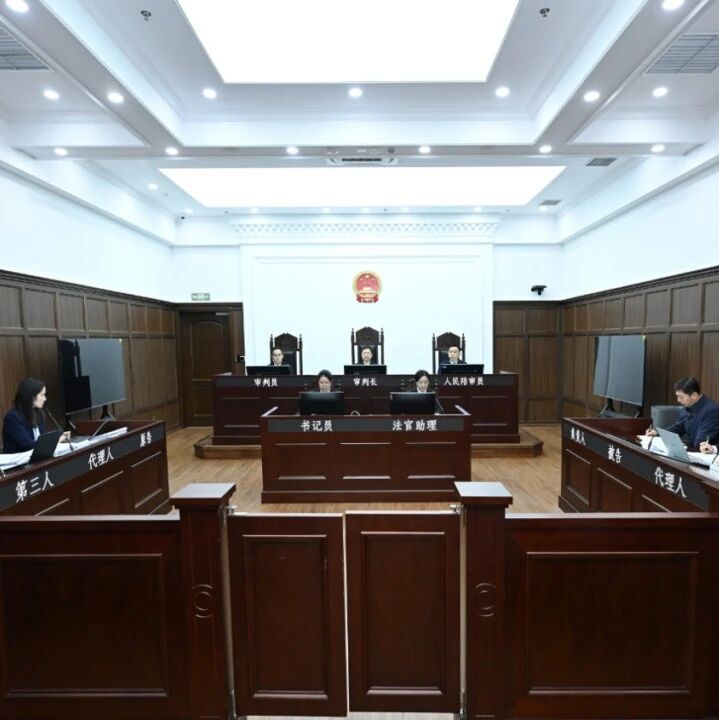
Core Viewpoint - The article discusses the first administrative lawsuit in Shanghai related to market manipulation, where Shanghai Securities Regulatory Commission (SSRC) imposed penalties on Shanghai Certain Consulting Company and its personnel for manipulating stock prices of K stock through collusion and concentrated trading activities [2][3][4]. Summary by Sections Case Background - The case involves Shanghai Certain Consulting Company and Liu Mouyu, who were penalized by SSRC for manipulating the market by colluding with Jin Mouchun to influence the trading price and volume of K stock [3][4]. - The SSRC imposed a fine of 1.2 million yuan on both the consulting company and Jin Mouchun, while Liu Mouyu received a warning and a fine of 500,000 yuan [3]. Allegations and Findings - The SSRC found that from December 2017 to October 2018, the consulting company and Jin Mouchun engaged in activities to maintain K stock prices, which included using funds from affiliated companies to buy K stock [4]. - The trading activities involved three private equity funds that repeatedly bought and sold K stock, which was deemed as market manipulation [4]. Court Ruling - The Shanghai Financial Court supported the SSRC's decision, stating that the evidence showed a clear intent to manipulate the market, as the trading volume and price movements were abnormal [5]. - During the manipulation period, the private equity accounts ranked first in trading volume on 43 trading days, with K stock price increasing by 12.62%, deviating from the Shanghai Composite Index by 22.03% [5]. Market Management Context - Market management is defined as a strategic behavior by listed companies to enhance investment value and shareholder returns, which should adhere to regulatory requirements and not involve price manipulation or insider trading [6]. - The court concluded that the actions taken by the consulting company did not align with the principles of market management and disrupted normal trading order, thus justifying the administrative penalties imposed by the SSRC [6].
私募大佬葛卫东斥资10亿成江淮第八大股东
Jin Rong Jie· 2026-02-11 00:33
Core Viewpoint - Jianghuai Automobile (600418.SH) has successfully completed a 3.5 billion yuan private placement plan, with notable investor Ge Weidong participating, despite the company announcing a significant expected loss for 2025 [1][2]. Group 1: Private Placement Details - Jianghuai Automobile issued a total of 70.1684 million shares at a price of 49.88 yuan per share, raising approximately 3.5 billion yuan [1]. - Ge Weidong invested around 1 billion yuan to acquire 20.0481 million shares, making him the eighth largest shareholder with a 0.89% stake [1]. - The shares issued will be locked for six months post-issuance [1]. Group 2: Financial Performance and Challenges - The company projected a net loss of approximately 1.68 billion yuan for 2025, with a non-recurring net profit loss of about 2.47 billion yuan, indicating a slight narrowing of losses compared to the previous year [2]. - The decline in performance is attributed to complex international conditions and increased competition in overseas markets, leading to a drop in export business [2]. - Losses from joint venture Volkswagen Anhui contributed significantly, with the company recognizing an investment loss of 1.08 billion yuan [2]. Group 3: Future Plans and Strategic Focus - The funds raised from the private placement will be fully allocated to the "High-end Intelligent Electric Platform Development Project," which is closely related to the company's main business and aims to enhance future competitiveness through technological upgrades [2]. - The company emphasized that the private placement will not alter its control structure, with the controlling shareholder remaining unchanged [2]. Group 4: Investor Profile - Ge Weidong is known for his investments in technology sectors, having shifted focus from futures to the secondary market over the past seven to eight years, favoring technology growth stocks [2]. - His recent investments include significant stakes in leading technology companies, and his entry into Jianghuai Automobile is viewed as a strategic move within the smart automotive industry [3].
