
气泡黄酒

Search documents
何以春节丨古老醇香遇见年味新潮 解锁黄酒的N种打开方式
Yang Shi Xin Wen· 2026-02-22 05:44
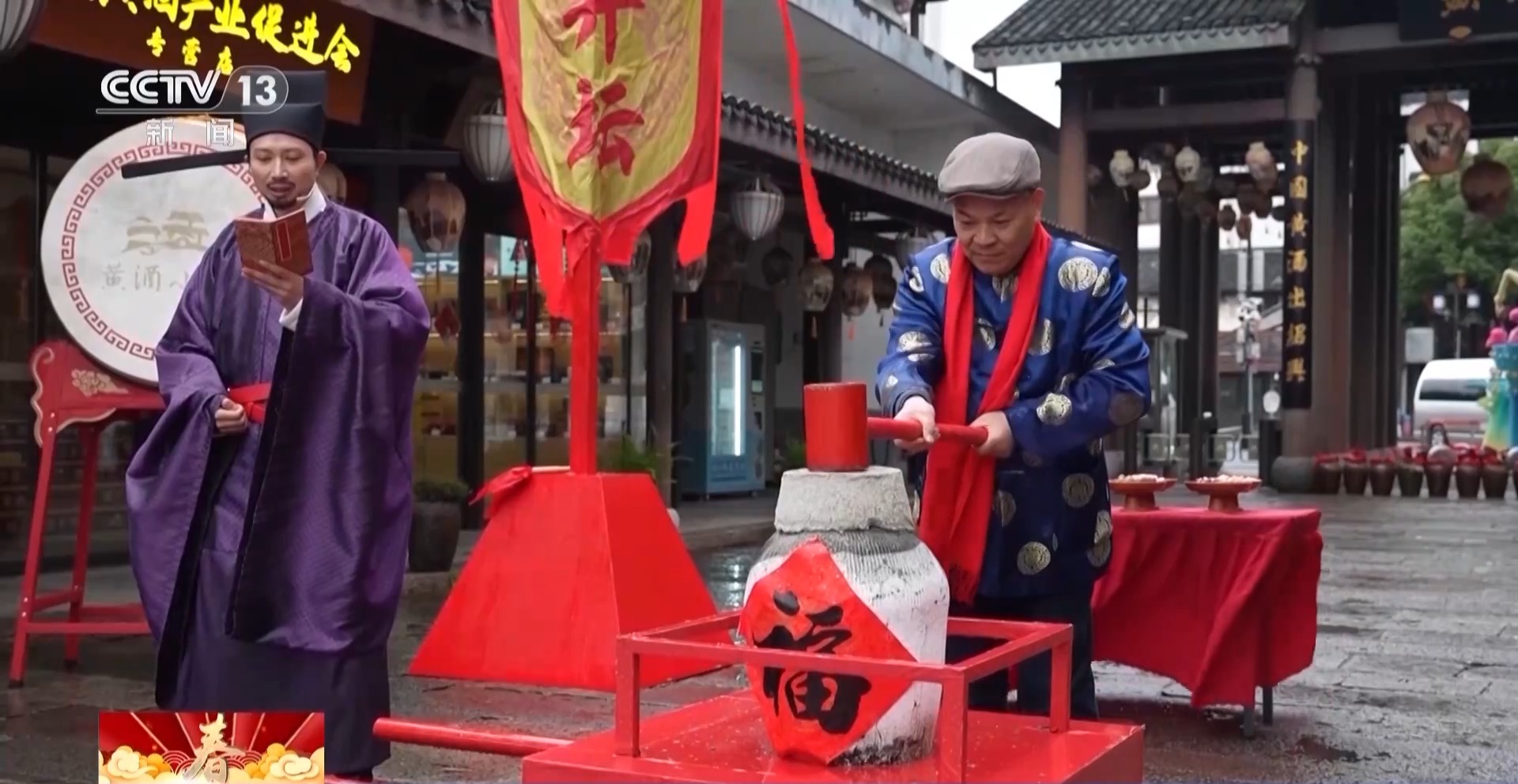
Group 1 - The tradition of brewing rice wine and yellow wine during winter has been a cultural practice in China for centuries, symbolizing good fortune and harvest during the Spring Festival [1][2][4] - The brewing process of Shaoxing yellow wine involves 36 steps and is closely aligned with seasonal changes, reflecting a dialogue between humans and nature [4][5] - The historical significance of rice wine and yellow wine is deeply rooted in Chinese agricultural civilization, with archaeological evidence dating back approximately 10,000 years [7][9] Group 2 - The opening ceremony of wine barrels during the Spring Festival in Shaoxing is a significant cultural event, led by master brewers who are custodians of traditional brewing techniques [2][4] - The integration of wine culture into wedding customs is highlighted by the revival of Song Dynasty wedding ceremonies, showcasing the importance of wine in traditional celebrations [23][25] - Modern innovations in yellow wine production, such as smart technology and new fermentation methods, are aimed at appealing to younger consumers, with products like sparkling yellow wine set to launch [27][29] Group 3 - The culinary application of yellow wine in traditional dishes enhances flavors and has led to the creation of new food items that attract younger audiences, such as yellow wine ice pops and yellow wine coffee [31][35][37] - The ongoing evolution of rice wine and yellow wine reflects the dynamic nature of cultural heritage, emphasizing the importance of adapting traditions to contemporary lifestyles [39]

会稽山2026年关注事件:税收优惠、新品扩张与高管变动
Jing Ji Guan Cha Wang· 2026-02-12 12:24
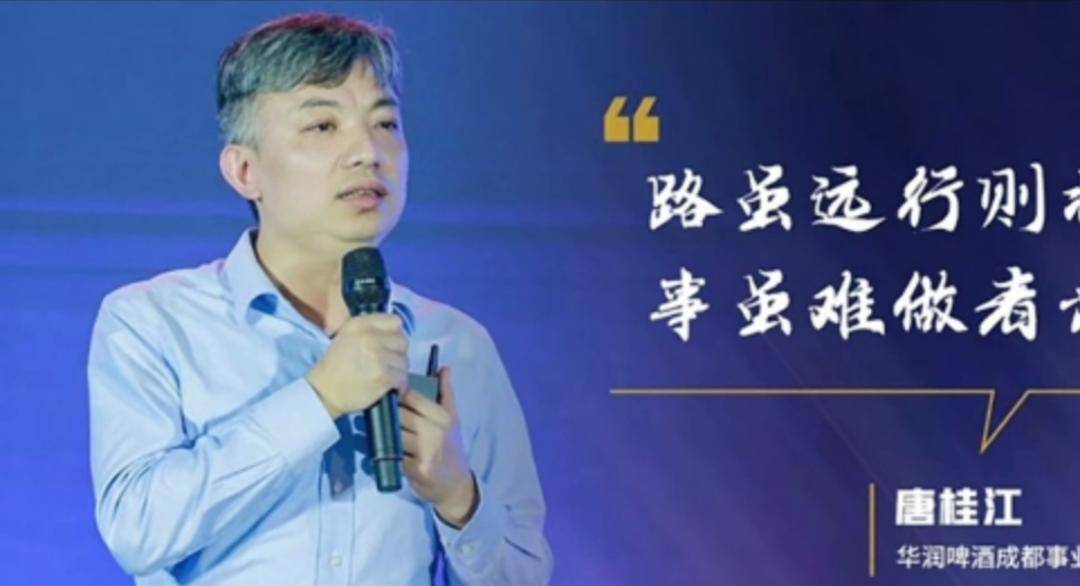
Core Viewpoint - The company is expected to experience significant growth and operational changes in 2026, driven by tax incentives, new product launches, and management changes. Group 1: Performance and Business Operations - The company received high-tech enterprise certification in December 2025, allowing it to enjoy a 15% corporate income tax rate for three years starting from 2025, which is expected to increase profits by approximately 5% in 2025 and 10-15% in 2026-2027 [1] - The company plans to accelerate the national rollout of new products, including bubble yellow wine, targeting sales of 200 million yuan and expanding into second and third-tier cities such as Shandong, Guangdong, and Sichuan [2] Group 2: Management Changes - In January 2026, the company completed a board restructuring, appointing Tang Guijiang, a former executive from China Resources Snow Beer, as the new general manager, which is expected to enhance channel efficiency and national market penetration [3] Group 3: Company Status - As of February 2026, the company has not yet disclosed its full-year financial report for 2025, but the revenue for the first three quarters showed a year-on-year increase of 14.12%, with net profit growing by 3.23%, leaving the sustainability of growth to be confirmed in the annual report [4]

封面观酒丨推黄酒年轻化全国化,会稽山聘啤酒高管唐桂江为总经理
Sou Hu Cai Jing· 2026-02-10 13:37
Group 1 - The core point of the article is the appointment of Tang Guijiang as the new general manager of Kuaijishan, which aligns with the company's strategy of youthfulness and national expansion [1][5][7] - Kuaijishan held its first temporary shareholders' meeting in 2026 on February 9, where the seventh board of directors was elected, including key members such as Chairman Fang Chaoyang and Vice Chairman Fu Zukang [1][5] - Tang Guijiang has extensive experience in the beer industry, having held various managerial positions at Budweiser and China Resources Snow Beer, which is expected to benefit Kuaijishan's marketing and management strategies [4][5] Group 2 - Kuaijishan, a leading company in China's yellow wine industry, reported a revenue of 1.631 billion yuan and a net profit of 196 million yuan in 2024, with a 14.12% year-on-year revenue growth in the first three quarters of 2025 [5][7] - The yellow wine industry is facing challenges related to aging consumer demographics and limited market scenarios, prompting Kuaijishan to innovate with products like sparkling yellow wine aimed at younger consumers [5][7] - The appointment of Tang Guijiang is seen as a strategic move to leverage his experience in channel management and marketing from the beer industry to accelerate Kuaijishan's national market expansion [5][7]
未知机构:华创食饮会稽山总经理履新高新认定后利润弹性提升事项公司-20260210
未知机构· 2026-02-10 01:50
Summary of Key Points Company Overview - The company involved is Huachuang Food and Beverage, specifically focusing on the brand Kuaijishan, which is in the alcoholic beverage sector, particularly yellow wine [1][3]. Core Insights and Arguments - Appointment of Tang Guijiang as the new General Manager is expected to enhance the company's channel expansion capabilities due to his extensive experience in the beer and beverage industry, having previously worked with Budweiser and China Resources Snow Beer [1][2]. - Tang's background includes roles such as General Manager of the Sichuan and Guizhou marketing centers and Director of Sales Management at China Resources Snow Beer, indicating a strong sales and marketing acumen [1][2]. - The company has a history of integrating talent from the beer and beverage sectors over its 25 years, which is anticipated to further strengthen its market position [3][4]. Financial Projections and Strategic Goals - The company aims for a growth target of approximately 15% for the year 2026, maintaining a proactive expense planning strategy [4]. - Key product lines for growth include 1743, sparkling yellow wine, and Lanting, with plans to launch improved versions of sparkling yellow wine in Q2 [4]. - Following the recognition as a high-tech enterprise, the company is expected to benefit from tax rate reductions, projecting a profit growth rate of around 30% for 2026, translating to an estimated profit of approximately 320 million [4]. Additional Important Information - The focus on expanding the 1743 and sparkling yellow wine product lines indicates a strategic shift towards appealing to broader market segments, including the mass price range for yellow wine [3][4].
会稽山聘任唐桂江为总经理 啤酒“悍将”转战黄酒胜算几何?
Nan Fang Du Shi Bao· 2026-02-09 15:13
Core Viewpoint - The appointment of Tang Guijiang as the new general manager of Kuaijishan, coming from the beer industry, signifies a strategic shift towards youthfulness and national expansion in the yellow wine sector [5][8]. Group 1: Management Changes - Kuaijishan held its first extraordinary shareholders' meeting on February 9, 2026, to elect the seventh board of directors and appoint new executives, including Tang Guijiang as general manager, Dong Yajie as CFO, and Fu Zheyu as board secretary [2][5]. - Tang Guijiang has extensive experience in the beer industry, having worked with companies like Budweiser and China Resources Snow Beer, but lacks prior experience in the yellow wine sector [5][6]. Group 2: Strategic Considerations - The choice of a beer industry executive reflects Kuaijishan's clear strategy for youthfulness and national expansion, aiming to break into key markets such as Shandong, Guangdong, and Sichuan [8]. - Analysts suggest that Tang's expertise in channel construction, market expansion, and brand youthfulness aligns well with Kuaijishan's goals of addressing the yellow wine industry's shortcomings in national distribution and consumer engagement [8][9]. Group 3: Industry Context - The yellow wine industry is at a critical juncture, with projected sales revenue for 2024 at approximately 18 billion yuan, representing only 2% of the white wine industry and 5% of the beer industry [10]. - Young consumers often perceive yellow wine as a cooking ingredient or a drink for older adults, highlighting the need for effective market strategies to shift this perception [10]. - The trend of integrating beer industry practices into yellow wine is gaining traction, with other companies also exploring innovative product forms to attract younger consumers [10][11].
会稽山20260203
2026-02-04 02:27
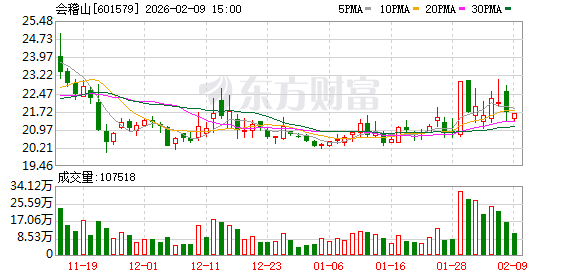
Summary of Conference Call on Accounting Mountain Company Overview - The conference call focused on Accounting Mountain, a company in the beverage industry, specifically in the alcoholic beverage sector, including products like sparkling yellow wine and Lan Ting [1][2]. Key Points and Arguments - **High-tech Enterprise Recognition**: Accounting Mountain recently announced that it has obtained recognition as a high-tech enterprise, which will provide tax benefits from 2025 to 2027. This recognition allows the company to pay a corporate income tax rate of 15%, significantly enhancing its profitability [1][2]. - **Profit Impact**: Assuming a profit base from 2024, a reduction in the tax rate to 15% could increase profits by approximately 23 million yuan. Given that the company's profit base is around 200 million yuan, this tax policy adjustment is expected to have a notable positive impact [3]. - **Product Development**: The company is actively iterating its core products, including the introduction of a 600ml version of Lan Ting and new flavors and packaging for sparkling yellow wine, such as canned versions. These products are anticipated to achieve significant growth in 2025 [3]. - **Market Expansion**: Sparkling yellow wine has expanded its sales beyond the Jiangsu, Zhejiang, and Shanghai regions into key markets like Shandong, Guangdong, and Sichuan. The sales target for sparkling yellow wine in 2026 is set at 200 million yuan, with plans to penetrate more second- and third-tier cities to increase market penetration [3][4]. - **Long-term Growth Outlook**: The company is expected to maintain good revenue growth due to seasonal demand and the ongoing trend of premiumization and youth-oriented products. The brand's influence and market presence are projected to contribute to growth in external markets [4]. - **Earnings Projections**: The expected earnings per share (EPS) for 2025 and 2026 are projected to be 0.48 and 0.57 yuan, respectively. The corresponding price-to-earnings (PE) ratios are estimated to be around 45-47 times for 2025 and approximately 38 times for 2026. A "buy" rating is maintained for the stock [4]. Additional Important Information - The conference call emphasized the continuous updates and tracking of the alcoholic beverage sector, including various categories such as white liquor, yellow wine, beer, and whiskey, indicating a commitment to providing ongoing insights into market changes [4][5].
会稽山(601579):更新报告:通过高新认证,新品持续迭代
Changjiang Securities· 2026-02-02 00:49
Investment Rating - The investment rating for the company is "Buy" and is maintained [9] Core Insights - The company has recently obtained the recognition as a high-tech enterprise, which allows it to enjoy tax benefits at a rate of 15% from 2025 to 2027, potentially increasing reported profits by approximately 23 million [2][7] - Key products such as Lanting and sparkling yellow wine are expected to continue their iterations in 2025, with Lanting launching a 600ml specification and sparkling yellow wine introducing canned versions and other flavors, both anticipated to achieve good growth [2][7] - The sales of sparkling yellow wine are projected to expand beyond the Jiangsu, Zhejiang, and Shanghai regions into key markets like Shandong, Guangdong, and Sichuan, supporting the company's strategy for youthfulness and national expansion [2][7] Summary by Sections Recent Developments - The company has received high-tech enterprise certification, which will enhance its profit margins due to favorable tax rates [2][7] - The product lineup is set to evolve with new specifications and flavors, aiming for significant growth in 2025 [2][7] Market Strategy - The company plans to broaden the market coverage of its sparkling yellow wine in 2026, targeting a sales goal of 200 million and entering more second and third-tier cities [2][7] Financial Projections - For 2025 and 2026, the expected earnings per share (EPS) are projected to be 0.48 and 0.57 respectively, with corresponding price-to-earnings (PE) ratios of 46 and 38 [2][7]
酒行业周度市场观察-20260125
Ai Rui Zi Xun· 2026-01-25 03:02
Investment Rating - The report does not explicitly provide an investment rating for the industry Core Insights - The Australian wine market is reshaping the Chinese imported wine market after a year and a half of absence, with a significant initial increase in imports followed by a decline in sales due to inventory issues and economic pressures [2] - The low-alcohol beverage category is rapidly growing, appealing to younger consumers, but faces challenges such as brand homogenization and declining repurchase rates [2] - The white liquor industry is experiencing a shift in market dynamics, with top brands competing fiercely and some companies facing their first quarterly negative growth in nearly a decade [4] - New beverage products are emerging, with brands like Xiaojin Wine and Guoli Fang successfully capturing market share through innovative approaches [5] - The industry is expected to return to rationality in 2026, focusing on consumer needs and product quality, while smaller companies may face elimination [6] Industry Environment - The Australian wine market is seeing a resurgence in China due to the removal of anti-dumping taxes, but initial sales have not met expectations, leading to inventory issues and price reductions [2] - The low-alcohol market is projected to grow from 20 billion yuan in 2020 to 57 billion yuan by 2024, but faces challenges in brand differentiation and consumer loyalty [2] - The white liquor market is undergoing structural changes, with companies like Shanxi Fenjiu surpassing others in revenue, indicating a competitive landscape [4] - The introduction of innovative products is crucial for the industry's transformation, with a focus on low-alcohol and health-oriented offerings [5] - The industry is moving towards a more rational approach, emphasizing product quality and consumer experience, as it transitions from a bubble phase to a healthier growth period [6] Top Brand Dynamics - Guizhou Zhenjiu is upgrading its "Dazhen" product to enhance quality and market positioning, aiming to compete with top brands like Moutai [8] - Wuliangchun is celebrating its 30th anniversary with a marketing campaign that deepens emotional connections with consumers [9] - Xifengjiu is focusing on quality and cultural empowerment to drive its revival in the competitive white liquor market [10] - Moutai is launching a new product structure to meet diverse consumer needs and stabilize its market presence [14] - Niulanshan is evolving its product strategy to maintain its position in the mass market while enhancing emotional connections with consumers [18]





春节前酒水消费爆发,“礼赠”“悦己”趋势明显
Yang Zi Wan Bao Wang· 2026-01-21 08:00
Core Insights - The article highlights a significant surge in alcohol consumption during the pre-Spring Festival period, driven by both gifting and personal enjoyment demands, with notable growth in various alcohol categories compared to the previous year [1][2] Group 1: Sales Performance - Tmall's New Year Festival data indicates that alcohol sales experienced double-digit growth year-on-year, with categories like baijiu, wine, and spirits showing higher sales, while beer, fruit wine, and health-focused alcoholic beverages saw even faster growth, with beer sales doubling [1] - On January 19, the Tmall alcohol festival recorded over 100 million in transactions, with more than 50 alcohol live-streaming sessions, and brands like Wuliangye, Moutai, and Jian Nan Chun achieving sales exceeding one million [1] - Certain products from brands such as Wuliangye, Penfolds, and Remy Martin saw year-on-year sales growth exceeding 200% [1] Group 2: Consumer Trends - The demand for gifting during the Spring Festival is particularly evident, with most top-selling products being gift boxes and bulk packaging, especially among younger consumers who favor new and limited edition packaging [2] - The growth of low-alcohol beverages indicates a shift towards self-indulgence in alcohol consumption, with women under 30 being the primary drivers of this trend, reflecting a stronger emotional value in alcohol consumption [2] - The health and wellness trend is influencing alcohol consumption, with sales of health-focused alcoholic beverages increasing by nearly 50% year-on-year during the festival, and a specific two-bottle New Year gift box becoming one of the fastest-growing products, with a 400-fold increase in sales compared to the previous year, predominantly among female consumers [2]
2026年第3周:酒行业周度市场观察
艾瑞咨询· 2026-01-21 00:07
Industry Environment - After a year and a half, Australian wine is reshaping the Chinese imported wine market as China terminates anti-dumping and countervailing duties on Australian imported wine starting March 29, 2024, leading to an initial surge in imports, followed by a significant decline in sales due to inventory buildup and economic pressures, with declines ranging from 20% to 70% [2][3] - Despite challenges, Australian wine is seen as having product strength, prompting the industry to streamline brands and enhance promotions to reshape market dynamics [3] Low-Alcohol Beverage Market - The low-alcohol beverage market has rapidly grown, increasing from 20 billion yuan in 2020 to an expected 57 billion yuan by 2024, with global market projections surpassing 740 billion yuan by 2025, driven by young consumers and a trend towards "tipsy enjoyment" [4] - Traditional liquor companies and retail brands are entering the low-alcohol space, but the market faces challenges such as brand homogenization and declining repurchase rates, indicating a need for innovation to establish long-term competitiveness [4] New Product Innovations in Alcohol Industry - In 2025, leading liquor companies are leveraging product innovation to navigate challenges, with notable new products like Moutai's 1935 premium version and Wuliangye's youth-oriented design gaining market traction [5] - The industry is witnessing a trend towards low-alcohol and youth-oriented products, with a focus on value reconstruction across all price ranges, indicating a shift in consumer preferences and competitive dynamics [5] Changing Landscape of Baijiu Industry - The baijiu industry is undergoing significant changes, with Shanxi Fenjiu surpassing Luzhou Laojiao and Yanghe in revenue, marking a competitive shift among leading brands [6] - The overall industry is under pressure, with many mid-sized companies experiencing declines, while top brands like Moutai and Fenjiu show slight growth, indicating a potential gradual recovery in 2026 [6] New Beverage Trends - The new beverage sector is experiencing growth, with brands like Xiaojinjiu and Guolifang successfully filling market gaps through innovative products that cater to younger consumers and diverse consumption scenarios [7] - The success of these new products is attributed to their ability to meet specific consumer needs and drive emotional consumption, positioning them as mainstream options in the market [7] Marketing Strategies of Leading Brands - Major liquor companies are optimizing inventory and enhancing marketing strategies to adapt to the current industry adjustment period, focusing on consumer-centric approaches and diversified consumption scenarios [9] - Companies are employing a pyramid product structure to solidify core offerings while exploring niche markets, indicating a shift from scale expansion to refined operations [9] Brand Dynamics - Guizhou Zhenjiu is upgrading its "Dazhen" product to enhance quality and packaging, aiming to establish it as a classic product in the market [10] - Wuliangchun is deepening emotional connections with consumers through its 30th-anniversary marketing activities, showcasing a shift towards more profound brand engagement [11] Value Competition in Baijiu Industry - The baijiu industry is entering a phase of value competition, with brands like Xifengjiu focusing on quality and cultural empowerment to drive their revival [12][13] - The emphasis on quality and innovation is seen as essential for long-term success in a competitive market [12][13] Retail Innovations - Sam's Club is restructuring its display of aged baijiu by grouping products by production year, aiming to enhance value perception and broaden consumption scenarios [23] - This adjustment reflects a collaborative effort between distributors and retailers to address market challenges and improve product value expression [23]
