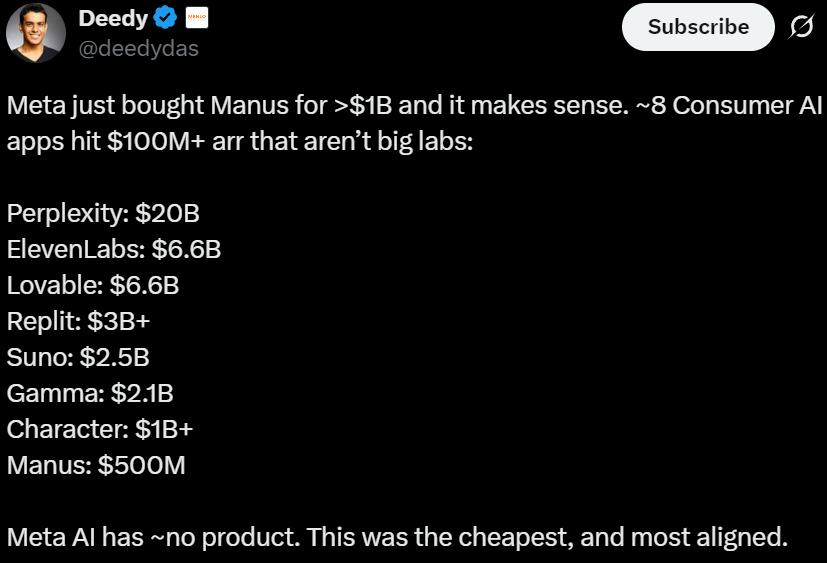
Character.AI

Search documents
8个月干到1亿美金,盘点全球最赚钱9家AI应用,AI 商业逻辑彻底变了
3 6 Ke· 2026-01-08 13:07
Group 1 - The core point of the article is the rapid growth of AI companies achieving over $100 million in Annual Recurring Revenue (ARR), highlighting a shift in business models from selling capabilities to selling results [1][2][30] - Manus was acquired by Meta for $2 billion, and its ARR reached $125 million shortly before the acquisition, marking it as one of the fastest companies to reach this milestone [1][25] - Nine AI application companies have joined the "1 billion ARR club" this year, including notable names like Cursor, Lovable, and Perplexity, showcasing a trend of rapid commercialization in the AI sector [1][2] Group 2 - The speed of growth among these companies is striking, with Lovable achieving $100 million ARR in just 8 months, Cursor in 12 months, and Perplexity in 14 months [2][28] - The shift in commercial value is evident as companies focus on delivering credible results rather than just capabilities, indicating a fundamental change in how success is measured in the AI industry [2][30] - Investors are increasingly prioritizing single customer revenue over traditional profit margins as a key metric for evaluating AI companies, suggesting a new standard for what constitutes a successful AI business [2][28][37] Group 3 - Perplexity, valued at $20 billion, operates a subscription-based model with various tiers, and its ARR has shown significant growth, reaching $120 million by May 2025 [5][9] - ElevenLabs, valued at $6.6 billion, has a diverse client base and achieved $100 million ARR within 22 months, with plans to reach $300 million by the end of 2025 [7][9] - Lovable, also valued at $6.6 billion, reached $100 million ARR in 8 months and aims to double that figure within a year [10][11] Group 4 - Replit, valued at over $3 billion, transitioned from traditional code completion to a more integrated platform, achieving $150 million ARR in 18 months [12][13] - Suno, an AI music generation tool, reached over $100 million in annual revenue within three years, indicating strong market demand [15][16] - Gamma, an AI presentation tool, achieved $100 million ARR in a relatively short time, demonstrating effective monetization strategies [18][19] Group 5 - The article emphasizes that the fastest-growing companies are those that effectively transition from consumer to enterprise markets, enhancing their average revenue per user (ARPU) [29][30] - The trend indicates that AI companies are increasingly starting from consumer markets, which allows them to scale more rapidly [30][31] - The article also raises concerns about the sustainability of growth, as some companies face significant losses despite high ARR figures, highlighting the need for a deeper understanding of what constitutes a successful AI business [33][34][36]


MiniMax即将上市!C端高增长背后亦要面对烧钱和版权风险
Sou Hu Cai Jing· 2026-01-08 03:39
Core Insights - MiniMax, a unicorn in the AI sector, is set to debut on the Hong Kong Stock Exchange on January 9, 2026, with a valuation between 461-503 billion HKD and a subscription amount of 253.3 billion HKD, indicating strong market interest [2][3] - The company is transitioning from a phase of competition based on model parameters to one focused on commercial validation and capital realization, marking a significant shift in the Chinese large model industry [2] - MiniMax's revenue is projected to grow dramatically, from 346 thousand USD in 2023 to 3,052.3 thousand USD in 2024, representing a 782.1% increase, with over 2.12 million users globally [2] Company Overview - MiniMax plans to issue 25.39 million shares at a price range of 151-165 HKD, with 68% of shares already subscribed by top institutions like Alibaba and Tencent, reflecting confidence in its consumer-oriented business model [3] - The company's main product, Talkie, which focuses on AI emotional companionship, generates 70% of its revenue but relies heavily on marketing expenditures, which are projected to reach 86.7 million USD in 2024 [3] - The gross margin for AI-native products was -8.1% in 2024, only turning positive to 4.7% in the first three quarters of 2025, raising concerns about profitability sustainability [3] Industry Context - The global AI application market is shifting from conceptual technology to practical implementation, with a projected market growth of over 150% for AI-generated products in 2025 [4] - MiniMax faces significant legal challenges, including lawsuits from major companies like iQIYI and Disney over copyright infringement, with potential claims reaching 75 million USD [4] - The company has opportunities in underpenetrated markets like Latin America and Southeast Asia, where major competitors have not yet established a strong presence [5] Strategic Considerations - MiniMax's partnerships with major stakeholders like Alibaba and Tencent provide support for expanding its B2B business and creating a comprehensive business ecosystem [6] - The company has accumulated a net loss of 1.25 billion USD from 2022 to the first three quarters of 2025, with a high R&D expense ratio of 337.4% in 2025, which may impact investor confidence [6] - To ensure long-term viability, MiniMax must demonstrate the sustainability of its growth model, optimize technology to reduce costs, and address copyright compliance issues effectively [6]
Google and Character.AI to Settle Lawsuit Over Teenager's Death
Nytimes· 2026-01-07 22:33
The settlement came in the case of a 14-year-old in Florida who had killed himself after developing a relationship with an A.I. chatbot. ...


Google, Character.AI to settle suits involving minor suicides and AI chatbots
CNBC· 2026-01-07 21:09
Core Viewpoint - Google and Character.AI are settling with families who sued them over alleged harm to minors caused by AI chatbots, including suicides [1][2][3] Group 1: Settlement Details - Families have agreed to work out settlement terms with Google and Character.AI, with a mediated settlement in principle to resolve all claims [3] - The lawsuits involve families from Colorado, Texas, and New York, although specific settlement details have not been disclosed [3] - One notable case involves a plaintiff whose son died by suicide, claiming harmful interactions with Character.AI's chatbot [2] Group 2: Company Actions and Developments - In August 2024, Google entered a $2.7 billion licensing deal and hired Character.AI founders, who were named in the lawsuits, to join its AI unit DeepMind [4] - Google has been recognized as a top performer on Wall Street in 2025, attributed to its advancements in AI technology [7] - The company launched its latest tensor processing unit chips and the Gemini 3 chatbot recently, indicating ongoing innovation in AI [7] Group 3: Industry Context - The generative AI sector has rapidly evolved since the launch of ChatGPT, now encompassing sophisticated interactions beyond text, including images and videos [5] - Companies in the AI space are facing increased scrutiny regarding the potential harmful consequences of their technologies, particularly in relation to mental health [5][6] - Character.AI has announced a ban on users under 18 from engaging in unrestricted chats with its AI chatbots, reflecting a response to concerns about user safety [6]

Google, AI firm settle Florida mother's lawsuit over son's suicide
Reuters· 2026-01-07 19:47
Core Viewpoint - Alphabet's Google and Character.AI have reached a settlement in a lawsuit concerning the alleged role of a Character chatbot in the suicide of a 14-year-old boy [1] Group 1 - The lawsuit was initiated by a Florida woman who claimed that the chatbot's interactions contributed to her son's tragic decision [1] - The settlement indicates a potential shift in how AI companies may handle legal liabilities related to mental health and user interactions [1] - This case highlights the growing concerns regarding the impact of AI technologies on vulnerable individuals, particularly minors [1]

AI Chatbot Startup, Google to Settle Lawsuits Over Teen Suicides
WSJ· 2026-01-07 18:28
Core Insights - The cases involving Character.AI's virtual companions raised significant concerns regarding the intersection of artificial intelligence and mental health [1] Group 1 - The virtual companions developed by Character.AI have sparked discussions about their impact on users' mental health [1] - There is a growing awareness of the potential psychological effects that AI interactions may have on individuals [1] - The situation emphasizes the need for careful consideration of AI technologies in relation to mental health [1]

硅谷流行“人才收购”,创始人拿钱走人
阿尔法工场研究院· 2026-01-05 00:03
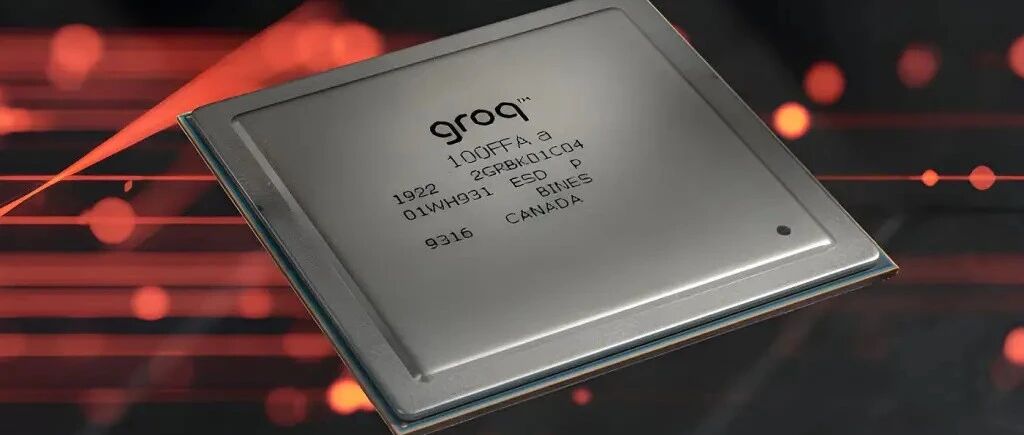
Core Viewpoint - The article discusses the evolution of acqui-hire strategies in Silicon Valley, highlighting a shift from beneficial talent acquisitions to a method for large companies to eliminate competition, exemplified by Nvidia's acquisition of Groq for $20 billion, which effectively neutralized a potential rival in the AI chip market [5][6][7]. Group 1: Acqui-hire Evolution - Acqui-hire has transformed from a mutually beneficial exit strategy for startups to a tool for larger companies to eliminate competition without formal acquisitions [7][24]. - The acquisition of Groq by Nvidia involved the transfer of key personnel and technology while leaving behind a shell company, indicating a strategic move to maintain the appearance of competition [6][7]. - Historical examples, such as Facebook's acquisition of Instagram, illustrate a time when acqui-hire was seen as a win-win for all parties involved, with founders and employees benefiting significantly [9][10][11]. Group 2: Recent Trends and Comparisons - In 2024, several high-profile talent acquisitions occurred without formal purchases, with companies like Microsoft and Google opting for "technology licensing + talent recruitment," leaving behind empty shells [23][25]. - The financial outcomes of these recent transactions show a stark contrast to earlier acqui-hire deals, with only a small percentage of employees benefiting from the deals, highlighting a shift in the distribution of financial rewards [24][26]. - The article contrasts the U.S. market's approach to talent acquisition with China's, where large companies prefer to directly recruit talent rather than acquiring startups, leading to different market dynamics and outcomes for entrepreneurs [30][31][33]. Group 3: Market Implications - The changing landscape has made it increasingly difficult for startups to attract talent, as graduates prefer stable positions in large companies over the risks associated with startups [26]. - The article notes a significant decline in the number of AI startups in China, indicating a market that is rapidly differentiating between companies with commercial viability and those without [32]. - The contrasting fates of Groq and a Chinese startup, 波形智能, illustrate the divergent paths of companies in the two markets, with one being eliminated by a large acquisition and the other struggling to survive in a competitive environment [33].
投资者寻求在英伟达-Groq交易中获得保护
Xin Lang Cai Jing· 2025-12-31 09:31
Core Insights - Nvidia has reached an acquisition agreement with AI chip startup Groq, valuing the company at $20 billion, providing substantial returns for Groq's investors and employees during the holiday season [1][4] - The acquisition model of "technology licensing + talent acquisition" often leaves some stakeholders at a disadvantage, as it typically involves the acquirer buying the core technology and absorbing most employees while retaining only a shell of the original company [1][4] - Investors are increasingly consulting lawyers to seek protective measures against unfair treatment in such transactions, with proposals to amend company bylaws to safeguard their economic interests [2][5] Group 1: Acquisition Details - Nvidia plans to acquire Groq's technology and absorb 90% of its employees, with the valuation reaching three times Groq's recent funding round valuation of $6.9 billion [1][4] - The acquisition has sparked concerns among venture capitalists regarding the fairness of such deals, prompting discussions about potential legal recourse [2][5] Group 2: Market Reactions and Future Implications - The risk of core talent poaching by large tech companies is rising, leading investors to advocate for non-solicitation clauses in agreements with employees and founders [2][5] - The remaining assets of Groq, including its inference computing platform GroqCloud, may attract potential buyers, indicating a possible turnaround for investors holding these assets [2][6] - Other companies involved in similar transactions are either continuing operations or seeking transformation, as seen with Microsoft and Google acquiring talent and technology from AI startups [6]

Groq被收购,失去梦想的员工,人均拿到英伟达的500万美元
机器之心· 2025-12-29 03:04
Core Viewpoint - Nvidia's acquisition of Groq for $20 billion, structured as a non-exclusive licensing agreement, marks a significant move in the AI chip sector, allowing Nvidia to absorb a key competitor while navigating antitrust concerns [1][3]. Group 1: Transaction Details - Groq's valuation was only $6.9 billion three months prior, indicating Nvidia paid nearly three times the market value in this deal [3]. - The payment structure involves approximately 85% of the total amount being paid by mid-2026, with 10% at the end of 2026, and the remaining balance settled later [3][19]. - About 90% of Groq's employees will transition to Nvidia, receiving cash for vested shares and Nvidia stock for unvested shares, with a special arrangement for around 50 employees to receive accelerated cash payments [3][19]. Group 2: Employee Impact - Groq employees are estimated to receive between $4 million to $6 million each, based on the company's stock options and the total valuation [6]. - Employees who choose to remain at Groq will receive compensation for vested shares and a package that includes economic participation in the company's future [4][19]. - A special clause allows Groq employees with less than one year of service to bypass the vesting cliff, ensuring they receive some immediate liquidity [5][19]. Group 3: Industry Implications - This transaction reflects a growing trend in Silicon Valley where companies are being "acqui-hired" for their talent and technology rather than being fully acquired [14][15]. - Concerns are raised about the long-term viability of companies left with diminished leadership and resources, as seen in similar past transactions [21]. - The deal is perceived as a strategic move by Nvidia to enhance its AI dominance while providing substantial payouts to Groq's investors and key personnel [10][20].
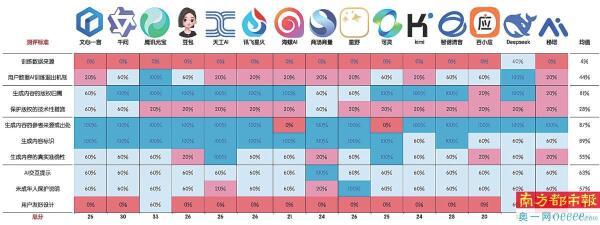
AI诈骗入侵电商领域,假图骗取退款,“洗脑”驯化大模型
Nan Fang Du Shi Bao· 2025-12-23 23:15
| 厨师视章 | 文件一圈 | 구 | MAKA | 금융 | I 天工4 | 11.200 | AMERIA | 随机的量 | 120 | 8 12 | kiral | 展场地名 | 14 图小图 | Despoak | HAS | 120 | | --- | --- | --- | --- | --- | --- | --- | --- | --- | --- | --- | --- | --- | --- | --- | --- | --- | | 非法贯议安徽 | 000 | CIL | 28 | 015 | 2000 | 10% | 29 | COL | 1 | 03 | 1 | 695 | ਲ | 40% | 1004 | 496 | | 周户数据从国家副书馆。 | 2056 | NOW | 1000 | 5296 | 2004 | 2096 | 3 DO4 | 2016 | 2006 | 40% | 20% | 5005 | 1 6004 | 12774 | 20% | 406 | | 生成内容的成形已量 | ecry | 0000 | 000 | 133 | 005 | 100% | 1023 ...