乐聚机器人

Search documents
机器人火炬手亮相全运会,实现“拟人化”奔跑
Xuan Gu Bao· 2025-11-02 14:42
Group 1 - The 15th National Games torch relay was launched on November 2 in Shenzhen, featuring the humanoid robot "Kua Fu" which independently completed the torch handover, marking the first time a humanoid robot participated in such an event [1] - The humanoid robot market is projected to reach approximately 2.562 billion yuan in 2024, with an expected growth to about 6.422 billion yuan by 2030, reflecting a compound annual growth rate of 58.90% [1] Group 2 - Dongguan Securities highlighted the strong adaptability and potential versatility of humanoid robots, positioning them as a disruptive platform product in technology competition [1] - Oriental Precision Engineering holds equity in Leju Robotics and has signed a strategic cooperation agreement to collaborate on robot manufacturing and business promotion [2] - Zhaofeng Co. plans to jointly invest with Leju Robotics to establish a joint venture focused on developing intelligent robots for mechanical and automotive parts manufacturing [2]


晚报 | 11月3日主题前瞻
Xuan Gu Bao· 2025-11-02 14:22
Nuclear Fuel - The Chinese Academy of Sciences confirmed the successful conversion of thorium-uranium nuclear fuel in a 2 MW liquid thorium salt experimental reactor, making it the only operational thorium fuel reactor globally [1] - The goal is to establish a 100 MW thorium-based molten salt reactor demonstration project by 2035, enhancing technology upgrades and engineering applications [1] - The safety features of thorium molten salt reactors are highlighted, as they operate at normal pressure, eliminating high-pressure explosion risks [1] Humanoid Robots - The "Kua Fu" humanoid robot independently completed a torch relay at the 15th National Games, marking the first time a humanoid robot has participated in such an event [2] - The global humanoid robot market is projected to grow from approximately 6.34 billion yuan in 2025 to 64.22 billion yuan by 2030, with a compound annual growth rate of 58.90% [2] Artificial Intelligence - NVIDIA has partnered with South Korean entities to provide over 260,000 AI chips to kickstart AI projects in Korea, aiming to accelerate digital transformation across various industries [3] - NVIDIA anticipates that the total shipment of Blackwell and Rubin GPUs will reach 20 million units by the end of 2026, generating $500 billion in sales [3] Intelligent Devices - Huawei's Mate 80 series is set to revolutionize mobile interaction by allowing users to complete tasks with voice commands, moving towards a more assistant-like role for smartphones [4] - The evolution of AI in smartphones is shifting from isolated functionalities to system-level intelligent collaboration, enhancing user experience [4] Smart Cities - The National Development and Reform Commission has issued a plan to advance smart city development, aiming for significant progress in data-driven urban economic and social development by the end of 2027 [5] - The plan includes establishing over 50 fully digital transformation cities and creating a new governance system for large cities by 2035 [5]

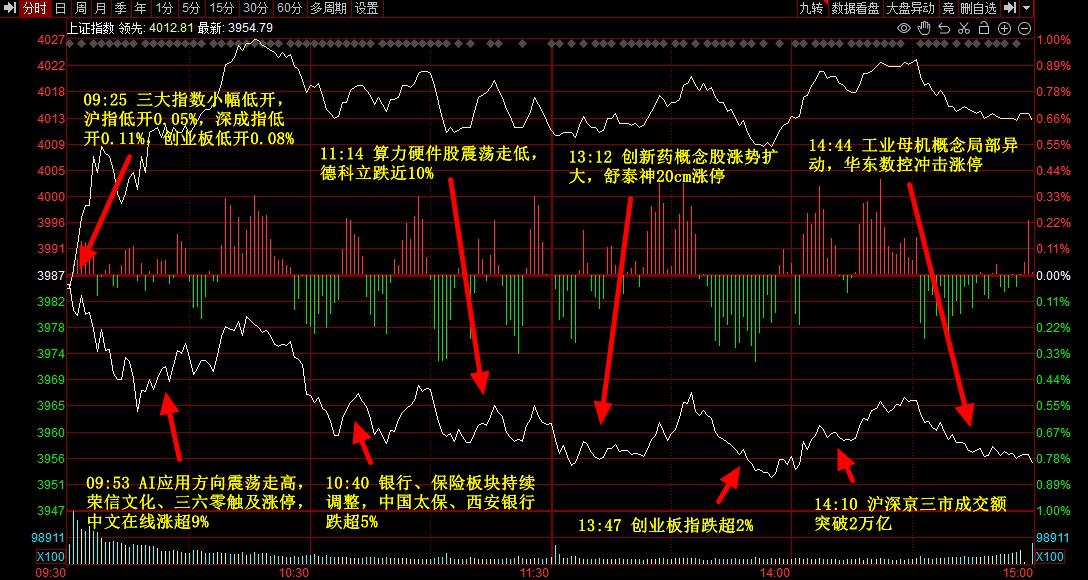
全球首个!5G-A人形机器人火炬手“夸父”亮相
财联社· 2025-11-02 09:42
Group 1 - The article highlights the debut of the humanoid robot "Kua Fu" as the first 5G-A humanoid robot torchbearer at the 15th National Games in Shenzhen, showcasing advancements in robotics technology [1] - "Kua Fu" was developed by Leju Robotics with technical support from China Mobile, Harbin Institute of Technology, and Tongyuan Institute, indicating a collaborative effort in the robotics sector [1] - The robot successfully completed a 100-meter relay task while carrying a load of 1.6 kg, demonstrating its capabilities in a real-world scenario [1]

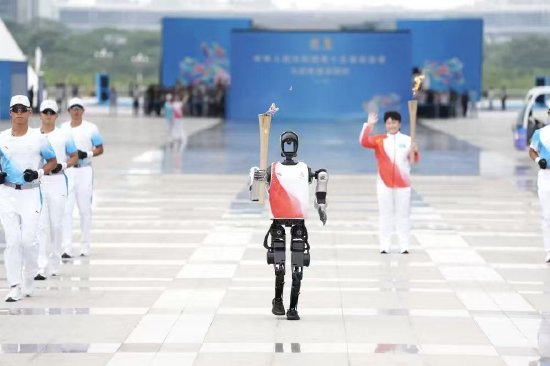
十五运火炬传递开启!“夸父”机器人担任“0号火炬手”
Xin Lang Ke Ji· 2025-11-02 09:07
Core Insights - The 15th National Games (referred to as "Fifteenth Games") torch relay took place simultaneously in Hong Kong, Macau, Guangzhou, and Shenzhen, featuring the world's first 5G-A humanoid robot torchbearer named "Kua Fu" [1] Group 1: Technological Innovations - "Kua Fu" is developed by Leju Robotics with support from China Mobile, Harbin Institute of Technology, and Tongyuan Institute, showcasing significant technological advancements [1] - The robot's running control algorithm was optimized in collaboration with Harbin Institute of Technology and Tongyuan Institute, enhancing its resistance to disturbances and adaptability to complex terrains, allowing it to run steadily while holding a 1.6 kg torch [1] - China Mobile established a 5G-A network for the robot, creating a real-time information "highway" that enables the transmission of high-definition footage from the robot's perspective, allowing for precise remote control without the need for accompanying personnel [1]

这些未来产业如何助力中国下一个五年?
Huan Qiu Wang· 2025-11-02 04:51
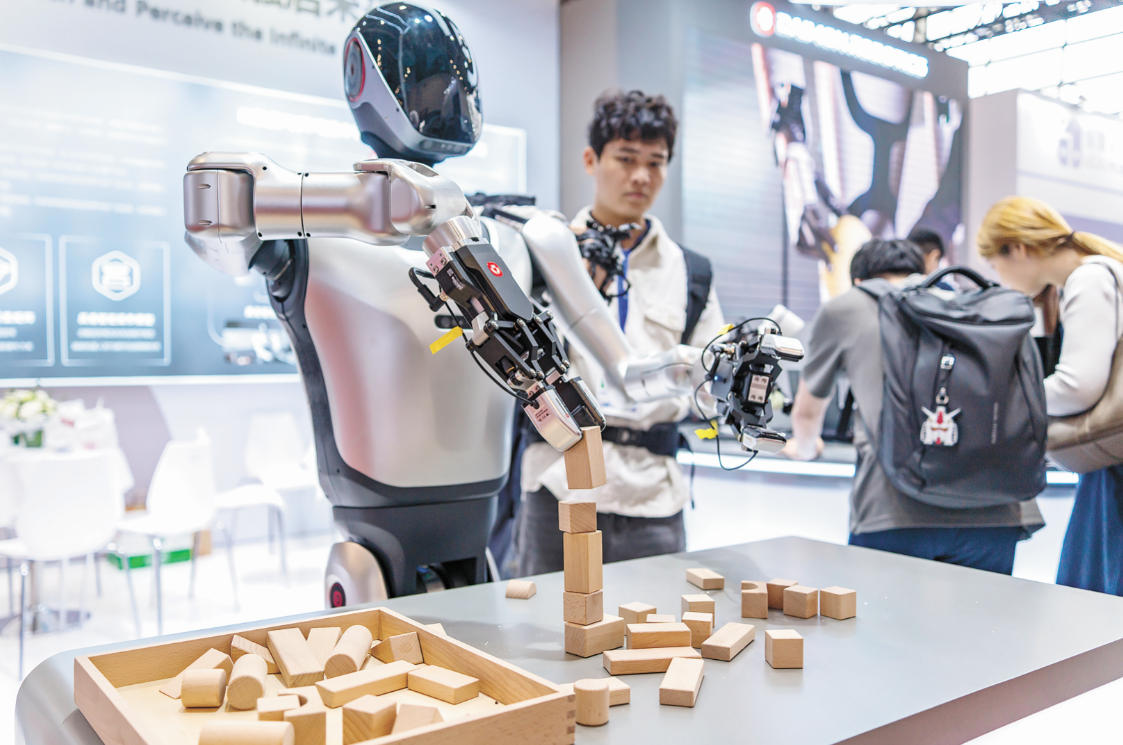
Core Insights - The article discusses China's strategic focus on emerging industries as outlined in the 14th Five-Year Plan, emphasizing the development of sectors like quantum technology, bio-manufacturing, and embodied intelligence as new economic growth points [1][12]. Group 1: Embodied Intelligence - The embodied intelligence industry in China is rapidly advancing, transitioning from technology validation to industrialization and ecosystem development [3]. - Significant breakthroughs have been made in algorithms, operating systems, and low-power computing platforms, enabling robots to interact more naturally with the physical world [3]. - The next five years are expected to see humanoid robots evolve into a platform for various applications, although widespread household adoption remains unlikely due to cost and reliability challenges [4][5]. - The industry is anticipated to drive innovation in manufacturing, leading to a shift from automation to self-organization and cognitive manufacturing [5]. Group 2: Quantum Technology - Quantum technology is recognized as a critical component of future industrial development, with applications in quantum computing, communication, and measurement [6][8]. - Global competition in quantum computing is intensifying, with over 300 companies emerging in the field, and significant investments being made by various countries [8][10]. - China is making strides in quantum technology, with initiatives to create a comprehensive ecosystem that includes hardware, software, and applications [10][11]. - The potential applications of quantum computing span various industries, including finance, pharmaceuticals, and logistics, with ongoing collaborations yielding promising results [9][10]. Group 3: Bio-Manufacturing - Bio-manufacturing is positioned as a future industry with the potential to rival the scale of the electric vehicle sector, contributing significantly to China's GDP by 2049 [12][14]. - The sector is expected to drive innovation across multiple fields, including agriculture, healthcare, and environmental sustainability [15][16]. - China's advancements in life sciences and biotechnology are noted, with the potential for the country to lead in global gene sequencing and biomanufacturing [15][16]. Group 4: 6G Technology - The 6G industry is projected to become a new economic growth point, with expectations of a market size exceeding $150 billion by 2030, and China aiming for a significant market share [17][19]. - 6G technology is seen as foundational for the development of various emerging industries, including aerospace and brain-computer interfaces [19]. - Despite China's advantages in deployment and engineering talent, challenges remain in chip technology, which is crucial for 6G development [20].
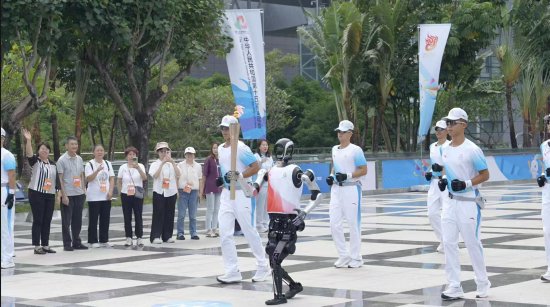
全球首个5G-A人形机器人火炬手“夸父”亮相十五运
Xin Lang Ke Ji· 2025-11-02 03:46
Core Viewpoint - The "Kua Fu" humanoid robot developed by Leju Robotics made its debut as a special torchbearer during the 15th National Games, showcasing significant technological innovations in its operation and control [1] Group 1: Technological Innovations - The "Kua Fu" robot features an optimized running control algorithm developed in collaboration with Harbin Institute of Technology and Tongyuan Institute, enhancing its resistance to disturbances and adaptability to complex terrains, allowing it to run steadily while holding a 1.6 kg torch [1] - China Mobile has established a 5G-A network that serves as an information "highway" for the robot, enabling real-time transmission of high-definition footage from the robot's first-person perspective, allowing for precise remote control without the need for accompanying personnel [1]
特斯拉、乐聚、宇树、智元、优必选等,产业链上市公司10月速递
Robot猎场备忘录· 2025-11-02 02:07
Core Viewpoint - The secondary market for humanoid robots is more active than the primary market, with T-chains being the main focus. The market experienced a downturn in October, contrasting with the bullish trend in September driven by positive events related to Tesla and Optimus [2][4]. Market Overview - The overall market performance in October was characterized by a significant decline, particularly from October 10 to 14, due to various uncertainties impacting the market. However, after October 24, the market saw a rebound, with the index breaking the 4,000-point mark, reaching a 10-year high [6][7]. T-Chain Performance - The T-chain, particularly Sanhua Intelligent Control, demonstrated resilience during market fluctuations. Despite the overall market decline, Sanhua's stock price reached a historical high, driven by speculative trading and perceived positive news [7][10]. Key Events and Impacts - A notable "false positive" event occurred on October 15, when it was rumored that Tesla had placed an order worth $685 million (approximately 5 billion) with Sanhua for Optimus linear actuators. This news led to a rapid increase in Sanhua's stock price, despite later being denied by the company [8][10]. - Following the denial of the false news, Sanhua's stock continued to perform well, maintaining a strong position in the market and showing limited decline during broader market downturns [10][11]. Future Outlook - The anticipated release of the Optimus Gen3 prototype is now expected in Q1 2026, with ongoing construction of the production line. This delay has raised concerns about the timeline and expectations for the product [12]. - Despite the delay, the overall sentiment in the supply chain remains positive, with various companies in the T-chain receiving favorable news and updates, indicating a potential for future growth [14][15].


国内首款鸿蒙人形机器人亮相 业内加速构建全自主可控机器人生态
Zheng Quan Ri Bao Wang· 2025-10-30 12:47
Core Insights - The launch of the "Kua Fu" robot, which is the first domestic robot equipped with the open-source HarmonyOS, marks a significant step in breaking foreign technology monopolies and accelerating the establishment of a fully autonomous and controllable robot ecosystem [1][2] Group 1: Technological Breakthroughs - The "Kua Fu" robot is developed by Leju Robotics in collaboration with Huawei, utilizing the open-source HarmonyOS and Huawei's Pangu intelligent model 5.0, achieving full-chain technological autonomy from the operating system to application frameworks [2] - The establishment of the Wuhan Innovation Center aims to provide comprehensive support for innovative products like "Kua Fu," including technical validation and market promotion [2] Group 2: Industry Trends - The competition in the robot ecosystem is fundamentally about standards and collaborative capabilities, with "Kua Fu" demonstrating the feasibility of HarmonyOS as a foundational technology for robots [4] - Major players in the robotics industry are increasingly focusing on building autonomous and controllable technology ecosystems, with companies like Nanjing Estun Automation and Ningbo Joyson Electronics exploring deep integration of domestic control systems and platforms [3] Group 3: Market Potential - The Harmony ecosystem, which has gathered over 9,200 community contributors and produced more than 1.3 billion lines of code, is expected to unlock a market space worth trillions, extending its reach across various industries [3] - Huawei's "Tian Gong Plan," announced at the HUAWEI CONNECT 2025 event, will invest 1 billion yuan to support the innovation of the Harmony AI ecosystem, providing strong momentum for the competition in this field [3]
「宇树」向左,「智元」向右,「乐聚」蓄势而上
Robot猎场备忘录· 2025-10-30 03:02
Core Viewpoint - The article discusses the recent developments in the humanoid robot industry in China, focusing on three leading companies: Leju Robotics, Yushutech, and Zhiyuan Robotics, highlighting their IPO progress and differing strategies in technology, ecosystem, and commercialization [2][15]. Technology Route - Domestic humanoid robot startups can be categorized into two main camps: the "hardware faction" represented by Yushutech, emphasizing motion capabilities, and the "software faction" represented by Zhiyuan and Galaxy General, focusing on strong AI capabilities [5] - Leju Robotics, as one of the earliest developers in the humanoid robot sector, has achieved a full-stack technology capability, covering hardware and software [5][6]. Ecosystem Strategy - Leju Robotics adopts a more cautious and pragmatic approach compared to Zhiyuan Robotics, which employs an aggressive internet-style operational model [7] - Leju has invested in various companies to create a collaborative innovation ecosystem, enhancing its technological barriers [7] - The company has formed strategic partnerships with leading manufacturing firms to ensure stable supply chains and cost control [7][14]. Commercialization Path - The article outlines the market potential for humanoid robots, indicating that the ToC (consumer) market is larger than ToB (business) and ToG (government) markets, with varying degrees of difficulty in implementation [8] - Leju Robotics has successfully deployed its humanoid robot "Kua Fu" in industrial manufacturing, commercial services, and academic research, showcasing its versatility [12][15]. Competitive Landscape - Leju, Yushutech, and Zhiyuan represent different development paths in the humanoid robot sector, with Yushutech leveraging its first-mover advantage and price competitiveness in the research market [15] - Zhiyuan Robotics has established a comprehensive product lineup and is focusing on various commercialization scenarios, while Leju emphasizes a more practical approach to market entry [15].
龙华区鸿蒙智能终端“首台套”涌现 抢占鸿蒙生态发展“核心区”
Shen Zhen Shang Bao· 2025-10-29 13:07
Core Viewpoint - The establishment of a self-controllable ecosystem is a strategic priority in the context of global operating system changes and the era of the Internet of Everything, with the Harmony OS leading the way in creating a unified distributed operating system for deep collaboration among devices [4][10]. Policy Initiatives - The Longhua District has introduced the "Harmony Six Policies" to stimulate market vitality, providing financial support up to 2 million yuan for companies developing Harmony OS-based products and applications [5][6]. - Additional incentives include rewards for developing high-quality native applications and support for infrastructure and product transformation to Harmony technology [5][6]. Industry Development - Longhua District has a strong foundation in key industries such as smart terminals, communication, software, and AI, which align well with the Harmony ecosystem [7]. - Significant progress has been made in hardware adaptation and software development, with multiple Harmony OS products launched, including smart glasses and robots [7][8]. Application and Innovation - A total of 69 native Harmony applications have been launched, developed by 43 local companies, with advancements in automotive systems by Huawei [8]. - Longhua is pioneering a digital twin platform and integrating Harmony technology into smart park management, enhancing urban digital infrastructure [8]. Ecosystem Support - Longhua District is establishing a robust ecosystem through the creation of the Harmony Industrial Park and innovation centers, facilitating talent development and industry collaboration [9]. - The district is actively attracting Harmony ecosystem enterprises and training institutions to enhance the local industry landscape [9]. Strategic Goals - Longhua aims to become a national innovation hub for the Harmony industry and a demonstration zone for applications, contributing to Shenzhen's goal of becoming a "global Harmony and Euler city" [10][12]. - The district's leadership emphasizes ongoing support for policy implementation and industry collaboration to optimize the ecosystem [11][12].