
Shein

Search documents
X @Bloomberg
Bloomberg· 2025-10-03 12:10
Chinese fast-fashion e-tailer Shein is launching brick-and-mortar stores in the land of Louis Vuitton. Not everyone is happy. https://t.co/a4XP5A1ULj ...
全球价值最高创企诞生,OpenAI估值创纪录来到5000亿美元
机器之心· 2025-10-03 00:24
机器之心报道 机器之心编辑部 几天前,OpenAI 重磅发布了全新一代的视频大模型 Sora 2,不仅在物理准确性、真实感和可控性方面都优于以往的系统,还具备同步的对话和音效能力。 Altman 称之为「ChatGPT for creativity」时刻。 | Company | Valuation | | | | | | Country | | --- | --- | --- | --- | --- | --- | --- | --- | | OpenAl | | | | | | $500B | us | | SpaceX | | | | | 400 | | വട | | ByteDance | | | | 220 | | | China | | Anthropic | | | | 183 | | | വട | | Ant Group | | | 150 | | | | China | | Reliance Retail | | 100 | | | | | India | | Databricks | | 100 | | | | | വട | | Shein | | ୧୧ | | | | | China | ...


当品牌走向世界(大地风华)
Ren Min Ri Bao· 2025-10-02 22:13
Core Insights - The globalization of Chinese brands is exemplified by the rise of new-style tea drinks, particularly bubble tea, which has gained popularity in various countries, showcasing a shift from merely affordable products to a broader cultural experience [2][3][4] Group 1: Market Expansion - New-style tea drink brands, such as Mixue Ice Cream & Tea, have expanded into 12 countries including Singapore, Thailand, Japan, and South Korea [2] - The brand Bawang Chaji has opened 200 stores in Malaysia, rapidly competing with local tea giants [2] - Heytea's first store in London saw over 4 hours of queueing on its opening day, highlighting the strong demand for Chinese tea brands abroad [2] Group 2: Cultural Impact - The story of bubble tea's global journey reflects the broader narrative of Chinese brand globalization, where supply chain capabilities and cultural expressions are intertwined [3][4] - Chinese brands are transitioning from merely exporting products to promoting brand culture and establishing an industrial ecosystem [3] - Bubble tea serves as a cultural bridge, enhancing global cultural exchange and reshaping perceptions of Chinese brands beyond just manufacturing [4]

Shein enters bricks-and-mortar retail in France, sparking backlash
Yahoo Finance· 2025-10-02 09:30
Core Points - Shein plans to open its first physical stores in France in November, partnering with Société des Grands Magasins, which has drawn criticism from local retailers [1][4] - The new stores will be located in BHV and Galeries Lafayette department stores across several French cities, marking a significant shift from Shein's previous pop-up marketing strategy [1][2] - French retailers, including Galeries Lafayette, oppose the move, citing it as a violation of franchise agreements and a contradiction to their brand values [2][3] Industry Context - Shein's pricing strategy includes selling dresses for 12 euros and jeans for 20 euros, which has intensified competition among French retailers already struggling against brands like Zara and H&M [4][5] - The fast-fashion sector in France is facing regulatory scrutiny, with lawmakers proposing a draft law that could restrict Shein's advertising practices [4] - Several French fast-fashion brands, such as Jennyfer and NafNaf, have entered insolvency proceedings, highlighting the challenges within the industry [6] Business Model Implications - Shein's current business model relies on direct shipping from factories in China, allowing for low inventory levels and minimal unsold stock [7] - Transitioning to physical stores will require Shein to maintain inventory, which could increase operational costs and alter its successful online-only strategy [8]
Mercado Libre Shares Drop Amid Heightened Competition in Brazil's eCommerce Market
PYMNTS.com· 2025-10-02 01:31
Group 1 - Mercado Libre's shares experienced a significant decline of 6.8% on October 1, following a 6.6% drop on September 30, marking the largest two-day slump since November [2] - The decline is attributed to increased competition in Brazil's eCommerce market, particularly due to Amazon Brazil's decision to waive or reduce Fulfillment by Amazon fees for certain sellers during the holiday season, as well as the presence of ultra-cheap goods from Temu and Shein [2][3] - Despite the recent stock decline, Mercado Libre remains the largest eCommerce player in Brazil and Latin America, continuing to invest heavily in the region, including an expansion of its free shipping offer [3][5] Group 2 - The company reported a 34% year-over-year growth in items sold in June, driven by a lower threshold for free shipping [4] - Mercado Libre plans to increase its investment in Brazil by 48%, from approximately $3.7 billion in 2024 to about $5.8 billion in 2025, focusing on logistics, technology, marketing, and increasing its workforce by 14,000 to a total of 50,000 [6] - Additionally, the company announced a $3.4 billion investment in Mexico, its second-largest market, while not disclosing specific plans for Argentina [7] Group 3 - On September 22, Mercado Libre launched a new B2B unit in Argentina, Brazil, Chile, and Mexico, expanding its business beyond the traditional consumer market, with over 4 million users enabled for wholesale purchases [8]


X @Bloomberg
Bloomberg· 2025-10-01 18:22
Shein, the online fast-fashion retailer, is facing opposition to a plan to open physical shops in regional French cities within department stores that carry the Galeries Lafayette name. https://t.co/KsK3IKwrFp ...
中国快消品从线上登陆阿根廷实体店!小商品商圈现购物热潮
Sou Hu Cai Jing· 2025-09-30 23:31
Core Insights - Shein's products are arriving in Argentina at competitive costs, facilitated by large cargo ships connecting Asia and America, and are now available in physical stores in Buenos Aires, creating a unique "offline Shein" shopping experience [1] Group 1: Offline Shopping Experience - Physical stores in the Once commercial area display clothing and popular items identical to those on the Shein platform, allowing customers to see, touch, and try products, which enhances the shopping experience [3] - Some products are priced up to 50% cheaper than online prices, with stores providing QR codes for price comparison, making the shopping experience more appealing [3] - Popular items such as character-themed water bottles and LED mirrors are competitively priced, attracting customers who search for "Shein en Once" to find deals [4] Group 2: Logistics and Business Model Innovation - Shein's delivery in Argentina is managed by Mail Americas, which has replaced the national postal service for door-to-door delivery, utilizing a DDP (Delivered Duty Paid) model that simplifies the shipping process for consumers [5] - This new business model is transforming local shopping habits by combining the convenience of online shopping with the tangible experience of physical stores, promoting Chinese goods in the Argentine market [5]

尼日利亚300美元免税政策:对中国外贸及跨境电商的影响
Sou Hu Cai Jing· 2025-09-30 12:11
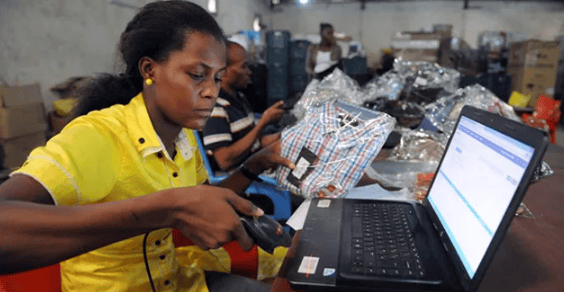
Core Insights - Nigeria's new De Minimis policy, effective September 2025, raises the tax-free import threshold from 50,000 Naira (approximately $120) to $300 (about 450,000 Naira), marking a significant milestone in African trade history and presenting unprecedented opportunities for Chinese foreign trade and cross-border e-commerce [2][6]. Trade Data Summary - In the first four months of 2025, bilateral trade between China and Nigeria reached $8.008 billion, a year-on-year increase of 20.40%, with Chinese exports to Nigeria amounting to $7.331 billion, up 28.30% [4]. - China's exports to Nigeria primarily consist of industrial products, such as synthetic fiber woven fabrics and communication equipment, while imports from Nigeria focus on energy and mineral products, reflecting Nigeria's role as a resource-exporting country [7]. Policy Changes - The new De Minimis policy significantly increases the tax-free import threshold by 150%, making Nigeria one of the countries with the highest tax-free standards in Africa [8]. - The policy includes usage frequency limits, allowing individuals to benefit from the tax exemption once per quarter, with a maximum of four times per year, aimed at preventing abuse of the system [9]. Impact on Trade - The policy is expected to lower the comprehensive costs for Chinese goods entering the Nigerian market, enhancing price competitiveness. For instance, the reduction in tariffs and operational costs could lead to a price competitiveness increase of approximately 15% for low-value goods [12]. - The Nigerian e-commerce market is projected to grow at a CAGR of 10.81%, reaching $10.03 billion by 2027, with the policy stimulating consumer behavior to make multiple purchases to utilize the tax exemption [13]. Export Opportunities - The policy is favorable for key export categories from China to Nigeria, including textiles, new energy products, and automotive parts, with a notable increase in small orders for furniture and steel products [14]. - The combination of tax exemptions, free trade zones, and digital payment advancements is expected to activate Nigeria's consumer potential, particularly among its 210 million population and growing middle class [14].
跨境电商平台涉税信息10月首次报送,行业合规进入新阶段
Nan Fang Du Shi Bao· 2025-09-30 05:36
Core Viewpoint - The cross-border e-commerce industry is entering a critical phase of tax compliance and data transparency, as platforms like AliExpress and Shein begin reporting tax-related information in accordance with new regulations issued by the State Council and the National Taxation Administration [1][2]. Group 1: Reporting Requirements - The initial reporting window for tax information is set for October 2025, requiring platforms to submit identity information of all operators and employees, as well as income data from July 1 to September 30, 2025 [2]. - From 2026 onwards, regular quarterly updates will be mandated, with platforms required to report identity and income information for the previous quarter by the next month [2]. - In cases of tax inspections or identified tax risks, platforms must provide detailed information such as contracts, transaction records, and logistics data to support tax oversight [2]. Group 2: Compliance Guidelines for Sellers - Sellers must complete market entity registration if their annual transaction volume exceeds 100,000 yuan, with specific regulations governing registration locations [3]. - After registration, tax information will be shared with tax authorities, and sellers must confirm their tax status promptly upon incurring tax obligations [3]. - Sellers are required to accurately report all taxable income from both online and offline channels, and failure to do so may result in legal consequences [3]. Group 3: Additional Compliance Requirements - Sellers with annual taxable sales exceeding 5 million yuan must register as general taxpayers and comply with applicable tax rates [4]. - It is prohibited to split income to evade taxes through methods such as changing business entities or accounts, with strict penalties for violations [4]. - The National Taxation Administration has provided clear answers to common questions regarding compliance scenarios, emphasizing the importance of accurate reporting and adherence to regulations [6]. Group 4: Industry Implications - The implementation of these tax reporting regulations signifies a shift towards greater transparency and regulatory precision in the cross-border e-commerce sector, moving away from previous unregulated growth models [6]. - Industry experts recommend that sellers promptly assess their compliance status and prepare for the new reporting requirements to ensure sustainable business operations [6].
This "Minimal" Change Is a Big Deal for Amazon Stock
The Motley Fool· 2025-09-29 08:09
Core Viewpoint - Amazon may benefit from the recent closing of the de minimis loophole, which could provide a competitive advantage over other e-commerce platforms that relied on this exemption [5][6][8] Financial Performance - In the quarter ending June 30, 2025, Amazon reported net sales of $167.7 billion, with $100.1 billion (approximately 60%) coming from the North America segment, which includes U.S. e-commerce [2] - The North America segment contributed $7.5 billion, or around 39%, of the total operating income of $19.2 billion during the same quarter [2] - Amazon's North American segment reported operating margins of 7.5%, an improvement from 5.6% in the prior year's quarter [10] - Analysts expect Amazon to experience 15% earnings growth next year, indicating potential for strong, steady gains for investors [15] Market Dynamics - The elimination of the de minimis loophole has negatively impacted competitors like Shein and Temu, which reported double-digit drops in daily active users and weekly sales following the change [7][8] - U.S.-based platforms with high volumes of overseas direct ship listings, such as eBay and Etsy, are also facing headwinds due to the new customs law [8] - Amazon's large U.S.-based warehouse and fulfillment operations allow it to adapt more effectively to the new customs regulations compared to its competitors [8] Strategic Initiatives - Amazon is integrating generative AI technology into its e-commerce operations, which could serve as a significant catalyst for future growth [9] - The company is pivoting toward next-generation fulfillment centers, which could result in $10 billion in annual cost savings by 2030 [11] Future Outlook - Amazon's next quarterly results are scheduled for release on October 28, with guidance for total operating income between $15.5 billion and $20.5 billion [12] - Concerns remain regarding the growth of Amazon Web Services (AWS) and its ability to compete with rivals like Microsoft and Alphabet [14]
