
海创药业

Search documents
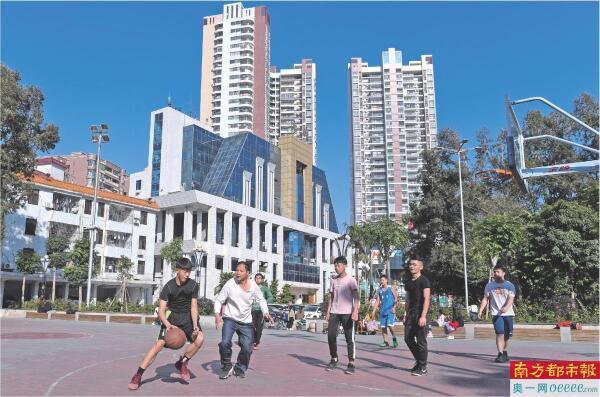
近40家村集体经济转型做风投
Nan Fang Du Shi Bao· 2025-09-02 23:12
Core Viewpoint - Shenzhen's village collective economy is undergoing a significant transformation, with the establishment of venture capital funds aimed at investing in strategic emerging industries, particularly in artificial intelligence [2][3][4]. Group 1: Fund Establishment and Scale - Two venture capital funds, the Sakata Artificial Intelligence Venture Capital Fund and the Longgang Longxing Venture Capital Fund, have been launched with a total scale of 300 million yuan, with a 10-year duration and a focus on AI and strategic emerging industries in Shenzhen [2][5]. - Nearly 40 village cooperative companies in various districts of Shenzhen have engaged in venture capital activities, indicating a broader trend beyond just these two funds [2]. Group 2: Transition from Rental to Investment - The traditional rental income model has reached its limits, prompting village collectives to seek new growth avenues through venture capital, which presents a higher risk-reward profile compared to stable rental income [3][4]. - The South Ling Village has pioneered this transition by establishing the first venture capital fund management company controlled by a village collective in 2017, leading to multiple investments in high-tech sectors [4][5]. Group 3: Challenges and Governance - The shift from being landlords to shareholders involves not only changes in funding allocation but also a fundamental rethinking of governance and decision-making processes [6][7]. - Experts emphasize the need for proper fund isolation, a dual revenue model combining rental and equity, and the establishment of a scientific decision-making mechanism to mitigate risks associated with venture capital investments [6][7]. Group 4: Unique Advantages and Collaboration - The collaboration model involving state-owned assets, village collectives, and professional institutions is seen as a unique approach, leveraging the village collectives' proximity to enterprises for better oversight and resource allocation [8][9]. - Village collectives are positioned as limited partners in the funds, allowing professional teams to manage investments while providing local insights and support [8]. Group 5: Limitations and Future Outlook - The scale of venture capital investments from village collectives remains small compared to their overall assets, indicating that this is still a tentative exploration rather than a full-scale shift [9][10]. - The transformation of Shenzhen's village collectives from rental income to venture capital is a response to economic realities, policy changes, and industry dynamics, requiring careful risk management and governance to ensure stability [9][10].


首款“中国籍”地舒单抗成功出海 获美国FDA批准上市
Mei Ri Jing Ji Xin Wen· 2025-09-02 10:45
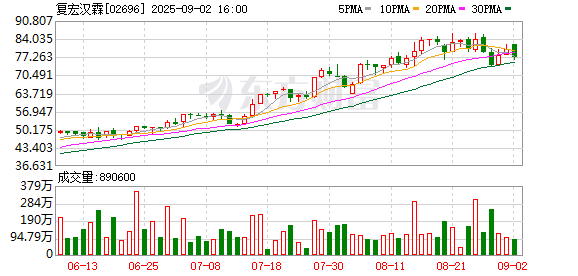
Core Viewpoint - The approval of two products of Dazhu Single Antibody Injection by the FDA marks a significant milestone for the company, being the first domestically produced Dazhu Single Antibody to be approved overseas [2] Company Summary - The company, Fuhong Hanlin, has announced that its Dazhu Single Antibody Injection products (60mg/mL and 120mg/1.7mL) have received FDA approval for eight indications, including osteoporosis and bone-related events [2] - With this approval, the company now has three products approved in the United States [2]
首款“中国籍”地舒单抗成功出海,获美国FDA批准上市
Di Yi Cai Jing· 2025-09-02 10:26
Core Viewpoint - The first domestically developed Dazhu single antibody from China has successfully received approval from the US FDA for market entry, marking a significant milestone for the company and the industry [1] Company Summary - The company, Fuhong Hanlin, announced that its Dazhu single antibody injection products (60mg/mL and 120mg/1.7mL) have been approved by the US FDA for the treatment of osteoporosis and eight other indications [1] - This approval represents the first instance of a domestically produced Dazhu single antibody being approved for sale overseas [1] - Currently, Fuhong Hanlin has three products approved in the United States [1] Industry Summary - The approval of a Chinese-developed drug by the US FDA highlights the growing capabilities and competitiveness of the Chinese biopharmaceutical industry in the global market [1] - The successful entry of this product into the US market may pave the way for further international approvals of Chinese-developed drugs, enhancing the industry's reputation and potential for growth [1]
从“房东”到“股东”,深圳村民转型做风投
Nan Fang Du Shi Bao· 2025-09-01 14:04
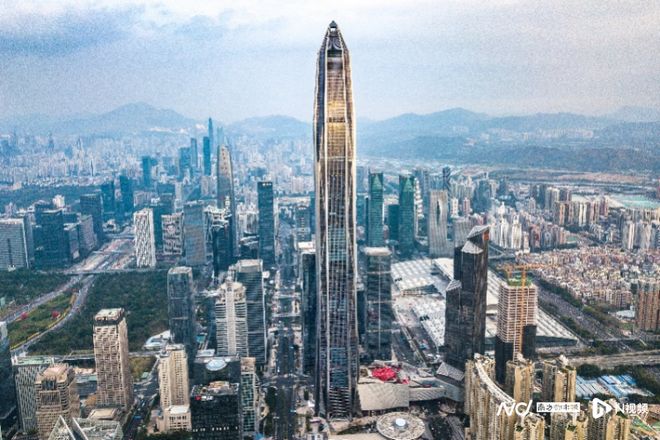
Core Viewpoint - The collective economy in Shenzhen is undergoing a significant transformation, with village collectives venturing into venture capital through newly established funds focused on strategic emerging industries, particularly artificial intelligence [1][3][12]. Group 1: Venture Capital Initiatives - Two venture capital funds initiated by Shenzhen's collective economy, the Bantian Artificial Intelligence Venture Capital Fund and the Longgang Longxing Venture Capital Fund, have a total scale of 300 million yuan and a 10-year duration, targeting strategic emerging industries [1][6]. - Nearly 40 village cooperative companies in various districts of Shenzhen have engaged in venture capital, driven by the limitations of traditional rental income models and supportive policies [3][9]. Group 2: Economic Transition - The shift from a rental-based income model to venture capital is prompted by the saturation of rental income growth, necessitating new revenue streams for village collectives [3][4]. - The South Ling Village has set a precedent by establishing the first venture capital fund management company by a village collective in China, which has successfully invested in high-tech projects across various sectors [4][5]. Group 3: Investment Strategy and Governance - The transition to venture capital requires village collectives to adopt new governance structures, including risk management strategies and professional decision-making processes [7][8]. - Experts suggest that village collectives should limit venture capital investments to 10-20% of their total available funds to mitigate risks and ensure financial stability [7][10]. Group 4: Collaborative Model - The collaboration model involving state-owned assets, village collectives, and professional institutions is emerging, with village collectives acting as limited partners in venture funds, while professional teams manage investments [9][10]. - The unique advantage of village collectives lies in their close proximity to enterprises, allowing them to monitor and assess investment opportunities effectively [10][12].
A股半年报大拆解!净利增幅最高逾500倍
Zhong Guo Zheng Quan Bao· 2025-08-31 10:56
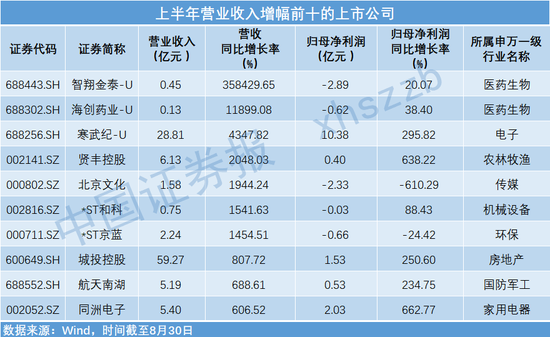
炒股就看金麒麟分析师研报,权威,专业,及时,全面,助您挖掘潜力主题机会! Wind数据显示,截至8月30日16时,有5424家A股上市公司披露半年报,其中,4178家上市公司2025年 上半年净利润为正,占比约77.03%。农林牧渔、钢铁、建筑材料、计算机、有色金属、传媒、电子、 非银金融等行业上市公司业绩回暖较为明显。 661家公司净利增超100% 从营收增幅角度看,Wind数据显示,上述5424家上市公司中,3120家上市公司上半年营业收入实现同 比增长。 其中,有109家A股上市公司营业收入实现翻倍式增长。智翔金泰、海创药业、寒武纪、贤丰控股(维 权)、北京文化等公司营业收入同比增幅居前。 上半年,新晋"股王"寒武纪共实现营业收入约28.81亿元,同比增长4347.82%;实现归属于上市公司股 东的净利润约10.38亿元,同比扭亏为盈。 上半年,营业收入增幅前三的公司均来自于科创板。其中,寒武纪营业收入同比增幅居A股第三名;智 翔金泰、海创药业分别以358429.65%和11899.08%的营收增幅位列第一和第二名,值得注意的是,这两 家公司均属医药生物行业。 | | | | 上半年营业收入增幅前十的上 ...
新药周观点:Biotech2025年中报总结,板块整体有望于2026年扭亏-20250831
Guotou Securities· 2025-08-31 10:04
Investment Rating - The report maintains an investment rating of "Outperform" with a target price set at 100 yuan [5]. Core Insights - The biotech sector is expected to turn profitable by 2026, as the commercialization of domestic biotech companies is gradually entering a positive trajectory [2][21]. - The report highlights significant revenue growth among 69 A-share and Hong Kong biotech companies, with a total revenue of 52.13 billion yuan in H1 2025, representing a year-on-year increase of 14% [21]. - The overall net profit for these companies showed a substantial reduction in losses, with a net profit of -2.31 billion yuan in H1 2025 compared to -6.63 billion yuan in H1 2024, indicating a trend towards profitability [25]. - Research and development expenses have decreased by 1% year-on-year to 22.3 billion yuan in H1 2025, suggesting a slowdown in R&D investment [27]. - The cash reserves of these companies increased by 16% to 95.56 billion yuan as of June 30, 2025, driven by an improved financing environment in the secondary market [31]. Weekly New Drug Market Review - From August 25 to August 29, 2025, the top five gainers in the new drug sector were: Ailisi (+25.6%), Maiwei Biotech (+22.4%), Kedi (+20.8%), Heplon Pharma (+18.3%), and Rongchang Biotech (+15.1%) [15][16]. - The top five decliners were: Cangning Jereh (-14.3%), Lepu Biotech (-14.7%), Chuangsheng Group (-16.75%), WuXi AppTec (-16.57%), and Oconvision (-21.3%) [15][16]. Weekly Focused Stocks - The report suggests monitoring several potential catalysts, including academic conferences, business development achievements, and negotiations for medical insurance and innovative drug directories [20]. - Key stocks to watch include differentiated GLP-1 assets from companies like Zhongsheng Pharma, Gilead, and BoRui Pharma, as well as upgraded PD-1 products from companies like Kangfang Biotech and others [20]. New Drug Approval and Acceptance - This week, 8 new drug or new indication applications were approved, and 1 new drug application was accepted [38]. - A total of 32 new drug clinical applications were approved, with 22 new drug clinical applications accepted [41].
两大行业个股扎堆毛利率榜 27股上半年毛利率超90%
Xin Lang Cai Jing· 2025-08-31 00:58
Core Insights - The food and beverage industry maintains the highest gross margin at 51.41% in the first half of the year, excluding the financial sector [1] - The beauty and personal care, as well as the media industries, rank second and third in gross margin [1] - The pharmaceutical and computer sectors dominate individual stock performance, with the top five companies by gross margin being Hai Chuang Pharmaceutical-U, Ailis, Dameng Data, Dize Pharmaceutical-U, and Zhongwang Software [1] - Hai Chuang Pharmaceutical-U leads with an impressive gross margin of 99.52%, while 27 companies reported gross margins exceeding 90% in the first half of the year [1]


透视A股半年报:32家净利增速超20倍 500倍业绩王诞生
2 1 Shi Ji Jing Ji Bao Dao· 2025-08-30 06:26
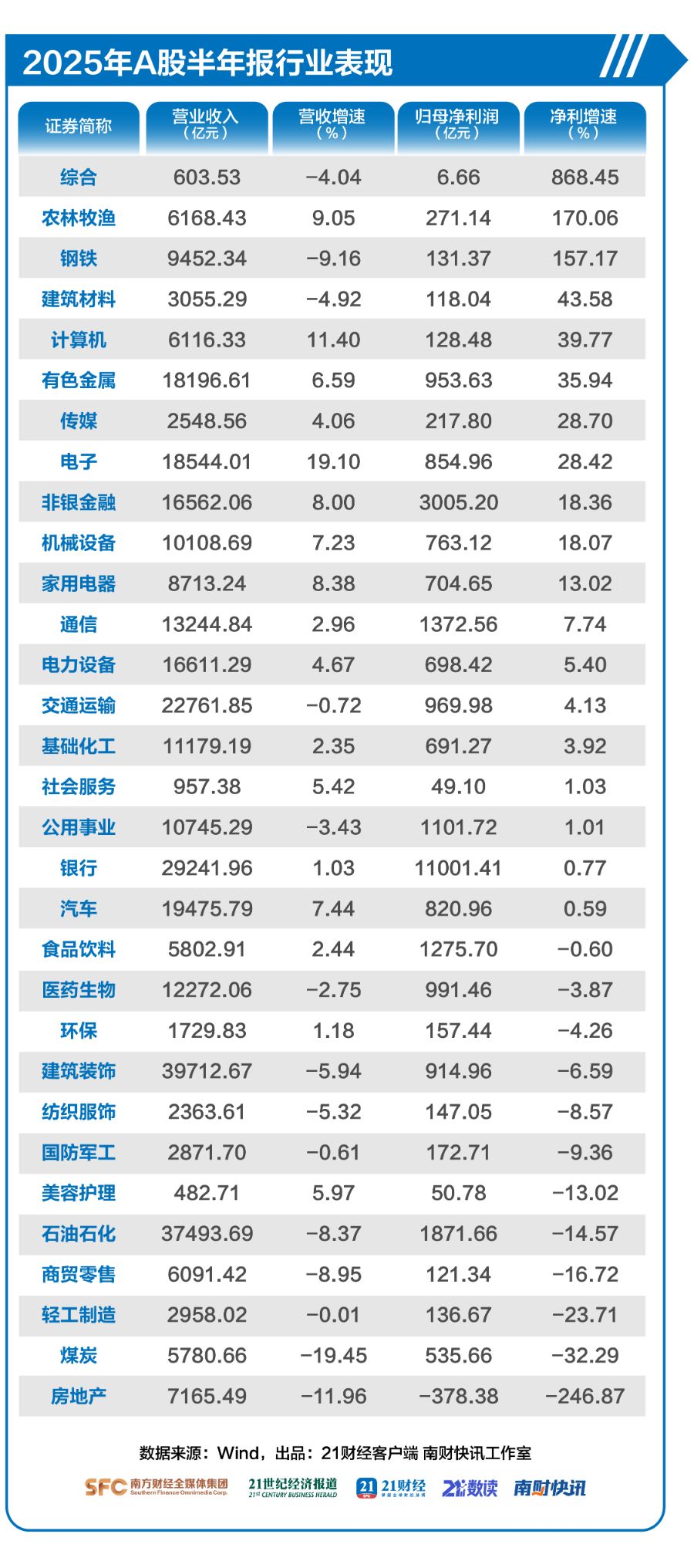
Core Insights - A-share listed companies in China achieved revenue and net profit growth in the first half of the year, with total revenue reaching 34.99 trillion yuan, a slight increase of 0.02% year-on-year, and net profit amounting to 2.99 trillion yuan, up by 2.45% year-on-year [1] Group 1: Industry Performance - The consumer and technology sectors showed strong performance, with industries such as agriculture, forestry, animal husbandry, fishery, computer, and electronics leading in revenue and net profit growth [2] - The highest net profit growth was seen in the comprehensive industry, with an increase exceeding 800%, followed by agriculture and steel, which both saw net profit growth rates of 170.06% and 157.17% respectively [2] - The electronics industry led in revenue growth with a rate of 19.10%, followed by the computer industry at 11.40% [2] Group 2: Company Performance - A total of 56 A-share companies reported revenues exceeding 100 billion yuan, with 6 companies surpassing 500 billion yuan and 3 companies exceeding 1 trillion yuan [4] - The top three companies by revenue were China Petroleum, China Petrochemical, and China State Construction, with revenues of over 1.4 trillion yuan each [5] - In terms of revenue growth, seven companies achieved over 10 times growth, with the top three being from the Sci-Tech Innovation Board, particularly in the pharmaceutical sector [7] Group 3: Profitability Insights - Among the 4178 A-share companies that reported profits, 48 companies had net profits exceeding 100 billion yuan, and 9 companies surpassed 500 billion yuan [9] - The top ten companies by net profit were predominantly from the financial sector, with the four major banks reporting net profits exceeding 110 billion yuan each [9] - Notably, Agricultural Bank of China was the only major bank to report positive net profit growth, while the others experienced declines [9] Group 4: Losses and Challenges - A total of 1246 A-share companies reported losses, with 33 companies losing over 1 billion yuan [15] - The top ten companies with the highest losses were mainly from the real estate and power equipment sectors, with Vanke A reporting a loss exceeding 11 billion yuan [15][16] - The losses were attributed to declining project settlement scales and low gross margins in the real estate sector, although there are signs of market stabilization [15]
基金最新动向:走访这50家公司
Zheng Quan Shi Bao Wang· 2025-08-29 03:40
Group 1 - A total of 62 companies were investigated by institutions on August 28, with 50 of them being surveyed by funds, highlighting a significant interest in certain companies [1] - Mindray Medical (300760) attracted the most attention, with 65 funds participating in its investigation, followed by Haichuang Pharmaceutical and Giant Network, each with 26 funds [1] - The companies surveyed belong to various sectors, with the pharmaceutical and biotechnology sector having the highest representation, including 9 companies [1] Group 2 - Among the surveyed companies, 28 stocks increased in value over the past five days, with the highest gains seen in Shangji Technology (301330) at 17.08%, Yinhua Technology at 14.27%, and Minexplosion Optoelectronics at 11.83% [2] - Conversely, 22 stocks experienced declines, with the largest drops recorded by Ruimaite (301367) at 9.51%, Hengshuai Co. (300969) at 8.58%, and Haitai New Light at 6.79% [2] - In terms of net capital inflow, 17 stocks saw positive movement, with Xirong Environment (000598) attracting the most at 131 million yuan [2] Group 3 - Among the 50 companies that have released their semi-annual reports, the highest year-on-year net profit growth was reported by Nanjiguang (300940) at 982.43% and Perfect World (002624) at 384.52% [2]



海创药业8月28日获融资买入1563.88万元,融资余额3.29亿元
Xin Lang Cai Jing· 2025-08-29 02:06
Group 1 - The core viewpoint of the news is that Haichuang Pharmaceutical has shown significant trading activity and financial performance, with a notable increase in revenue and changes in shareholder structure [1][2]. Group 2 - On August 28, Haichuang Pharmaceutical's stock price decreased by 0.61%, with a trading volume of 176 million yuan. The financing buy-in amount was 15.64 million yuan, while the financing repayment was 13.19 million yuan, resulting in a net financing buy-in of 2.45 million yuan [1]. - As of August 28, the total balance of margin trading for Haichuang Pharmaceutical was 329 million yuan, accounting for 6.94% of its market capitalization, which is above the 90th percentile level over the past year [1]. - The company has not engaged in any short selling activities on August 28, with a short selling balance of 0 shares, indicating a high level of confidence among investors [1]. Group 3 - As of June 30, the number of shareholders for Haichuang Pharmaceutical increased to 6,555, up by 56.33%, while the average circulating shares per person decreased by 28.30% to 12,435 shares [2]. - For the first half of 2025, Haichuang Pharmaceutical reported a revenue of 13.17 million yuan, representing a year-on-year growth of 11,899.08%. However, the net profit attributable to the parent company was -61.85 million yuan, which is a 38.40% increase compared to the previous period [2]. - Among the top ten circulating shareholders, Penghua Medical Technology Stock A (001230) is the second largest shareholder, holding 3.64 million shares, which is a decrease of 119,500 shares from the previous period [2].