
赛诺菲

Search documents
医药生物行业双周报2026年第1期总第150期:脑机接口推荐性标准立项促进行业规范化《第四批鼓励仿制药品目录》发布-20260112
Great Wall Glory Securities· 2026-01-12 09:12
Investment Rating - The investment rating for the industry is "Positive" and the rating has been maintained [1] Core Insights - The pharmaceutical and biotechnology industry index increased by 5.60%, ranking 8th among 31 primary industries, outperforming the CSI 300 index which rose by 2.18% [4][16] - The PE (TTM overall method, excluding negative values) for the pharmaceutical and biotechnology industry as of January 9, 2026, is 30.56x, up from 29.20x at the end of the previous period, indicating an upward valuation trend [4][21] - The top three sub-industries in terms of PE are vaccines (47.64x), hospitals (43.33x), and medical devices (39.44x), while pharmaceutical circulation has the lowest valuation at 15.42x [4][21] Industry Review - The report highlights significant developments in the pharmaceutical sector, including the release of the "Fourth Batch of Encouraged Generic Drug Catalog" aimed at optimizing the drug supply guarantee system and enhancing industry structure [6][26] - The report notes that 43 listed companies in the pharmaceutical and biotechnology sector experienced a net reduction in shareholder holdings amounting to 2.779 billion yuan, with 8 companies increasing holdings by 20 million yuan and 35 companies reducing holdings by 2.799 billion yuan [4] Important Industry News - The National Health Commission and other departments released the "Fourth Batch of Encouraged Generic Drug Catalog," which includes 21 varieties and 47 specifications, focusing on clinical needs and disease burdens [26][27] - The NMPA announced measures to strengthen the supervision and management of entrusted drug production, aiming to enhance drug quality assurance levels [29][30] - The NMPA also optimized the review and approval process for urgently needed overseas drugs, encouraging simultaneous global development and submission [31][32] Investment Recommendations - The report suggests focusing on innovative pharmaceutical companies with strong pipeline differentiation, rapid clinical advancement, and robust overseas collaboration capabilities [7][8] - In the medical device sector, it recommends paying attention to companies with solid technical foundations and deep collaborations with leading hospitals and research institutions [8]
医药行业周报:本周申万医药生物指数上涨7.8%,关注小核酸药物研发动态-20260112
Shenwan Hongyuan Securities· 2026-01-12 08:12
Investment Rating - The report maintains a positive outlook on the pharmaceutical industry, indicating a "Buy" rating based on recent market performance and emerging opportunities in innovative drug development [2][3]. Core Insights - The pharmaceutical sector saw a significant increase, with the Shenwan Pharmaceutical and Biological Index rising by 7.8%, outperforming the Shanghai Composite Index, which increased by 3.82% [2][3]. - The report highlights the ongoing commercialization of innovative drugs, including the oral GLP-1 medication Wegovy by Novo Nordisk, and the successful clinical trials of various RNAi therapies [11][13][18]. - The establishment of a comprehensive long-term care insurance system in China is expected to enhance the healthcare landscape, potentially benefiting the pharmaceutical sector [11][12]. Market Performance - The Shenwan Pharmaceutical and Biological Index ranked 6th among 31 Shenwan first-level sub-industries, with various sub-sectors showing positive growth, such as medical devices (+10.8%) and medical research outsourcing (+11.1%) [2][5]. - The overall valuation of the pharmaceutical sector stands at 30.6 times earnings, ranking 10th among 31 Shenwan first-level industries [5][10]. Recent Key Events - The report notes the successful approval and commercialization of several new drugs, including BeiGene's BCL-2 inhibitor and Sanofi's APOC3 siRNA drug, which address significant medical needs [20][22]. - Collaborations in drug development are highlighted, such as the $8.88 billion partnership between Insilico Medicine and Servier focusing on oncology [21]. - The report emphasizes the potential of the brain-computer interface industry, with companies like Mindray Medical and Lepu Medical making strides in this area [24]. Investment Opportunities - The report suggests focusing on domestic innovative drug companies and CROs, particularly those involved in the development of small nucleic acid drugs and brain-computer interface technologies [2][11]. - Specific companies to watch include Tigermed, WuXi AppTec, and Innovent Biologics, which are positioned to benefit from the recovery of the innovative drug sector [2][11].


Press Release: Sanofi’s Teizeild approved in the EU for patients with stage 2 type 1 diabetes
Globenewswire· 2026-01-12 06:00
Core Viewpoint - Sanofi's Teizeild (teplizumab) has received approval from the European Commission to delay the onset of stage 3 type 1 diabetes (T1D) in patients aged eight years and older with stage 2 T1D, marking a significant advancement in the treatment of this autoimmune disease [1][2][8]. Group 1: Approval and Significance - Teizeild is the first disease-modifying therapy for T1D approved in the EU, representing a major milestone in treatment options for patients [1][8]. - The approval is based on the TN-10 phase 2 study, which showed that Teizeild delayed the onset of stage 3 T1D by a median of two years compared to placebo [1][8]. Group 2: Study Results - In the TN-10 phase 2 study, 57% of patients in the Teizeild group remained in stage 2 T1D at the end of the study, compared to 28% in the placebo group [2]. - The median time to diagnosis of stage 3 T1D was 48.4 months for the Teizeild group versus 24.4 months for the placebo group, with a hazard ratio of 0.41 indicating a significant reduction in risk [6]. Group 3: Safety Profile - The safety profile of Teizeild was consistent with previous studies, with the most common adverse events being transient lymphopenia (75% of participants) and rash (36% of participants) [2][6]. Group 4: Regulatory Status - Teizeild is also approved in multiple countries including the US, UK, China, Canada, and several Middle Eastern nations for the same indication, with ongoing regulatory reviews in other regions [3][7]. - Sanofi has decided not to pursue a second application for Teizeild in recently diagnosed stage 3 T1D at this time, with next steps under evaluation [3]. Group 5: About Teizeild - Teizeild is a CD3-directed monoclonal antibody and is the only disease-modifying therapy for autoimmune T1D, having been approved in the US in November 2022 [7]. - The therapy aims to prevent the natural progression of T1D by protecting beta-cell function [2][8]. Group 6: Understanding T1D - Type 1 diabetes is a progressive autoimmune disease characterized by the destruction of insulin-producing beta cells, leading to impaired blood sugar regulation [9]. - The disease progresses through four stages, with stage 2 being presymptomatic but marked by abnormal blood sugar levels [12].



速递|一年四针,把血脂打下来:重磅降脂siRNA新药国内获批上市
GLP1减重宝典· 2026-01-12 04:07
Core Viewpoint - The approval of Praluent (普乐司兰钠) by the NMPA marks a significant advancement in the treatment of familial chylomicronemia syndrome (FCS) in China, filling a long-standing gap in the rare lipid metabolism disease sector and highlighting progress in RNA-targeted therapies for rare diseases [4][6]. Group 1: Drug Approval and Mechanism - Praluent is the first small interfering RNA drug targeting APOC3 mRNA, which plays a crucial role in lipid metabolism by inhibiting lipoprotein lipase activity, leading to elevated triglyceride levels in the blood [4]. - The drug has shown a remarkable efficacy, with fasting triglyceride levels decreasing by approximately 80% from baseline in FCS patients, and a similar reduction in the incidence of acute pancreatitis compared to placebo [6]. Group 2: Clinical Data and Treatment Burden - Clinical data indicates that Praluent requires administration only four times a year, significantly reducing the treatment burden and improving long-term medication adherence among patients [6]. - The global Phase III clinical trials confirm the safety and applicability of Praluent, showing no significant difference in overall adverse event rates compared to placebo, and a lower incidence of severe adverse events [7]. Group 3: Market Strategy and Future Potential - Sanofi's acquisition of development and commercialization rights for Praluent in Greater China from Arrowhead Pharmaceuticals reflects confidence in RNA drug platforms and the metabolic disease sector [6]. - The FDA has granted breakthrough therapy designation for Praluent for severe hypertriglyceridemia, indicating potential expansion beyond rare disease populations to a broader high-risk metabolic disorder patient base by December 2025 [6]. Group 4: Broader Implications for Metabolic Health - The approval of Praluent signifies a shift in lipid metabolism treatment from merely controlling indicators to precise regulation of key pathways, offering new therapeutic possibilities for complex metabolic disorders [7].
The Trump Market: Where Tweets Are Policy and Volatility Is Just a Feature
Stock Market News· 2026-01-11 18:00
Group 1: Tariffs and Pharmaceutical Sector - President Trump has threatened pharmaceutical tariffs of up to 250% and 500% on India over Russian oil purchases, indicating a shift in the administration's approach to tariffs as a tool for industry reshaping rather than negotiation [2] - Johnson & Johnson (JNJ) has secured an exemption from certain tariffs by committing to lower drug prices, joining 14 other major pharmaceutical companies in the "TrumpRx" program, which aims to align US drug prices with European counterparts [3] - Moody's Analytics reported a "collapse in pharmaceutical imports" as companies stockpiled goods in anticipation of tariffs, demonstrating the market's tendency to react preemptively to presidential announcements [3] Group 2: Energy Sector and Venezuela - Following the capture of Venezuelan President Nicolás Maduro, President Trump declared a national emergency and announced new sanctions, leading to a surge in US energy stocks, with Chevron (CVX) rising 5% and Exxon Mobil (XOM) increasing by 2.2% [4] - However, by January 10, 2026, analysts expressed skepticism about the viability of Venezuelan oil investments, citing a lack of legal pathways and the need for significant infrastructure rebuilding [5] - Venezuelan government bonds saw a rally, with a bond maturing in 2027 increasing from 31.5p to over 40p on the dollar, indicating market interest despite the geopolitical instability [5] Group 3: Credit Card Industry - President Trump proposed a one-year, 10% cap on credit card interest rates, aiming to save Americans "tens of billions of dollars," which has raised concerns among banking executives [6][7] - The banking industry, including the Bank Policy Institute and the American Bankers Association, warned that such a cap could lead consumers to less regulated alternatives and reduce credit availability [8] - Major credit card companies like American Express (AXP) and JPMorgan Chase (JPM) experienced stock declines of -1.92% and -0.18% respectively, reflecting market apprehension about the proposed cap [8] Group 4: Defense Sector - President Trump's executive order threatening to restrict stock buybacks and dividends for defense contractors initially caused a drop in defense stocks, but a subsequent announcement of a $1.5 trillion defense budget for fiscal year 2027 led to a rally in the sector [9][10] - Northrop Grumman (NOC) saw a premarket increase of 6.8%, while Lockheed Martin (LMT) rose 6.7%, indicating strong market response to the budget announcement [10] - The iShares US Aerospace & Defense ETF gained approximately 55% over the past year, significantly outperforming the S&P 500's 17% increase, highlighting robust demand in the defense sector [10] Group 5: Market Reactions and Trends - The US stock market exhibited polarized performance on January 8, 2026, with the DOW gaining 60.94 points (+0.12%) while the S&P 500 and NASDAQ Composite fell [13] - By January 9, 2026, the indices largely recovered, with the S&P 500 climbing 0.6% and the DOW adding 0.5%, indicating a rotation out of high-growth technology into heavy industry [14] - Analysts forecast a 10% increase for the S&P 500 in the remainder of 2026, although they acknowledge that presidential tariffs pose a significant source of uncertainty for market performance [15]



法国制药业的光环与暗礁
Xin Lang Cai Jing· 2026-01-11 06:51
Core Insights - The French pharmaceutical industry is recognized for its strong innovation capabilities and quality reputation on the international stage, with over 260 pharmaceutical companies and more than 400 production bases as of September 2024 [1][2] - France's pharmaceutical exports reached €33.4 billion in 2023, contributing to a trade surplus of €2 billion, making it the fourth largest surplus industry in the country [1] - France ranks as the fifth largest pharmaceutical market globally, holding a 2.9% share of the global market, second only to Germany in Europe [2] Factors Contributing to Prosperity - High levels of R&D investment, vibrant industrial clusters, and talent cultivation are key drivers of the French pharmaceutical industry's success, with over 12% of industry revenue allocated to R&D in recent years [3] - Sanofi's R&D spending has increased to 18% of its revenue for 2024, while Ipsen plans to allocate around 20% of its revenue to R&D [3] - The Paris-Saclay cancer cluster exemplifies an innovative ecosystem, fostering collaboration among academia and industry in cancer research [3][4] Talent Development - French pharmaceutical companies prioritize talent development, with firms like Servier actively engaging in local educational networks and offering training programs [4] Challenges Faced - Despite its strengths, the French pharmaceutical industry faces significant challenges, including a declining market share over the past 20 years, particularly in the vaccine sector, where France's global export share dropped from 23% in 2000 to 14% in 2020 [5] - The market has experienced sluggish growth, with the net sales of pharmaceuticals reaching €26.1 billion in 2023, but failing to alleviate the growing deficit in public healthcare [6] - Talent retention is a critical issue, with average monthly salaries for researchers around €3,600 lacking competitiveness in Europe, and a high instability rate of 33% in employment within higher education and public research [6]
J&J Strikes Drug Pricing Deal With Trump, Gets Tariff Reprieve
ZACKS· 2026-01-09 16:55
Core Insights - Johnson & Johnson (JNJ) has signed a significant agreement with the Trump administration to lower drug prices in the U.S. [1] - JNJ is part of a broader trend among large-cap pharmaceutical companies committing to similar agreements to reduce drug prices [2] Agreement Details - Under the agreement, JNJ will reduce prescription drug prices to align with those in comparable developed countries, supporting the Most Favored Nation (MFN) pricing proposal [3] - JNJ will benefit from a limited-period exemption from import tariffs on pharmaceutical ingredients, contingent upon expanding its domestic manufacturing operations [4] Financial and Operational Impact - JNJ's shares have increased by 30.6% over the past six months, outperforming the industry growth of 20.4% [5] - The company is advancing a $55 billion plan to enhance U.S. manufacturing, research, and technology capabilities by early 2029 [6][7] - JNJ is constructing new facilities in Pennsylvania and North Carolina, including a $2 billion biologics plant expected to create approximately 5,000 jobs [8] Industry Trends - Other large-cap pharmaceutical companies are also investing significantly in U.S.-based manufacturing and R&D, with AstraZeneca committing $50 billion by 2030 and AbbVie planning over $10 billion by 2035 [9][10][13] - Lilly has announced a $27 billion investment to develop new manufacturing sites, enhancing production capacity for its marketed drugs [14]


董秘王哲宇突然卸任,振东制药“二代”董事长顶上
Sou Hu Cai Jing· 2026-01-09 11:18
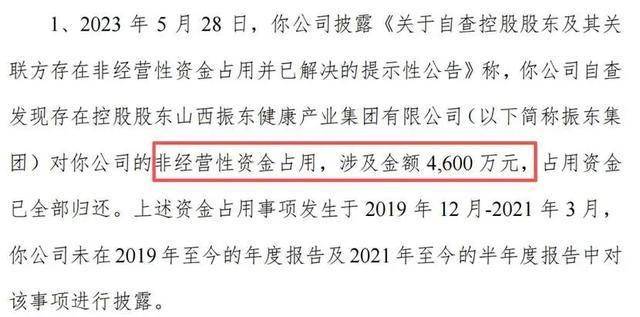
Core Viewpoint - Wang Zheyu, the Vice President and Board Secretary of Zhendong Pharmaceutical, submitted his resignation due to a job transfer, although he will continue to hold other positions within the company. His early departure raises questions about potential changes in company plans [1][5]. Group 1: Career Progression - Wang Zheyu's career trajectory shows a clear path from the pharmaceutical industry to capital investment and back to pharmaceuticals, indicating a strong understanding of both sectors [1]. - From 2012 to 2017, he gained experience in the pharmaceutical industry at Yabao Pharmaceutical, where he learned to analyze the industry and participate in project investments [2]. - He later became an Investment Director at Songshan Capital, focusing on identifying and managing investments in the pharmaceutical and consumer sectors [2]. - Between 2017 and 2022, he worked at Tianfeng Securities and then at Lujizhi Technology Group, where he transitioned from an investor to a company manager, successfully leading the company to the Hong Kong stock market [3]. Group 2: Role at Zhendong Pharmaceutical - In April 2022, Wang Zheyu returned to the pharmaceutical sector as the General Manager of the Strategy Department at Zhendong Pharmaceutical, overseeing legal affairs and strategic planning [3]. - By May 2023, he was promoted to Vice President and Board Secretary, taking on significant responsibilities as the company's spokesperson and compliance officer [4]. Group 3: Company Challenges and Developments - During Wang Zheyu's tenure as Board Secretary, Zhendong Pharmaceutical faced a significant arbitration case related to product quality issues, resulting in a total compensation payment of 500 million yuan to Langdi Pharmaceutical [6][7]. - The company also received a regulatory letter from the Shanxi Securities Regulatory Bureau regarding undisclosed fund occupation by the controlling shareholder, amounting to 51.3 million yuan [8][9]. - Despite these challenges, Zhendong Pharmaceutical's market value increased from 58.67 billion yuan in May 2023 to 60.73 billion yuan by January 2026 [10][11]. Group 4: Financial Performance - For the first three quarters of the previous year, Zhendong Pharmaceutical reported revenues of 2.215 billion yuan, a year-on-year decrease of 2.42%, and a net profit of 20.36 million yuan, down 49.25% [16]. - However, the company showed a strong performance in the third quarter, achieving revenues of 758 million yuan and a net profit of 124.33 million yuan, representing a year-on-year increase of 31.34% [16].

一周医药速览(1.5-1.9)
Cai Jing Wang· 2026-01-09 09:16
Group 1 - Insilico Medicine announced a collaboration with Servier valued at $888 million focused on the discovery and development of innovative anti-cancer therapies [1] - Insilico will receive up to $32 million in upfront and milestone payments, leveraging its AI-driven drug development platform [1] - Servier will lead the clinical validation and commercialization of promising drug candidates globally [1] Group 2 - Weigao Blood Products announced a major asset restructuring involving the acquisition of 100% equity in Weigao Purui for approximately $8.511 billion [2] - Post-transaction, Weigao Purui will become a wholly-owned subsidiary, expanding the company's business into pharmaceutical packaging [2] - Weigao's shareholding in Weigao Blood Products will increase to 84.36%, maintaining absolute control [2] Group 3 - Earendil Labs (HuaShen ZhiYao) entered a strategic partnership with Sanofi worth up to $2.56 billion for the development of bispecific candidates targeting autoimmune and inflammatory diseases [3] - Earendil Labs will receive up to $160 million in upfront and milestone payments linked to early project outcomes [3] - The agreement includes tiered royalties based on net sales [3] Group 4 - WuXi AppTec announced that its controlling shareholders have reduced their stake by 2%, totaling 59.68 million shares [4] - The reduction was completed as per the previously disclosed plan, with the controlling shareholders holding 18.211% of the total shares before the reduction [4] Group 5 - Nanhua Biological announced plans for a significant asset restructuring to acquire 51% of Huize Pharmaceutical for cash [5] - The transaction is expected to constitute a major asset restructuring without involving share issuance or control changes [5] - Due diligence and negotiations are ongoing, with no formal agreement signed yet [5] Group 6 - Kangchen Pharmaceutical projected a net profit of between 145 million to 175 million yuan for 2025, representing a year-on-year increase of 243% to 315% [6] - The expected net profit excluding non-recurring gains is projected to be between 140 million to 170 million yuan, reflecting a significant increase from the previous year [6] Group 7 - Yilian Biotech signed a new exclusive licensing agreement with Roche for the YL201 project, with an upfront payment of $570 million [7] - The agreement allows Roche exclusive rights to develop and commercialize the YL201 project globally, excluding mainland China and certain regions [7] - This partnership builds on a successful collaboration on the YL211 project, aiming to accelerate the development of YL201 [7]



Factbox-Countries and industries most exposed to Trump's IEEPA-based tariffs
Yahoo Finance· 2026-01-08 23:32
Group 1: Legal Context and Implications - The U.S. Supreme Court is expected to rule on the legality of tariffs imposed by President Trump under the International Emergency Economic Powers Act (IEEPA), which could result in nearly $150 billion in refunds to importers if deemed illegal [1][2] Group 2: Companies Challenging Tariffs - Major corporations such as Costco, Revlon, EssilorLuxottica, Bumble Bee Foods, Yokohama Tire, and Kawasaki Motors have filed lawsuits against the U.S. government, contesting the IEEPA-based tariffs and seeking refunds [2] Group 3: Tariff Categories - The tariffs under the IEEPA fall into three categories: 1. Fentanyl-linked tariffs on China, Mexico, and Canada 2. Broad "reciprocal" tariffs aimed at reducing trade deficits 3. Punitive levies against countries for non-trade political reasons [2] Group 4: Industries Exempt from Tariffs - Pharmaceuticals, energy, agricultural commodities, services, and aircraft/aerospace industries are largely exempt from U.S. tariffs due to their critical nature and potential impact on public health and international commerce [3] Group 5: Countries and Industries Affected by Tariffs - **China and Hong Kong**: Consumer electronics, machinery, medical devices, chemicals, toys with a tariff rate of 10% [4] - **Taiwan**: Semiconductors and chipmakers with a tariff rate of 20% [4] - **Mexico**: Autos and auto parts with no tariff for USMCA-compliant goods, but 25% for non-USMCA goods [4] - **Canada**: Metals and energy products with no tariff for USMCA-compliant goods, but 25% for non-USMCA goods [4] - **European Union and UK**: Autos and machinery with a tariff rate of 15% on most EU goods, and 10%-25% on UK goods depending on the product [4] - **Japan and South Korea**: Autos and machinery with reduced tariffs to about 15% [4] - **Southeast Asia**: Apparel and footwear with tariffs ranging from 19% to 20% [4]