傅利叶

Search documents
超150台人形机器人亮相“整活”,具身智能大佬们有话说
Di Yi Cai Jing· 2025-07-29 12:30
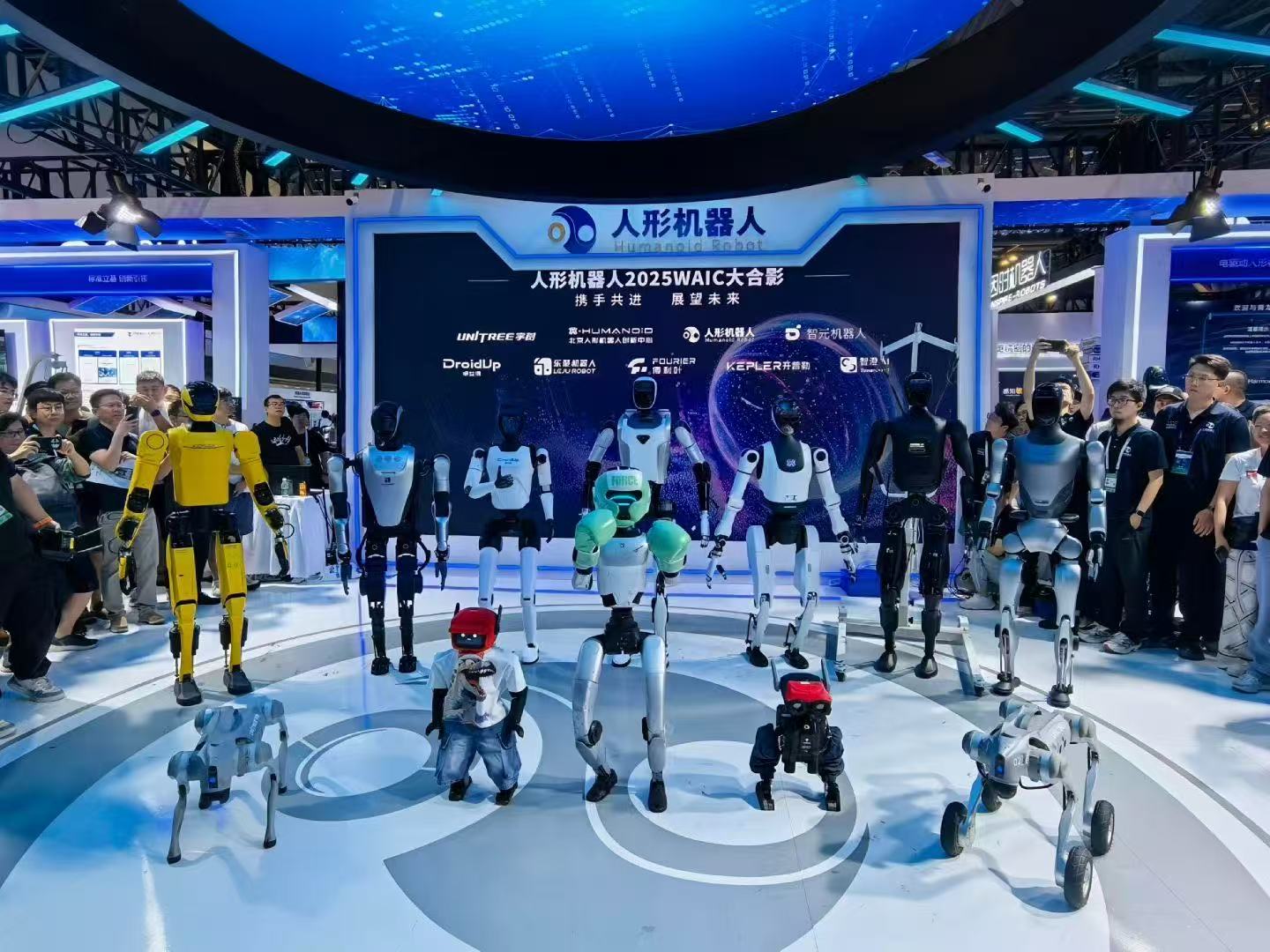
Core Insights - The humanoid robot industry is entering a "technological breakthrough acceleration period" and a "key period for industrial landing" as showcased at the WAIC 2025, with over 150 humanoid robots presented, marking the largest display in history [1][3] - The humanoid robot market is projected to become a $100 billion blue ocean market, with Goldman Sachs forecasting a global market size of $154 billion by 2035 [3] Group 1: Industry Developments - The WAIC 2025 featured significant participation from various enterprises and institutions, including the National and Local Joint Innovation Center for Humanoid Robots, showcasing innovative products and interactive demonstrations [1] - The "2025 Humanoid Robots and Embodied Intelligence Innovation Development Forum" emphasized the transformative potential of humanoid robots in reshaping production methods and global industrial development [3] Group 2: Technological Advancements - The National and Local Joint Innovation Center released a cooperation initiative to accelerate the development of humanoid robots and embodied intelligence through data standard recognition and sharing [5] - Advances in technology have enabled robots to perform tasks with centimeter-level precision, moving towards applications in areas like unmanned retail [7] Group 3: Market Opportunities and Challenges - The industry is expected to see large-scale deployment of embodied robots in tasks such as sorting, handling, and assembly, creating a closed-loop data model that drives iterative improvements [13] - Despite the excitement surrounding humanoid robots, challenges remain in practical applications and the integration of technology into industry [13][14] Group 4: Future Outlook - The next 3-5 years are anticipated to bring advancements to millimeter-level operational capabilities, with a longer timeline of 5-10 years for household integration [15] - The debate over the use of synthetic versus real data in robot training highlights the need for a balanced approach, integrating both to enhance the industry's development [14]


中国科技如何将童年幻想照进现实?
21世纪经济报道· 2025-07-29 08:00
Core Viewpoint - The article highlights the rapid advancements in technology in China, particularly in robotics, low-altitude economy, and autonomous driving, showcasing significant investment opportunities and industry developments by 2025 [1][6][8]. Robotics - Robotics has seen substantial improvements in motion control, transitioning from simple movements to complex actions and precise operations [2]. - The integration of large models into robotics has enhanced their intelligence, allowing for better task planning and execution [2]. - Various companies are demonstrating robots in practical applications, such as sorting packages and providing medical assistance, indicating a shift towards real-world utility [2][3]. - The investment focus is shifting towards humanoid robot components as they enter commercial applications, with upcoming IPOs expected to boost market enthusiasm [4]. Low-altitude Economy - The low-altitude economy, encompassing drones and eVTOLs, is gaining attention for its potential in logistics, transportation, and urban management [6][7]. - The eVTOL showcased at the event has a maximum range of 200 kilometers and a cruising speed of 260 kilometers per hour, although commercial operation may take time due to technical and regulatory challenges [6]. - Drones are already widely used across various sectors, with significant growth observed in the past two years, particularly in smart city management [7]. - Investment opportunities in the manufacturing sector of the low-altitude economy are considered substantial, covering drone production and key components [7]. Autonomous Driving - Autonomous driving is identified as a critical focus for the next decade, with the commercial rollout of Robotaxi services in Shanghai marking a significant milestone [8]. - Regulatory challenges and the current level of technology (mostly L2 automation) are seen as barriers to widespread adoption [9]. - The cost of retrofitting vehicles for autonomous capabilities is high, limiting rapid fleet expansion [9]. - Advances in domestic chip production are reducing costs and enhancing capabilities in the autonomous driving sector [10]. Large Models and AI - The development of large models is progressing, with a narrowing gap between domestic and international capabilities [12]. - Companies are diversifying their strategies, moving from general-purpose models to more specialized applications [12]. - The emergence of intelligent agents is highlighted as a transformative trend in AI, with practical applications already in use [13]. - Investment in AI hardware is crucial at the initial stages of model development, with expectations of explosive growth as applications mature [14].
直击WAIC现场:中国科技如何将童年幻想照进现实
2 1 Shi Ji Jing Ji Bao Dao· 2025-07-29 06:28
Group 1: Overview of Technological Advancements - The 2025 World Artificial Intelligence Conference (WAIC 2025) showcased over 3,000 cutting-edge technology products from more than 800 domestic and international companies, marking the largest scale in history [1] - China has rapidly transformed sci-fi concepts into reality, with advancements in autonomous driving, humanoid robots, and drones [1] Group 2: Robotics Developments - Robotics has seen significant improvements in motion control, enabling complex dynamic actions and precise operations [3] - The integration of large models into robotics has enhanced their intelligence, allowing for better task planning and execution [3][4] - Various companies demonstrated robots capable of performing intricate tasks in real-world applications, such as sorting and scanning packages [3] Group 3: Low-altitude Economy - The low-altitude economy, focusing on drones and eVTOLs, is gaining attention for its potential in logistics, transportation, and urban management [7][9] - The eVTOL aircraft "E20" was highlighted at the conference, featuring a maximum range of 200 kilometers and a cruising speed of 260 kilometers per hour [8] - Drones are already widely used across multiple sectors, reshaping operational models and value chains [9] Group 4: Autonomous Driving Progress - Shanghai has officially entered the commercial operation phase for Robotaxi services, marking a significant milestone in autonomous driving [10] - The main challenges for large-scale commercialization of Robotaxi include regulatory issues and high modification costs for vehicles [10][11] - The domestic automotive chip market is gradually being dominated by local manufacturers, enhancing cost efficiency and computational power [12] Group 5: Developments in Large Models - The gap between domestic and international large model capabilities is narrowing, with a trend towards specialization in vertical applications [13] - AI agents are emerging as a significant focus, showcasing capabilities in various practical applications [13][14] - Investment in AI hardware is crucial during the initial stages of model development, with expectations for explosive growth in applications as models mature [14]
“秀场”变“职场”!机器人本体性能大进化,正式开启“打工”时代|聚焦2025WAIC
Hua Xia Shi Bao· 2025-07-29 06:04
Core Insights - The 2025 World Artificial Intelligence Conference (WAIC) showcased significant advancements in humanoid robots, indicating a pivotal shift from laboratory experiments to large-scale applications in the coming years [1][5] - The Chinese robotics industry is experiencing rapid iteration, with a notable increase in financing events for humanoid robots in the first half of 2025, surpassing the total for the previous year [1][5] Group 1: Technological Advancements - Humanoid robots have shown qualitative improvements in movement precision and task completion compared to previous years, with capabilities such as flexible navigation in complex terrains and more fluid grasping actions [1][5] - The integration of AI large models with robotic systems has enhanced their operational capabilities, allowing for real-time decision-making and improved adaptability to various environments [6][7] - Companies like Magic Atom and Beijing Humanoid Robot Innovation Center are demonstrating advanced collaborative capabilities among robots, enabling them to communicate and execute tasks autonomously [6][7] Group 2: Market Dynamics - The financing landscape for humanoid robots is expanding, with leading companies like Yushu Technology and Zhiyuan Robotics securing significant contracts, indicating a growing market demand [5][7] - The industry is witnessing a clear differentiation among companies, with those unable to achieve "intelligent closed-loop + mass production capability" facing potential risks of elimination [7][8] - The ongoing investment boom in the humanoid robot sector is expected to continue, driven by the increasing recognition of their practical applications and market potential [7][8] Group 3: Application Scenarios - Humanoid robots are being deployed in diverse fields, including industrial tasks, education, and rehabilitation, showcasing their versatility and potential for real-world applications [2][4] - The introduction of interactive robots designed for rehabilitation and emotional companionship reflects a growing focus on human-robot interaction and care [4][7] - The advancements in quadruped robots, which have been operational in practical scenarios longer than humanoid robots, highlight the broader applicability of robotic technology across various sectors [5][6]
世界人工智能大会回顾
Jian Yin Guo Ji· 2025-07-29 05:17
Investment Rating - The report maintains an "Outperform" rating for several key companies in the robotics sector, indicating an expected return above 10% over the next 12 months [7]. Core Insights - The World Artificial Intelligence Conference showcased over 3,000 cutting-edge exhibits, highlighting advancements in humanoid robots capable of performing human-like tasks [1]. - Companies like Zhiyuan and Yushu Technology are focusing on commercializing their robotic products, with plans for regular updates and a strong emphasis on understanding customer needs [1][2]. - The report identifies upcoming events, such as the World Robot Conference and the Optimus Gen 3 launch, as catalysts for further interest and investment in the robotics sector [4][6]. Summary by Sections High-end Manufacturing - The World Artificial Intelligence Conference featured over 800 companies and emphasized the increasing capabilities of robots in executing human-like behaviors [1]. - Zhiyuan's strategy includes regular updates to their robot models and a focus on aligning technology with customer applications [1]. - Yushu Technology introduced its third-generation humanoid robot, R1, targeting AI developers and educational institutions, showcasing its competitive edge in robotic movement [2]. Company Dynamics - Fourier and InTime Robotics presented new products aimed at enhancing human-robot interaction and multi-modal perception capabilities [3]. - Midea Group is advancing its "home appliance robot" initiative, integrating robotics into its product lines, with plans for market entry by 2025 [3]. Market Outlook - The report highlights the anticipated production of Tesla's Optimus Gen 3, with a target of over 1 million units by 2030, indicating strong market potential for humanoid robots [4]. - Increased orders in the robotics supply chain are expected to provide updates in mid-August, further supporting the positive outlook for the sector [4]. - Preferred investment targets include companies specializing in gears, actuators, and overall robotics manufacturing, with a cautionary note on potential profit-taking pressures in the short term [4]. Valuation Table - The report includes a valuation table for key Chinese robotics companies, indicating expected price targets and growth rates for 2025, with several companies rated as "Outperform" [5].
WAIC2025闭幕:参观人数预超35万次,投资额超150亿
财联社· 2025-07-29 03:56
Group 1 - The WAIC 2025 showcased over 1,500 top experts from more than 70 countries, including 12 Turing Award and Nobel Prize winners, highlighting the global AI industry's competitive pulse and China's path from technological breakthroughs to actual value creation [1][2] - The investment amount for WAIC this year exceeded 15 billion yuan, with 31 major projects signed, covering areas such as intelligent driving and robotics [2] - The exhibition area surpassed 70,000 square meters, featuring over 3,000 cutting-edge technologies and more than 60 intelligent robots, indicating significant growth in the scale and diversity of AI innovations [3] Group 2 - The conference marked a shift in the AI industry from a "parameter competition" to a focus on actual value creation, as emphasized by Geoffrey Hinton, a deep learning pioneer [4] - AI companies are evolving to provide productivity rather than just connectivity, as illustrated by MiniMax's CEO, who highlighted the transition towards multi-agent collaboration [4][5] - The trend of diverse development among AI startups was evident, with some companies shifting focus from foundational models to specialized applications in sectors like healthcare [6] Group 3 - The establishment of a World Artificial Intelligence Cooperation Organization was proposed, aiming to bridge the digital divide and promote the beneficial development of AI [7] - Shanghai is accelerating its development as a global AI hub, with initiatives to lower innovation costs and enhance AI application [7][8] - The Shanghai AI CVC fund was launched with an initial scale of 3 billion yuan, aiming to create a comprehensive financial empowerment system for AI [8]

训AI如养虎!AI大爆发谁是最后赢家?
21世纪经济报道· 2025-07-28 14:57
Core Insights - The core viewpoint of the article emphasizes the shift in AI discussions from theoretical capabilities to practical applications, highlighting the importance of "implementation" in various industries [1][2]. Group 1: AI Technology Development - The focus has shifted from comparing model parameters to industry-specific applications, with major AI companies showcasing vertical solutions in sectors like finance and healthcare [2]. - AI technology is moving from experimental stages to practical tools, with robots and smart devices being showcased as productivity tools ready for deployment in factories, hospitals, and homes [2]. Group 2: Industry Applications - AI is penetrating various industries, transforming business logic rather than merely enhancing existing processes, with significant applications in finance, healthcare, manufacturing, and education [2]. - Schneider Electric exemplifies this trend by demonstrating AI applications in industrial and energy sectors, particularly in data centers and smart buildings, addressing challenges in power consumption and carbon emissions [3]. Group 3: Challenges and Future Outlook - Despite the advancements, challenges such as computing costs, data privacy, and ethical risks remain prevalent, but the trend towards AI integration is irreversible [3]. - The future winners in the industry will be those technology companies that understand specific scenarios and can solve real-world problems effectively [3].


训AI如养虎!AI大爆发谁是最后赢家
2 1 Shi Ji Jing Ji Bao Dao· 2025-07-28 11:47
Core Insights - The focus of the 2025 World Artificial Intelligence Conference (WAIC) has shifted from theoretical discussions about AI capabilities to practical applications and implementations of AI technologies in various industries [1][2]. Group 1: Technological Developments - Large models are transitioning from mere parameter comparisons to industry-specific adaptations, with major companies showcasing vertical solutions in sectors like finance and healthcare [2]. - The emergence of intelligent terminals is evident, with robots moving from conceptual designs to mass production, demonstrating their utility in real-world scenarios such as healthcare and logistics [2]. Group 2: Industry Applications - AI is no longer seen as an enhancement but as a critical tool for business transformation across multiple sectors, including finance, healthcare, manufacturing, and education [2][3]. - Schneider Electric exemplifies this trend by showcasing AI applications in energy and industrial sectors, particularly in optimizing data centers and addressing energy consumption challenges [3]. Group 3: Challenges and Future Outlook - Despite the advancements, challenges such as computing costs, data privacy, and ethical concerns remain prevalent, yet the momentum towards AI integration is irreversible [3]. - The future winners in the industry will be those technology companies that understand specific scenarios and can effectively solve real-world problems [3].
我在WAIC看见了具身智能N种落地,和一个趋势
3 6 Ke· 2025-07-28 09:20
Core Insights - The core message of the article emphasizes that embodied intelligence companies are focusing on both physical durability and cognitive capabilities, recognizing that successful products must excel in both areas [1][5][12] Group 1: Event Overview - The WAIC 2025 showcased over 90 diverse embodied intelligence robots, marking a significant increase from the previous year's event, which featured only a handful of static displays [2][5] - The atmosphere at WAIC 2025 was characterized by active demonstrations of robots performing various tasks, indicating a shift from mere exhibition to practical application [5][6] Group 2: Industry Consensus - There is a shared understanding among exhibitors that the ultimate goal is to integrate robots into household scenarios, although no clear application scale has been defined yet [5][12] - The industry is exploring both industrial and retail applications, with companies recognizing the need for collaboration rather than competition in developing viable use cases [5][12][14] Group 3: Technological Advancements - Robots demonstrated a wide range of capabilities, from performing complex tasks like making ice cream to engaging in games like Mahjong, showcasing advancements in real-time perception and decision-making [10][11] - The focus on cognitive abilities is evident, as companies are working to enhance robots' reasoning and planning skills to improve their operational effectiveness [9][10] Group 4: Market Applications - The article highlights the dual focus on industrial and retail applications, with companies like Galaxy General showcasing robots in both settings, indicating a growing market for robotic solutions [12][14] - Retail environments are seen as transitional spaces for robots before they enter household settings, providing a lower-stakes environment for technology to mature [14][15] Group 5: Future Outlook - While there is no consensus on when robots will become commonplace in households, the article suggests that advancements in flexibility and navigation capabilities are paving the way for future integration [15] - The design of robots is evolving to be more approachable and safe, which is crucial for acceptance in domestic environments [15]
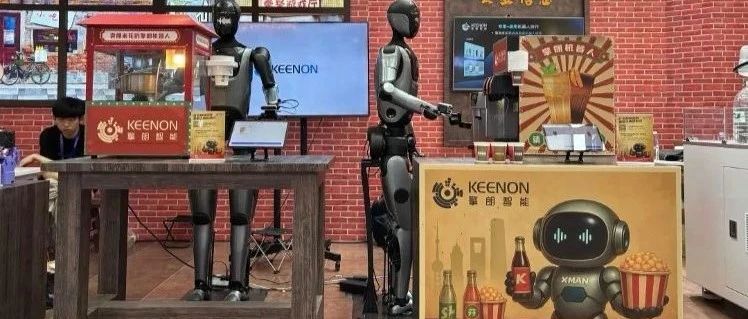
机器人扎堆WAIC:机器人能干活背后的“真”与“伪”
第一财经· 2025-07-28 06:01
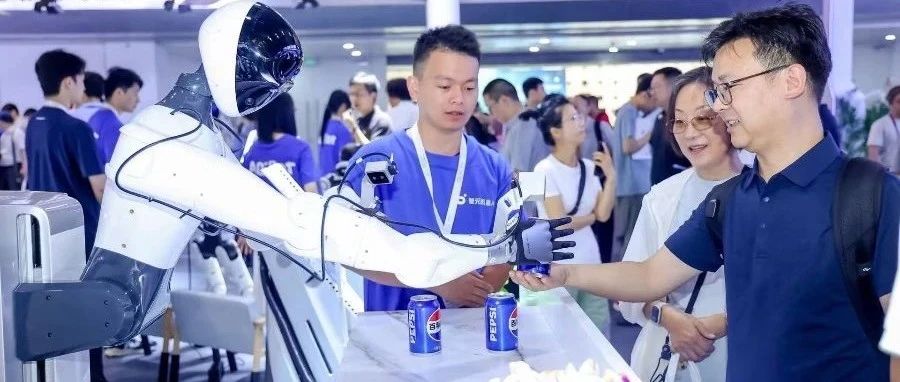
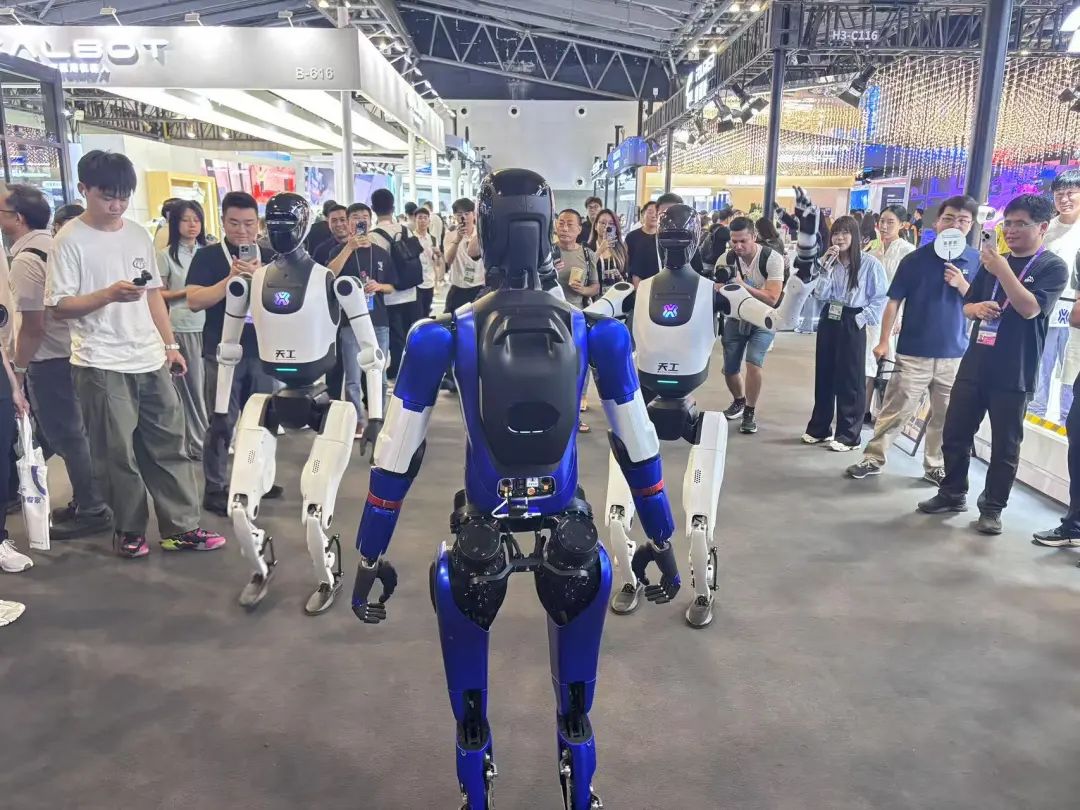
Core Viewpoint - The article discusses the transition of the robotics industry from conceptual demonstrations to practical applications, highlighting the distinction between genuine market needs and superficial demands in the context of the World Artificial Intelligence Conference (WAIC) 2025 [1][9]. Group 1: Robotics Applications and Market Trends - At WAIC, various robots showcased their capabilities in tasks such as egg peeling, beverage preparation, and maintenance, indicating a shift towards practical applications [3][10]. - The number of participating robotics companies increased significantly from around a dozen last year to over sixty this year, reflecting growing interest and development in the sector [4]. - The focus on "task-oriented" robots is evident, with companies like Qianlong Intelligent emphasizing the importance of robots having clear functional boundaries for effective deployment [5][16]. Group 2: Technical Challenges and Innovations - The transition to open operational environments poses significant technical challenges, as robots must adapt to dynamic surroundings that can disrupt their workflows [4][14]. - Companies are increasingly investing in specialized robots for industrial applications, with 4 out of 10 new products at WAIC targeting industrial manufacturing and inspection needs [13]. - Innovations such as the four-armed humanoid robot with 52 degrees of freedom and advanced sensory capabilities are being developed to enhance operational efficiency in industrial settings [13][18]. Group 3: Future Directions and Market Potential - The robotics industry is expected to expand from industrial applications to service sectors and eventually into household environments, indicating a broadening scope for robotic integration [16][17]. - The introduction of platforms like Genie Envisioner aims to provide comprehensive solutions for robotic capabilities, enhancing their ability to interact with real-world scenarios [17]. - The market for robotics remains vast, with opportunities for growth despite some product homogeneity, as companies continue to innovate and address diverse needs across various sectors [17].