菜鸟

Search documents
无人配送车迈向规模化 截至去年底已有超6000台投用
Xin Hua Wang· 2025-10-13 23:57
Core Viewpoint - The rapid adoption of unmanned delivery vehicles is transforming the logistics industry, enhancing efficiency, reducing costs, and expanding operational capabilities across various scenarios [1][4][6]. Group 1: Industry Transformation - Unmanned delivery vehicles have been deployed in over 6,000 units, delivering over 100 million orders across various scenarios by the end of last year [1]. - The integration of unmanned vehicles in logistics is leading to significant cost reductions, with operational costs potentially halved compared to manual delivery [4]. - The collaboration between unmanned vehicles and human couriers is improving delivery speed and efficiency, with average monthly order deliveries by couriers increasing by 10% compared to last year [4]. Group 2: Technological and Operational Developments - The cost of manufacturing unmanned delivery vehicles has decreased significantly, from 300,000 to 500,000 yuan to below 100,000 yuan, making them more accessible for companies [6]. - The operational framework for unmanned vehicles is evolving, with companies like Meituan and Cainiao implementing innovative delivery models that combine human and unmanned resources [3][4]. - The number of unmanned delivery vehicles in operation is rapidly increasing, with Zhongtong Express operating over 2,000 vehicles daily, delivering more than 200,000 packages [5]. Group 3: Future Prospects and Challenges - The future of unmanned delivery vehicles includes expanding their roles from last-mile delivery to broader logistics functions, integrating with new business models and technologies [7]. - There is a need for a more unified policy framework to support the growth of unmanned delivery vehicles, as current regulations vary significantly across regions [8]. - Continuous technological advancements are necessary to enhance the efficiency and safety of unmanned delivery vehicles, addressing challenges such as extreme weather and unexpected situations [8].
截至去年底已有超6000台投用 无人配送车 迈向规模化(大数据观察)
Ren Min Ri Bao· 2025-10-13 22:10
数据显示,截至去年底,已有超6000台无人配送车投入规模化应用,为100多个细分场景用户交付上亿 件订单。无人配送车,为何能批量上岗?加速迈向规模化应用,还需解决哪些问题?近日,记者在产业 一线进行了探访。 上新场景,带动产业变革 "无人车行驶中,请保持车距。"上午8点半,韵达快递湖南岳阳市云溪网点,无人配送车准时上岗。约 10分钟后,它稳稳驶达一处小区里的快递驿站。 远程解锁、快速卸货、一键启动,驿站工作人员一番熟练操作后,无人车顺利踏上返程。经过半年的本 地化测试,目前云溪网点已投用6台无人车,覆盖周边50多个社区,单日配送量上万件。 这边,配送用上新设备;那头,揽收迎来新运力。在江苏无锡市的阳山水蜜桃采摘季,20多台顺丰无人 配送车穿梭果园田间,沿着既定线路完成揽收点之间的串联接驳。"这些车通过云端平台进行高精度定 位,精准往返于揽收点与网点。"顺丰快递无锡中转场负责人李奕文介绍。 随着智能技术与现代物流深度融合,在城乡经济循环中,无人配送车有了更多打开方式。 没有驾驶员,却能在复杂路况中精准避障;不需要休息,就能实现全天候不间断配送——身形小巧、行 动灵活的无人配送车已走入日常生活,或穿梭城市街巷,或 ...
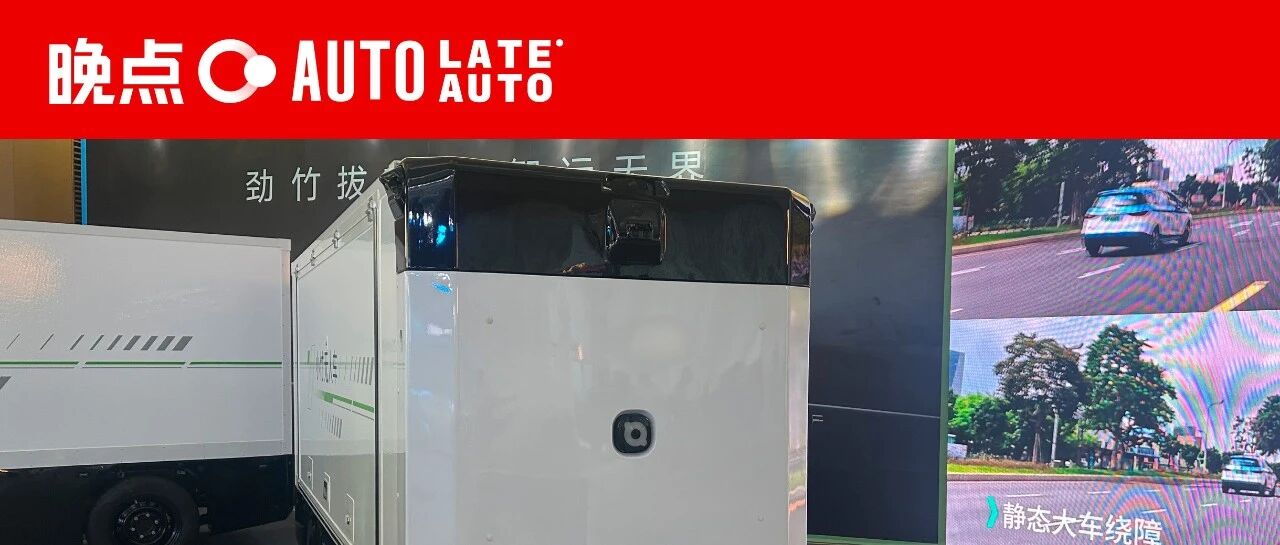
无人配送车半年吸金 35 亿,智驾内卷的受益者
晚点LatePost· 2025-09-28 15:25
Core Viewpoint - The article discusses the rapid growth and commercialization of the unmanned delivery vehicle industry, highlighting the increasing demand, technological advancements, and competitive landscape that are shaping this sector [4][5][6]. Group 1: Market Demand and Growth - The unmanned delivery vehicle industry is becoming one of the most lucrative segments within autonomous driving, driven by real user needs, as evidenced by significant financing of over 3.5 billion yuan for leading companies this year [4][6]. - As of mid-2023, the total number of unmanned delivery vehicles in China exceeded 6,000, with companies like New Stone and Nine Senses targeting the delivery of 10,000 vehicles this year [6][7]. - The market is expected to see an increase of nearly 100,000 units in the unmanned delivery vehicle sector next year [6]. Group 2: Product Development and Standardization - The product forms of unmanned delivery vehicles are stabilizing, with a shift towards larger vehicles capable of carrying over 5 cubic meters, as companies focus on fixed routes between delivery points [7][8]. - The industry is moving towards standardization, with companies like Desay SV and Youjia Innovation entering the market, offering vehicles with capacities of 5 to 8.5 cubic meters [8][10]. Group 3: Cost Reduction and Technology - Continuous cost reduction is essential for large-scale commercialization, with companies adopting automotive-grade quality standards to extend product lifespans and reduce costs [10][11]. - The competition in the passenger vehicle market has driven down the costs of advanced driving technologies, benefiting unmanned delivery vehicles by making components like LiDAR more affordable [11][12]. - Companies are innovating to reduce the number of sensors and computing power required for unmanned vehicles, which helps in lowering overall costs [12]. Group 4: Operational Efficiency and Business Models - The profitability of unmanned delivery vehicle companies hinges on operational efficiency, with a focus on scaling operations and reducing costs through city-specific deployments [15][16]. - Companies are exploring various business models, including vehicle sales, leasing, and subscription services, to lower the entry barrier for customers [13][14]. - The industry is currently engaged in a price war to cultivate the market, with some vehicles priced below 200,000 yuan, including maintenance for five years [14]. Group 5: Regulatory Environment and Future Challenges - The regulatory environment is becoming more favorable, with national policies encouraging the testing and commercial use of unmanned delivery vehicles [17]. - Despite the optimistic policy landscape, the industry faces challenges related to road rights and the need for further legal recognition of unmanned vehicles [17][18]. - The transition from technology trials to real-world applications presents complexities in supply chain management, operations, and regulatory compliance that companies must navigate to achieve scalability [18].



无人配送车半年吸金 35 亿,智驾内卷的受益者
晚点Auto· 2025-09-28 14:31
Core Viewpoint - The unmanned delivery vehicle industry is experiencing significant growth driven by user demand, technological advancements, and a shift towards commercial viability, with major companies securing substantial funding and setting ambitious delivery targets [3][4][5]. Group 1: Industry Growth and Funding - The unmanned delivery vehicle sector has attracted over 3.5 billion yuan in funding this year, with companies like New Stone, Nine Senses, and White Rhino leading the charge [4]. - The number of unmanned delivery vehicles in China has just surpassed 6,000 units, with companies aiming to deliver 10,000 units by the end of the year [4][5]. - New Stone has announced the delivery of its 10,000th vehicle, establishing the world's first fleet of this scale [4]. Group 2: Product Development and Market Expansion - Unmanned delivery vehicles are evolving from small models to larger ones with capacities exceeding 5 cubic meters, suitable for fixed-route transportation [5][6]. - The market is expanding beyond the express delivery sector to include instant logistics and urban delivery for fresh produce and pharmaceuticals [6]. - Companies are focusing on standardizing products and defining clear market segments, which is essential for large-scale commercial deployment [6][8]. Group 3: Cost Reduction and Quality Improvement - Companies are adopting automotive-grade quality standards to enhance product durability and reduce operational costs [8][9]. - The cost of unmanned delivery vehicles is decreasing due to advancements in passenger vehicle technology, with high-level driving assistance systems becoming more affordable [9][10]. - New Stone has reduced the number of sensors in its vehicles to cut costs, while other companies are also optimizing their technology to improve efficiency [10]. Group 4: Business Models and Market Strategy - The industry is exploring two primary business models: vehicle sales or leasing and customized development for large clients [11]. - Companies are targeting small and scattered clients to diversify their customer base and reduce dependency on large clients [11][12]. - Competitive pricing strategies are being implemented to lower entry barriers for customers, with some vehicles priced below 150,000 yuan including maintenance [12]. Group 5: Operational Efficiency and Challenges - Operational efficiency is critical for profitability, with companies needing to optimize deployment and maintenance processes [13]. - The cost of operating unmanned delivery vehicles can be significantly reduced through economies of scale, with costs increasing only slightly when scaling from 10 to 100 vehicles in a city [13]. - Regulatory challenges remain, as the legal status of unmanned delivery vehicles is still being defined, impacting their ability to operate at scale [15][16].
无人车狂奔背后的商业双面镜 企业盈利多依赖资本
Bei Jing Shang Bao· 2025-09-28 01:29
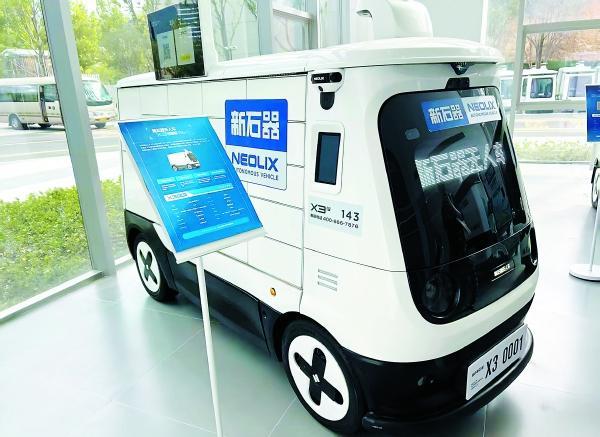
Core Insights - The autonomous vehicle industry is undergoing significant changes, with a projected sales increase of over 50% in instant logistics and urban distribution for autonomous vehicles next year [1][6] - Major players in the market include companies like New Stone and Nine Senses, which are expanding their customer base beyond the express delivery sector to include pharmaceuticals, spare parts, and textiles [1][6] - The operational efficiency of autonomous vehicles is notable, with a 30% reduction in operating costs and a 30% increase in delivery efficiency compared to traditional methods [4][5] Market Dynamics - Autonomous vehicle sales have surged, with New Stone's monthly sales increasing from 200-300 units to nearly 2000 units, and a projected total delivery of 15,000 units for the year [3][9] - Nine Senses operates over 7,000 autonomous vehicles across more than 300 cities, with a cumulative operational mileage exceeding 33 million kilometers [3][9] - The demand for autonomous vehicles is shifting, with 70-80% of sales coming from the express delivery sector, while new demands are emerging from instant logistics and urban distribution [6][9] Technological and Operational Challenges - The transition from closed environments to open roads presents localization challenges, as companies must navigate varying regulations and data security requirements in different regions [1][7] - Companies are developing diverse autonomous vehicle models to meet specific customer needs, including different cargo capacities and operational speeds [6][7] Financial Landscape - The autonomous vehicle sector has attracted significant investment, with New Stone raising over 1 billion yuan in C+ round financing and Nine Senses completing nearly $300 million in B round financing [8][9] - Despite the influx of capital, many companies are still exploring profitable business models, with a focus on providing operational services rather than just selling vehicles [9][10] - New Stone has achieved monthly profitability, indicating a shift towards sustainable business practices in the industry [9]
无人车狂奔背后的商业双面镜
Bei Jing Shang Bao· 2025-09-25 16:53
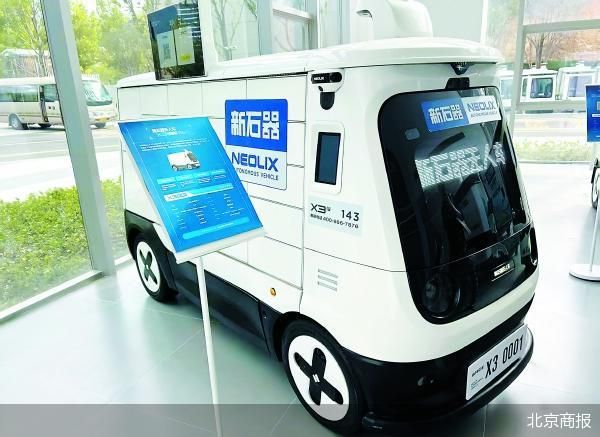
Core Insights - The autonomous vehicle industry is undergoing significant changes, with a projected sales increase of over 50% in instant logistics and urban distribution for autonomous vehicles next year [1] - Major players in the market include companies like New Stone and Nine Senses, which are expanding their customer base beyond the express delivery sector to include pharmaceuticals, spare parts, and textiles [1][6] - The operational efficiency of autonomous vehicles is notable, with a 30% reduction in operating costs and a 30% increase in delivery efficiency compared to traditional methods [4][5] Industry Trends - The sales of autonomous vehicles have surged, with some companies reporting a tenfold increase in monthly sales, reaching nearly 2,000 units per month [3] - New Stone anticipates delivering over 15,000 units this year, while Nine Senses operates over 7,000 vehicles across more than 300 cities [3][5] - The demand for autonomous vehicles is shifting from express delivery to instant logistics and urban distribution, with these new sectors expected to grow faster than traditional delivery [6] Operational Efficiency - Autonomous vehicles can operate nearly around the clock with a range of 160 kilometers, allowing delivery personnel to focus on package delivery rather than transportation [4] - For instance, deploying 30 autonomous delivery vehicles can handle 1,500 packages daily, significantly improving efficiency [4] Market Dynamics - Major express delivery companies are increasingly adopting autonomous vehicles, with over 500 units used by YTO and 900 by Jitu [5] - The market is seeing a competitive landscape with significant capital inflow, leading to reduced prices for autonomous vehicles [8][9] Challenges and Opportunities - Companies face localization challenges when entering new markets, requiring adaptation to local regulations and data security requirements [7] - The true business model for autonomous vehicles is shifting from vehicle sales to providing operational services that enhance customer experience and reduce costs [9]
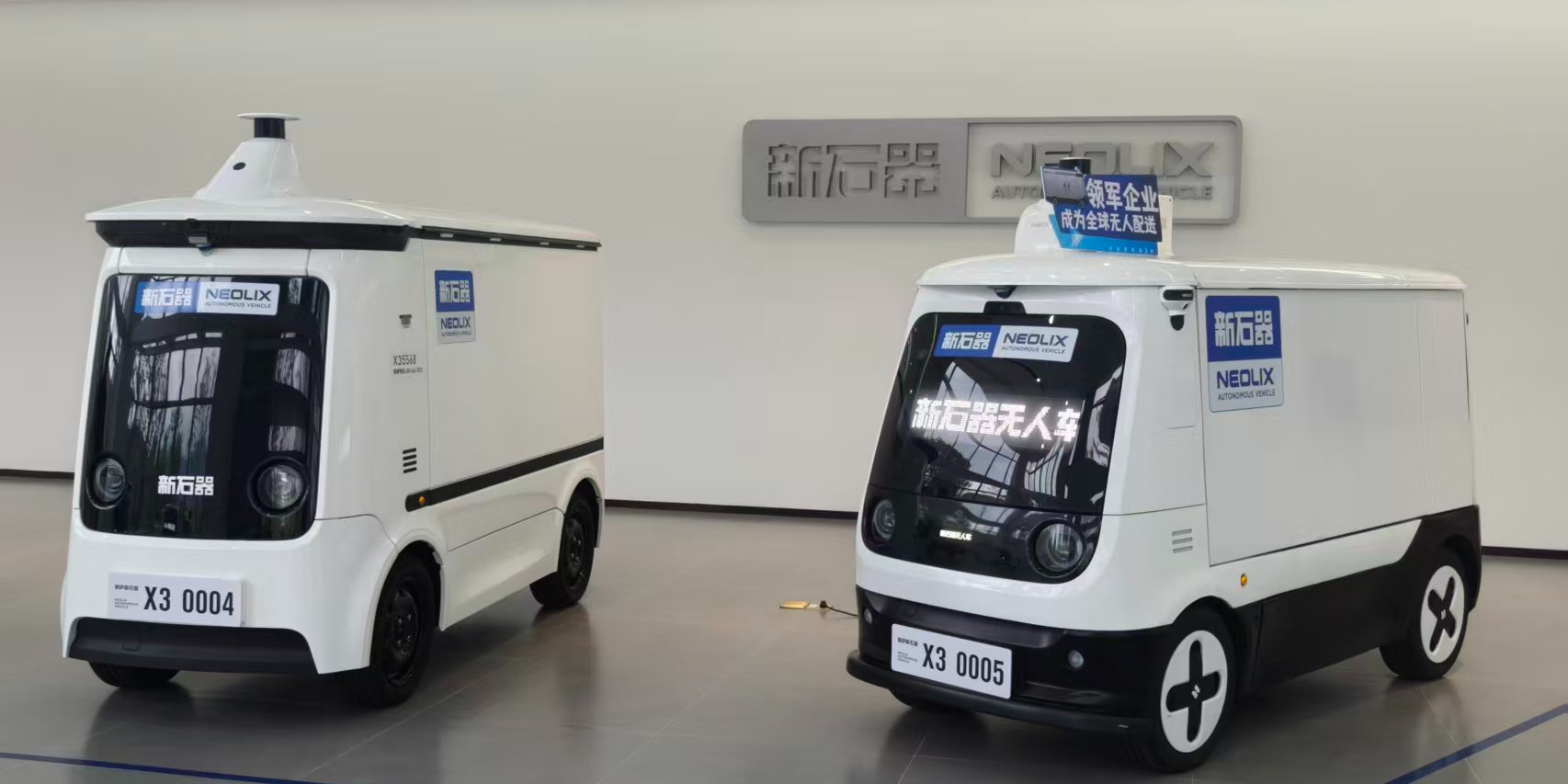
新石器交付破万台,无人配送车的春天来了?
Jing Ji Guan Cha Wang· 2025-09-25 14:10
另一个决定无人车需求的重要前提是路权。截至2025年上半年,全国已有103个城市开放了无人配送车的路权。"国内也好,海外也好,管理部门也是看需求 的,要不要给无人驾驶开放路权,要看需求有多大,需求足够大,那么路权也会逐渐越来越开放。"余恩源表示。 现阶段,快递是无人车最重要的应用场景,也是极具商业化前景的领域。桐庐是国内有名的"快递之乡",申通快递、圆通快递、中通快递、韵达快递(俗 称"三通一达")都起源于此地,其每年的快递件数占全国约三分之二。新石器选择在这里设置工厂并举办万台车交付仪式,即是为了贴近客户需求。 9月23日,新石器在浙江桐庐举办第1万台车下线交付仪式。新石器成为无人配送行业第一家车队规模过万台的企业,也让这一长期处于技术验证阶段的行 业,撕开了走向大规模商业化的口子。 就在2024年,新石器的无人车交付量才刚刚过千台。短短不到一年时间里,其交付量即扩增了10倍,达到1万台。新石器无人车创始人兼CEO余恩源表 示:"这是新石器的一小步,也是无人配送行业发展的新开始。"他认为,无人车未来将重构整个全球的物流基础设施。 新石器成立于2018年,过去七年里其在L4自动驾驶技术方面持续投入,在物流配送 ...
快递运营成本降30%,开拓新市场却如“重新创业” 无人车狂奔背后的商业双面镜
Bei Jing Shang Bao· 2025-09-25 13:49
Core Insights - The autonomous vehicle industry is undergoing significant changes, with sales expected to increase by over 50% next year, driven by demand from various sectors beyond just logistics [1][6] - Major logistics companies are increasingly adopting autonomous vehicles, with a notable shift in sales distribution from 70%-80% in the express delivery sector to other industries [5][6] - The commercialization of autonomous vehicles is reaching a turning point, with monthly sales surging from 200-300 units to nearly 2000 units in a short period [2][6] Group 1: Market Dynamics - Autonomous vehicles were initially developed to meet the needs of the express delivery industry, but their applications are expanding into sectors like pharmaceuticals, spare parts, and textiles [1][6] - Companies like New Stone and NineSight are leading the market, with New Stone projecting a delivery volume of over 15,000 units this year [2][4] - The operational efficiency of autonomous vehicles is evident, with a reported 30% reduction in operational costs compared to traditional delivery methods [3][4] Group 2: Technological and Regulatory Challenges - The transition from closed environments to open roads presents localization challenges, as companies must navigate different regulations and data security requirements in new markets [1][7] - The demand for autonomous vehicles is driven by two main scenarios: instant logistics and urban delivery, which are growing faster than traditional express delivery [6][7] - Companies are developing various models of autonomous vehicles to cater to different operational needs, including temperature-controlled vehicles for specific industries [6][7] Group 3: Financial Landscape - Significant capital investment is flowing into the autonomous vehicle sector, with companies like New Stone and NineSight securing substantial funding to support growth [8][9] - Despite the influx of capital, many players in the market are still exploring profitable business models, focusing on providing operational services rather than just selling vehicles [9] - New Stone has achieved monthly profitability, indicating a shift towards sustainable business practices in the industry [9]

无人物流车火了!上市公司纷纷入局
证券时报· 2025-09-24 04:31
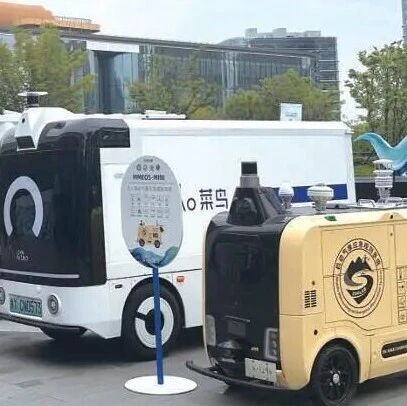
Core Viewpoint - The article discusses the rapid development and commercialization of unmanned delivery vehicles in China, driven by favorable policies, market demand, and decreasing costs, highlighting the strategic moves of various listed companies in this sector [6][12]. Industry Overview - The cost of last-mile delivery accounts for over 30% of total logistics costs, and with rising labor costs, the demand for unmanned delivery solutions is increasingly urgent [3][4]. - Recent policies have facilitated the deployment of unmanned vehicles in sectors such as pharmaceuticals, heavy goods delivery, and express logistics, leading to significant commercial achievements [4][6]. Policy Support - National policies have been introduced to support unmanned logistics vehicles, including the issuance of "pass licenses" and the gradual opening of road rights across provinces, laying a foundation for large-scale applications [6][12]. - By September 2025, over half of China's 3,600 districts and counties will support unmanned vehicles on the road, with ongoing expansion of policy support [6]. Market Demand - The explosion of market demand, particularly in the pharmaceutical sector, has driven the need for timely delivery, with traditional delivery methods failing to meet current requirements [6][14]. - The growth of the instant retail market has exacerbated the capacity shortage, necessitating technological solutions to address high logistics costs [4][14]. Cost Reduction - The cost of unmanned vehicles is rapidly decreasing, with prices dropping from over 1 million yuan in 2018 to below 20,000 yuan for the latest models [7]. - Key components such as lidar and cameras have seen significant price reductions, further enabling the scalability of unmanned vehicle applications [7]. Strategic Moves by Listed Companies - Companies like Desay SV and Youjia Innovation are entering the unmanned delivery vehicle market with differentiated strategies, focusing on low-speed unmanned vehicles and leveraging existing data for algorithm optimization [9][10]. - Desay SV's "Chuanxing Zhiyuan" brand has launched low-speed unmanned vehicles with innovative technologies, targeting high-demand markets such as instant delivery and urban logistics [9]. Commercialization Achievements - The collaboration between Zhongying Pharmaceutical Group and Cainiao has set a benchmark in pharmaceutical delivery, achieving a 50% reduction in delivery costs and a 70% increase in efficiency through unmanned vehicles [14]. - In the express delivery sector, unmanned vehicles have demonstrated a 70% cost reduction, with per-package costs dropping to 0.1 yuan [14]. Challenges Ahead - Despite rapid growth, the industry faces challenges related to system integration, balancing costs, performance, and development cycles [15]. - The potential for unmanned vehicles to replace traditional transport methods could lead to a market size of 207.1 billion yuan annually, with significant implications for the logistics industry [15].
无人物流车火了!上市公司纷纷入局
Zheng Quan Shi Bao Wang· 2025-09-24 03:05
Core Insights - The demand for unmanned delivery is increasing due to rising labor costs, with last-mile delivery costs exceeding 30% of total logistics costs [1][2] - The Chinese government has introduced favorable policies to support the commercialization of unmanned logistics vehicles, facilitating their deployment across various sectors [2][4] - The cost of unmanned vehicles is rapidly decreasing, making them more accessible for large-scale applications [3][4] Industry Acceleration - National policies have been implemented to promote unmanned logistics vehicles, including the issuance of "pass permits" and the gradual opening of road rights in various provinces [2] - As of September 2025, over half of China's 3,600 districts and counties support unmanned vehicles on the road, indicating a significant expansion of policy support [2] - The growing market demand, particularly in the pharmaceutical sector, is driving the need for faster delivery methods [2][7] Cost Reduction and Commercialization - The price of unmanned vehicles has dropped significantly, with some models now available for under 20,000 yuan, compared to over 1 million yuan in 2018 [3] - The supply chain for unmanned vehicles includes essential components like smart driving technology and sensors, with prices for these components also decreasing [3] - The reduction in delivery costs is paving the way for broader commercialization of unmanned vehicles [2][3] Strategic Company Initiatives - Companies like Desay SV and Youjia Innovation are entering the unmanned logistics market with differentiated strategies, focusing on low-speed unmanned vehicles and leveraging existing data for algorithm optimization [4][5] - Desay SV has launched its "Chuanxing Zhiyuan" brand, emphasizing the importance of adhering to automotive industry safety standards for large-scale procurement [4] - Youjia Innovation has quickly delivered its unmanned vehicles to clients in the express delivery sector, establishing strategic partnerships with local postal services [5] Commercial Success Stories - The collaboration between Zhongying Pharmaceutical Group and Cainiao has set a benchmark in pharmaceutical delivery, achieving a 50% cost reduction and a 70% efficiency increase through unmanned vehicle deployment [7] - In the express delivery sector, unmanned vehicles have significantly lowered costs, with one logistics hub reporting a 70% reduction in per-package costs [7] Challenges and Future Outlook - Despite rapid growth, the unmanned logistics industry faces challenges related to system integration and balancing costs, performance, and timelines [8] - The potential for unmanned vehicles to replace traditional transport methods is substantial, with an estimated market size of 207.1 billion yuan [9] - Industry experts predict that unmanned delivery will become a standard practice in logistics within the next 3 to 5 years as costs continue to decline and technology advances [9]