雷鸟创新

Search documents
2025南昌VR大会定档,华为苹果阿里巴巴等大厂受邀同台“竞技”
Sou Hu Cai Jing· 2025-09-24 16:17
Group 1 - The 2025 World VR Industry Conference will be held in Nanchang from October 19 to 20, with preparations underway [1][3] - Since its inception in 2008, the conference has become a significant platform for global VR exchanges and cooperation, focusing on the theme "VR makes the world more exciting - VR+AI opens a smart future" [3] - The conference will feature 16 diverse activities, including 9 forums, emphasizing the integration of AI and VR, and aims to create a global event that deeply merges technology and industry [3] Group 2 - The experience segment will include a VR/AR industry expo and the 2025 Virtual Reality Teaching Application Innovation Competition, inviting major tech companies like Huawei, Apple, Alibaba, and Xiaomi [6] - Notable experts, including academicians from China and other countries, will discuss the trends and future opportunities in the AI+VR industry [6] - In 2024, Jiangxi's VR and related industries are projected to achieve a revenue of 110 billion yuan, a year-on-year growth of 9.34%, marking a significant expansion from 4.2 billion yuan in 2018, indicating explosive growth [6]






AI眼镜的痛,Meta也治不了
美股研究社· 2025-09-24 11:23
Core Viewpoint - The AI glasses market is experiencing a significant bottleneck despite the initial hype, with high return rates indicating consumer dissatisfaction and product shortcomings [4][5][30]. Group 1: Market Dynamics - The AI glasses market in China has seen a surge in competition, referred to as the "hundred glasses war," with many brands focusing on low-cost, low-quality products [4][5]. - Meta, as an early explorer in the AI glasses field, is expected to break the current stagnation with its new product launches [5][6]. - Meta has launched three new AI glasses models, showcasing advancements in hardware innovation and AI integration, but lacking disruptive technological upgrades [6][10]. Group 2: Product Features - The three models released by Meta include Ray-Ban Meta Gen2, Oakley Meta Vanguard, and Meta Ray-Ban Display, each targeting different market segments [9]. - Key improvements in the new models include enhanced camera resolution (upgraded from 12MP to 3K video capability), better stabilization, and significantly improved battery life [10][11]. - The pricing of Meta's AI glasses is competitive, with the Ray-Ban Meta Gen2 starting at $379, which is lower than some domestic counterparts [11]. Group 3: Technical Specifications - The Meta Ray-Ban Display features a display resolution of 600x600, a field of view of 20 degrees, and a refresh rate of 90Hz, indicating a strong performance in clarity and usability [14][15]. - The product includes a Meta Neural Band for interaction, allowing users to control the glasses with subtle hand movements, although this design has sparked debate regarding user experience [16][20]. Group 4: Industry Challenges - Despite the promising features, the launch event revealed several technical issues, highlighting the product's immaturity and the challenges in hardware-software integration [17][20]. - The AI glasses market is characterized by high return rates, with estimates suggesting 30-50% return rates on platforms like JD and Douyin, indicating significant consumer dissatisfaction [29][30]. - Common user complaints include discomfort during prolonged use, inadequate functionality compared to smartphones, and privacy concerns related to data collection [32][34]. Group 5: Future Outlook - The AI glasses market is still in a "high heat" state, with significant growth in sales volume, but the high return rates reflect ongoing challenges that need to be addressed for sustainable growth [29][35]. - Industry experts believe that while the current state of AI glasses is not ideal, the potential for future development remains strong, as indicated by Meta's confidence in its product lineup [35].


美股异动|应用材料股价飙升突破技术瓶颈迎来新高
Xin Lang Cai Jing· 2025-09-22 22:45
Core Insights - Applied Materials Inc. (AMAT) experienced a stock price increase of 5.48% on September 22, marking six consecutive days of growth with a cumulative increase of 19.50% over this period, indicating strong market interest and recognition [1] - The company has gained attention due to its collaboration with JBD and RayNeo, achieving significant advancements in full-color waveguide AR glasses display quality, particularly in the RayNeo X3 Pro glasses [1][2] - The partnership addresses traditional challenges in full-color waveguide AR glasses, such as color distortion and low image quality, by integrating MicroLED micro-displays, image quality correction, and waveguide manufacturing [1][2] Technology Developments - The first-generation AR glasses using LCoS/DLP engines faced display quality issues due to design limitations, while the second generation improved performance with smaller MicroLED engines but still struggled with display performance [2] - The introduction of etching technology in the third generation represents a major breakthrough, allowing for a single-layer full-color design that reduces lens thickness and weight while enhancing image quality [2] - Applied Materials provided single-layer etched waveguide technology, optimizing light efficiency and resolution, which supports advancements in the AR glasses market [2] Market Implications - The collaboration among Applied Materials, JBD, and RayNeo not only resolves long-standing technical challenges in the industry but also paves the way for large-scale applications of color AR waveguides [2] - The ongoing partnership aims to further enhance display quality and user experience in the consumer market, indicating potential growth opportunities for the involved companies [2]

六个月融资三次,雷鸟创新为何这么缺钱?
Sou Hu Cai Jing· 2025-09-22 10:08
Core Viewpoint - The smart glasses market is experiencing significant changes, with increased competition from both established tech giants and emerging startups, particularly in the AR and AI segments [2][8]. Company Summary - Thunderbird Innovation, a startup focused on AR glasses, has completed its third round of financing in six months, indicating a strong demand for funding [3][4]. - The company has developed the Thunderbird X2, the world's first dual-lens full-color MicroLED waveguide AR glasses, showcasing its technological innovation [6][7]. - Despite being a leader in the AR glasses market, Thunderbird Innovation faces intense competition from major players like Xiaomi and Huawei, who are focusing on AI glasses [11][19]. Industry Summary - The global smart glasses market is projected to reach 14.518 million units by 2025, with the Chinese market expected to hit 2.907 million units, reflecting year-on-year growth of 42.5% and 121.1% respectively [8]. - AI glasses are gaining traction, with a significant increase in their market share, accounting for 78% of total shipments in the first half of 2025, up from 46% the previous year [12]. - The competitive landscape is shifting, with companies that possess large models, AI application entry points, and hardware ecosystems likely to gain an advantage [19][20].
AI眼镜的痛,Meta也治不了
虎嗅APP· 2025-09-22 09:33
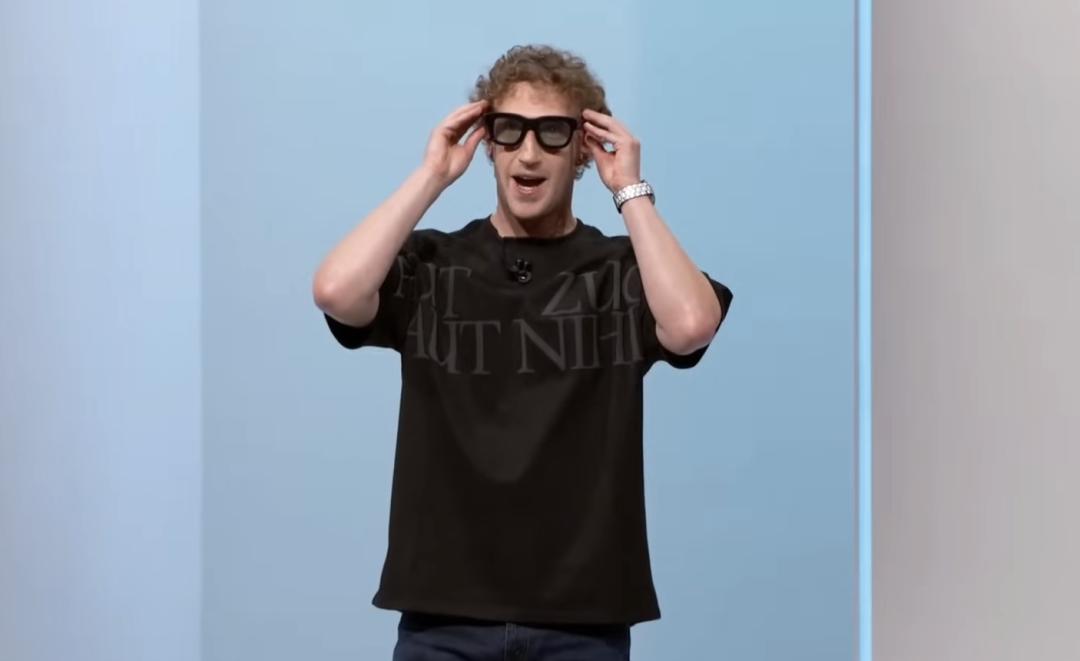
Core Viewpoint - The article discusses the recent Meta Connect conference, highlighting the launch of three new AI glasses by Meta, which are seen as a potential breakthrough in the struggling AI glasses market. However, despite hardware improvements, the products did not demonstrate significant technological advancements and faced issues during live demonstrations [5][6][16]. Group 1: Market Context - The AI glasses market has transitioned from niche to mainstream, but it currently faces a bottleneck characterized by high return rates and quality concerns. Many products are perceived as low-quality due to unstable supply chains and production capacity issues [6][7]. - Meta's new AI glasses are expected to address these challenges, with industry professionals hoping for breakthroughs in core technology and sales [7][8]. Group 2: Product Launch Details - Meta introduced three models: Ray-Ban Meta Gen2, Oakley Meta Vanguard, and Meta Ray-Ban Display, each targeting different consumer segments [8][12]. - The new models feature upgrades in pixel quality, stabilization, and battery life, with the Ray-Ban Meta achieving up to 30 hours of battery life when used with a charging case [10][11]. Group 3: Pricing and Comparison - The pricing of Meta's AI glasses ranges from $379 for Ray-Ban Meta Gen2 to $799 for Meta Ray-Ban Display, which is lower than some domestic competitors [11][12]. - A comparison of Meta's products with domestic offerings reveals that while Meta's glasses are competitive in terms of features, they may not offer the best value for money [22][28]. Group 4: Technical Specifications - The Meta Ray-Ban Display boasts impressive technical specifications, including a resolution of 600x600, a field of view of 20 degrees, and a refresh rate of 90Hz, indicating a strong performance in clarity and usability [12][13]. - The introduction of the Meta Neural Band for interaction is seen as innovative, although it has sparked debate regarding user experience [14][15]. Group 5: Industry Challenges - Despite high sales figures, the AI glasses market is plagued by high return rates, with estimates suggesting return rates of 30% to 50% across various platforms [31][32]. - User feedback indicates significant issues with comfort, functionality, and practicality, leading to a perception that current AI glasses are more suited for tech enthusiasts rather than mainstream consumers [34][36]. Group 6: Future Outlook - The article concludes that while the AI glasses market is currently facing challenges, it holds significant potential for growth. The industry's future remains promising, as indicated by Meta's confidence in its new products [36][37].

红温的扎克伯格,迎接带“屏”眼镜的降临
3 6 Ke· 2025-09-19 09:04
Core Insights - The evolution of AR glasses has seen a shift from Google Glass to Meta's Orion, with Meta aiming to redefine the market with its new products [2][3][5] - Meta's strategy includes a focus on AI glasses, which have gained significant market traction, while traditional AR glasses remain in development [7][10] - Apple's entry into the market with Vision Pro highlights a different approach, emphasizing spatial computing and advanced imaging capabilities [19][24] Group 1: Meta's Developments - Meta has invested heavily in AR technology, acquiring Oculus for $2 billion in 2014 and spending billions on content development [3] - The recently launched Orion AR glasses, developed over ten years at a cost of $5 billion, are seen as a significant but non-commercial product [5] - Meta's Ray-Ban Meta has achieved sales of 2 million units, indicating strong consumer interest in AI glasses despite their limitations [7][10] Group 2: Apple's Strategy - Apple introduced the Vision Pro MR glasses, focusing on advanced imaging and 3D video capabilities, marking its entry into the AR space [19][21] - The Vision Pro's 3D camera allows users to capture and view 3D videos, enhancing the user experience and setting a new standard in the market [21][24] - Apple's approach contrasts with Meta's, leveraging its existing smartphone ecosystem to influence the XR industry [24][26] Group 3: Market Trends and Predictions - The global smart glasses market is expected to grow significantly, with IDC predicting a shipment of 2.846 million units in China by 2025, a 116.4% increase [35] - The demand for audio and video recording glasses is projected to rise sharply, indicating a shift in consumer preferences [35] - The AR glasses market is still in its early stages, with ongoing development needed for content ecosystems and product stability [34][35]
果然财经|九成时间当耳机,AI眼镜是“真智能”还是“伪需求”
Qi Lu Wan Bao· 2025-09-19 08:25
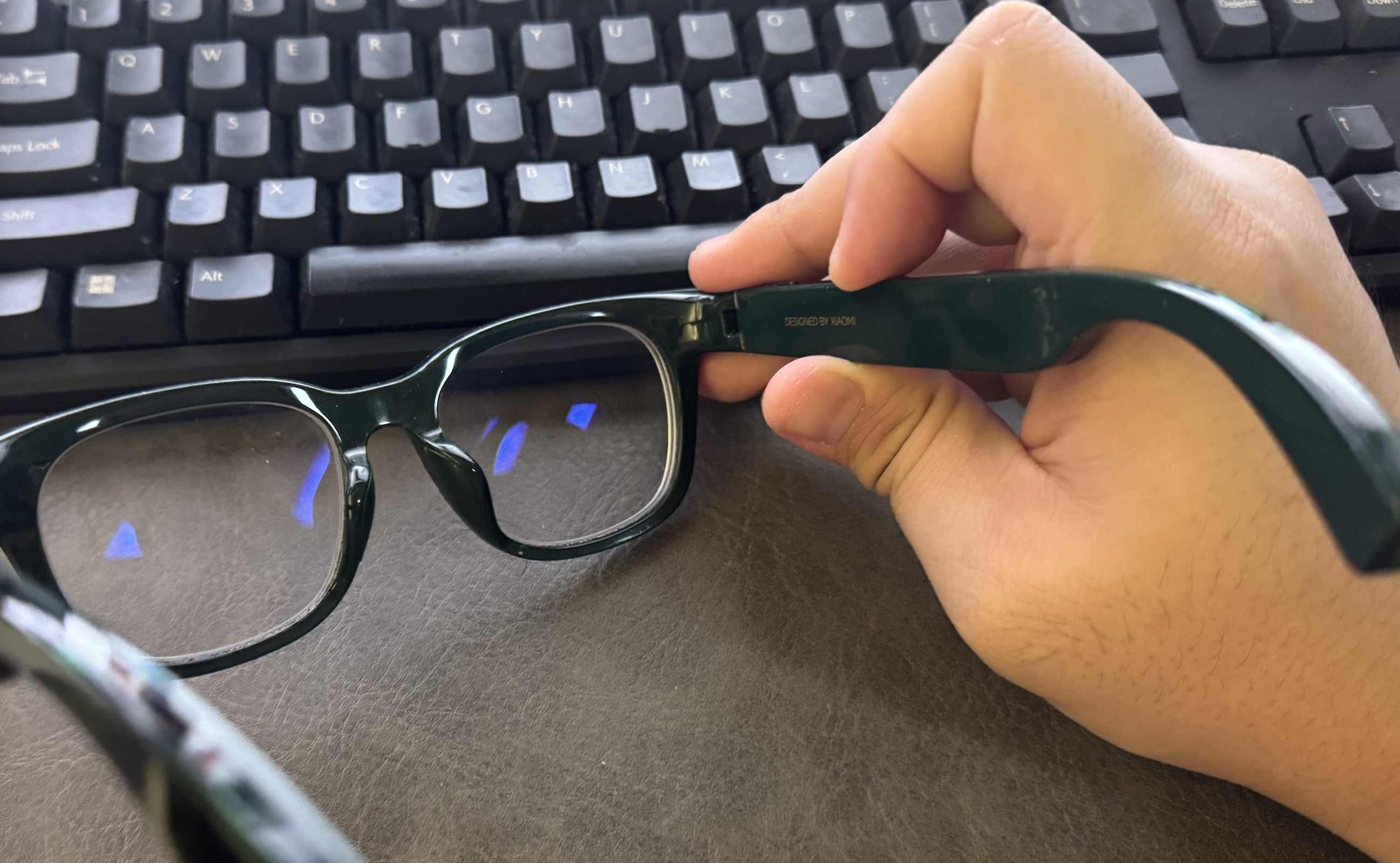
Core Insights - The AI eyewear market is rapidly growing, with over 50 products expected to launch by 2025 from 36 manufacturers, including Meta, Xiaomi, and Huawei, leading to a significant increase in global shipments [1][6] - Despite the hype, consumer interest in AI glasses is mixed, with many users primarily using them as headphones rather than for their intended AI functionalities [5][10] - Major companies are engaged in price and concept wars to capture market share, with Xiaomi's AI glasses achieving over 10,000 sales within 12 hours of launch [6][9] Market Trends - The global smart eyewear market is projected to ship 1.487 million units in Q1 2025, with China contributing 494,000 units, reflecting year-on-year growth rates of 82.3% and 116.1% respectively [1] - Sales data from e-commerce platforms shows Xiaomi AI glasses leading in sales, with figures of 9,000+ on Taobao, 50,000+ on JD, and 2,000+ on Douyin [2] Consumer Experience - Users report that AI glasses are primarily used for audio functions, with many expressing disappointment in the AI capabilities, which are often seen as underwhelming compared to smartphones [5][10] - Feedback indicates that AI features like translation and scene recognition are often slower and less accurate than mobile applications [5][10] Competitive Landscape - Major players like Xiaomi and ROKID are driving the market with competitive pricing and innovative features, while Meta's collaboration with Ray-Ban has resulted in over 2 million units sold since October 2023 [6][7] - The market is characterized by aggressive marketing strategies, with Xiaomi's AI glasses priced at 1,999 yuan, leading to rapid sales growth [6] Technological Challenges - Current AI glasses are limited by hardware and software capabilities, with many products lacking the necessary computational power and application flexibility to deliver a superior user experience [9][10] - Experts highlight that while AI glasses have crossed the "usable" threshold, they still fall short of providing a satisfactory user experience [9] Privacy Concerns - There are significant privacy risks associated with AI glasses, with reports of users modifying devices to bypass recording indicators, raising concerns about unauthorized surveillance [10] - Regulatory frameworks are still lacking, with existing laws not specifically addressing the unique challenges posed by AI eyewear [10]
九成时间当耳机,AI眼镜是“真智能”还是“伪需求”
Qi Lu Wan Bao Wang· 2025-09-19 08:16
Core Insights - The AI eyewear market is rapidly growing, with over 50 products expected to launch by 2025 from 36 manufacturers, including Meta, Xiaomi, and Huawei, leading to a significant increase in global shipments [1][3] - Despite the hype, consumer interest in AI glasses is mixed, with many users primarily utilizing them for audio functions rather than their intended AI capabilities [2][5] - Major tech companies are engaged in price and concept wars to capture market share, with Xiaomi's AI glasses achieving over 10,000 sales within 12 hours of launch [3][4] Market Trends - The global smart eyewear market is projected to ship 1.487 million units in Q1 2025, with China contributing 494,000 units, reflecting year-on-year growth rates of 82.3% and 116.1% respectively [1] - Xiaomi's AI glasses have become a top seller on e-commerce platforms, with sales figures of over 90,000 on various sites [2][3] - The AI eyewear segment is moving towards mainstream acceptance, shedding its initial niche status [7] Consumer Experience - Users report that AI glasses are often used as headphones, with audio features being the most utilized, while AI functionalities like photography and translation are underused [2][5] - Feedback indicates that AI features often lag behind mobile app capabilities, leading to consumer disappointment [2][5] Competitive Landscape - Major players like Meta and ROKID are leveraging competitive pricing and innovative features to attract consumers, with Meta's Ray-Ban smart glasses selling over 2 million units since launch [3][4] - The market is characterized by aggressive marketing strategies and product launches aimed at establishing brand dominance [3][4] Technological Challenges - Current AI glasses face limitations in functionality, with many features still in basic stages compared to smartphones, due to hardware and software constraints [5][6] - The industry is still working towards enhancing user experience and expanding the ecosystem of applications available for AI eyewear [5][6] Privacy Concerns - There are significant privacy risks associated with AI glasses, as users express concerns over potential unauthorized recording capabilities [6] - Incidents of privacy violations have been reported, highlighting the need for regulatory measures specific to AI eyewear [6]
2025全球消费电子十大头部品牌权威榜单:AI与绿色技术重塑格局
Sou Hu Cai Jing· 2025-09-15 11:33
Group 1: Industry Transformation - The global consumer electronics industry is undergoing a profound transformation driven by artificial intelligence (AI) and green technology, with a new landscape dominated by brands from China, the US, and South Korea [1][11] - The IFA 2025 and CES 2025 exhibitions highlighted that AI technology and sustainable development are the core competitive focuses for global consumer electronics brands [1] Group 2: Rise of Chinese Brands - The most significant change in the global consumer electronics landscape by 2025 is the collective rise of Chinese brands, with Huawei and Midea ranking in the top ten of the Brand Finance's global electronics brand value list [3] - Huawei's brand value reached $31.921 billion, growing by 2.7% year-on-year, and it has a 25% market share in the high-end European market [3] Group 3: Display Technology Competition - High-end display technology is becoming the most competitive arena, with various technological routes driving the industry into a critical phase of experience upgrades [4] - Hisense has achieved large-scale production of RGB-Mini LED TVs, setting a benchmark in the high-end display market with its U7S Pro series [4] Group 4: AI Integration - AI has fully integrated into consumer electronics, evolving from an additional feature to the core driving force of products [5] - Xiaomi's strategy covers over 1 billion connected devices globally, with a 52.6% year-on-year increase in Bluetooth earphone shipments in the first half of 2025 [5] Group 5: Green Technology Innovation - Green low-carbon technology has become a new battlefield for consumer electronics brands, with unprecedented emphasis on sustainable development at IFA 2025 [6] - Midea's AI ECO smart energy-saving solution achieves a 30% energy-saving effect, while TCL's ECORA™ technology promotes low-carbonization throughout the product lifecycle [6] Group 6: Global Brand Value Rankings - According to Brand Finance's 2025 global electronics brand value rankings, Apple, Samsung, and Huawei lead the market, with Apple valued at $574.51 billion, growing by 11.2% [7] - Midea's brand value is $8.723 billion, maintaining its position in the global top ten despite a slight decline [7] Group 7: Emerging Product Categories - 2025 is marked as the year of AI smart glasses, with projected sales reaching 55 million units by 2029 [8] - The CES 2025 showcased various AI companion robots, indicating a growing trend in this emerging category [9] Group 8: Technological Innovation Trends - The global consumer electronics industry is forming a tri-polar structure dominated by the US (Apple/NVIDIA), South Korea (Samsung), and China (Huawei/Xiaomi/Lenovo), with seven out of the top ten brands from these regions [10] - Chinese brands are breaking monopolies in fields like chips and robotics, with DJI holding over 70% of the global drone market [10]




2025年中国AI眼镜行业研究报告
艾瑞咨询· 2025-09-13 00:07
Core Viewpoint - The AI glasses industry is on the verge of a significant breakthrough, potentially marking the next "iPhone moment" in technology, where AI glasses could redefine user interaction with the world and enhance daily life experiences [2][5]. AI Glasses Definition and Classification - AI glasses are innovative wearable devices that integrate artificial intelligence with traditional eyewear, enhancing functionality and practicality. They can be categorized into five types based on integrated technologies, each serving different user needs and improving efficiency or experience [6][8]. Market Growth and Projections - The global shipment of AI glasses is expected to reach 20 million units by 2028, driven by rapid advancements in AI and AR technologies. The market is anticipated to see explosive growth starting in 2025, particularly in China, where the AI glasses market is projected to grow significantly [14][19]. Industry Landscape and Key Players - Major companies are entering the AI glasses market, focusing on integrating AI models with AR technology to create lightweight and versatile products. Notable brands include Bose, Huawei, and Meta, each offering various AI glasses tailored to different functionalities [19][21][23]. Consumer Awareness and Market Potential - Consumer awareness of AI glasses is growing, with 61% of surveyed individuals either having purchased or planning to buy smart glasses. The acceptance of AI features in glasses is notably high, with a significant portion of consumers willing to invest in these products [31][33]. User Preferences and Purchase Behavior - Users show a strong preference for mid-range priced AI glasses, with a willingness to pay slightly above budget for desirable features. The primary factors influencing purchase decisions include functionality, design, and the completeness of the product ecosystem [37][39]. Supply Chain and Technological Advancements - The AI glasses market is experiencing a shift towards domestic production and technological innovation, with over 60% of core components being sourced locally. This trend is expected to enhance product availability and reduce costs, making AI glasses more accessible to consumers [45][46]. Retail Strategies and Consumer Experience - Effective retail strategies, including experiential marketing and online-offline integration, are crucial for driving sales in the AI glasses market. The focus is on creating engaging consumer experiences that facilitate product understanding and encourage purchases [48][50].