
华为技术有限公司

Search documents
阿维塔递表港交所 三强携手打造智能电动车行业新标杆
Zheng Quan Ri Bao Wang· 2025-11-29 02:37
Core Viewpoint - Avita Technology's IPO application to the Hong Kong Stock Exchange marks a significant step in its international development and capital operation strategy, aiming to enhance its core competitiveness and support long-term high-quality growth [1][5]. Group 1: Company Overview - Avita was established in July 2018 as a joint investment by Changan Automobile and NIO, officially renamed in May 2021, leveraging resources from industry leaders Changan, Huawei, and CATL to create a unique "three-strong alliance" development model [2]. - Changan holds a 40.99% stake as the controlling shareholder, providing extensive experience in vehicle R&D and manufacturing, while CATL, with a 9.17% stake, ensures leading battery technology, and Huawei offers advanced smart automotive solutions [2]. Group 2: Financial Performance - Avita's revenue surged from 28.34 million in 2022 to 5.645 billion in 2023, with projections of 15.195 billion in 2024, reflecting a year-on-year growth of 169.16% [3]. - The company reported a gross profit improvement from a loss of 169 million in 2023 to a profit of 961 million in 2024, with further growth to 1.238 billion in the first half of 2025, despite a loss of 1.585 billion in the same period [3]. Group 3: Product Strategy - Avita has developed a comprehensive product line covering price ranges from 200,000 to 700,000, including four mass-produced models and two limited editions, catering to diverse consumer needs [4]. Group 4: Future Development Strategy - The funds raised from the IPO will be allocated to product development, platform and technology development, brand building, sales service network construction, and operational funding, enhancing Avita's core competitiveness [5]. - Avita plans to launch five upgraded products in collaboration with Huawei by 2026 and aims to introduce a total of 17 models by 2030, expanding its market presence to over 80 countries and establishing more than 700 sales channels [5][6]. - The company targets global sales of 400,000 vehicles by 2027, 800,000 by 2030, and 1.5 million by 2035, supported by a strategy of differentiation, continuous technological innovation, and globalization [6].


深交所总工程师喻华丽:围绕六大领域落实“AI+”战略
Di Yi Cai Jing Zi Xun· 2025-11-29 02:09
Core Insights - The Shenzhen Stock Exchange (SZSE) is focusing on integrating "Artificial Intelligence +" into its core business areas during the 14th Five-Year Plan period, with a clear path outlined for its implementation [1][7]. Group 1: AI Integration and Regulatory Framework - SZSE aims to build an intelligent regulatory system covering risk monitoring, trading risks, and company supervision through "AI+" [1]. - The exchange plans to enhance service quality for investors and listed companies using intelligent tools [1]. Group 2: Digital Infrastructure and Platform Development - During the 14th Five-Year Plan, SZSE has targeted the creation of an internationally leading digital system, focusing on four pillars: digital infrastructure, digital platforms, digital capabilities, and digital ecosystems [3]. - The exchange has developed a hybrid cloud system centered around Group Cloud, Regulatory Cloud, Shenzhen Cloud, and Public Cloud, aiming to provide high-standard cloud infrastructure services [3]. Group 3: Collaborative Ecosystem and Innovation - SZSE is strengthening collaboration with industry institutions through various platforms, including financial technology centers and data security laboratories, to build an efficient industry innovation ecosystem [4]. - The exchange has implemented a closed-loop innovation approach, emphasizing regulatory technology needs and addressing actual business pain points [6]. Group 4: Future Directions and Strategic Goals - Looking ahead to the 15th Five-Year Plan, SZSE will focus on six key areas: building intelligent computing infrastructure, implementing cloud applications, deepening AI integration, enhancing application architecture, advancing intelligent innovation research, and strengthening governance [7]. - The exchange aims to create a world-class trading platform supported by robust digital and intelligent frameworks through systematic advancement in these six areas [7].

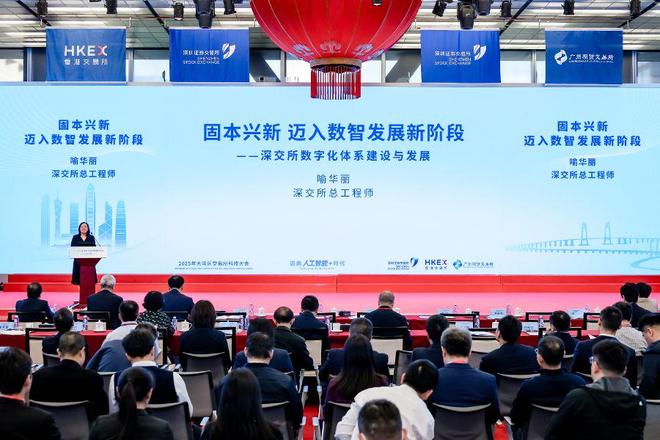
独家:他是最有希望被评为院士的高科技企业的高管之一!曾3次入围 但今年没来参选院士 是啥原因?
Xin Lang Cai Jing· 2025-11-29 00:22
Core Points - The recent election results for the Chinese Academy of Engineering revealed that 144 individuals were elected, with three coming from private enterprises, indicating a shift towards recognizing contributions from the private sector [1][3] - The establishment of a "special quota" for private technology leaders in the 2025 election guidelines reflects the government's desire to encourage talent from private enterprises [3] - Despite the new opportunities, notable figures like Baidu's CTO Wang Haifeng did not participate in this year's election, raising questions about the reasons behind his absence [4][6] Group 1 - The election results included three scientists from private companies: Wu Kai from CATL, Lian Yubo from BYD, and Huang Xianbo from Jinfat [1] - The new guidelines for the 2025 election specifically allocate eight slots for candidates from private technology enterprises, highlighting the government's support for this sector [3] - Wang Haifeng, despite his qualifications and previous nominations, chose not to participate this year, which is seen as a significant loss for the private sector representation [6][9] Group 2 - Wang Haifeng has a strong academic and practical background in AI, having led significant projects and received multiple awards, which positions him as a deserving candidate for the academy [6][10] - The contributions of high-level executives in private enterprises, like Wang Haifeng, are often overlooked compared to those from academia, despite their substantial impact on technology and innovation [9][10] - The sentiment expressed by industry leaders suggests that Wang Haifeng's achievements will eventually lead to recognition, even if this year's election did not result in his selection [10]


AI玩具赛道竞争提速
Xin Lang Cai Jing· 2025-11-28 22:55
Core Insights - Huawei has launched its first AI companion robot "Smart Hanhai" priced at 399 yuan, aimed at the family scene and part of its broader smart ecosystem strategy [1] - The entry of Huawei into the AI companion market is expected to intensify competition and foster collaborative innovation within the industry [1][2] - The AI toy market in China is projected to exceed 100 billion yuan by 2030, with emotional companionship products being a key growth segment [1][2] Industry Developments - Zhejiang Jinke Tom Cat Cultural Industry Co., Ltd. has introduced an AI emotional companion robot that focuses on "dual intelligence" interaction systems [2] - Shenzhen Guanghetong Wireless Co., Ltd. is providing communication solutions for AI toy companies, emphasizing the importance of stable and secure connections for emotional companionship [2] - The AI toy industry is shifting from "function-driven" to "emotion-driven" products, with future competition focusing on ecosystem capabilities rather than individual products [2] Challenges and Opportunities - Current AI companion products face limitations in emotional understanding, with a need for personalized interactions and improved data security measures [2] - The entry of Huawei is seen as a significant example that could lead to technological upgrades and the establishment of industry standards [3]
大湾区交易所科技大会聚焦“迈向人工智能+时代”
Zhong Guo Zheng Quan Bao· 2025-11-28 20:25
Group 1 - The 2025 Greater Bay Area Exchange Technology Conference was held on November 28-29, focusing on "Entering the Era of Artificial Intelligence+" and featured the release of 8 technological achievements [1][2] - The Shenzhen Stock Exchange (SZSE) aims to enhance risk prevention, strengthen regulation, and promote high-quality development during the 14th Five-Year Plan period, with a focus on six key areas to support the construction of a world-class exchange [1] - Key initiatives include building intelligent computing infrastructure, implementing cloud applications, integrating AI into core business areas, improving AI application architecture, enhancing intelligent innovation research, and strengthening AI governance [1] Group 2 - The year 2025 is referred to as the "Year of AI Agents," marking a shift in AI technology from passive response to proactive execution, deeply embedding into workflows to automate complex tasks [2] - The conference highlighted 8 technological achievements, with 2 from SZSE and 6 from industry institutions, including a project on intelligent monitoring of abnormal trading behaviors that has been implemented in the exchange's internal production environment [2] - SZSE, in collaboration with Huawei, developed an industry regulation model that addresses issues of timeliness, accuracy, and completeness in regulatory Q&A, which is currently available for trial on the industry cloud [2]

华为上线陪聊机器人 AI玩具赛道竞争提速
Zheng Quan Ri Bao· 2025-11-28 16:47
Core Insights - Huawei has launched its first AI companion robot "Smart Hanhai" priced at 399 yuan, aimed at the family scene and part of its broader smart ecosystem strategy [1] - The entry of Huawei into the AI companion market is expected to intensify competition and foster collaborative innovation within the industry [1][2] - The AI toy market in China is projected to exceed 100 billion yuan by 2030, with emotional companionship products being a significant growth segment [1][2] Industry Developments - Other companies in the industry, such as Zhejiang Jinke Tom Cat Cultural Industry Co., Ltd., are also developing AI emotional companion robots, focusing on emotional interaction through advanced algorithms [2] - Shenzhen Guanghetong Wireless Co., Ltd. is providing communication solutions for AI toys, emphasizing the importance of stable and secure connections for emotional companionship [2] - The industry is shifting from "function-driven" to "emotion-driven" products, with future competition likely centered around ecosystem capabilities rather than individual products [2] Challenges and Considerations - Current AI companion products face challenges in emotional understanding and personalized interaction, which are critical areas for technological advancement [2] - Data security remains a significant concern, necessitating robust data protection mechanisms and the establishment of industry standards [2][3] - Companies that can balance technological innovation with data security and ethical considerations are expected to gain a competitive edge in the market [3]

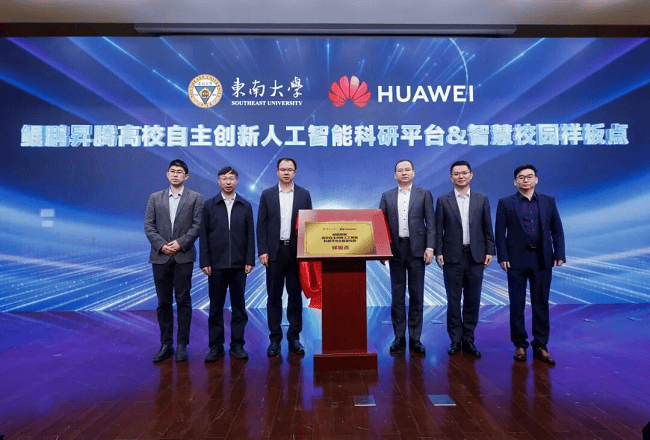
华为联合东南大学发布科研样板点,树立教育数智化升级标杆
Sou Hu Cai Jing· 2025-11-28 16:12
Core Insights - The seminar on AI empowerment for high-quality education development was successfully held at Southeast University, co-hosted by the China Educational Technology Association and Huawei, aiming to integrate AI deeply into research, teaching, and talent cultivation [1][5]. Group 1: AI Research Platform - Huawei and Southeast University launched the "Kunpeng Ascend AI Research Platform & Smart Campus Model Point," designed to enhance innovation capabilities in universities and establish a replicable model for smart campus construction [1][9]. - The platform aims to support the transformation of research achievements and has been recognized as an excellent case by the Ministry of Education's Beacon Committee, promoting a scalable demonstration effect [9]. Group 2: Educational Collaboration - The collaboration between Southeast University and Huawei exemplifies a complete ecosystem from foundational computing power to upper-level applications, showcasing the potential of AI in transforming research paradigms and educational models [5][7]. - Southeast University plans to deepen industry-university cooperation to cultivate innovative talents suited for the intelligent era, contributing to the modernization of higher education in China [7]. Group 3: Strategic Importance - The establishment of the AI research platform is a core initiative for universities to implement the national digital education strategy, emphasizing the importance of AI in enhancing research efficiency and educational quality [9]. - The platform integrates diverse computing capabilities and innovative collaborative paradigms, providing a practical benchmark for digital transformation and smart campus development across universities in China [9].
AI赋能金融监管:深交所智能监测系统找到多项违法违规线索
Di Yi Cai Jing Zi Xun· 2025-11-28 14:32
Core Insights - The Shenzhen Stock Exchange (SZSE) has developed advanced technologies for monitoring abnormal trading behaviors, addressing the complexities of modern market activities [2][3][4] - The "Intelligent Monitoring and Detection Technology for Abnormal Trading Behaviors in Securities Markets" project has successfully completed its implementation phase, enhancing regulatory capabilities [2][3] - The industry regulation model aims to improve the accuracy and completeness of regulatory responses, leveraging AI to address the challenges of traditional methods [7][8] Group 1: Intelligent Monitoring Technologies - The project has produced three core technologies: investor trading behavior classification, insider trading detection, and a securities market simulation system [2][3][4] - The investor trading behavior classification technology utilizes a comprehensive label system to analyze trading behaviors across six dimensions, significantly improving the precision of investor profiling [3] - The insider trading detection technology employs a large-scale trading behavior graph to identify suspicious trading patterns, enhancing regulatory efficiency and transitioning to a proactive monitoring approach [4] Group 2: Securities Market Simulation System - The securities market simulation system integrates historical trading data to create parameterized behavioral models, allowing for the simulation of various trading strategies [5][6] - This system addresses the limitations of traditional empirical research by providing tools for risk assessment and strategy validation, thus shortening the development cycle for trading strategies [6] Group 3: Industry Regulation Model - The industry regulation model, developed in collaboration with Huawei, aims to enhance the understanding and accuracy of regulatory inquiries through an intelligent Q&A platform [7][8] - The platform has been deployed for internal use and is being trialed by regulatory and market institutions, showing significant improvements in response accuracy and completeness [7][8] - The model serves as a pilot for future task models in the industry, supporting various regulatory functions and contributing to the legal foundation of the capital market [8]
深交所喻华丽:将深化“AI+”在监管、服务等领域的融合应用
2 1 Shi Ji Jing Ji Bao Dao· 2025-11-28 12:59
Core Insights - The Shenzhen Stock Exchange (SZSE) is advancing its digital transformation during the "14th Five-Year Plan" period, focusing on building a "smart" exchange through digital infrastructure, platforms, capabilities, and ecosystems [3][4][5] Digital Infrastructure - SZSE aims to establish a hybrid cloud system centered around group cloud, regulatory cloud, Shenzhen cloud, and public cloud, enhancing its IT infrastructure ecosystem to support financial institutions with high-standard services [3][4] - The exchange is expanding its financial data exchange platform user base and application scenarios while improving its multi-data center layout [3] Digital Platforms - SZSE is developing a comprehensive digital service and regulatory platform, which includes a trading system, regulatory technology application platform, business management service platform, office service platform, and information platform [3][4] Digital Capabilities - The exchange is enhancing its digital capabilities by focusing on five core areas: technological innovation, research and development, system operation, data governance, and management governance [3][4] Digital Ecosystem - SZSE is collaborating with industry institutions to build an efficient innovation ecosystem, leveraging platforms like the Financial Technology Center and the Cybersecurity Laboratory [4] - A methodology for digital innovation has been established, emphasizing regulatory technology application needs and business outcomes [4] AI Initiatives for the "15th Five-Year Plan" - SZSE plans to implement the "Artificial Intelligence+" strategy, focusing on risk prevention, regulatory enhancement, and promoting high-quality development across six key areas [5][6] - The exchange will develop intelligent computing infrastructure, enhance user experience through cloud applications, and integrate AI into core business areas [6] AI Application Architecture - The exchange aims to establish a robust AI application architecture, following a path of solidifying foundations, strengthening middle platforms, and optimizing applications [6] Innovation and Governance - SZSE will strengthen intelligent innovation research and development, creating a platform for industry applications while addressing key technological challenges [6] - Governance in AI will be reinforced, focusing on organizational, data, and security governance to support high-quality digital applications in the industry [6]
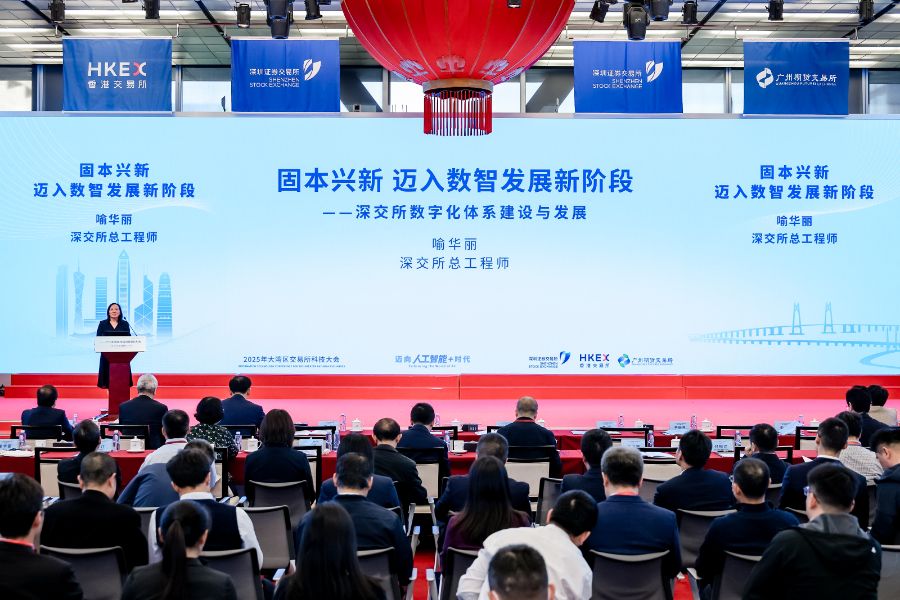
深交所总工程师喻华丽:聚焦防风险、强监管、促高质量发展 全面推进“数智”交易所建设
Zheng Quan Shi Bao Wang· 2025-11-28 11:36
Core Insights - The Shenzhen Stock Exchange (SZSE) is focusing on risk prevention, strong regulation, and high-quality development during the 14th Five-Year Plan period, with a commitment to building a world-class exchange through digital and intelligent support [1][2] Group 1: Digital Infrastructure - SZSE aims to establish a mixed cloud system centered around group cloud, regulatory cloud, Shenzhen cloud, and public cloud, enhancing financial data exchange services and data center hosting services [1][2] - The exchange is building a digital service and regulatory platform that includes a trading system, regulatory technology application platform, business management service platform, office service platform, and information platform [2] Group 2: Digital Capability Enhancement - The exchange is enhancing its digital capabilities through collaboration in five core areas: technological innovation, research and development, system operation, data governance, and management governance [2][4] - A significant project led by SZSE, focusing on intelligent monitoring of abnormal trading behaviors, has been successfully completed and is being applied across the exchange and 15 industry institutions, improving regulatory technology levels [2][3] Group 3: AI Integration and Governance - SZSE is planning to implement "AI+" in core business areas, developing an intelligent regulatory system that covers risk monitoring and company supervision [4][5] - The exchange is committed to strengthening governance in AI applications, focusing on organizational, data, and security governance to ensure high-quality development of digital applications in the industry [5]