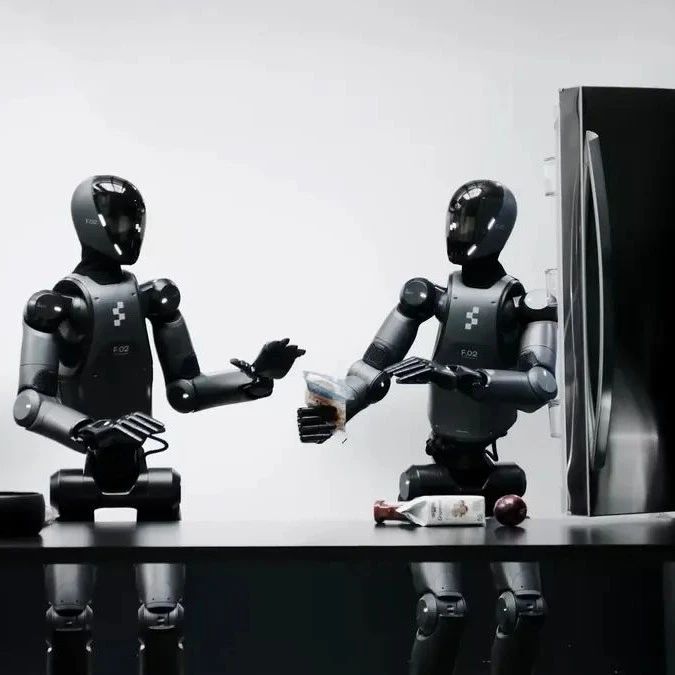
Figure AI

Search documents
创投观察:给浮夸营销“去水分”,为AI创业“降虚火”
Zheng Quan Shi Bao Wang· 2025-06-10 11:50
Group 1 - Figure AI released a 60-minute unedited video showcasing its humanoid robot Helix sorting packages in a logistics environment, claiming significant improvements in speed and flexibility [1] - The company faced skepticism from the public regarding the authenticity of its demonstrations, particularly after previous allegations of exaggerating partnerships and capabilities [2] - The rise of AI startups has led to a trend of exaggerated marketing claims, often resulting in a disconnect between promotional content and actual product performance [2][3] Group 2 - The competitive landscape in the AI sector drives companies to prioritize attention-grabbing marketing to secure funding, often at the expense of genuine technological development [3] - The prevalence of inflated marketing can mislead investors and consumers, creating a bubble that undermines the growth of genuinely innovative companies [3] - There is a call for entrepreneurs to focus on real technological advancements and for investors to conduct thorough due diligence to avoid being misled by false advertising [4]

人形机器人行业周度报告(2025.06.02-2025.06.08):Figure机器人展示物流环境良好适应性,泛化能力突破有望加速实际应用-20250610
China Post Securities· 2025-06-10 06:42
Investment Rating - The industry investment rating is "Outperform" [2] Core Insights - The human-shaped robot index increased by 1.33% during the week of June 3-6, 2025, outperforming the Shanghai Composite Index and the CSI 300 Index, with a year-to-date increase of 24.11% [5][13] - Significant developments in the industry include the launch of the TrackVLA navigation model by Galaxy General, the introduction of Pepsi's first humanoid robot "Pepsi Blue Treasure," and strong orders for humanoid robots reported by TSMC [20][21][22] - The report highlights the establishment of major innovation centers in Hubei and Beijing, aimed at advancing humanoid robot technology and collaboration within the industry [33][34] Summary by Sections 1. Weekly Market Review - The human-shaped robot index has shown a year-to-date increase of 24.11%, with notable performance compared to other indices [5][13] - The index ranks 15th among 31 first-level sub-industry indices, with significant stock movements including Superjet Co. (+28.42%) and Xusheng Group (+13.75%) [6][14] 2. Important Industry Developments 2.1 Industry Development - The TrackVLA model by Galaxy General enables autonomous navigation and obstacle avoidance without pre-mapping, enhancing commercial viability [20] - Pepsi's humanoid robot "Pepsi Blue Treasure" was unveiled, showcasing the brand's innovative spirit [21] - TSMC has begun receiving strong orders for advanced chips used in humanoid robots, contributing to revenue [22] 2.2 Policy News - The Hubei humanoid robot innovation center, the largest in the country, was inaugurated to support various applications [33] - The Beijing humanoid robot innovation center increased its registered capital to 460 million RMB, enhancing its technological collaboration [34] - The Guangdong AI and Robotics Industry Alliance was officially established to promote industry development [36] 2.3 Supply Chain Dynamics & Company Announcements - Fulei New Materials and Zhejiang Tsinghua Flexible Electronics Research Institute established a joint laboratory for intelligent sensing [37] - Keli Sensor completed a strategic investment in Yuan Voice Technology, focusing on multi-dimensional tactile sensing technology [39]
蚂蚁、字节押注后,“腾讯系”人形机器人创企再迎技术、商业化重大突破!
Robot猎场备忘录· 2025-06-09 04:24
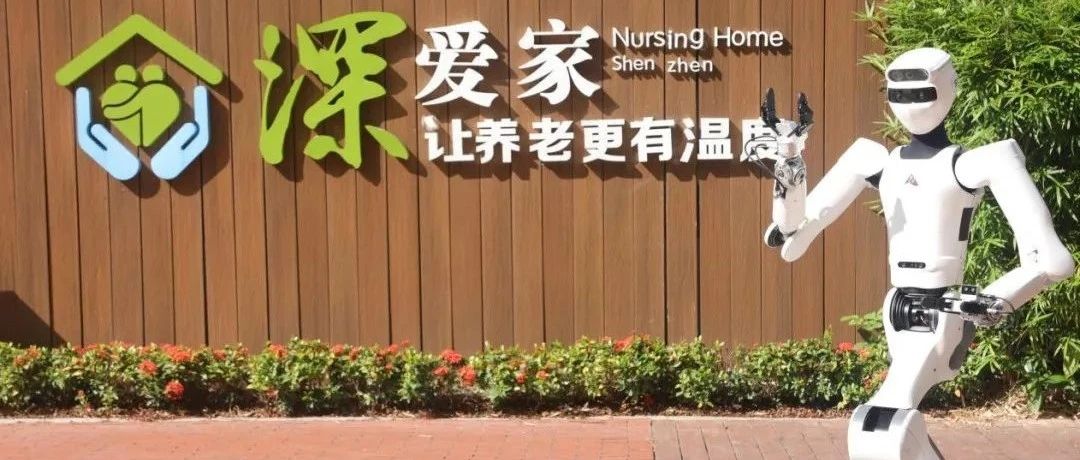
Core Viewpoint - The article discusses the significant advancements and commercialization efforts of the humanoid robot startup, Stardust Intelligence, particularly in the context of aging care and the development of its AI-driven robot, Astribot S1 [1][3][4]. Commercialization Progress - Stardust Intelligence has formed a strategic partnership with Shenzhen Elderly Care Institute to develop AI elderly care robots and smart care systems, focusing on innovative applications in life assistance, health monitoring, and emotional companionship [3][4]. - The Astribot S1 has become the first humanoid robot to enter a nursing home in China, highlighting its role in addressing the challenges posed by an aging population [4]. - The company aims to explore new models of smart and technological elderly care, leveraging its technological advantages [3][4]. Technological Advancements - The company has made significant updates to its self-developed VLA model, DuoCore, which allows the robot to exhibit human-like instinctive reactions and deep thinking capabilities, enhancing its adaptability in complex environments [6][8]. - DuoCore employs a knowledge transfer mechanism that improves learning efficiency, enabling the robot to apply learned skills to new scenarios without starting from scratch [8]. - The dual-system architecture of the VLA model has become mainstream in the field of embodied intelligence, with other leading companies also adopting similar approaches [8][9]. Product Development - The Astribot S1 has undergone three iterations, evolving from strong operational performance to expert-level capabilities, with a valuation previously reaching approximately 40 billion [11]. - The robot features human-like joint designs and can perform complex operations with high precision, including a maximum speed of over 10 m/s and a load capacity of 10 kg [11][15]. Financing and Investment - Stardust Intelligence has completed five rounds of financing, with the latest round in April 2025 raising several hundred million yuan, led by Jin Qiu Fund and Ant Group [14][16]. - The company has garnered recognition from major tech firms, indicating strong market confidence in its potential [16]. Market Outlook - The aging population presents a significant market opportunity for humanoid robots, with estimates suggesting that companion robots could enter households within three years, and caregiving robots within five years, potentially creating a trillion-yuan industry [4][18]. - The article emphasizes the importance of strong AI capabilities and self-developed models for startups in the humanoid robot sector to maintain competitiveness against larger tech companies [17][18].

Optimus项目负责人离职,特斯拉能否继续扛起全球人形机器人大旗
Robot猎场备忘录· 2025-06-07 18:00
温馨提示 : 点击下方图片,查看运营团队2025年6月最新原创报告(共235页) 说明: 欢迎约稿、刊例合作、行业人士交流 , 行业交流记得先加入 "机器人头条"知识星球 ,后添加( 微信号:lietou100w )微信; 若有侵权、改稿请联系编 辑运营(微信:li_sir_2020); 正文: 马斯克随后在X平台发文:感谢米兰·科瓦奇在这十年间对特斯拉做出的杰出贡献。 特斯拉Optimus机器人部门负责人米兰·科瓦奇(Milan Kovac)离职的消息刷屏网络! 6月6日( 北美时间 ), 米兰·科瓦奇在X平台发文,表示:" 我不得不做出一生中最艰难的决定—离开特斯拉Optimus团队 ";并解释原 因:"我离家太久了,需要花更多的时间和国外的家人在一起,这是唯一的原因,与其他任何事情都无关,我对马斯克和Optimus团队的支持 是"坚不可摧的";并强调:"自己的离开,不会改变Optimus的任何事,自己原来的同事会和特斯拉一起将Optimus推向全新的高度" —— 米兰·科瓦奇 于2016年4月正式加入特斯拉,最初担任Autopilot核心团队工程师,后升任至Autopilot软件工程主管,于2022年1 ...


吴世春:我们投的这家公司,半年融资三轮,拿到近2亿融资
创业家· 2025-06-06 09:58
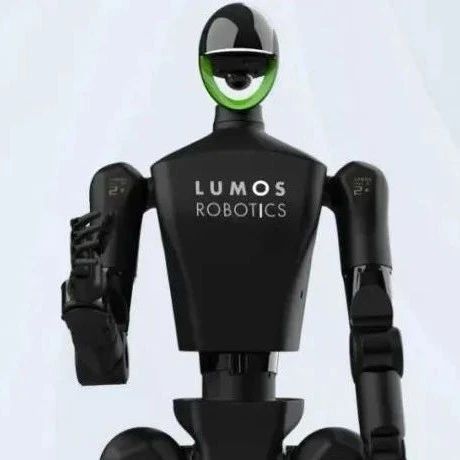
Core Viewpoint - The article highlights the rapid evolution and investment opportunities in the robotics sector, particularly focusing on Lumos Robotics, which has recently completed multiple rounds of financing, indicating strong market interest and growth potential [4][6][14]. Company Summary - Lumos Robotics, founded in 2024 by Yu Chao, specializes in humanoid robots and core components such as robotic joint modules and sensory modules [10]. - The company has completed its second financing round in two months and its third in six months, raising nearly 200 million in total during the angel round [6]. - The company has received recognition from Brett Adcock, CEO of Figure AI, a notable humanoid robotics firm in the U.S., which underscores its growing reputation in the industry [9][8]. Industry Summary - The robotics market in China is described as the most active globally, with 70% of industrial robots deployed and serviced in the country [13][14]. - The article predicts the emergence of new companies in the robotics sector that could reach valuations in the hundreds of billions to trillions over the next decade [14]. - The investment landscape is characterized by a strong focus on various types of robots, including humanoid, industrial, and special-purpose robots, indicating a broad and growing market [12].
2025全球人形机器人领域深度报告:人形机器人、具身智能技术、商业化壁垒、产业链公司及投资分析
Robot猎场备忘录· 2025-06-03 14:40
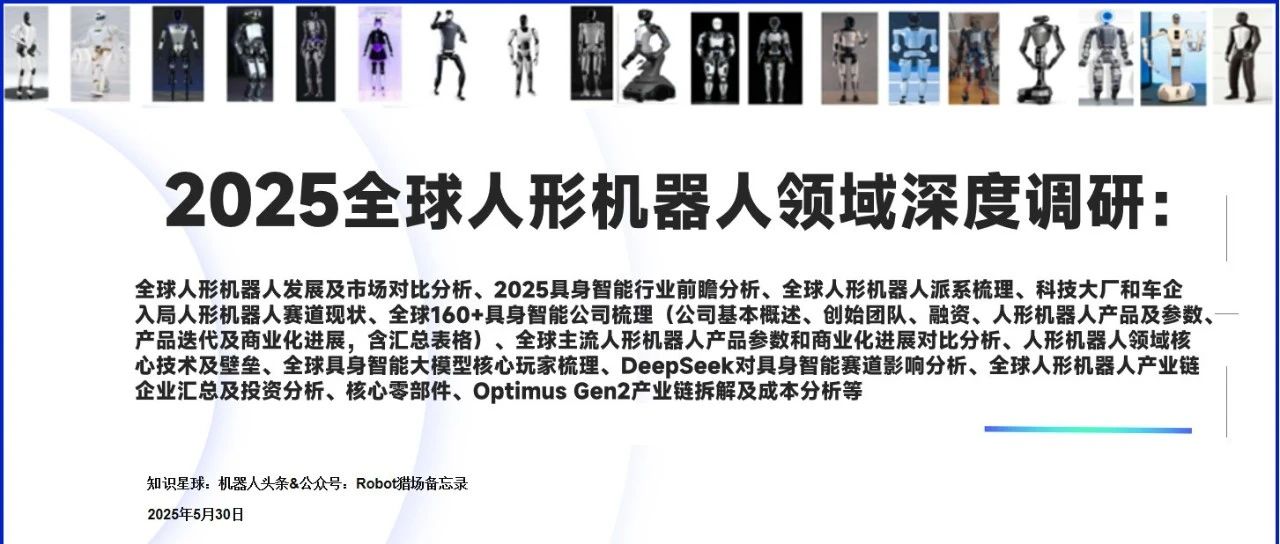
Group 1 - The report provides an overview of the global humanoid robot industry, highlighting significant developments and trends in the market [1][2] - It includes a detailed analysis of over 160 companies in the embodied intelligence sector, covering their product parameters, commercialization progress, and funding status [2][11] - The report emphasizes the increasing involvement of major tech companies and automotive manufacturers in the humanoid robot space, indicating a shift from startups to established industry players [11][13] Group 2 - The report identifies key technological barriers in humanoid robotics, particularly focusing on the development of the "big brain" and "small brain" systems [1][2] - It discusses the emergence of dual-system architecture models, which have become mainstream in the embodied intelligence field since 2025 [18] - The report notes that the financing landscape for humanoid robots remains active, with a noticeable shift towards startups that possess strong AI capabilities [16][17] Group 3 - The report outlines the competitive landscape, indicating that many early-stage humanoid robot startups may struggle with commercialization [11][12] - It highlights the initial commercialization achievements of leading humanoid robot companies, with some expected to deliver small-scale production by 2025 [17] - The report also mentions the growing interest in dexterous hands and multi-modal tactile perception sensors, which are attracting significant investment [19]
国内“最强”具身智能机器人创始团队,完成新一轮融资!
Robot猎场备忘录· 2025-06-03 06:00
Core Viewpoint - Beijing Lingchu Intelligent Technology Co., Ltd. (Lingchu Intelligent) has completed a new round of financing, attracting notable investors, and is recognized for having the "strongest and highest density of scientists" in the field of embodied intelligence [1][2]. Financing History - Lingchu Intelligent has a history of attracting significant capital, including a recent angel round led by top investors such as GL Ventures and Lanchi Ventures, with previous funding rounds also involving prominent firms [2]. Company Overview - Founded in September 2024, Lingchu Intelligent focuses on developing leading general-purpose dexterous robotic systems, supported by a highly skilled team that combines industry veterans and academic experts [3][4]. Founding Team - The founding team includes Dr. Wang Qibin, who has nearly 20 years of experience in mobile devices, smart speakers, and robotics, and has successfully led products from conception to global launch [4][9]. Core Technology - Lingchu Intelligent is a representative of the domestic embodied intelligence large model sector, initially focusing on reinforcement learning to build technical barriers in dexterous operations, with plans to expand into general-purpose operations [7][10]. Product Development - The company has developed a comprehensive product system, including dual-arm wheeled robots and advanced software capabilities that allow for generalized long-range operations across various scenarios [7][15]. Commercialization Progress - Lingchu Intelligent has established partnerships with leading companies in manufacturing, retail, and logistics, aiming for high-value commercialization across multiple sectors [17][19]. Industry Context - The global market for embodied intelligence has seen over 200 companies entering the field, with a strategic focus on both large models and humanoid robot bodies being crucial for success [18][19].

2025,具身智能迎来“ChatGPT时刻”了吗?| 峰瑞研究所
3 6 Ke· 2025-05-31 02:05
Group 1 - The humanoid robot sector is experiencing significant growth, with events like the first humanoid robot half marathon and combat competitions showcasing advancements in the field [2][3][4] - Tesla's announcement of its humanoid robot, "Tesla Bot," in 2021 marked a pivotal moment in the current wave of interest in humanoid robots [3][4] - The emergence of numerous domestic teams in China focusing on embodied intelligence indicates a growing investment and interest in this area [5] Group 2 - The hardware development for humanoid robots has benefited from advancements in related industries, such as renewable energy and industrial automation, which have lowered the barriers to entry [6][13] - The software aspect is evolving with the introduction of large models that enhance the algorithmic capabilities of robots, particularly in perception and decision-making [6][17] - The pursuit of humanoid and general-purpose robots reflects a universal aspiration influenced by cultural representations in media [6][7] Group 3 - The commercialization of humanoid robots is still in its early stages, with many companies focusing on resource acquisition and technology development rather than immediate market applications [24][25] - The investment landscape for embodied intelligence is currently overheated, suggesting a peak in the Gartner technology maturity curve [26][29] - Future opportunities may arise from the spillover of technologies developed in the humanoid robot sector into other industries, enhancing existing robotic capabilities [29][30] Group 4 - The balance of success rate, generality, and cost is crucial for the practical application of humanoid robots, especially in high-value sectors like biomedicine [30] - The landscape for humanoid robot companies differs significantly between the U.S. and China, with U.S. firms focusing on software and algorithmic advancements while Chinese companies pursue a more integrated approach [31][32] - The public's expectation of robots entering domestic spaces may require overcoming various technical and ethical challenges [30][34]

人形机器人,到底能不能投资?
3 6 Ke· 2025-05-27 01:36
Group 1: Core Insights - Humanoid robots can drive smarter automation, reduce costs, and enhance human labor productivity, but improper investment questions can lead to high costs and counterproductive outcomes [1][4] - The rapid development of general-purpose humanoid robots, driven by advancements in generative AI, mechatronics, and simulation technology, may reshape labor dynamics across various industries [3][4] - The cost of manufacturing humanoid robots has decreased by 40% in recent years, with projections indicating a drop from approximately $58,000 to $20,000 per robot by 2032 [4] Group 2: Investment Considerations - Companies must evaluate the specific roles humanoid robots can play in their operations, focusing on areas where they can outperform traditional industrial robots and create greater value [6] - A comprehensive cost-benefit analysis is essential for humanoid robot investments, considering both direct and indirect costs, with Robot as a Service (RaaS) offering a more cost-effective entry point [12] Group 3: Application Areas - Humanoid robots have proven valuable in manufacturing and warehousing, addressing labor shortages and performing hazardous tasks, with 58% of large factory managers believing they will become a cost-effective assembly standard by 2040 [7] - In healthcare, humanoid robots can assist with daily tasks for the elderly and those with special needs, demonstrating positive outcomes in social interaction and communication skills for children with autism [9] - In customer service, humanoid robots are increasingly being adopted in retail and hospitality sectors, particularly for tasks that are monotonous, dangerous, or repetitive [10] Group 4: Integration and Collaboration - Effective integration of humanoid robots into existing processes requires a focus on optimizing broader organizational workflows rather than isolated tasks [13] - Ensuring safe collaboration between personnel and humanoid robots is crucial, necessitating a culture of human-robot collaboration and adherence to safety best practices [14][15] Group 5: Future Outlook - The future of work is evolving with humanoid robots becoming integral to the workforce, offering new growth opportunities, efficiency improvements, and enhanced innovation capabilities [17]


估值2900亿,让王兴兴紧张
创业邦· 2025-05-25 09:40
Core Viewpoint - Figure AI, founded in 2022, has rapidly gained attention and a valuation close to $40 billion, sparking debates about its potential as a transformative force in robotics or merely a speculative bubble in technology [2][4][19] Company Background - Figure AI was founded by Brett Adcock, who has a history of successful startups, including a recruitment platform and an electric aircraft company [4] - Adcock's vision for Figure AI is to integrate AI systems into the physical world through humanoid robots, with the first product, Figure01, launched in October 2023 [5][6] Product Development - Figure01 was designed to facilitate AI interaction with the physical world, despite initial hardware issues [5] - The second product, Figure02, launched in August 2024, features significant upgrades and a self-developed control model called Helix, which integrates visual, language, and motion capabilities [6][19] Commercialization Challenges - Figure AI's partnership with BMW has faced scrutiny, with reports questioning the extent and nature of the collaboration [8][10] - The company has been labeled as a "demo company," raising concerns about its actual commercial viability and the simplicity of tasks performed by its robots [10][19] Market Perception and Investment - The rapid rise in Figure AI's valuation reflects a broader trend of investor enthusiasm for humanoid robotics, but skepticism remains regarding the technology's maturity and commercial pathways [12][19] - Industry experts express concerns about the disconnect between technological advancements and capital expectations, highlighting the need for practical applications and economic value [19][20] Future Outlook - The success of Figure AI will depend on its ability to demonstrate that humanoid robots can effectively address labor shortages and aging populations, ultimately determining whether it becomes a leader in the field or a cautionary tale of overvaluation [20]