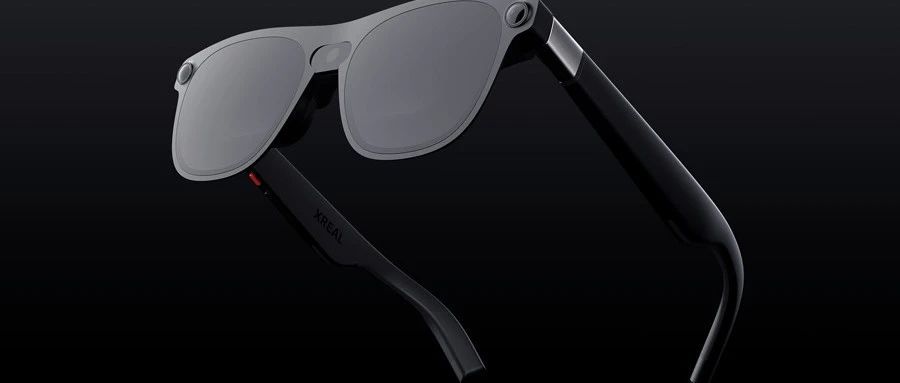
XREAL

Search documents
【新华解读】我国外贸保持较强韧性 新赛道活力迸发
Xin Hua Cai Jing· 2025-07-14 14:53
Core Viewpoint - In the first half of the year, China's goods trade imports and exports achieved a growth rate of 2.9%, demonstrating strong resilience despite complex international circumstances [1][2]. Trade Performance - China's total goods trade reached 21.79 trillion yuan, with exports of 13 trillion yuan (up 7.2%) and imports of 8.79 trillion yuan (down 2.7%) [2]. - In June, the trade volume was 3.85 trillion yuan, with exports at 2.34 trillion yuan (up 7.2%) and imports at 1.51 trillion yuan (up 2.3%) [2]. External Environment and Policy Support - The resilience of China's foreign trade is attributed to a series of supportive policies, which have helped restore business confidence and invigorate new industries [1][2]. - The latest customs trade survey indicates a continuous recovery in confidence among both export and import enterprises [2]. Market Expansion - China's trade relationships expanded, with growth in imports and exports to over 190 countries and regions, and the number of trading partners with a scale exceeding 50 billion yuan increased to 61 [2]. Export Dynamics - The decline in exports to the U.S. has narrowed significantly, contributing positively to overall export performance [3]. - The U.S. has begun to stockpile goods in response to new tariff adjustments, highlighting the irreplaceable nature of China's supply chain [4][5]. Emerging Sectors and Product Growth - There is a notable increase in the export of high-quality green products, with lithium batteries and wind turbine generators seeing growth rates exceeding 20% [6]. - Exports of industrial robots surged by 61.5%, and high-value products like pet supplies and smart manufacturing items have also seen significant growth [6][7]. E-commerce and Consumer Trends - E-commerce platforms reported a dramatic increase in overseas orders, with Alibaba's international site seeing a 42% year-on-year increase in order volume [4]. - During the "618" shopping festival, there was a three-digit growth in overseas orders for certain products, particularly in the pet product category [6].
国产AI眼镜爆发 智能穿戴开新篇
Bei Jing Qing Nian Bao· 2025-07-01 18:24
Core Viewpoint - The release of Xiaomi's first AI glasses has sparked significant online discussion, indicating a shift from niche technology to mainstream consumer products in the AI glasses market [2] Group 1: Domestic Developments in Smart Glasses - Domestic manufacturers are transitioning from following trends to breaking through in the smart glasses sector, with notable products like Meta's Ray-BanMeta and Meizu's MYVU leading the way [3] - Meizu's MYVU is recognized as the lightest AR glasses globally at 43g, while its MYVU exploration version weighs 71g, making it the lightest dual-lens full-color AR glasses at the time [3] - Huawei's VisionGlass2, set to launch in 2024, will feature HarmonyOS4 and integrate Huawei's Pangu AI model, allowing users to access various smart services through simple gestures [3] Group 2: Xiaomi's AI Glasses Features - Xiaomi's newly launched AI glasses come with a 12MP main camera and support first-person perspective shooting, enhancing user experience [4] - The glasses feature a unique chip design that optimizes battery life by using a secondary chip for less demanding tasks, significantly extending usage time [4] - An electrochromic version of the glasses allows users to adjust lens color with simple gestures, adding a fashionable element to the product [4] Group 3: Advancements in AR Display Technology - The launch of Thunderbird's X3Pro AR glasses showcases advanced features like a full-color Micro-LED engine and a 43-inch 3D transparent display, enhancing user interaction [5] - Rokid's AI+AR glasses integrate multiple AI models for functionalities such as real-time translation and smart prompts, while also supporting voice payments through Alipay [6] Group 4: International Market Trends - Meta's collaboration with Oakley to release a new series of AR glasses indicates ongoing innovation in the international market, with features like hands-free HD cameras and Meta AI technology [7] - Google's partnership with XREAL aims to launch Project Aura, the first AR glasses powered by the Android XR platform, expected to include advanced AI capabilities [7] - Market research predicts a robust growth trajectory for the AI glasses market, with global shipments expected to reach 12.8 million units by 2025, a 26% increase year-on-year [7]



下一个Meta不好做,小米AI眼镜距离百万爆款还差一个雷朋
Tai Mei Ti A P P· 2025-06-27 00:12
Core Viewpoint - Xiaomi's entry into the AI glasses market is seen as a significant move that could disrupt the industry, with the launch of the Xiaomi AI glasses and the competitive pricing of 25,350 yuan [2][4][19] Group 1: Product Features and Market Positioning - Xiaomi AI glasses are positioned as "personal intelligent devices for the next era," emphasizing their technological and AI ecosystem advantages [2][4] - The glasses feature a 12MP camera for video recording and live streaming, with a typical battery life of 8.6 hours, outperforming Meta's Ray-Ban glasses [5][6][12] - Xiaomi's AI glasses utilize a dual-chip combination for lower power consumption and support for voice commands and smart home device control [6][12] Group 2: Market Dynamics and Competition - The global AI glasses market is projected to reach 10 million units by 2025, with a potential 60% penetration rate for AI-enabled glasses [4] - Despite the strong product features, Xiaomi faces challenges in replicating Meta's success due to differences in branding and market positioning, as Meta's glasses are seen as fashionable social items [9][11] - The entry of Xiaomi is expected to accelerate industry consolidation, with many smaller companies potentially struggling to compete [15][16] Group 3: Industry Reactions and Future Outlook - Industry leaders express optimism about Xiaomi's entry, viewing it as a potential catalyst for market growth and user education [16][18] - The success of Xiaomi's AI glasses will depend on their ability to create a high-frequency usage product and differentiate themselves in a market that values personalization and design [18][19] - The competitive landscape is expected to remain diverse, with many companies continuing to innovate and carve out niche markets [18][19]
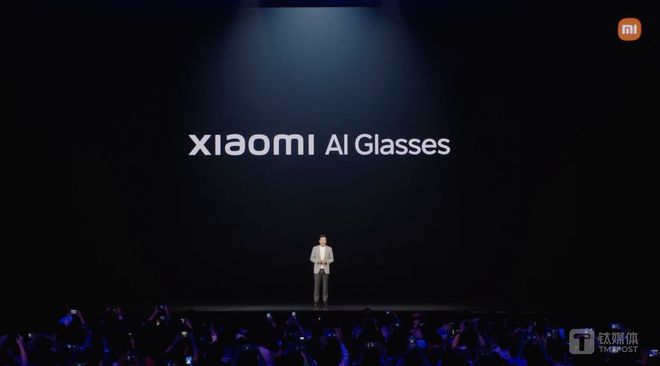
小米官宣将发布AI眼镜 智能眼镜今年出货激增
Zheng Quan Shi Bao Wang· 2025-06-25 05:41
Group 1 - Xiaomi announced the launch of its new AI glasses on June 26, positioning it as a next-generation personal smart device [1] - The AI glasses feature a first-person perspective recording capability, activated by voice command to the AI assistant [2] - The glasses will utilize a dual-core architecture and aim to compete with brands like Ray-Ban and Meta, integrating photography, AI voice interaction, and audio playback [2] Group 2 - The demand for smart glasses has surged, with significant increases in search interest on platforms like Taobao and Tmall, showing a 380% rise for Rokid brand and 140% for "AI smart glasses" [3] - XREAL reported strong demand for its AR glasses, leading to stock shortages in international markets, with a global sales figure of approximately 600 million RMB last year [3] - Meta and Oakley announced a new series of AR glasses, with pre-orders starting on July 11, priced from $399 to $499 [3] Group 3 - Rokid Glasses, developed in collaboration with Lens Technology, will be the first smart glasses to feature payment functionality, set for mass delivery by the end of June [4] - IDC predicts that global AR device shipments will exceed 40 million units by 2025, with the consumer market accounting for over 60% [5] - The growth of smart glasses is creating new opportunities for optical lens suppliers, as manufacturers seek direct partnerships to address optical prescription needs [5]
“百镜大战”没打响,音频拍摄眼镜成主力、AR眼镜慢热
第一财经· 2025-06-20 03:43
Core Insights - The "6.18" shopping festival saw a significant increase in sales for AI smart glasses, with transaction volume up 7 times year-on-year and AR glasses user numbers increasing by 70% [1] - Leading brands in XR device sales included PICO, 雷鸟 (Thunderbird), XREAL, VITURE, Rokid, and INAIR, while the top brands for smart glasses were 雷鸟, INMO, 星纪魅族, 界环, 李未可, and 玄景 [1] - Despite the growth in sales, the overall market size remains small, with some popular products selling in the thousands rather than tens of thousands [1][7] Sales Performance - 雷鸟's X series AR glasses, released on May 28, utilized new technologies but had limited sales in the following 15 days [2] - XREAL's camera plugin for its smart glasses was pre-sold for 499 yuan, but fewer than 100 units were sold on major platforms [3] - 雷鸟 Air smart glasses sold over 5,000 units during the "6.18" event, while XREAL One AR glasses sold over 1,000 units [4] Market Trends - 雷鸟 reported a 3.36 times increase in XR sales during the "6.18" event compared to the previous year, capturing a market share of 52% [6] - Sales of smart glasses priced below 2,000 yuan, particularly audio and shooting glasses, are driving growth, while AR glasses remain limited in sales [7] - Analysts suggest that simpler, lower-priced audio shooting glasses may serve as a transitional product for consumers before they adopt AR glasses [7] Future Outlook - The true competition in the smart glasses market, referred to as the "百镜大战" (Hundred Glasses Battle), is expected to intensify in the second half of the year as more new products are launched [7]

“百镜大战”618没打响,音频拍摄眼镜成主力、AR眼镜慢热
Di Yi Cai Jing· 2025-06-19 12:57
Core Insights - The sales volume of some popular products is measured in thousands rather than tens of thousands, indicating a significant increase in market sales but a relatively small overall scale [1] - During the "6.18" shopping festival, AI smart glasses saw a 7-fold increase in transaction volume year-on-year, while AR glasses user numbers grew by 70% [3] - Leading brands in XR device sales include PICO, 雷鸟 (Thunderbird), XREAL, VITURE, Rokid, and INAIR, while the top brands for smart glasses are 雷鸟, INMO, 星纪魅族, 界环, 李未可, and 玄景 [3] - Despite the hype around the "百镜大战" (Hundred Glasses Battle), actual sales during "6.18" were modest, with some best-selling products selling in the thousands rather than tens of thousands [3] - The majority of sales in the smart glasses segment are still driven by simpler products like projection and audio recording glasses, while AI+AR glasses are experiencing slow growth [3][5] Sales Performance - 雷鸟 Air smart glasses ranked first in the 500-8000 yuan XR device sales list, selling over 5,000 units during "6.18" [4] - XREAL One AR glasses ranked second, with over 1,000 units sold during the same period [4] - 雷鸟 V3 AI recording glasses and 雷鸟 X3 concept AI glasses also ranked highly, with 雷鸟 X3 selling over 200 units on June 15 [5] - 雷鸟's sales during "6.18" were 3.36 times higher than the same period last year, capturing a market share of 52% [5] Market Trends - The sales of smart glasses from leading brands like 雷鸟 have doubled, with significant sales still coming from projection and audio recording glasses priced below 2,000 yuan [5] - Higher-priced AR glasses (9,000-10,000 yuan) face purchasing pressure from ordinary consumers, with buyers primarily being technology enthusiasts [5] - The chairman of 潮电智库 (Chao Dian Zhi Ku) predicts that the true "百镜大战" may occur in the second half of the year as more new smart glasses products are launched [6]
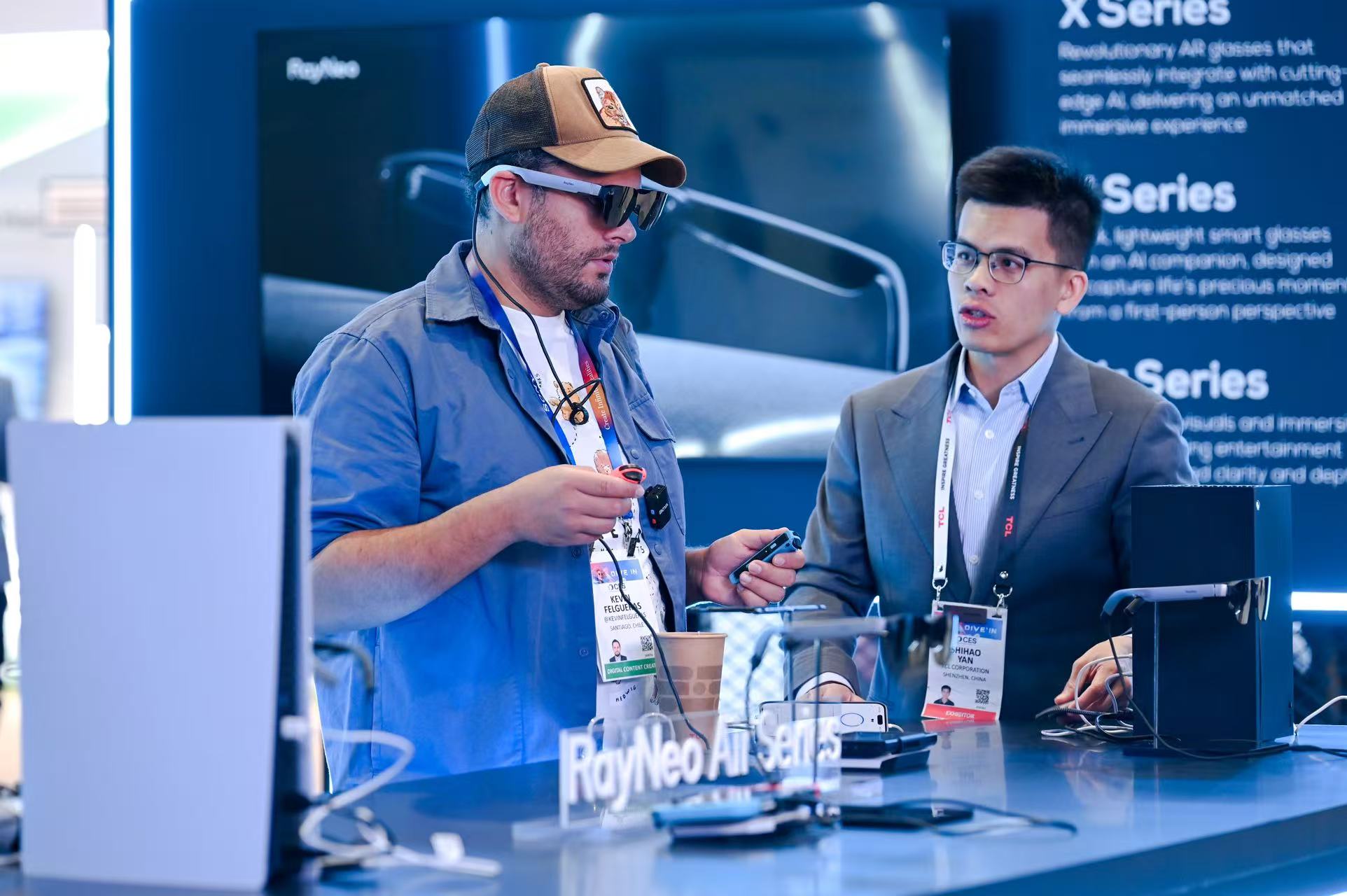
智能眼镜掀起“上新”潮
Xiao Fei Ri Bao Wang· 2025-06-16 02:42
日前,某电商平台数据显示,智能眼镜成交量同比激增超 8 倍。有业内人士分析,原因或在于AI大模 型与增强现实技术融合推动智能眼镜市场爆发。 国际数据公司IDC数据显示,2025年全球智能眼镜出货量预计将达到1280万台,同比增长26%;其中, 中国市场将突破275万台,同比增长高达107%,跃居全球第一。同时,国产智能眼镜也迎来了一轮"上 新潮","智能眼镜卖爆了"等话题在社交平台引发热议。 在线上购物平台,智能眼镜品牌数量较去年明显增加,智能提词和实时翻译成为消费者最关注的两大功 能。在国家对消费电子产品的补贴政策带动下,相关产品销量大涨。 线下眼镜店也迎来了一轮智能眼镜"上新潮"。以深圳市罗湖区的一家眼镜店为例,店长称目前门店上架 了近10款智能眼镜,功能多样,从最简单的播放音频、拍照片或视频到更复杂的语音助手、导航、翻译 等,各种功能应有尽有,产品价格从几百元到几千元不等,吸引了不少消费者体验购买。 消费者陈先生表示佩戴智能眼镜后不用戴耳机,且镜片上还有字幕;孙女士则称:"我会把它当电子产 品用,因为我本身没有很严重的近视,所以对我来说它的更多功能可能在于充当时尚配饰或者结合运动 相机使用。因为相机很重 ...
7家消费公司拿到新钱,影石上市首日涨超270%,智能眼镜销量暴涨|创投大视野
36氪未来消费· 2025-06-14 12:28
Group 1: Investment Activities - Bepei Technology completed a Pre-A round investment led by Shunwei Capital, with total financing amounting to nearly 10 million USD [3] - Shiok Burger announced its Pre-A round financing led by AC Ventures, expanding to 13 stores in Singapore since its launch in December 2023, achieving profitability [4] - Feixiong Lingxian completed nearly 100 million C round financing, providing comprehensive services in the frozen goods supply chain [5] - Wuxian Exploration completed 16 million RMB angel round financing, focusing on innovative fruit tea products [6] - Maiba completed 10 million RMB angel round financing, offering a 24-hour self-service KTV model [7] - Renren Rental announced several hundred million D1 round financing, leveraging blockchain and AI technologies for a circular rental service platform [8][9] Group 2: Corporate Developments - Himalaya confirmed acquisition rumors by Tencent Music, maintaining its brand and operational independence post-acquisition [11] - Yingshi Technology debuted on the Sci-Tech Innovation Board, with a first-day increase of over 270%, and a market capitalization exceeding 70 billion RMB [12][13] - Gu Ming launched a new coffee product, "Good Light Coconut Latte," as part of its expansion into the coffee market [14] - Nova Coffee partnered with Lawson convenience stores to enhance brand penetration, offering promotional deals [15] - Zhuanzhuan opened its first multi-category second-hand circular warehouse store, emphasizing trust in the second-hand market [16][18] Group 3: Market Trends - The smart glasses market is experiencing significant growth, with global shipments expected to reach 12.8 million units by 2025, and China's market projected to exceed 2.75 million units [18] - In the restaurant sector, consumer preferences are shifting towards higher-rated establishments, with a 15.4% increase in average dining orders and a 13.7 percentage point rise in the consumption rate of high-quality restaurants [19]


XREAL携手谷歌首次公布全新旗舰AR眼镜重要参数,并宣布进军企业级XR市场
IPO早知道· 2025-06-12 15:07
Core Viewpoint - XREAL, in collaboration with Google and Qualcomm, has unveiled its new flagship AR glasses, Project Aura, marking a significant advancement in spatial computing and transitioning from consumer to enterprise-level applications [2][6]. Group 1: Product Features - Project Aura is the first AR glasses natively supporting the Android XR platform, showcasing advancements in AI capabilities, computational architecture, and user interaction [2]. - The device features a dual-chip architecture, incorporating Qualcomm's Snapdragon chip and XREAL's proprietary X1S spatial computing chip, which enhances computational efficiency, AI collaboration, and sensor integration [4]. - Aura boasts a 70° ultra-wide field of view (FOV), the largest for consumer-grade AR glasses, while reducing lens size by 44% to improve user comfort [4]. - The device supports native 6DOF spatial tracking, gesture interaction, and environmental awareness, providing an immersive experience for developers and users [4]. Group 2: Market Position and Strategy - XREAL has announced its entry into the enterprise XR market, marking a new phase in its commercial strategy and service system in the spatial computing era [6]. - Over the past eight years, XREAL has sold more than 600,000 AR glasses, maintaining the top position in global AR shipments for five consecutive years [6]. - According to IDC data, XREAL is expected to retain the leading market share in the global AR and optical see-through (OST) market throughout 2024 and into the first quarter of 2025 [6]. - XREAL ranks among the top five in the overall AR/VR industry, being the only AR glasses manufacturer to achieve this status [6].
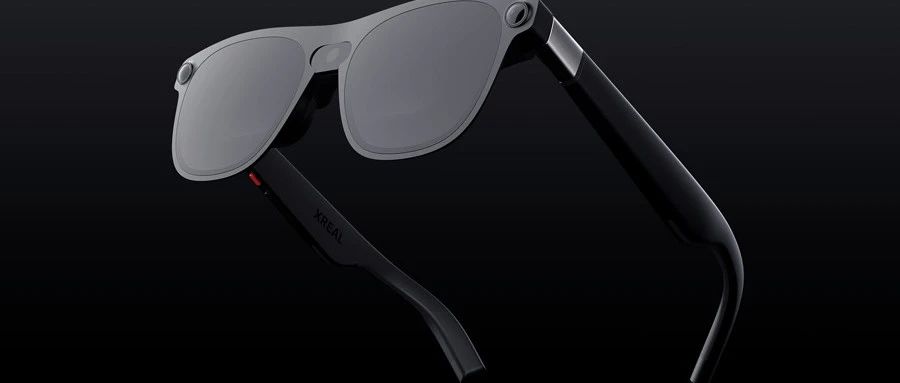
XREAL携手谷歌首次公布全新旗舰AR眼镜重要参数,并宣布进军企业级XR市场
IPO早知道· 2025-06-12 15:06
Core Viewpoint - XREAL is transitioning from spatial display to spatial computing, moving from consumer-level products to enterprise-level solutions, with the launch of its new flagship AR glasses, Project Aura, in collaboration with Google and Qualcomm [2][8]. Group 1: Product Features - Project Aura is the first AR glasses natively supporting the Android XR platform, featuring significant advancements in AI capabilities, computational architecture, and user interaction experience [2]. - The device utilizes a dual-chip architecture, incorporating Qualcomm's Snapdragon chip and XREAL's self-developed X1S spatial computing chip, which enhances computational efficiency, AI collaboration, and sensor integration [4]. - Aura boasts a 70° ultra-wide field of view (FOV), the largest for consumer-grade AR glasses, while reducing lens volume by 44% to improve user comfort [4]. - The device supports native 6DOF spatial tracking, gesture interaction, and environmental awareness, providing an immersive experience for developers and users [4]. Group 2: Market Position and Strategy - XREAL has sold over 600,000 AR glasses in the past eight years, maintaining the top position in global AR shipments for five consecutive years [7]. - According to IDC data, XREAL is expected to retain the leading market share in the global AR and optical see-through (OST) market throughout 2024 and into the first quarter of 2025 [7]. - The company is entering the enterprise-level XR market, marking a significant expansion in its commercial landscape and a comprehensive upgrade of its service system in the spatial computing era [7][8].