莲花控股

Search documents
晚报 | 2月12日主题前瞻
Xuan Gu Bao· 2026-02-11 14:53
明日主题前瞻 1、低代码 | 据新浪财经报道,近日,国内首个低代码国家标准《系统与软件工程 低代码开发平台通用技术要求》((GB/T46900-2025)正式获批发布,将于 2026年7月1日正式实施。该标准围绕低代码开发平台的功能和性能两大核心维度,建立了全面、系统的技术规范体系,标志着我国低代码开发迈入规范化、 标准化发展新阶段。 点评:分析认为,低代码(LCDP)是指通过少量代码甚至无需编码(0代码)就可以快速生成应用程序。据权威预测,未来五年内全球70%的企业应用将基于低 代码开发,而人工智能 (AI)和机器学习将深度融入低代码开发平台,增强智能推荐、代码自动生成、流程自动化等功能,提升平台的智能化水平。这种技术 融合或推动低代码平台成为主流开发模式,加速亿级新应用生态的构建。 2、有色镍 | 据和讯网报道,印尼韦达湾镍矿今年的矿石生产配额只有1200万吨, 较2025年经调整后的4200万吨下降超7成。韦达湾镍矿的合资方艾瑞镁特集 团已发布公告确认这一消息。韦达湾镍矿是世界上最大的镍矿,由青山控股、法国艾瑞镁特集团和印尼国企PT Aneka Tambang合资所有。 点评:分析认为,在最新一轮削减产 ...

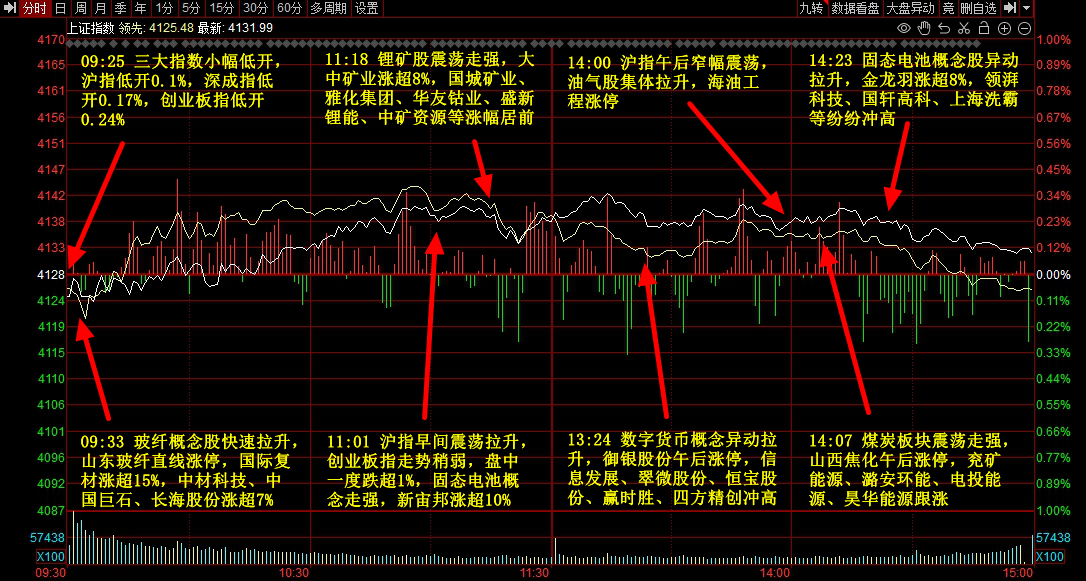
年销10亿仍然破产,自嗨锅营销窟窿有多大?
3 6 Ke· 2026-02-11 13:34
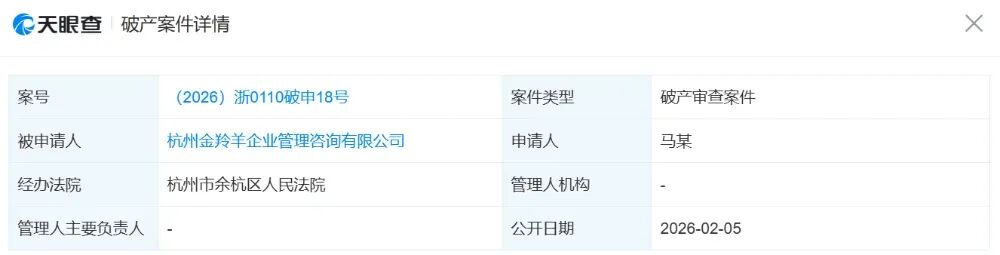
Core Viewpoint - The company "自嗨锅" (Self-Heating Hot Pot) is facing significant challenges, including declining sales, negative consumer sentiment, and operational losses, leading to its potential bankruptcy and a shift in consumer preferences towards more convenient and appealing food options [2][6][32]. Financial Performance - In 2020, "自嗨锅" achieved sales close to 1 billion, but still reported a net loss of 1.51 billion due to high marketing expenses [9][11]. - By 2022, the company's revenue dropped by 17.34% to 819.7 million, with online sales declining by 41.54% [11]. - The marketing expenses were significantly reduced from 246 million in 2021 to below 30 million in 2022, which helped improve profit margins [9][11]. Consumer Sentiment - Consumer feedback has turned negative, with complaints about product quality, including issues like unappetizing flavors and high prices, leading to a loss of brand loyalty [17][19][21]. - The perception of "自嗨锅" as overpriced and underwhelming in taste has become prevalent among consumers, impacting its market position [21][23]. Market Trends - The self-heating hot pot market is shrinking, with competitors like "卫龙" and "统一企业" also withdrawing from the market due to changing consumer demands [32][35]. - The rise of pre-packaged meals and the convenience of delivery services have further eroded the unique selling proposition of "自嗨锅" [38][43]. Product Development - "自嗨锅" has struggled to innovate and keep up with evolving food trends, failing to introduce new flavors or healthier options that resonate with current consumer preferences [20][43]. - The brand's attempts at cross-promotions and collaborations have not generated significant consumer interest, indicating a disconnect with its target audience [26][32]. Operational Challenges - The company is burdened with debt and legal issues, complicating its ability to recover and adapt to market changes [16][32]. - Regulatory challenges, such as bans on carrying self-heating hot pots on trains, have further limited its market reach [14][32].
食品饮料行业2月月报:行情显著升高,关注节日标的
Zhongyuan Securities· 2026-02-11 10:24
Investment Rating - The industry investment rating is "in line with the market," indicating that the industry index is expected to fluctuate between -10% to 10% relative to the CSI 300 index over the next six months [115]. Core Insights - The food and beverage sector experienced a slight increase of 0.55% in January 2026, with a total trading volume of 32.16 billion shares, reflecting a decrease in trading activity compared to December 2025 [7][8]. - Key sub-sectors related to the Spring Festival, such as prepared foods, snacks, and alcoholic beverages, saw price increases, while previously strong sectors like soft drinks and dairy products experienced declines [9][13]. - The investment growth in the food and beverage manufacturing sector remained high in the first half of 2025 but showed signs of decline in the second half, with a notable contraction in the production of liquor and dairy products [7][36]. - The report recommends focusing on investment opportunities in prepared foods, soft drinks, health products, baking, and snacks, with a suggested stock portfolio including companies like Baoli Food, Li Gao Food, and Xianle Health [7][110]. Summary by Sections 1. Market Performance - In January 2026, the food and beverage sector's performance ranked sixth from the bottom among 31 primary industries, indicating a weak overall market trend [13][22]. - The proportion of stocks that increased in value reached 64.84%, with significant improvements in sectors like prepared foods and snacks [25][26]. 2. Valuation - As of January 31, 2026, the food and beverage sector's valuation stood at 19.33 times earnings, which is relatively low compared to historical averages [18][22]. - The liquor sector's valuation was 17.76 times, also at a historical low, while other segments like snacks and prepared foods had significantly higher valuations [18][22]. 3. Individual Stock Performance - Stocks in the snack and prepared food sectors showed strong performance, with notable increases in companies like Qianwei Yangchun and Haoxiangni [26][31]. - The liquor sector displayed mixed results, with some brands like Huangtai Liquor and Water Well Liquor performing well, while others like Yanghe and Moutai faced declines [31][32]. 4. Investment Trends - The food and beverage manufacturing sector's investment growth was robust in early 2025 but began to decline in the latter half of the year, reflecting cautious investment behavior amid rising costs [33][36]. - The production of fresh and frozen meat maintained high growth, while liquor and dairy products continued to see production declines [38][39]. 5. Import and Price Trends - In 2025, imports of corn and wheat saw significant declines, while imports of high-end dairy products and nuts experienced growth [54][56]. - Domestic prices for raw milk are stabilizing, while prices for oils and vegetables are showing upward trends [81][82].
食品饮料行业2月月报:行情显著升高,关注节日标的-20260211
Zhongyuan Securities· 2026-02-11 08:42
Investment Rating - The industry investment rating is "in line with the market," indicating that the industry index is expected to fluctuate between -10% and +10% relative to the CSI 300 index over the next six months [115]. Core Insights - The food and beverage sector experienced a slight increase of 0.55% in January 2026, with a total trading volume of 32.16 billion shares, reflecting a decrease in trading activity compared to December 2025 [7][8]. - Key sub-sectors related to the Spring Festival, such as prepared foods, snacks, and alcoholic beverages, saw price increases, while previously strong sectors like soft drinks, dairy, condiments, and meat products experienced declines [9][13]. - The investment in the food and beverage manufacturing industry continued to show high growth levels in early 2025, but the growth rate has been declining since the second half of 2025 [33][36]. - The report recommends focusing on investment opportunities in prepared foods, soft drinks, health products, baking, yeast, and snacks, with a suggested stock portfolio including companies like Baoli Food, Lihigh Food, and Xianle Health [110][112]. Summary by Sections 1. Market Performance - In January 2026, the food and beverage sector's performance ranked sixth from the bottom among 31 primary industries, indicating a weak overall market trend [13][22]. - The sector's trading volume decreased significantly, with a drop of 74.24 billion shares compared to the previous month [8]. 2. Valuation - As of January 31, 2026, the food and beverage sector's valuation stood at 19.33 times earnings, which is relatively low compared to historical levels [18][22]. - The valuation of the liquor sector was 17.76 times, also at a historical low, while other segments like snacks and condiments had significantly higher valuations [18]. 3. Individual Stock Performance - In January 2026, 64.84% of individual stocks in the sector saw price increases, with notable performances in prepared foods and snacks [25][26]. - Specific stocks such as Qianwei Yangchun and Haoxiangni showed substantial gains, while traditional liquor brands experienced mixed results [31][32]. 4. Investment Trends - The food and beverage manufacturing sector's fixed asset investment grew by 22.9% year-on-year in 2024, but showed signs of slowing down in the latter half of 2025 [33][36]. - The production of key products like fresh meat and edible oil maintained growth, while categories like wine and dairy continued to see declines [38][39]. 5. Import and Price Trends - In 2025, imports of corn and wheat saw significant declines, while imports of high-end dairy products and nuts increased [54][56]. - Prices for raw milk are stabilizing, while prices for oils and vegetables are showing upward trends [81][82].
合成生物学周报:工信部公布35例非粮生物基材料,阿洛酮糖应用有望迎来爆发
Huaan Securities· 2026-02-10 13:30
Investment Rating - The industry rating is "Overweight" [3] Core Insights - The report highlights the ongoing active research in life sciences and the rapid integration of biotechnology into economic and social development, providing innovative solutions to major challenges such as health, climate change, resource security, and food security. The National Development and Reform Commission has issued the "14th Five-Year Plan for the Development of the Bioeconomy," indicating a trillion-yuan market potential in the bioeconomy sector [3][4]. Industry Performance - The Huazhong Synthetic Biology Index increased by 0.11% to 1278.44 during the week of February 2-6, 2026, outperforming the Shanghai Composite Index by 1.39 percentage points and the ChiNext Index by 3.40 percentage points [4]. - The report notes that the synthetic biology sector is experiencing a policy dividend, with Shenzhen proposing up to 100 million yuan in support for R&D efforts in the field [8]. Company Developments - Beijing Huaguan Bio completed a multi-hundred million yuan C-round financing to enhance its R&D and production capabilities in the pharmaceutical and health sectors [32]. - Dejin Bio secured several million yuan in A-round financing to advance its recombinant botulinum toxin clinical research and international expansion [33]. - The report mentions that Impossible Foods is leveraging technology to reshape the plant protein market [11]. Market Dynamics - The report indicates that the synthetic biology sector is witnessing a surge in financing, with nearly a hundred companies completing new funding rounds since 2025 [31]. - The top five companies in the synthetic biology sector by stock performance during the week were Pingtan Development (+12%), Jinbo Bio (+12%), Huaxi Bio (+12%), Shandong Heda (+10%), and Yaxiang Co. (+10%) [17]. Policy and Regulatory Developments - The Ministry of Industry and Information Technology announced 35 examples of non-grain bio-based materials, marking a significant step towards establishing a new green development framework [7]. - The National Health Commission approved 22 new food items, including a significant breakthrough in domestic human milk oligosaccharides (HMOs) production [7]. Research and Innovation - Tsinghua University has initiated a national key R&D project focused on the intelligent design principles of efficient microbial chassis cells, aiming for breakthroughs in both fundamental theory and application demonstration [9]. - The report highlights the strategic cooperation between Tianjin University and China National Petroleum Corporation to expand efforts in synthetic biology and related fields [9].


合成生物学周报:工信部公布35例非粮生物基材料,阿洛酮糖应用有望迎来爆发-20260210
Huaan Securities· 2026-02-10 10:50
Investment Rating - The industry investment rating is "Overweight" [3] Core Insights - The report highlights the ongoing active research in life sciences and the accelerating integration of biotechnology into economic and social development, providing new solutions to major challenges such as health, climate change, resource security, and food security. The National Development and Reform Commission has issued the "14th Five-Year Plan for the Development of the Bioeconomy," indicating a trillion-yuan market potential in the bioeconomy sector [3][7]. Industry Performance - The Huazhong Synthetic Biology Index increased by 0.11% to 1278.44 during the week of February 2-6, 2026, outperforming the Shanghai Composite Index by 1.39 percentage points and the ChiNext Index by 3.40 percentage points [4][14]. - The report notes that the synthetic biology sector is experiencing a policy dividend, with Shenzhen proposing up to 100 million yuan in support for R&D efforts in the field [8]. Company Developments - Beijing Huaguan Bio completed a multi-hundred million yuan C-round financing to focus on new product development in the pharmaceutical and health sectors [31]. - Dejin Bio secured several million yuan in A-round financing to advance its recombinant botulinum toxin clinical research and international expansion [33]. - The report mentions that Impossible Foods is leveraging technology to drive market expansion and reshape plant-based protein [11]. Market Dynamics - The report indicates that the synthetic biology sector is witnessing a surge in financing, with nearly a hundred companies completing new rounds of financing since 2025 [31]. - The top five companies in the synthetic biology sector by stock performance during the week were Pingtan Development (+12%), Jinbo Bio (+12%), Huaxi Bio (+12%), Shandong Heda (+10%), and Yaxiang Co. (+10%) [17][21]. Policy and Regulatory Updates - The Ministry of Industry and Information Technology announced 35 examples of non-grain bio-based materials, marking a significant step towards building a new green development pattern [7]. - The National Health Commission approved 22 new food products, including a significant breakthrough in domestic human milk oligosaccharides (HMOs) technology [7]. Research and Innovation - Tsinghua University has initiated a national key R&D project focused on the intelligent design principles of efficient microbial chassis cells, aiming for breakthroughs in both fundamental theory and application demonstration [9]. - The report highlights the strategic cooperation between Tianjin University and China National Petroleum Corporation to expand in synthetic biology and other fields [9].
莲花控股(600186) - 莲花控股股份有限公司关于注销部分股票期权和回购注销部分限制性股票实施公告
2026-02-10 10:16
证券代码:600186 证券简称:莲花控股 公告编号:2026-006 莲花控股股份有限公司 关于注销部分股票期权和回购注销部分限制性股票 实施公告 本公司董事会及全体董事保证本公告内容不存在任何虚假记载、误导性陈述或者 重大遗漏,并对其内容的真实性、准确性和完整性承担法律责任。 重要内容提示: 注销及回购注销原因:公司已授予股票期权和限制性股票的激励对象中, 2023 年激励计划 3 名激励对象因 2024 年度个人业绩考核得分低于 60 分、1 名激 励对象因病身故、1 名激励对象与公司协商一致解除劳动合同后已离职,其个人 层面可行权比例和可解除限售比例均为 0%,2024 年激励计划 1 名激励对象因个 人原因已辞职,董事会同意对前述激励对象合计已获授但尚未行权的 44.25 万份 股票期权进行注销(以下简称"本次注销")、已获授但尚未解除限售的 34.25 万 股限制性股票进行回购注销(以下简称"本次回购注销")。 本次回购注销股份具体情况: | 回购股份数量(万股) | 注销股份数量(万股) | | 注销日期 | | | | --- | --- | --- | --- | --- | --- | | ...

莲花控股(600186) - 北京市金杜律师事务所关于莲花控股股份有限公司2024年股票期权与限制性股票激励计划注销部分股票期权和回购注销部分限制性股票事项的法律意见书
2026-02-10 10:16
北京市金杜律师事务所 关于莲花控股股份有限公司 2024 年股票期权与限制性股票激励计划 注销部分股票期权和回购注销部分限制性股票事项的 法律意见书 致:莲花控股股份有限公司 北京市金杜律师事务所(以下简称"金杜")受莲花控股股份有限公司(以 下简称"公司")委托,作为公司 2024 年股票期权与限制性股票激励计划(以下 简称"本激励计划")的专项法律顾问,根据《中华人民共和国公司法》(以下 简 称"《 公 司 法 》") 、 《 中 华 人 民 共 和 国 证 券 法 》 ( 以 下 简 称"《 证 券 法》")、《上市公司股权激励管理办法(2025 修正)》1(以下简称"《管理办 法》")等法律、行政法规、部门规章及规范性文件(以下简称"法律法规")和 《莲花控股股份有限公司章程》(以下简称"《公司章程》")及《莲花控股股 份有限公司 2024 年股票期权与限制性股票激励计划》(以下简称"《激励计 划》")的有关规定,按照律师行业公认的业务标准、道德规范和勤勉尽责精 神,就公司注销部分股票期权(以下简称"本次注销")、回购注销部分限制 性股票(以下简称"本次回购注销")所涉及的相关事宜,出具本法律意见书。 ...
莲花控股(600186) - 2023年股票期权与限制性股票激励计划首次授予部分股票期权第二个行权期行权、首次授予部分限制性股票第二个解除限售期解除限售条件成就及注销部分股票期权和回购注销部分限制性股票事项的法律意见书
2026-02-10 10:16
注销部分股票期权和回购注销部分限制性股票事项的 北京市金杜律师事务所 关于莲花控股股份有限公司 2023 年股票期权与限制性股票激励计划首次授予部分股票期权第二个行权期 行权、首次授予部分限制性股票第二个解除限售期解除限售条件成就及 致:莲花控股股份有限公司 北京市金杜律师事务所(以下简称"金杜")受莲花控股股份有限公司(以 下简称"公司")委托,作为公司 2023 年股票期权与限制性股票激励计划(以下 简称"本激励计划")的专项法律顾问,根据《中华人民共和国公司法》(以下 简 称"《 公 司 法 》") 、 《 中 华 人 民 共 和 国 证 券 法 》 ( 以 下 简 称"《 证 券 法》")、《上市公司股权激励管理办法》1(以下简称"《管理办法》")等法 律、行政法规、部门规章及规范性文件(以下简称"法律法规")和《莲花控股 股份有限公司章程》(以下简称"《公司章程》")及《莲花健康产业集团股份 有限公司2 22023 年股票期权与限制性股票激励计划》(以下简称"《激励计 划》")的有关规定,按照律师行业公认的业务标准、道德规范和勤勉尽责精 神,就公司本激励计划首次授予部分股票期权第二个行权期行权(以下 ...
“自嗨锅”为何再也“嗨”不起来了?
Jing Ji Guan Cha Wang· 2026-02-10 07:24
Core Viewpoint - The rapid rise and subsequent decline of the hot pot brand "Zihai Guo" highlights the vulnerabilities in the new consumption wave, emphasizing the need for sustainable business models beyond capital-driven growth [2][6]. Group 1: Company Overview - "Zihai Guo" was once a sensation in the market, achieving sales of 5 million barrels in just 10 minutes and reaching a valuation of 7.5 billion yuan due to its innovative "self-heating hot pot" concept [2]. - The brand capitalized on the "lazy economy" and the single population demographic, launching its self-heating hot pot products in 2018, which quickly filled a market gap [2]. Group 2: Financial Performance - In 2022, "Zihai Guo" experienced a 17% decline in revenue, dropping to 820 million yuan, with online sales plummeting by 41% [3]. - The company faced severe financial distress, with debts exceeding 140 million yuan and a forced execution due to unpaid advertising fees [3]. Group 3: Product and Market Challenges - The self-heating food market became saturated with competitors, leading to a lack of product differentiation and innovation from "Zihai Guo" [3]. - Food safety issues have plagued the brand, eroding consumer trust, particularly following incidents involving product safety concerns [4]. Group 4: Marketing and Pricing Strategy - "Zihai Guo" relied heavily on marketing expenditures, with sales expenses exceeding 40% during 2020-2021, resulting in losses of over 460 million yuan [4]. - The pricing strategy has been criticized for being above industry averages while offering lower value, leading to consumer dissatisfaction and low repurchase rates [4]. Group 5: Competitive Landscape - The brand faces intense competition from established hot pot chains like Haidilao and emerging brands that offer lower prices and better quality [5]. - The overall market for self-heating hot pots has contracted, with a 32.67% year-on-year decline in sales by Q4 2024, and "Zihai Guo's" market share shrinking from 1.84% in 2022 to 1% in 2023 [5]. Group 6: Industry Implications - The decline of "Zihai Guo" serves as a cautionary tale for the fast-food industry, illustrating the risks of over-reliance on capital and marketing without a solid product foundation [6]. - The shift from a capital-driven growth model to a focus on product quality and user experience is essential for sustainable success in the new consumption landscape [6].