
Tiffany

Search documents
中产疯抢散装奢侈品
投资界· 2025-08-30 07:19
Core Viewpoint - The article discusses the emerging trend of "bulk luxury goods" among young consumers, where they purchase luxury items in smaller, more affordable portions through group buying, significantly reducing the overall cost of luxury brands [4][10][12]. Group 1: Trend of Bulk Luxury Goods - Young consumers are increasingly engaging in group purchases of luxury items, allowing them to buy high-end products at a fraction of the original price [5][7]. - Social media has become a platform for sharing and promoting these group buying opportunities, making it a popular trend among the youth [7][12]. - The practice of splitting luxury items, such as Tiffany's bracelets, allows individuals to acquire components like pendants at much lower prices, effectively reducing the brand's perceived value [8][10]. Group 2: Economic Implications - The cost of luxury items is being democratized; for instance, a Tiffany bracelet priced at over 7,000 yuan can be split into pendants costing around 300 yuan each [8][10]. - This trend reflects a shift in consumer behavior, where young people prioritize cost-effectiveness and value over brand prestige [14][19]. - The article highlights that the perceived value of luxury goods is being challenged, as consumers find ways to enjoy luxury without the associated high costs [19][22]. Group 3: Consumer Mindset - Young consumers express a sense of empowerment through bulk luxury purchases, feeling they can enjoy luxury without the financial burden [12][21]. - The mindset has shifted from viewing luxury items as status symbols to seeing them as everyday accessories that do not require significant financial investment [22][23]. - The article concludes that the allure of luxury goods is largely tied to their price, and as prices become more accessible, the focus shifts to quality and craftsmanship rather than brand prestige [23].


从老铺黄金看珠宝行业品牌升级空间
2025-08-13 14:53
Summary of Conference Call on Jewelry Industry and Lao Pu Gold Industry Overview - The jewelry industry is experiencing growth driven by high-net-worth individuals' demand for high-priced jewelry and the development of traditional gold craftsmanship, creating a market opportunity for brands like Lao Pu Gold [1][2] - Since 2020, the demand in the jewelry sector has stabilized, with innovations in craftsmanship and changes in demand scenarios becoming the main development trends [2] Key Points on Lao Pu Gold - Lao Pu Gold focuses on high-end traditional handcrafted gold products and operates a fully direct sales model, differentiating itself from the industry norm of franchising and distribution, resulting in high gross margins, high expense ratios, and relatively high net profit margins [1][3] - The company has innovated its product offerings, including necklaces, rings, gold artifacts, and differentiated products like gold-inlaid diamonds, expanding market space to meet diverse consumer demands for high-end gold jewelry [1][3] - Lao Pu Gold employs a channel strategy characterized by a low number of stores and high price points, focusing on core business districts and gradually advancing into high-luxury venues, effectively enhancing brand image and attracting a more upscale consumer base [1][4] Market Position and Competitive Advantage - The high-end gold jewelry market in China has a significant gap due to a lack of brands focused on high-end positioning since 2022, while international brands primarily focus on K-gold and inlaid products [2] - The demand for gifts and collectibles among mid-to-high-end consumers presents long-term benefits for the jewelry industry, with Lao Pu Gold showing potential for sustained growth through product innovation and channel upgrades [1][5] Future Outlook - In the long term, the recognition of gifting and collecting among mid-to-high-end consumers is expected to positively impact the jewelry industry [5] - Despite short-term challenges related to low margins and profits due to channel-focused strategies, Lao Pu Gold's continuous product innovation and channel advancement are anticipated to enhance its growth momentum [5] Lessons from International Brands - International mid-to-high-end jewelry brands like Tiffany demonstrate mature strategies in their overseas expansion, including cautious store expansion and high sales per store, which are similar to Lao Pu Gold's current development path [6] - Lao Pu Gold can learn from these international experiences to further optimize its development strategy for more stable growth [6]
全世界最危险的运动,收割多少“高净值男人”?
Hu Xiu· 2025-07-30 01:58
Core Viewpoint - The article discusses the immense appeal and cultural significance of Formula 1 (F1) racing, particularly among male audiences, highlighting its blend of high stakes, luxury, and the allure of speed and technology [14][66][109]. Financial Overview - In 2018, Red Bull Racing generated total revenue of $183.6 million, with key sources including sponsorship ($29.5 million), prize money and R&D grants ($59.7 million), and Red Bull payments ($82.9 million) [17]. - The total costs for the same year were $181.1 million, leading to a net profit of $1.8 million after taxes [17]. - The average cost of an F1 car is approximately 150 million RMB, equating to the price of a luxury apartment in a high-end area [18]. Market Dynamics - F1 is projected to see sponsorship revenues exceed $2.9 billion by 2025, with around 320 brands expected to participate [74]. - The commercial strategy of F1 focuses on monetizing every visible aspect of the sport, from car branding to team apparel and event sponsorships [77][78]. Cultural Impact - F1 serves as a platform for luxury brands, transforming race cars into mobile advertisements and showcasing high-end products [81][89]. - The sport has evolved into a cultural phenomenon where the image and persona of drivers are as significant as their racing skills, appealing to high-net-worth individuals [96][99]. Audience Engagement - F1 attracts a demographic of affluent individuals, with events becoming social statements and cultural touchpoints for new middle-class consumers [133][138]. - The return of F1 to China has seen a surge in ticket demand, with prices for premium seats exceeding 4,000 RMB, indicating its status as a desirable experience among consumers [127][130].

LVMH Seeks $1 Billion Sale of Fashion Brand Marc Jacobs
PYMNTS.com· 2025-07-26 00:04
Group 1 - LVMH is reportedly looking to sell the fashion brand Marc Jacobs for approximately $1 billion [1] - The company is in discussions with multiple parties and could finalize a deal soon, as reported by the Wall Street Journal [2] - LVMH has a history of both acquiring and selling assets, having acquired Tiffany in 2021 and sold Donna Karan and DKNY in 2016 [2] Group 2 - LVMH's overall business performance declined in the first half of the year, with earnings down 22% compared to the same period in 2024 [3] - The company cited macroeconomic factors such as currency fluctuations, decreased tourist traffic, and comparisons to stronger year-ago performance as reasons for the decline [4] - The luxury market is experiencing mixed results, with high-income consumers becoming more price-conscious and seeking greater value in their luxury purchases [4] Group 3 - LVMH CEO Bernard Arnault described the luxury industry as being in "highly turbulent times" [5] - Tariffs have become a significant issue for the industry, and LVMH is prepared to increase prices and implement other strategies if tariff negotiations are unproductive [5][6] - The company may pass along the costs of tariffs to consumers as part of its mitigation strategy [6]

黄金珠宝奢侈品运营情况更新系列四—高端商圈运营专家交流
2025-07-16 06:13
Summary of Conference Call Company and Industry - The conference call primarily discusses the performance of the luxury goods industry, specifically focusing on the sales data of various stores in Beijing, Xi'an, Chengdu, and Wuhan, as well as the performance of specific brands like Cartier, Tiffany, and Bulgari. Key Points and Arguments 1. **Sales Performance in April**: - Beijing's SKP store achieved sales of 450 million, with a year-on-year growth of over 150% [1] - Xi'an's store recorded 140 million in sales with a 120% growth, while Chengdu's store approached 100 million with nearly 200% growth [2] - Wuhan's new store generated 60 million, with no year-on-year comparison available [2] 2. **Factors Influencing Sales**: - Increased promotional activity days contributed to the sales boost in April [3] - The performance of stores in Xi'an and Chengdu met expectations, while Chengdu's growth was attributed to a low base last year [3] 3. **Consumer Behavior Trends**: - There is a noticeable shift in consumer demographics, with younger consumers increasingly purchasing luxury items, including gold [4] - The phenomenon of "黄牛" (scalpers) has emerged, with scalpers contributing significantly to sales, particularly from entry-level customers [5] 4. **Customer Loyalty and Spending**: - Existing high-end customers contribute significantly to sales, with average spending reaching 200,000 [7] - The loyalty of younger, entry-level customers is lower, necessitating efforts to convert them into repeat customers [7] 5. **Store Expansion Plans**: - Plans for expanding store sizes in Beijing and other locations are underway, with expectations of increased sales following these expansions [8][30] - The anticipated increase in store size is expected to lead to proportional sales growth, although this is not guaranteed [9] 6. **Sales Forecasts**: - For the first four months of 2025, sales in Beijing are projected to reach 1.2 billion, with annual expectations of 2.1 to 2.2 billion [9] - The potential for significant sales during upcoming promotional events in August and November is highlighted, with expectations of achieving over 500 million in sales during these periods [10] 7. **Market Dynamics**: - The luxury goods market is experiencing fluctuations, with brands like Cartier and Tiffany seeing stable growth, while others like Bulgari are facing declines due to reduced promotional activities [13][14] - The overall sentiment in the luxury market remains cautious, with brands adjusting their strategies in response to changing consumer behaviors and economic conditions [36] 8. **Impact of Gold Prices**: - The recent decline in gold prices has not significantly affected the sales of luxury gold brands, as consumer confidence in gold as an investment remains high [17][18] - The perception of gold as a stable investment has led to increased purchases, particularly during price fluctuations [28] 9. **Regional Differences**: - Consumer preferences vary significantly between first-tier cities like Beijing and second-tier cities like Xi'an, with the latter showing a preference for domestic brands [29] 10. **Future Outlook**: - The luxury goods market is expected to continue evolving, with brands focusing on enhancing customer experience and expanding their reach to younger demographics [32] - The overall economic environment remains a critical factor influencing consumer spending and brand performance [36] Other Important but Overlooked Content - The discussion includes insights into the competitive landscape among luxury brands, with specific mentions of how brands are adjusting their marketing strategies to attract consumers amidst economic challenges [22][36] - The importance of experiential retail and customer service in driving sales is emphasized, particularly in the current economic climate where consumers prioritize experience [25]
首饰品牌换个人设后,又又又上桌了
3 6 Ke· 2025-05-27 01:41
Group 1 - The luxury jewelry market in China is experiencing a downturn, with expectations that performance in 2025 will remain flat compared to 2024 [7] - Young consumers are increasingly prioritizing comfort and personal fulfillment over traditional romantic pursuits, reflecting a shift in relationship dynamics [4][5] - Brands are adapting their identities to resonate more with local culture, as seen with Bulgari's successful integration of traditional Chinese elements in their marketing strategies [15][18] Group 2 - Old Puhuang has successfully expanded its market by emphasizing cultural value in gold products, projecting a net profit of approximately RMB 14-15 billion for 2024, a significant increase from RMB 4.16 billion in 2023 [23] - The industry is witnessing a clear divide, with some brands focusing on traditional craftsmanship while others chase trends through collaborations with popular IPs [24][28] - The emotional and cultural significance of jewelry is becoming a key driver of consumer purchasing decisions, leading brands to innovate in product offerings and marketing strategies [37]
奢侈品开餐厅, 还是玩票吗?
3 6 Ke· 2025-05-16 00:33
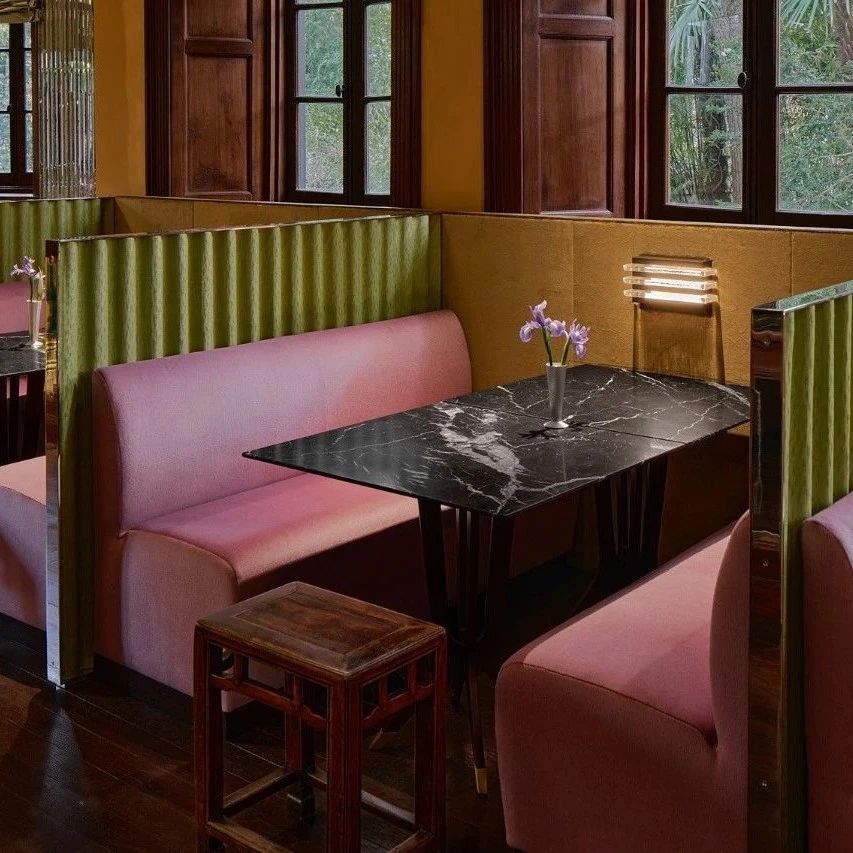
Group 1: Luxury Brands Entering the Restaurant Sector - Prada opened its first independent restaurant "迷上" in Shanghai, designed by renowned director Wong Kar-wai, blending Italian and Chinese culinary styles [1] - Other luxury brands like Gucci, Chanel, and Tiffany have previously explored the café sector in China, often as marketing strategies rather than standalone businesses [2] - The opening of "THE HALL" by Louis Vuitton in Chengdu marked a significant step for luxury brands in the full-service dining sector [2] Group 2: Operational Strategies and Market Trends - Many luxury dining projects are operated by third-party companies, indicating a reliance on specialized operators for successful execution [3] - Luxury brands aim to create experiential offerings that enhance customer engagement, with the goal of driving sales in their core product lines [3] - The shift in consumer behavior from shopping to experiential consumption is evident, necessitating adaptations in service models within the luxury sector [5] Group 3: Challenges in the Luxury Market - The luxury retail sector is facing challenges, with a reported 8% decline in retail rental income at Wynn Palace, reflecting a broader downturn in luxury consumption [6] - Despite an increase in tourist numbers and overall spending in Macau, per capita spending has significantly decreased, particularly among mainland Chinese tourists [6] - The luxury market may take several years to recover to pre-2019 levels, indicating a potential long-term shift in consumer preferences [6][7] Group 4: Changing Consumer Preferences - The luxury consumer landscape in China has evolved, with a notable decline in interest in traditional luxury brands like LVMH, as evidenced by a 2% drop in total revenue [7] - The emergence of alternative luxury offerings, such as local brands, suggests a shift in consumer loyalty and preferences away from established European luxury brands [7]

奢侈品开餐厅, 不再玩票
36氪未来消费· 2025-05-15 16:49
Core Viewpoint - The article discusses the trend of luxury brands entering the restaurant and café business in China, highlighting the blend of cultural influences and the strategic marketing behind these ventures [4][5][7]. Group 1: Luxury Brands and Restaurant Ventures - Prada opened its first independent restaurant "迷上" in Shanghai, designed by renowned director Wong Kar-wai, featuring a fusion menu that combines Italian and Chinese flavors [4]. - Other luxury brands like Gucci, Chanel, and Tiffany have previously explored café concepts in China, often as part of marketing strategies rather than standalone businesses [5]. - The success of these ventures is supported by third-party operators, such as 云觅餐饮集团 managing the kitchen for THE HALL restaurant by Louis Vuitton [6]. Group 2: Consumer Experience and Brand Strategy - Luxury brands focus on creating experiences that attract customers, with the aim of converting them into buyers of their primary products [7]. - The shift in consumer behavior from mere shopping to seeking experiences is evident, prompting brands to adapt their service models [8]. Group 3: Challenges in the Luxury Market - The luxury market in Macau is facing challenges, with a reported 8% decline in retail rental income at Wynn Palace, reflecting a downturn in luxury consumption [9]. - Despite an increase in tourist numbers, the average spending per visitor has significantly decreased, indicating a shift in consumer spending habits [10]. - The luxury sector may not return to its previous heights, with experts suggesting it could take several years to recover to 2018 and 2019 levels [10]. Group 4: Changing Consumer Preferences - Chinese consumers are not necessarily spending less; rather, they are shifting their preferences away from traditional luxury brands like LV [11].
那些朋友圈含蓄的狐假虎威
Hu Xiu· 2025-05-15 05:30
本文来自微信公众号:龙门客桟,作者:龙门客栈小二,题图来自:AI生成 朋友圈含蓄的狐假虎威——特指那些习惯性不好好说人话的朋友圈文案,这些文案如同用502胶水粘合 的社交尸块——一段文字描述中喜欢牵扯出与主题毫不相关的第三方人物与其深厚的title。使一段原本 正常的文字变得又臭又长,就差在自己脑门上按上了自动播放喇叭:"快看!我的社交链强大吧!",我 把他们统称为——当代人的人脉通货膨胀现象! 当他们在深夜按下朋友圈发送键时,仿佛会听见自己的社会信用评级又上调了0.5个基点似的。 朋友圈人脉通货膨胀实录: 一 浦东机场贵宾厅的插座总是接触不良,上次和红杉X总开电话会议时就吃过亏,今天特意带了国金中心 物业送的定制转换头——有些职场经验果然要交过学费才懂。 装逼点:红杉资本+国金中心+定制配件,用插座问题炫出阶级配件。 二 用AI做了一张肖像图(假的像动画片),配文:天秤座真的颜值担当! 同时在自己的留言区给自己留言:真的,我以前Sony影视制作公司的直属BOSS总经理姐姐也是天秤, 是真的美! 三 上次在武康路网红咖啡馆写方案时,隔壁桌投资人(参与过某独角兽B轮融资的FA的表弟),突然递来 名片说喜欢我的电 ...
服饰行业周度市场观察2025年第9周
艾瑞股份· 2025-03-11 05:37
Investment Rating - The report does not explicitly provide an investment rating for the apparel industry Core Insights - The apparel industry is witnessing a revival of basketball fashion, with brands like Balenciaga and NAMESAKE integrating retro elements into modern designs, appealing to the younger generation [2] - Gold jewelry brands are facing challenges due to rising gold prices, leading to a 24.69% year-on-year decline in gold jewelry consumption, while gold bars and coins saw a 24.54% increase in demand [3] - The outdoor sports market in China is projected to reach 600 billion yuan by 2025, with brands shifting focus to high-end outdoor apparel [4] - The luxury e-commerce market is showing signs of recovery, with Mytheresa reporting a 13.4% increase in net sales [7] - The luxury market is experiencing a downturn, with Kering and LVMH reporting significant sales declines, particularly in the Chinese market [8] Industry Environment Summary - Basketball fashion is expected to make a comeback by 2025, with a blend of retro and modern designs gaining popularity among Gen Z [2] - Rising gold prices are impacting gold jewelry consumption negatively, while innovative products are being introduced to attract younger consumers [3] - The surf culture is giving rise to new brands like Stockholm Surfboard Club, which combines Scandinavian culture with surfing elements [4] - Calvin Klein is returning to New York Fashion Week with a minimalist luxury approach, aiming to revive its brand identity [5] - The outdoor market is thriving, with high-end brands gaining traction as luxury consumers shift away from traditional luxury goods [6] Top Brand News Summary - Hermès is entering the haute couture market, planning to compete with established luxury brands [12] - Nike is launching a new brand, NikeSKIMS, in collaboration with Kim Kardashian's SKIMS, targeting the female fitness market [12] - Adidas is introducing a high-end line, A-Type, but faces challenges in brand positioning [13] - Supreme is revitalizing its brand through a collaboration with artist Damien Hirst, signaling a potential resurgence [14] - Love for minimalist designs is reflected in Nike's revival of its historical MoonShoe, aiming to attract consumers with its heritage [15] Investment Operations Summary - OTB Group reported a 4.4% decline in revenue for 2024, despite growth in direct channels [20] - Tapestry is selling its Stuart Weitzman brand for $105 million to focus on core brands [21] - Lao Pu Gold is experiencing a significant profit increase, with a projected net profit growth of 236% to 260% for 2024 [21] - Prada is evaluating a potential acquisition of Versace, indicating strategic moves within the luxury sector [22]
