华能国际

Search documents
火电A股上市公司ESG群像:低碳转型表现分化,5家纳入强信披
2 1 Shi Ji Jing Ji Bao Dao· 2025-12-26 04:09
Core Viewpoint - The coal power industry in China is undergoing a historic transformation from being a primary energy source to a key support for system regulation, with a focus on achieving higher levels of energy security and advancing green and low-carbon transitions [1] Group 1: Policy and Regulatory Environment - The national energy work conference has set a clear policy blueprint for the transformation of coal power, emphasizing the need for higher energy security and a solid push towards green and low-carbon transitions [1] - By 2026, five coal power listed companies will face their first ESG (Environmental, Social, and Governance) assessment, requiring them to enhance ESG governance and reporting in accordance with the guidelines [1] Group 2: Low-Carbon Transition Performance - A report by the Natural Resources Defense Council evaluated the low-carbon transition performance of 33 coal power listed companies, revealing a significant disparity in transition progress, with non-fossil energy development lagging behind the national average [2] - The profitability of coal power companies has rebounded due to falling coal prices and supportive policies, but reliance on short-term coal price declines for profit is unsustainable [3] Group 3: Challenges in Transition - Coal power companies face multiple pressures, including supply responsibilities, operational efficiency, and low-carbon transition, necessitating a shift from a single revenue model to a diversified structure that includes capacity and auxiliary services [3] - The transition is complicated by policy and funding challenges, market competition from renewable energy, and the need for management restructuring to accommodate carbon emission controls [5][6] Group 4: ESG Integration and Financial Implications - Integrating ESG into management is essential for coal power companies, as it is critical for achieving national carbon reduction goals and enhancing corporate value [7] - The global ESG investment fund size has reached $3.7 trillion, indicating that capital markets view ESG performance as a vital dimension for assessing long-term corporate value [8] Group 5: Future Trends and Strategies - The traditional power industry is moving from passive to proactive transformation, with five core development trends expected over the next five years, including the need for diversified revenue models and enhanced collaboration between coal and renewable energy [4] - The government has recognized the economic value of coal power in providing flexible and baseline power, and policies are being developed to support the transition and investment returns for coal power [9]




“国证能源可持续发展指数”在北京发布
Zhong Guo Xin Wen Wang· 2025-12-25 15:29
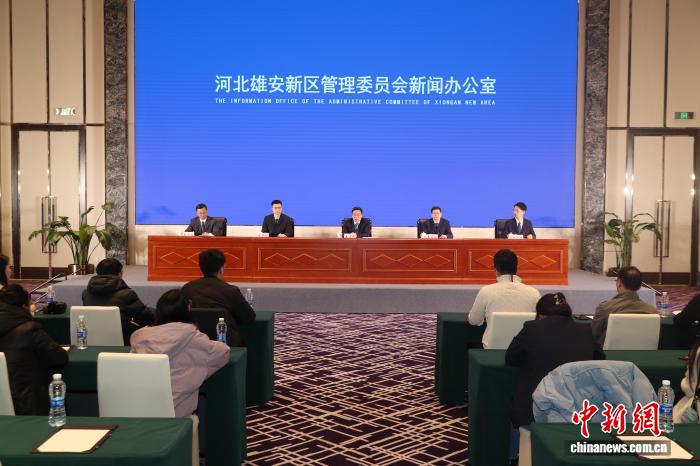
Group 1 - The "CNI Energy Sustainable Development Index" was officially launched at the "Energy Sustainable Development Seminar" held in Beijing, developed by the China Energy Research Society and Shenzhen Securities Information Co., Ltd [1][2] - The index includes 50 sample companies selected based on high ESG scores and strong profitability and growth potential, with a total market capitalization of 5.9 trillion yuan and an average market capitalization of 118.2 billion yuan [1] - The top ten companies by weight in the index account for a combined 65% of the total weight, including major players like China Yangtze Power, China Shenhua, and China Petroleum [1] Group 2 - The index serves as a "barometer" for measuring the sustainable development level of the energy industry and aims to connect industrial transformation with capital empowerment [2] - Future plans include the creation of ESG index funds (ETFs) that track the index, establishing a complete ecosystem of "standards leading - index representation - fund empowerment" to position the index as a core benchmark for ESG investment in the energy sector [2]
“能源ESG”指数正式发布,累计收益率达40%
2 1 Shi Ji Jing Ji Bao Dao· 2025-12-25 13:39
Core Viewpoint - The "CNI Energy Sustainable Development Index" (referred to as "Energy ESG") has been officially launched, aiming to fill the gap in the market for a specialized index focusing on the sustainable development of the energy sector, thereby guiding capital towards key areas such as renewable energy and green technology innovation [1][3]. Group 1: Index Overview - The "Energy ESG" index comprises 50 sample companies selected based on their ESG scores, profitability, and growth potential, with a total market capitalization of 5.9 trillion yuan and an average market capitalization of 118.2 billion yuan [2]. - The top ten companies in the index, including Changjiang Electric Power and China Shenhua, account for 65% of the index's weight [2]. - Since its base date of June 29, 2018, the index has achieved a cumulative return of 40%, with an annualized return of 5%, outperforming major market indices like the CSI 300 and CSI 500 [2]. Group 2: Trends in Energy Sustainability - The energy transition is entering a critical phase, with increasing attention from capital markets on the sustainable development capabilities of energy companies [3]. - Six major trends in energy sustainability have been identified, including the evolution of energy supply and demand patterns, with coal's share in power generation expected to drop below 50% by 2030 [3][4]. - The need for enhanced system regulation and energy storage capabilities is emphasized, with new types of storage solutions becoming increasingly important [4]. - The emergence of new industries and business models in the energy sector is driven by technological advancements, leading to rapid growth in areas such as smart microgrids and green manufacturing [4]. - The collaboration between electricity and carbon markets is being strengthened, with new policies being introduced to enhance resource allocation [4][5]. - The economic implications of energy transition are becoming more pronounced, necessitating a focus on optimizing system economics while ensuring a successful transition [5]. - International competition and cooperation in energy are evolving, with increased global interconnectivity and trade in new energy products like hydrogen [5]. Group 3: Company Initiatives - Changjiang Electric Power has set a target for its six hydropower stations to generate 2,959 billion kilowatt-hours by June 2024, which is projected to reduce carbon emissions by 243 million tons [6]. - China Shenhua has implemented a "mining while rehabilitating" model in its mining operations, achieving a 100% rehabilitation rate over 3,300 hectares, with vegetation coverage increasing from 20% to 80% [6].





“十四五”时期 雄安全社会研发投入年均增长37.5%
Zhong Guo Xin Wen Wang· 2025-12-25 11:12
Core Insights - During the "14th Five-Year Plan" period, Xiong'an New Area's total social R&D investment has increased by an average of 37.5% annually, with 61 new provincial and ministerial-level innovation platforms established and 454 national high-tech enterprises recognized [1][3] - The relocation of central enterprises such as China Star Network, China Sinochem, and China Huaneng to Xiong'an has created a strong "leading goose effect," resulting in over 400 various institutions being set up by central enterprises in the area [1][3] Group 1 - Xiong'an New Area is developing four major systems: a supply chain system led by China Star Network, a commercial satellite manufacturing industry chain led by aerospace technology, a large-scale application system led by three major telecom operators and terminal manufacturers, and a standard-setting and supporting service system led by the Aerospace Alliance [3] - The first "Xiong'an-made" satellite, "Xiong'an No. 1," has completed production, contributing to the formation of a trillion-level aerospace information industry cluster [3] Group 2 - Xiong'an has attracted over 4,000 sci-tech enterprises nationwide, showcasing more than 500 new technologies and releasing 182 innovative application scenarios in batches [3] - The "urban brain" of Xiong'an has been basically completed and put into use, enhancing the city's intelligence and safety through a comprehensive perception network [3]

雄安正在成为央企机构和创新业务板块集聚区
Xin Lang Cai Jing· 2025-12-25 11:12
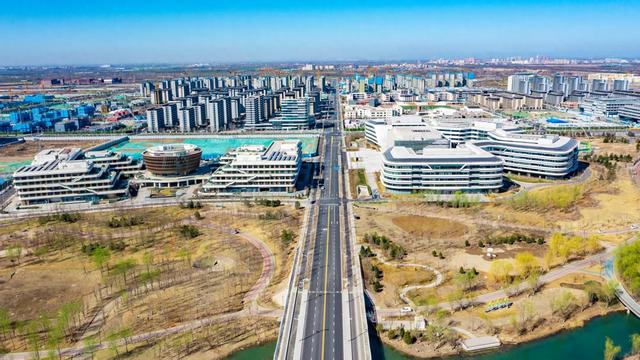
Core Insights - Xiong'an New Area has established itself as a hub for central enterprises and innovation, with 61 new provincial and ministerial-level innovation platforms and 454 recognized national high-tech enterprises during the 14th Five-Year Plan period [1][3]. Group 1: Industrial Development - The establishment of China Star Network has attracted over 60 enterprises in the aerospace information industry, contributing to the rapid development of a billion-level aerospace information industry cluster [3]. - Four major systems are forming: a supply chain system led by China Star Network, a commercial satellite manufacturing industry chain led by aerospace technology, a large-scale application system led by three major telecom operators, and a standards-setting and support service system led by the Aerospace Alliance [3]. - The first "Xiong'an-made" satellite, "Xiong'an No. 1," has completed production, marking a significant milestone in the region's aerospace industry [3]. Group 2: Innovation Ecosystem - Xiong'an focuses on three key industrial chains: aerospace information and satellite internet, new materials (additive manufacturing), and artificial intelligence, with over 200 key enterprises accumulated [4]. - The region has established various innovation platforms, including major innovation platforms for strategic layout, a national key laboratory for aerospace flight technology, and the operationalization of the Beijing-Tianjin-Hebei National Technology Innovation Center [4]. - A multi-layered innovation carrier structure has been created, including professional industrial parks, themed buildings, incubators, and maker spaces [4]. Group 3: Smart City Development - Xiong'an has developed a "digital foundation system, smart construction system, smart efficient operation system, and scenario-leading system," creating an intelligent urban ecosystem [6]. - The implementation of a "green wave" traffic system has reduced peak hour traffic times by 15 minutes, showcasing the effectiveness of smart governance [6]. - A comprehensive data platform has aggregated over 30 billion high-quality data entries, positioning Xiong'an among the top tier in data element innovation nationwide [6].
万亿投资筑底,央企疏解领航!雄安新区书写千年大计新答卷|2025中国经济年报
Sou Hu Cai Jing· 2025-12-25 10:42
Core Insights - Xiong'an New Area is transitioning from large-scale infrastructure construction to urban prosperity, focusing on the integration of non-capital functions from Beijing and promoting urban and industrial development [2] - The area has seen over 1 trillion yuan in cumulative investment over the past eight years, with an average annual investment of 200 billion yuan during the 14th Five-Year Plan period and a GDP growth rate of 17.1% [2] Group 1: Central Enterprises' Relocation - China Huaneng and China Sinochem have officially relocated their headquarters to Xiong'an, marking a significant milestone in the area’s development [3] - The successful establishment of these central enterprises sets a benchmark for subsequent projects, with over 400 central enterprises gathering in the region [3][4] - The relocation of these enterprises not only involves physical space but also ensures a smooth transition in business operations [4] Group 2: Industrial Ecosystem Restructuring - Xiong'an has attracted major energy central enterprises, including China Huaneng, China Huadian, and China Datang, forming a collaborative development model of "headquarters + R&D base + supporting enterprises" [5] - The area is also home to over 4,000 enterprises from Beijing, fostering an environment conducive to innovation and entrepreneurship [5] Group 3: Innovation and Development - The relocation of central enterprises is driving the restructuring of industrial chains, innovation chains, and resource flows, enhancing the region's innovative vitality [6] - Xiong'an has established 118 innovation platforms, including 53 at the provincial level, and has recognized numerous high-tech enterprises, indicating a robust innovation ecosystem [6] Group 4: Education and Research Integration - Four universities have set up 14 provincial-level key laboratories and two provincial-level technology innovation centers, promoting deep integration between academic research and industrial needs [7] - The relocation of financial services and cross-border financial centers is facilitating the flow of capital, technology, and talent in the region [7] Group 5: Green Development Initiatives - Xiong'an is positioning itself as a model for green low-carbon cities, with projects like distributed photovoltaic systems and green building standards being implemented [8] - The focus on green technology and sustainable practices is evident in the initiatives taken by relocated enterprises, contributing to the development of a modern green energy system [9]

多地打好保供“组合拳” 多措并举保障“迎峰大考”能源供应
Yang Shi Wang· 2025-12-25 08:52
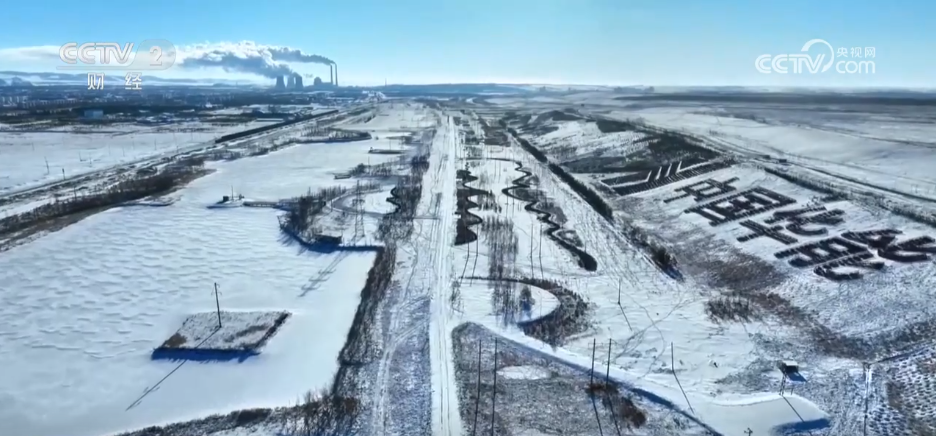
随着气温持续走低,全国能源保供进入"迎峰大考"的关键期。作为国家重要能源基地,眼下内蒙古各地能源企业开足马力,全力保障 今冬明春能源稳定供应。 位于内蒙古东北部的华能伊敏煤矿,今年投入了100多台无人电动矿卡,即便是在零下40多摄氏度的极寒环境下,也能实现90吨载重 下的稳定运输。目前这些矿卡日均运输量达9万立方米,为能源保供提供了坚实支撑。 记者从内蒙古自治区能源局了解到,今年内蒙古电煤保供任务7.95亿吨,承担全国2/3以上省份煤炭供应。截至目前,全区在产煤矿 290处,日产煤炭330万吨。 责任编辑:闫弘旭 在鄂尔多斯市补连塔煤矿,5G通信、物联网、人工智能等技术的深度应用,让煤炭开采更加高效。在智能集控中心,地下各工作面 的运行情况实时反馈到大屏幕上,工作人员通过预设程序,智能采煤机就能自动运行,实现了"少人化、无人化"的安全高效运转。 ...
“能源ESG”指数(980133)正式发布
Zheng Quan Shi Bao Wang· 2025-12-25 08:35
Core Insights - The "National Certificate Energy Sustainable Development Index" (referred to as "Energy ESG") was officially launched on December 25, developed by the China Energy Research Society and Shenzhen Securities Information Co., Ltd [1][2] - The index aims to serve as a benchmark for ESG investment in the energy sector, promoting green and low-carbon transformation [2] Group 1: Index Methodology - The selection process for the index involved ranking securities based on their average daily trading volume and market capitalization over the past six months, eliminating the bottom 20% [1] - The final sample consists of 50 companies with high ESG scores and strong profitability and growth potential, with a total market capitalization of 5.9 trillion yuan [1] - The average market capitalization of the sample companies is 118.2 billion yuan, with 12 companies exceeding 100 billion yuan in market value [1] Group 2: Sample Companies - The top ten companies by weight in the index include Yangtze Power, China Shenhua, China Petroleum, China Petrochemical, Shaanxi Coal and Chemical Industry, China Nuclear Power, CNOOC, Three Gorges Energy, Guodian Power, and Huaneng International, collectively accounting for 65% of the index [1] Group 3: Future Plans - The China Energy Research Society plans to collaborate with leading investment institutions to create ESG index funds (ETFs) that track the Energy ESG index, aiming to establish a complete ecosystem of "standards leading - index representation - fund empowerment" [2]
“能源ESG”指数正式发布
Zheng Quan Shi Bao Wang· 2025-12-25 08:23
Core Viewpoint - The "National Certificate Energy Sustainable Development Index" (Energy ESG) was officially launched, marking a significant step in promoting green and low-carbon transformation in the energy sector [1][2]. Group 1: Index Development - The index was developed by the China Energy Research Society and Shenzhen Securities Information Co., Ltd. [1] - The selection process involved ranking securities based on average daily trading volume and market capitalization, followed by ESG scoring to select the top 50 companies [1]. - The total market capitalization of the 50 sample companies is 5.9 trillion yuan, with an average market capitalization of 118.2 billion yuan [1]. Group 2: Sample Companies - The index includes companies with strong ESG scores, profitability, and growth potential, with 12 companies having a market capitalization exceeding 100 billion yuan [1]. - The top ten companies by weight in the index account for 65% of the total weight, including major players like China Yangtze Power, China Shenhua, and China Petroleum [1]. Group 3: Future Plans - The China Energy Research Society plans to collaborate with leading investment institutions to create ESG index funds (ETFs) that track the Energy ESG index [2]. - The goal is to establish a complete ecosystem that includes standard setting, index representation, and fund empowerment to position the index as a core benchmark for ESG investment in the energy sector [2].
国盛证券:11月社会用电、供电同比增长 建议关注火电灵活性改造龙头等
Zhi Tong Cai Jing· 2025-12-25 07:06
Core Insights - The report from Guosheng Securities highlights the growth in electricity consumption and production in China for the period from January to November, with significant increases noted in various sectors [1][2][3] Demand Side - In November, the total electricity consumption in China increased by 6.2% year-on-year, reaching 835.6 billion kilowatt-hours [1] - From January to November, the cumulative electricity consumption was 94,602 billion kilowatt-hours, reflecting a year-on-year growth of 5.2% [1] - The third industry and urban residents showed relatively high growth rates in electricity consumption, with the charging and battery swapping service industry and the information transmission, software, and IT services sectors being significant contributors [2] - The first industry's electricity demand grew steadily, with November's consumption up by 7.9% year-on-year [2] - The second industry's growth rate slowed, with November's consumption increasing by 4.4% year-on-year [2] Supply Side - Electricity production in November showed steady growth, with industrial power generation reaching 7,792 billion kilowatt-hours, a year-on-year increase of 2.7% [3] - The growth in various power generation types was noted, with hydropower increasing by 17.1% and wind power rebounding with a growth of 22.0% [3] - Coal-fired power generation saw a decline of 4.2% year-on-year in November, contrasting with previous months [3] Investment Recommendations - The report suggests focusing on high-dividend coal-fired power leaders and companies with stable electricity prices and coal-electricity integration, such as Huaneng International and Huadian International [4] - It also recommends investing in wind and solar sectors, highlighting companies like Xintian Green Energy and Longyuan Power [4] - For hydropower and nuclear power, companies such as Yangtze Power and China Nuclear Power are suggested for defensive investments [4] - In the gas sector, companies with stable dividends and profit recovery, like Chengran and Xin'ao Energy, are recommended [4]