罗氏

Search documents
一针抵一套豪宅,1800万/针天价救命药获批
2 1 Shi Ji Jing Ji Bao Dao· 2025-11-26 10:07
Core Insights - The approval of Itvisma by the FDA marks a significant advancement in gene therapy for spinal muscular atrophy (SMA), targeting patients aged two and older with specific genetic mutations [1][2] - Itvisma's wholesale price is set at $2.59 million, making it one of the most expensive drugs on the market, and it is positioned as a test for the market's tolerance for high-priced life-saving medications [1][3] - The global gene therapy market is expected to grow at an annual rate of over 20% in the next 5-10 years, driven by technological advancements and regulatory clarity [2][8] Company Insights - Novartis has invested heavily in gene therapy, with Zolgensma's development costs reaching $9.4 billion, including the acquisition of AveXis for $8.7 billion [3] - Zolgensma's pricing strategy has set a precedent in the industry, with its initial sales reaching $160 million in the first quarter post-launch and $1.37 billion in 2022 [6] - Itvisma is designed for a one-time administration, providing a functional human SMN1 gene to improve motor function, which could reduce the treatment burden compared to existing therapies [5][6] Industry Insights - The gene therapy market is projected to reach $9.03 billion in 2024 and grow to $64.64 billion by 2033, with a compound annual growth rate of 27.6% [8] - Major pharmaceutical companies are actively investing in gene therapy, with significant acquisitions such as Sanofi's $11.6 billion purchase of Bioverativ and Roche's $4.3 billion acquisition of Spark Therapeutics [9] - The industry faces challenges including high production costs, short shelf life of viral vectors, and the need for a balance between innovation incentives and drug accessibility [10][11]

一针抵一套豪宅,1800万/针天价救命药获批
21世纪经济报道· 2025-11-26 09:56
Core Viewpoint - The approval of Itvisma by Novartis marks a significant advancement in gene therapy for spinal muscular atrophy (SMA), with a price tag of $2.59 million, indicating the market's tolerance for high-cost life-saving drugs [1][2]. Group 1: Gene Therapy Market Dynamics - The global gene therapy market is at a turning point, expected to grow at an annual rate of over 20% in the next 5-10 years, driven by technological advancements, clearer regulatory pathways, and innovative payment models [2]. - The success of Zolgensma has validated the commercial viability of one-time curative treatments for single-gene hereditary diseases, setting a benchmark for future gene therapies in various fields [2]. - Currently, only three SMA drugs have been approved globally, with Itvisma being the only gene therapy product, highlighting its rarity and the high barriers to entry in the market [2]. Group 2: Pricing and Cost Justification - Novartis disclosed that the total R&D investment for Zolgensma reached $9.4 billion, including an $8.7 billion acquisition of AveXis [4]. - The pricing strategy for Zolgensma was significantly higher than industry estimates, with a suggested price range of $1.5 million to $5 million per patient, compared to UBS's estimate of $2 million and ICER's range of $310,000 to $1.5 million [4]. - The high price of Itvisma reflects a calculated commercial strategy, as the company aims to establish a strong market presence despite the high upfront costs associated with gene therapy development [2][4]. Group 3: Clinical Efficacy and Safety - Itvisma's approval was based on the results of the pivotal Phase 3 study STEER, which showed statistically significant improvements in motor function among treated patients, with effects sustained over a 52-week follow-up [5][6]. - The most common adverse events reported in the studies included upper respiratory infections and fever, indicating a consistent safety profile [5][6]. Group 4: Competitive Landscape - Itvisma competes directly with Spinraza, the first targeted SMA treatment, which has undergone significant price reductions in markets like China after being included in insurance coverage [7]. - The gene therapy market is expected to see explosive growth, with projections indicating a market size of $9.03 billion in 2024, increasing to $64.64 billion by 2033, driven by innovations in gene editing technologies and accelerated regulatory approvals [9]. Group 5: Industry Challenges and Future Outlook - The gene therapy sector faces challenges such as high production costs, short shelf life of viral vectors, and the need for stringent quality control, which can limit supply and increase prices [13]. - Balancing innovation incentives with drug accessibility remains a long-term issue for the industry, as the future of gene therapy will depend on its ability to reach a broader patient population beyond clinical settings [13].


全球制药业洞察 | 礼来领跑、诺和诺德落后:药企巨头2025年业绩指引
彭博Bloomberg· 2025-11-26 06:05
Core Insights - The article discusses the performance of major pharmaceutical companies in the third quarter, highlighting Eli Lilly's strong results and Novo Nordisk's struggles due to increased competition in the GLP-1 drug market [3][5]. Group 1: Company Performance - Eli Lilly led the industry with a 10% revenue increase, driven by strong sales of obesity drugs [3]. - Novo Nordisk's performance fell short of expectations, with a 2% revenue decline attributed to intensified competition in the GLP-1 drug sector [3][5]. - Roche's revenue was below expectations due to weak sales of key drugs, raising concerns about its long-term growth prospects [3]. - Other companies like GSK, Bristol-Myers Squibb, and AstraZeneca achieved low single-digit revenue growth, exceeding expectations due to strong core business performance [3]. Group 2: Earnings and Guidance - Pfizer's earnings exceeded expectations by 36%, benefiting from reduced sales, general and administrative expenses, and a lower tax rate [5]. - AbbVie raised its earnings guidance, while Bristol-Myers Squibb's guidance increase was driven by its growth-oriented business mix [7]. - Novo Nordisk has lowered its 2025 earnings guidance four times, leading to a downward adjustment in market expectations for its 2026 revenue and operating profit [7]. Group 3: Currency Impact - Currency fluctuations negatively impacted non-USD denominated pharmaceutical companies' revenues by an average of 5% in the third quarter, while USD-denominated companies saw a 1% benefit [9]. - If current exchange rates persist, non-USD companies are expected to face continued adverse effects on revenue, with potential declines against major currencies [9]. Group 4: Trade Agreements - Major pharmaceutical companies are seeking tariff relief through Most Favored Nation (MFN) agreements, which provide temporary tariff exemptions while requiring companies to continue domestic production [11]. - The impact of these agreements on profitability remains unclear, with Pfizer and Novo Nordisk expecting some negative effects on their 2026 financial forecasts [11][12].



“一针千万”基因疗法获批 巨头争相布局,能否攻克医学难题?
2 1 Shi Ji Jing Ji Bao Dao· 2025-11-25 23:29
Core Insights - The approval of Itvisma by the FDA marks a significant advancement in gene therapy for spinal muscular atrophy (SMA), targeting patients aged two and older with specific genetic mutations [1][2] - Itvisma's wholesale price is set at $2.59 million, making it one of the most expensive drugs on the market, and it is the first gene therapy approved for a broader patient demographic [1][3] - The global gene therapy market is expected to grow at an annual rate of over 20% in the next 5-10 years, driven by technological advancements and regulatory clarity [2][8] Pricing and Market Dynamics - The pricing strategy for Itvisma is influenced by the high R&D costs associated with gene therapies, with Zolgensma's development costing $9.4 billion [3][4] - The market for SMA treatments is currently limited, with only three approved drugs, highlighting Itvisma's unique position as a gene therapy product [2][4] - The competitive landscape is evolving, with companies focusing on gene editing and delivery systems, which may lead to increased competition and innovation [2][10] Clinical Efficacy and Safety - Itvisma's approval is based on significant improvements in motor function observed in clinical trials, with consistent safety profiles reported [4][5] - The treatment aims to provide a one-time solution by delivering a functional SMN1 gene, potentially reducing the need for ongoing therapies [5][6] Market Potential and Competition - The gene therapy market is projected to reach $90.3 billion by 2024, with a compound annual growth rate of 27.6% expected through 2033 [8] - Major pharmaceutical companies are actively investing in gene therapy, as evidenced by significant acquisitions and partnerships in the sector [9][10] - Itvisma will compete directly with Spinraza, the first SMA treatment, which has undergone significant price adjustments to improve accessibility [6][7] Future Outlook - The success of Itvisma could pave the way for further advancements in gene therapy, particularly for rare diseases, while also raising questions about drug pricing and accessibility [12][13] - Ongoing challenges include high production costs and the need for innovative delivery systems to enhance the efficacy and safety of gene therapies [11][12]
“一针千万”基因疗法获批!巨头争相布局,能否攻克医学难题?
2 1 Shi Ji Jing Ji Bao Dao· 2025-11-25 07:22
Core Viewpoint - The approval of Itvisma, a gene therapy priced at approximately $2.59 million, marks a significant milestone in the gene therapy market, raising questions about the sustainability of high-priced treatments and their accessibility for patients [1][12]. Gene Therapy Market Overview - The global gene therapy market is at a turning point, expected to grow at an annual rate of over 20% in the next 5-10 years, driven by technological advancements, clearer regulatory pathways, and innovative payment models [2][11]. - The market size is projected to reach $90.3 billion by 2024, increasing to $115.2 billion by 2025, and potentially reaching $646.4 billion by 2033, with a compound annual growth rate of 27.6% [7]. Itvisma and Competitive Landscape - Itvisma is the first gene therapy approved for a broader patient population with spinal muscular atrophy (SMA), highlighting its rarity and the high barriers to entry in the market [2][4]. - Itvisma's approval is based on significant clinical trial results showing improvements in motor function, with a consistent safety profile [4][5]. - The competitive landscape includes Spinraza, another SMA treatment, which has seen significant price reductions in markets like China, indicating the potential for price adjustments in response to market dynamics [6][12]. Pricing and Economic Considerations - The pricing strategy for Itvisma reflects the high R&D costs associated with gene therapies, with Zolgensma's development costing $9.4 billion [3][4]. - The debate over the "reasonable" price range for gene therapies continues, with various estimates significantly lower than the actual market prices [3][4]. Accessibility and Payment Models - The high cost of gene therapies raises concerns about patient accessibility, prompting discussions on innovative payment models, such as installment payments linked to treatment outcomes [12][13]. - The need for regulatory frameworks to balance innovation incentives with drug accessibility remains a critical issue for the industry [11][12]. Future Outlook - The gene therapy sector is expected to expand beyond rare diseases into more common conditions, driven by advancements in gene editing technologies and increasing regulatory approvals [11][12]. - Companies are focusing on production scalability and cost control to make therapies more affordable, which is essential for broader market penetration [12][13].
流感检测试剂卖爆9倍,奥司他韦销量暴涨237%!北京药店:库存充足
Bei Jing Shang Bao· 2025-11-25 04:49
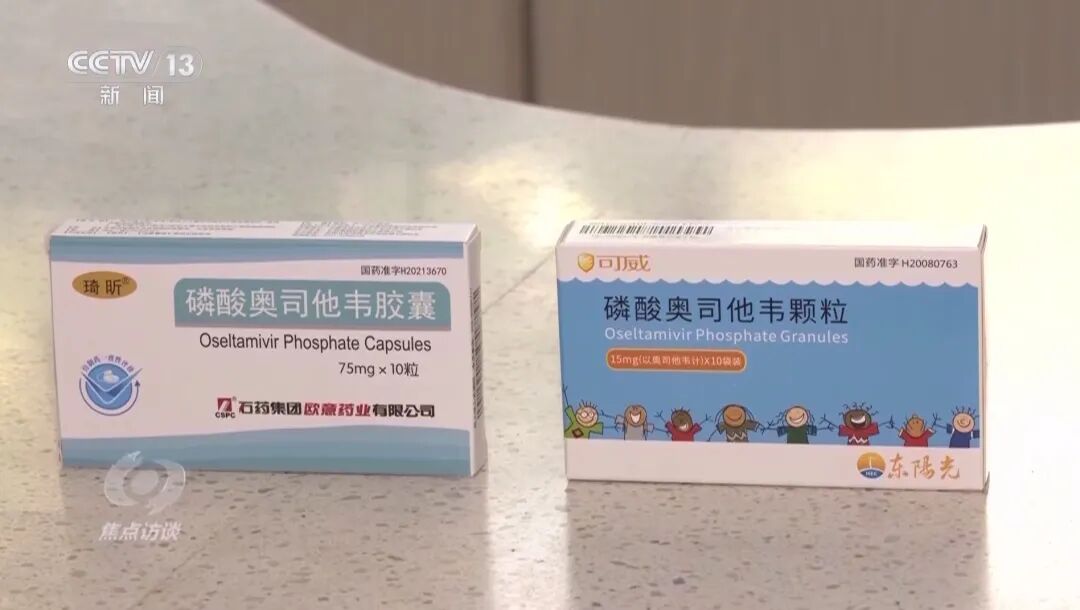
Group 1 - The demand for flu medications has surged recently, with significant increases in sales of Oseltamivir and Baloxavir, showing growth rates of 237% and 180% respectively in the past week [2] - Major e-commerce platforms like Meituan and JD.com have launched dedicated pages for flu season, providing medication guidance to patients [2] - Oseltamivir continues to dominate the flu medication market in China, holding over 70% market share, with East Sunshine Pharmaceutical's product accounting for 54.8% of the market by revenue [3] Group 2 - The sales of respiratory test kits for influenza have increased over nine times month-on-month since November, with significant growth observed in cities like Beijing, Shenyang, and Chengdu [3] - Vaccination against influenza is highlighted as the most cost-effective method to reduce infection and severe illness risks, with a surge in appointment bookings for flu vaccines in northern provinces [3] - There is a sufficient supply of quadrivalent flu vaccines, but the supply of quadrivalent subunit flu vaccines is tight, necessitating advance reservations [5]
从两个“超一千”看外资对上海“信任票”
Jie Fang Ri Bao· 2025-11-25 01:33
Group 1 - BASF integrates its Asia-based tetrahydrofuran business into its Caojing facility in China, ceasing production in Ulsan, South Korea, reflecting confidence in China's development amid global economic challenges [1] - Shanghai's foreign investment performance is strong, with 4,764 new foreign enterprises established in the first three quarters of the year, a 5.5% year-on-year increase, and actual foreign investment exceeding $380 billion [1] - Shanghai's actual foreign investment during the "14th Five-Year Plan" period has surpassed $100 billion, reaching $100.33 billion, ahead of schedule [1] Group 2 - Shanghai has the highest concentration of regional headquarters for multinational companies in mainland China, with 44 new recognitions this year, totaling 1,060 [2] - The business services sector, driven by headquarters economy, accounted for 58.83 billion USD in actual foreign investment, with its share rising from 40.7% to 48.8%, a year-on-year increase of 68.8% [2] - Policies supporting multinational company headquarters have been implemented to enhance their capabilities in various functions, including R&D and financial management [2] Group 3 - Roche invested 2.04 billion CNY in a biopharmaceutical base in Shanghai, expected to be completed by 2029 and operational by 2031, highlighting ongoing foreign investment in China's healthcare sector [3] - High-tech industries are becoming a new focus for foreign investment in Shanghai, with the share of high-tech industry investment rising from 23% during the "13th Five-Year Plan" to 33% during the "14th Five-Year Plan" [3] Group 4 - The establishment of the only Asian technology center by Evonik in Shanghai's Songjiang District signifies the city's attractiveness for foreign investment in new materials [4][5] - Zeiss signed a land use agreement for its largest infrastructure investment in China, marking significant progress for its Greater China headquarters project [5] Group 5 - Shanghai's consumer market is vibrant, with 848 new flagship stores opened from January to October, including 498 in the food and beverage sector and 275 in retail [6] - The opening of the world's largest LEGO theme park in Jinshan and the upcoming "Harry Potter Studio Tour" in Shanghai reflect the city's growing appeal in the tourism sector [6] Group 6 - The opening of the Waldorf Astoria in Shanghai adds to the city's status as a major destination for high-end tourism, with confidence expressed by Hilton's Asia-Pacific president [7]
需求激增 流感药“新老对决”
Bei Jing Shang Bao· 2025-11-24 15:52
Core Insights - The demand for influenza medications has surged with the onset of the flu season, particularly for Oseltamivir and Marbofloxacin, indicating a sustained high demand in the coming months [1][3] - Oseltamivir continues to dominate the market, holding over 70% market share, but new entrants like Marbofloxacin are gaining traction [4][8] - The overall influenza activity in China is on the rise, with the H3N2 strain being the predominant virus [2][3] Market Dynamics - Oseltamivir's sales have increased by over 237% recently, while Marbofloxacin's sales rose by 180% [3] - The influenza drug market in China is projected to reach 10.1 billion yuan in 2024 and grow to 11.6 billion yuan by 2030 [3] - The entry of new domestic drugs from companies like Qingfeng Pharmaceutical and Zhongsheng Pharmaceutical signifies a collective rise in China's pharmaceutical industry [7][8] Competitive Landscape - The market is evolving with both old and new drugs; Oseltamivir, despite its long-standing presence, faces challenges from newer medications that offer advantages like single-dose treatment [5][8] - Marbofloxacin was included in the national medical insurance directory shortly after its launch, highlighting its rapid market acceptance [5] - The competition is expected to intensify, focusing on price reductions and market access through insurance negotiations [9] Future Outlook - The flu medication market is likely to see a diversified competitive landscape, with a potential "multi-pillar" structure emerging [8][9] - Factors such as brand reputation, supply chain stability, and the ability to meet seasonal demand will play crucial roles in determining market success [9]

需求激增 解码流感药“战场”新格局
Bei Jing Shang Bao· 2025-11-24 12:56
Core Insights - The demand for influenza medications has surged with the onset of the flu season, particularly for Oseltamivir and Baloxavir Marboxil, indicating a sustained high demand in the coming months [1][4] - Oseltamivir continues to dominate the market, holding over 70% market share in 2024, but new entrants like Baloxavir Marboxil are gaining traction [6][10] - The overall influenza drug market in China is projected to reach 10.1 billion yuan by 2026 and increase to 11.6 billion yuan by 2030 [5] Market Dynamics - The flu season typically peaks from late December to early January, with a notable increase in flu activity reported across various provinces [3][4] - Recent data shows a significant increase in sales for Oseltamivir (up 237%) and Baloxavir Marboxil (up 180%) as flu cases rise [4][6] - The market is witnessing a shift with the entry of domestic pharmaceutical companies like Qingfeng Pharmaceutical, Zhongsheng Pharmaceutical, and Jichuan Pharmaceutical, which are introducing new flu medications [8][9] Competitive Landscape - Oseltamivir, known as a "miracle drug" for influenza, has faced challenges due to patent expirations and the emergence of generic competitors, leading to price reductions [6][10] - Baloxavir Marboxil has quickly gained market share since its introduction, being included in the national medical insurance directory shortly after its launch [7][9] - The market is evolving towards a "multi-polar" competition model, with established drugs like Oseltamivir and innovative new drugs from domestic companies coexisting [10][11] Future Outlook - The competition in the influenza drug market is expected to intensify, focusing on price negotiations for insurance coverage and the development of pediatric formulations [10] - The increasing awareness of influenza and the demand for effective treatments are driving innovation and market entry from various pharmaceutical companies [9][10]
需求激增,解码流感药“战场”新格局
Bei Jing Shang Bao· 2025-11-24 12:42
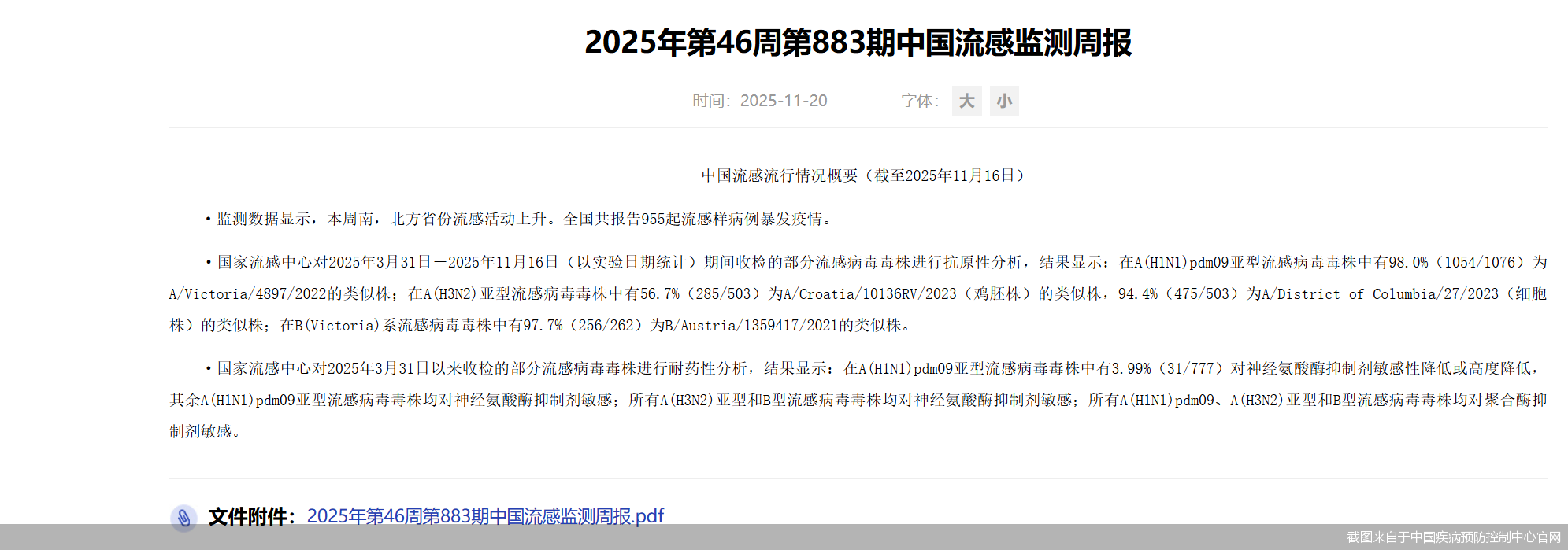
随着流感高发季来临,流感药需求也出现激增。数据显示,奥司他韦、玛巴洛沙韦等流感药物销量均出现明显增长。据了解,流感流行高峰一般出现在12月 中下旬至1月初,这意味着流感药物在未来一至两个月内仍将出现较高需求。在流感药物市场,奥司他韦长期占据主导地位。不过近年来,新一代的挑战者 频现。其中,玛巴洛沙韦在上市首年就被纳入国家医保目录,实现销量爆发。此外,青峰医药、众生药业、济川药业等多家国内药企的新药密集获批,涌入 流感药这片蓝海市场,给消费者带来更多选择。 奥司他韦销量增超两倍 据中国疾病预防控制中心官网,11月以来,流感病毒检测阳性率开始上升。其中最近一周南、北方省份流感活动均出现上升。 据了解,流感主要通过打喷嚏、咳嗽等经飞沫传播,在人群密集且密闭或通风不良的室内更易传播;也可以通过接触被病毒污染的物品,经口腔、鼻腔、眼 睛等黏膜直接或间接接触而感染。临床表现常以发热、头痛、肌肉关节酸痛为起病表现,常伴有咽痛、干咳、鼻塞、流涕等症状,还可出现畏寒、寒战、乏 力等全身症状。孕妇、婴幼儿、老年人和慢性病患者等高危人群,可因肺炎等并发症或基础疾病加重发展成重症病例。流感每年呈季节性流行,目前我国流 感活动上升明显 ...