Manus

Search documents
Stripe 闭门分享:营收增长快的 AI 企业,往往在定价、变现上做对了这三点
Founder Park· 2025-12-01 03:05
Core Insights - The pricing models for AI products have become more complex, with strategies such as usage-based billing, per-user fees, and outcome-based payments impacting growth [1][6][10] Group 1: Pricing Strategies - High-revenue AI companies often exhibit three common characteristics in their pricing and monetization strategies [10] - Flexibility in adjusting monetization models and pricing structures is crucial, with 80% of high-growth companies using tiered pricing as a primary strategy [11] - Usage-based pricing allows users to pay only for what they use, aligning costs with perceived value and reducing entry barriers [11][13] Group 2: Market Adaptation - High-growth companies actively expand their product offerings and market reach, with 64% offering at least 10 SKUs [15] - Supporting multiple currencies and local payment methods enhances conversion rates, as local pricing strategies are essential for international markets [15][38] Group 3: Tax Compliance and Registration - Companies must navigate complex tax compliance issues when expanding internationally, including monitoring tax obligations and registering with local tax authorities [22][23] - The choice of registration location impacts tax rates and Stripe fees, with many companies opting for jurisdictions like Singapore or Hong Kong for ease of registration and favorable tax conditions [30][31] Group 4: Payment Processing and Risk Management - Stripe offers solutions for managing cross-border payments, including adaptive pricing to mitigate currency fluctuation risks [33] - Companies can benefit from a single Stripe account for global transactions, but may consider multiple entities for localized payment processing as they scale [39][40] - Engaging with Stripe's business team during account setup can help mitigate risks associated with account restrictions and enhance operational stability [41][42]


从模型能力到生态布局,多款重磅产品发布,近期AI新鲜事还有这些……
红杉汇· 2025-11-27 00:04
Group 1: Google Product Launches - Google has launched two significant products: the Gemini 3 model and the AI-native IDE product Antigravity, marking a new era in AI and a step towards AGI [4][5] - Gemini 3 has achieved remarkable performance, surpassing competitors in various benchmark tests, and is integrated directly into Google Search [5][7] - The model demonstrates superior reasoning and multimodal understanding capabilities, making it effective for complex decision-making tasks, and is offered at a lower price point compared to competitors [5][8] Group 2: AI Developments and Trends - OpenAI has released the GPT-5.1 version, enhancing intelligence and user interaction by allowing customization of AI personality and tone [9][10] - The new version includes six preset dialogue modes and adaptive reasoning capabilities, aiming to create a more personalized user experience [11][13] - Manus has introduced the Browser Operator extension, enabling any browser to function as an AI assistant without requiring new applications or configurations, thus lowering the barrier for AI integration [12][14][15] Group 3: Industry Insights - The McKinsey 2025 AI Report reveals that while most companies are adopting AI, only a third have achieved scalable applications, highlighting a gap in effective utilization [16][17] - The report emphasizes that AI should not merely be a tool but a catalyst for innovation, urging companies to integrate it deeply into their core business processes [17] - Kimi K2 Thinking has emerged as a leading open-source model, outperforming previous benchmarks and redefining standards in the open-source AI sector [18][19] Group 4: Performance Upgrades - Grok 4 Fast has undergone a significant upgrade, expanding its context window to 2 million tokens, enhancing real-time AI reasoning capabilities [20][21] - The accuracy of reasoning modes has improved significantly, indicating a leap in performance quality for AI models [21]


Agent出海踩坑实录
3 6 Ke· 2025-11-19 09:58
Core Insights - The article discusses the challenges faced by Chinese AI startups attempting to expand into overseas markets, highlighting the cultural, operational, and regulatory differences that complicate their efforts [1][2][3]. Group 1: Market Opportunities and Challenges - AI products can achieve five times the revenue in overseas markets compared to domestic ones due to more mature payment awareness among users [1]. - The trend of Chinese startups going overseas is driven by a tightening investment environment in China, leading to a consensus among entrepreneurs to seek funding from foreign investors [2]. - The experience of Liu Tianqi, who faced project cancellations due to client mergers, illustrates the unpredictability and risks associated with overseas ventures [2][3]. Group 2: Product Development and Client Expectations - Liu Tianqi's team developed an AI design agent for the fast fashion industry, aiming to reduce costs and improve efficiency for a major U.S. retailer [3][4]. - The initial product development faced significant challenges, including the need for a specialized model to meet complex client requirements, which were not satisfied by existing open-source solutions [4][6]. - The project was ultimately halted due to the client's merger, emphasizing the importance of aligning AI tools with existing workflows in overseas companies [7]. Group 3: Marketing and Promotion Strategies - Effective marketing strategies differ significantly between domestic and overseas markets, with a strong emphasis on SEO in the U.S. [9][10]. - Despite achieving a top ranking on Product Hunt, the conversion rate was disappointing, highlighting the challenges of gaining traction in foreign markets [11][12]. - Building relationships with overseas KOLs (Key Opinion Leaders) requires a different approach, focusing on how products can benefit their followers rather than just financial incentives [14][15][16]. Group 4: Regulatory and Compliance Issues - Overseas startups face stricter compliance requirements, which can significantly increase operational costs and complicate product launches [19][20]. - The experience of Chen Kaijie illustrates the difficulties in navigating regulatory hurdles, particularly concerning data privacy and user consent in the U.S. and Europe [20][21]. - The increasing competition in the AI agent market, coupled with tightening investment conditions, poses additional challenges for startups seeking to establish themselves abroad [22].

在全球最大的科技峰会现场,他们用DeepSeek养出迷你“独角兽”
虎嗅APP· 2025-11-15 09:17
Core Insights - The article discusses the emergence of new AI startups at the Web Summit, highlighting the potential for innovation in various countries beyond traditional tech hubs like Silicon Valley and Beijing [2][3][7]. Group 1: AI Startup Landscape - The Web Summit has become a platform for showcasing AI startups from diverse regions, including Brazil, Turkey, and Poland, which are skipping traditional SaaS models to enter the AI-native era [5][8]. - Many startups are focusing on niche problems within their local markets, demonstrating a trend where AI applications are tailored to specific user needs [5][9]. - The rise of AI is evident in sectors like sales and programming, with AI agents becoming increasingly specialized and integrated into business processes [5][28]. Group 2: Global AI Adoption - Smaller countries are leveraging AI to revitalize their economies, with examples like Lovable in Sweden achieving rapid growth and user adoption [7][8]. - The article notes that many startups are self-funded and not as reliant on external financing, indicating a different approach to growth compared to their counterparts in the US and China [5][9]. - AI is reshaping organizational structures, with many startups operating with minimal full-time staff and relying on freelance talent [17][19]. Group 3: Innovative Applications - Several startups are developing unique AI applications, such as Hablla in Brazil, which utilizes WhatsApp for personalized marketing, and Lyway in South Korea, focusing on AI-driven language testing [14][15]. - The article highlights the importance of product understanding and user engagement in the AI space, as seen with companies like Headway, which has successfully gamified learning experiences [24][25]. - AI applications are increasingly being designed to address specific industry needs, such as manufacturing and sales, showcasing the versatility of AI technology [28].

AI Agent现翻倍式增长,RaaS模式成行业发展核心动力
Sou Hu Cai Jing· 2025-10-31 08:56
Core Insights - The evolution of AI products is transitioning from Chatbots to AI Agents, which are expected to become the mainstream form of AI applications in the next phase [1][8] - The adoption rate of AI Agents in enterprises is projected to increase significantly, driven by commercial value [1][8] - Major tech companies like OpenAI, Google, and Lenovo are actively developing and upgrading their AI Agent products, leading to commercial success and enhanced corporate value [1][2][8] Industry Trends - AI Agents are facilitating a shift in enterprise budgets from "buying tools" to "buying results," creating favorable conditions for the growth of the Agent ecosystem [1][7] - The global AI Agent market is expected to see substantial growth, with revenues projected to exceed $5 billion in 2024 and reach $10 billion by 2025, with a CAGR of 44.9% from 2024 to 2032 [8][10] - The demand for AI Agents is driven by their ability to enhance productivity and deliver measurable ROI, particularly for B2B clients [4][6][11] Company Developments - Lenovo has launched a comprehensive upgrade of its AI Agents, introducing three major types of super Agents aimed at personal, enterprise, and urban applications [2][5] - Lenovo's enterprise AI Agent has generated 1.89 billion yuan in revenue within six months, demonstrating significant user engagement and improved conversion rates [10] - OpenAI's investment in the startup Cursor has led to a remarkable achievement of $100 million ARR within 12 months, highlighting the rapid growth potential in the AI Agent space [10] Competitive Landscape - The competition among AI Agent providers is intensifying, with companies needing to lower deployment costs and enhance efficiency to maintain market position [12][15] - A shift towards a results-based payment model (RaaS) is emerging, where companies pay based on the actual business outcomes delivered by AI Agents [11][12] - IDC reports indicate that 70% of enterprises are considering changing or adding AI platform suppliers, reflecting a dynamic market environment [10][11]


独家|LiblibAI融资1.3亿美金,红杉CMC领投
3 6 Ke· 2025-10-30 17:09
Group 1 - LiblibAI recently completed a $130 million Series B funding round, led by Sequoia China, CMC Capital, and a major strategic investor, marking the largest publicly disclosed financing in China's AI application sector this year [1] - The company has transitioned from a model community to a one-stop AI creation studio with the release of version 2.0, reflecting its aggressive business strategy and rapid financing pace [1] - Despite the significant funding, LiblibAI has not yet achieved full profitability, which may be a reason for its continued fundraising efforts [1][2] Group 2 - LiblibAI's early struggles included a near bankruptcy experience, having raised $3.5 million in angel funding at a $15 million valuation, but faced challenges such as being delisted due to incomplete model registration [2] - The company initially believed that securing funding would allow them to focus on business development, but after facing financial difficulties, they shifted their perspective on fundraising [3] - LiblibAI has since raised over $20 million in three funding rounds within a few months, indicating a strategic pivot to prepare for future growth [3] Group 3 - The AI application sector is experiencing a Matthew effect, where only one dominant player is expected to emerge in each niche, emphasizing the importance of rapid growth and market leadership [4]
全球汽车行业大裁员,高额补偿却成了焦点
吴晓波频道· 2025-10-26 00:21
Core Viewpoint - The article discusses the ongoing "optimization" wave in the global automotive industry, highlighting the challenges companies face in balancing employee rights, corporate image, and long-term competitiveness [2][28]. Group 1: Industry Overview - Major automotive companies are announcing significant layoffs, with a total of 133,100 positions being cut across various firms, including Mercedes-Benz (30,000), Audi (7,500), and Ford (5,000) [3][4]. - The optimization trend is affecting the entire automotive supply chain, with companies like ZF Friedrichshafen and Bosch also planning substantial job cuts [4]. Group 2: Employee Compensation and Support - Mercedes-Benz is offering a voluntary departure plan with compensation up to 400,000 RMB, which has sparked discussions about employee treatment during layoffs [4][5]. - Volvo has allocated 1.5 billion SEK (approximately 1.134 billion RMB) for its optimization plan, providing an average of 380,000 RMB per departing employee [5]. Group 3: Global Comparison of Layoff Policies - Different countries have varying approaches to employee compensation during layoffs, with South Korea requiring severance pay based on tenure and France offering compensation based on years of service [8][9]. - In the UK, employees must work for at least two years to qualify for severance pay, while in Canada, the compensation is based on years of service with a minimum payout [9][10]. Group 4: Legal and Compliance Considerations - Companies must navigate legal requirements when implementing layoffs, including providing adequate notice and compensation as mandated by local labor laws [21][40]. - The article emphasizes the importance of compliance to avoid legal challenges and reputational damage, suggesting that companies should embed compliance into their decision-making processes [41]. Group 5: Strategic Recommendations for Companies - Companies are encouraged to adopt transparent and humane optimization strategies, including clear communication and support programs for affected employees [32][36]. - The article suggests that businesses should focus on retaining key talent and maintaining morale among remaining employees to ensure long-term operational efficiency [27][38].



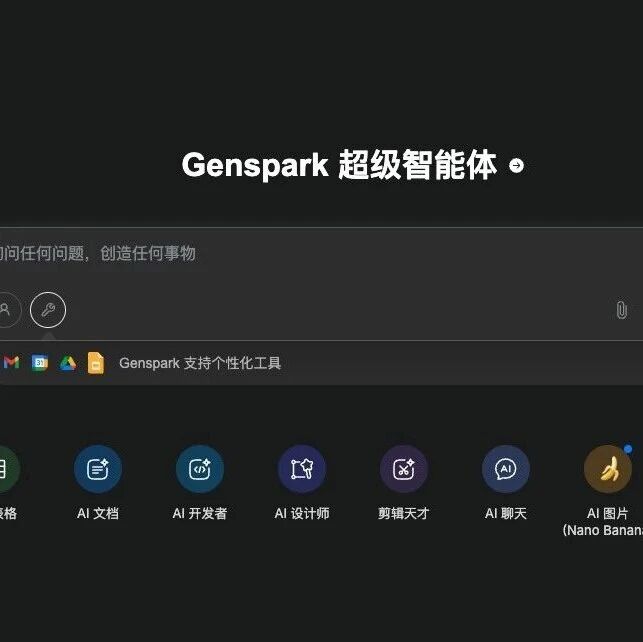
速递|前百度高管创Genspark估值超10亿美元,超越Manus,获红杉中国领投
Z Potentials· 2025-10-24 08:18
Core Insights - Genspark, a startup founded by former Baidu executives, has achieved a valuation exceeding $1 billion following its recent funding round [3] - The company launched its general AI Agent, Super Agent, in April and has since added multiple features, with annual recurring revenue surpassing $50 million just five months post-launch [3] - Genspark is seeking over $200 million in this funding round, with Sequoia China leading the investment, and potential investors including LG Technology Ventures and Japan's SBI Investment Group [3] Company Overview - Genspark was co-founded by Eric Jing and Kay Zhu, both former executives at Baidu [3] - The startup has over 40 employees across the US and Japan, recently establishing an office in Japan [3] - Sequoia Capital, which is backing Genspark, is also an investor in Genspark's competitor, Manus [3] Market Trends - AI Agents are projected to be one of the most significant technology trends by 2025 [3] - Genspark's previous funding round earlier this year valued the company at approximately $500 million [3]
传媒行业周报:谷歌发布Veo3.1,吉比特业绩高增-20251021
Guoyuan Securities· 2025-10-21 04:41
Investment Rating - The report maintains a "Buy" rating for the media industry, indicating a positive outlook for the sector [7]. Core Insights - The media industry experienced a weekly decline of 6.27%, ranking 30th among industries, while the Shanghai Composite Index fell by 1.47% [2][13]. - Key companies such as *ST Rebate, Yue Media, and Tianwei Video performed well, while JiBit saw a significant drop of 14.97% [21][22]. - The report highlights strong growth in AI applications and cultural exports, with a focus on gaming, IP, short dramas, and publishing sectors [5][37]. Summary by Sections Market Performance - The media industry saw a decline of 6.27% from October 11 to October 17, 2025, with the gaming sector down 8.21% and advertising down 5.31% [2][13]. Key Industry Data - AI Applications: iOS download estimates for Deepseek, Doubao, Quark, and Tencent Yuanbao were 493,100, 2,098,800, 749,500, and 1,239,300 respectively, with significant growth in Deepseek and Tencent Yuanbao [3][25]. - Gaming: The iOS game sales chart for October 16, 2025, was led by "Honor of Kings," "Delta Action," and "Golden Shovel Battle" [4][28]. - Film: The total box office for the week was 262 million, with "Volunteer Army: Blood and Peace" leading at 55.88 million [33]. Industry Events and Announcements - Microsoft launched its first self-developed image generation model, MAI-Image-1, which shows promising capabilities in generating realistic images [35]. - JiBit announced a projected net profit increase of 57% to 86% for the first three quarters of 2025 [37]. Investment Recommendations - The report recommends focusing on themes such as AI applications and cultural exports, with specific attention to companies like Giant Network, JiBit, and Kuaishou [5][37].

当AI回答一切,企业家最该问什么?
Sou Hu Cai Jing· 2025-10-15 10:18
Core Insights - The article emphasizes the transition from the "Age of AI Exploration" to the "Gold Rush Era" in 2025, highlighting the potential for significant value creation across various industries through AI integration [2] - There is a shift in focus among entrepreneurs from model parameters to practical applications of AI in their respective industries, with a strong emphasis on leveraging unique internal data and industry expertise as key growth drivers [3][4] Industry Trends - The fourth season of the program "Yi Wen" focuses on "Enterprise Innovation and Transformation in the AI Era," featuring leaders from benchmark companies sharing their insights on AI-related challenges and opportunities [4][6] - The program aims to inspire individuals and businesses by exploring the intersection of AI innovation and transformation, with a particular focus on how companies can redefine their strategies in light of AI advancements [4][8] Company Strategies - Companies are encouraged to view the current wave of AI technology not just as a means to optimize existing operations but as a strategic lever for innovation and organizational transformation [6][7] - The article highlights several companies, such as Rokid, BrainCo, and Manus, that are actively reshaping their industries by integrating AI into their core business models [6][7] Key Questions for Businesses - The article poses critical questions for businesses at the strategic crossroads, including how to effectively integrate AI into their operations, the boundaries of AI investment, and the cultural shifts required to support AI initiatives [7][8] - It emphasizes the importance of moving from being mere "users" of AI to becoming "AI changemakers" by leveraging unique industry knowledge and data assets [7][8]