
老百姓

Search documents
药店行业新业态-一千店千面,开启差异化发展路线
2025-09-15 01:49
Summary of Conference Call on Pharmacy Industry Industry Overview - The pharmacy industry is undergoing a transformation towards differentiation due to long-term profit erosion from drug sales. Future directions include professional monetization (embracing medical insurance and commercial insurance) and diversified transformation, characterized by the "thousand stores, thousand faces" approach and digital product selection [1][2]. Key Points and Arguments - **Challenges Facing the Pharmacy Industry**: The industry is experiencing slow growth due to economic changes, policy adjustments, and shifts in consumer habits post-pandemic. The trend of medical insurance cost control is impacting profitability [2][5]. - **Head Pharmacy Initiatives**: Leading pharmacies like YaoXingTang and YiFeng have cleared unprofitable stores and are piloting store upgrades. These upgrades are expected to significantly impact performance and valuation in 2025 and 2026 [3][4]. - **Market Valuation**: Current pharmacy valuations are at historical lows, indicating potential for upward movement as the industry undergoes transformation [4]. - **Membership System Issues**: The aging membership system is a concern, with 2024 data showing that average member consumption in the pharmacy industry is 69%. There is a need for younger consumer engagement [5]. - **Japanese Experience**: Japan's separation of medicine and pharmacy has led to significant increases in prescription outflow, providing a model for China to enhance its pharmacy ecosystem [6][7]. Additional Important Insights - **Diverse Product Strategies**: Pharmacies are diversifying their product offerings beyond medical insurance products to include items like beauty products and medical devices, which can enhance revenue and attract new customers [3][11]. - **Store Layout Strategies**: Pharmacies are adjusting their layouts based on customer demographics, such as introducing blind box products in areas with a high concentration of students [12]. - **Digital Transformation**: Leading pharmacies are advancing digital initiatives to monitor sales data, which will enhance operational efficiency and profitability [14]. - **Investment Opportunities**: Investors are encouraged to focus on companies like YaoXingTang and YiFeng, which are actively pursuing store renovations and innovative strategies to improve performance and valuation [15]. Conclusion The pharmacy industry is at a pivotal point, with significant challenges and opportunities for transformation. The focus on differentiation, digitalization, and adapting to consumer needs will be crucial for future growth and profitability.
“老百姓盼的,就是我们要干的”
Ren Min Ri Bao· 2025-09-14 22:03
Core Points - The article highlights the successful implementation of natural gas access for residents in the Beidaying community of Shenyang, marking a significant improvement in their living conditions [1][2][4] - The initiative is part of a broader municipal effort to address historical issues in old residential areas, focusing on enhancing service efficiency and ensuring safety [2][3] Group 1: Community Impact - Residents in the Beidaying community have transitioned from using liquefied gas tanks to natural gas, significantly improving convenience and safety [1][2] - The project has resolved a long-standing issue for 98 households, allowing them to cook more easily and safely [2][4] Group 2: Implementation Strategy - The Shenyang municipal government has launched a special action plan aimed at addressing residents' concerns and improving living conditions in old neighborhoods [2][3] - The project involved extensive community engagement, including pre-construction surveys and feedback collection to ensure the needs of residents were met [3] Group 3: Technical Execution - The construction approach prioritized minimal disruption to existing home interiors, opting for external piping solutions where necessary [3] - Safety measures were emphasized, including professional corrosion treatment of pipes and regular maintenance checks to prevent gas leaks [3] Group 4: Future Plans - The Shenyang government plans to complete 160 kilometers of gas pipeline installation within the year, benefiting over 30,000 households in old residential areas [4]

穆长春:老百姓手握不生息资产会失去货币的时间价值
Sou Hu Cai Jing· 2025-09-14 11:56
Core Insights - The digital renminbi is currently classified as M0 (cash) and does not earn interest, which may lead to a loss of time value for idle assets held by individuals and businesses [2][3] Group 1: Digital Renminbi Development - The People's Bank of China (PBOC) has made significant progress in the pilot implementation of the digital renminbi, necessitating reforms and upgrades in both theory and practice [2] - The digital renminbi operates under a 100% reserve requirement, meaning that funds deposited into digital wallets are returned to the central bank [2] - There is a need to enhance the monetary derivation capacity of the digital renminbi as the economy develops [2] Group 2: Monetary Framework and Historical Context - Upgrading the measurement framework of the digital renminbi is essential to align the money supply with economic growth and price expectations, while also increasing the engagement of commercial banks and users [3] - Historical changes in currency forms have been driven by technological advancements and economic development, highlighting the need for a legal digital currency to maintain monetary unity and financial system security [4] - The dual-layer operational structure of the digital renminbi is designed to address the integration of central bank and commercial bank currencies, ensuring the maintenance of monetary unity and financial safety [4]

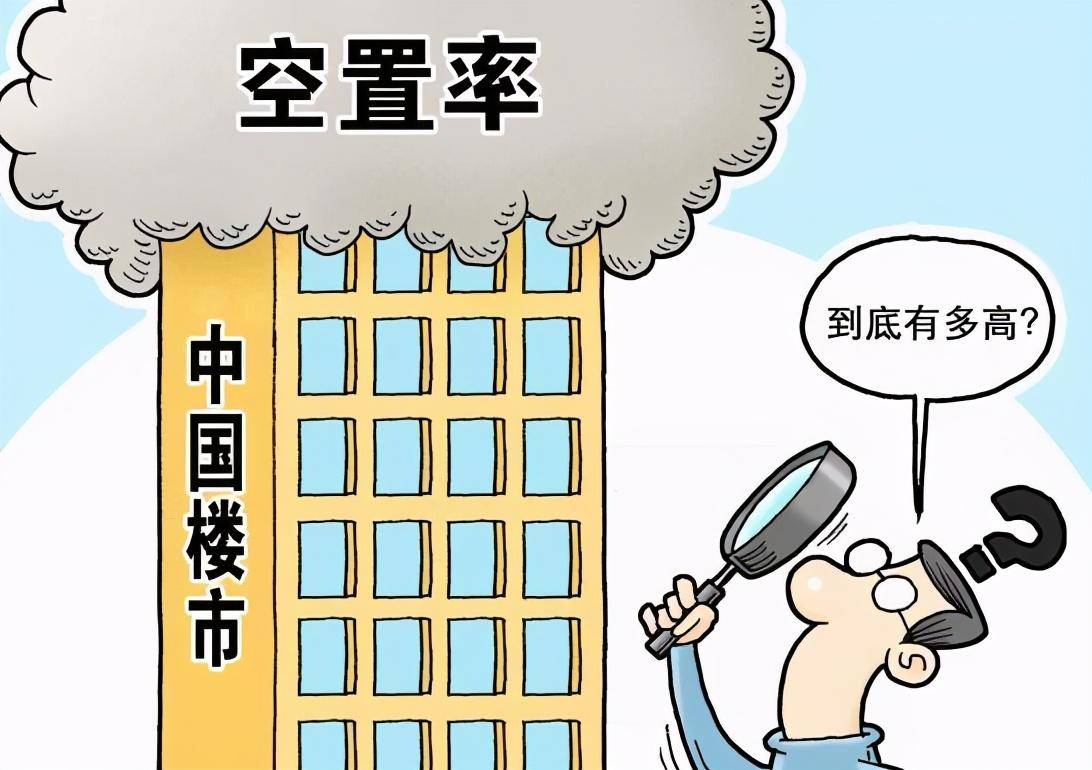
住房数量已过剩,老百姓仍买不起房,如何解决?解决方案来了
Sou Hu Cai Jing· 2025-09-14 11:47
Core Insights - The article highlights the paradox of housing surplus and affordability issues in China, indicating a mismatch between housing supply and demand, as well as income levels [1][2][5]. Housing Supply and Demand - As of 2025, the total urban housing area in China reached 3.3 billion square meters, with an average of 1.15 housing units per household, indicating an oversupply [1]. - The national vacancy rate for commercial housing was 17.3% as of June 2025, an increase of 2.1 percentage points from the same period in 2024 [1]. Distribution and Structural Issues - Housing demand is concentrated in first- and second-tier cities, with a vacancy rate of only 8.7%, while third- and fourth-tier cities face a high vacancy rate of 22.5% [4]. - There is a disproportionate supply of large and high-end housing, with only 23% of housing units being smaller than 70 square meters, which are more suitable for young and middle-income families [4]. - The average price of commercial housing reached 11,723 yuan per square meter in the first half of 2025, while the average disposable income for urban residents was 25,876 yuan per half year, requiring 10.5 years of income to afford a 90-square-meter unit [4]. Causes of the Housing Market Imbalance - The reliance on land finance has led local governments to maintain high land prices, contributing to elevated housing prices [6]. - The perception of real estate as a primary investment vehicle has resulted in 21.3% of urban households owning multiple properties, further inflating prices [6]. - Urban development disparities have caused population concentration in major cities, driving up prices in those areas while leaving properties in smaller cities vacant [7]. - Financial leverage through low down payments and interest rates has allowed buyers to purchase beyond their means, indirectly raising housing prices [8]. Proposed Solutions - Development of a long-term rental market to shift societal perceptions about renting and enhance legal protections for tenants [11]. - Adjusting housing supply to increase the proportion of smaller units to meet the needs of diverse demographic groups [12]. - Implementation of shared ownership housing models to lower entry barriers for homebuyers [14]. - Activation of existing vacant housing through policies like vacancy taxes and support for elderly housing resources [15]. - Expansion of affordable housing initiatives, with a target of adding 5 million units over the next five years [17]. - Exploration of "rent-to-own" models to reduce purchasing risks for first-time buyers [18]. - Differentiated regulatory approaches tailored to the specific housing challenges faced by different cities [19]. Long-term Reforms - Breaking the dependency on land finance to disrupt the cycle of high land and housing prices [20]. - Changing the perception of housing as the sole appreciating asset to encourage investment in diverse sectors [21]. - Promoting balanced urban development to mitigate population concentration in major cities [22]. Individual Strategies - Encouraging a rational approach to home buying, focusing on actual needs rather than speculative investments [24]. - Advocating for diversified asset allocation to reduce risk and enhance returns [25]. - Flexibility in housing choices based on personal financial situations and lifestyle needs [26]. - Staying informed about policy changes to leverage potential housing benefits [27].
高管“走马灯”、净利润下滑20%,老百姓大药房如何破局?
Xin Lang Zheng Quan· 2025-09-12 06:52
Group 1 - The core viewpoint of the article highlights the financial struggles of the leading A-share listed chain pharmacy, Lao Bai Xing Pharmacy, as it reports a slight decline in revenue and a significant drop in net profit for the first half of 2025 [1][2] - The company achieved a revenue of 10.774 billion yuan, a year-on-year decrease of 1.51%, and a net profit attributable to shareholders of 398 million yuan, down 20.86% year-on-year, indicating continued pressure on performance [1] - Lao Bai Xing Pharmacy operates over 15,000 stores across 18 provinces and more than 150 cities, maintaining its leading position in store scale, with a notable increase in franchise stores [1] Group 2 - The decline in net profit is attributed to a decrease in gross margin and a significant increase in R&D investment, with gross margin dropping by 1.24 percentage points to 33.08% due to the rising sales proportion of new retail business [1] - R&D expenses surged to 36.89 million yuan compared to 420,000 yuan in the same period last year, with personnel costs for R&D reaching 28.57 million yuan [1] - The company experienced high-level personnel changes during the reporting period, including the departure of the vice president and president, leading to the founder taking on dual roles as chairman and president [2] Group 3 - The company has faced a continuous decline in performance, with a 44.13% year-on-year drop in net profit for the entire year of 2024, amidst a broader industry slowdown [2] - The major shareholder initiated a plan to reduce holdings by up to 3%, resulting in the sale of 18.11 million shares, cashing out over 340 million yuan, which raises concerns about the company's stability [2] - The competitive landscape in the pharmaceutical retail industry is intensifying, with the need for the company to stabilize its team and enhance profitability becoming increasingly critical [2]
国家终于对高房价出手!楼市传来好消息,老百姓的钱袋子守住了
Sou Hu Cai Jing· 2025-09-11 23:06
Group 1: Market Challenges - The national real estate development investment decreased by 11.2% year-on-year in the first half of 2025, with residential investment down by 10.4% [3] - New construction area saw a significant decline, with total new housing starts down by 20.0% and residential starts down by 19.6% [3] - The real estate development climate index was only 93.60 in June, indicating substantial downward pressure on the market [3] Group 2: Policy Responses - The government is implementing a series of targeted policies to stabilize the real estate market, emphasizing the importance of a new development model for sustainable growth [5] - The central bank reduced the reserve requirement ratio by 0.5 percentage points, releasing 1 trillion yuan in long-term liquidity, and lowered the 5-year LPR to 3.5% [6] - Plans for constructing 1.72 million units of various types of affordable housing in 2025 aim to address housing difficulties for new citizens and young people [6] Group 3: Financial Measures - The average interest rate for existing home loans is expected to decrease by approximately 0.5 percentage points, benefiting around 50 million households and saving them about 150 billion yuan in interest [7] - The government is promoting the "保交楼" initiative, which has successfully delivered 2.46 million homes, to stabilize market confidence [12][16] Group 4: Future Outlook - The real estate market is transitioning from a focus on growth to a balanced approach of maintaining both inventory and new supply, with significant potential demand remaining [14] - The emphasis on quality, stability, and sustainable development marks a shift in the real estate sector, necessitating close attention to policy changes and market dynamics [16]

医药商业板块9月10日跌0.29%,大参林领跌,主力资金净流出1187.33万元
Zheng Xing Xing Ye Ri Bao· 2025-09-10 08:30
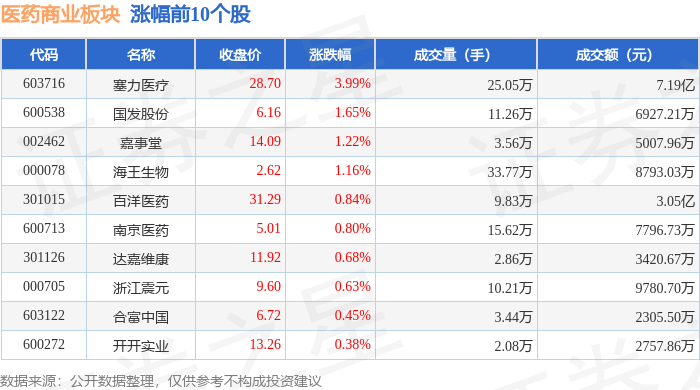
Market Overview - The pharmaceutical commercial sector experienced a decline of 0.29% on September 10, with Dazhenglin leading the drop [1] - The Shanghai Composite Index closed at 3812.22, up 0.13%, while the Shenzhen Component Index closed at 12557.68, up 0.38% [1] Stock Performance - Key stocks in the pharmaceutical commercial sector showed varied performance, with Seer Medical (603716) rising by 3.99% to a closing price of 28.70, and Dazhenglin (603233) falling by 2.37% to 17.30 [1][2] - Other notable gainers included Guofa Co. (600538) with a 1.65% increase and Dazhangzhang (002462) with a 1.22% increase [1] Trading Volume and Value - Seer Medical had a trading volume of 250,500 shares and a transaction value of 719 million yuan, while Dazhenglin had a trading volume of 77,200 shares and a transaction value of 134 million yuan [1][2] Capital Flow - The pharmaceutical commercial sector saw a net outflow of 11.87 million yuan from institutional investors and 50.86 million yuan from speculative funds, while retail investors contributed a net inflow of 62.74 million yuan [2] - Specific stocks like Seer Medical and Jiuzhoutong (600998) had significant net inflows from institutional investors, while others like Yifeng Pharmacy (603939) experienced net outflows from both institutional and speculative funds [3]


中信建投:当前药店行业温和恢复 转型有望催化估值提升
智通财经网· 2025-09-10 06:21
Core Insights - The traditional pharmacy industry in China is facing significant transformation challenges due to changing economic conditions, industry policies, and consumer habits, necessitating a differentiated approach to development [1][3][9] Group 1: Industry Transformation - The pharmacy industry must break through homogenized development and pursue differentiated transformation to address various pain points, including slowing growth, high store counts, and the need to attract younger consumers [1][3] - The Chinese pharmacy market is likely to split into two categories: specialized pharmacies focusing on professional medication needs and diversified pharmacies catering to daily health requirements [1][3] Group 2: Specialized Pharmacy Development - Specialized pharmacies are expected to respond to policy directions by actively engaging in prescription outflow, with a focus on enhancing professional capabilities [4][5] - The dual-channel policy is anticipated to accelerate the outflow of prescriptions to retail pharmacies, improving drug accessibility [5][6] Group 3: Diversified Pharmacy Development - Diversified pharmacies are encouraged to adopt a health care philosophy, utilizing digitalization to tailor product offerings and store layouts to specific consumer demographics [7][8] - The transformation costs for diversified pharmacies are relatively low, allowing for a shift in focus from traditional drug sales to a variety of health-related products [7] Group 4: Market Outlook - The industry is expected to experience a mild recovery by 2025, driven by ongoing trends in prescription outflow and increased market concentration [9] - Key players in the pharmacy sector, such as Yifeng Pharmacy, Yixin Hall, and Dazhenlin, are highlighted for their strong operational resilience and diverse transformation strategies [9]

老百姓为何不敢花钱了?专家不敢说的3个真相,每一个都扎心!
Sou Hu Cai Jing· 2025-09-10 04:26
Core Insights - The decline in bank deposit interest rates has not stimulated consumer spending as intended, leading to increased household savings and a sluggish consumption market [1][4][6] - Rising living costs, including education, healthcare, and housing, are outpacing income growth, creating financial strain on households [4][6][9] - The high debt burden, particularly among younger generations, is constraining consumer spending and contributing to a cycle of financial insecurity [6][7][9] Economic Conditions - The median disposable income for residents in 2024 is projected at 41,000 yuan, translating to an average monthly income of less than 3,600 yuan, which is insufficient to cover basic living expenses in major cities [1] - Over the past decade, average wage growth has been 8% annually, while medical expenses have risen by 11%, education costs by 9%, and housing prices have significantly increased in certain cities [1][4] Consumer Behavior - Many consumers are adopting a "preventive savings" mentality, leading to increased bank deposits despite lower interest rates, with a reported increase of 9.8 trillion yuan in household deposits in the first half of 2025 [6][9] - The average household debt balance is expected to exceed 80 trillion yuan, with over 70% attributed to housing loans, indicating that 40% of income is allocated to debt repayment [6][9] Debt and Financing Challenges - Small and medium-sized enterprises face high financing costs, with interest rates 3 percentage points higher than those for large corporations, which stifles investment and wage growth [4][9] - The prevalence of high-interest consumer loans has led to a cycle of debt for many, particularly students, exacerbating financial difficulties and reducing consumption willingness [9] Policy Recommendations - To stimulate consumption, it is essential to increase income through higher minimum wage standards and expanded social security coverage [9] - Reducing the costs of education, healthcare, and elder care is crucial to releasing suppressed consumer demand [9] - Optimizing debt structures by controlling consumer loan interest rates and promoting housing loan conversions to public fund loans can alleviate household debt pressure [9]

让老百姓“能消费、愿消费、好消费”
Hang Zhou Ri Bao· 2025-09-09 02:28
Group 1: Core Insights - The article emphasizes the importance of consumption as a key driver for economic growth and high-quality development in Hangzhou [1] - The local government is focusing on boosting consumption and building an international new consumption center city [1] Group 2: Consumer Capability - The "old-for-new" policy is highlighted as a significant lever for enhancing residents' consumption capabilities, creating a win-win situation for consumers and businesses [2] - Issues with current consumption subsidies include premature consumption effects, complex offline redemption processes, and a digital divide [2] - Suggestions include optimizing the subsidy redemption mechanism and exploring a "consumption subsidy+" model to improve accessibility for different demographic groups [2][3] Group 3: Consumer Willingness - The need for attractive consumption scenarios is identified as crucial for stimulating consumer willingness to spend [4] - The Lakefront business district is recognized as a key area needing improvement to attract younger consumers through immersive experiences and cross-industry integration [4] - Plans for urban renewal include enhancing the overall competitiveness of the Lakefront area and improving consumer rights protection [4] Group 4: Quality of Supply - The article discusses the importance of enhancing the quality of supply in rural consumption, focusing on experiential and emotional connections [6] - Suggestions include promoting the integration of agriculture, culture, and tourism to create a more appealing rural consumption environment [6] - The need for a creative platform to connect urban and rural resources is emphasized to maintain local flavor while ensuring modern quality [6] Group 5: Democratic Engagement - The "Director-Representative Face-to-Face" event serves as a model for participatory democracy, facilitating communication between representatives and the public [7] - The local government aims to improve the effectiveness of handling representative suggestions, shifting focus from completion rates to solution satisfaction [7] - Future plans include ongoing collaborative discussions to strengthen ties with the community and enhance democratic practices [7]