赛诺菲

Search documents
科学家创业9年,烧钱8亿,零产品收入!如今遭老东家专利狙击
Mei Ri Jing Ji Xin Wen· 2025-12-23 09:49
Core Viewpoint - The IPO application of Maijizhi Biotechnology has not yet entered the hearing stage, raising concerns about the company's ability to successfully list and develop its core product MG-K10, an IL-4Rα antibody, amidst intense competition and patent disputes [1][2][6]. Company Overview - Maijizhi Biotechnology, founded in 2016, focuses on clinical-stage biopharmaceuticals for allergic and autoimmune diseases, with a pipeline of eight innovative candidates, the most advanced being MG-K10 [2][3]. - MG-K10 targets multiple indications, including atopic dermatitis and asthma, and is positioned as a long-acting differentiated product [2][3]. Market Context - The global market for atopic dermatitis drugs is projected to grow from $14.2 billion in 2023 to $29.1 billion by 2032, with the Chinese market expected to increase from 8.4 billion RMB to 46.4 billion RMB [3]. - The IL-4Rα antibody market is highly competitive, with several companies, including Sanofi and Regeneron, already having approved products [3][4]. Product Development and Challenges - MG-K10's application for market approval was accepted by the NMPA on October 30, 2023, but the company has expressed uncertainty about its ability to successfully develop and commercialize the product [5][6]. - The company faces significant competition from other IL-4Rα antibodies that are either already approved or in late-stage clinical trials [3][4]. Financial Situation - Since its inception, Maijizhi has operated at a loss, with cumulative losses exceeding 800 million RMB as of March 2025, and minimal revenue generated from research services [11][12]. - The company has a cash flow crisis, with only 70.8 million RMB in cash as of March 31, 2025, while the estimated cost to complete clinical trials for MG-K10 is between 500 million to 600 million RMB [12]. Patent Issues - Maijizhi is embroiled in patent disputes with its former parent company, Sangfor Biopharma, which has filed for the invalidation of a key patent related to MG-K10 [9][10]. - The stability of the core patent is crucial for the commercial value of MG-K10, and any adverse ruling could significantly impact its market prospects [10]. Investment and Financing - The company has raised over 700 million RMB through multiple financing rounds since its establishment, with a post-money valuation increasing nearly 45 times over eight years [13]. - However, the financial structure is concerning, with a debt-to-asset ratio exceeding 100% for several years, indicating a substantial risk of insolvency [13]. Shareholder Agreements - Investors have the right to require the company or its founders to repurchase shares at principal plus 12% interest if the company fails to go public by December 31, 2025, with the deadline extended to December 31, 2026, after the IPO application [14].


科学家创业9年,烧钱8亿元,零产品收入!如今遭老东家专利狙击,公司自曝:“核心产品或无法成功上市”!对赌上市倒计时1年
Mei Ri Jing Ji Xin Wen· 2025-12-23 08:40
Core Viewpoint - The IPO application of Maijizhi Biotechnology has not yet entered the hearing stage, increasing the likelihood of failure in its listing attempt, despite the acceptance of its core product MG-K10's application by the NMPA [1][6]. Company Overview - Maijizhi Biotechnology, established in 2016, focuses on clinical-stage biopharmaceuticals for allergic and autoimmune diseases, with a pipeline of eight innovative candidates, the most advanced being the long-acting anti-IL-4Rα antibody MG-K10 [2][3]. Product Development - MG-K10 targets the IL-4Rα pathway, which has significant commercial potential, as evidenced by Sanofi's Dupilumab, projected to generate $14.2 billion in sales by 2024. MG-K10 is the only long-acting anti-IL-4Rα candidate validated through Phase III clinical trials as of July 2025 [3][5]. - The global market for atopic dermatitis drugs is expected to grow from $14.2 billion in 2023 to $29.1 billion by 2032, with the Chinese market projected to increase from 8.4 billion RMB to 46.4 billion RMB [5]. Competitive Landscape - The IL-4Rα market in China is highly competitive, with several companies, including Sanofi and CanSino, already having approved products. Multiple candidates are also in Phase III trials, indicating a crowded market upon MG-K10's potential launch [5][6]. Financial Status - Since its inception, Maijizhi has operated at a loss, with cumulative losses exceeding 800 million RMB. The company reported revenues of only 8.72 million RMB, 24,000 RMB, and 0 RMB for 2023 and the first quarter of 2025, respectively [11][12]. - As of March 31, 2025, the company had only 70.78 million RMB in cash, while estimates suggest that completing the global Phase III trials for MG-K10 could require 500 to 600 million RMB [11]. Intellectual Property Challenges - Maijizhi faces significant intellectual property challenges, including ongoing patent disputes with its former parent company, 3SBio. The company has been involved in two patent disputes regarding the IL-4Rα target, which could impact the commercial viability of MG-K10 [9][10]. - The stability of core patents is crucial for the commercial value of MG-K10, as any invalidation could pose substantial risks to its market exclusivity [10]. Investment and Financing - The company has raised over 700 million RMB through multiple financing rounds since its establishment, with a post-money valuation increasing nearly 45 times over eight years [12]. - However, the financial structure is concerning, with a debt-to-asset ratio exceeding 100% for several years, indicating a precarious financial position [12]. Future Obligations - Investors have stipulated that if Maijizhi does not complete a qualified IPO or merger by December 31, 2025, they have the right to require the company or its founders to repurchase shares at principal plus 12% interest, adding pressure to meet listing deadlines [13].



Press Release: Sanofi and Regeneron’s Dupixent approved in Japan for children aged 6 to 11 years with bronchial asthma
Globenewswire· 2025-12-23 06:00
Core Viewpoint - Sanofi and Regeneron's Dupixent has received approval in Japan for treating bronchial asthma in children aged 6 to 11 years, expanding its previous approval for patients aged 12 and older [1][4]. Group 1: Approval and Clinical Data - The approval is based on data from the VOYAGE global phase 3 study, which showed Dupixent significantly reduced severe asthma exacerbations by 54% to 65% and improved lung function by 4.68% to 5.32% compared to placebo [2][8]. - Additional support for the approval came from the EXCURSION study, which included a sub-study of Japanese pediatric patients, demonstrating improved lung function and a low rate of severe exacerbations over one year [2][8]. Group 2: Asthma in Children - Asthma is a prevalent chronic disease in children, often leading to serious symptoms and impaired lung function, which can have long-lasting effects if not treated early [3]. - Uncontrolled asthma can disrupt daily activities such as sleeping, attending school, and playing sports [3]. Group 3: Dupixent Overview - Dupixent is a fully human monoclonal antibody that inhibits IL-4 and IL-13 signaling pathways, which are key drivers of type 2 inflammation [6][8]. - The drug is available in Japan as a 200 mg or 300 mg pre-filled syringe or pen, administered subcutaneously every two or four weeks based on weight [5]. Group 4: Broader Indications and Global Reach - In addition to asthma, Dupixent is approved for several other conditions in Japan, including atopic dermatitis and chronic rhinosinusitis with nasal polyposis [4]. - Dupixent has received regulatory approvals in over 60 countries and is currently being used to treat more than 1.3 million patients globally [7].


Dupixent® (dupilumab) Approved in Japan for Children Aged 6 to 11 Years with Bronchial Asthma
Globenewswire· 2025-12-23 06:00
Core Insights - The Ministry of Health, Labour and Welfare in Japan has granted marketing and manufacturing authorization for Dupixent (dupilumab) for treating bronchial asthma in children aged 6 to 11 years with severe or refractory disease [1][2] Group 1: Approval and Clinical Data - The approval is based on a global Phase 3 trial (VOYAGE) showing Dupixent significantly reduced severe asthma exacerbations by 54% to 65% and improved lung function by 4.68% to 5.32% compared to placebo [1][2] - Dupixent is the first biologic medicine to demonstrate improved lung function in children aged 6 to 11 years in a randomized Phase 3 trial [1][2] - Additional data from the EXCURSION trial, which included a sub-study of Japanese pediatric patients, supported the approval [2] Group 2: Treatment Context and Importance - Asthma is a prevalent chronic disease in children, and uncontrolled asthma can lead to serious symptoms and long-term health issues, including impaired lung function [3] - Current standard treatments may not adequately control symptoms, necessitating new therapeutic options like Dupixent [3] Group 3: Dupixent's Broader Indications - In addition to asthma, Dupixent is approved in Japan for several other conditions, including atopic dermatitis, chronic rhinosinusitis with nasal polyposis, and chronic obstructive pulmonary disease [4] - Dupixent has received regulatory approvals in over 60 countries for various indications, with more than 1.3 million patients treated globally [7] Group 4: Dupixent Administration and Technology - Dupixent is available in Japan as a 200 mg or 300 mg pre-filled syringe or pen, administered subcutaneously every two or four weeks based on weight [5] - The drug is developed using Regeneron's VelocImmune technology, which produces fully human monoclonal antibodies targeting IL-4 and IL-13 pathways [6][8]

欧洲产业转移
Sou Hu Cai Jing· 2025-12-21 18:19
Core Insights - European companies are increasingly investing in China, viewing it as a vital market with unique appeal, as highlighted by the statement from the general manager of Swiss company Medtronic [1] Group 1: Investment Trends - European investments in China have evolved from simple capacity layouts to deep-rooted, large-scale projects across the entire industrial chain [2] - Germany leads European investments in China, with Volkswagen investing €2.5 billion to expand its production and innovation center in Hefei, and BMW adding an additional ¥20 billion to its Shenyang base after a previous investment in a battery factory [3] - French pharmaceutical giant Sanofi has made a record investment of €1 billion to build an insulin production base in Beijing, marking a full industrial chain layout from raw materials to finished products [5] Group 2: Regional Contributions - Swiss and British companies are also actively investing in China, with Medtronic establishing its first production base in the Asia-Pacific region in Changzhou and subsequently adding €100 million to increase production capacity [7] - The number of British companies operating in China has reached 11,100, reflecting a double-digit growth in investments [7] Group 3: Competitive Advantages - The stable growth potential of the Chinese market is a key attraction, with China's GDP growth rate reaching 5% year-on-year in the first half of 2024, positioning it favorably among major economies [9] - China's complete industrial ecosystem supports multinational companies in achieving cost efficiency and effective supply chain integration [9] - Continuous improvements in the business environment in China, including the removal of foreign investment restrictions and enhanced support services, bolster investor confidence [10] Group 4: Innovation and Collaboration - China's focus on high-quality development and carbon neutrality offers new growth opportunities for European companies, with many viewing China as a critical testing ground for transitioning from traditional to new energy vehicles [10] - The collaboration between European companies and China is seen as mutually beneficial, providing advanced technology and management experience to China while allowing European firms to tap into a vibrant market [11]
周末重磅要闻出炉!我国科学家实现新一代光计算芯片研究新突破,三星发布全球首款2nm智能手机芯
Jin Rong Jie· 2025-12-21 10:42
周末重磅要闻出炉! 国内财经方面:国常会对贯彻落实中央经济工作会议决策部署作出安排;三部门发布《互联网平台价格 行为规则》;我国科学家实现新一代光计算芯片研究新突破;资本市场方面:国家网信办会同证监会依 法处置17个炮制谣言、非法荐股账号;广期所调整碳酸锂期货相关合约交易限额;国际财经方面:美国 九家药企与特朗普达成协议,更多药企将跟进;三星发布全球首款2nm智能手机芯片;全球最大产镍国 印尼释放减产信号 国内财经: 国常会:对贯彻落实中央经济工作会议决策部署作出安排 国务院总理李强12月19日主持召开国务院常务会议,深入学习贯彻习近平总书记在中央经济工作会议上 的重要讲话精神,对贯彻落实中央经济工作会议决策部署作出安排。会议强调,国务院各部门要切实把 思想和行动统一到党中央对形势的科学判断和决策部署上来,全面贯彻明年经济工作的总体要求和政策 取向,进一步增强责任感、紧迫感,认真对标对表,主动认领任务,结合职能逐项细化实化,加快制定 具体实施方案,推动各项工作落地见效。对涉及面广、综合性强的重要任务,牵头部门要主动担当,相 关部门要密切配合,加强跨部门协同攻坚,形成促发展的合力。要靠前发力抓落实,以扎实有效的 ...
Nine drugmakers strike deals with Trump, with more to come
BusinessLine· 2025-12-21 05:11
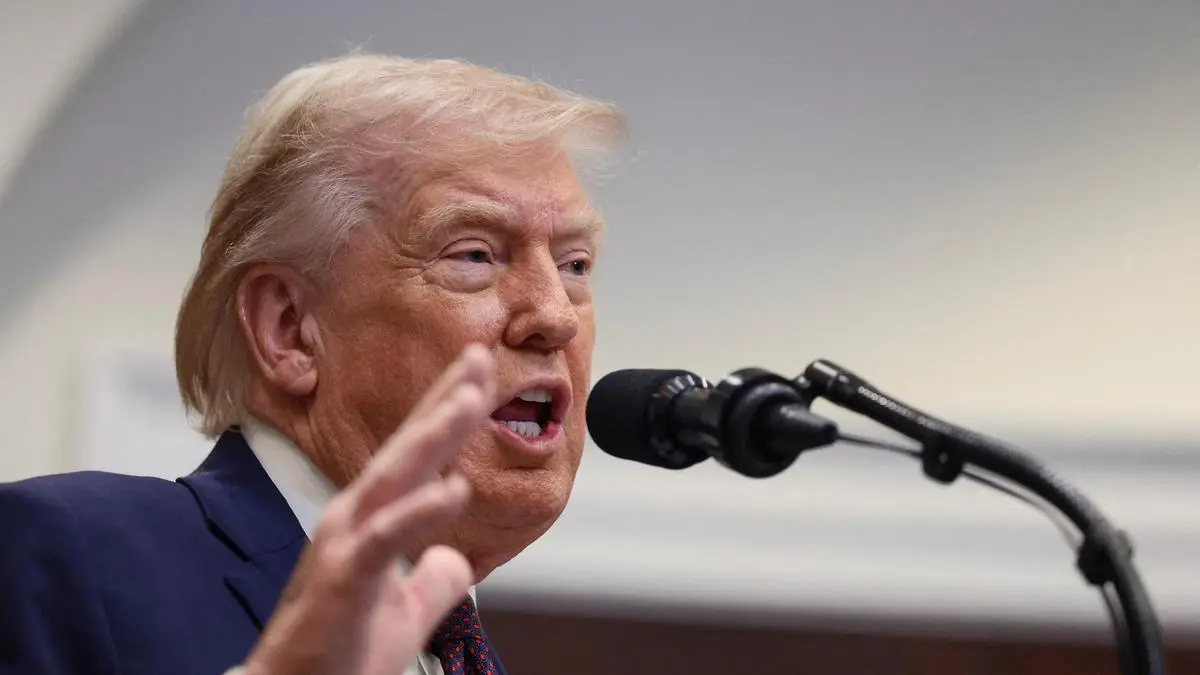
Core Points - US President Donald Trump announced agreements with nine pharmaceutical companies aimed at lowering drug prices for Americans in exchange for a three-year delay on threatened tariffs [1][2] - A total of 14 out of 17 targeted drugmakers have agreed to lower prices for the Medicaid program, sell discounted drugs directly to consumers, and align US drug prices with those abroad [2][3] - Companies such as Roche, Novartis, Bristol-Myers Squibb, Gilead, and others have negotiated agreements, while AbbVie, Johnson & Johnson, and Regeneron are still in talks [3][4] Drug Pricing Agreements - Bristol-Myers Squibb will provide its blood-thinner Eliquis for free to the Medicaid program, and Gilead will reduce the price of its hepatitis C drug Epclusa to under $2,500 [7] - Many medications highlighted by the administration are already available at discounted prices through patient assistance programs or have cheaper generic alternatives [8] Insurance Industry Impact - Trump's announcements led to declines in health insurance stocks, including UnitedHealth Group, Elevance Health, and CVS Health [10] - The insurance industry trade group AHIP stated that premiums reflect medical care costs and welcomed discussions on cost reduction [10][11] Manufacturing and Supply Chain - Companies like Merck, Bristol-Myers, and GSK agreed to donate six months' worth of raw drug materials to a national stockpile and commit to manufacturing finished medicines in emergencies [12] Political and Regulatory Context - Democrats are seeking more transparency regarding the potential savings from these tariff relief deals, as the agreements remain confidential [13]
国家医保局印发《病理类医疗服务价格项目立项指南(试行)》,有望推动医疗服务高质量发展
Ping An Securities· 2025-12-20 15:07
Investment Rating - The industry investment rating is "Outperform the Market" (预计6个月内,行业指数表现强于市场表现5%以上) [32] Core Insights - The National Healthcare Security Administration issued the "Guidelines for the Establishment of Pricing Projects for Pathological Medical Services (Trial)," which aims to systematically reshape existing pathological pricing projects, focusing on biopsy sampling, sample processing, slice replication, pathological staining, and diagnosis, establishing 28 pricing projects, 3 additional charges, and 2 expansion items. This refined pricing is expected to promote high-quality development in pathology and create new scenarios for the application of artificial intelligence-assisted technologies [4] - The guidelines will standardize the charging for digital pathological slices, solidifying the data foundation for large-scale applications of new scenarios. It includes "providing digital images of pathological slices" as an essential item for various pathological services, reflecting the costs of related resource consumption in pricing [4] - The guidelines also explore suitable forms to respond to the charging demands of artificial intelligence assistance, promoting the early application of AI in the pathology field by including "AI-assisted diagnosis" as an expansion item in the pricing structure [4] - The establishment of separate pricing projects for pathological diagnosis and sample testing emphasizes the value of technical services and supports precise medication guidance [4] Summary by Sections Investment Strategy - The report suggests focusing on innovative pharmaceutical companies with rich pipeline layouts, such as Heng Rui Medicine, BeiGene, and China National Pharmaceutical Group. It also highlights companies with significant single-product potential and price revaluation prospects, such as 3SBio, Kaineng Technology, and Qianhong Pharmaceutical. Additionally, it recommends companies leading in cutting-edge technology platform layouts, such as Dongcheng Pharmaceutical, Yuanda Pharmaceutical, and Kelun-Biotech [6] - In the CXO sector, it notes that R&D investment in pharmaceuticals is steadily increasing, and the innovation environment is expected to improve, suggesting attention to companies like WuXi AppTec, WuXi Biologics, and Boteng Co. [6] - For upstream companies, it indicates that quality enterprises are entering a harvest period with overseas layouts, recommending attention to Aopumai, Baipusais, and Baiyao [6] - In the medical device sector, it mentions that ongoing procurement will continue to advance, with equipment companies gradually digesting channel inventory, suggesting attention to Mindray Medical, United Imaging, and Kaili Medical [6] Industry News - The report highlights several key developments in the industry, including Takeda's TYK2 drug achieving positive results in Phase III studies, Baiyatai's anti-VEGF monoclonal antibody application for market approval, Sanofi's innovative therapy for hypertrophic cardiomyopathy receiving domestic approval, and Enhertu (Trastuzumab Deruxtecan) gaining FDA approval for a new indication [8][12][15][16]
突然,集体跳水!特朗普,最新宣布!
券商中国· 2025-12-20 11:06
Core Viewpoint - President Trump's recent statements pose a negative outlook for insurance companies, as he plans to convene them to discuss price reductions due to their substantial profits [1][2][3]. Group 1: Impact on Insurance Companies - Trump announced he will meet with large insurance companies to advocate for price reductions, suggesting they could cut prices by 50% to 70% given their high profits [3]. - Following Trump's comments, stock prices of major health insurance companies, including UnitedHealth Group, Cigna, and Humana, experienced significant declines, with UnitedHealth Group dropping nearly 1% after initially rising [2][3]. - The American Health Insurance Plans association stated that premiums reflect medical costs and that insurance companies are working hard to protect Americans from rising healthcare costs [4]. Group 2: Drug Pricing Agreements - Trump announced agreements with nine pharmaceutical companies aimed at lowering drug prices for Americans in exchange for a three-year delay on tariffs [6]. - Fourteen out of the largest seventeen pharmaceutical companies have agreed to significantly reduce drug prices, which Trump claims is a major victory for patient affordability [6][7]. - The agreements are intended to provide certainty in drug pricing policies while avoiding high tariffs for pharmaceutical companies [7]. Group 3: Broader Economic Context - Rising healthcare costs and other consumer price increases have heightened public dissatisfaction with the economy, potentially influencing upcoming elections [4]. - Republican lawmakers are pushing for bipartisan healthcare reforms to protect voters in swing districts ahead of the midterm elections [4].
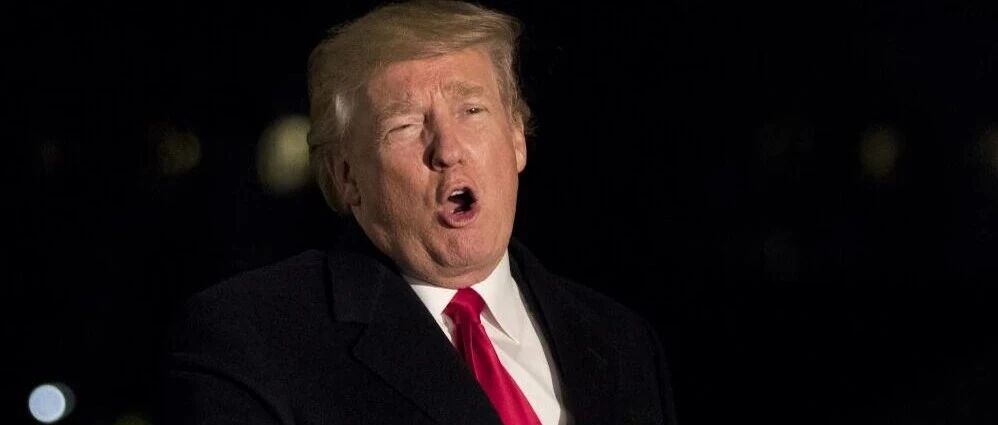
Trump Secures Drug Price Cuts From 9 Major Pharma Firms Including Bristol Myers, Gilead, Merck In Medicaid Deal - AbbVie (NYSE:ABBV), Amgen (NASDAQ:AMGN)
Benzinga· 2025-12-20 06:38
Core Points - President Trump and nine major pharmaceutical companies have reached agreements to reduce medication costs for cash payers and the Medicaid program, aligning U.S. prices with those of other wealthy nations [1][2] - Drugmakers will implement most-favored-nation pricing for Medicaid drugs, ensuring prices match the lowest available globally [2][4] - A new government website, TrumpRx.gov, will facilitate the purchase of discounted prescription drugs directly from manufacturers [3] Agreement Details - Companies involved include Bristol Myers Squibb, Gilead Sciences, Merck, Genentech, Novartis, Amgen, Boehringer Ingelheim, Sanofi, and GSK [2] - Drugmakers will list their products on TrumpRx.gov, which offers significant discounts for cash payers and mandates that new drugs be priced no higher than in other wealthy countries [3] - In exchange for these commitments, companies will receive three-year tariff exemptions previously imposed on foreign-made drugs [4] Specific Drug Pricing - Merck will sell its diabetes drugs, Januvia and Janumet, at a 70% discount to consumers, while Bristol Myers Squibb will provide its blood thinner, Eliquis, free to Medicaid starting January 1, 2026, and offer selected medicines at approximately 80% off list prices for cash-paying patients [5] Investment Commitments - The pharmaceutical companies have pledged over $150 billion in U.S. research and development and manufacturing investments, with Merck committing more than $70 billion to enhance domestic production and innovation [6] - Five companies have already established agreements with the administration, with three more expected to announce deals soon [6] Program Evaluation - Mark Cuban, a billionaire entrepreneur, rated TrumpRx.gov with a "B" grade, indicating potential but suggesting it needs to compel pharmacy benefit managers to alter their practices for a higher rating [7]