
宝武镁业

Search documents
宝武镁业(002182):镁铝价格比近11个月持续小于1 汽车和机器人轻量化领域持续渗透
Xin Lang Cai Jing· 2025-07-30 10:29
Core Viewpoint - The company's performance is negatively impacted by declining magnesium prices, leading to a significant drop in net profit despite revenue growth in 2024 and Q1 2025 [1] Group 1: Financial Performance - In 2024 and Q1 2025, the company achieved revenues of 8.983 billion and 2.033 billion yuan, representing year-on-year growth of 17.39% and 9.08% respectively [1] - The net profit attributable to shareholders was 160 million and 28 million yuan, showing a year-on-year decrease of 47.91% and 53.58% respectively [1] Group 2: Market Conditions - As of March 31, 2025, the price of magnesium ingots was 18,210 yuan per ton, down 17.2% from the beginning of 2024 [1] - The magnesium-aluminum price ratio has remained below 1 for nearly 11 months, indicating a growing application space for lightweight materials in the automotive sector [1] Group 3: Industry Trends - Companies in the die-casting sector, such as Xusheng, Wencan, Aikedi, and Meilixin, are increasing their investments in magnesium die-casting [1] - Automotive manufacturers, including Seres, Geely, SAIC, FAW, and GAC, are enhancing the penetration of magnesium products, with Seres' Wanjie magnesium alloy products using over 20 kg of magnesium per vehicle [1] - Future projections suggest that the use of magnesium in vehicles could reach 50-100 kg as larger magnesium die-cast components are integrated [1] Group 4: Product Development - Magnesium alloys offer four key advantages: lightweight, speed, stability, and cost-effectiveness, providing new growth momentum in the robotics sector [2] - A new magnesium alloy robot product was launched in collaboration with Estun, featuring an 11% weight reduction compared to aluminum alloy versions, along with superior damping, electromagnetic shielding, and heat dissipation properties [2] Group 5: Supply Chain and Production Capacity - The company has established a complete industrial chain from "mining - primary magnesium smelting - magnesium alloy production," ensuring raw material supply and reducing production costs [3] - Current production capacities include 100,000 tons of primary magnesium and 200,000 tons of magnesium alloy, with additional capacities being developed by subsidiaries and affiliated companies [3] - The subsidiaries and affiliated companies hold significant reserves of limestone resources, ensuring a stable supply of raw materials [3]

宝武镁业(002182):镁铝价格比近11个月持续小于1,汽车和机器人轻量化领域持续渗透
EBSCN· 2025-07-30 10:20
Investment Rating - The report maintains a "Buy" rating for the company, indicating a positive outlook for future performance [5]. Core Views - The company's performance is negatively impacted by declining magnesium prices, with projected revenues of 8.983 billion and 10.110 billion for 2024 and 2025 respectively, representing year-on-year growth of 17.39% and 12.55%. However, net profits are expected to decrease significantly, with a forecast of 1.6 billion and 0.28 billion for the same periods, reflecting a decline of 47.91% and 53.58% [1]. - The magnesium-aluminum price ratio has remained below 1 for nearly 11 months, indicating a growing application space for lightweight materials in the automotive sector. Major automotive manufacturers are increasing their use of magnesium products, with potential usage in vehicles expected to rise significantly in the future [1]. - The company has established a comprehensive supply chain from mining to magnesium alloy production, ensuring raw material supply and cost efficiency. Current production capacities include 100,000 tons of raw magnesium and 200,000 tons of magnesium alloy, with additional capacity expansions planned [3]. Summary by Sections Financial Performance - The company is projected to achieve revenues of 89.83 billion and 20.33 billion in Q1 of 2024 and 2025, with respective year-on-year growth rates of 17.39% and 9.08%. However, net profits are expected to decline to 1.6 billion and 0.28 billion, down 47.91% and 53.58% [1]. - The forecast for net profit for 2025-2026 has been revised downwards to 2.11 billion and 2.83 billion, reflecting a decrease of 64.7% and 68.1% respectively, with a new projection for 2027 at 4.23 billion [3]. Market Trends - The magnesium price has decreased by 17.2% since the beginning of 2024, with the current price at 18,210 yuan per ton [1]. - The magnesium-aluminum price ratio is currently at 0.90, indicating a shift towards magnesium in automotive applications, with significant penetration from companies like Seres and Geely [1]. Industry Position - The company benefits from an integrated layout that includes mining, raw magnesium smelting, and magnesium alloy production, which helps in securing raw material supply and reducing production costs [3]. - The company has significant resource reserves, with subsidiaries holding substantial quantities of dolomite resources, ensuring long-term supply stability [3].
宝武镁业:公司已开展了一系列相关行动,积极响应国资委要求
Zheng Quan Ri Bao Wang· 2025-07-30 09:13
证券日报网讯宝武镁业(002182)7月30日在互动平台回答投资者提问时表示,公司已开展了一系列相 关行动,积极响应国资委要求,通过重组整合推动国有资本优化,抵制"内卷式"竞争。(1)公司按照"专 业化整合、平台化运营、生态化协同、市场化发展"的原则,成为行业的"单项冠军"和龙头企业,提升 市场竞争力和行业话语权,以此优化国有资本布局,避免无序竞争。(2)公司压减子公司数量,提升效 率,按照"从严管理、应压尽压、应退尽退"的导向,推动瘦身健体工作。 ...
宝武镁业(002182) - 关于公司股东协议转让股份过户完成的公告
2025-07-24 10:02
证券代码:002182 证券简称:宝武镁业 公告编号:2025-26 宝武镁业科技股份有限公司 关于公司股东协议转让股份过户完成的公告 本公司及董事会全体成员保证公告内容的真实、准确和完整,不存在虚 假记载、误导性陈述或者重大遗漏。 一、本次股份转让的基本情况 2025年6月25日,宝武镁业科技股份有限公司(以下简称"宝武镁业"或 "公司")控股股东宝钢金属有限公司(以下简称"宝钢金属")与梅小明先 生、朱岳海先生签署了《股份转让协议》,宝钢金属拟协议受让梅小明先生、 朱岳海先生合计持有的宝武镁业49,589,578股股份(占上市公司总股本5%), 其中包含梅小明先生持有的40,795,963股无限售股份(占上市公司总股本 4.11%),朱岳海先生持有的8,793,615股无限售股份(占上市公司总股本 0.89%)。本次股份协议转让的价格为11.94元/股,股份转让总价款共计人民币 592,099,561.32 元 。 具 体 内 容 详 见 公 司 于 2025 年 6 月 26 日 在 巨 潮 资 讯 网 (www.cninfo.com.cn)上披露的《宝武镁业:关于公司股东协议转让部分股份 暨权益变动的 ...
人形机器人轻量化:商业化前夕的必修课,材料创新引领产业破局
机器人大讲堂· 2025-07-16 13:54
Core Insights - The article emphasizes the importance of lightweight design in humanoid robots, highlighting that it is a critical path for commercialization and performance enhancement [3][31] - Tesla's humanoid robot, Optimus, is set to utilize advanced AI models and undergo significant design improvements, including a focus on lightweight construction [1][2] Group 1: Lightweight Design Importance - Lightweight design is not merely about reducing weight but involves systematic optimization to enhance overall performance [3] - Key benefits of lightweight design include improved battery life, reduced heat generation, lower dependency on high-performance components, and increased operational flexibility [3][4] Group 2: Industry Trends - Major manufacturers like Tesla, UBTECH, and Yushutech are actively pursuing lightweight designs, with Tesla's Optimus reducing weight from 73 kg in 2022 to 63 kg in 2023, achieving a 30% increase in walking speed [2][4] - The trend towards lightweight design is becoming a core research direction for humanoid robot manufacturers, with various models demonstrating significant weight reductions and improved performance [4] Group 3: Lightweight Implementation Strategies - The two main approaches to achieving lightweight designs are structural lightweighting and material lightweighting [6] - Structural lightweighting focuses on optimizing parameters and integrating components to reduce weight without compromising strength [6] - Material lightweighting involves using low-density materials like magnesium alloys, PEEK, and nylon to replace traditional metals while maintaining performance [7][8] Group 4: Material Innovations - Magnesium alloys are favored for their low density and high strength, making them suitable for structural components in humanoid robots [10][11] - PEEK is recognized for its superior mechanical properties and is increasingly used in critical components, although its high cost and production complexity pose challenges [14][15] - Nylon offers a balance of flexibility and rigidity, making it a viable option for various robot parts, especially in consumer applications [19][20] Group 5: Market Opportunities and Challenges - The lightweight design of humanoid robots is expected to create significant market opportunities for related materials, with projected market sizes for modified PEEK, magnesium alloys, and modified nylon reaching billions [30][31] - However, the industry faces challenges such as potential underperformance in robot sales, increased competition, and uncertainties in technological pathways [28][30]


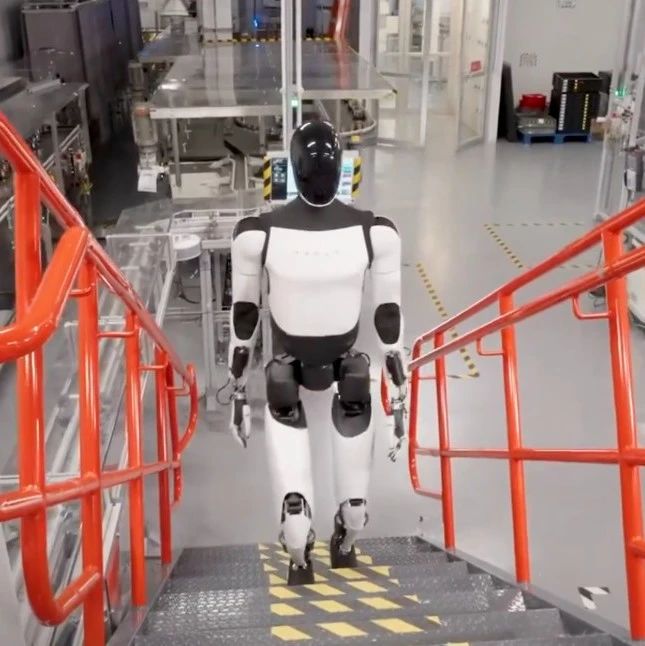
人形机器人轻量化:产业化前夕的进修课,应用为重
2025-07-15 01:58
Summary of Key Points from Conference Call Records Industry Overview - The focus is on the humanoid robot industry, specifically the trend of lightweighting to enhance performance and efficiency [1][2][6]. Core Insights and Arguments - **Lightweighting Importance**: Lightweighting is crucial for addressing key issues such as endurance, heat dissipation, and performance in humanoid robots. It can be achieved through structural and material lightweighting [2][6]. - **Material Innovations**: Key lightweight materials include PEEK (Polyether Ether Ketone), magnesium alloys, and engineering plastics like nylon (PA). PEEK is highlighted for its superior mechanical properties and potential applications in critical components [3][4][5]. - **Market Potential**: The global PEEK market is projected to reach approximately 6.1 billion yuan in 2024, with the Chinese market estimated at around 1.9 billion yuan. The market is expected to grow significantly, driven by increased demand in automotive and aerospace sectors [3][19]. - **Material Selection**: The preferred material hierarchy for components is PEEK, followed by magnesium alloys and nylon, based on weight reduction effectiveness, technical difficulty, and cost-effectiveness [27]. Material-Specific Insights - **PEEK**: - PEEK is recognized for its excellent mechanical performance and is used in joint modules and structural components. Its production is complex, with high barriers to entry due to the specialized processing required [4][15][18]. - The current price of PEEK is around 300,000 yuan per ton, with a limited market capacity [3]. - **Magnesium Alloys**: - Magnesium alloys are noted for their strength and cost-effectiveness, with applications in industrial robots leading to weight reductions of about 11% and energy savings of 10% [3][5]. - The market for magnesium alloys is estimated at around 300 million yuan, indicating limited but significant potential [3][5]. - **Nylon (PA)**: - Nylon is widely used in various industries, with PA66 prices decreasing to below 30,000 yuan per ton, enhancing its cost-effectiveness [20][21]. - Despite its advantages, nylon faces challenges in replacing critical components in humanoid robots, particularly in high-stress applications [21]. Development Trends - **Future Directions**: The humanoid robot industry is moving towards parameter optimization, topological structure optimization, and integrated design to achieve significant weight reduction and efficiency improvements [11][12]. - **Challenges**: The industry faces challenges in integrating structural components due to the limited number of parts and the need for advanced design capabilities [12][13]. Key Companies and Market Players - **Leading Companies**: - Recommended companies include Keda Li, Zhaomin Technology, and Hengbo Co., which are actively involved in lightweight material applications [7][28]. - In the PEEK sector, Zhongyan Co. is highlighted for its leading position and potential for growth due to domestic substitution trends [30]. - In the magnesium alloy sector, Xusheng Group and Baowu Magnesium Industry are noted for their strong market presence [29]. Additional Insights - **Market Dynamics**: The PEEK production landscape is dominated by a few global players, with significant market share held by companies like Victrex and Solvay, while Chinese companies are expected to gain ground as domestic demand increases [19][18]. - **Material Performance**: The performance of materials like PEEK in applications such as harmonic reducers shows a potential weight reduction of up to 71%, indicating significant advantages in manufacturing processes [24]. This summary encapsulates the key points from the conference call records, focusing on the humanoid robot industry's lightweighting trends, material innovations, market dynamics, and leading companies.

【重磅深度】人形轻量化大势所趋,镁合金&“以塑代钢”是核心
东吴汽车黄细里团队· 2025-07-13 09:16
Core Viewpoint - The trend of lightweight humanoid robots is becoming increasingly prominent, with a focus on raw materials and process design to address issues such as insufficient endurance, low flexibility, and poor heat dissipation [2][7]. Group 1: Lightweight Trend in Humanoid Robots - The lightweight trend is evident from the perspective of downstream manufacturers, with notable reductions in weight across various models, such as the 20 kg reduction in the UBTECH Walker C and the 10 kg reduction in Tesla's Optimus from Gen 1 to Gen 2 [13][21]. - Lightweight solutions can resolve critical issues for humanoid robots, including enhancing flexibility and extending battery life, as demonstrated by a 40% weight reduction leading to a 6-hour operational time for certain models [21][17]. Group 2: Material Replacement and Cost Efficiency - Magnesium alloy is highlighted for its superior weight reduction capabilities compared to aluminum, with current prices favoring magnesium, making it a cost-effective choice [3][35]. - The semi-solid process addresses the corrosion resistance of magnesium alloys, which is crucial for humanoid robot components that are lighter than automotive parts, thus lowering barriers to entry [3][35]. Group 3: High-Performance Engineering Plastics - The shift towards high-performance engineering plastics like PEEK, PPS, and PPA is opening new market opportunities, with PEEK being particularly suitable for high-value applications in humanoid robots [4][75]. - The market value ranking for these materials indicates that PEEK has the highest potential, followed by PPA and PPS, with the humanoid robot sector expected to generate a market space in the billions [4][75]. Group 4: Investment Recommendations - Key companies to watch include leading magnesium alloy die-casting firms such as Baowu Magnesium and Xingyuan Zhuomai, as well as humanoid robot lightweight joint component manufacturers like Xusheng Group [5][62]. - Attention should also be given to leading engineering plastic companies such as Zhaomin Technology, Water Co., and Zhongyan Co. [5][62].



东吴证券:材料轻量化破局 看好镁合金、PEEK、PA尼龙引领人形机器人变革
智通财经网· 2025-07-13 02:49
Core Viewpoint - Lightweight materials are essential for addressing key pain points in the humanoid robot industry, including endurance, heat dissipation, component performance, and flexibility [1][2] Lightweight Material Applications - Lightweight materials such as magnesium alloys, PEEK, and PA nylon are expected to gain popularity due to their superior characteristics [1] - Recommended stocks for lightweight applications include: - Keda Li (002850.SZ) for lightweight applications - Recommended: Zhaomin Technology (301000.SZ), Hengbo Co., Ltd. (301225.SZ) - PEEK: Recommended stocks include Zhongyan Co., Ltd. (688716.SH), Xinhang New Materials (301076.SZ), Zhongxin Fluorine Materials (002915.SZ) - PA Nylon: Recommended stock is Nanshan Zhishang (300918.SZ) - Magnesium Alloy: Recommended stock is Xusheng Group (603305.SH), with a focus on Baowu Magnesium Industry (002182.SZ) [1] Market Insights on PEEK - PEEK is at the top of the engineering plastics pyramid, with excellent mechanical properties, high heat resistance, and corrosion resistance [3] - The price of PEEK is approximately 300,000 yuan/ton in 2024, with raw material fluoroketone costing around 120,000 yuan/ton [3] - The global and Chinese PEEK market is projected to reach 6.1 billion yuan and 1.9 billion yuan respectively in 2024, with expected growth rates (CAGR) of 11% and 13% by 2027 [3] Market Insights on Magnesium Alloys - Magnesium alloys are recognized for their high strength-to-weight ratio and good ductility, with established applications in automotive lightweighting [4] - As of May, magnesium prices are low, with a magnesium-aluminum price ratio of 0.87, allowing for cost reduction while achieving lightweighting [4] - The collaboration between Baowu Magnesium Industry and Estun has led to the development of a magnesium alloy industrial robot that reduces weight by 11% and energy consumption by 10% [4] Market Insights on PA Nylon - PA6 and PA66 are well-established engineering plastics with excellent impact resistance and flexibility, with a CAGR of less than 5% from 2018 to 2023 [4] - The market for PA6 is fragmented, while PA66 is more concentrated, with the top three companies holding a 75% market share [4] Humanoid Robot Lightweighting - In humanoid robots, the joint module accounts for approximately 40% of the weight, while structural components account for about 30% [5] - PEEK is the preferred choice for harmonic reducers, with leading manufacturers already holding patents [5] - Magnesium alloys are expected to be widely used in humanoid robots, particularly in joints and shells, due to their cost-effectiveness and performance [5] - The market potential for various materials in humanoid robots is estimated at 1 billion yuan for PPS, 2 billion yuan for modified PEEK, 300 million yuan for magnesium alloys, and 300 million yuan for modified nylon [5]

材用:哪些新材料可带来人形机器人轻量化?(附企业名录与投资标的)
材料汇· 2025-07-12 15:54
Core Viewpoint - Lightweight design is essential for the commercialization of humanoid robots, addressing key industry pain points such as endurance, heat dissipation, component performance, and flexibility [2][12]. PART1: Lightweight Design - Lightweight design can enhance endurance by reducing gravitational potential energy and inertia, leading to lower static and dynamic power consumption [12]. - It can also lower the requirements for components, reducing the power demand of motors and simplifying drive algorithms [12]. - Flexibility is improved as lighter components allow for more agile control [12]. - Current humanoid robots require two adults for transportation; reducing weight would enable single-person handling, facilitating broader adoption [12]. PART2: Structural Lightweighting - Structural lightweighting involves parameter optimization, topology optimization, and integration to achieve "zero-cost" lightweighting [18][20]. - Parameter optimization is the simplest method, adjusting dimensions and layouts to reduce redundant components [20]. - Topology optimization refines material distribution to maximize structural performance while minimizing material use [24]. - Integration trends, similar to those in the electric vehicle sector, can reduce part counts and simplify production processes [30]. PART3: Material Lightweighting - Magnesium Alloys - Magnesium alloys are lightweight, high-strength materials with good ductility and excellent thermal conductivity, already applied in automotive lightweighting [37]. - The price of magnesium is currently low, making it economically attractive compared to aluminum alloys, with a price ratio of 0.87 [43]. - The use of magnesium alloys in humanoid robots can significantly reduce weight and energy consumption, as demonstrated by the ER4-550-MI industrial robot [46]. PART4: Material Lightweighting - PEEK - PEEK is a high-performance engineering plastic with excellent mechanical properties, heat resistance, and chemical resistance, widely used in aerospace and automotive applications [3][58]. - The price of PEEK is approximately 300,000 yuan/ton, with its main raw material, fluoroketone, costing around 120,000 yuan/ton, making raw material costs a significant factor [3][61]. - The global market for PEEK is projected to grow from 6.1 billion yuan in 2024 to 8.5 billion yuan by 2027, with a CAGR of 11% [3]. PART5: Material Lightweighting - Nylon PA - Nylon PA6 and PA66 are well-established engineering plastics known for their excellent impact resistance and flexibility, with stable demand [5]. - The market for PA6 is fragmented, while PA66 is more concentrated, with the top three companies holding a 75% market share [5]. - Applications include automotive systems, where PA is extensively used in engines and fuel supply systems [5]. PART6: Humanoid Robot Lightweighting - In humanoid robots, the joint modules account for about 40% of the weight, with structural components at 30% and shells at only 10% [6]. - PEEK is preferred for harmonic reducers, while magnesium alloys are suitable for structural components due to their cost-effectiveness and performance [6]. - The market potential for various materials in humanoid robots is estimated at 1 billion yuan for PPS, 2 billion yuan for modified PEEK, 300 million yuan for magnesium alloys, and 300 million yuan for modified nylon [6].


人形机器人行业深度报告:人形轻量化大势所趋,镁合金、“以塑代钢”是核心
Soochow Securities· 2025-07-12 08:35
Investment Rating - The report suggests a focus on magnesium alloy die-casting leading companies such as Baowu Magnesium and Xingyuan Zhuomai, and recommends lightweight joint component companies in humanoid robots like Xusheng Group, as well as leading engineering plastic companies such as Zhaomin Technology, Water Co., and Zhongyan Co. [2] Core Viewpoints - The trend towards lightweight humanoid robots is driven by material and process design, addressing issues like insufficient endurance, low flexibility, and poor heat dissipation. The main paths for achieving this include structural optimization, component performance enhancement, and material replacement, with magnesium alloys and high-performance engineering plastics being key materials [2][4] - Magnesium alloys offer significant advantages, including better weight reduction compared to aluminum alloys, lower costs due to sustained low raw material prices, and improved electromagnetic shielding and heat dissipation efficiency. The semi-solid process addresses corrosion resistance issues, making magnesium alloys suitable for humanoid robot components [2][21] - High-performance engineering plastics like PEEK, PPS, and PPA are gaining traction in the lightweight revolution, with PEEK being particularly notable for its applications in high-value areas such as joint bearings and gear components, indicating a potential market space in the billions [2][67] Summary by Sections 1. Lightweight Trend in Humanoid Robots - The lightweight trend is evident in various humanoid robot models, with significant weight reductions achieved while increasing height [6][8] - Lightweight solutions address critical issues such as limited endurance and flexibility, with a notable example being a 40% weight reduction leading to a 6-hour operational time [13][14] - The main paths to achieve lightweight humanoid robots include structural optimization, component replacement, and material substitution, with a focus on magnesium alloys and high-performance engineering plastics [18][19] 2. Cost Down & Technological Breakthroughs for Magnesium Alloys - The report highlights that the cost of magnesium ingots has been decreasing since 2022, making magnesium alloys more economically viable compared to aluminum [27][28] - China is a major supplier of magnesium, with a significant increase in production capacity, ensuring stable pricing and supply [27][28] - The semi-solid forming technology is identified as a future trend for magnesium alloys, improving product quality and performance [36][40] 3. High-Performance Engineering Plastics Revolution - Engineering plastics like PEEK and PPS are positioned as superior alternatives to traditional materials, with a high concentration of production among a few key players [73][89] - PEEK is noted for its exceptional mechanical properties, making it comparable to metals, and is increasingly used in various high-value applications [78][84] - PPS is recognized for its excellent chemical resistance and cost-effectiveness, further solidifying its position in the market [90]