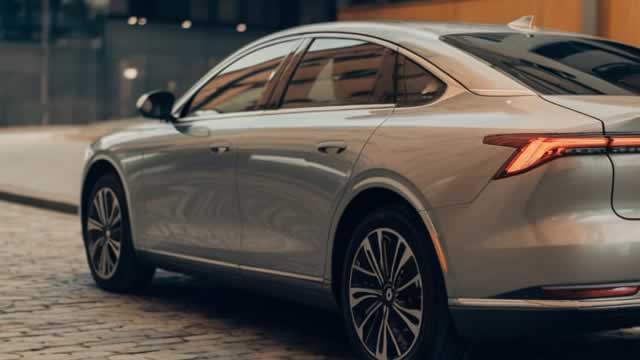
Waymo

Search documents
对话小马智行王皓俊:Robotaxi正进入1到1000的阶段
Hua Er Jie Jian Wen· 2025-12-20 05:31
Core Insights - The global autonomous driving industry is undergoing a paradigm shift, transitioning from experimental phases to tangible financial performance, with companies like Baidu and Pony.ai achieving operational profitability [2][4][11] - The competitive landscape for Robotaxi has evolved, focusing on profitability and operational efficiency as hardware costs decrease and AI reshapes operational rules [3][11] Commercialization Progress - Pony.ai's Robotaxi achieved unit economic model (UE) profitability in Guangzhou, indicating a successful transition from R&D to commercial viability [4][5] - The average daily revenue for Pony.ai's seventh-generation Robotaxi is approximately 299 RMB, with a target of 24 rides per day to ensure positive cash flow [4][5] - The company aims to scale its fleet to 1,000 vehicles by 2025, 3,000 by 2026, and 100,000 by 2030, integrating Robotaxi into daily life [2][11] Cost Management and Operational Efficiency - Significant cost reductions have been achieved, with the BOM cost of the seventh-generation vehicle dropping by 70% compared to the sixth generation [5][6] - The use of mass-produced components and optimized algorithms has enhanced operational efficiency, allowing for better performance with lower costs [5][6] - Insurance costs for Robotaxi are 50% lower than traditional taxis, reflecting the safety record of AI drivers [6] Industry Competition - The Robotaxi market is becoming increasingly competitive, with major players like Waymo and Tesla entering the fray, each adopting different strategies [8][10] - Waymo's recent funding round has pushed its valuation to nearly $100 billion, while Tesla is focusing on a low-cost, vision-based approach [8][10] - New entrants like XPeng and Hello are also planning to launch their own Robotaxi services, intensifying competition [9][10] Market Potential and Future Outlook - The Robotaxi market could reach $80 billion in major Chinese cities by 2030, with potential global market size reaching $3.94 trillion when including overseas markets [12] - As hardware costs decline, operational expenses will become a larger portion of the cost structure, emphasizing the importance of operational efficiency [12] - The industry is shifting from a focus on technology to one centered on operational capabilities and market presence [11][12] Strategic Shifts - Pony.ai is transitioning to a "light asset" model, partnering with vehicle manufacturers and service platforms to reduce capital expenditure [7][14] - The company is focusing on creating a value chain where it provides AI technology while others handle vehicle production and service distribution [7][14] - The emphasis is on building partnerships and leveraging local resources in international markets, particularly in the Middle East [6][18]
同济孙剑团队首创!三层框架解析端到端自动驾驶训练生态
自动驾驶之心· 2025-12-20 02:16
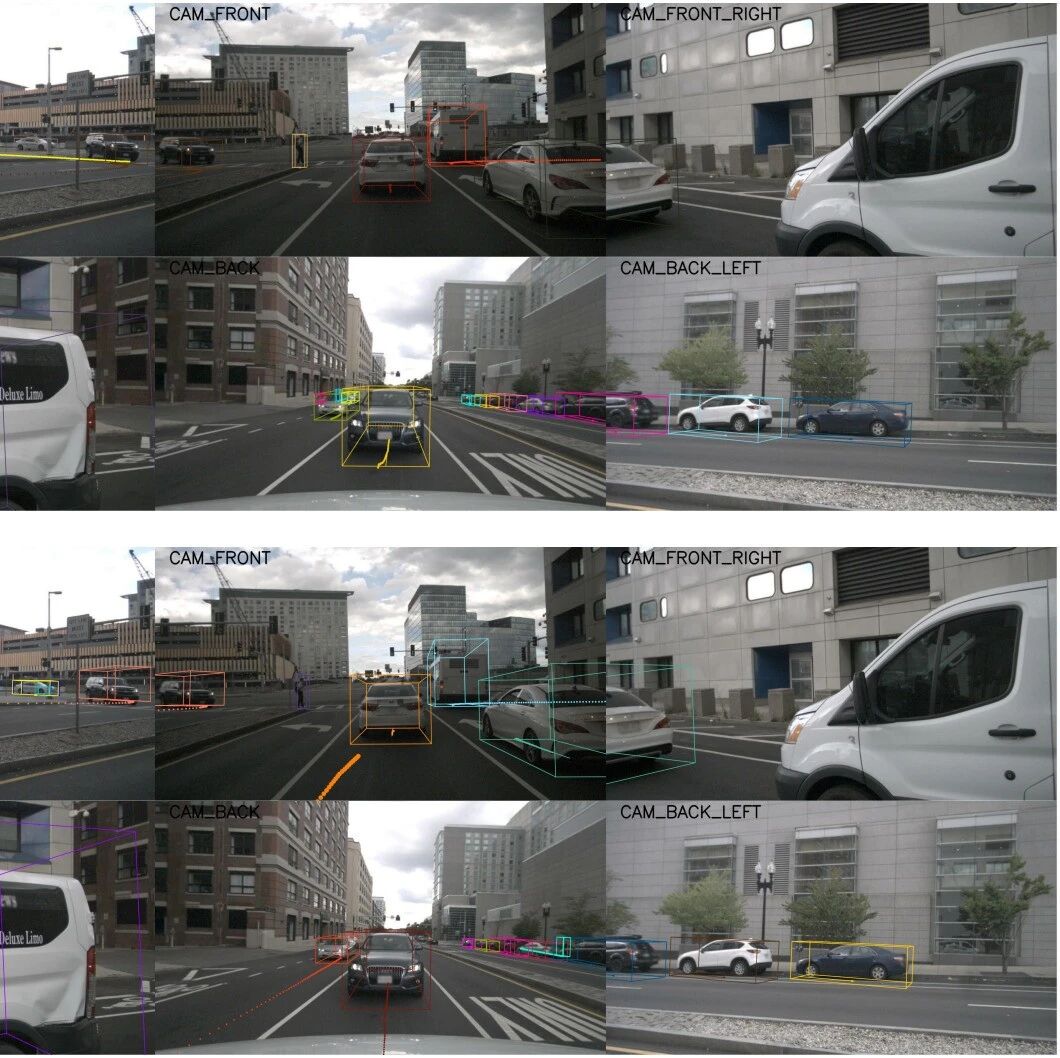
以下文章来源于自动驾驶数据挖掘 ,作者黑客与作家 自动驾驶数据挖掘 作者 | 黑客与作家 来源 | 自动驾驶数据挖掘 原文链接: 【E2E训练】首创!同济孙剑团队三层框架解析端到端自动驾驶训练生态! 点击下方 卡片 ,关注" 自动驾驶之心 "公众号 戳我-> 领取 自动驾驶近30个 方向 学习 路线 >>自动驾驶前沿信息获取 → 自动驾驶之心知识星球 本文只做学术分享,如有侵权,联系删文 导读 破解"训练碎片化"痛点!现有端到端自动驾驶(E2E-AD)训练存在数据堆砌、策略孤立、平台割裂三大问题,导致模型泛化弱、部署难。同济大学 +UNC联合发布 Data-Strategy-Platform三层训练生态框架 ,实现三重核心突破: ① 数据层从 "规模扩张"转向"价值密度" ,聚焦 高风险/长尾场景 ; ② 策略层从 "任务级拼接"升级为"能力型基础" ,涵盖IL/RL到生成式范式(扩散/LLM/世界模型); ③ 平台层从 "静态离线"进化为"持续闭环" ,整合分布式训练、云边协同与灰度发布。 该综述整合280+论文、6大车企工业实践,明确未来三大趋势,为E2E-AD从科研走向量产提供系统级"训练导航图"。 图 ...


高通高管称未来五年技术巨变在即,这个领域首当其冲
财富FORTUNE· 2025-12-19 13:05
Core Viewpoint - Qualcomm is entering the AI chip market, aiming to compete with Nvidia and AMD, and is focusing on integrating AI into automotive technology, which is expected to revolutionize robotics and driving assistance systems [2][3]. Group 1: AI Integration in Automotive - Qualcomm's AI chips will be implemented in vehicles across 100 countries by the end of next year, indicating a significant expansion in their automotive technology offerings [2][5]. - The company has developed driving assistance systems for major automakers like Mercedes-Benz, Volvo, and General Motors, which include features such as lane keeping and automatic parking [3]. - Qualcomm's first driving assistance system solution, developed in collaboration with BMW, has been rolled out to 60 countries after three and a half years of development [3]. Group 2: Future of Autonomous Driving - The development and adoption of autonomous driving technology typically take about ten years, but the pace of innovation is expected to accelerate in the next five years [5]. - A recent survey indicated that 43% of drivers planning to purchase a new car in the next three years are interested in using hands-free semi-autonomous driving features, reflecting a growing demand for such technologies [5]. Group 3: Safety and Regulation - The development of safe and regulated driving technologies requires a clear, rule-based protective framework, which will be enhanced by the integration of AI [6][7].


凯文・凯利:意外之美|我们的四分之一世纪
经济观察报· 2025-12-19 10:15
Core Viewpoint - The future of China is seen as a potential surpassing of the United States, akin to Japan's rise in the 1980s, with the main risks stemming from internal errors rather than external constraints [1][15]. Group 1: Unexpected Developments - The rapid proliferation of smartphones has redefined industry landscapes, integrating multiple functionalities into a single device, which exemplifies a "non-linear explosion" driven by technological convergence [5][6]. - The slow development of VR technology contrasts sharply with the smartphone boom, highlighting the importance of system dependencies and the need for a comprehensive sensory experience for true immersion [8][9]. - The emergence of large language models (LLMs) represents an unexpected breakthrough in AI, showcasing the potential for logic and reasoning through language, diverging from traditional AI paths [11][12]. Group 2: Future Outlook for China - Key drivers for China's growth in the next 25 years include the default option of open-source technology, the confidence of tech innovators moving beyond imitation, and a cultural shift led by returnees embracing globalization [16]. - The exploration spirit that embraces "unexpected beauty" is deemed crucial for fostering innovation and overcoming challenges [17].

凯文?凯利:意外之美|我们的四分之一世纪
Jing Ji Guan Cha Bao· 2025-12-19 10:07
Group 1 - The core theme of the article revolves around the unexpected developments in technology over the past 25 years, categorized into three main insights: "unexpected joy," "unexpected slowness," and "unexpected paths" [2][3] Group 2 - "Unexpected joy" refers to the rapid and extensive adoption of smartphones, which have transformed various industries by integrating multiple functionalities into a single device, driven by technological convergence [3] - The smartphone revolution was not merely a result of a single technological breakthrough but rather a combination of advancements in communication, chips, and software, which collectively met the fundamental human need for instant connectivity [3] Group 3 - "Unexpected slowness" highlights the slower-than-expected development of virtual reality (VR) and autonomous driving technologies, which face challenges beyond mere technical advancements, including societal and regulatory hurdles [4][5] - The article emphasizes that the speed of technology adoption is contingent upon the maturity of the entire system, not just isolated breakthroughs, underscoring the importance of understanding the "wooden barrel principle" [6] Group 4 - "Unexpected paths" discusses the emergence of large language models (LLMs) and the sharing economy, which have disrupted traditional models by leveraging technology in innovative ways that were previously underestimated [7][8] - The article suggests that future breakthroughs are likely to arise from cross-disciplinary innovations or unconventional approaches rather than from optimizing existing paths [8] Group 5 - The article concludes with reflections on Japan's past economic trajectory, suggesting that internal factors, rather than external pressures, can hinder progress, a lesson applicable to China's current position in the global landscape [9][10] - The future growth of China is anticipated to be driven by open-source options, confidence among tech innovators, and a culture that embraces global perspectives and innovation [10][11]
凯文・凯利:意外之美|我们的四分之一世纪
Jing Ji Guan Cha Bao· 2025-12-19 09:58
Group 1 - The core theme of the article revolves around the unexpected developments in technology and innovation over the past 25 years, categorized into three main insights: "unexpected joy," "unexpected slowness," and "unexpected paths" [2] Group 2 - "Unexpected joy" refers to the rapid and extensive adoption of smartphones, which have redefined various industries by integrating multiple functionalities into a single device, driven by technological convergence [3] - The smartphone revolution was not merely a result of a single technological breakthrough but rather a combination of advancements in communication, chips, and software, which collectively addressed the demand for instant connectivity [3] Group 3 - "Unexpected slowness" highlights the slower-than-anticipated development of virtual reality (VR) technologies, which have not yet achieved the expected breakthrough despite high hopes, including from major companies like Apple [4][5] - The article emphasizes that the speed of technology adoption is influenced by the maturity of the entire system rather than isolated technological advancements, as seen in the case of VR and autonomous driving [5] Group 4 - "Unexpected paths" discusses the emergence of large language models (LLMs) as a surprising development in AI, which diverged from traditional AI approaches and demonstrated unexpected capabilities in logical reasoning through language [6][7] - The article also mentions the rise of the sharing economy, exemplified by companies like Airbnb and Uber, which transformed consumer habits and demonstrated that innovation often arises from cross-industry integration rather than conventional paths [7] Group 5 - The article concludes with reflections on Japan's past economic trajectory, suggesting that internal factors, rather than external pressures, were responsible for its stagnation, which serves as a cautionary tale for future developments in other countries, including China [8][9] - Looking ahead, the article posits that China's growth will be driven by open-source practices, confidence among tech innovators, and a culture that embraces global perspectives and innovation [9]

医疗AI的“希波克拉底誓言”:当技术创新遇上伦理边界的终极解法
3 6 Ke· 2025-12-19 03:48
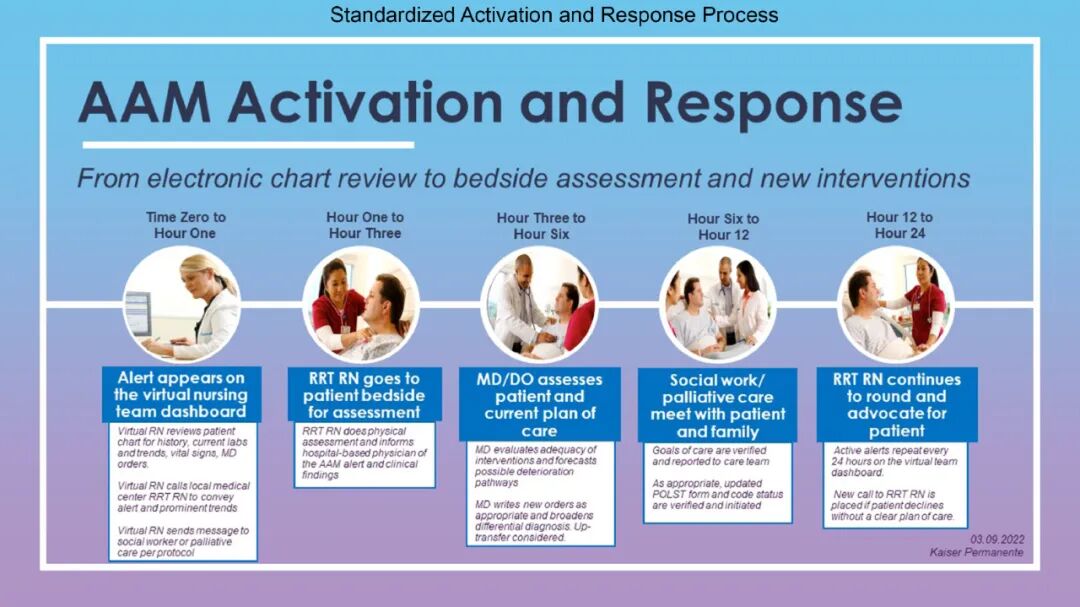
当全球AI竞赛聚焦于 "更大参数、更高分数" 时,Hippocratic AI和Abridge——这两家风格迥异的医疗科技公司——正悄然改写游戏规则。 一边是 "安全第一" 的伦理坚守者:Hippocratic AI以医学伦理基石命名,创始人团队来自斯坦福医学院和顶尖AI实验室,旨在构建永远不会越界的医疗对 话系统。 一边是 "极致聚焦" 的效率革新者:Abridge源自卡内基梅隆大学的人机交互研究,由连续创业者领导,专注于解决医疗记录这一单点痛点,不染指任何临 床决策。 它们看似选择了两条不同的道路,却共同证明了一个反直觉的真理:在高风险的真实医疗世界中,最有价值的AI能力可能不是"无限生成",而是 "精确克 制" 。 01┃被叫停的 "完美模型" :当技术超越责任框架 医疗AI的发展历程中有一个标志性的转折点。据《华尔街日报》等媒体报道,几年前,美国凯泽医疗集团(Kaiser Permanente)内部研发出一套能够提前 数小时预测患者病情恶化的AI系统。在测试环境中,这个模型表现卓越,能够提前识别超过80%的潜在ICU病例,理论上每年可以避免大量医疗危机。然 而就在临床部署前的最终评审中,项目被紧急叫停 ...
两大自动驾驶巨头“内讧”:谁在吹牛?谁在数钱?
汽车商业评论· 2025-12-18 23:05
Core Viewpoint - The article discusses the competitive landscape of the autonomous driving industry, focusing on the significant developments from Waymo and Tesla, highlighting their strategies, advancements, and the challenges they face in achieving fully autonomous driving [4][5]. Group 1: Waymo's Developments - Waymo is in talks for a new funding round led by its parent company, Alphabet, aiming to raise between $15 billion to $20 billion, which would increase its valuation to over $100 billion, doubling from $45 billion in October 2024 [8]. - Waymo has expanded its service area significantly, covering approximately 260 square miles in Silicon Valley and becoming the first company to offer paid autonomous driving services on highways without a driver [16][21]. - The company has completed 127 million miles of fully autonomous passenger miles, achieving a 90% reduction in severe accidents and a 92% reduction in pedestrian injuries compared to human drivers [19][21]. Group 2: Tesla's Strategy - Tesla is attempting to leverage its unique vision-based Full Self-Driving (FSD) system and extensive data from mass-produced vehicles to catch up with Waymo [22]. - The company has launched a taxi network in Austin, where vehicles are monitored by a safety operator, marking a significant step towards fully autonomous operations [22][30]. - As of October 2025, over 2 million Tesla vehicles are equipped with the FSD beta, generating vast amounts of road scene data daily [28]. Group 3: Challenges Faced - Both Waymo and Tesla face ongoing challenges related to technology maturity, safety performance, and regulatory compliance [32]. - Waymo has encountered operational difficulties, such as traffic congestion caused by its vehicles in San Francisco, highlighting the complexities of real-world scenarios [33][37]. - Tesla's FSD software has faced scrutiny due to incidents of traffic violations and accidents, with seven collisions reported in Austin as of mid-October 2025, despite the presence of human safety operators [40][41]. Group 4: Regulatory Environment - Tesla is under strict scrutiny from state and federal regulators, which poses risks to its business model, especially as it aims to launch fully autonomous taxi services [44]. - The California DMV has mandated Tesla to change the name of its "Autopilot" system to clarify its nature as an advanced driver assistance system, with a deadline for compliance [44]. Group 5: Future Outlook - The future of autonomous driving may hinge on the safety data generated by Tesla's autonomous taxi operations, suggesting that superior safety metrics could determine market leadership [45].
Everything EV & Autonomy: RIVN Next Step & Waymo, UBER Riding A.I. Wave
Youtube· 2025-12-18 20:30
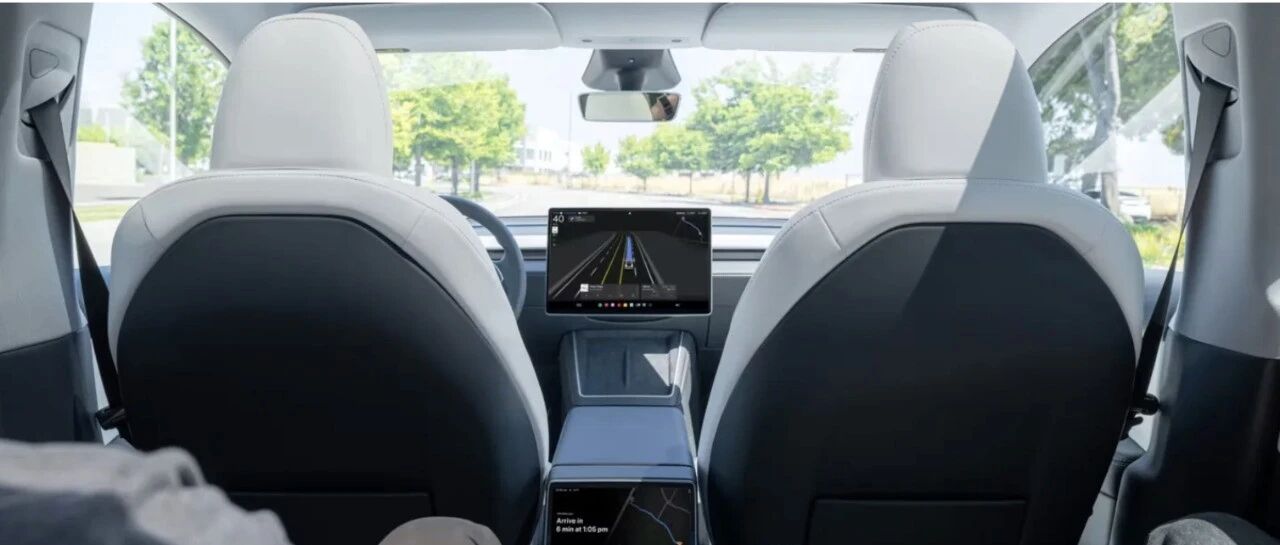
Core Insights - The electric vehicle (EV) market is experiencing significant consumer enthusiasm, driven by advancements in autonomous technology and the need for improved charging infrastructure [2][4][10] - Affordability and vehicle form factors are critical factors influencing consumer adoption of EVs, particularly for families seeking practical options [3][4] - Rivian is positioning itself competitively in the EV market with its upcoming R2 vehicles, targeting a price range of $45,000 to $55,000, and plans to enhance autonomy features [6][7][12] Industry Trends - The development of charging infrastructure is a key barrier to wider EV adoption, with many potential consumers waiting for improvements before making the switch [1][4] - The integration of autonomy in EVs is expected to accelerate adoption, as consumers value the convenience and time savings associated with autonomous driving [5][20] - Companies like Tesla and Rivian are leading the charge in autonomous technology, with Rivian's plans for a hands-free driving feature and Tesla's successful robo-taxi launch [8][11] Company Analysis - General Motors is highlighted as a strong player in the EV market, particularly with its full-size pickups and SUVs, despite some criticism regarding its transition strategy from internal combustion engines to EVs [10][12] - Rivian is recognized for its innovative approach, including in-house development of processors and software, which may provide a competitive advantage in the EV space [12] - The potential for personal vehicle autonomy is seen as a transformative opportunity, allowing consumers to utilize their vehicles in new ways, such as self-driving to pick up passengers [18][20]



Short Tesla, Buy Rivian Stock?
Forbes· 2025-12-18 16:05
Core Insights - Tesla maintains a significant presence in the AI market with a market capitalization of $1.6 trillion, despite stagnation in its electric vehicle division [2] - Rivian Automotive is emerging as a more attractive investment opportunity with a market cap of $22 billion and plans for substantial growth in vehicle production [2] Tesla's Valuation and Challenges - Tesla's market capitalization fluctuates around $1.5 trillion to $1.6 trillion, with a Price-to-Sales (P/S) ratio near 17x, necessitating significant growth to justify its valuation [3][4] - Analysts predict a revenue decrease of -3% for Tesla this year, with challenges stemming from various "black box" AI projects and regulatory hurdles [6] - Tesla's competitive edge in Full Self-Driving (FSD) is threatened by rivals like Waymo and Xpeng, which are advancing in autonomous driving technology [6] - Price reductions by competitors such as BYD and Xiaomi in China are eroding Tesla's profit margins, impacting its market share [6] - The rollout of Tesla's self-driving taxi fleet is limited and faces regulatory challenges, hindering its commercial viability [6] - The humanoid robot Optimus is still in experimental stages, with production falling short of expectations, raising doubts about its potential value contribution [6] Rivian's Growth Potential - Rivian is transitioning from a luxury niche to the mass market with the introduction of the R2 SUV, expected to increase revenue by 28% or more in 2026 [6] - Rivian's prudent spending strategy and simpler designs aim to mitigate risks associated with mass-market manufacturing [6] - The company is developing its own autonomy platform, Autonomy+, which offers high-margin recurring revenue opportunities [6] - A $5.8 billion agreement with Volkswagen positions Rivian as a key player in electric vehicle technology, potentially establishing it as a foundational technology provider [6] Market Outlook - The AI sector is showing signs of fatigue, leading investors to prioritize tangible returns over speculative projects [7] - Tesla's high valuation leaves little room for setbacks, while Rivian's lower expectations present significant upside potential if targets are met [7] - Tesla's future hinges on navigating complex technical and regulatory challenges, while Rivian's growth narrative is based on actual production increases and confirmed technology licensing [9]