Temu

Search documents
阿根廷变天!米莱给中国抛橄榄枝:关税归零,50万美元拿黄金护照
Sou Hu Cai Jing· 2026-01-26 19:03
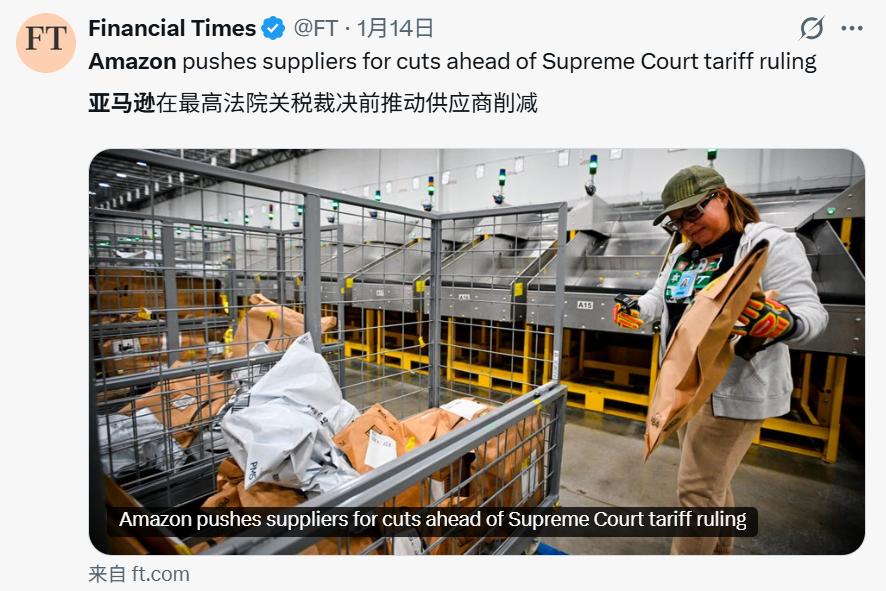
Group 1 - A Chinese cargo ship carrying 5,800 BYD electric vehicles has broken Argentina's 22-year trade barrier, with the vehicles arriving at Buenos Aires' Sarandí port on January 23, 2026, after the elimination of a 35% import tax that previously added significant costs [1] - The new Argentine president, Javier Milei, has drastically reduced tariffs on electric vehicles to zero, attracting Chinese automakers like BYD and Tesla to the market [3] - Argentina's immigration policy has introduced a $500,000 golden passport program, allowing foreign investors, particularly from China, to obtain residency and access to international opportunities, leading to a surge in applications [3][4] Group 2 - In 2025, China's exports to Argentina surged by 75%, with Chinese products becoming increasingly available in local markets, including a rise in Chinese supermarkets [4] - The electric vehicle market in Argentina is experiencing rapid growth, with sales expected to triple in 2025, 70% of which are anticipated to be Chinese brands [6] - The influx of Chinese technology, including solar panels and wind turbine components, is transforming Argentina's energy landscape, with local resources being utilized for lithium mining to support battery production [8][11] Group 3 - The sudden policy changes have led to unexpected winners, such as second-hand car dealers, who are struggling as consumers shift towards new electric vehicles from brands like BYD [9] - The demand for Chinese electric vehicles has increased significantly, with local consumers now preferring them over traditional domestic options [9] - The vibrant market for Chinese goods and services is reshaping Buenos Aires, with a notable increase in the presence of Chinese businesses and products [11]


跨境电商行业深度分析
2026-01-26 02:49
Cross-Border E-Commerce Industry Analysis Summary Industry Overview - The cross-border e-commerce industry has experienced significant growth, outpacing China's overall foreign trade levels, driven by advantages such as small orders, quick returns, and high cost-effectiveness [1][2] - The global cross-border e-commerce market is expected to exceed $1 trillion by 2025 and reach $4 trillion by 2032, with a compound annual growth rate (CAGR) of nearly 20% [1][5] Key Markets - The primary markets for cross-border e-commerce remain in Europe and the United States, with the U.S. accounting for 34% of the market share in 2024 [3] - Emerging markets such as Southeast Asia, the Middle East, Latin America, and Africa are experiencing rapid growth and are becoming focal points for major cross-border e-commerce companies [4] Market Dynamics - The B2B model constitutes approximately 70% of the market, connecting overseas buyers through platforms like Alibaba International Station [6] - B2C sales are conducted directly to consumers via platforms like Amazon and independent sites, focusing on brand building [6] Business Models - The rise of full-service models has been noted, where platforms like Tom, Shopee, and AliExpress control pricing, marketing, and logistics, leaving sellers responsible only for supply [7] - Semi-managed models are suitable for larger items, requiring sellers to manage logistics and warehousing while maintaining some pricing autonomy [8] Industry Chain - The upstream of the industry includes brand owners and large sellers such as Anker Innovations and Savi Technology, responsible for product design and sales [9] - The midstream consists of transaction platforms like Amazon and TikTok, which hold significant influence over traffic distribution and industry rules [9] Future Trends and Challenges - Key trends for 2026 include the importance of infrastructure services and self-pickup points, with logistics providers like China National Freight and payment platforms like Payoneer being crucial players [10] - The U.S. market is expected to grow at a rate of 2.1%, with potential increases in certain regions [10][11] - Currency appreciation of the RMB poses challenges for cross-border e-commerce companies, affecting pricing advantages and exchange rate losses [12] - The logistics cost landscape is changing, with the Shanghai SCFI index indicating low freight rates, but hidden costs from shipping disruptions are increasing [12] - Changes in tariff regulations, such as the EU's removal of tax exemptions for goods under €150 and the U.S. gradually phasing out exemptions for packages under $800, will benefit large merchants with overseas warehousing capabilities [12] - Rising fulfillment costs, particularly with Amazon's FBA fees and increased commission rates on platforms like TikTok, are putting pressure on cross-border e-commerce companies [12]
TikTok Shop推出“地平线项目”:拉动美区千万美元年销额品牌入驻;iPhone Air三个月跌近3000元丨Going Global
创业邦· 2026-01-25 10:33
Group 1 - TikTok Shop launched the "Horizon Project" to attract brands with annual sales of at least $10 million to join its platform, aiming for a total sales target of $50 million by the end of 2026 [4] - Temu's market share is projected to equal Amazon's by 2025, with both platforms capturing nearly half of the global cross-border e-commerce market [5][7] - Alibaba's chip company T-Head is planning to restructure for independent listing, which is seen as a significant step in building its AI capabilities [9] Group 2 - The snack retail giant "Mingming Hen Mang" has initiated its IPO process, aiming to raise up to approximately HKD 3.34 billion, with a network of nearly 20,000 stores across China [10][11] - Heytea has expanded internationally, opening over 100 stores in 32 cities, with a focus on local product development for overseas markets [13] - Global memory giant SK Hynix announced record bonuses for employees, reflecting strong financial performance with a 39% year-on-year increase in sales [23]



2025年跨境电商行业年度报告-AMZ123
Sou Hu Cai Jing· 2026-01-25 08:36
Core Insights - The cross-border e-commerce industry is entering a dual transformation period characterized by "rule reconstruction and value upgrading" by 2025, with a shift from scale expansion to quality and efficiency [1] Market Overview - The global e-commerce market is steadily growing, with sales expected to reach $6.419 trillion by 2025, accounting for 20.5% of total retail sales, and projected to increase to $7.89 trillion by 2028 [1] - Regional markets show differentiated characteristics, with North America and Europe remaining core markets, while emerging markets in Southeast Asia, the Middle East, and Latin America are becoming the main growth drivers with double-digit growth rates [1] China Cross-Border E-Commerce - China's cross-border e-commerce demonstrates strong resilience, with total import and export value reaching 1.37 trillion yuan in the first half of the year, a year-on-year increase of 10.3%. However, growth slowed in the second half due to U.S. policy impacts, with low-value goods exports to the U.S. declining by 51% and exports to Europe increasing by 47% [1] Key Industry Changes - Ten key changes are reshaping the development landscape, including multi-polar market layouts, semi-managed localization, deepening AI applications, increased compliance thresholds, and social content becoming a primary arena [1] - The market is accelerating "de-Americanization," with 81% of U.S. sellers planning to expand into other markets, with Europe as the preferred choice [1] Platform Competition - Platform competition has shifted from "one strong player and many strong competitors" to "multi-dimensional mixed battles," with Amazon consolidating its position through low-price strategies and compliance upgrades, while Temu, SHEIN, and TikTok Shop are advancing managed model iterations and localization [1] Consumer Trends - The global online shopping user base has reached 2.77 billion, with 90% shopping via smartphones. The primary motivation for cross-border shopping is low prices (51%), while core barriers include fraud concerns (52%) and delivery times (46%) [2] - Social e-commerce is on the rise, with 70% of consumers shopping on social platforms, and Gen Z favoring channels like TikTok and Instagram. AI shopping tools, such as virtual try-ons and smart guides, have over 70% acceptance [2] Policy Developments - The domestic cross-border e-commerce pilot zones have expanded to 178, with zero-tariff products in Hainan Free Trade Port being increased. Multiple countries are adjusting tariff policies, with the U.S. raising tax rates on China and the EU and UK removing the small package tax exemption, significantly increasing compliance costs [2] Seller Ecosystem - The seller ecosystem is characterized by "total volume contraction and head growth," with Amazon China sellers accounting for over 50%. However, performance differentiation is evident, with over 70% of sellers experiencing revenue declines. Full-chain operations and brand-building capabilities are becoming key competitive factors [2] Future Directions - The "cross-border e-commerce + industrial belt" model, channel diversification, and localized operations will continue to drive industry development. AI empowerment and social content marketing are becoming core competitive advantages, while compliance and value deepening are critical directions for companies to break through [2]

H&M在中国,加速逃离平价
36氪未来消费· 2026-01-23 05:21
Core Viewpoint - H&M is undergoing a transformation towards a more fashionable and premium positioning, exemplified by its collaboration with Chinese designer Jacques Wei, which aims to enhance brand visibility and appeal in international markets [8][10]. Group 1: Collaboration with Jacques Wei - The collaboration with Jacques Wei features a collection inspired by "horses," incorporating signature elements like beading, metal accessories, and animal prints, showcasing H&M's shift towards a more fashion-forward identity [4][8]. - Jacques Wei's brand, established in 2020, has achieved a revenue of €3 million and is present in over 30 international fashion retail channels, indicating strong market potential [7]. - The collection will primarily be sold in Japan, South Korea, and Australia, with a focus on more daring designs that perform better in overseas markets compared to practical styles favored domestically [8]. Group 2: H&M's Strategic Shift - H&M is in a critical phase of transformation, having recently returned to London Fashion Week after seven years, showcasing its 2025 Fall/Winter collection and high-end lines [9]. - The company has emphasized the term "premium" significantly more in its communications, indicating a strategic pivot towards higher-end offerings [11]. - H&M's collaboration strategy has diversified, with six partnerships launched since mid-2025, aiming to balance seasonal marketing with designer collaborations [10]. Group 3: Financial Performance - In Q3 of the 2025 fiscal year, H&M reported a 2% year-on-year increase in net sales, with a gross margin of 52.9%, up 1.8 percentage points from the previous year, and a 40% increase in operating profit [11]. - The company is reducing the SKU share of its lowest-priced products in the UK by 15%-25% and increasing the proportion of its EDITION series in China to elevate average transaction values [12]. Group 4: Future Outlook - H&M aims to continue seeking collaborations with emerging design talents like Jacques Wei, focusing on sustainable integration of high-fashion elements into everyday offerings [12].

一个新时代的来临:平台要替卖家缴税了?!税局以后或许不需要问你意见
Sou Hu Cai Jing· 2026-01-23 02:46
Core Insights - The era of informal cross-border e-commerce is officially over, with tax compliance becoming a critical issue for survival in the industry [1] - SHEIN has initiated a tax withholding service, marking the beginning of a new compliance era for cross-border e-commerce platforms [2] Group 1: Tax Compliance Changes - SHEIN's new service allows the platform to handle tax declarations and payments on behalf of sellers, simplifying the compliance process [2] - The shift to platform-based tax withholding is driven by regulatory changes from the State Administration of Taxation, requiring exporters to declare income tax on their export revenues [2] - Global tax regulations are tightening, with Amazon in Mexico implementing differentiated tax rates based on local tax identification numbers, and the EU eliminating tax exemptions for low-value goods [5] Group 2: Challenges for Sellers - Amazon sellers face compliance difficulties, particularly with the 9810 model, which complicates customs, tax, and foreign exchange processes [6] - Data discrepancies between Amazon's reporting and Chinese tax requirements create additional challenges for sellers [6] - The short validity period of tax data links and delays in synchronizing information across multiple platforms further burden sellers [6] Group 3: Strategic Responses for Different Business Sizes - Small businesses (annual revenue < 5 million) should leverage tax incentives and consider individual business structures to minimize tax burdens [8] - Growing enterprises (annual revenue 5 million - 200 million) need to restructure cross-border settlements and ensure compliance with tax regulations [8] - Mature companies (annual revenue > 200 million) can optimize global tax burdens through strategic corporate structures and investment in compliance technologies [8] Group 4: Reframing Compliance Value - Compliance is evolving from a cost center to a core competitive advantage, with companies needing to integrate compliance into their business processes [10] - The increasing global compliance requirements, such as the EU's directive on ESG data disclosure, highlight the importance of robust compliance systems [10] - Companies that effectively manage compliance can gain advantages in market entry, expansion, and financing opportunities, as evidenced by SHEIN's investment in compliance systems leading to improved user retention [10]

格林大华期货早盘提示:全球经济-20260123
Ge Lin Qi Huo· 2026-01-23 01:06
Report Industry Investment Rating - Not provided in the given content Core Viewpoints - The global economy has passed its peak and is starting to decline due to the continuous wrong policies of the United States [4] - The United States' return to the Monroe Doctrine and its global contraction will have a profound and disruptive impact on major asset classes such as the global economy, US bonds, US stocks, the US dollar, precious metals, and industrial metals [3] Summaries by Related Catalogs Global Economy - Huang Renxun stated that AI will bring the largest infrastructure construction boom in history, driving trillions of dollars in new investments [1] - South Korea's semiconductor exports in the first 20 days of this year reached $10.73 billion, a year - on - year increase of over 70%, indicating strong global semiconductor demand [1] - AI is driving a "K - shaped" recovery in the semiconductor industry, with upstream AI storage chip manufacturers benefiting and downstream PC and mobile phone manufacturers facing cost - transfer pressure [1] - The US is causing global political and economic uncertainties through actions like attempting to control Venezuelan oil and investigating the Fed Chair. The Fed's uncertainty is expected to peak from July to November 2026, potentially leading to a "flight from US assets" [2] - The Fed cut interest rates by 25 basis points in December and is buying $40 billion in short - term bonds monthly, expanding its balance sheet [2] - The decline in Las Vegas gambling revenue is similar to the early warning signals before the 2008 financial crisis [2] - The US is adjusting its economic relationship with China and aiming to revitalize its economic autonomy [2] - Consumer K - shaped differentiation in the US is intensifying, with high - income consumers maintaining spending and middle - and low - income families tightening their belts [2] - Japan's central bank raised interest rates by 25 basis points, and the 10 - year Japanese government bond yield rose to 2.18% [2] - Google plans to double AI computing power every six months and achieve a 1000 - fold increase in the next 4 - 5 years to meet AI service demand [2] - TSMC's capital expenditure in 2026 is estimated to be between $52 billion and $56 billion, a year - on - year increase of 27% - 37%, signaling the continuation of the AI boom [2] Other - Wall Street's re - calibration of storage giants' valuations is driving the rise of the US stock storage sector, with many brokerages raising target prices for SanDisk and Micron [1] - Musk is advancing SpaceX's IPO plan, aiming to complete it by July this year, and China's first offshore liquid rocket launch and recovery test platform is under construction in Shandong [1] - JPMorgan CEO warns that Trump's proposed credit card interest rate cap could cause an "economic disaster" [1] - Temu's global market share has soared from less than 1% to 24%, matching Amazon, and Chinese cross - border e - commerce is breaking through with "full -托管 mode" and supply - chain advantages [1] - Trump is looking for a candidate for a position who can lower long - term borrowing costs, with Rieder and Waller being strong choices [1]
2025全球电子商务手册-transcosmos
transcosmos· 2026-01-22 06:35
Investment Rating - The report does not explicitly state an investment rating for the industry Core Insights - The global e-commerce market continues to grow but at a stabilizing rate, with emerging markets (India, Southeast Asia, Latin America) becoming the main growth drivers [5] - Social e-commerce and AI technologies are reshaping consumer experiences, with platforms like TikTok Shop promoting "community-driven consumption" [5] - A trend towards rational consumption is emerging, with consumers focusing more on cost-effectiveness, making alternative products (Dupe) the new norm [5] - Cross-border e-commerce faces regulatory and tariff challenges, with platforms like SHEIN and Temu accelerating localization and compliance transformations [5] - Generative AI and AI customer service enhance personalized shopping experiences, becoming new engines for e-commerce growth [5] Summary by Sections Research Background Assessment - The research is conducted by transcosmos, covering e-commerce market data from 30 countries and regions globally [3] - The report primarily focuses on data from 2024, with some forecasts extending to 2034, ensuring high timeliness and forward-looking analysis [3] Scope and Boundaries Confirmation - The report covers B2C e-commerce, including physical goods, services, cross-border e-commerce, social e-commerce, live-streaming e-commerce, and AI applications [4] - The geographical market includes 30 countries and regions, segmented into Asia-Pacific, North America, Latin America, Europe, and the Middle East & Africa [4] Key Data Capture and Presentation - The global B2C e-commerce market is projected to reach approximately $7.5 trillion in 2024, with a year-on-year growth of 11.5% [7] - By 2034, the market is expected to grow to $15.57 trillion, with a CAGR of 7.6% [6] - The social e-commerce market is estimated at $683.9 billion in 2024, with a year-on-year growth of 19.6% [9] - The cross-border e-commerce market is projected to be around $1.5 trillion, with significant growth in markets like Singapore and Indonesia [6]
阿根廷迎来首批中国电动汽车,“前所未有的景象”
Guan Cha Zhe Wang· 2026-01-22 06:10
Group 1 - BYD's automobile transport ship "Changzhou" arrived in Argentina with over 5,800 electric and hybrid vehicles, marking a significant milestone for the company in the Argentine market [1][4] - The arrival of Chinese electric vehicles is unprecedented in Argentina, a country historically protective of its local industries through high tariffs and import restrictions [1][3] - The recent signing of a free trade agreement between the Southern Common Market (Mercosur) and the European Union could stimulate demand for electric vehicles in South America, although experts believe European manufacturers cannot compete with Chinese companies [1][3] Group 2 - Argentina's imports surged by 30% last year, driven by a significant reduction in trade barriers under President Milei's administration, contrasting with previous protectionist policies [3][4] - China's exports to Argentina increased by over 57% year-on-year, with new regulations allowing 50,000 electric and hybrid vehicles to enter the market duty-free, benefiting Chinese manufacturers [4][5] - The Argentine government has expressed optimism about the future of its automotive industry, indicating a shift away from the legacy of local production towards embracing global trade [4][5]


亚马逊开始收网:中国卖家的红利期到头了
3 6 Ke· 2026-01-21 10:44
Core Viewpoint - Amazon is proactively pressuring suppliers for discounts of up to 30% to mitigate potential tariff impacts, particularly targeting Chinese suppliers, indicating a significant shift in its operational strategy amidst ongoing trade uncertainties [1][4][5]. Group 1: Amazon's Pricing Strategy - Amazon's discount demands vary significantly, with reductions ranging from a few percentage points to as high as 30%, particularly affecting categories like electronics and home goods [4]. - The urgency of Amazon's actions is notable, as negotiations with suppliers were expedited to complete before a Supreme Court ruling on tariffs, with some deadlines set as early as January 1 [4]. - The majority of the burden from these discount requests falls on Chinese suppliers, who account for over 50% of Amazon's seller base and approximately 60% of its sales [4][14]. Group 2: Financial Implications - Goldman Sachs estimates that if the tariffs from the Trump era are upheld, Amazon's annual operating profit could decline by 6% to 12%, translating to a potential loss of $5 billion to $10 billion [5]. - In a low-margin e-commerce environment, Amazon's strategy to recover previously granted supplier concessions is seen as the only viable path to maintain its low-price promise while managing policy risks [6]. Group 3: Competitive Landscape - The rise of aggressive pricing strategies from competitors like Temu, TikTok Shop, and SHEIN is intensifying pressure on Amazon, prompting it to launch Amazon Haul, which offers products at significantly lower prices [10][11]. - Despite the launch of Amazon Haul, consumer adoption has been low, with only 16% of U.S. consumers using the low-price platform monthly, indicating that Amazon's pricing may still not be competitive enough [11]. Group 4: Supplier Dynamics - The pressure on Chinese sellers is exacerbated by their heavy reliance on Amazon, with nearly 70% of sellers limited to a single market, making them vulnerable to price negotiations [14]. - Amazon's recent layoffs, particularly in its seller management teams, reflect a strategic shift towards automation and AI, which may further impact the support available to suppliers [15][16]. Group 5: Long-term Outlook - The ongoing cost negotiations and Amazon's pricing strategies signal a broader reallocation of power within the supply chain, with potential long-term risks for smaller sellers who may struggle to survive under increased pressure [19]. - The decline in new seller registrations on Amazon, which dropped by 44% year-over-year, suggests a shrinking marketplace that could lead to reduced product diversity and user experience [19][21].