小红书

Search documents
二线互联网大厂,扎堆「抄底」支付牌照
3 6 Ke· 2025-11-20 00:43
Core Viewpoint - Major internet companies are actively acquiring payment licenses as the third-party payment market faces critical challenges, particularly with upcoming license renewals and regulatory changes [2][4][14]. Group 1: Company Actions - Xiaohongshu has acquired 100% of Dongfang Electronic Payment Co., Ltd. through its subsidiary, completing a capital increase [1][7]. - Tongcheng Travel and 58.com have also acquired payment licenses through affiliated companies [2]. - Tongcheng Yilong spent 300 million to acquire Xinxing Payment, a fully qualified payment institution [8]. Group 2: Market Context - The third-party payment market is at a pivotal moment, with many institutions facing license renewals by May 2026, and new regulations set to take effect in 2024 [2][4]. - The new regulations will require a minimum registered capital of 100 million yuan and establish dynamic net asset requirements linked to reserve fund sizes [4]. Group 3: Industry Challenges - Domestic third-party payment institutions face intense competition and low fee rates compared to overseas markets, leading to financial strain for smaller players [5]. - As of November 2025, 107 payment licenses have been canceled, a nearly 40% reduction from peak levels [6]. Group 4: Importance of Payment Licenses - Payment licenses are becoming essential for internet platforms to accelerate commercialization and enhance customer experience [9][12]. - Companies like Douyin and Pinduoduo have previously secured payment licenses to stabilize and expand their business operations [12][15]. Group 5: Future Trends - The trend of "buy now, pay later" is emerging as a key competitive factor in the local lifestyle market, indicating the growing importance of payment solutions [13][14]. - Major internet companies are increasing their capital investments in payment entities to support their growth strategies [15].


程强:市场延续调整,AI应用领涨
Sou Hu Cai Jing· 2025-11-19 04:10
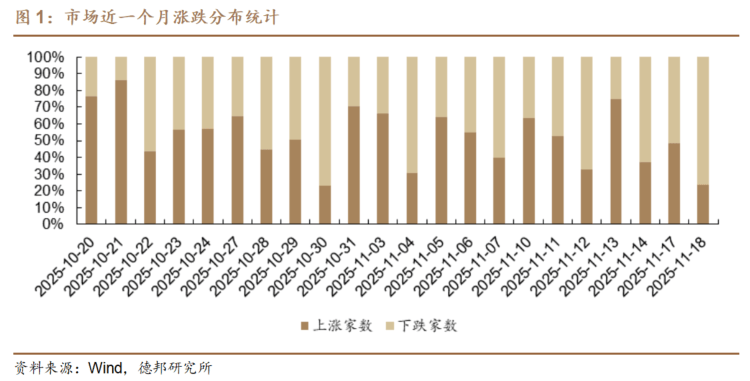
Market Overview - The A-share market continues to adjust, with the Shanghai Composite Index closing down 0.81% at 3939.81 points, marking three consecutive days of decline [2] - The total market turnover reached 1.95 trillion, an increase of 0.8% from the previous day, with 4103 stocks declining, the highest in nearly a month [2] Market Analysis - The stock market is experiencing external disturbances, leading to a three-day adjustment. The decline is primarily driven by high-flying sectors, particularly in the lithium battery industry, which saw significant drops in various components [4] - The AI application sector is showing strength, with notable increases in stocks related to platforms like Pinduoduo and Xiaohongshu, driven by the competitive landscape with Alibaba's "Qianwen APP" [4] External Factors - Recent external factors affecting the market include a hawkish stance from the Federal Reserve, raising concerns about potential interest rate cuts in December and overly optimistic expectations for 2026 [5] - Tensions in Sino-Japanese relations have also impacted market risk appetite [5] Bond Market - The bond market is showing strong fluctuations, with the 30-year main contract rising by 0.06% and other contracts also experiencing slight increases [7] - The central bank conducted a reverse repurchase operation of 407.5 billion yuan, maintaining a stable funding environment [7] Commodity Market - The commodity market is generally weak, with the Nanhua Commodity Index falling by 0.53%. Notably, coking coal futures dropped by 3.86% due to weakening supply and demand expectations [8] - The decline in coking coal prices is attributed to stable supply signals from the government and a shift in market sentiment regarding winter supply shortages [8] Trading Hotspots - Recent popular sectors include dividends, artificial intelligence, and quantum technology, with a focus on capital expenditure trends and technological breakthroughs [11] - The investment strategy suggests a balanced allocation towards dividend stocks, micro-cap stocks, and industry trend sectors, while monitoring policy support and international commodity prices [12]

登顶开源SOTA!上交大&小红书LoopTool实现工具调用任务的「数据进化」
机器之心· 2025-11-19 04:07
Core Insights - The article discusses the evolution of large language models (LLMs) from merely "speaking" to "doing" through the integration of external tools, emphasizing the need for high-quality, diverse training data to enhance model performance in various tasks [1][5][35] Group 1: LoopTool Framework - Shanghai Jiao Tong University and Xiaohongshu team developed LoopTool, an autonomous, model-aware, iterative data evolution framework that achieves data-model closed-loop optimization for tool-calling tasks [2][35] - LoopTool utilizes the open-source model Qwen3-32B as both data generator and discriminator, outperforming its larger counterpart (32B) with a smaller model (8B) in tool-calling performance [2][35] - The framework has demonstrated its effectiveness by achieving state-of-the-art (SOTA) results on public benchmarks BFCL-v3 and ACEBench, validating the generalizability and effectiveness of closed-loop iterative optimization across different model sizes [2][35] Group 2: Methodology - LoopTool's core concept is to create an automated closed loop of data generation, label correction, and model training, driven by model performance feedback [7][35] - The process begins with seed data construction, where high-quality, diverse seed datasets are generated using semantic and constraint trees to ensure consistency and semantic integrity [9][10] - The iterative optimization phase includes several modules: GRPO training for tool calling, greedy capability probing to identify valuable samples, judgment-guided label verification for correcting mismatched labels, and error-driven data expansion to create new challenging samples [11][12][13][15][17] Group 3: Experimental Results - LoopTool-8B achieved an overall accuracy of 74.93% on BFCL-v3, ranking first among all 8B models, with a notable improvement of +8.59 percentage points over the original Qwen3-8B [20][23] - LoopTool-32B reached an overall accuracy of 79.32%, also ranking first, demonstrating superior performance in both single-turn and multi-turn scenarios [20][21] - The iterative training process showed continuous performance improvement, contrasting with static training methods that plateaued or declined due to mismatched data distribution and model capabilities [23] Group 4: Generalization and Downstream Tasks - LoopTool not only enhances tool-calling capabilities but also improves general reasoning and complex task handling, as evidenced by its performance across various general tasks [30][31] - The model demonstrated significant improvements in instruction following and code generation tasks, indicating that closed-loop data evolution positively impacts broader model capabilities [30][31] - In practical applications, LoopTool's enhanced tool usage ability effectively addresses real-world problems, showcasing its utility in diverse scenarios such as API management and complex task execution [32][33]

QuestMobile2025年双十一洞察报告:内容互动量、快递业务量、下单量飙升,平台间用户争夺战激烈
3 6 Ke· 2025-11-19 02:29
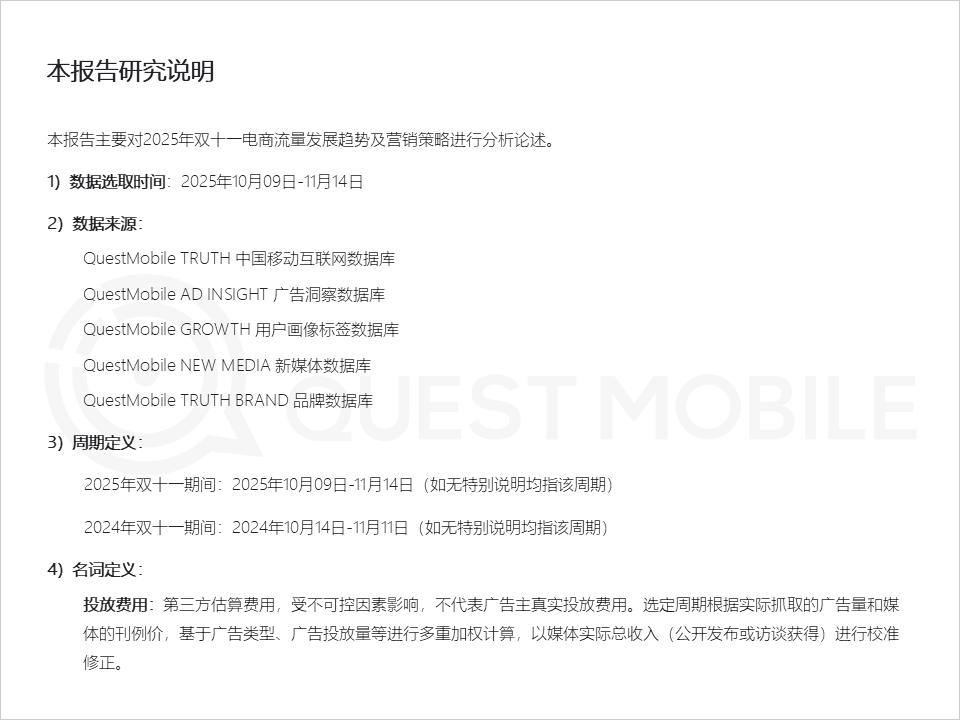
Core Insights - The 2025 "Double Eleven" shopping festival shows a significant increase in mobile shopping penetration and user engagement, indicating a shift towards a more mature consumer behavior in e-commerce [1][8][11]. Industry Insights - The active penetration rate of the mobile shopping industry reached 87.5% in October 2025, a 0.6% increase from the previous year [8]. - The content interaction volume during "Double Eleven" experienced explosive growth, reaching 1.12 times the peak of the 618 shopping festival [1]. - The logistics sector saw a year-on-year increase of 8% in collection volume and 6.6% in delivery volume during the promotional period [1]. - Major e-commerce platforms like Taobao, Tmall, JD.com, and Pinduoduo saw daily active user growth on "Double Eleven," with Taobao reaching 508 million users, a 4.2% increase year-on-year [23]. Platform Strategies - E-commerce platforms are shifting from "traffic dividends" to "retention operations," focusing on deepening user engagement and simplifying promotional rules [6][27]. - The overlap of users among Taobao, Pinduoduo, and JD.com exceeded 50 million, marking a 19.9% year-on-year increase [2]. - Platforms are utilizing diverse marketing strategies, including media advertising, content preheating, and brand collaborations to attract users [2][36]. User Behavior - The user base is expanding to include more male, middle-aged, and lower-tier market consumers, with notable growth in users over 41 years old on Taobao [1][2]. - The competition for users is intensifying, with platforms like Douyin and Xiaohongshu attracting younger demographics, while comprehensive e-commerce platforms are focusing on retaining existing users [2][46]. Brand Marketing - Brands are adjusting their marketing strategies to focus on conversion, with significant differences in marketing rhythms across industries [50]. - The beauty and personal care sector continues to rely heavily on hard advertising, while the food and beverage sector balances hard and soft advertising for effective marketing [57][61]. - The home appliance industry is increasingly investing in hard advertising to drive direct conversions, with top brands like Midea and Haier dominating ad exposure during the festival [68].



QuestMobile2025年双十一洞察报告:内容互动量、快递业务量、下单量飙升,平台间用户争夺战激烈
QuestMobile· 2025-11-19 02:02
Core Insights - The report highlights the increasing penetration of mobile shopping, reaching 87.5% in October 2025, a 0.6 percentage point increase from the previous year [15] - The "Double Eleven" shopping festival continues to be a significant marketing event, with a shift from "traffic-driven" to "value-driven" strategies in e-commerce [19][12] Industry Insights - The logistics sector saw a year-on-year increase of 8% in collection volume and 6.6% in delivery volume during the "Double Eleven" period [4] - Major e-commerce platforms like Taobao, Tmall, JD, and Pinduoduo experienced user growth on "Double Eleven," with active users reaching 508 million, 414 million, and 227 million respectively, marking increases of 4.2%, 2.5%, and 9.8% [32] - The user base is expanding, particularly among male, middle-aged, and lower-tier market consumers, with notable growth in users aged 41 and above on Taobao [4][6] Platform Strategies - E-commerce platforms are simplifying promotional rules to enhance user experience and are increasingly utilizing AI technologies to improve transaction efficiency [37][39] - Marketing strategies are shifting towards integrated approaches, focusing on user retention and engagement through various channels, including short videos and search engines [44][48] - The competition among platforms is intensifying, with overlapping user bases exceeding 50 million, a 19.9% increase year-on-year [6] Brand Marketing - Brands are adjusting their marketing strategies to focus on conversion, with significant differences in marketing rhythms across industries [65] - The beauty and personal care sector relies heavily on hard advertising, while the food and beverage sector emphasizes broad exposure strategies [72][79] - The home appliance industry is increasingly investing in hard advertising to drive direct conversions, with top brands like Midea and Haier leading in advertising exposure [87]


年度策略|十五五启幕 2026年如何布局?
2025-11-19 01:47
年度策略|十五五启幕 2026 年如何布局?20251118 摘要 2026 年传媒板块受益于政策支持、AI 技术进步和产业链资本化, Reddit、小红书、字节跳动(TikTok)及 OpenAI 等关键企业或将在美 股进行资本化,A 股市场也可能看到机器人、AI 眼镜等新兴公司的资本 化驱动。 数字营销领域,蓝色光标、易点天下、天龙集团和引力传媒等公司受益 于阿里巴巴千问 APP 全球推广和华为新技术发布。电商与国漫、文娱与 科普文化等线下体验经济也将获得更多关注。 投资者应优先关注各细分领域龙头企业,如蓝色光标,并结合内生增长 动力与外部催化剂(政策、新技术发布等),在非业绩期布局。2025 年底至 2026 年初,互联网公司可能推出新的 AI 产品,是重要时间节点。 2025 年传媒板块多元化发展,线下文旅如上海双年展和电影院线借助 AI 技术吸引关注,线上长视频平台稳健发展,短视频由抖音主导,字节 跳动红果 APP 在短剧领域月活用户超 2 亿,数字营销广告和电商板块在 AI 赋能下转向拉动创收。 Q&A 2026 年传媒板块的整体布局和前景如何? 2026 年是"十五"规划的起始年,同时也是 20 ...

拿下支付牌照,小红书会进入小贷市场吗?
3 6 Ke· 2025-11-19 00:36
Core Viewpoint - Xiaohongshu has officially acquired a payment license through the acquisition of Dongfang Payment, marking a significant expansion in its e-commerce and financial services, making it the third major player in China's content social platform sector to hold such a license after Douyin and Kuaishou [1][3][4]. Group 1: Acquisition Details - Dongfang Electronic Payment Co., Ltd. has undergone a change in ownership, with all original shareholders exiting and Xiaohongshu's subsidiary, Ningzhi Information Technology (Shanghai) Co., Ltd., becoming the sole shareholder [3][4]. - The acquisition includes an increase in registered capital from 121 million to 200 million yuan, indicating a solid financial backing for the payment operations [8]. - Dongfang Payment holds a payment business license issued by the People's Bank of China, with its license renewal valid until May 2026, which is crucial for Xiaohongshu's operational capabilities [4][8]. Group 2: Strategic Implications - The acquisition is seen as a "win-win" situation, allowing Xiaohongshu to enhance its compliance and regulatory risk management while expanding its financial services [6][8]. - Xiaohongshu's entry into the payment sector is expected to facilitate its cross-border e-commerce operations, leveraging Dongfang Payment's resources for international transactions [10][11]. - The move aligns with broader trends in the industry where major internet companies are integrating financial services to create a comprehensive content-consumption-funding ecosystem [10][11]. Group 3: Market Position and Growth - Xiaohongshu's valuation is projected to reach 31 billion USD by June 2025, up from 26 billion USD earlier in the year, reflecting strong growth expectations [12][13]. - The platform has seen a significant increase in active purchasing users, particularly among younger demographics, with 70% of its purchasing users being born after 1995 [12]. - The company is actively expanding its workforce, with employee numbers rising significantly, indicating growth and investment in its operational capabilities [12][13]. Group 4: Regulatory Environment - The regulatory landscape for electronic payments has become increasingly stringent, with new regulations requiring clear ownership structures and compliance from payment license holders [6][8]. - Xiaohongshu has faced scrutiny regarding content management and compliance, leading to significant actions against accounts violating regulations, which reflects its commitment to maintaining a compliant platform [13][14]. - The company has been proactive in addressing regulatory challenges, including recent measures to enhance oversight in sensitive sectors like education and healthcare [14].

电商进入出清期
3 6 Ke· 2025-11-19 00:13
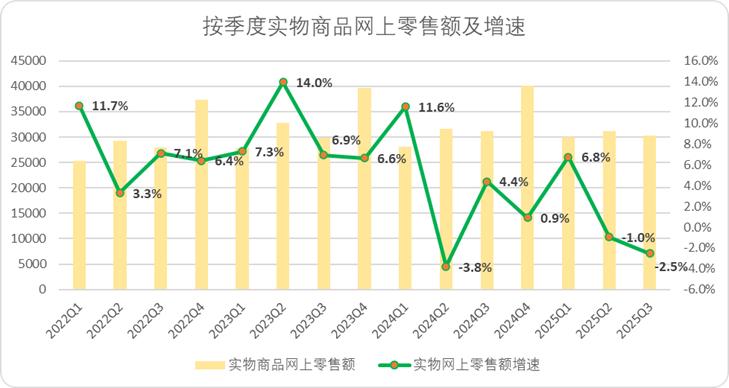
Core Insights - The e-commerce industry is experiencing significant growth pressure, with major players like JD.com and Pinduoduo facing declining profit margins despite revenue growth, indicating a shift towards a clearing phase in the market [2][11]. Group 1: Industry Overview - The e-commerce sector is entering a period of oversupply, where supply growth has outpaced demand growth, leading to intensified competition and profit declines among leading platforms [2][10]. - The overall online retail sales of physical goods grew by 6.5% in the first three quarters of the year, primarily driven by subsidy policies, but growth has slowed significantly in subsequent quarters [3][5]. - The online penetration rate for physical goods has stabilized between 24% and 27% since 2021, indicating a bottleneck in potential growth for e-commerce [6][8]. Group 2: Demand Side Analysis - Demand growth has been largely driven by subsidies, with natural growth showing signs of weakness, particularly as the incremental growth is concentrated in the first quarter of the year [3][5]. - The demand side is facing a stagnation period, with both existing business demand and potential for online retailing reaching a developmental bottleneck [8]. Group 3: Supply Side Analysis - The supply side is characterized by a surge in the number of players, particularly with the rise of content platforms, leading to increased homogeneity in offerings and intensified price competition [9][10]. - The market is witnessing a structural shift from a few monopolies to a "hammer-shaped" monopoly, where smaller players are being diluted, and larger players are increasingly competing for market share [13][15]. - Data shows that the concentration ratio (CR2) in the e-commerce sector has decreased from 60% in 2022 to 57% in early 2023, while the CR5 has increased from 84% to 93%, indicating a shift towards a more concentrated market [13]. Group 4: Profitability Challenges - Despite revenue growth, the overall profitability of the e-commerce industry is under significant pressure, with many companies experiencing a "growth without profit" scenario [11][15]. - For instance, JD.com reported a profit reduction of over 50% due to high subsidies in its delivery business, while Alibaba's commercial segment saw a 21% decline in adjusted EBITA [11][15]. - The overall trend indicates that as competition intensifies, profit margins are being squeezed, leading to a decline in operational profitability across the sector [11][15]. Group 5: Merchant Challenges - Merchants are facing a dilemma of increasing costs without corresponding revenue growth, leading to a decline in return on investment (ROI) for marketing expenditures [16][19]. - Many merchants have reported poor performance from new marketing models, resulting in significant losses despite initial revenue boosts [16][19]. - The data indicates that companies that reduced marketing expenses have seen improvements in long-term profitability, while those that increased spending have experienced declines [18][19]. Group 6: Strategic Recommendations - To navigate the clearing phase, platforms should focus on the essence of trade, minimizing friction in supply-demand matching, rather than pursuing aggressive expansion strategies [21][25]. - Historical examples from successful companies demonstrate that maintaining focus on core business operations and avoiding distractions from market trends can lead to sustained growth [22][24]. - The e-commerce industry must return to its roots of enhancing transaction efficiency and creating real value, rather than relying on superficial growth strategies [25][26].
守护“少年的你”,上海走出一条清朗“心”路
Xin Lang Cai Jing· 2025-11-18 23:49
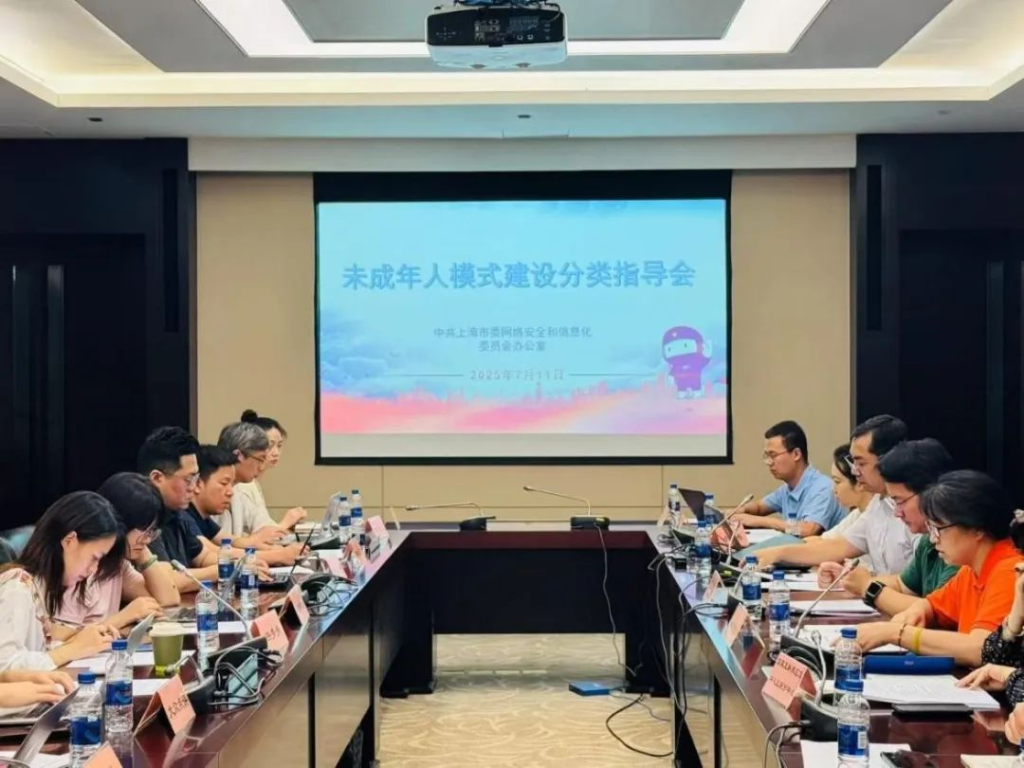
Core Viewpoint - The article discusses Shanghai's initiatives to enhance online protection for minors, focusing on the implementation of differentiated features across various age groups and the regulation of AI technologies to safeguard minors from harmful content and experiences [2][7][15]. Group 1: Initiatives for Minor Protection - Shanghai has been a pioneer in implementing the "Shanghai Network Platform Youth Mode Setting Guidelines," which sets functional limitations based on different age groups, such as capping spending limits for minors aged 8-16 and prohibiting certain features like tipping for users under 16 [2][3]. - The "Clear and Bright Protection" campaign aims to create a safer online environment for minors, addressing issues like online addiction, bullying, and exposure to inappropriate content [6][15]. - Various platforms, including Xiaohongshu and Bilibili, are actively developing tailored content and features to enhance the online experience for minors, focusing on educational and age-appropriate materials [3][4][12]. Group 2: AI Regulation and Content Management - The article highlights concerns regarding the misuse of AI technologies, particularly in applications like the "Dream Island" app, which has been found to contain inappropriate content for minors [7][8]. - The Shanghai Municipal Cyberspace Administration has mandated platforms to improve their content review mechanisms and ensure compliance with regulations to protect minors from harmful AI-generated content [7][8]. - The "Clear and Bright: Rectifying AI Technology Abuse" initiative aims to address the challenges posed by AI in the context of minor protection, promoting responsible use of technology [8][15]. Group 3: Collaborative Efforts and Educational Programs - Shanghai's approach includes collaboration between government, enterprises, and educational institutions to enhance online literacy and safety for minors through innovative programs and courses [9][11]. - The introduction of a "menu-style" curriculum for online literacy aims to provide tailored educational experiences for minors, addressing various aspects of internet safety and responsible usage [9][11]. - Platforms like Bilibili and Xiaohongshu are also engaging in community outreach and educational initiatives to raise awareness about online safety and fraud prevention among minors [12][13]. Group 4: Mental Health and Emotional Support - The article emphasizes the importance of mental health support for minors, with platforms like Bilibili introducing features to address emotional well-being and provide psychological assistance [13][14]. - Community programs are being developed to integrate mental health awareness with online safety, recognizing the interconnectedness of these issues [14][15]. - The overall goal is to create a supportive environment where minors can navigate the online world safely while also addressing their emotional and psychological needs [13][15].
【招银研究|行业点评】2025年“双十一”AI化:平台练兵、商家提效、用户尝鲜
招商银行研究· 2025-11-18 09:22
Core Viewpoint - The 2025 "Double Eleven" e-commerce promotion saw a total online sales of 1.7 trillion yuan, marking a 14.2% year-on-year increase, with major platforms like Taobao, JD, Douyin, and Pinduoduo experiencing GMV growth between 8% and 15%. The most notable change this year was the emphasis on AI technology in the promotional strategies [1]. Group 1: E-commerce Platforms - The "Double Eleven" event serves not only as a sales competition but also as a test for the technical stability and efficiency of e-commerce platforms. Historical challenges have led to significant technological upgrades, such as Alibaba's transition to a cloud-native architecture [3]. - AI technology was highlighted as a strategic focus for the 2025 event, with platforms integrating AI into various operational aspects, including traffic distribution and consumer experience. For instance, Tmall's president referred to it as the first "Double Eleven" where AI was fully implemented [4]. Group 2: Online Merchants - AI tools were introduced to assist merchants, particularly small and medium-sized businesses, in improving marketing services and decision-making efficiency. These tools helped address operational challenges during the promotional period [8]. - For customer service, AI solutions like JD's Xiao Zhi 5.0 achieved a 98% accuracy rate in answering complex queries, leading to a 31% increase in business conversion efficiency. Tmall's customer service AI handled over 200 million inquiries with an average response time reduced to seconds [9]. Group 3: Individual Consumers - The increase in SKU numbers has led to a decline in consumer experience, prompting platforms to upgrade AI shopping tools to better understand consumer preferences. This year, Tmall introduced six AI shopping tools to enhance the shopping experience [11]. - Despite privacy concerns, consumer acceptance of AI recommendations was high, with 98% of respondents willing to accept AI product suggestions. The presence of clear sources for AI recommendations significantly influenced consumer purchasing decisions [12]. Group 4: Overall Market Trends - The overall growth rate of e-commerce sales has been slowing, with major platforms no longer disclosing specific sales figures for "Double Eleven." However, the event remains a critical testing ground for technological advancements in a high-concurrency sales environment [16]. - The consumer sector is becoming a key area for AI technology transformation, with major global players like Amazon, Google, and Alibaba focusing their efforts here, indicating that future "Double Eleven" events will likely showcase more technological innovations [16].