OPPO

Search documents
泡泡玛特联手荣耀,潮玩手机要来了?
Guo Ji Jin Rong Bao· 2026-01-12 14:49
Core Viewpoint - Pop Mart is launching a collaboration with Honor, a leading smartphone brand, to create a trendy toy-themed smartphone, which has generated significant interest in both the toy and tech communities [2][4]. Group 1: Collaboration Details - The collaboration is not a self-developed phone by Pop Mart but an IP co-branding partnership with Honor [2]. - The specific collaboration model between Honor and Pop Mart has not been disclosed yet, but it could range from lightweight branding to deep customization across the product lifecycle [4]. - Pop Mart is known for its "IP + blind box" model, successfully creating and operating several popular IPs, including MOLLY and SKULLPANDA, and has established three core business segments: consumer products, service experiences, and entertainment [4]. Group 2: Financial Performance - In the first half of 2025, Pop Mart reported revenue of 13.88 billion yuan, a year-on-year increase of 204.4%, and an adjusted net profit of 4.71 billion yuan, up 362.8% [5]. - The THE MONSTERS series, which includes the LABUBU IP, generated revenue of 4.81 billion yuan, marking a 668% increase and accounting for 34.7% of total revenue [5]. - Other IPs like MOLLY, SKULLPANDA, CRYBABY, and DIMOO also surpassed 1 billion yuan in revenue [5][6]. Group 3: Market Context - Honor, originally a sub-brand of Huawei, has become a leading smartphone brand in China, holding a market share of 19.5% in Q2 2022, 19.4% in Q3 2023, and 17.1% in Q1 2024 [6]. - The Chinese smartphone market is experiencing intense competition, with Honor facing challenges from brands like vivo, Apple, and Huawei, which have recently outperformed it in terms of shipment volumes [7][8]. - The overall smartphone market in China saw a slight decline in shipments, with a total of approximately 68.5 million units shipped in Q3 2025, down 0.5% year-on-year [8][9].


供需双热!深圳南山年货节点燃新年消费“第一把火”
Nan Fang Du Shi Bao· 2026-01-12 13:57
Core Insights - The "Nanshan Good Market" New Year Goods Festival successfully took place, featuring over 40 companies including OPPO and Nubia, creating a high-quality procurement platform for businesses [1][3] - The event facilitated 1,354 supply-demand connections and 4,115 transactions, showcasing the effectiveness of Nanshan's enterprise services and business environment optimization [1][7] Group 1: Event Highlights - The festival focused on precise matchmaking between supply and demand, offering bulk purchase discounts of up to 70% off for participating companies [3][5] - A diverse range of products was showcased, including consumer electronics, personal care, and cultural creative goods, creating an immersive shopping experience [5][6] - The event attracted significant participation from local enterprises, financial institutions, and government departments, enhancing collaboration and resource sharing [3][7] Group 2: Business Impact - Many small and medium-sized enterprises successfully integrated into larger supply chains, overcoming supply-demand bottlenecks [3][5] - The event included a dedicated "Business Negotiation Area" to facilitate large-scale procurement discussions and partnerships [6] - Legal consultation services were provided on-site to support businesses in navigating regulations and policies, reinforcing a stable operating environment [6][7] Group 3: Future Outlook - Nanshan District aims to continue enhancing its support for enterprises, focusing on precise services and quality ecosystems to stimulate market vitality [7] - The festival is seen as a significant step towards achieving high-quality economic development in the region, aligning with the goals of the 14th Five-Year Plan [7]

手机厂商、应用方如何看AI手机争议?A2A协作有望破局
第一财经· 2026-01-12 13:37
Core Viewpoint - The development of intelligent agents should focus on both "wisdom" and "execution," ensuring they understand user intent and act accordingly while maintaining safety and control in existing governance and commercial order [3][4]. Group 1: Current Trends in AI Agents - Various exploration paths have emerged in the past year regarding whether AI can effectively handle tasks traditionally performed by humans, with products like GUI Agents attempting to automate tasks such as video editing and ticket booking by simulating human operations [3][4]. - Experts suggest that while the current GUI-based approach allows for quicker integration into real-world applications, it has inherent limitations in stability, efficiency, and governance, making it more of a temporary solution [4][5]. Group 2: Industry Perspectives - Mobile manufacturers are exploring the implementation of intelligent agents, with OPPO highlighting that the current GUI-based solutions are not the final form of AI phones but rather a method to operate existing interfaces [5]. - The core value for mobile manufacturers lies not in the model parameters but in their long-term understanding of users, emphasizing that "memory" is the true essence of a smartphone [5][6]. Group 3: Challenges and Future Directions - The real challenge for intelligent agents is not just task completion but also defining operational boundaries and management challenges [5][6]. - Current GUI models can stimulate the industry, but the Chinese AI sector should not be limited to this route; it should explore safer and more advanced evolutionary paths, taking cues from Apple's collaborative mechanisms between intelligent agents and applications [6][7]. - The introduction of A2A (AI-to-AI) mechanisms is suggested to improve governance and market competition, addressing potential risks associated with disruptive innovation [6][7].

手机厂商、应用方如何看AI手机争议?A2A协作有望破局
Di Yi Cai Jing· 2026-01-12 12:24
Core Insights - The true challenge of intelligent agents is not just their ability to perform tasks but also their wisdom and execution capabilities, which require a deep understanding of user intent and actions [1] - The development of intelligent agents should not disrupt existing governance frameworks and commercial orders but should promote industry evolution through deep collaboration while ensuring safety and control [1] Group 1: Current Developments in AI Agents - Various exploration paths have emerged in the past year regarding whether AI can replace human tasks, with products attempting to operate through screen understanding and simulated actions, categorized as GUI Agents [3] - These products face significant challenges, including permission granting, accountability for errors, service invocation, and regulatory constraints [3] - Experts suggest that the authorization of intelligent agents should be scene-specific, with critical operations requiring secondary confirmation, and that not all scenarios should be authorized by third-party platforms [3] Group 2: Industry Perspectives on AI Implementation - OPPO's perspective indicates that while products like the Doubao phone positively impact the industry, they are not the final form of AI phones but rather a method to operate existing GUI interfaces [4] - The focus for phone manufacturers is on engineering and scalability, as any instability in system capabilities can lead to significant quality issues [4] - The future of intelligent agents is expected to shift towards A2A (Agent-to-Agent) collaboration models, with the core value for manufacturers lying in their long-term understanding of users rather than just model parameters [4] Group 3: Regulatory and Safety Considerations - The current GUI approach can activate the industry but should not be the sole focus; a more optimal evolution path that balances safety and development should be explored [5] - Apple's model is highlighted as a reference, establishing a collaborative mechanism between intelligent agents and apps through open APIs while ensuring safety boundaries [5] - The introduction of A2A mechanisms and market-based credit systems is suggested to improve authorization processes and manage potential risks associated with disruptive innovations [5]

廉价折叠屏手机将至,谁赞成、谁反对?
3 6 Ke· 2026-01-12 12:05
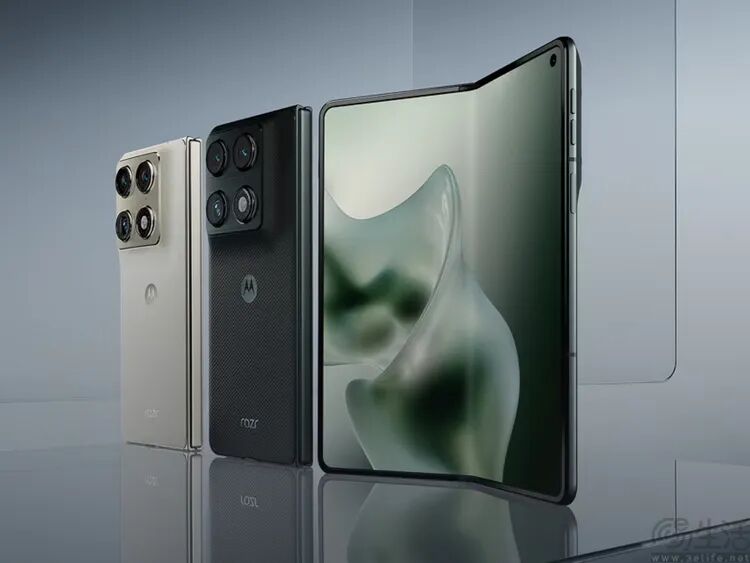
Core Viewpoint - Moto has introduced its first "large foldable" device, the Razr Fold, at CES 2026, marking a significant shift in the foldable smartphone market by positioning it as a "cheap large foldable" option [2][6]. Group 1: Product Introduction - The Razr Fold was unveiled at CES instead of the more traditional Mobile World Congress (MWC) for smartphone launches [1]. - Moto has only revealed the design of the Razr Fold, withholding detailed specifications and hardware configurations [1]. Group 2: Market Context - The Razr Fold is expected to be priced significantly lower than its competitors in the "large foldable" category, which typically feature high-end specifications [1][6]. - The global smartphone market saw a decline in overall shipments in 2025, yet foldable phones experienced a 6% growth, although this growth rate has decreased by over 60% compared to two years prior [6]. Group 3: Consumer Behavior - Data from a second-hand platform indicates that the transaction volume for used foldable phones surged by 73% in 2025, with the average holding time dropping to 13 months, compared to 22 months for traditional smartphones [7]. - Despite the apparent interest in foldable phones, the user penetration rate remains below 2%, indicating that the market is still niche [7][10]. Group 4: Future Implications - To attract a broader user base, manufacturers need to produce large, fully functional foldable phones at lower prices, as this could encourage more consumers to adopt them for everyday use rather than as status symbols [12]. - The introduction of more affordable foldable options may challenge the perception of existing flagship devices, potentially diminishing their perceived exclusivity [12].
跳出手机屏幕,千问正在改变物理世界
经济观察报· 2026-01-12 11:48
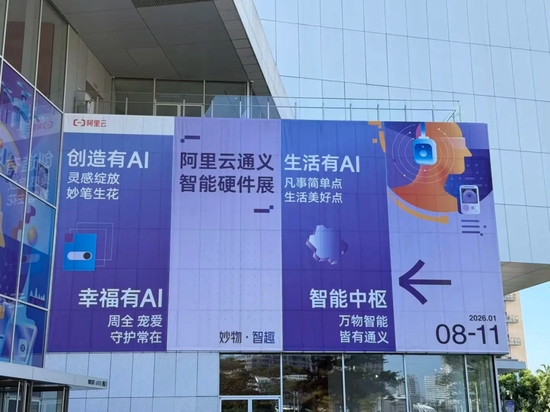
Core Viewpoint - The article emphasizes the emergence of "Physical AI," which signifies the integration of AI into various hardware products, moving beyond traditional mobile applications to interact with the physical world [1][4][22]. Group 1: AI Hardware Development - The CES (Consumer Electronics Show) is highlighted as a global technology trendsetter, where the focus is shifting from conceptual displays to practical, mass-produced AI hardware products [2][6]. - The AI hardware showcased at the Aliyun Tongyi Intelligent Hardware Exhibition includes over 1,500 diverse products, indicating a significant shift towards practical applications of AI in everyday devices [1][2]. - Companies are now focusing on integrating AI capabilities into their products to enhance user experience, rather than just showcasing hardware specifications [2][6]. Group 2: Innovations in AI Applications - New AI hardware products, such as AI translators and health monitoring devices, are being developed to provide real-time insights and recommendations based on user data [7][9]. - The article mentions the introduction of AI hardware that can operate independently without the need for mobile applications, showcasing a trend towards more user-friendly designs [9][10]. - The integration of AI into various sectors, including automotive and health, is transforming how users interact with technology, making it more intuitive and responsive [16][17]. Group 3: Market Dynamics and Competitive Landscape - The article discusses how the Chinese hardware industry is leveraging its supply chain advantages to rapidly innovate and bring AI products to market [6][19]. - The shift from traditional business models to a more open-source approach with the Tongyi Qianwen model is enabling smaller companies and individual developers to participate in the AI hardware ecosystem [15][19]. - The competitive landscape is evolving, with companies focusing on practical applications of AI that address specific user needs, rather than just competing on technical specifications [13][21]. Group 4: Future of AI in Physical World - The article posits that the future of AI lies in its ability to seamlessly integrate into everyday objects, enhancing their functionality and user interaction [22][23]. - The concept of "AI as the new electricity" is introduced, suggesting that AI will become a fundamental part of various industries, similar to how electricity transformed society [19][22]. - The ongoing development of AI hardware is expected to lead to a significant transformation in productivity and user experience across multiple sectors [17][22].

跳出手机屏幕,千问正在改变物理世界
Jing Ji Guan Cha Wang· 2026-01-12 10:19
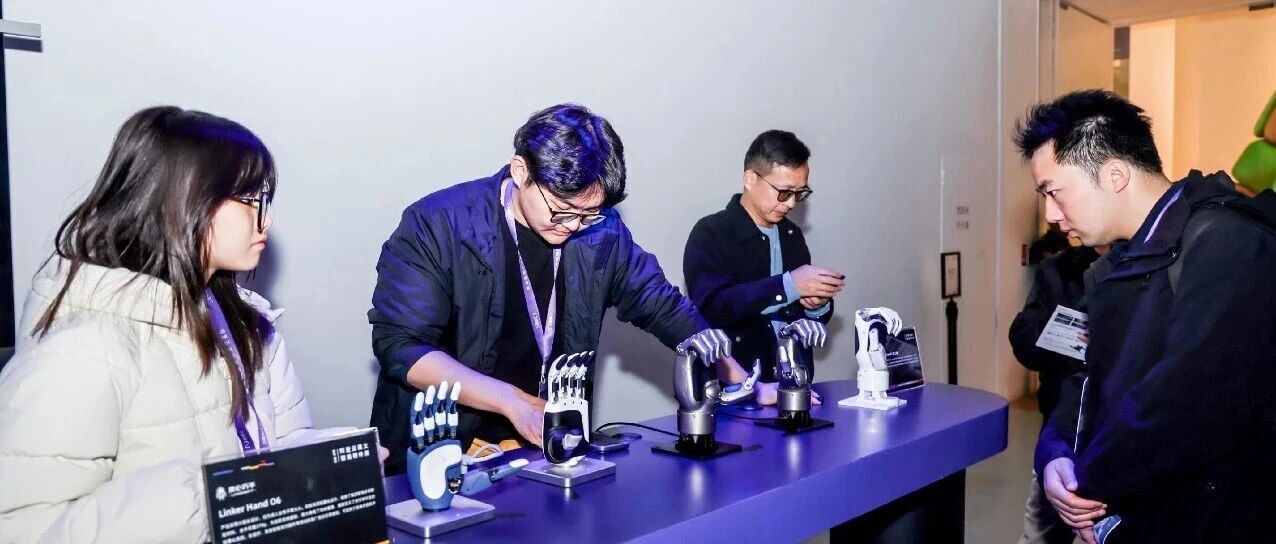
Core Insights - The CES 2026 highlighted the arrival of the "Physical AI" era, with a shift from AI generating text and images to interacting with the real world [1] - The Alibaba Cloud Tongyi Intelligent Hardware Exhibition showcased over 1,500 AI-integrated hardware products, emphasizing practical applications rather than theoretical concepts [1][3] - The focus of hardware manufacturers is on embedding AI capabilities into everyday products, transforming how people live and work [3][6] Group 1: AI Hardware Development - The exhibition featured 76 categories and over 200 brands, including major players like Honor and OPPO, as well as innovative startups [1] - AI hardware is moving beyond traditional smartphone applications, with products capable of tasks such as driving, assisting the visually impaired, and adjusting lighting [1][3] - Companies are leveraging the Qianwen model to enhance their products, enabling functionalities like health monitoring and automatic report generation [3][4] Group 2: Market Trends and Innovations - The focus is on practical AI applications that address specific needs, such as the YoooTek AI ONE device that captures voice notes and organizes information [4][6] - The shift towards AI hardware is supported by a new multi-modal interaction development kit, allowing even non-coders to integrate AI into their devices [6] - The competitive landscape is evolving, with a focus on reducing costs and improving efficiency in AI hardware development [6][7] Group 3: Industry Dynamics - The integration of AI into hardware is seen as a way to enhance productivity and redefine interactions in various sectors, including automotive and healthcare [10][11] - The Chinese manufacturing ecosystem is characterized by low trial costs and a willingness to innovate, positioning it as a leader in AI hardware development [11][12] - The Qianwen model's open-source strategy is enabling a broader range of developers to create AI hardware, democratizing innovation [8][12]
厂商撑不住了,集体涨价!“两天涨了400多元”,有人干脆不买了,还有厂商取消新品上市
Mei Ri Jing Ji Xin Wen· 2026-01-12 09:47
Group 1 - The rapid development of AI has led to significant price increases in memory, hard drives, and graphics cards, with memory prices soaring to the extent that a box of 100 memory sticks was compared to the price of a house in Shanghai, valued at 4 million yuan [1] - Major PC manufacturers, including HP, Acer, and Asus, have announced price hikes for laptops and PCs due to the ongoing surge in memory costs, with Dell increasing commercial computer prices by 10% to 30% [2][3] - Lenovo has adjusted prices for several laptop models, with mid-to-high-end models seeing increases of 500 to 1500 yuan, reflecting a broader trend of rising consumer electronics prices [3] Group 2 - Smartphone manufacturers, including Xiaomi and iQOO, have also raised prices for new models, with some mid-range and flagship devices experiencing price increases of up to 20% due to rising memory costs [4] - IDC predicts that the average selling price of smartphones will reach $465 by 2026, with total market revenue expected to hit $578.9 billion, driven by the rising cost of memory semiconductors, which now account for over 20% of smartphone costs [6] - In contrast, the AI glasses segment has not seen widespread price increases, with some models even experiencing price reductions, as the storage requirements for these products are not as high as for smartphones [7]

首款M14+165Hz三星苍穹屏将用于真我Neo8
Cai Jing Wang· 2026-01-12 09:44
Core Insights - The collaboration between Realme and Samsung Display has been officially confirmed, with the launch of the Realme Neo8 featuring the world's first 165Hz Samsung Aegis display, which is a custom design aimed at enhancing user experience [1] Group 1 - The Realme Neo8 will be the first product from Realme after its return to OPPO, marking a significant milestone for the brand [1] - This device will incorporate the latest high-end M14 luminous materials along with the 165Hz Samsung display, positioning it as a competitive offering in the gaming smartphone market [1] - The Realme Neo8 is designed as a trendy gaming flagship, featuring a transparent RGB design and powered by the Snapdragon 8 Gen 5 chipset, ensuring high performance [1] Group 2 - The device is set to benefit from OPPO's after-sales service, which may enhance customer satisfaction and brand loyalty [1] - The official launch is scheduled for January, indicating a strategic timing for market entry [1]
华强北迎来第二春,这次不靠苹果,是千问!
Xin Lang Cai Jing· 2026-01-12 07:25
Core Insights - The article discusses the transformation of Huaqiangbei from a hub for counterfeit mobile phones to a center for AI-driven smart hardware, driven by the introduction of the Qianwen AI model [1][32][34] Group 1: Industry Transformation - Huaqiangbei, once thriving on counterfeit mobile phones, has pivoted to become the "global 3C accessories center" after the advent of the iPhone [1][32] - The recent AI hardware exhibition showcased over 1,000 AI hardware products, indicating a significant shift towards AI integration in traditional hardware [32][34] - The Qianwen AI model is the backbone of many innovative products, enabling ordinary hardware to be transformed into intelligent devices [34][39] Group 2: Product Innovations - The article highlights several innovative products, such as a blood pressure smartwatch that generates health reports and a pet translator that can interpret animal sounds with a 94.6% accuracy [5][9][38] - The Qianwen AI model supports various applications, including professional translation for cross-border business, enhancing communication for merchants [37][39] Group 3: Qianwen AI Model Features - Qianwen is the first open-source model capable of processing text, images, audio, and video, with over 200 model variants to cater to different hardware needs [12][40][41] - The model's pricing structure is based on the number of hardware terminals rather than token usage, making costs predictable for manufacturers [17][44] - Qianwen's popularity is attributed to its comprehensive support from Alibaba Cloud, which provides a complete solution from chips to applications [22][48] Group 4: Future Implications - The integration of Qianwen AI is expected to democratize innovation, allowing small and medium enterprises to compete on equal footing with larger companies [26][52] - The technology is reshaping the relationship between humans and hardware, moving towards a model where devices can understand and respond to human needs [28][52] - The ongoing development of the AI ecosystem in Huaqiangbei may lead to the emergence of more groundbreaking smart products in the future [30][53]