优必选

Search documents
13连板大牛股,明起复牌
21世纪经济报道· 2026-01-18 10:35
Core Viewpoint - The stock of Fenglong Co., Ltd. (002931.SZ) will resume trading on January 19, 2026, after a suspension due to significant price fluctuations and irrational market speculation [1][4]. Group 1: Company Overview - Fenglong Co., Ltd. primarily engages in the research, production, and sales of garden machinery parts, automotive parts, and hydraulic components, with no significant changes reported in its main business [1]. - The company has been experiencing a dramatic stock price increase, with a cumulative rise of 245.39% from December 17, 2025, to January 13, 2026, reaching a closing price of 61.79 yuan per share and a total market capitalization of 13.5 billion yuan [2]. Group 2: Acquisition and Market Dynamics - The surge in Fenglong's stock price is linked to its acquisition by UBTECH Robotics, which plans to acquire 43% of Fenglong's shares for 1.665 billion yuan through a combination of agreement transfer and tender offer [4][5]. - UBTECH's commercial progress, including nearly 1.4 billion yuan in orders for humanoid robots in 2025 and the production of its Walker S2 model, is expected to enhance Fenglong's manufacturing capabilities and accelerate the development and commercialization of humanoid robots [5]. Group 3: Market Risks - The company has acknowledged that its stock price has significantly deviated from its fundamental value, indicating potential risks of market overheating and irrational speculation [1]. - The stock experienced 12 consecutive trading days of price increases, with a total increase of 213.97% from December 25, 2025, to January 13, 2026, raising concerns about a possible rapid price decline if the stock continues to rise abnormally [1].



人形机器人的淘汰赛:“一些公司已经不行了”
Di Yi Cai Jing Zi Xun· 2026-01-18 09:51
Core Insights - The humanoid robot industry in China is expected to undergo significant consolidation by 2026, with many companies likely to be eliminated due to a lack of commercialization capabilities and financing [2][8][9] - The current bottleneck for humanoid robots is the "brain" technology, which needs to advance before the industry can experience a breakthrough similar to the "electric vehicle moment" [2][12][14] Group 1: Industry Overview - There are over 100 humanoid robot companies in China, with significant differentiation emerging after three years of development [2][4] - The investment enthusiasm in the robotics sector has been high, with 190 financing events totaling 27 billion RMB in 2025 [4] - The customer base for humanoid robots is shifting from academic institutions to industrial enterprises, indicating a growing acceptance and market expansion [5][12] Group 2: Market Dynamics - By 2025, the global shipment of humanoid robots is projected to reach approximately 13,000 units, with a conservative estimate of 30,000 units by 2026 [11] - The market for humanoid robots could potentially reach between 1.4 trillion to 1.7 trillion USD by 2050, but the industry is still in its early stages [12] - The competition among humanoid robot companies is likened to the "battle of the hundred groups" in the food delivery market, with only a few companies expected to survive [8] Group 3: Company Performance - The first-tier companies, such as Ubiquity Robotics, have received significant orders and are preparing for IPOs, while second-tier companies face more challenges [7][9] - First-tier companies have accumulated orders close to 1 billion, while second-tier companies have orders in the low hundreds of millions [7] - Companies that have not secured commercial orders or have faced financing difficulties are at risk of failing [9] Group 4: Technological Challenges - The development of humanoid robots is hindered by the lack of high-quality data and suitable AI models for their "brains" [13] - Current humanoid robot companies primarily rely on existing models that are not specifically designed for their needs, limiting their development capabilities [13] - The expectation is that the breakthrough in humanoid robot technology will not occur within the next five years, as the "electric vehicle moment" is still distant [14]

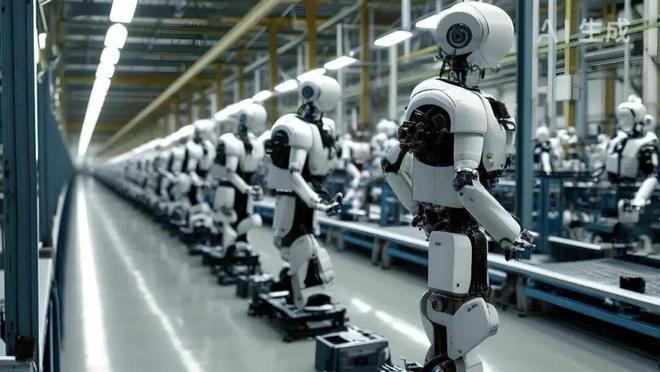
人形机器人的淘汰赛:“一些公司已经不行了”
第一财经· 2026-01-18 09:44
Core Viewpoint - The humanoid robot industry in China is experiencing significant differentiation, with leading companies accumulating more financing and commercial orders, while those lacking commercialization capabilities face potential elimination [3][5][7]. Group 1: Industry Overview - As of now, there are over 100 humanoid robot companies in China, with the market seeing a surge in investment and financing events, totaling 27 billion RMB in 2025 [5]. - The customer base for humanoid robots is shifting from academic institutions to industrial enterprises, indicating a growing acceptance and demand for these robots in practical applications [6][7]. Group 2: Market Dynamics - The first-tier humanoid robot companies, such as Yushun and Zhiyuan, are distinguished by their significant order volumes, with some nearing unicorn status, while second-tier companies face challenges in securing financing and commercial orders [7][9]. - The competition among humanoid robot companies is likened to the "battle of a hundred groups" in the food delivery market, suggesting that many companies may not survive due to high investment requirements and technological barriers [8]. Group 3: Technological Challenges - The primary bottleneck for humanoid robots is the development of their "brain," which is crucial for their functionality and intelligence [12][14]. - Current humanoid robots rely on general AI models that are not specifically designed for their needs, limiting their development potential [13]. Group 4: Future Projections - UBS estimates that global humanoid robot shipments will reach approximately 30,000 units in 2026, with a more conservative outlook compared to other institutions [11]. - The potential market for humanoid robots could reach between 1.4 trillion to 1.7 trillion USD by 2050, encompassing various components and services [11].
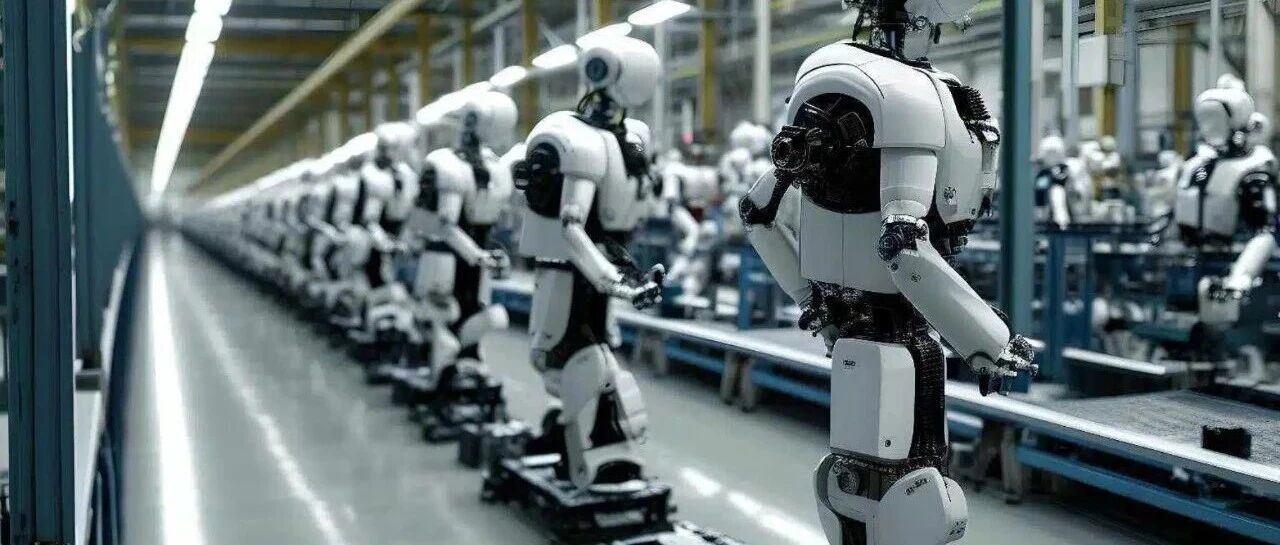
停牌核查完成,锋龙股份1月19日起复牌
Bei Jing Shang Bao· 2026-01-18 08:33
Core Viewpoint - Fenglong Co., Ltd. (002931) announced the completion of an investigation into stock trading fluctuations, with its shares set to resume trading on January 19, following a significant price increase of 213.97% over 12 consecutive trading days from December 25, 2025, to January 13, 2026 [1]. Group 1 - The stock price of Fenglong Co., Ltd. experienced a substantial increase, raising concerns about potential rapid declines in the future due to significant deviations from market trends [1]. - The company confirmed that its main business activities, including the research, production, and sales of garden machinery parts, automotive parts, and hydraulic parts, have not undergone any major changes [1]. - There are no plans for restructuring or asset injection involving the company or its affiliate, UBTECH, within the next 36 months and 12 months, respectively [1].
空中客车签约优必选 采购人形机器人用于制造工厂
Xin Lang Cai Jing· 2026-01-18 07:08
Group 1 - The core viewpoint of the article highlights the partnership between the humanoid robot company, UBTECH, and Airbus, marking a significant step in the application of humanoid robots in the aerospace manufacturing sector [2] - UBTECH has signed a service agreement with Airbus, which includes the procurement of the latest industrial humanoid robot, Walker S2, for use in Airbus's manufacturing facilities [2] - This collaboration signifies UBTECH's expansion from domestic industrial applications in China to global markets, including aerospace, automotive, 3C electronics, smart logistics, and semiconductor manufacturing [2] Group 2 - UBTECH anticipates that by 2025, the total order value for its humanoid robots will exceed 1.4 billion yuan, positioning the company as a leader in the global market [2] - The production capacity for UBTECH's industrial humanoid robots is expected to reach 10,000 units by 2026 [2] - In addition to the Chinese market, UBTECH is gradually expanding its humanoid robot applications to overseas manufacturing markets in Europe and the United States [2]

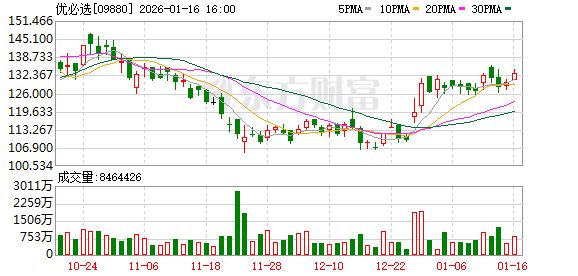
人形机器人的2026:落地和出清会同时到来 | 海斌访谈
Di Yi Cai Jing· 2026-01-18 06:40
Core Insights - The main bottleneck for humanoid robots is their "brain," and breakthroughs in this area are necessary for the industry to reach its "electric vehicle moment" [1][10] - By 2026, it is anticipated that some humanoid robot companies will be eliminated due to a lack of commercialization capabilities and financing [1][5] Industry Overview - China currently has over 100 humanoid robot companies, with significant differentiation emerging among them over the past three years [1][3] - The market for humanoid robots has been buoyed by the enthusiasm for multimodal large model technologies, with a total of 190 financing events and a scale of 27 billion RMB in 2025 [3] - The customer base for humanoid robots is shifting from academic institutions to industrial enterprises, indicating a move from laboratory settings to practical applications [3][4] Market Dynamics - In 2025, the global shipment of humanoid robots is expected to reach approximately 13,000 units, with a conservative estimate of 30,000 units by 2026 [9][8] - The first-tier companies in the humanoid robot sector are seeing significant orders, with some nearing unicorn status, while second-tier companies face more challenges [5][6] - The competition landscape is compared to the "battle of the hundred groups" in the food delivery market, suggesting that only a few companies will survive in the humanoid robot sector [6] Technological Challenges - The development of humanoid robots is hindered by the immaturity of hardware components and the lack of suitable AI large models [10] - The "brain" of humanoid robots requires high-quality data for training, which is currently limited [10] - Companies are focusing on developing the "small brain" for motion control, as they lack the resources to develop large models independently [10] Future Projections - The humanoid robot market is expected to grow significantly, with potential market sizes reaching between 1.4 trillion to 1.7 trillion USD by 2050 [9] - The industry is still in its early stages, and a breakthrough in the "brain" technology is essential for the market to mature [10][11] - By 2035, global shipments of humanoid robots could reach 1 million units, primarily in industrial and service sectors, with challenges remaining for household applications [11]
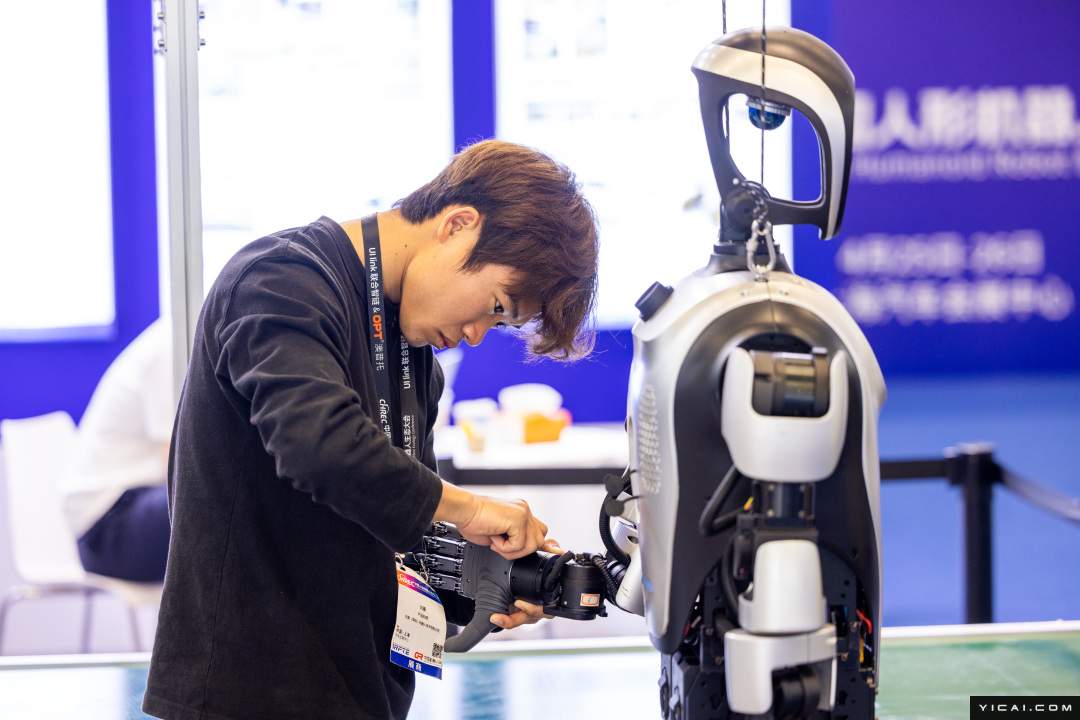
继美国半导体巨头德州仪器后,空客也与优必选达成合作
Ge Long Hui· 2026-01-18 06:36
Core Insights - Airbus has signed a humanoid robot service agreement with UBTECH, marking a significant collaboration in the aerospace manufacturing sector [1] - This partnership follows UBTECH's strategic collaboration with Texas Instruments, expanding the application of humanoid robots from China to global markets including aerospace, automotive, 3C electronics, smart logistics, and semiconductor manufacturing [1] Summary by Categories Company Developments - UBTECH has procured the latest industrial humanoid robot, Walker S2, for Airbus's manufacturing facility [1] - The total order value for UBTECH's humanoid robots is expected to exceed 1.4 billion yuan by 2025, leading the global market [1] Industry Trends - By 2026, UBTECH's production capacity for industrial humanoid robots is projected to reach a scale of 10,000 units [1] - The company is expanding its humanoid robot applications beyond the Chinese market into Europe and North America [1] Technological Advancements - UBTECH aims to foster an industrial ecosystem by collaborating with more partners to enhance application scenarios and accelerate the iteration and upgrade of new technologies and products in real-world applications [1]
机器人租赁风口下,保险能否筑牢安全防线?
Cai Jing Wang· 2026-01-18 05:14
Core Insights - The article emphasizes that robot insurance is not only a risk transfer tool but also a "connector" and "stabilizer" for the robot industry ecosystem, supporting China's ambition to become a global leader in robotics through financial and technological innovation [1] Group 1: Market Dynamics - The rapid growth of the robot leasing market is driven by technological advancements and market demand, with the domestic robot leasing market expected to exceed 1 billion yuan by 2025 [2] - Shanghai has launched the first national robot leasing open platform, aiming to have over 10 manufacturers and 200 service providers by 2026, serving over 400,000 leasing customers [2] - The rental prices for robots have decreased significantly, making them more accessible to small and medium-sized enterprises [2] Group 2: Insurance Demand - The risks associated with robot operations, such as damage and third-party injuries, have led to a strong demand for insurance, with platforms requiring every robot to be insured [3][5] - Major insurance companies are actively developing robot insurance products, including comprehensive coverage for damage and third-party liability [4][5] Group 3: Industry Challenges - The robot insurance market faces challenges such as data barriers, difficulty in risk assessment, and complex liability definitions [7] - The unpredictable nature of robot behavior complicates traditional actuarial models, necessitating the development of dynamic pricing models using real-time data [7][8] Group 4: Future Outlook - The insurance industry is expected to evolve from simple risk compensation to comprehensive risk management, becoming a key infrastructure for connecting technological innovation with commercial applications [8] - Policy guidance and industry collaboration are crucial for addressing existing challenges, with suggestions for modular insurance policies and collaborative data collection to enhance risk assessment [8]


科技制造产业月报(2025年12月):奔跑的机器人,与变局的制造业-20260117
Huachuang Securities· 2026-01-17 14:01
Investment Rating - The report does not explicitly provide an investment rating for the industry Core Insights - The human-shaped robot's ability to run smoothly represents a significant technological leap from mere functionality to human-like capabilities, indicating a potential shift towards practical applications in complex environments [9][20] - The competition in the humanoid robot industry has evolved into a multi-dimensional strategic game, with different focuses across the supply chain, emphasizing the need for companies to integrate technology, establish standards, and meet real industry demands [22][30] - The future of humanoid robots hinges on overcoming five critical conditions: technological maturity, cost control, clear market positioning, infrastructure development, and societal acceptance [30][31] Summary by Sections Section 1: The Impact of Robot Running Demonstrations - The recent running demonstrations by Tesla's Optimus and Figure AI have generated significant global interest, suggesting a potential breakthrough in the commercialization of humanoid robots [5][6] - These demonstrations challenge the notion that advanced robotics can only exist in controlled environments, indicating a shift towards practical, scalable applications [31] Section 2: Technical Breakdown of Running Capabilities - Achieving running capabilities involves overcoming substantial technical challenges, including dynamic balance, rapid response times, and energy efficiency [10][19] - The transition from walking to running signifies a fundamental change in robotic capabilities, moving from static to dynamic balance, which is essential for operating in unpredictable environments [12][20] Section 3: Business Logic Behind the Demonstrations - The timing of these demonstrations reflects a strategic move by industry leaders to signal their technological advancements and readiness for market integration [32] - Both Tesla and Figure AI are pursuing different paths: Tesla aims for a universal platform while Figure AI focuses on specific industrial applications, highlighting the diverse strategies within the industry [26][30] Section 4: Industry Chain Dynamics - The competition among suppliers, manufacturers, and application developers is intensifying, with each segment vying for control over standards and market share [22][30] - The report emphasizes the importance of establishing a robust ecosystem that supports the development and deployment of humanoid robots in real-world applications [30] Section 5: Future Outlook - The next few years are critical for validating the feasibility of humanoid robots, with key indicators including commercial orders, supply chain formation, and cost reduction trends [31] - The industry is at a pivotal moment, transitioning from experimental demonstrations to practical implementations that can deliver economic value [31]





全国第一!广东凭什么拿下AIR产业“冠军”?
21世纪经济报道· 2026-01-16 23:41
Core Viewpoint - The article highlights the transformative evolution of the AI industry in Guangdong, showcasing advancements in robotics and AI applications across various sectors, emphasizing the region's unique advantages and capabilities in driving innovation and integration of AI technologies into everyday life [1][12][20]. Group 1: Evolution of Robotics - Robots in Guangdong have evolved from isolated units to a cohesive team with intelligence and purpose, becoming popular products in the market [1]. - In the 15th National Games, the "Kua Fu" humanoid robot became the world's first 5G-A torchbearer, showcasing the advanced capabilities of AI in public events [1]. - Exoskeleton robots are now utilized as climbing aids for tourists at scenic spots like the Great Wall and Mount Tai, indicating a shift from simple repetitive tasks to more complex functions [1]. Group 2: Breaking Barriers - AI is not limited to factories; it is breaking industry barriers, particularly in transportation, with autonomous vehicles providing smart connections at events [7]. - Companies like XPeng Motors have received L3 autonomous driving licenses, indicating a shift from pilot projects to regular operations in urban areas [7]. - The dual listing of self-driving companies like WeRide and Pony.ai on both US and Hong Kong stock exchanges reflects the growing investment and interest in the autonomous driving sector [8]. Group 3: Integration and Application - The integration of AI with drones has led to remarkable achievements, such as 10,518 drones lighting up the night sky in Vietnam, setting a Guinness World Record [9]. - Agricultural drones capable of carrying 80 kilograms have pushed the limits of transport capabilities, with exports to over a hundred countries [9]. - AI technologies are being applied in various real-world scenarios, from delivery drones to real-time translation services, demonstrating the practical growth and iteration of AI in everyday life [10][11]. Group 4: Guangdong's Competitive Advantages - Guangdong's AI industry benefits from three major advantages: a complete industrial chain, a large real-time population supporting a vast market, and the fusion of various industries creating diverse application scenarios [13]. - The province has released 78 application scenarios across 13 key areas to accelerate the integration of AI into various sectors [14]. - Guangdong is leading the nation in establishing AI development bureaus at both municipal and district levels, indicating a strong commitment to fostering AI growth [15]. Group 5: Hardware and Infrastructure - The region is recognized as a unique area where AI algorithms and hardware are deeply integrated, positioning itself as a hub for AI and electromechanical integration [16]. - The introduction of comprehensive chip manufacturing processes signifies Guangdong's stronghold on the foundational elements of computing power essential for the smart era [18]. Group 6: Future Outlook - The AI industry in Guangdong is poised for significant growth, with innovative AI applications being integrated into daily life, paving the way for technology to empower industries and benefit the public [20].