ABB

Search documents
ABB and HEMERIA collaborate to advance the monitoring of space
Globenewswire· 2025-06-17 14:59
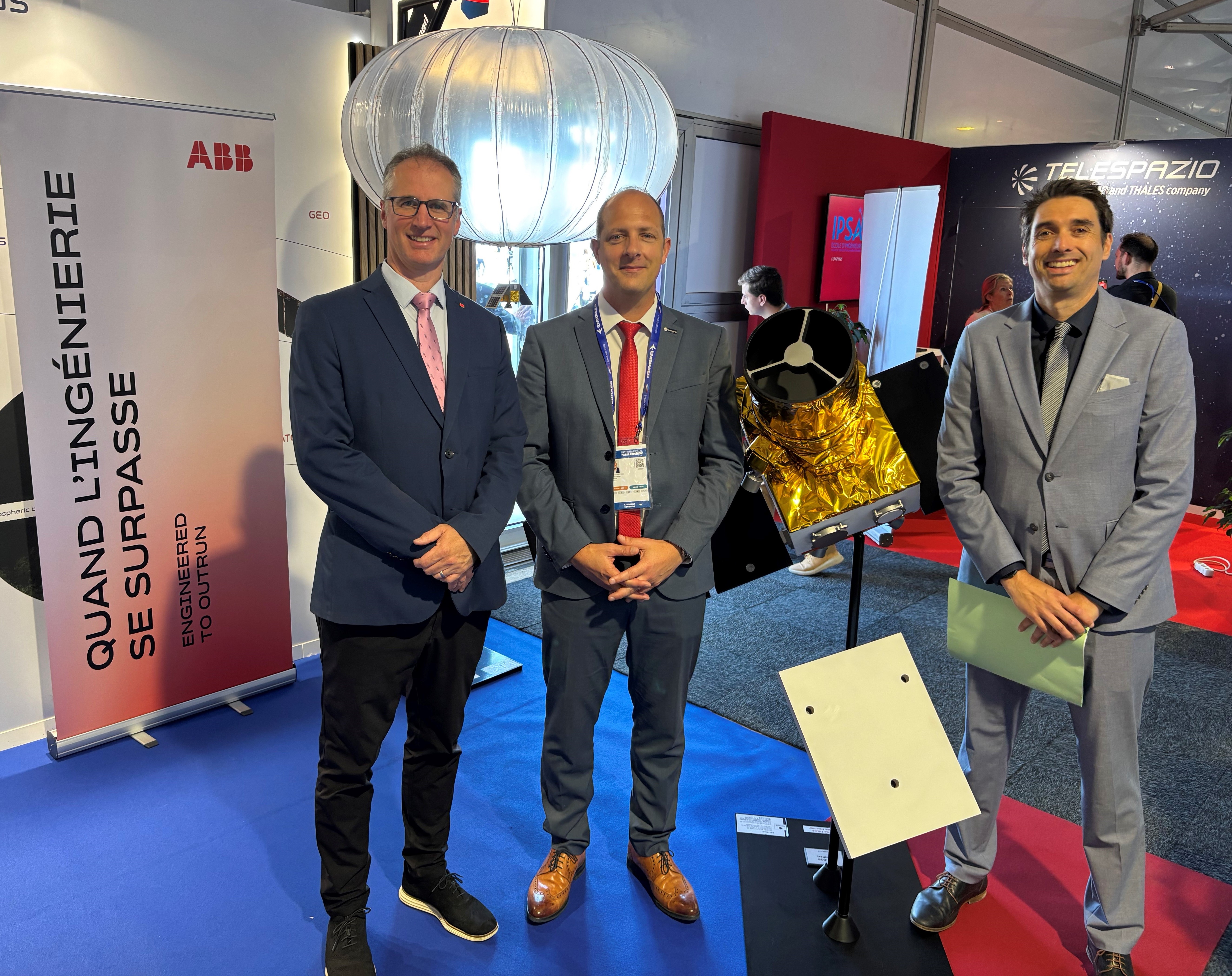
Core Viewpoint - ABB has entered into a Memorandum of Understanding (MoU) with HEMERIA to jointly explore solutions for space situational awareness (SSA), aiming to enhance global space traffic management and ensure optimal performance and reliability of satellite systems [1][4][6] Group 1: Collaboration Details - The collaboration will focus on integrating ABB's high-precision multispectral payloads with HEMERIA's satellite platforms [2][6] - The partnership aims to advance the responsible and secure use of space, improving global space surveillance capabilities [4][6] Group 2: Technological Capabilities - ABB's payloads are designed to detect and track objects in complex environments, facilitating real-time data collection for satellite operators and space agencies [3][6] - HEMERIA's satellite platforms provide agility, stability, and resilience for various space missions, ensuring high performance [3][6] Group 3: Industry Context - The increasing number of satellites and space missions has made space situational awareness a global priority to prevent collisions and manage orbital debris [4]

全球变频器市场生产商排名及市场占有率
QYResearch· 2025-06-17 09:38
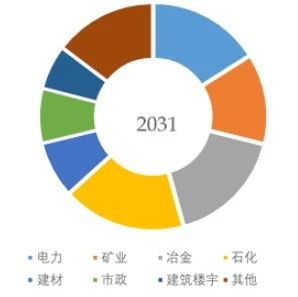
变频器是应用变频技术与微电子技术,通过改变电机工作电源频率方式来控制交流电动机的电力控制设备。 变频器主要由整流 ( 交流变直流 ) 、 滤波、逆变 ( 直流变交流 ) 、制动单元、驱动单元、检测单元微处理单元等组成。 根据 QYResearch 头部企业研究中心调研,全球范围内变频器生产商主要包括 ABB 、 Siemens 、汇川、 Schneider Electric 、 Yaskawa Electric 、 Rockwell Automation 、 Danfoss 、 Fuji Electric 、 Mitsubishi Electric 、 Delta Electronics 等。 2024 年,全球前五大厂商占有大约 45.0% 的市场份 额。 变频器 全球市场规模,按产品类型细分 据 QYResearch 调研团队最新报告 " 全球变频器市场报告 2025-2031" 显示,预计 2031 年全球变频器市场规模将达到 236.2 亿美元,未来几年年复 合增长率 CAGR 为 2.7% 。 变频器 全球市场总体规模 全球 变频器 市场前 24 强生产商排名及市场占有率(基于 2 024 年调研数 ...
四年内产业规模翻倍!大摩:中国是全球最大的机器人市场,无人机将占40%
Hua Er Jie Jian Wen· 2025-06-17 08:03
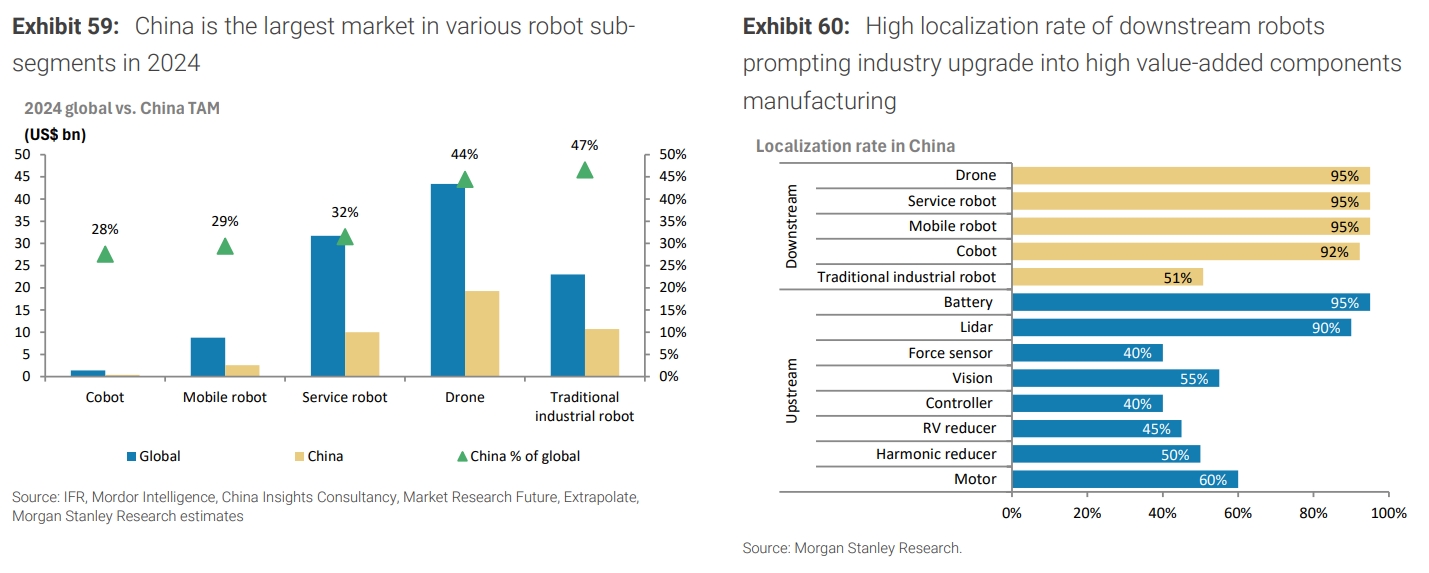
Group 1 - China is leading a new wave of transformation in the global robotics industry, being the largest market and production base, accounting for 55% of global robot products [1][4] - The Chinese robotics market is projected to reach $47 billion by 2024, representing 40% of the global total, with an expected growth to $108 billion by 2028, reflecting a compound annual growth rate (CAGR) of 23% [1][4] - Key growth drivers include drones, mobile robots, and collaborative robots, with respective CAGRs of 20%, 35%, and 46% [1][4] Group 2 - The surge in automation demand in China is driven by fundamental changes in labor structure, with a significant increase in robot density from 97 units per 10,000 people in 2017 to 470 units in 2023, a 4.8-fold increase [4][7] - Companies using robots have seen labor productivity and total factor productivity increase by over 30% compared to those that do not use robots [4][7] Group 3 - China has established a complete supply chain from design to assembly, with domestic brands increasing their market share in industrial robots from 28% in 2019 to 51% in 2024 [7][10] - In emerging fields like mobile robots and drones, the localization rate of Chinese brands has reached over 90% [7] Group 4 - The traditional industrial robot segment is expected to grow at a moderate CAGR of 18% from 2025 to 2028, while emerging types like collaborative robots, mobile robots, and service robots are expected to grow at CAGRs of 46%, 35%, and 25% respectively [10][12] - The drone market in China is particularly strong, projected to reach $19 billion in 2024 and $40 billion by 2028, driven by both military and civilian demand [12] Group 5 - Investment opportunities in the robotics industry are concentrated in market growth and localization, with the components market expected to reach $40 billion by 2024 and a CAGR of 23% from 2025 to 2028 [14] - Key components like motors and batteries are projected to account for 13% and 17% of total material costs by 2028 [14] Group 6 - The integration of artificial intelligence is redefining the application boundaries of robotics, with advancements like "no-code" programming significantly reducing deployment barriers [18][20] - The average price of collaborative robots is expected to decrease from 157,000 RMB in 2016 to 58,000 RMB by 2028, driven by cost reductions in core components and increased competition [20]

上海营商润沃土,跨国企业深耕中国市场
Guo Ji Jin Rong Bao· 2025-06-16 13:03
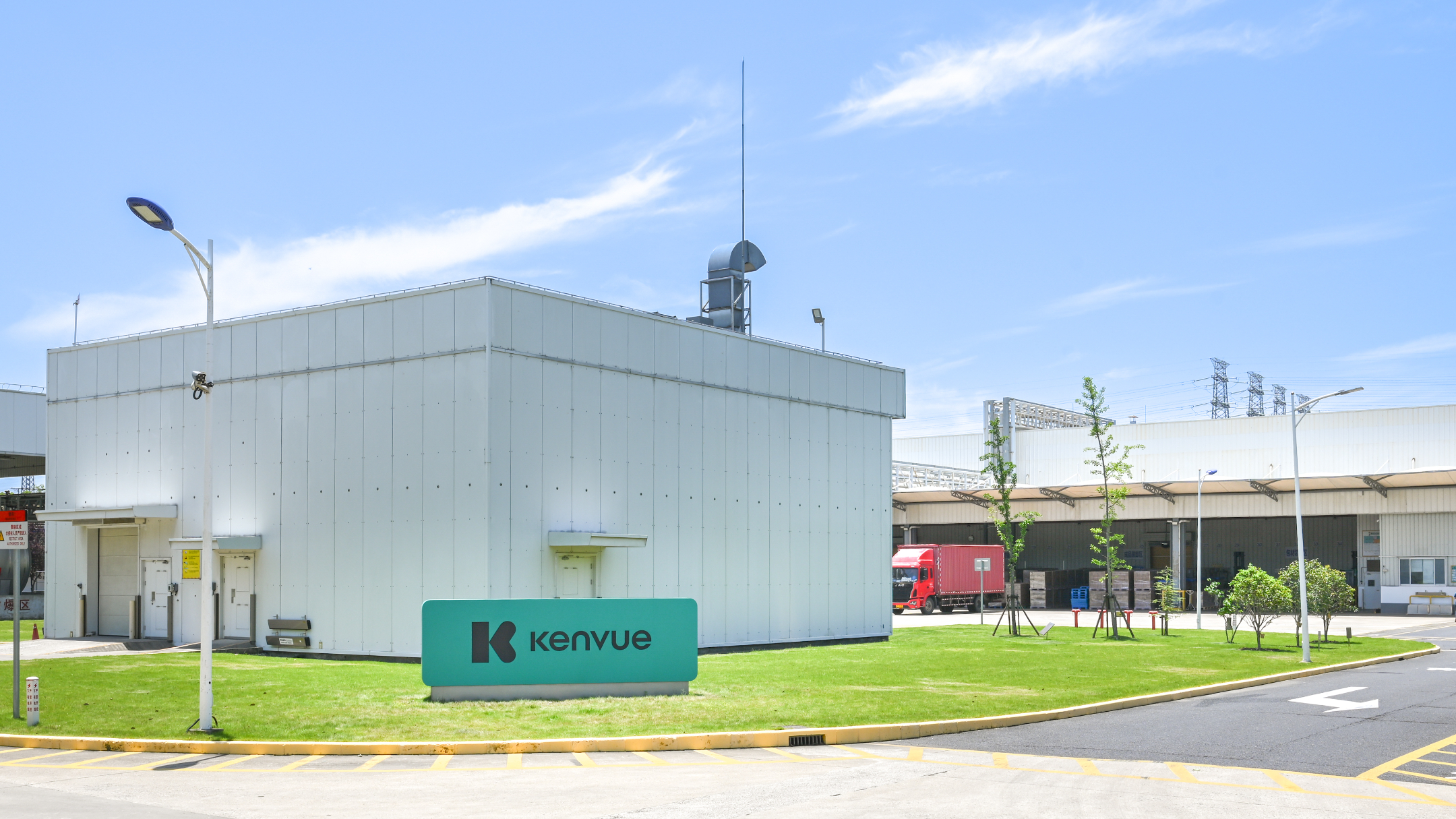
Group 1: Shanghai's Economic Environment - Shanghai has attracted over 70,000 multinational companies, contributing approximately 25% of the city's GDP and about 60% of its total foreign trade [1] - The city provides a vast market space that offers unlimited possibilities for multinational companies to develop and deepen their investment in China [1] Group 2: Kenvue's Development in China - Kenvue, a global consumer health company, has established two R&D centers, four factories, and ten logistics centers in China, employing around 1,600 people [2] - The company has been leveraging Shanghai's strong economic foundation and talent resources to drive high-quality development across its entire value chain [2][4] Group 3: Kenvue's Commitment to Shanghai - Kenvue's operations in China are closely aligned with Shanghai's economic and policy environment, benefiting from the city's market-oriented and international business climate [4] - The latest "Shanghai Business Environment Policy 8.0" has reinforced Kenvue's commitment to deepening its presence in the Chinese market [4] Group 4: Supply Chain and Production - Kenvue's supply chain plays a crucial role in both the Asia-Pacific and global supply chains, enhancing the quality, resilience, and flexibility of its operations [6] - The company plans to expand its over-the-counter drug production line in Shanghai, increasing capacity from 1 billion to 2 billion units annually [7] Group 5: ABB's AI Integration in Manufacturing - ABB is leveraging Shanghai as a hub to promote the integration of artificial intelligence (AI) with Chinese manufacturing, showcasing over 40 AI application solutions [8] - The introduction of AI has significantly improved the efficiency of robotic operations, such as increasing the success rate of screw fastening from 20% to nearly 100% [10][11] Group 6: Future Prospects for ABB - ABB is focusing on developing autonomous, multifunctional robots that can perform tasks similarly to humans, indicating a significant technological advancement [13] - The company has over 250 ongoing AI projects globally, with a strong emphasis on the Chinese market, which represents over 50% of the global robotics market [13]
WISeKey Appoints Rolf Gobet to its Strategic Advisory Committee
Globenewswire· 2025-06-16 05:00
Core Viewpoint - WISeKey International Holding Ltd has appointed Rolf Gobet to its Strategic Advisory Committee, enhancing its leadership in cybersecurity, blockchain, and IoT sectors [1][6]. Company Overview - WISeKey is a global leader in cybersecurity, digital identity, and IoT solutions, operating as a Swiss-based holding company with several operational subsidiaries [6][8]. - The company has over 1.6 billion microchips deployed across various IoT sectors, playing a vital role in securing the Internet of Everything [7]. Rolf Gobet's Experience - Rolf Gobet brings over three decades of experience in managing complex public-private projects, including leading the implementation of the world's first internet voting solution in collaboration with WISeKey [3][4]. - He was instrumental in developing TOSA, the world's first fully electric bus system that charges on the go, showcasing his ability to unite stakeholders from government, industry, and academia [4][5]. - Gobet has directed the Office for the Promotion of Industries and Technologies (OPI) for over 10 years, supporting the economic development of various companies [5]. Strategic Importance - Carlos Moreira, Founder and CEO of WISeKey, emphasized that Gobet's pioneering achievements and vision for sustainable innovation make him a valuable asset to the company's global mission [6].


工业自动化:美国工业回流对需求的边际拉动研究
Haitong Securities International· 2025-06-13 11:09
Investment Rating - The report suggests a focus on companies benefiting from the return of the US semiconductor, biopharmaceutical, and machinery manufacturing industries, highlighting leaders in industrial automation such as Siemens, Emerson, Rockwell, ABB, FANUC, Yaskawa, and Mitsubishi Electric [5][58]. Core Insights - The added value of the US manufacturing industry was $2.6 trillion in 2022, accounting for 15.1% of global manufacturing value, ranking second globally after China [1][54]. - The proportion of US manufacturing in GDP has declined from 28.4% in 2001 to 10.7% in 2022, significantly lower than the global average of 17.5% [1][54]. - The US manufacturing sector has experienced a compound annual growth rate of 1.5% from 2017 to 2022, lagging behind the global average of nearly 3% [1][54]. - The "hollowing out" of the US manufacturing sector is characterized by a shift towards capital optimization, with significant reliance on imports for key components [2][55]. - The US government aims to reverse the decline in domestic manufacturing to ensure national security, particularly in critical sectors like semiconductors and medical supplies [2][30][55]. Summary by Sections 1. Current State of US Manufacturing - The US manufacturing sector's absolute value is not low, but its contribution to the economy is overshadowed by the service sector [1][9]. - The manufacturing sector's decline is evident in its GDP contribution compared to other major economies [1][9][12]. 2. Impact of US Reshoring on Industrial Automation - Industrial automation is crucial for reducing costs and improving efficiency through the integration of manufacturing processes [3][56]. - The US industrial automation market has significant growth potential, particularly in the context of low robot density compared to other economies [3][37]. - The competitive landscape features established giants like Siemens and ABB alongside new entrants, with increasing competition driven by technological advancements and policy support [4][57]. 3. Key Companies and Market Outlook - Major players in the industrial automation sector include Siemens, ABB, Emerson, FANUC, Yaskawa, and Mitsubishi Electric, each with distinct strengths and market positions [5][58]. - The pharmaceutical and medical technology sectors are expected to drive growth in industrial automation from 2025 to 2030, while other sectors face challenges [4][57].


Planisware unveils AI-powered innovations and latest product improvement at annual conference: Exchange25 EMEA
Globenewswire· 2025-06-12 16:00
Planisware unveils AI-powered innovations and latest product improvement at annual conference: Exchange25 EMEA Paris, France, June 11, 2025 – Planisware, a leading B2B provider of SaaS in the rapidly growing Project Economy market, hosted its annual client conference, Exchange25 EMEA, over the last two days in Paris. This Paris edition is a highly anticipated event, held annually for over 20 years. It provides a platform for Planisware to showcase its latest innovations and foster fruitful exchanges among i ...

Powell Industries (POWL) Conference Transcript
2025-06-12 15:45
Summary of Powell Industries Conference Call Company Overview - Powell Industries is a manufacturer of products that manage and control the flow of electricity in medium to large facilities, primarily in the oil and gas sector, which accounts for approximately 50% of its backlog and revenue [5][33] - The company operates seven manufacturing facilities, six in the US and Canada, and one in the UK [4] Core Business Insights - Powell is expanding into the utility market in the US, Canada, and the UK, with a growing focus on commercial and industrial sectors, which currently represent 15% of revenue [6] - The company specializes in engineered-to-order products, with a focus on complex projects that require significant engineering expertise [10] - Powell's market focus is on utility-scale distribution, handling voltages from 480 to 38,000 volts [9] Financial Performance - Powell reported a strong financial position with $389 million in cash, with 50% allocated to working capital [26] - The company has nearly doubled its revenue over the last five years, achieving $520 million in the first half of the fiscal year with a gross profit margin of 27.5% [28] - The backlog at the end of fiscal 2023 was $1.3 billion, with a 20% increase in orders and a 16% growth in revenue [31] Market Trends and Opportunities - The utility sector has become a significant growth area, representing 29% of the backlog, with expectations for continued growth [34] - Powell is exploring opportunities in battery storage and energy storage projects, although the market is still developing [40][41] - The company is also focusing on the data center market, which has seen increased demand, particularly for medium voltage solutions [50] Competitive Landscape - Powell competes with major players like ABB, Eaton, Schneider, and Siemens, but differentiates itself through its fully integrated manufacturing process and local market knowledge [21][22] - The company is the only US-based publicly traded manufacturer in its sector, which provides a unique competitive advantage [21] Strategic Initiatives - Powell is investing in research and development, having doubled its R&D spending over the last couple of years, and has launched three new products recently [27] - The company aims to enhance its service offerings beyond installation and commissioning, focusing on operational excellence and automation to address the shortage of electrical engineers [24][25] Operational Considerations - Powell is currently operating at about 85% capacity and is exploring ways to improve productivity through technology and engineering partnerships [58][59] - The company has plans to expand its facilities if demand continues to grow, particularly in the utility and data center sectors [52][60] Conclusion - Powell Industries is well-positioned for future growth, leveraging its strong financial position, expanding into new markets, and focusing on innovation and operational efficiency to meet increasing demand in the energy sector [61][62]

Petrobras Expands Energy Output With High-Tech FPSO Solutions
ZACKS· 2025-06-12 13:10
Core Insights - Petrobras is advancing offshore energy production through a partnership with ABB and Seatrium, focusing on two new FPSO vessels, P-84 and P-85, aimed at enhancing operations in the Atapu and Sépia oil fields [1][12][13] Group 1: Technological Innovations - The P-84 and P-85 FPSOs will utilize an all-electric configuration for the first time, with each vessel expected to produce 225,000 barrels of oil per day, enhancing global oil supply [2][8] - The vessels will have a combined power generation capacity of 165MW, improving energy efficiency and simplifying maintenance [3] - ABB's Is-limiter technology will be deployed for the first time offshore, providing rapid fault isolation to protect critical components [6][7] Group 2: ABB's Contributions - ABB will supply electrical and automation solutions for the FPSOs, ensuring seamless integration of intelligent electrical devices [4][5] - The company will manufacture critical components, such as UniGear ZS1 switchboards, locally in Brazil, supporting Petrobras' local content goals [9] - ABB's collaboration with Seatrium combines expertise in automation and offshore construction to set new benchmarks in FPSO development [10][11] Group 3: Market Outlook - Brazil's offshore oil sector is projected to see a $21 billion investment in new FPSO projects from 2026 to 2027, with the global FPSO market expected to reach $46.2 billion by 2033 [12] - The P-84 and P-85 projects are designed to support Brazil's expanding offshore potential while aligning with sustainable technologies [13][14] Group 4: Strategic Implications - Petrobras is signaling a shift towards digitalized and electrified offshore operations, focusing on efficiency and environmental responsibility [14][15] - The P-84 and P-85 projects are positioned to enhance energy security and introduce innovations in offshore safety and reliability [16][17]


【干货】2025年餐饮配送机器人行业产业链全景梳理及区域热力地图
Qian Zhan Wang· 2025-06-12 03:10
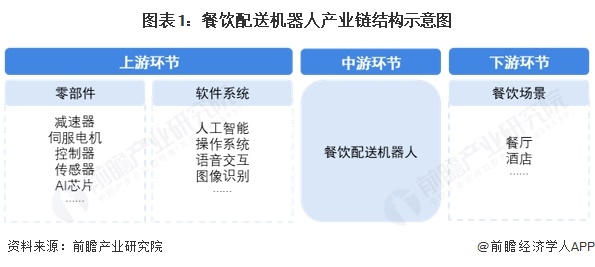
Industry Overview - The restaurant delivery robot industry has a long and closely connected supply chain, including upstream components and software systems, midstream manufacturing, and downstream application fields such as restaurants and hotels [1][2] - Key upstream suppliers for components include Cambrian, SenseTime, ABB, and Intel, while software system providers include Tianqi Co., iFlytek, and Guangzhou Liansheng [2] - Midstream companies involved in the research and production of restaurant delivery robots include Pangu Robot, PuduTech, Qianlang Intelligent, and Orion Star [2] Regional Distribution - The majority of restaurant delivery robot companies are concentrated in Jiangsu and Guangdong provinces, with Jiangsu hosting companies like Pangu Robot and Ninebot, and Guangdong housing PuduTech and Yingbo Intelligent [3][5] Company Performance - The main publicly listed companies in the restaurant delivery robot sector are Ninebot, Yijiahe, and Ecovacs, with Ecovacs reporting a service robot revenue of 3.397 billion yuan and a gross margin of 44.80% in 2024 [7][8] - Ninebot's total revenue for 2024 is projected at 14.196 billion yuan, with service robot revenue at 980 million yuan and a gross margin of 52.58% [8] - PuduTech leads the global commercial service robot market, with products sold in over 60 countries and regions, while Qianlang Intelligent has been recognized as a global unicorn for four consecutive years [7][9] Recent Developments - Companies in the restaurant delivery robot industry are increasing R&D investments and launching innovative products, contributing to the sector's growth and advancement [10] - Yijiahe has signed a comprehensive cooperation agreement with Huawei Cloud to explore advancements in embodied intelligence [11] - Pangu Robot is set to launch a new delivery robot in April 2025, integrating advanced technologies for seamless indoor and outdoor navigation [11] - PuduTech has introduced the world's first humanoid service robot for commercial scenarios, marking a significant step in the commercialization of service robots [11] - Qianlang Intelligent has released a humanoid service robot capable of completing various service tasks, enhancing operational efficiency [11]